• Home
  • indulge
  • new poetry
    • About Luna Luna
    • resources
    • search
  • editor
  • dark hour
  • submit
Menu

luna luna magazine

  • Home
  • indulge
  • new poetry
  • About
    • About Luna Luna
    • resources
    • search
  • editor
  • dark hour
  • submit
delicious new poetry
'the doors of the night open' — poetry by Juan Armando Rojas (translated by Paula J. Lambert)
Nov 29, 2025
'the doors of the night open' — poetry by Juan Armando Rojas (translated by Paula J. Lambert)
Nov 29, 2025
Nov 29, 2025
'we can be forlorn women' — poetry by Stevie Belchak
Nov 29, 2025
'we can be forlorn women' — poetry by Stevie Belchak
Nov 29, 2025
Nov 29, 2025
'I do whatever the light tells me to' — poetry by Catherine Bai
Nov 29, 2025
'I do whatever the light tells me to' — poetry by Catherine Bai
Nov 29, 2025
Nov 29, 2025
‘to kill bodice and give sacrament’ — poetry By Kale Hensley
Nov 29, 2025
‘to kill bodice and give sacrament’ — poetry By Kale Hensley
Nov 29, 2025
Nov 29, 2025
'Venetian draped in goatskin' — poetry by Natalie Mariko
Nov 29, 2025
'Venetian draped in goatskin' — poetry by Natalie Mariko
Nov 29, 2025
Nov 29, 2025
'the long sorrow of the color red' — centos by Patrice Boyer Claeys
Nov 28, 2025
'the long sorrow of the color red' — centos by Patrice Boyer Claeys
Nov 28, 2025
Nov 28, 2025
'Flowers are the offspring of longing' — poetry by Ellen Kombiyil
Nov 28, 2025
'Flowers are the offspring of longing' — poetry by Ellen Kombiyil
Nov 28, 2025
Nov 28, 2025
'punish or repent' — poetry by Chris McCreary
Nov 28, 2025
'punish or repent' — poetry by Chris McCreary
Nov 28, 2025
Nov 28, 2025
'long, dangerous grasses' — poetry by Jessica Purdy
Nov 28, 2025
'long, dangerous grasses' — poetry by Jessica Purdy
Nov 28, 2025
Nov 28, 2025
'gifting nighttime honey' — poetry by Nathan Hassall
Nov 28, 2025
'gifting nighttime honey' — poetry by Nathan Hassall
Nov 28, 2025
Nov 28, 2025
'A theory of pauses' — poetry by Jeanne Morel and Anthony Warnke
Nov 28, 2025
'A theory of pauses' — poetry by Jeanne Morel and Anthony Warnke
Nov 28, 2025
Nov 28, 2025
'into the voluminous abyss' — poetry by D.J. Huppatz
Nov 28, 2025
'into the voluminous abyss' — poetry by D.J. Huppatz
Nov 28, 2025
Nov 28, 2025
'an animal within an animal' — a poem by Carolee Bennett
Nov 28, 2025
'an animal within an animal' — a poem by Carolee Bennett
Nov 28, 2025
Nov 28, 2025
‘in the glitter-open black' — poetry by Fox Henry Frazier
Oct 31, 2025
‘in the glitter-open black' — poetry by Fox Henry Frazier
Oct 31, 2025
Oct 31, 2025
'poet as tarantula,  poem as waste' — poetry by  Ewen Glass
Oct 31, 2025
'poet as tarantula, poem as waste' — poetry by Ewen Glass
Oct 31, 2025
Oct 31, 2025
'my god wearing a body' — poetry by Tom Nutting
Oct 31, 2025
'my god wearing a body' — poetry by Tom Nutting
Oct 31, 2025
Oct 31, 2025
'Hours rot away in regalia' — poetry by Stephanie Chang
Oct 31, 2025
'Hours rot away in regalia' — poetry by Stephanie Chang
Oct 31, 2025
Oct 31, 2025
'down down down the hall of mirrors' — poetry by Ronnie K. Stephens
Oct 31, 2025
'down down down the hall of mirrors' — poetry by Ronnie K. Stephens
Oct 31, 2025
Oct 31, 2025
'Grew appendages, clawed towards light' — poetry by Lucie Brooks
Oct 31, 2025
'Grew appendages, clawed towards light' — poetry by Lucie Brooks
Oct 31, 2025
Oct 31, 2025
'do not be afraid' — poetry by Maia Decker
Oct 31, 2025
'do not be afraid' — poetry by Maia Decker
Oct 31, 2025
Oct 31, 2025
'The darkened bedroom' — poetry by Jessica Purdy
Oct 31, 2025
'The darkened bedroom' — poetry by Jessica Purdy
Oct 31, 2025
Oct 31, 2025
'I am the body that I am under' — poetry by Jennifer MacBain-Stephens
Oct 31, 2025
'I am the body that I am under' — poetry by Jennifer MacBain-Stephens
Oct 31, 2025
Oct 31, 2025
goddess energy.jpg
Oct 26, 2025
'Hotter than gluttony' — poetry by Anne-Adele Wight
Oct 26, 2025
Oct 26, 2025
'As though from Babel' — poetry by Fox Henry Frazier
Oct 26, 2025
'As though from Babel' — poetry by Fox Henry Frazier
Oct 26, 2025
Oct 26, 2025
'See my wants' — poetry by Aaliyah Anderson
Oct 26, 2025
'See my wants' — poetry by Aaliyah Anderson
Oct 26, 2025
Oct 26, 2025
'black viper dangling a golden fruit' — poetry by Nova Glyn
Oct 26, 2025
'black viper dangling a golden fruit' — poetry by Nova Glyn
Oct 26, 2025
Oct 26, 2025
'It would be unfair to touch you' — poetry by grace (ge) gilbert
Oct 26, 2025
'It would be unfair to touch you' — poetry by grace (ge) gilbert
Oct 26, 2025
Oct 26, 2025
'Praying in retrograde' — poetry by Courtney Leigh
Oct 26, 2025
'Praying in retrograde' — poetry by Courtney Leigh
Oct 26, 2025
Oct 26, 2025
'To not want is death' — poetry by Letitia Trent
Oct 26, 2025
'To not want is death' — poetry by Letitia Trent
Oct 26, 2025
Oct 26, 2025
'Our wildness the eternal now' — poetry by Hannah Levy
Oct 26, 2025
'Our wildness the eternal now' — poetry by Hannah Levy
Oct 26, 2025
Oct 26, 2025

Caroline Hagood on Weird Girls and the Inner Monster

October 2, 2022

An interview with Caroline Hagood
by Lisa Marie Basile

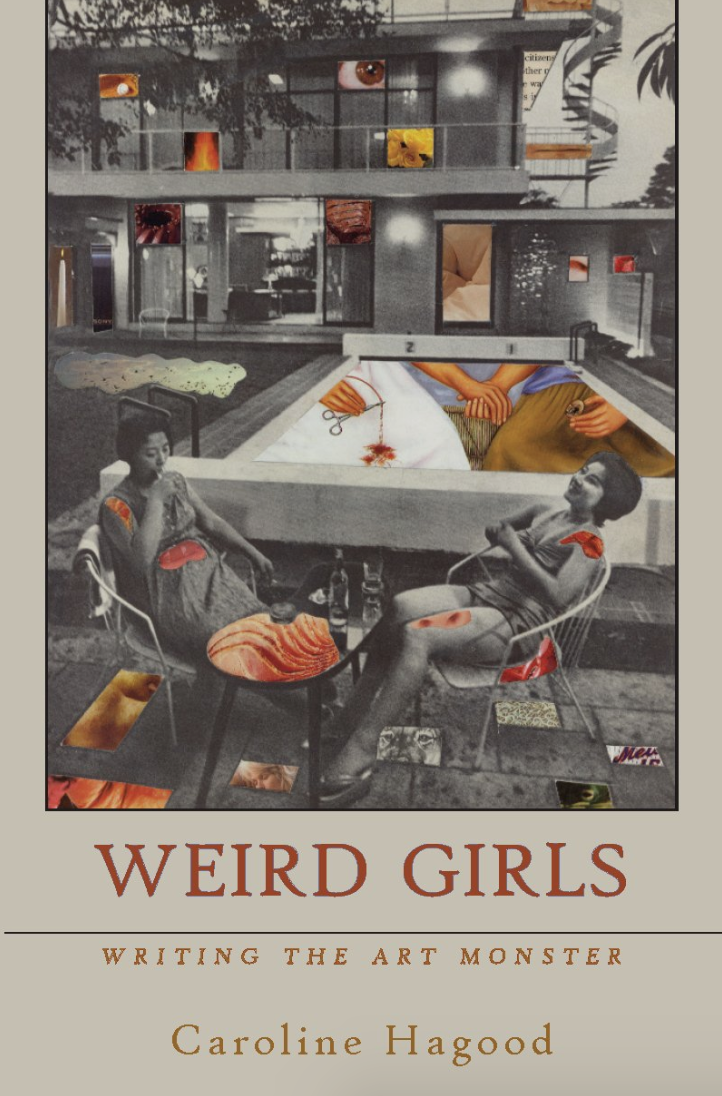
Lisa Marie Basile: Can you tell us all about Weird Girls: Writing The Art Monster? I am so intrigued by it (as a self-professed weird girl, of course) and so excited to read it. I’m also excited to read with you (and so many other incredible talents) at your reading event, Weird Girls Con.

Caroline Hagood: WEIRD GIRLS: WRITING THE ART MONSTER is an essay collection or book-length essay, depending on how you see it. It's a collection of different essays, but they all overlap, and circle back on one another. I was inspired to write the book since I've always been a weird girl, haha. But, seriously, after reading Jenny Offill's Dept of Speculation, I saw that so very many women writers were suddenly writing about the "art monster," or the writer who gets to focus monomaniacally, monstrously on his or her own work—but the catch was that the ones who usually got to do this were men. I have always been obsessed with the topics of creativity and monstrosity, and so this book came to be.
Ah! I'm so interested in the inner art monster — how it shows up, how it's praised, how it's rejected (so oft by men), and why it's so alluring. Sometimes, I think the inner monster is the only thing that keeps me writing — that fiendishness, that obsession. I especially sync with the art/creativity monster as a Capricorn Rising, the archetype that is often associated with obsessive Doing. It's interesting because on one hand, there's the oft-critiqued "girl boss" archetype — yet on the other, the obsessive, frenzied woman who wants to learn and do more is something that should be embraced. Why do you think so many people are exploring woman as art monster?

I love these questions so much. Yes, I absolutely share your fascination with the inner monster/the obsessive and passionate pursuit of art. It’s at the core of my writing practice. I think the woman who has had to fight tooth and nail for her creativity, and even the concept of the art monster, is as old as time, but I think Jenny Offill put a name (and connected story) to it in her 2016 novel Dept of Speculation.

Since 2016 I’ve been seeing women/femme/nonbinary writers grappling with this concept constantly. Then I think movements such as #metoo and sociocultural situations such as the way women and mothers have been impacted by COVID-19, for instance, coalesced with the whole art monster narrative to form a super-monster that’s trying to claw its way out of every text I pick up these days. I always pull this art monster out of there, and I’m so happy to see her.

Who are some of your artistic influences, and how do they appear or work their way into your own work?

I guess I would say I'm a fan of the obsessives when it comes to literature and creativity in general—the creators who just don't know where to stop, who exist in ways that are determined to be "too much," who write or film or paint in ways deemed to be "too much," and so forth.

I also love my hybrid people, those who write things where you go, "wait, is this a poem, a novel, an essay, and do I even need to know? Nope!" Those are my favorite works of art. I used to co-run a reading series called Kill Genre, and I have an upcoming panel with the same title because I guess that's my thing. :)

I also love hybrid people. I'm over strict genre separation and definitions, although I see why people often turn to them. What would you tell a writer who is anxious about or hesitant to cross-play or blend genres?

I would be like, “Wait, what is this genre you speak of? I’ve never heard of it.” Then I would quote Lady Gaga, “So there's nothing more provocative than taking a genre that everybody who's cool hates—and then making it cool.”

But seriously, I would invite this writer to step out of this limiting way of thinking of writing. I would say not to worry about playing with genre and, ideally, to focus on inventing her/his/their own new genre.
How does lineage or culture shape your work? It’s a question I ask every writer. I love to see how the threads come together.

My mother is a very powerful, wonderful, difficult woman who worships literature, and I really do think of myself as carrying on this piece of our family heritage. She was a businesswoman who wrote and painted on her own time and would take me outside to look at the moon at night to get inspired. I love her for this.

Can you share with us some of your writing rituals? What are the little things you do to collaborate with the Muse?

Well (and I'm pretty sure nobody at all will care about this little detail) I absolutely must have my hair up. I can't explain it, but I cannot write without this whole situation being taken care of. Then I really like to listen to weird jazz without lyrics because it inspires me without distracting me with words.

Then I know it always sounds creepy, but I like to look at the photographs I have of women writers around my work area, such as the one of Mary Shelley writing with a quill. If I don't feel in the mood to write, I just look over at them and it gets me going. They are my coven, and they don't even know they serve this purpose for me (the living ones I mean). I promise I"m not as creepy as I sound.

Um, looking at women writers. NOT CREEPY AT ALL. Gasp! I love it. This is a certain kind of summoning, an odd little ritual where you call forth their essence. Can you tell me why the Mary Shelley image speaks to you so much? Paint the moment for us. 

 I just love the concept of Shelley being dared to write a ghost story and creating this book about a monster who epitomizes the way I view creativity itself: monstrous, sewn together from the “bodies” of so many different artifacts, well-read, obsessive, creative, poetic, tender, full of longing, misunderstood, comedic, lonely.

Who are some contemporaries who have inspired or helped you in your creative journey?

When I was at Fordham, I felt very inspired and supported by what I called my creative writing ladies, professors who participated in the dark arts of, well, creative writing: Elisabeth Frost, Heather Dubrow, and Sarah Gambito.

Then, lately, I've been working with Patricia Grisafi on some really fun witchy projects. I was also recently bowled over by the kindness of Erika Wurth. I've never met her in person (we are "social media" close), but she was still incredibly generous with literary advice and contacts because that's what she believes in. And it's what I believe in, too, very much so.

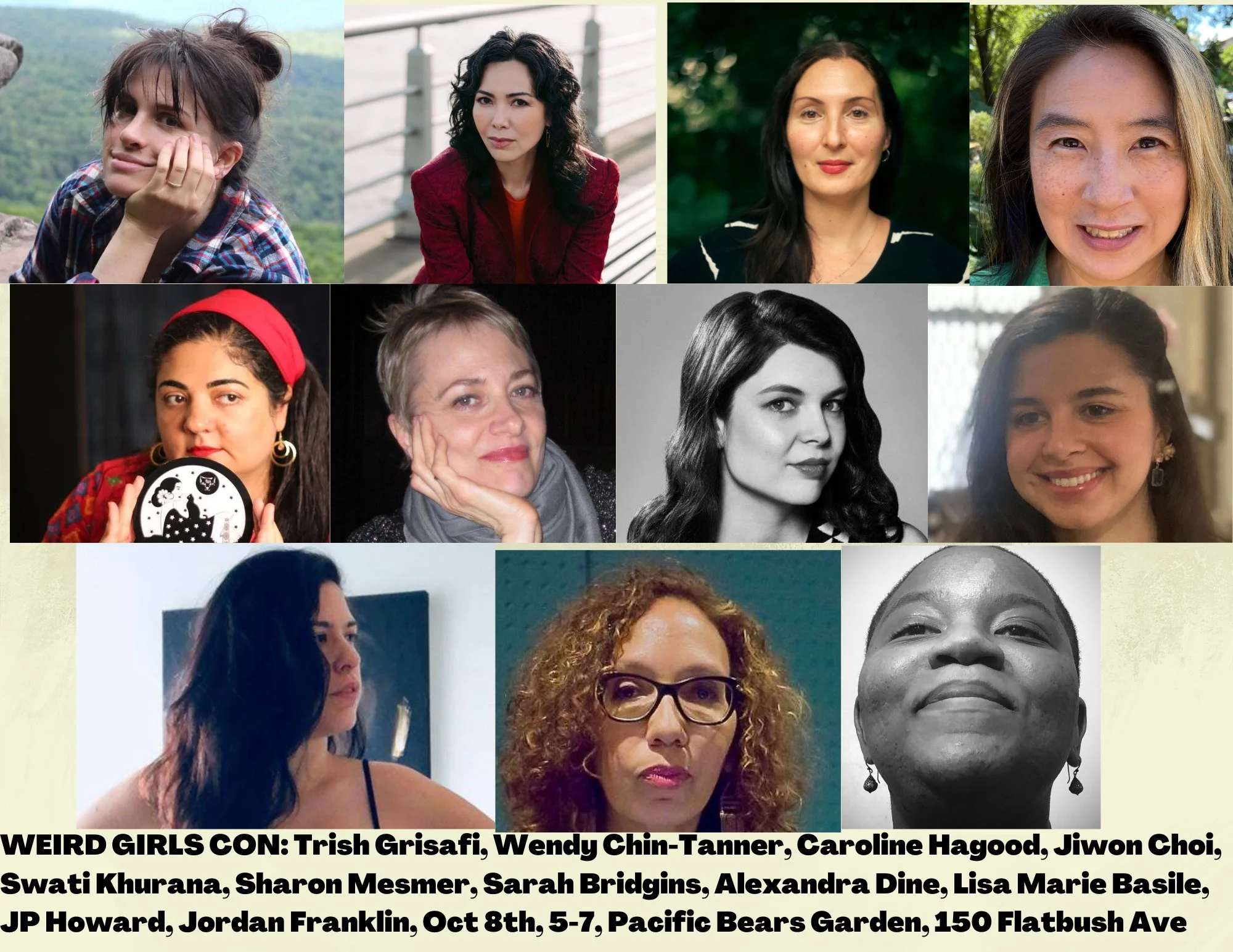
Join the WEIRD GIRLS CON event
Saturday, October 8th from 5-7 PM EST
Pacific Bears Community, Brooklyn, NY
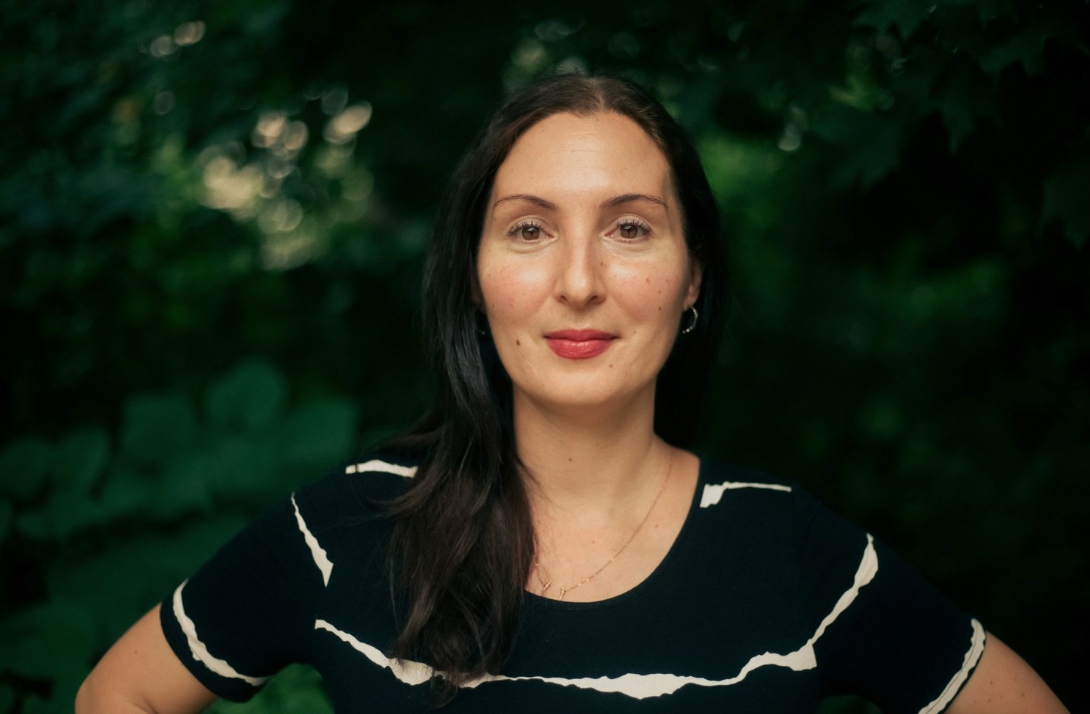
Caroline Hagood is an Assistant Professor of Literature, Writing and Publishing and Director of Undergraduate Writing at St. Francis College in Brooklyn. She is the author of the poetry books, Lunatic Speaks (2012) and Making Maxine’s Baby (2015), the book-length essay, Ways of Looking at a Woman (2019), and the novel, Ghosts of America (2021). Her book-length essay Weird Girls is forthcoming from Spuyten Duyvil Press in November. Her work has appeared in publications including Creative Nonfiction, LitHub, the Kenyon Review, Hanging Loose, the Huffington Post, the Guardian, Salon, and Elle.
In Poetry & Prose, Politics, Social Issues, Interviews Tags Caroline Hagood, Weird Girls, Weird Girls: Writing The Art Monster, Hybrid, Writing, Mary Shelley
Comment
darkness is divine

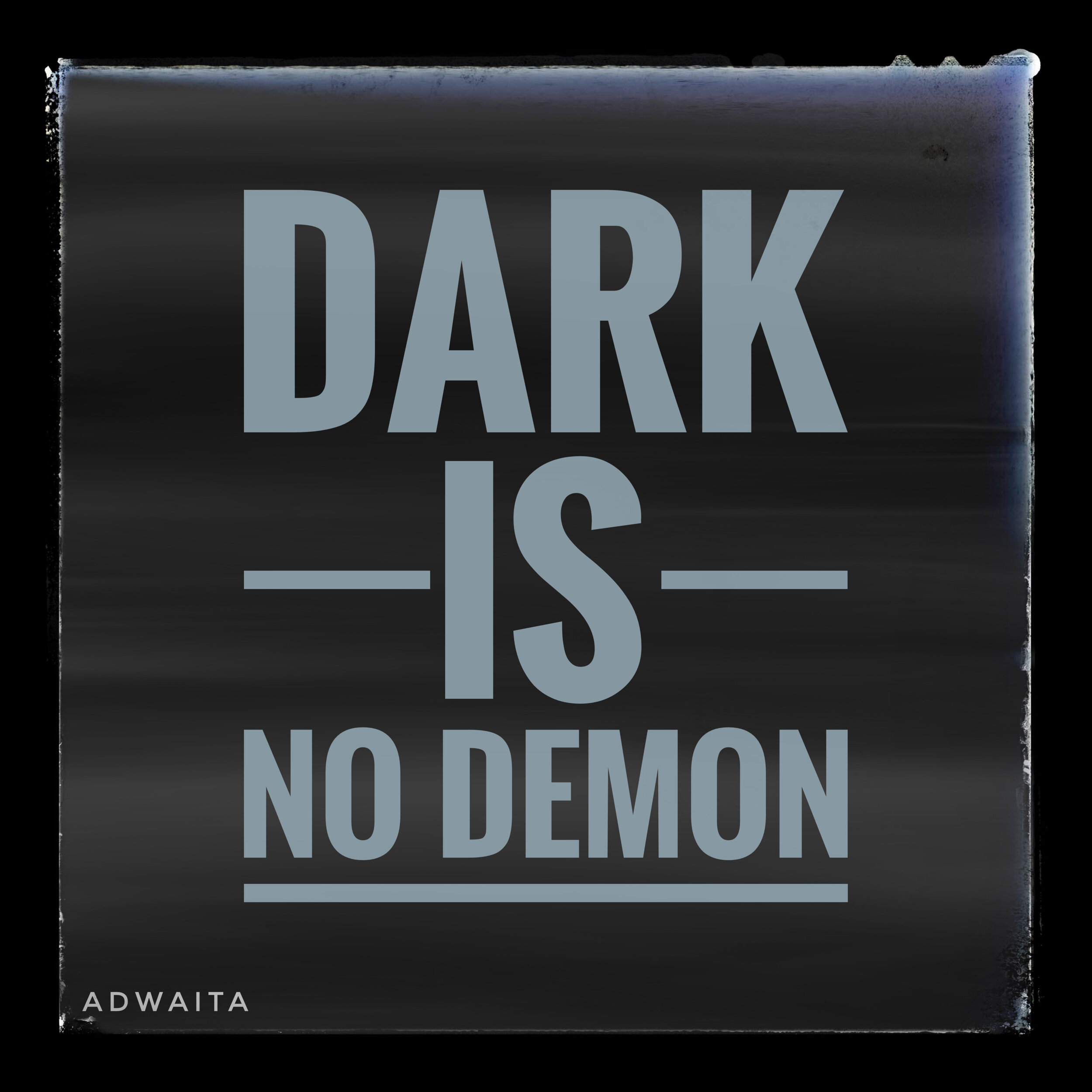
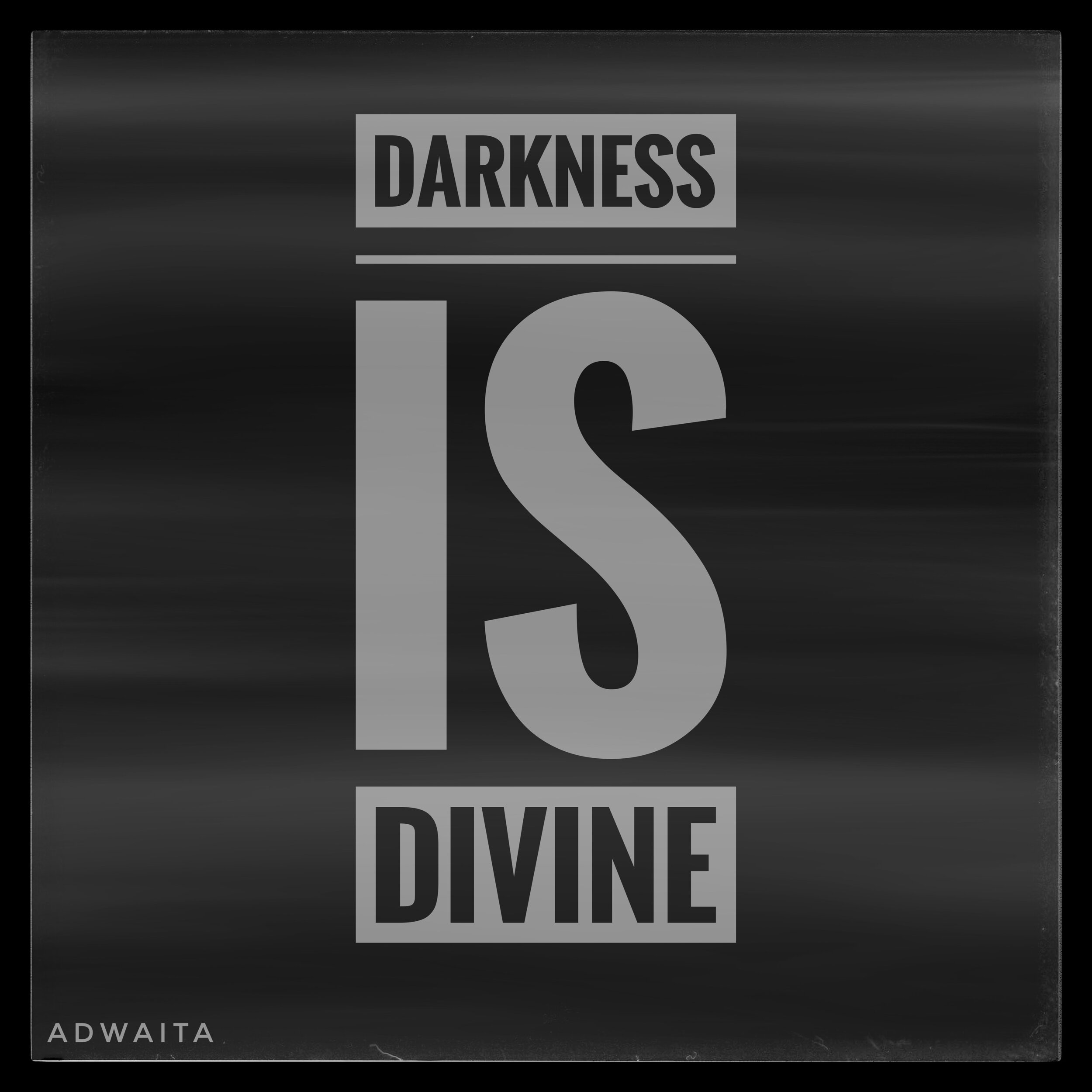
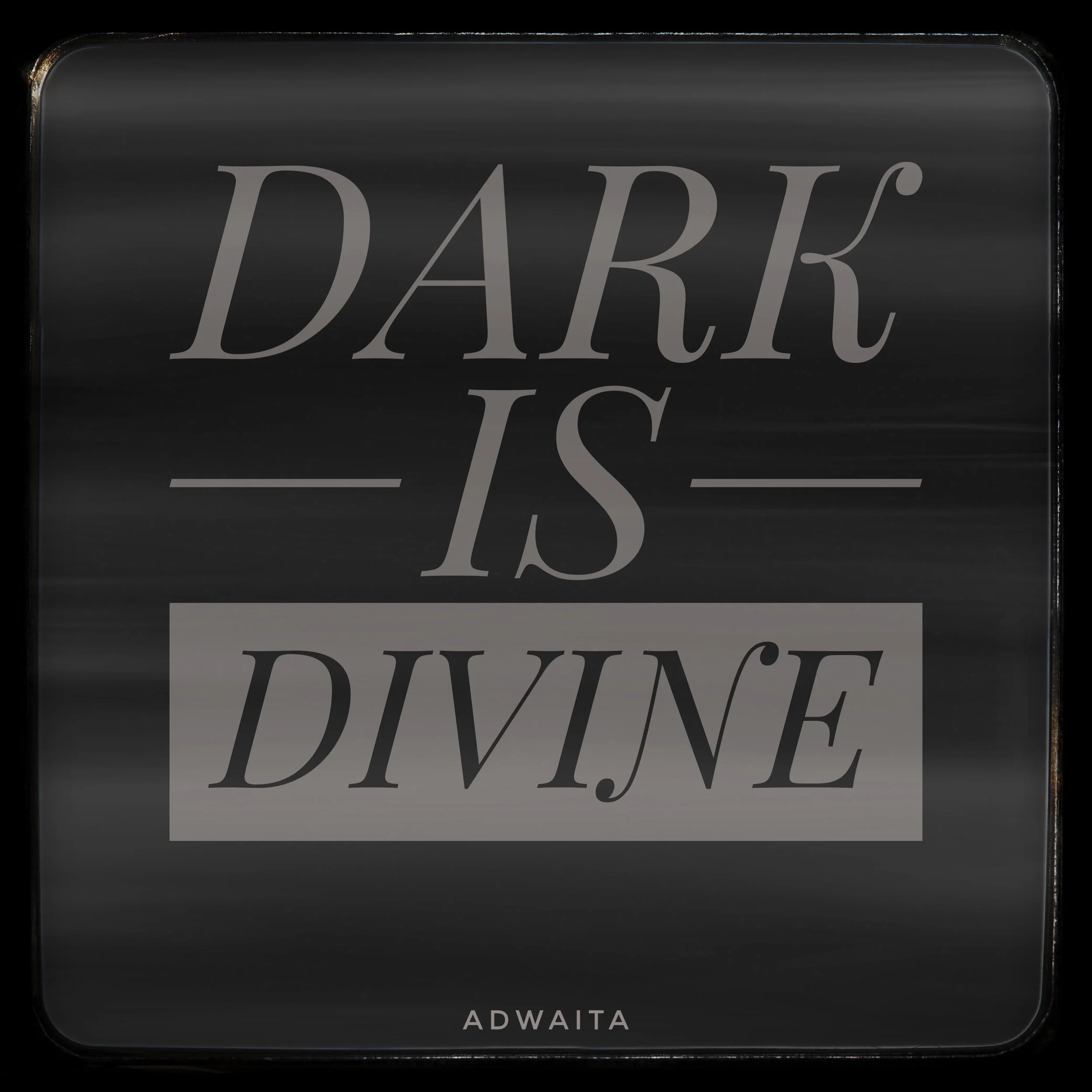
Darkness Divine by Adwaita Das

December 1, 2020

BY ADWAITA DAS

Darkness_Divine_01.JPG Darkness_Divine_03.JPG Darkness_Divine_04.JPG Darkness_Divine_06.JPG

Act One  

Darkness is no devil.  

And yet,  

Again and again and again  

And again  

We use the word  

Dark  

to define evil,  

to describe horror,  

Compelled by the primitive fear  

Of  

The unknown,  

Of  

The other,  

Propelled by the mortal terror  

Of  

Dying,  

Branded by conditions of race  

Embedded in metaphors  

Of  

Language.  

And then we wonder why black lives  

Are brutalised by hate.  

Act Two

But how to give up this convenient  

figure of speech?  

Remember this:  

Earth was lifeless burning lava,  

Until the planet tilted, became  

Blessed with shadowy diffusion,  

And birthed  

Living organisms.  

Nonetheless,  

People of all colours are heard brooding,   

“Dark days…”  

“Great darkness gathering…”  

“Black magic…”  

“Being black hearted…”  

And then we ponder why black lives  

Are butchered by hate.  

Act Three  

A scientific fact:  

Ninety five percent of the known universe is  

Black;  

Dark energy  

and  

Dark matter.  

The darkness is not demonic.  

We are blind—  

Us humans—  

Obsessed with baryonic particles in our  

Five percent  

Range of sight.  

“Let in the light.”  

“Pure white light.”  

“Go to the light.”  

“Bright holy light.”  

Remember the blaze of weaponised explosions,  

The brilliance of wildfire devouring plantations.  

Light—frequently—is also the destroyer of life.  

Act Four  

Black night is my awakening;  

I seek  

The Darkness Divine!  

Act Five  

Stop using  

“Dark”  

to mean evil.  

Stop using  

“Darkness”  

to define death.  

Let language evolve.  

Let language express  

The actual event:  

“Hatred.”  

“Cruelty.”  

“Violence.”  

“Ignorance.”  

Call it  

Fear.  

Call it by its true name.  

Not dark or darkness again.  

Black is a colour of life.  

Dark are the cosmic nuclei.  

Act Six  

Black is the cool balm  

Of  

Shade  

In blistering day  

Under tropical sun.  

Dark is the soul—  

conscious,  

subconscious,  

and unconscious—  

Celestial gravitation  

Reflecting  

The infinite cosmos.  

Black is the wave  

Of  

Rebellion.  

Dark is the new light.  

I celebrate  

The Darkness Divine. 


A note from the creator:

Being from India, as opposed to Caucasian countries, I have a completely different relationship with everything dark. Our climate, in particular, gave me an appreciation of a reverse nature: light burns; shadow heals. White can be illness and death, while black could be a blessing. The scorching summer makes me cry out aloud for deep dark rain clouds.

In my mother-tongue Bengali, the word for darkness, "andhakaar", literally translates to "blind-form.” Because it is we who are blind in the dark. When we condemn it, we automatically lament our own blindness, rather than give the colour of darkness a bad association.

In mythology, my favourite is Kali—the dark black Goddess who destroys monsters with mad savagery and protects us. The Darkness protects us! “Kalo” means “black” in Bengali; “Kali” is “blackness” or “ink.”

Perhaps it is time to de-associate words like darkness from evil. Perhaps it is time to open our minds and languages to the divinity of the dark black.


Adwaita Das is an author-artist-auteur from India, Planet Earth. She studied English literature & filmmaking; worked in theatre, news & advertising. Her art explores mindfulness. Her books 27 Stitches, Colours Of Shadow & Songs Of Sanity deal with the human psyche.


In Social Issues Tags Adwaita Das
Comment
Photo by Maya Washington

Photo by Maya Washington

'Time is emotional for me': An Interview with Poet Sara Borjas

November 17, 2020

BY MONIQUE QUINTANA, IN INTERVIEW WITH SARA BORJAS

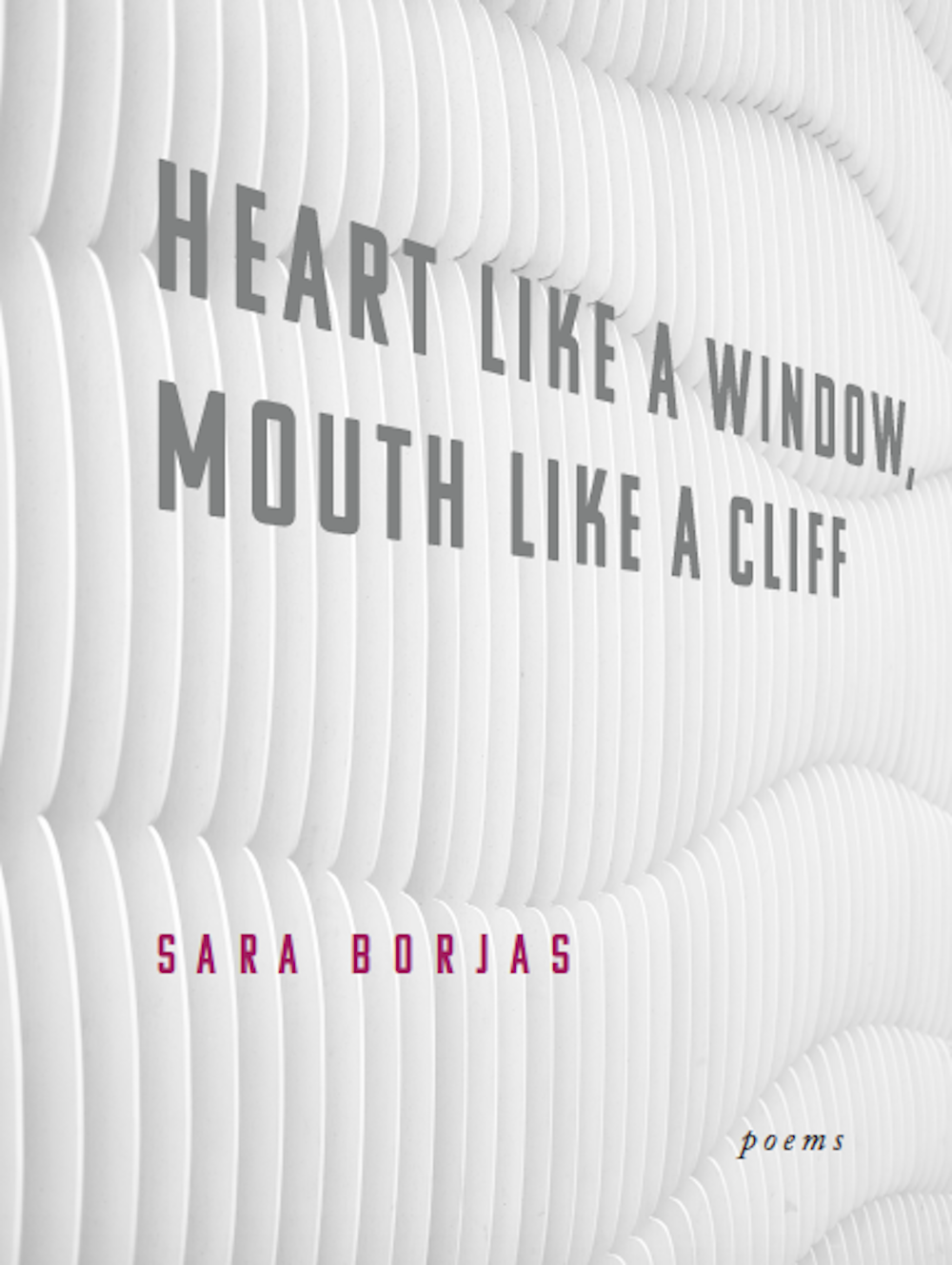
The last time I saw Sara Borjas was a few weeks ago when we spoke over the produce section at Costco. There were quick laughs and unspoken intentions, the thought that we'd know a little more about ourselves and the places we exist in the next time we meet again. Sara's debut poetry collection speaks to moments like these. A recipient of the American Book Award, Heart Like a Window, Mouth Like a Cliff ( Noemi Press, 2019 ) shows growing up in another kind of California. Simultaneously urban and rural, hot and cold, high tech and nostalgic, Fresno, CA, is celebrated and lamented in the book and its loves. In the essay near the center of the book, ' We Are Too Big for This House, ' Borjas creates new mappings of time, space, and the familial archive. She talks about writing the piece here. 

Monique Quintana: It's often said that we begin essays with questions that we want to ask about ourselves. When would you say you started writing "We Are Too Big For This House" in your mind? What were you most surprised about when you eventually wrote it down to page?

Sara Borjas: I started writing it because Carmen Giménez Smith said the speaker in my collection isn't fully understood with what poems I was offering her in my manuscript. She told me to ask myself: What is it I am not saying? Why is the speaker so tender and so resentful? I was not surprised about what I eventually wrote, but I am surprised about how its form offered what feels like the singular way I could express what feels like a given and obvious experience for me at intersections of my identities.

Cover image via Noemi Press

Cover image via Noemi Press

MQ: When I read your essay and the notes on the margins, I think about how time works for Xicanas and our memories. As someone who's invested in the intersections of feminism, pop culture, and archive, how do you experience time differently with the women in your life? What is a song, TV show, film, or any other art piece that resets time for you?

SB: There's not a thought that I have that isn't conversing with my doubt and my own oppressive tendencies. I feel like we, Xicanas, are always living at times of intense colonization, liberation, and the present moment, which makes every moment tense and potentially reckless. Time is heavy, no matter where I am. And I think women in my life have been taught either euphemisms or slogans of oppression like "everything happens for a reason" or "I'm just grateful" or "some people have it worse." I've heard it called "toxic positivity," but I don't know it's that for women of color or all Xicanas. So I feel like my investments and my privilege, built on their labor, helps me see those as survival tactics, and also, things I refuse to participate in anymore because suffering shouldn't beget more suffering. I also understand that they're necessary for many Xicanas, and much peace and choices are built on them. I'm incapable of crossing of into that "positive" thinking because I feel like I remember everything, even the things that didn't happen to me specifically in my lifetime, and so sometimes I feel guilty for knowing or thinking I know. It can be a special type of lonely. Time is emotional for me. And the only thing that resets that, without a doubt, is the song "Ascension" by Maxwell, and a moment when I feel truly, truly loved.

MQ: What do you want most for new Latinx essays to interrogate about ourselves?

SB: I want something very specific—I want Xicanx writers to interrogate our machiste. I want most for Xicanos to interrogate their machiste. It's played out, "laughable and lethal" (as Jess Row says of whiteness) and oppressing us all.


SARA BORJAS is a Xicanx pocha, is from the americas before it was stolen and its people were colonized, and is a Fresno poet. Say their names.

Her debut collection of poetry, Heart Like a Window, Mouth Like a Cliff was published by Noemi Press in 2019 as part of the Akrilica series and received a 2020 American Book Award. Tony McDade. Sara was named one of of Poets & Writers 2019 Debut Poets, is a 2017 CantoMundo Fellow, represents California as a CantoMundo Regional Chair, and is the recipient of the 2014 Blue Mesa Poetry Prize. Dominique "Rem'mie" Fells. Her work can be found in Ploughshares, The Rumpus, Poem-a-Day by The Academy of American Poets, and The Offing, amongst others. Sandra Bland. She is a lecturer in the Department of Creative Writing at UC Riverside, where she works with innovative undergraduate writers.

Ahmaud Arbery. She believes that all Black lives matter and will resist white supremacy until Black liberation is realized, lives in Los Angeles, and stays rooted in Fresno. Justice for Breonna Taylor and George Floyd and the countless others. She digs oldiez, outer space, aromatics, and tiny prints is about decentering whiteness in literature, creative writing, and daily life.

Abolish the police. Find her @saraborhaz or at www.saraborjas.com. Say their names.

Monique Quintana is a Xicana from Fresno, CA, and the author of the novella Cenote City (Clash Books, 2019). Her short works have been nominated for Best of the Net, Best Microfiction, and the Pushcart Prize. She has also been awarded artist residencies to Yaddo, The Mineral School, and Sundress Academy of the Arts. She has also received fellowships to the Community of Writers, the Open Mouth Poetry Retreat, and she was the inaugural winner of Amplify’s Megaphone Fellowship for a Writer of Color. You can find her @quintanagothic and moniquequintana.com.

In Poetry & Prose, Art, Politics, Social Issues Tags Interview, poetry, sara borjas
Comment
by Lisa Marie Basile / ritual poetica

by Lisa Marie Basile / ritual poetica

Journaling The Body: Prompts for Chronic Illness

July 28, 2020

BY LISA MARIE BASILE

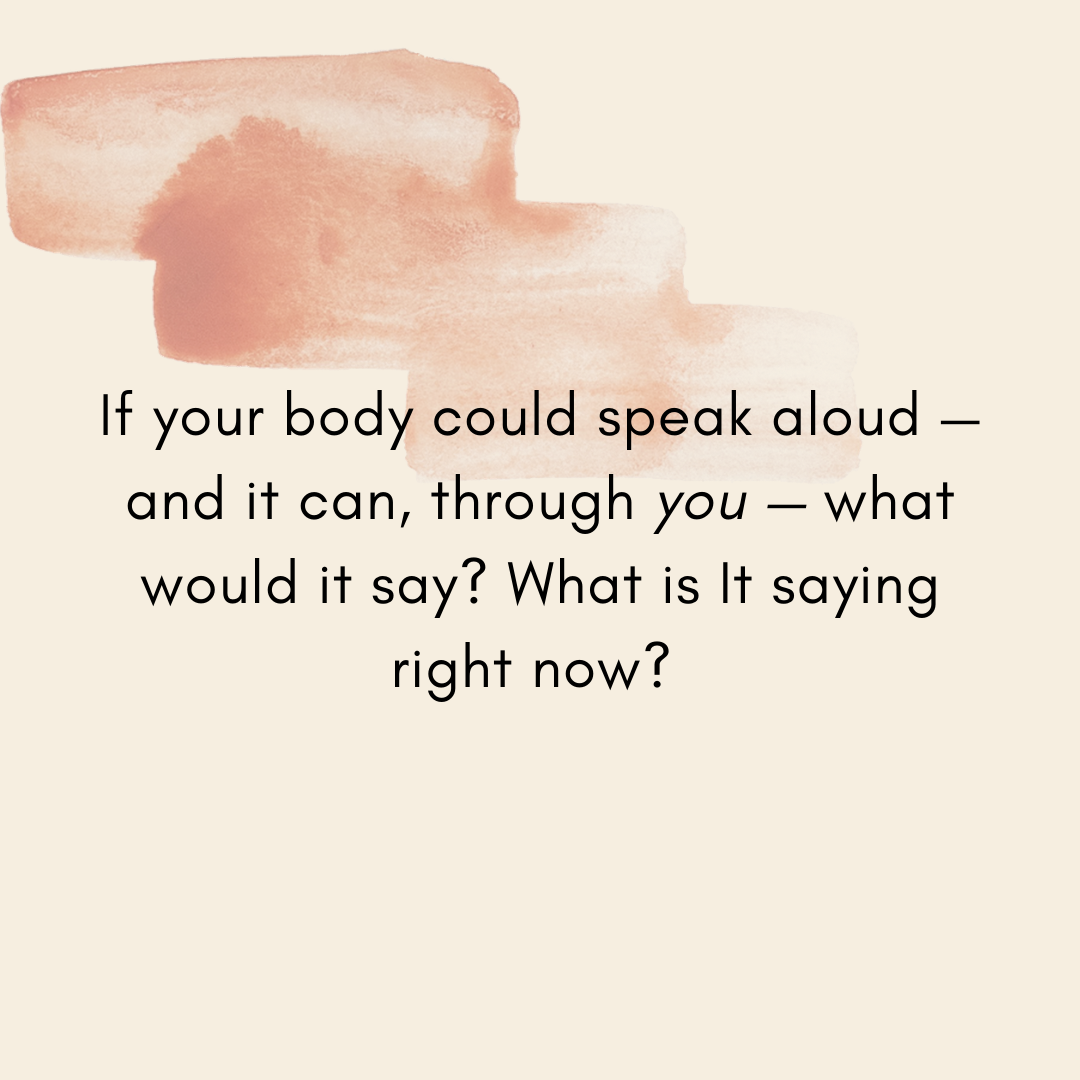
I live with #ankylosingspondylitis, so I live with daily pain and immobility. I’m also a patient advocate, so I realize how much of an emotional toll managing chronic illness — including dynamic disabilities, inflammatory diseases, or mental health issues — can take. Here are some of the journal prompts based I’ve been using in my journaling practice. I want you to know that you’re not alone.

There are SO many studies in clinical journals proving the beneficial psychological and even physiological effects of expressive writing. I’ve known writing has the capacity to change us since…forever, but science does offer some explanation. Our bodies change when we make space for our feelings.

When we hold our feelings in, it can devastate our bodies (cortisol build-up, for one, is a real issue) and our psyches. It is especially isolating to live with a chronic illness; suffering day to day without people truly understanding can take a toll on you. This can cause greater anxiety and stress which cyclically leads back into pain and worsening health. Your journal is a place for your truth. Take advantage of it. Let the shadows out and embrace joy, as well. It is not a solution nor a cure, but it is its own type of medicine.

Think of writing as one powerful tool in your self-care arsenal. It’s not a quick fix. It’s not a miracle — but it holds a mirror up to who we are, and can help us find autonomy in the experience. Follow my transformative writing page at RITUAL POETICA.

Beige and Brown Delicate Photo Instagram Post.png
Beige and Brown Delicate Photo Instagram Post (5).png
Beige and Brown Delicate Photo Instagram Post (1).png
Beige and Brown Delicate Photo Instagram Post (2).png
Beige and Brown Delicate Photo Instagram Post (3).png
Beige and Brown Delicate Photo Instagram Post (4).png
Beige and Brown Delicate Photo Instagram Post (6).png
In Wellness, Body Ritual, Social Issues Tags chronic illness, healing, ptsd, Mental Health, journaling, Prompts
Comment

Trans Polemics

July 27, 2020

C. Bain is a gender-liminal multi- and inter-disciplinary artist based in Brooklyn, New York. Bain’s book of poetry Debridement (Great Weather for Media) was a finalist for the 2016 Publishing Triangle Awards. His writing appears in journals and anthologies including PANK, theRumpus.net, BOOTH, Muzzle Magazine, BOAAT, them. and the Everyman's Library collection Villanelles. He has a long history in poetry slam, and has shared stages with Jim Carroll, Patricia Smith, Dorothy Allison, and Saul Williams.

Read More
In Social Issues Tags LGBTQIA, transgender
Comment
Photo: Joanna C. Valente

Photo: Joanna C. Valente

The Queering of Time and Bodies through AI

July 2, 2020

Joanna C. Valente is a human who lives in Brooklyn, New York. They are the author of several collections, including Marys of the Sea, #Survivor, (2020, The Operating System), Killer Bob: A Love Story (2021, Vegetarian Alcoholic Press), and is the editor of A Shadow Map: Writing by Survivors of Sexual Assault. Joanna is the founder of Yes Poetry and the senior managing editor for Luna Luna Magazine. Some of their writing has appeared in The Rumpus, Them, Brooklyn Magazine, BUST, and elsewhere. joannavalente.com / Twitter: @joannasaid / IG: joannacvalente / FB: joannacvalente

Read More
In Social Issues, Poetry & Prose, Personal Essay Tags LGBTQIA, lgbtq, technology, ai, Lyrical essay, essay, art, Photography
Comment
Image via Octavio Quintanilla

Image via Octavio Quintanilla

' Frontera and Texto ' : An Interview with Writer Octavio Quintanilla

July 1, 2020

…Frontextos has become ritual, meditation, prayer.  Action is the mantra.

Read More
In Interviews, Poetry & Prose, Art, Social Issues Tags Art, Poetry, Literature, Language
Comment
Screen Shot 2020-06-28 at 10.10.35 PM.png

What if the earth is asking us to be still?

June 29, 2020

BY LISA MARIE BASILE

Tune in with me.

I think about the people who will populate our future, and I ask the sky what they will see, what they will be told — through our actions and words and hunger. Will we become their ancient gods, whose lessons are bleak and hellish? Will they see how hard many of us tried and how we hoped?

Will our mythos be of hyper-consumerism, racism, lovers who are not allowed to love, bodies put into categories, plastic, the poisoned fruit, the unbearable dullness of constant performance, the addiction to the avatar, the plutocracy, the oceans crying into themselves, the sound of the air cracking against the ozone? Will all of our wounds still be present?

When I think of the people of the ancient worlds — and their gods and their cultures and their arts — I wonder what they would have wanted us to know?

Did they hope to impart a message of beauty, art, and nature? Of storytelling and culture?

Did they think we would destroy one another and the earth they danced upon in worship?

What happens to everything when we sit in the sea? Do we become a primal beautiful thing?

Screen Shot 2020-06-28 at 9.35.02 PM.png

There is a presence that is being asked of us. Do we hear its sound? Are we the people who tolerate abuse? Are we the zombies of decadence, the digital void that consumes and hungers through screens? What if we were embodied for a day? Would we hear the great chambers of our heart, and the hearts of strangers, and the vines and sea beings we came from?

Screen Shot 2020-06-28 at 9.57.42 PM.png

There is a constant scrolling and feeding. And it’s because we are hurting. We are disconnected. We are oppressed. We are poor. We are sick. We are not seen by society. We feel lonely, a loneliness perpetuated by hyper-connection.

How else do we live without turning to the void, which provides us beautiful and loud things to buy and be and shape ourselves into?

How do we live without abusing our neighbor, without stomping on their chest?

What if we could remember ourselves? How miraculous we are? Would we remember to be generous, to heal, to say hello? What would it look like if we all stopped pushing for a moment? What if we let the wind move us?

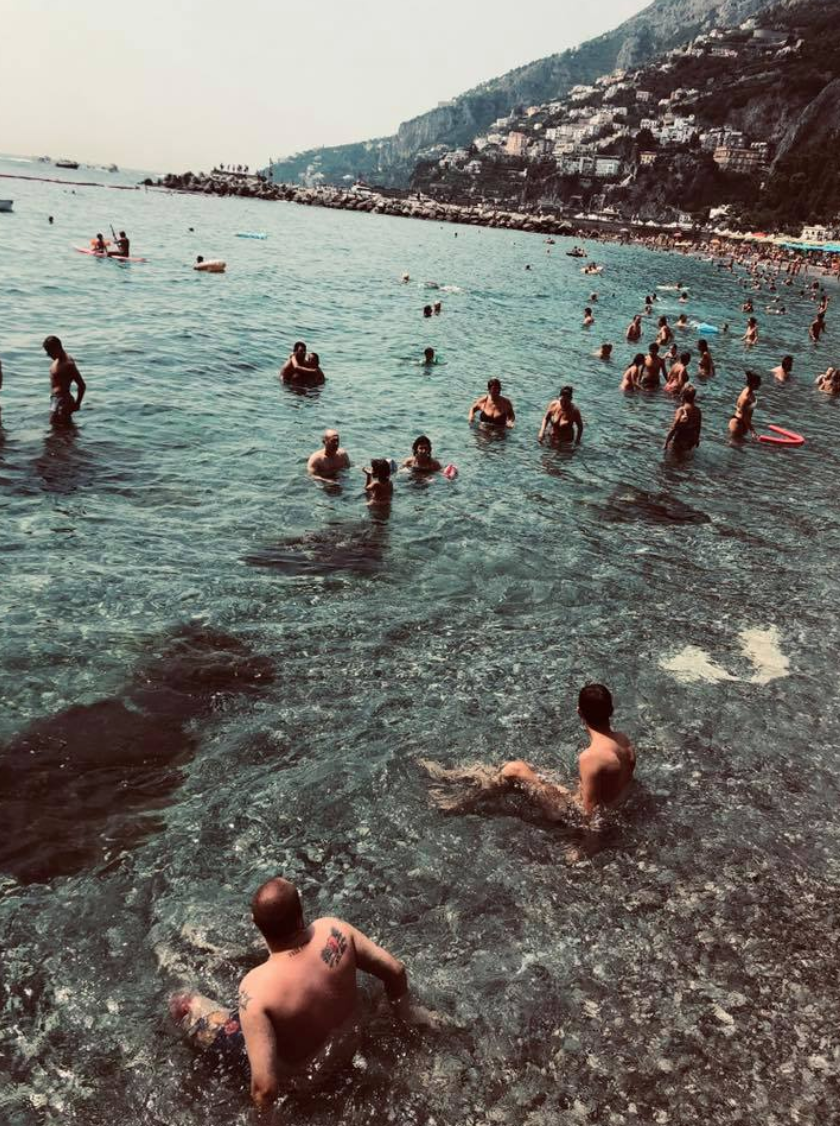
Positano

Positano

I feel sometimes I am a ghost. Liminal, floating through the world, eating the world around me — media and fashion and ideas that are not my own, not aligned with my values or my traumas or my soul.

I am out of time with my own soul. I am in 2020, but my heart is in the ocean eternal. I want wind and shorelines. I want fairness and justice. I want to experience beauty without the billboards looming. I want to read a book in the sunlight, and see my neighbor have the same opportunity.

But my neighbors — and your neighbors — are dying, are being murdered, and our ecosystems are gasping in our wake.

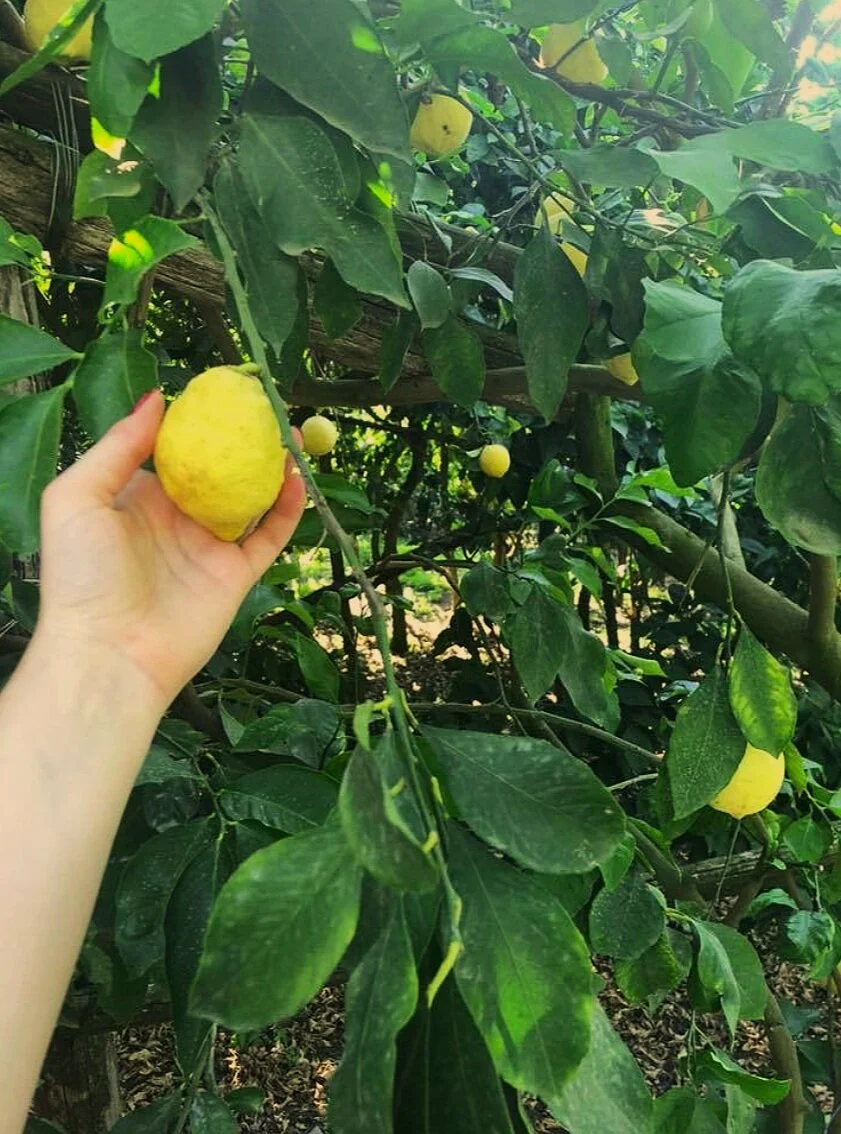
La Masseria Farm Experience

La Masseria Farm Experience

There are days that are so beautiful, so soft and real, that I have hope. These are holy days.

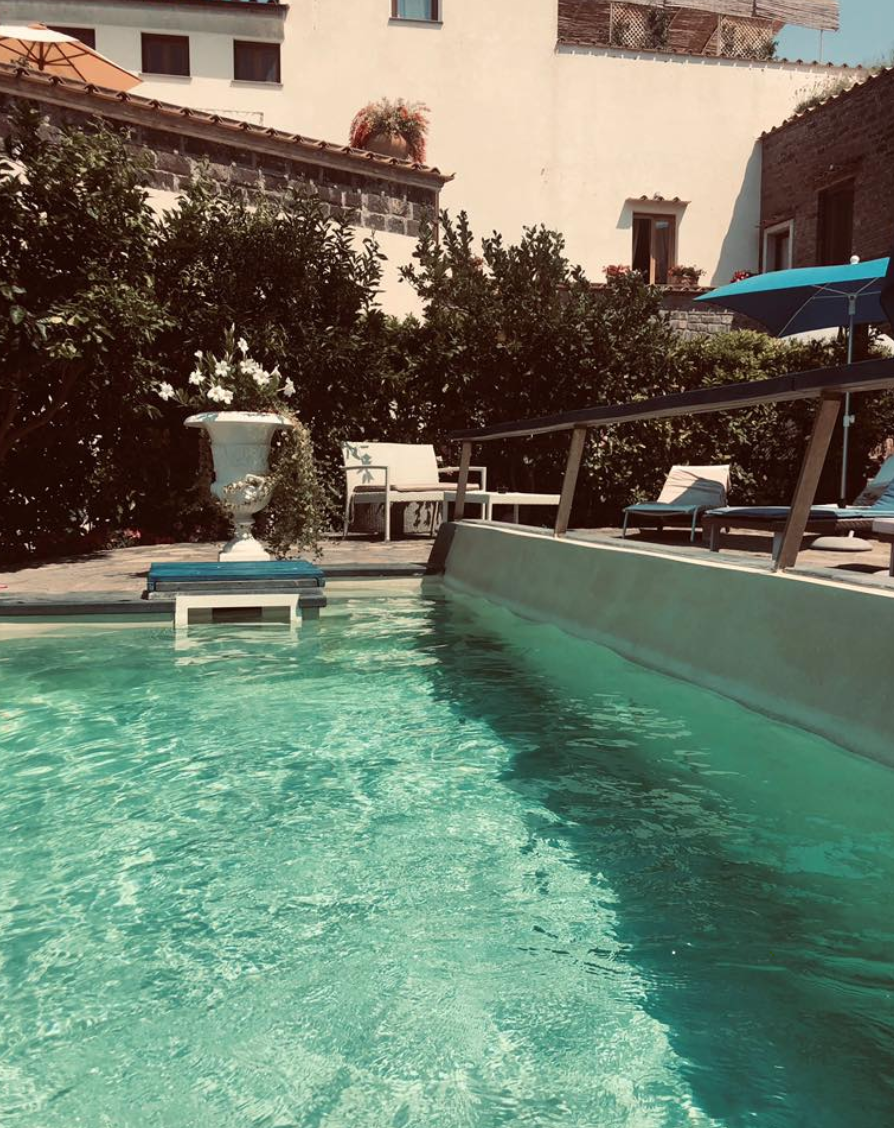
In Campania Italy, I have a holy day. I sit in a small stone pool. I think of the drive through the mountains from Napoli, where Pompeii stands, its breath held, looming over its land. How it preserved the stories of its people. I think always of what is preserved, what is lost.

But in the little pool, I am alone. The bed and breakfast is quiet. Tourists are out at Capri or Amalfi, the staff are napping during siesta, making pesto, somewhere else paying bills, talking on phones. I hear the hum of a generator, street dogs barking, the starlings that fly over me back and forth, definitely flirting.

Screen Shot 2020-06-28 at 8.44.54 PM.png

I whistle and they zip over my head. We are in conversation, I know it. The earth wants me to know it sees me, wants me to see it. I am here and nowhere else. I am completely alive. I am made for this moment; we all are.

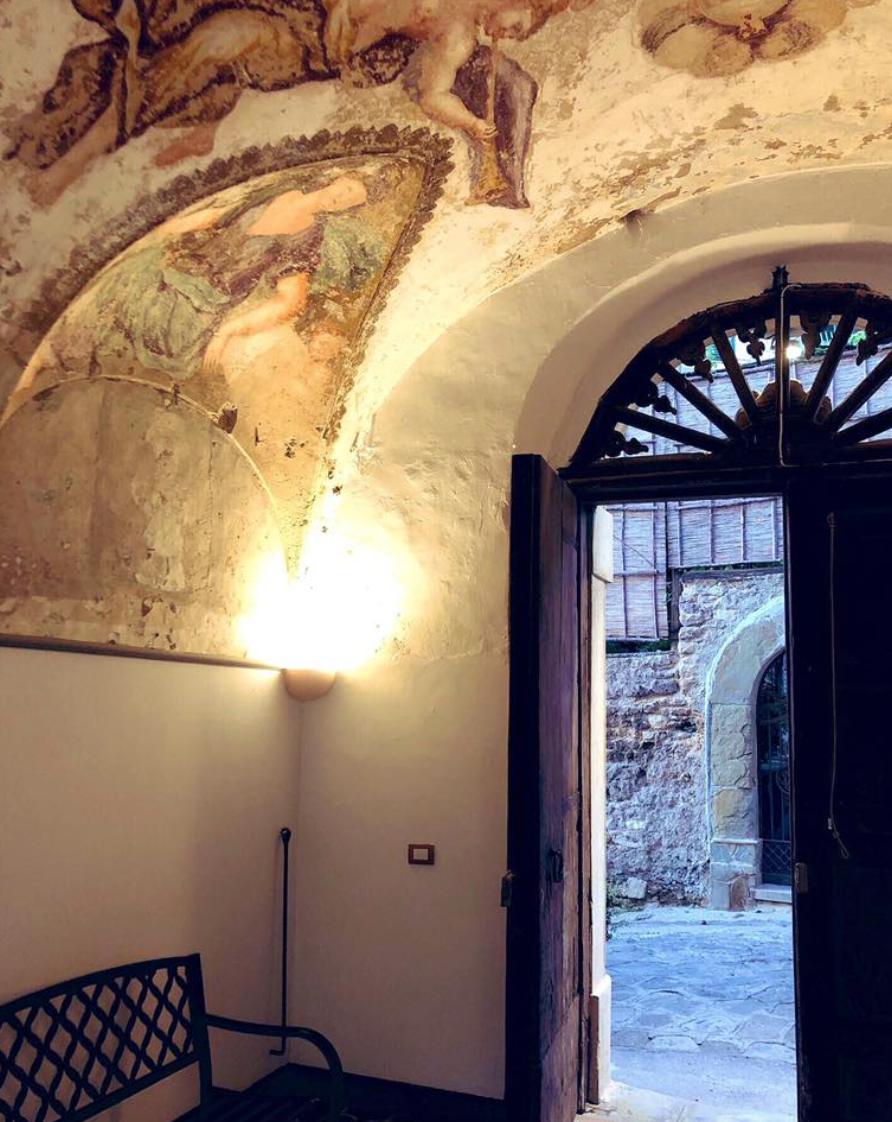
And after the late dinners of fried fish, I walk back to my room, alone. I am greeted again by the tiny birds who flutter in and out of the domed entrance, cherubs painted across the ceiling. I think of time and nature, and its concurrent obliviousness and suffering. I think of my privilege, and what I can do to preserve these stunning things.

I think of my body withstanding 100-degree heat. How I talk to the creatures in some liminal language of love. I think of how we could all be good to one another, so good that we could all have holy days.

I think of my flesh as the wine of this land. I feel the Mediterranean and the Tyrrhenian Seas in the palms of my hands. I am so alive and grateful and awake at the altar of these moments I cry for the nostalgia that hasn’t come yet, that I know I will feel. That I do feel. I am both past and present. But mostly, I am now.

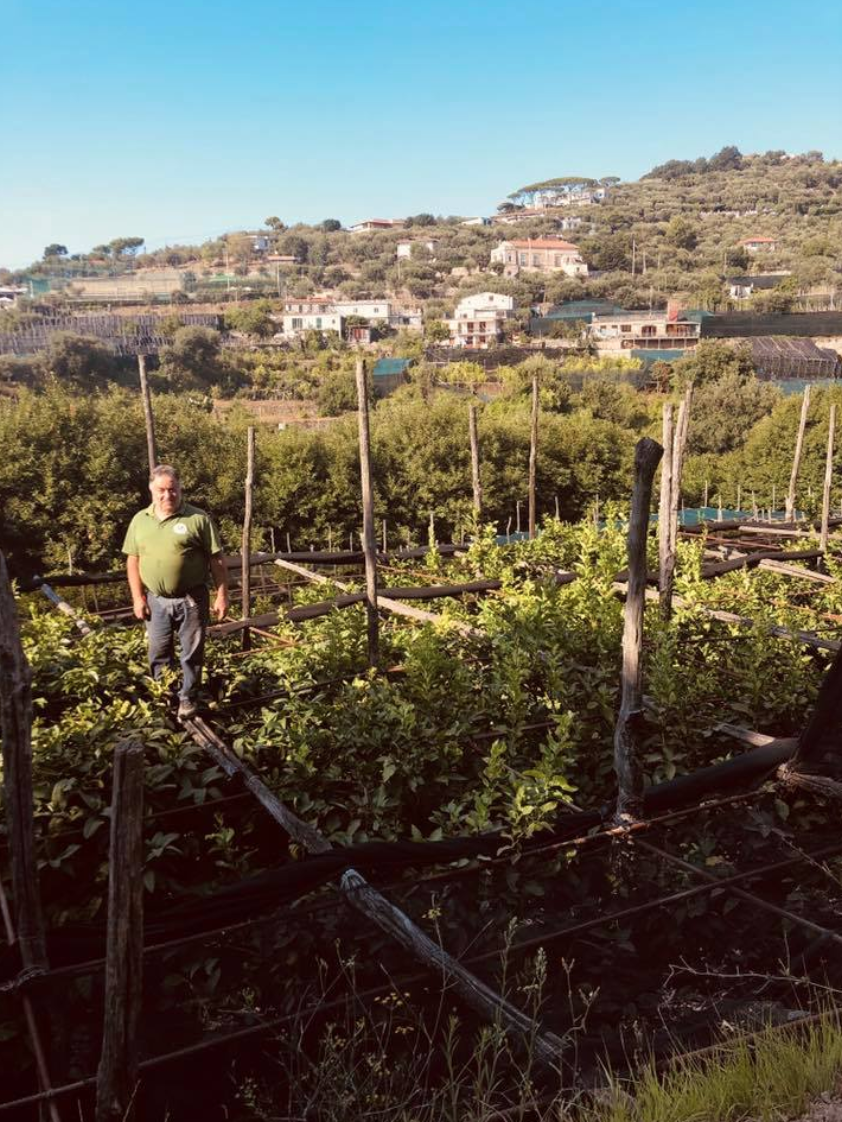
I walk up the road to a farm and am greeted by a family whose hands have nurtured and translated the earth for centuries. They climb the trees, show us the olives falling. We see the farm cats idle in their sunlight, their fur dotted in soil. They are languid in pleasure and warmth.

I lose myself in the lemon trees, smell their peels; I am blessed. I step into the cool room where they keep the jugs of Montepulciano and cured meats. A cry in ecstasy is somewhere within me.

After a long day of pasta made by hand and more wine and strangers inviting me to their table and then limoncello, I walk home to my room. I am drunk on the connection. I film the walk, then stop. I do not want to capture everything; some things just exist between me and the earth. I won’t share.

La Masseria Farm Experience

La Masseria Farm Experience

My room is called Parthenope. It is etched into the wooden door. When I open the door, that is the threshold, the portal. Parthenope is a siren who lives on the coast of Naples. I imagine her body clinging to the continental shelf, her hair entwined in shell. They say she threw herself into the sea when she couldn’t please Odysseus with her siren song. Or maybe a centaur fell in love with Parthenope, only to enrage Jupiter, who turned her into Naples. The centaur became Vesuvius, and now they are forever linked — by both love and rage. Is that not humanity?

She became Naples. She became forever. Her essence is water, is earth, is the mythology of what happens when people are cruel and jealous and oppressive. Is this the message the sirens are singing? To be tolerant? To normalize cruelty? To fill the void with empty media, with images without stories?

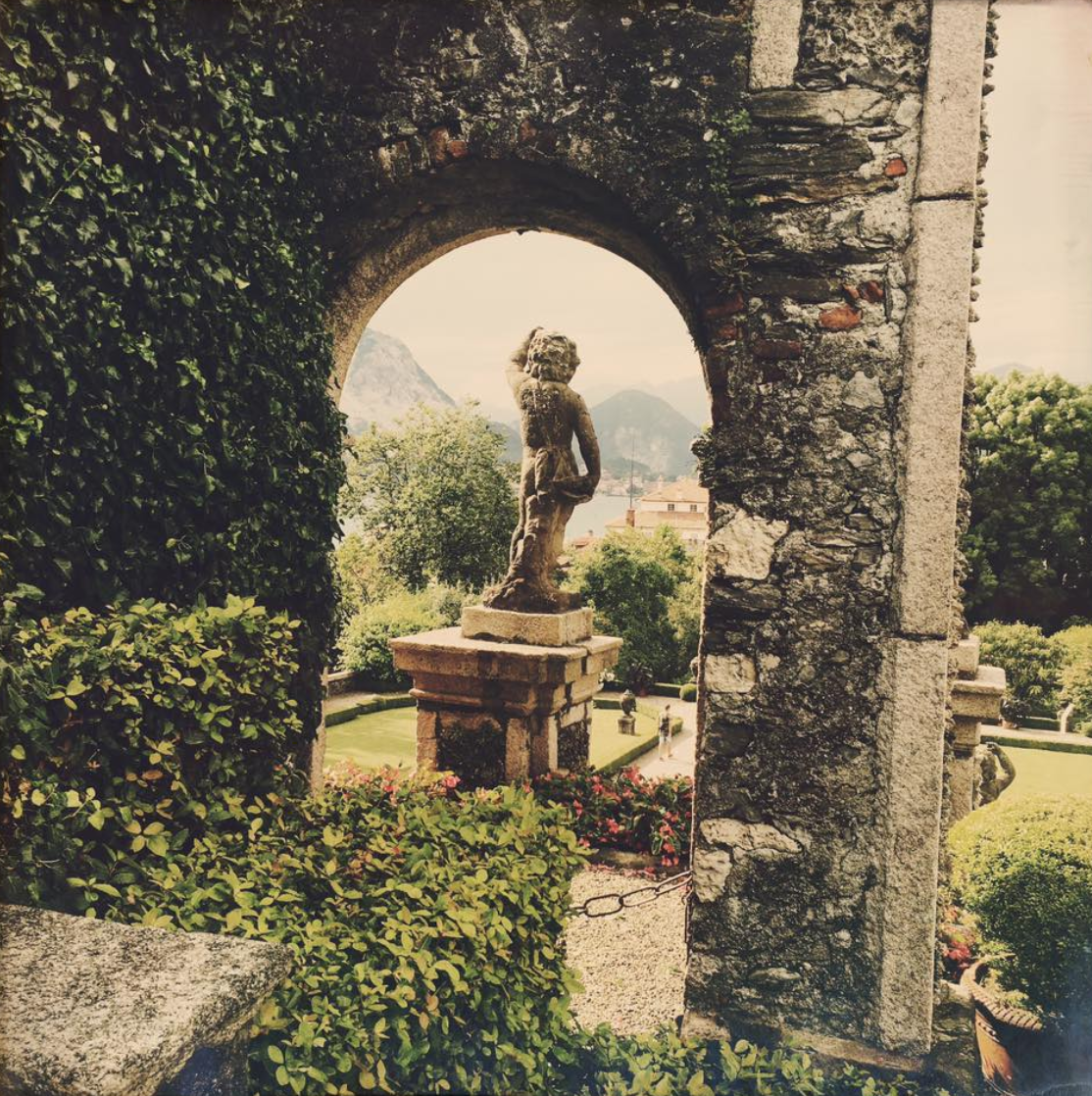
Lubra Casa

Lubra Casa

There is always something that could destroy us, could rid us of this existence. A virus, a volcano, our own hands.

We are temporary, so quick and light and flimsy. We are but a stitch of fabric. A dream within a dream of that fabric. And yet. Here we are, becoming the ancients, carving out a way toward the future. We visit volcanos. We mythologize the earth. We drink wine and capture beauty. But then we turn our backs — on the proverbial garden, on one another, on our own bodies.

What if the earth is asking us to be better? To be still? What pose would we hold? What shape could let all the light in?

LISA MARIE BASILE is the founding creative director of Luna Luna Magazine, a popular magazine & digital community focused on literature, magical living, and identity. She is the author of several books of poetry, as well as Light Magic for Dark Times, a modern collection of inspired rituals and daily practices, as well as The Magical Writing Grimoire: Use the Word as Your Wand for Magic, Manifestation & Ritual. She's written for or been featured in The New York Times, Refinery 29, Self, Chakrubs, Marie Claire, Narratively, Catapult, Sabat Magazine, Bust, HelloGiggles, Best American Experimental Writing, Best American Poetry, Grimoire Magazine, and more. She's an editor at the poetry site Little Infinite as well as the co-host of Astrolushes, a podcast that conversationally explores astrology, ritual, pop culture, and literature. Lisa Marie has taught writing and ritual workshops at HausWitch in Salem, MA, Manhattanville College, and Pace University. She is also a chronic illness advocate, keeping columns at several chronic illness patient websites. She earned a Masters's degree in Writing from The New School and studied literature and psychology as an undergraduate at Pace University. You can follow her at @lisamariebasile and @Ritual_Poetica.

In Art, Beauty, Wellness, Social Issues, Poetry & Prose, Place, Personal Essay Tags italy, lisa marie basile, social media, being present, earth, love, humanitarian issues, global warming
Comment
isco-7OeiQTVXvnQ-unsplash.jpg

Body on Pause: Miscarrying During A Pandemic

June 28, 2020

BY PATRICIA GRISAFI

I decide Fiona Apple’s Fetch the Bolt Cutters will be the soundtrack to this miscarriage. As I get my things together—mask, extra mask, gloves, bottle of hand sanitizer, plastic baggie stuffed with wipes—I wonder if my album choice is cliché. Almost every critic has loved Fetch the Bolt Cutters, gushing about how it feels made for a quarantine.

The procedure to remove the dead fetus from my body is supposed to be about ten minutes long. I get on the M15 bus after a fifteen-minute walk and survey the passengers sitting quiet and masked in their seats like a de Chirico painting. Then I make a playlist called “Miscarriage.” The songs are “Newspaper,” “Under the Table,” and “For Her,” all songs about patriarchal abuse and trauma.

This is my fourth miscarriage—sixth if you count chemical pregnancies, which the doctors do—but I’ve never had a vacuum aspiration before. All my procedures have been D&Cs under sedation. However, with New York City hospitals full of COVID-19 patients, my best bet is an in-office procedure. I am disappointed I won’t be knocked out.

In the waiting room, three heavily pregnant women fuss with their phones. I think of my two-year-old son at home, getting ready for nap-time. My husband sends me updates on the situation: “he’s chattering too much,” “oh, he’s quiet now.” I miss my husband’s presence in that room, thinking of past surgeries when I emerged from sedation with a newly hollowed uterus to his embrace. But he’s not allowed to be here—patients must come alone. No husband and toddler in tow during quarantine.

I miss so many things, frivolous things. Sharing a morning muffin with my son at the dog park. Sipping margaritas with a chili salt rim on an outside patio. Wandering into Rite Aid for no reason. Perusing the shelves at the local bookstore with a cup of coffee. Family walks that don’t feel limned with disquiet.

The procedure will happen while I am laying down, my feet in the stirrups. Later, a lab will test the “materials of conception” from this pregnancy for chromosomal abnormalities. I won’t have to see what comes out of me—not like there will be much at eight weeks. “Embryonic demise” probably occurred at around week six or seven after the grim ultrasound when the doctor reported a feeble heartbeat and a too-tiny fetal measurement. I’ve been fixating on the fetus slowly dying inside me and then on my body as harbor for its corpse.

How can you not think about death during a pandemic? Since the day our family began sheltering in place, I had been carrying the small hope of that baby. On March 7th, I was inseminated in one of the anonymous rooms at Weil Cornell, my husband holding my hand as they threaded the catheter in. Afterwards, he played a heavy metal version of “Toss a Coin to Your Witcher” on his phone, and we laughed.

My first son was conceived this way—with the help of science after infertility flooded my body with doubt about my ability to have children. I dutifully went every other day to have my blood taken and my vagina probed. Between my first struggle to keep a pregnancy viable and all the subsequent losses, I found myself thinking about my uselessness as a woman in a world without medical intervention.

“In ancient Sicily, they’d have thrown me in the prickly pear bushes, maybe burned me. Maybe I’d be the village witch, like Strega Nona—except hated,” I had said, thinking about how much family meant to my genealogical constitution. A woman who couldn’t have children was a problem. A curse. She had done something to deserve infertility. Send her away.

My paternal grandmother did not want biological children, so deep was her fear of dying during childbirth. She even found a child to adopt in New Paltz, where my grandfather and she had a one room cabin for summers. My grandfather wanted his own child, and I imagine him saying no to the adoption and then forcing himself inside her and making my father.

This is not history, not fact. It’s my brain winding around the possible ways my family made a family. My grandmother didn’t have her only child until after eleven years of marriage—unusual for Italian Catholics during the 1930s. My mother tried to get pregnant for eleven years, submitting to every experimental procedure in the ‘70s and ‘80s until I was born—also an only child.

When my mother and I fight now, I think about what she put her body through for the slim chance of a child. Is reproductive trauma something the women in my family share, a story they’ve only been able to tell through their live births, a story otherwise hidden in the deepest parts of their selves? What kind of woman volunteers her body for this kind of repeat torture?

I’m ushered into the procedure room. The doctor gives me a Motrin. I’ve brought my own Klonopin because I’ve been on them forever. I wonder if I should take two instead of one. I take one.

The moment my feet hit the stirrups, I press “play.”

“Are you okay,” the doctor asks me.

“Yes,” I say, because I am a good patient but also because I know this must happen.

The doctor and her assistant try to shove metal accoutrements into my vagina with delicacy. It’s never pleasant, the speculum. Then there are the tubes. Then there is the anesthetic, which makes me feel high and chatty for about three minutes. I want to babble on and on about my child, to remind them I’m a mother and not a collection of losses.

Fiona Apple’s frenetic warble pierces me as they start the procedure. I try to focus on that voice, a voice that arches and peaks and trembles and breaks. A voice that is fragile but strong.

As the pain begins, so does “For Her,” and I think about the man who pinned me down and came on my face while I screamed and cried. I can’t help it. This asshole hops onto my nerves at unexpected times. I dig my nails into the fleshy cradle of my hands as Fiona sings, “Good morning, good morning, you raped me in the same bed your daughter was born in.”

The doctor finishes up. She’s been telling me all along how good I am doing.

“Rest for as long as you want,” she says as the last instrument is removed.

I haven’t shut off the playlist. Liz Phair’s “Fuck and Run” randomly comes on, and I feel like laughing and crying at the same time.

It takes twenty minutes to hail a cab. Finally, one stops. It is a van with a plexiglass barrier window, and I feel grateful. I open the window with my gloved hand. They’re garden gloves, the kind I use to repot the easy plants I keep killing in my apartment. I hear the whipping of wind on the FDR, the thrum of pavement under the wheels.

My son is asleep when I quietly step into the apartment. My husband holds me tightly.

“I’m so tired,” I tell him, like a child who wants to be taken care of. “Can you tuck me into bed?”  

Whenever I have a miscarriage, I feel like a failure. The eggs too old? The lining of my uterus not thick enough? The questions are endless. The disappointment hangs like a heavy curtain.

During a pandemic, it’s worse. There’s an irritating urgency and a paralyzing fear about when we can start to try and expand our family again. The fertility clinic will eventually reopen, but when will the world? When will it be safe to travel for blood-taking and hormone-monitoring? For poached eggs and harissa? For play dates and bang trims?

In the meantime, I make cocktails with lemon and whiskey. I draw owls for my son. I shave my armpits but not my legs. I stare out the window. When my husband and I begin work, I put on Peppa Pig and plop my child into his high chair.

But my professional life suffers for the love of being around my son. I stop to pet him, fetch more goldfish crackers, kiss his head. And then I want to sleep, like the protagonist of Ottessa Moshfegh’s My Year of Rest and Relaxation. Sleep right through the plague, sleep through the fear, sleep through future fertility treatments. Wake up like Giambattista’s Basile’s Italian Sleeping Beauty, a surprise baby suckling at her breast. Forget that Prince Charming raped and impregnated her while she was unconscious.

Pregnancy destabilizes your sense of self. It changes you. In some cases, fetal DNA remains in our bodies long after a child is born. This phenomenon is called microchimerism after the mythological creature composed of many parts, usually depicted as a lion with the head of a goat and a tail trailing off to a snake’s head. If a pregnant woman is not a chimera, I don’t know what is.

When I was younger and learned about viruses for the first time in science class, I was terrified. There is still something about a virus that frightens me. I’ve had the chicken pox, I’ve had the flu. The first time I had a wart on my finger, I cried for days. The idea that viruses never really leave, that they exist inside of us in various states of dormancy or activity forever, made me afraid of my body’s uncontrollability.

I think about bodies constantly now—permeable, malleable, capable at times and utterly useless at others. Sacks heaving in and out. A contemptible, fickle uterus. Contracting or relaxing the pelvis as fetal tissue is aspirated. Mouths releasing clouds of germs. The touch of my child’s hand as I guide him on makeshift Pikler triangle made from the side of his crib propped up against the couch because we can’t go to the playground anymore.

“Mommy, hold hand, please,” he says extending his chubby little paw, attempting to make his way down the ladder.

“I’ve got you,” I say.

We soldier on.

The last song on Fetch the Bolt Cutters is called “On I Go.” With its repetitive lyrics about repetition set against atonal cacophony, it feels like a woman scraping at the walls of her mind, her body, the apartment she’s trapped in while a pandemic rages outside.

"On I go, not toward or away

Up until now it was day, next day

Up until now in a rush to prove

But now I only move to move.”

It’s not a pleasant listen. Maybe it feels too sharp right now, prodding at a wound. But I understand what’s at stake, the overwhelming desperation to have agency over life only to find the attempt futile and give up. Or perhaps it’s a kind of triumph—reclaiming the conditions of one’s journey.

The day after my procedure, I walk gingerly between the bedroom to lay down in silence and the living room to lay down in chaos. This is the choice I can make. There is no real movement, no escape except for short, nerve-wracking walks on the East River that are actually practices in weaving and swerving. Time feels suspended—our family on pause. My body on pause. My life on pause.

Right now, I only move to move.

Patricia Grisafi, Ph.D., is a freelance writer and editor. She writes about mental health, popular culture, film and literature, gender, and parenting. Her work has been featured in The Guardian, LARB, Salon, VICE, Bustle, Catapult, Narratively, The Rumpus, Bitch, SELF, Ravishly, Luna Luna, and elsewhere. She lives in New York City with her husband, son, and two rescued pit bulls. She is passionate about horror movies and animal rescue.

In Personal Essay, Poetry & Prose, Social Issues, Wellness Tags miscarriage, Patricia Grisafi, trish grisafi, body
Comment
Image created by CANVA (free account)

Image created by CANVA (free account)

Black Lives Matter: Resources, Lit Mags, Funds

June 8, 2020

BY THE LUNA LUNA TEAM

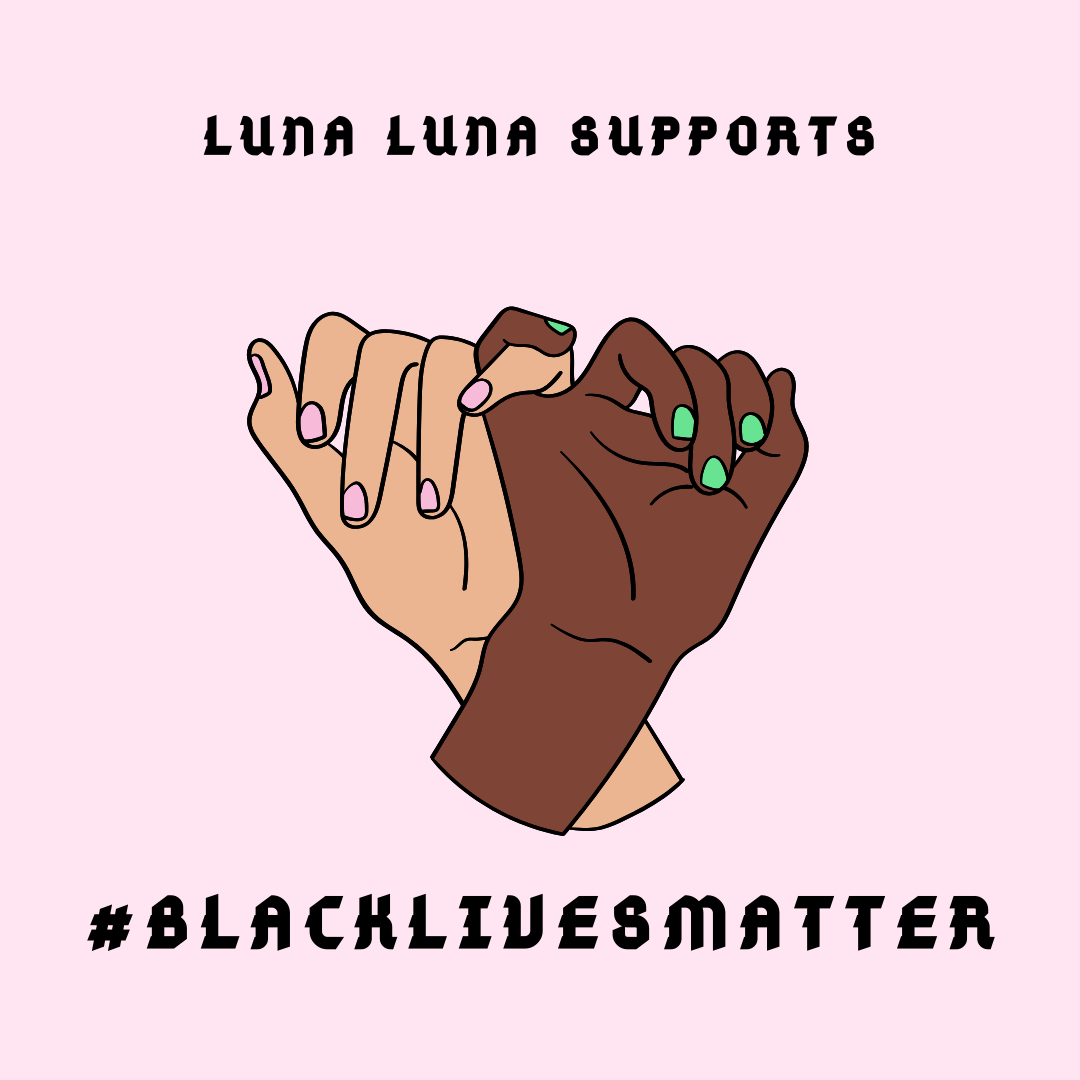
Luna Luna — as a community and a magazine — believes that Black Lives Matter today, yesterday and every day going forward.

We believe that dismantling white supremacy is necessary (and that is an understatement of epic proportions). We do not believe that this is about politics but human rights, dignity, and goodness. We believe in reparations. We believe in educating white people on how to be better and to better support the BIPOC community.

Our team has rounded up resources from Black creators and writers and artists, friends, family, and organizatins so that you can donate, educate yourself and others, and share resources. Many of the links are more general to Black Lives Matters and some are specific to certain cities and resources and organizations.

PLEASE know that this is a living document, so we will continue to add to it. Tweet or DM @lunalunamag and we’ll include a resource, magazine, shop, fund, educational item, or anything else.

Black-run literary mags and lit mags with Black lit digital archives:

Rigorous: https://www.rigorous-mag.com/

Shade Literary Arts: https://www.theshadejournal.com/

Midnight & Indigo: https://www.midnightandindigo.com/

Callaloo: https://callaloo.tamu.edu/

Obsidian: https://obsidianlit.org/

Mosaic: https://mosaicmagazine.org/

*Please tweet us to add to this list.


Black-Owned Bookstores in Philadelphia:

Hakim’s Bookstore: http://hakimsbookstore.com

Uncle Bobbies Coffee & Books: https://www.unclebobbies.com

Amalgam Comics and Coffeehouse: https://amalgamphilly.com

Color Book Gallery: http://www.colorbookgallery.com

*Please tweet us to add to this list.

Black-owned bookstores by state:

View this post on Instagram

Instagram won’t let me tag more businesses so I’ve added the rest here: NOTE: Many of these stores sell online as well. Call your local store and see if they’re taking phone orders! If you can’t find your state, check the online bookstores on the last image. **Nubian Bookstore is in Morrow, GA, and A Cultural Exchange is in Cleveland, OH!** • • • FL: @darebooks @edenbooks @pyramidbooks GA: @forkeepsbooks IN: @thebrainlair KS: @bliss_books_wine_KC LA: @btlbookstore1 LA: @nubianculturalcenter KY: @wildfigbooksandcoffee MA: @frugalbooks @wisdombookcenter MI: @blackstonebookstore @detroit_book_city @sourcebooksellers MO: @eyeseeme_bookstore NJ: @littlebohobookshop @launiquebookstorecamdennj @sourceofknowledge NY: @cafeconlibros_bk @grandmasplaceharlem @revbooksnyc @sistersuptown @thelitbar @zawadibooks OK: @fultonstreet918 @readwithmochabooks PA: @hakimsbookstore @harrietts_bookshop @unclebobbies @theblackreservebookstore SC: @turningpagebookshop TN: @theafricanplaceinc

A post shared by Mameastou Fall (@blacklitbookclub) on Jun 4, 2020 at 9:13am PDT

Shop/Support/Follow Black-Owned candle shops:

NaturalLannie Essentials 

Thank You Mother Earth 

Passport Seven

Bright Black Candles 

Harlem Candle Co.

Posh Candle Co. 

Pontie Wax 

Southern Elegance Candle Co.

Black-owned Etsy Shops: https://www.housebeautiful.com/shopping/best-stores/g32768555/black-owned-etsy-shops/

*Please tweet us to add to this list.

Black Poets We’re Reading

  • Yrsa Daley-Ward

  • Nayyirah Waheed

  • Claudia Rankine

  • Dionne Brand

  • Audre Lorde

  • Jericho Brown

  • Danez Smith

  • Mahogany L. Browne

  • Camonghne Felix

  • Morgan Parker

  • Gwendolyn Brookes

  • Maya Angelou

  • Rita Dove

  • Lucille Clifton

  • Nikky Finney

  • Discover more here and here and here

    *Please tweet us to add to this list.


Raising Anti-Racist Children: For parents and caretakers of young children:

The Conscious Kid 

Black Baby Books 

Pre-Order AntiRacist Baby board book by Prof. Ibram X. Kendi

Your Kid's Aren't Too Young To Talk About Race: Resource Roundup

Children’s books to support conversations on race and racism

*Please tweet us to add to this list.

Resources For Learning & Teaching:

White Privilege: Unpacking the Invisible Knapsack: https://www.racialequitytools.org/resourcefiles/mcintosh.pdf

Black Lives Matter Educational Resources:  https://neaedjustice.org/black-lives-matter-school-resources/

Black Lives Matter Teaching Materials: https://blacklivesmatteratschool.com/teaching-materials/

Resources for Supporting Black Lives Matter: https://lectureinprogress.com/journal/resources-for-supporting-black-lives-matter-movement

28 Books That Talk About Race: https://www.readitforward.com/essay/article/books-about-race-2019/

*Please tweet us to add to this list.

Black Mental Health Resources:

Black Mental Health Matters: https://blackmentalhealthmatters.carrd.co/

Black Emotional & Mental Health Crisis Unit and Hotline: https://www.beam.community/mobilecrisis

LGBTQIA & Therapists of Color: https://www.lgbtqpsychotherapistsofcolor.com/albany-ca

*Please tweet us to add to this list.

More Ways To Help:

Black Lives Matter Resources: https://blacklivesmatters.carrd.co/?fbclid=IwAR3Ev9AQ901lbHkmE58uzSTf7xbiR_R5mI5SEDATIECqDehh8Gl7mtCVsHY#

https://blacklivesmatter.com/resources/

Master Doc Natl Resource List #GeorgeFloyd+ (CREDIT: @botanicaldyke) : https://docs.google.com/document/d/1CjZMORRVuv-I-qo4B0YfmOTqIOa3GUS207t5iuLZmyA/mobilebasic

NYC Organizations In Service of The Interests of Black New Yorkers || #Underfunded: https://docs.google.com/document/d/1KiP_a-ByEYDnBSzgEotepU4W2RWzmhl7KnWaj2tkxtM/edit?usp=sharing

Support Black Owned: https://www.supportblackowned.com/

*Please tweet us to add to this list.

LGBTQIA Resources

It's Time Black and Brown People Be Included in the Pride Flag: https://www.them.us/story/ipride-flag-redesign-black-brown-trans-pride-stripes

LGBTQ Organizations Combatting Racial Violence: https://www.glsen.org/news/glsen-joins-lgbtq-organizations-uniting-combat-racial-violence

The Okra Project: https://www.theokraproject.com/

*Please tweet us to add to this list.


Please consider donating:

  • George Floyd Memorial Fund: https://www.gofundme.com/f/georgefloyd

  • Fund for Breonna Taylor: https://www.gofundme.com/f/9v4q2-justice-for-breonna-taylor

  • National Bail Fund Network: https://www.communityjusticeexchange.org/national-bail-fund-network

  • The NAACP Legal Defense and Educational Fund: America’s premier legal organization fighting for racial justice through litigation, advocacy, and public education.

  • LGBTQ+ Freedom Fund: https://www.lgbtqfund.org/

  • Trans Justice Funding Project: https://www.transjusticefundingproject.org/

  • Minnesota Freedom Fund: https://minnesotafreedomfund.org/

  • The Bail Project: https://bailproject.org/

  • Black Lives Matter: https://blacklivesmatter.com/

  • Color of Change: https://colorofchange.org/about/

  • Black Visions Collective: https://www.blackvisionsmn.org/

  • FightForBreonna.org: https://action.justiceforbreonna.org/sign/BreonnaWasEssential/


    *Please tweet us to add to this list.

Disability Advocacy and the Black Community:

Disability Advocacy Must Include the Black Perspective: https://smanewstoday.com/2020/06/08/disability-advocacy-must-include-black-perspective/

Donate to Help Black People with Disabilities: https://www.nylon.com/life/black-people-with-disabilities-donations-resources

Info on Incarceration and Policing

  • The New Jim Crow by Michelle Alexander

  • Policing Black Lives: State Violence in Canada from Slavery to Present by Robyn Maynard

  • Policing Black Bodies: How Black Lives are Surveilled and How to Work for Change, by Angela J Hattery and Earl Smith

*thanks to Sabrina Scott for the above list of books

*Please tweet us to add to this list.

View this post on Instagram

*EDIT* NEW NUMBERS: IBO is 212-442-0632 and Melanie’s office is 212-788-5900! This was made possible due to tireless work by folx like Anthonine Pierre and the rest of the @bkmovement. Please also follow @changethenypd and @surjnyc. Script link in bio #defundnypd #defundthepolice #blacklivesmatter

A post shared by Eric Hu (@_erichu) on Jun 1, 2020 at 11:18am PDT

View this post on Instagram

Rp from @lesliemac23

A post shared by Yumi Sakugawa (@yumisakugawa) on Jun 2, 2020 at 4:34pm PDT

Hello,

View this post on Instagram

Racism is not limited to the individual choices of "bad people". It is structural and embedded into all aspects of society—this includes laws, dominant cultural norms, and our very own consciousness. The actions of Amy Cooper and the police officers in Minneapolis occur within contexts and histories of power and privilege. While social and professional consequences for their individual behaviors are absolutely essential, we also need to understand how individual acts of racism are a reflection of systemic (structural) racism. We hope this breakdown of individual vs. structural racism is useful. #AmyCooper #GeorgeFloyd #Antiracism #Antiracist #BlackLivesMatter

A post shared by The Conscious Kid (@theconsciouskid) on May 27, 2020 at 6:07pm PDT

!

View this post on Instagram

Hey friends 👋🏼 I have a challenge for you... that involves more than posting a black square and calling it a day. I CHALLENGE YOU to comment on this post to amplify Black voices. Comment your favourite Black writers, artists, philosophers, musicians, poets, painters, business coaches, inspirational speakers, yoga teachers, Reiki masters, spiritual teachers, podcasters, etc. Whatever they create and put into the world. AND I want you to EXPLAIN WHY you love their work. If you can’t explain why, that’s tokenism. Get into why you dig them and why other folx should be paying attention to what they’re doing and creating. Lists are huge and great but it can be hard for ppl to pick out from the list whose work they would really love or what they really wanna expand their mind with right now. Tag them if they’re on IG and if they’re not tell people how to find them. My challenge is for you to comment on this post... with 25 Black voices you want to amplify. Can’t name 25? Post 5. That you can’t name 25 is personal failure sure but/and it is also a massive failure of the educational systems in white supremacist and colonial societies. Be the change. It starts now. And it’s lifelong. I encourage you to put a similar challenge on your page with your friends and in your circles. I’m hoping if we can crowd source this amplification it will go further than just my newsletter list did, and be a permanent resource for people to expand what types of creators work they are looking at. Comment below, you know what to do. And if you’re Black and wanna promote what you do and why you’re kickass please do. Do u accept my challenge?? AN ADDENDUM / SHARE HERE, AND ALSO share to your stories. Share on your Facebook. Share on your page. Just keep sharing. Love on and promote the work of Black creators. Like their posts, repost their work, follow them!!! #amplifyblackvoices #blacklivesmatter #stopracism #antiracismeducation

A post shared by Sabrina Scott 🔮 Tarot Teacher (@sabrinamscott) on Jun 2, 2020 at 10:30am PDT

View this post on Instagram

Many have asked for a copy of just the graphics used in the background of my last video series so here you go! Credit to @charcubed on Twitter

A post shared by Rynnstar (@therealrynnstar) on Jun 22, 2020 at 11:04am PDT

View this post on Instagram

THREAD: TAG BLACK HEALERS, BUSINESS OWNERS, BRUJAS, ARTIST, CHANGE MAKERS, ACTIVIST, TEACHERS, AUTHORS, POETS, LIGHTWORKERS,VOICES THAT NEED TO BE HEARD.... comment below ✨(Image via @chloesmartprint)✨ I’ve been following so many amazing souls for a while, these are some of my favorite accounts: @amaralanegraaln @glowmaven @rachel.cargle @elainewelteroth @andrearanaej @girltrek @thegrnwood @tracee_stanley @koyawebb @iyanlavanzant @alex_elle @africabrooke @lajulissa @acevedowrites @sheisdash @yasminecheyenne @laylafsaad @iamrachelricketts @mireillecharper @ohhappydani @allthingsada @phyllicia.bonanno @iamtoriwashington @hausofhoodoo @thehoodwitch @behatilife @thespiritguidecoach @spiritelement

A post shared by Eres Sagrada (@iamjulietdiaz) on Jun 7, 2020 at 7:36am PDT

View this post on Instagram

In place of writing today, here are just a few #black owned #bookstores in the U.S to buy from. Support #blackwriters, read their work, amplify their voices. Today, tomorrow, everyday 🌟 • • • #bipoc #bookstagram #bookstagrammer #writingcommunity #writersofig #writersonig #blackowned #blackbusiness #supportblackbusiness

A post shared by On Loan From The Cosmos (@onloanfromthecosmos) on Jun 2, 2020 at 8:22am PDT

View this post on Instagram

Today is a hard day after many many hard days. Here is a little affirmation practice that we hope will help us stay connected with ourselves through this moment. Second image is of the feelings/sensation wheel to help you connect with your feelings. Sending love fam. 💛 #GiveYourSelfPermission #Affirmations #JournalPrompts

A post shared by BEAM (@_beamorg) on May 28, 2020 at 10:36am PDT

View this post on Instagram

Closing out the first week of Pride month, we remember and acknowledge that Pride started in response to police harassment. It was lead by Marsha P. Johnson and Sylvia Rivera who were part of the vanguard that resisted police during the #stonewallriots in June 1969. ▫️▫️We stand for them because #blacktranslivesmatter #allblacklivesmatter #pride #blacklivesmatter #blm

A post shared by On Blast LA (@onblast_la) on Jun 13, 2020 at 1:09pm PDT

View this post on Instagram

A working list of Black-owned cruelty-free beauty brands to support! . ✨UPDATE: YAAS 🙌🏽 keep your suggestions coming! Unfortunately, I've maxed out on mentions in this post. For the complete working list, link in bio! https://ethicalelephant.com/black-owned-cruelty-free-beauty-brands/ . SKINCARE: @nolaskinsentials (100% vegan) @shopjacqs (100% vegan) @elementsofaliel (vegan options) @simkhabiocosmetics (100% vegan) @lovinahskincare (vegan options) @basebutter (100% vegan) @elementsofaliel (vegan options) @unsuncosmetics (vegan options) . MAKEUP: @colouredraine (vegan options) @plainjanebeauty (vegan options) @doubledowncosmetics (vegan options) @septemberroseco (100% vegan) @mariehunterbeauty (vegan options) @muddbeauty (100% vegan) @range_beauty (100% vegan) @lawsofnaturecosmetics (100% vegan) @theprimebeauty (100% vegan) . HAIR: @briogeo (vegan options) @adwoabeauty (vegan options) @lovingculture (100% vegan) @kreyolessence (vegan options) @bekurabeauty (vegan options) @ecoslay (vegan options) @baskandbloom (vegan options) @floracurl (vegan options) @organigrowhairco (100% vegan) @girlandhair (100% vegan) . NAIL POLISH: @dimensionnails (100% vegan) @habitcosmetics (100% vegan) @thecandyxpaints (100% vegan) @ooopolish (100% vegan) @peopleofcolorbeauty (100% vegan) . BODY & PERSONAL CARE: @thehoneypotco (vegan options) @thewellnessapothecary (vegan options) @truemoringa (100% vegan) @oshunorganics (100% vegan) @flaunt_body (100% vegan)

A post shared by ethical elephant 🐘 (@ethicalelephant) on Jun 7, 2020 at 2:34pm PDT

View this post on Instagram

IT’S HERE!! 📣 The WAWO Black Women-Owned Virtual Pop-Up is now Live, and will be running throughout the month of June! ✊🏾🎉 ✨Swipe through to view & follow a few of the brands included! Then, click the link in our bio to access the full virtual Pop-Up, and learn more about these amazing Black-owned businesses!! ✨ The goal of the Pop-Up is to raise brand awareness, encourage buyers to redirect their economic resources 💰, and hopefully make a dent in affecting the long-term economic change we so desperately need. 🙏🏽 In order to amplify the voices and businesses of these amazing women, we’d love your support in helping us spread the word about the Black women-owned small businesses featured in our virtual pop-up! 📱 Please re-share this post, and tag anyone in the comments you think may be interested in participating! We’re accepting applications on a rolling basis through the rest of June! 💖

A post shared by We Are Women Owned (@wearewomenowned) on Jun 6, 2020 at 1:06pm PDT

View this post on Instagram

🌻 𝟱𝟬 𝗕𝗟𝗔𝗖𝗞 𝗛𝗘𝗥𝗕𝗔𝗟𝗜𝗦𝗧𝗦 𝘁𝗼 𝗦𝗨𝗣𝗣𝗢𝗥𝗧, 𝗙𝗢𝗟𝗟𝗢𝗪, & 𝗕𝗨𝗬 𝗠𝗘𝗗𝗜𝗖𝗜𝗡𝗘 𝗙𝗥𝗢𝗠⁣⁣⁣ ⁣⁣⁣ Pay them for their knowledge, products, & teachings. Book a consult. Share their offerings. Apothecaries + herb shops - stock their medicine!⁣⁣⁣ ⁣⁣⁣ This is not an exhaustive list, there are many many more. Please feel free to add folks I missed in the comments below.⁣ ⁣ ⁣ @___cimarronx___⁣ @blackvervain⁣⁣⁣ @abuelataughtme⁣⁣⁣ @eesahall⁣⁣⁣ @jam_haw⁣⁣⁣ @detentioncentre⁣⁣⁣ @earthmother.medicine⁣⁣⁣ @empresskarenrose⁣⁣⁣ @harrietsapothecary⁣⁣⁣ @moonmotherapothecary⁣⁣⁣ @muthamagickapothecary⁣⁣⁣ @rootsofresistance⁣⁣⁣ @rootworkherbals⁣⁣⁣ @charmainenbee⁣⁣⁣ @atabeychoretomedicinals @inheritblooms⁣⁣⁣ @ayo.herbalist⁣⁣⁣ @branchefoston⁣⁣⁣ @_melissa_smiley_⁣⁣⁣ @altogetherlovelybotanicals⁣⁣⁣ @alysonsimplygrows⁣⁣⁣ @ashnilivingthedream⁣⁣⁣ @auntiepeachesapothecary⁣⁣⁣ @bad.mamma.jama⁣⁣⁣ @botanicallywild⁣⁣⁣ @countrygentlemancooks⁣⁣⁣ @demure_lyfe⁣⁣⁣ @earthmamamedicine⁣⁣⁣ @eternile⁣⁣⁣ @hausofhoodoo⁣⁣⁣ @herbanhealing⁣⁣⁣ @herbknowsbest⁣⁣⁣ @honeydewholistics⁣⁣⁣ @indyofficinalis⁣⁣⁣ @iyanla_plantzant⁣⁣⁣ @klcccollective⁣⁣⁣ @maryamhasnaa⁣⁣⁣ @queenandcrow⁣⁣⁣ @queenhippiegypsy⁣⁣⁣ @radiclenaomi⁣⁣⁣ @raineandriverapothecary⁣⁣⁣ @rarari0t⁣⁣⁣ @ripemoon⁣⁣⁣ @rosegoldalchemy⁣⁣⁣ @sageslarder⁣⁣⁣ @sobandeg⁣⁣⁣ @soularbliss⁣⁣⁣ @the.herbal.scoop⁣⁣⁣ @thehillbillyafrican⁣⁣⁣ @thenattyherbalist⁣⁣⁣ @thevenusianoracle⁣⁣⁣ @wildfirehealing

A post shared by 69herbs (@69herbs) on Jun 8, 2020 at 8:51am PDT

View this post on Instagram

We’re so excited to announce that our True Wellness Sponsorship Program is LIVE ✨⁣ ⁣ Rooted in our belief that connection to self and spirit is a RIGHT (NOT a privilege), this program invites Black and non-Black POC to be sponsored for workshop attendance by white and white-passing allies.⁣ ⁣ Through this program, we’re honored to offer BIPOC folxs a safe space to connect, heal and voyage into the unknown while feeling held and heard in the process.⁣ ⁣ To get ALL the details on how you can either request or provide sponsorship, swipe through, and click the link in our bio! Design by @ramsg

A post shared by 🧿SPIRIT HOUSE COLLECTIVE🧿 (@spirithousecollective) on Jun 8, 2020 at 12:25pm PDT

In Social Issues Tags #BlackLivesMatter, Black Lives Matter
Comment
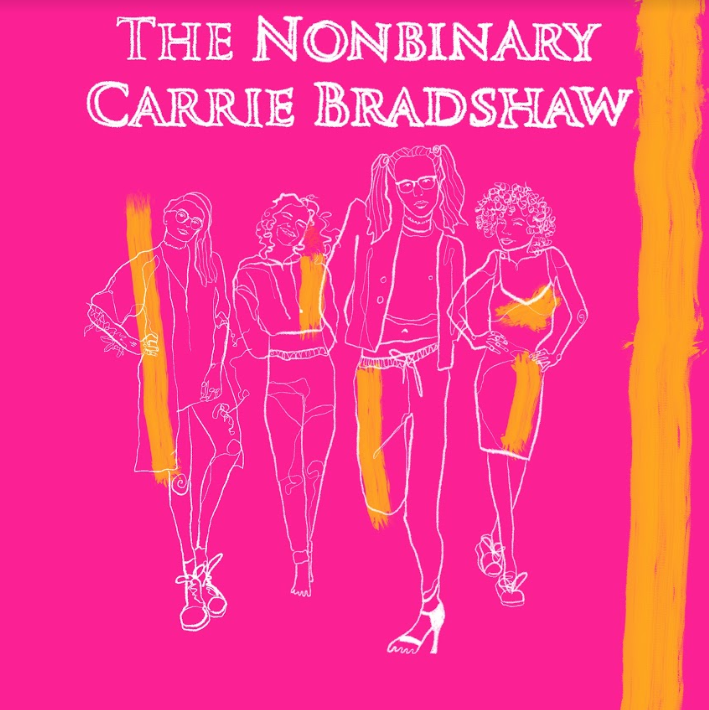
carrie.PNG

Get Ready for the Non-Binary Carrie Bradshaw

March 30, 2020

Joanna C. Valente is a human who lives in Brooklyn, New York. They are the author of several books, including Marys of the Sea, #Survivor (2020, The Operating System), and Killer Bob: A Love Story (2021, Vegetarian Alcoholic Press). They are the editor of A Shadow Map: Writing by Survivors of Sexual Assault and received their MFA in writing at Sarah Lawrence College. Joanna is the founder of Yes Poetry and the senior managing editor for Luna Luna Magazine. Some of their writing has appeared in The Rumpus, Them, Brooklyn Magazine, BUST, and elsewhere. Joanna also leads workshops at Brooklyn Poets. joannavalente.com / Twitter: @joannasaid / IG: joannacvalente / FB: joannacvalente

Read More
In NYC, Politics, Pop Culture, Social Issues, Art Tags joshua byron, non-binary carrie bradshaw, queer, non-binary, podcast, Anna Feldmann, Myrrh Crow, and Alana Ruiz, alana ruiz
Comment
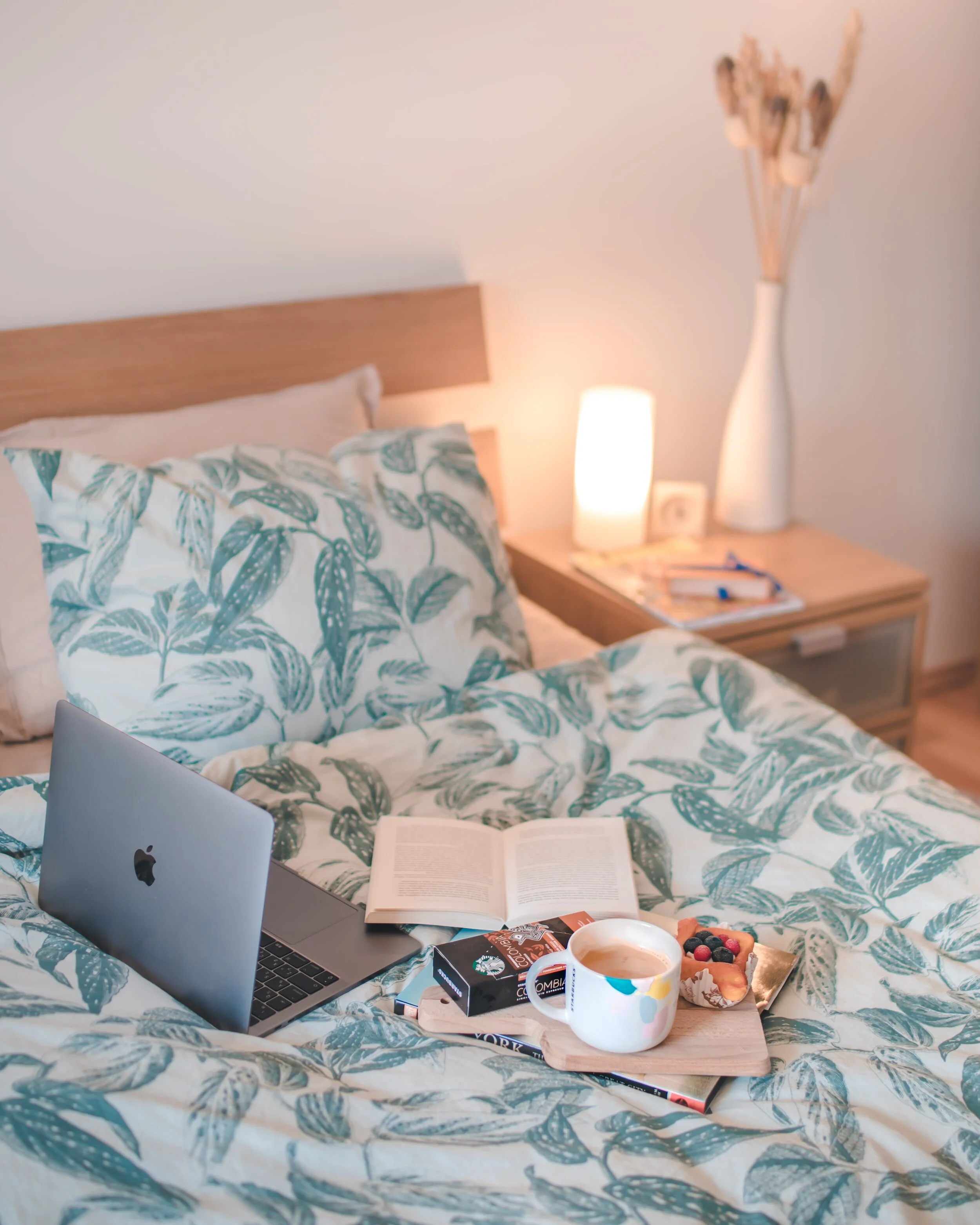
work from home hygge

5 Gentle Work From Home Tips When Times Are Tough

March 18, 2020

BY LISA MARIE BASILE

Working from home, especially due to the Coronavirus quarantine, asks us to come up with gentle work and focus strategies that integrate rest, creativity, socialization, and self-kindness.

I’ve been a full-time, work from home freelancer for the past two years — a reality that has its beautiful ups, lonely downs, immense privileges (freedom, the ability to care for my chronic illness) and intense drawbacks (health insurance issues, pay cycle problems). I have learned what works and what doesn’t, and have felt everything from the sting of isolation to the beauty of taking a yoga-with-my-cat break.

First, let’s address the stigma around working from home. People sometimes think work-from-home employees are lazy, aren’t actually working or can sleep all day and take two-hour lunches. That we aren’t stressed or concerned for money (?!). In short, it’s true that there is great privilege in working from home, but work is work. And the best freelancers know that it’s not a free-for-all nor an opportunity to slack off. It requires delicate balance and recalibration, just as any job does.

Now that so many of us are working from home due to COVID-19, I’m hearing people say that it’s not as easy as it seems — that they feel frustrated, cooped up, adrift, unable to focus, at a loss for routine, undisciplined, lonely, and [insert adjective]. But more than that, everyone is trying to focus as a deluge of frightening news reports roll in.

In response, here are some ways to holistically and gently integrate work, life, and today’s changing reality.

Adapt to change mindfully.

View this post on Instagram

A post shared by lisa marie basile (@lisamariebasile) on Mar 17, 2020 at 9:37am PDT

How do we adjust to all of this rapid change? In one week, we’re dining out and seeing friends. The next, we’re losing our jobs, in our houses all day every day, and stocking up on food. It’s a lot. We have to mindfully navigate these changes. Now’s the time to take stock of what’s important to you day to day (talking to friends? Eating healthfully?). You’ll also want to keep (or adapt) routines that feel healthy and comforting (eating a healthy breakfast? Doing yoga each day for one hour?) and make your house the safe space you need in order to comfort you through anxious, dark, and isolating moments. Keep what feels good to you, and build from there, integrating your workspace tools and job duties into your home-life. Some ideas:

  • Create one specific space where you work. This creates a healthy separation between work and life. Make it as similar as you can to your office space.

  • Prioritize daily tasks. Besides work, what else matters? What do you do ‘normally?’ Try to adapt those same behaviors. For example, I swim once per day, usually in the morning. I can’t in quarantine, so instead, I plan to do a workout at that same hour. For those of you who take a break at the office around 12, try to replicate that at home. Creating mirrored actions helps us make sense of rapid change, and you can always switch them out if you find something else you like to do better!

  • If you feel like you’re missing out on a post-work routine (a local pub, hanging with a friend, walking around the park before heading home), try to create a similar-ish routine you can do when you close the computer — and do close the computer. Working from home is not an invite to work all night, even if it seems tempting.

Building a morning ritual to soothe the nervous system.

Because you don’t have a built-in routine — up at 7, on the train by 8, at the desk by 9, for example — you have to create your own routine. This is where discipline comes in. If you don’t want to work all damn day and night, or you want to leave time for projects and pleasures, you’ll need to work from your set hours. Sure, you might snag an extra 45 minutes of sleep, but being at your computer in the morning (if that’s what’s expected of you or not) can help create a sense of responsibility.

Start your morning with a ritual: stretching, pulling a tarot card, meditating, making a cup of coffee, listening to some music as you shower, standing at the window or porch and absorbing the light, and slowly logging on. Go inward. Wake up your senses. Be deliberate and soothing. It’s especially important now to be a little slower, be a little more intentional. Your parasympathetic nervous system may already be shot, so it’s important to show your body that the morning can be soft and calm. You want to set your day’s tone with self-kindness.

Rest when you need to. Seriously.

One of the benefits of working from home is the ability to simply lay down for 15 — vertically, at a window, wherever. You don’t have to hide-nap in a stall at the office. Even though we have bills to pay (those of us who are privileged to keep our jobs right now, of course), now is the time to balance our ability to do more with resting.

In a sense, the earth is asking us a serious question. The earth is asking us to slow down, to listen, to be more in-tune, to stop pushing so hard — our bodies, the planet, our factories, our workers, our minds. To just be. To just be. Because we are not infallible. We are not eternal. We are natural things that have become selfish enough to think we are omnipotent. We are not. We, like trees, need water and light and time to grow. We bend toward others. We have a language. We bloom. We rot. We are bearing witness, as witness trees do, to the doom that can happen when we don’t listen or care for others.

Working from home, especially during a quarantine time when you’d ordinarily be out or meeting friends or at business meetings, may feel like an invitation to finally do and be everything. To finally learn Spanish. To finally finish that novel. And while these things may comfort you in the dark moments, capitalism’s greedy hands ought not make us feel we’re not being or doing enough.

Do what you can to survive. But rest. Heed the earth and sleep if you need to — especially if you’re sick. Take the time to breathe. To be alive. To watch your animals gaze up at the sunlight through a window.

Build focus by integrating movement, art, and breath into your day.

View this post on Instagram

A post shared by lisa marie basile (@lisamariebasile) on Mar 8, 2020 at 1:37pm PDT

You’re working from home. You’re trying to focus. You’re reading the news, crying, and then trying to Slack your boss in some sort of legible manner. They are probably home trying to be a good boss, trying to stop the kids from crying, trying to do their best, too. The Pomodoro technique is one I’ve been using since forever because it’s doable, forgiving, and realistic. I used to do it in the office, but now I do it even more at home, where distractions are abundant.

The Pomodoro technique allows us 25 minutes of focus, and then a short break. After that, I will do something soothing. I’ll do a few minutes of yoga, watch a few minutes of ASMR, doodle carelessly into a journal, or do a breathing practice (breath in for 4 seconds, hold the breath for 7 seconds, and exhale for 8 seconds). I also created a sacred writing prompt journey (for free!) here, if you prefer to write.

While this may seem pandering or ridiculous (after all, humans need to work!), the reality is this: We won’t do our best if we can’t focus, if we’re chaotically stressed, if we’re giving our all to a job and not taking care of ourselves — especially in a time of crisis.

Create time for socializing.

For people in offices, endless meetings can take a toll. They can usually be summed up in an email, anyway, right? At WeWorks, we duck into telephone booths as if any human interaction will cause us to explode. We’re over-saturated. But in quarantine, we’re suddenly forced to listen to our own footsteps, missing the human interaction of a normal workaday. Even when we’re not working, the missing becomes extra real. We are social creatures. Here’s what you can do:

  • Organize a FaceTime chat with a friend or friends

  • Start a group text with friends to share funny pictures or memes

  • Send videos versus texts with friends. Seeing faces helps our brains feel more connected.

  • Write a long letter or email to a friend

  • Watch YouTube vlogs; even having a voice in the background is helpful psychologically

  • Do a poetry readings or Q&A session on Instagram

  • Schedule a phone call with someone special once or twice a week

  • Start a Facebook group for a specific community

  • Dive into the land of podcasts


Lisa Marie Basile is the founding creative director of Luna Luna Magazine, a popular magazine & digital community focused on literature, magical living, and identity. She is the author of several books of poetry, as well as Light Magic for Dark Times, a modern collection of inspired rituals and daily practices, as well as The Magical Writing Grimoire: Use the Word as Your Wand for Magic, Manifestation & Ritual. Her work focuses heavily on trauma recovery, writing as a healing tool, chronic illness, everyday magic, and poetry. She's written for or been featured in The New York Times, Refinery 29, Self, Chakrubs, Marie Claire, Narratively, Catapult, Sabat Magazine, Bust, HelloGiggles, Best American Experimental Writing, Best American Poetry, Grimoire Magazine, and more. She's an editor at the poetry site Little Infinite as well as the co-host of Astrolushes, a podcast that conversationally explores astrology, ritual, pop culture, and literature. Lisa Marie has taught writing and ritual workshops at HausWitch in Salem, MA, Manhattanville College, and Pace University. She is also a chronic illness advocate, keeping columns at several chronic illness patient websites. She earned a Masters's degree in Writing from The New School and studied literature and psychology as an undergraduate at Pace University. You can follow her at @lisamariebasile and @Ritual_Poetica.


In Wellness, Social Issues Tags working from home, work from home, wfh, coronavirus, covid19
Comment
hygge stillness

Coronavirus Anxiety and The Practice Of Sitting In Uncertainty

March 17, 2020

BY LISA MARIE BASILE

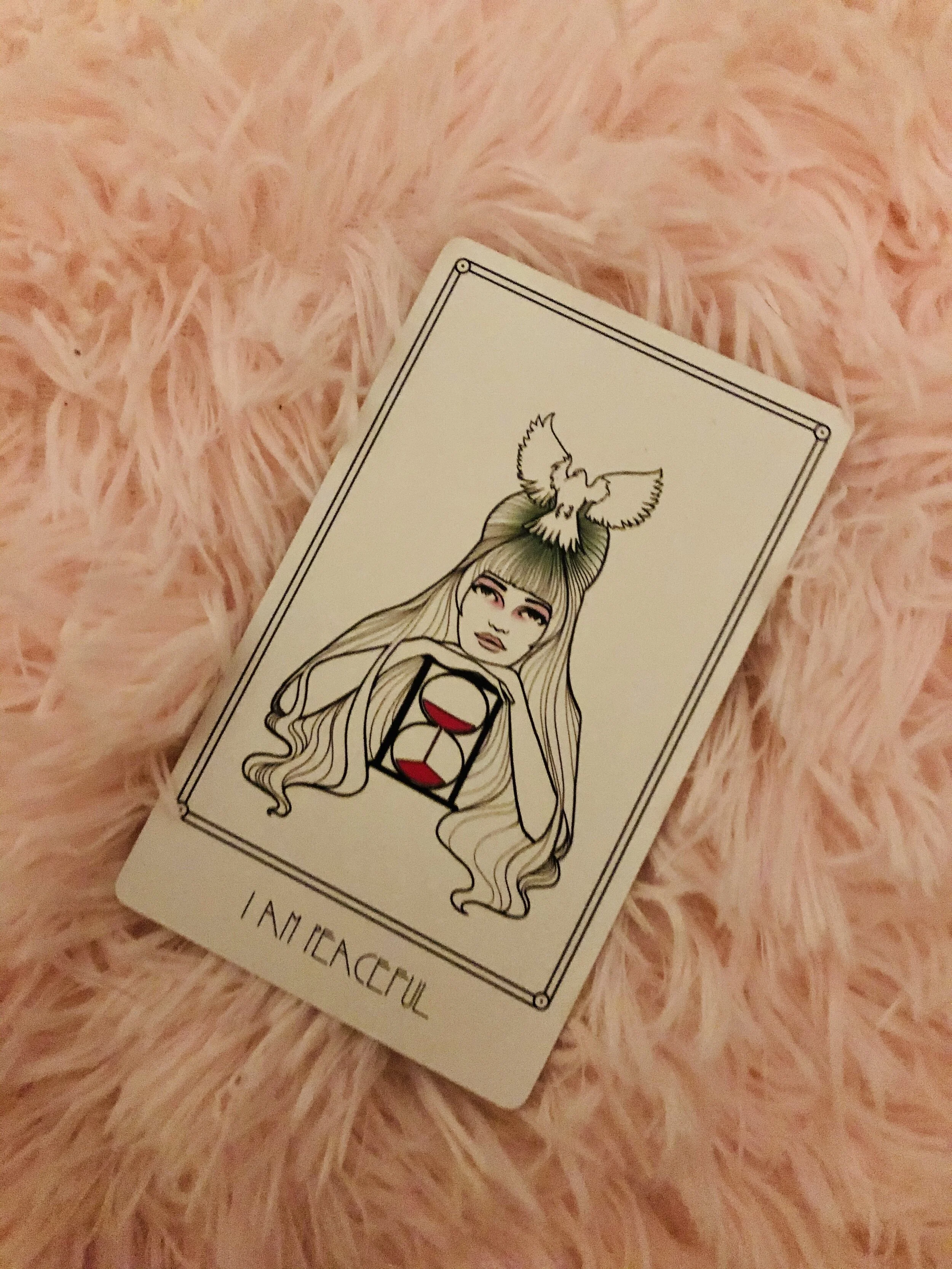
In my Amenti Oracle Deck, I pull the card for I am peaceful. I asked the deck, of course, what I was supposed to take away from this experience in quarantine. I’m just human. I don’t know. I don’t even know if I’m ready to learn a lesson. I do know that, as a writer, I am compelled to write it all down. To take notes through this thing. To keep a diary of what I’ve seen. I have a feeling this will shape us. Maybe I want to be present for it.

IMG_3166.jpeg

I know that for all of us, it’s been hours and hours of dread through insomnia-filled nights perusing the web, guzzling every wave of new information, letting the anxiety take over. I know that in our private Luna Luna community group, there’s a lot of worry. Everyone, the globe over, is panicking, and you can feel it. From space, I wonder if you can feel a buzzing strange energy emanating through our atmosphere. I wonder if you can feel it through all sorts of tragedies.

I am currently experiencing all the symptoms — perhaps it’s the flu or bronchitis. Perhaps worry leads me to be sicker than I should be. I sit in bed or wander my apartment, wondering how best to handle this new normal. Looking outside at New York City, its streets empty and silent (but it’s pubs still full at night, people’s faces inches from one another, before the city finally closed itself down), I wonder what the earth is trying to tell us.

I wonder why we are so resistant and stubborn. I wonder why we think ourselves invincible. Is the fear of death itself so big and so deep that we run toward it?

If you live with an immunocompromised body as I do, at some point you stop clutching illusions of infallibility. You have learned some time ago that your body is an engine running on wayward wheels. You have learned to avoid the subway poles and handshakes. You have learned that each day is a new preciousness. And if you’re anyone else, you probably have a friend or a lover or a parent or grandparent who is at high risk of getting very sick if they do contract a virus, or this virus.

The body is a fragile ephemeral thing, and it must bend toward the pew of nature. And yet, we resist, making it hard to survive.

My point is that we have to lean into this new situation. We have to or else we disappear. We literally have to because there is no other choice. We have to face that this is dark and hard and there will be (and is) global grief at the end of it all.

We’ve seen the memes about our grandparents going to war, which are somehow supposed to shame us into feeling comfortable during quarantine? I think it’s a false correlation. We can honor and respect history and the tragedies that have occurred while being uncomfortable with the things that befall our societies today. It isn’t just about quarantine or being bored inside the house or watching Netflix or reading books. It’s about watching how society reacts to chaos, how politicians act too late or use xenophobic language during an outbreak, about the power of contagion and how ignorance and selfishness lead to community spread. It’s about infrastructure, school children not going to school, poor people not being able to buy food, homeless people having no shelter-in-place, shelves being completely empty, people who have lack of accessibility, elderly people without family. It’s about not being sure. It’s about uncertainty. It’s about death. And it’s about grief, which we haven’t, as a global community, even dealt with yet.

There is so much validity in being fearful and anxious during this time.

If you are out there wondering what will happen, wondering how we got to this point, you’re not alone. If you are watching videos of beautiful Chinese or Italian people singing out of their windows or on their balconies into empty streets, their voices echoing through the night in act of communal conjuring, you are not alone.

What the Amenti Oracle card told me about being peaceful was this:

Finding peace and stillness in the midst of chaos is a challenge, but it’s one that we must meet. We can choose to spend the entire day in worry — and it would not be invalid if we did. Our finances, our health, and our stability are at risk. But we can also choose to take back a few minutes for ourselves, to sit in silence, to just be alive, to just surround ourselves with the things that bring us pleasure and joy.

Mine are books and plants. My cat. Blankets. I like to sit at the window and just look out, even if I just see another building. I like to write little notes. I like to set up an altar. I like to clean my space and give it love. I like to make tea and watch the heat dance above the liquid. I like to listen to the birds in the morning. I like to wonder what they’re thinking about all this free space.

I like to pretend that I am a stone in the sea. I am smooth and I am turned over and over and over again as I am moved by the waves. I have no choice but to be a creature of the sea. And that great dark mother, with all her mystery and all her might, pushes me about. But I am eternal and I am still whole. I can worry about the waves, or I can let them take me. There is value in both. There is value in anxiety — because it helps us grow and it helps us become empathic toward others. And there is value in stillness and acceptance and learning to fill the time alone or isolated, with nothingness. It’s not meant to be comfortable. It’s meant to be what it is, which is a breath, a pause, a being. An opportunity to just be — in between the shadows.

Maybe I don’t need to write it all down or understand it or provide thoughts or hope to others. Maybe I shouldn’t be writing this post. Maybe I just need to be, to lean into the unknowing and the mystery and uncertainty.


Lisa Marie Basile is the founding creative director of Luna Luna Magazine, a popular magazine & digital community focused on literature, magical living, and identity. She is the author of several books of poetry, as well as Light Magic for Dark Times, a modern collection of inspired rituals and daily practices, as well as The Magical Writing Grimoire: Use the Word as Your Wand for Magic, Manifestation & Ritual. Her work focuses heavily on trauma recovery, writing as a healing tool, chronic illness, everyday magic, and poetry. She's written for or been featured in The New York Times, Refinery 29, Self, Chakrubs, Marie Claire, Narratively, Catapult, Sabat Magazine, Bust, HelloGiggles, Best American Experimental Writing, Best American Poetry, Grimoire Magazine, and more. She's an editor at the poetry site Little Infinite as well as the co-host of Astrolushes, a podcast that conversationally explores astrology, ritual, pop culture, and literature. Lisa Marie has taught writing and ritual workshops at HausWitch in Salem, MA, Manhattanville College, and Pace University. She is also a chronic illness advocate, keeping columns at several chronic illness patient websites. She earned a Masters's degree in Writing from The New School and studied literature and psychology as an undergraduate at Pace University. You can follow her at @lisamariebasile and @Ritual_Poetica.

In Social Issues, Wellness, Poetry & Prose Tags coronavirus, covid-19, covid19, virus, pandemic, stillness, meditation
Comment
tracy queen

Support Tracy Queen: A Weird, Wild, Sex-Positive Graphic Novel

March 9, 2020

LISA MARIE BASILE IN CONVERSATION WITH LYNSEY GRISWOLD

“Tracy Queen is a lot like those, in that it celebrates the s*x-positive* values and the labor of s*x** workers...Except it's weirder. It’s about a woman who makes adult entertainment for a living, loves her life...and is BFFs with a raccoon! And also creates a race of cyborg-clone warriors to protect her from the forces of mainstream p0rn and her own criminal past…You know. Normal stuff.”

 —LYNSEY G.,VIA KICKSTARTER

Can you tell us a little bit about Tracy and her story? What was Volume 1 about?

Tracy is a love warrior. I'm using a term I first heard from Madison Young—an adult performer, director, and producer who's also an author, performance artist, coach, and overall amazing human being. Madison described herself that way, and requested that the cameo appearance she'll be making in Tracy Queen's later volumes be called that as well. I realized that "love warrior" is exactly the right description for Tracy herself.

Tracy Queen is a character that I originally based on someone I knew in my own life, and who deepened and became bigger and more real as I wrote her story. She starts Volume 1 of her 8-volumes journey having lived her whole life under direction from other people. She's always been told what to do. And, unfortunately, that's brought her a life mired in violence. In Volume 1, she realizes that she no longer wants to hurt people. At the behest of her new best friend—a talking raccoon who's her new roommate—she breaks free of her violent past and sets off to make a future that's more focused on pleasure. She discovers adult webcamming as a means of income, but also as a liberating and empowering experience.

In Volume 2, "Dangerous Experiments," which we're Kickstarting now, she continues down her path toward freedom and sexual enlightenment when she decides to start filming sex scenes with partners. It's her response to having a face-to-face encounter with a very ugly truth that some people think women's bodies and sexuality can be owned by anyone but the women themselves. It's also her way of deepening her commitment to showing the world that empowered women can have sex, enjoy it, and own the footage.

There's a lot more to come, including lots more sexual discovery, higher stakes in the struggle against the forces of darkness, cameos from a bunch of fantastic adult performers, and eventually a climactic battle between Tracy's own cyborg-clone fighting force and an army of porn stars brainwashed against her by an evil porn kingpin... But that all comes later.

Who is your dream reader? Or, who would fall in love with this series?

Folks with a penchant for weird, pulpy, sci-fi could enjoy this series, because there is a lot of bizarre, over-the-top junk science that's a total delight! But Tracy's story goes really deep into the ways in which internalized misogyny can keep women living as lesser-than when they're capable of so much more. And sometimes that "more" is being open about their sexuality, even profiting on it. So I think anyone with an interest in the intersection of feminism and sex work will find a lot to enjoy...as long as they're into some truly weird shit, also.

“Folks with a penchant for weird, pulpy, sci-fi could enjoy this series, because there is a lot of bizarre, over-the-top junk science that's a total delight! But Tracy's story goes really deep into the ways in which internalized misogyny can keep women living as lesser-than when they're capable of so much more. And sometimes that "more" is being open about their sexuality, even profiting on it. “


Where are you coming from, as a creator, with these stories? Can you tell us a little bit about yours and Jayel's background?

I've been writing about the intersection of feminism and sex work, with a focus on pornography, for well over a decade. I started as a reviewer for adult films, then moved into criticism, interviews, journalism, curation, even documentary filmmaking on these topics. I've written an award-winning memoir—Watching Porn—about everything I've from about the adult entertainment industry, and I've stacked up some pretty impressive bylines with mainstream magazines. I even won a Feminist Porn Award for my one of my films! Tracy Queen is really, in many ways, my opus on all I've learned and seen, particularly on the ways that consumers interact with sex work and porn. Although Tracy's journey is deadly serious and deeply nuanced, it's shadowed by unbelievable, gonzo weirdness that feels necessary in order to lure mainstream readers into a deep conversation around sexuality's place in our culture.

My partner in this venture, Jayel Draco, is a lifelong, brilliant visual artist who had primarily worked in visual effects, animation, and fantasy art before we met. When I started telling him about Tracy Queen, however, he knew he needed to be a part of it. It was a stretch for him to approach illustrating a comic that would require him to draw a woman being sexual—repeatedly—without overtly objectifying her. And, I've got to say, I've been stunned at the work he's put out. Tracy is so alive in his illustrations! He started out working with a live model so that he could be sure he was getting the proportions right from the beginning. He didn't want to do what so many comics artists do—accentuate all the "sexy" parts of a woman's body instead of showing what a real person looks like. Once he'd established how Tracy looked from about a zillion different angles and in every position imaginable (sexy ones included), he was able to bring her personality and a feeling of realness to every panel he's created. It's been a huge pleasure to work with him on this!

How can people support your art?

Right now through March 20, we're Kickstarting Tracy Queen, Volume 2: Dangerous Experiments. It's the second of what will eventually be eight volumes in this series. We successfully Kickstarted Volume 1 in late 2018, and we've noticed a big difference in the online climate between then and now: It's a lot harder to get our links to the Kickstarter campaign seen on social media! If anyone here has read about the passage of FOSTA/SESTA at the federal level, they'll know that the past year has seen a chilling effect on discussions about sexuality online, because websites are now being held responsible for their users' content. That means that, if people are talking about sexuality in a way that's illegal (e.g. sex trafficking), the website that hosted their conversation is liable. Which is ridiculous! Talking about sexuality, pleasure positivity, consensual sex work, and so on is not the same as talking about sex trafficking. The differences between these topics are vast, and it's harmful to people on both sides of that divide to treat those conversations the same way.

But I digress. The upshot is that, since our campaign links to and necessarily uses terms like "sex" and "pornography", we are being deep-sixed by social media platforms and search results. We're technically allowed to post the content, but social media platforms and search engines then conveniently "forget" to show the content to anyone. We haven't even been able to pay to have our posts seen my more people! It's massively frustrating.

So, the best way that people can support Tracy Queen right now, aside from backing the Kickstarter (and getting sweet rewards!) is by helping us to get the word out! Every link share, every blog post, every podcast shout-out, every awkward mention at a fancy dinner party...it all helps us get closer to our goal and spreading the idea that sex shouldn't be shameful!

SUPPORT THIS PROJECT HERE.

In Poetry & Prose, Art, Social Issues Tags tracy queen, graphic novel, jayel draco, lynsey griswold, lynsey g, feminism, sexuality
Comment
Photo: Joanna C. Valente

Photo: Joanna C. Valente

We Often Don't See Verbal Manipulation as Abuse But We Should

October 29, 2019

Joanna C. Valente is a human who lives in Brooklyn, New York. They are the author of Sirs & Madams, The Gods Are Dead, Marys of the Sea, Sexting Ghosts, Xenos, No(body), #Survivor, (forthcoming, The Operating System), and is the editor of A Shadow Map: Writing by Survivors of Sexual Assault. They received their MFA in writing at Sarah Lawrence College. Joanna is the founder of Yes Poetry and the senior managing editor for Luna Luna Magazine. Some of their writing has appeared in The Rumpus, Them, Brooklyn Magazine, BUST, and elsewhere. Joanna also leads workshops at Brooklyn Poets. joannavalente.com / Twitter: @joannasaid / IG: joannacvalente / FB: joannacvalente

Read More
In Social Issues, Personal Essay Tags essay, abuse, domestic abuse, verbal abuse
Comment
Older Posts →
Featured
‘in the glitter-open black' — poetry by Fox Henry Frazier
'poet as tarantula,  poem as waste' — poetry by  Ewen Glass
'poet as tarantula, poem as waste' — poetry by Ewen Glass
'Hours rot away in regalia' — poetry by Stephanie Chang
'down down down the hall of mirrors' — poetry by Ronnie K. Stephens
'Grew appendages, clawed towards light' — poetry by Lucie Brooks
'do not be afraid' — poetry by Maia Decker
'The darkened bedroom' — poetry by Jessica Purdy
'I am the body that I am under' — poetry by Jennifer MacBain-Stephens
instagram

COPYRIGHT LUNA LUNA MAGAZINE 2025