
• Home
  • indulge
  • new poetry
    • About Luna Luna
    • resources
    • search
  • editor
  • dark hour
  • submit
Menu

luna luna magazine

  • Home
  • indulge
  • new poetry
  • About
    • About Luna Luna
    • resources
    • search
  • editor
  • dark hour
  • submit
delicious new poetry
'the doors of the night open' — poetry by Juan Armando Rojas (translated by Paula J. Lambert)
Nov 29, 2025
'the doors of the night open' — poetry by Juan Armando Rojas (translated by Paula J. Lambert)
Nov 29, 2025
Nov 29, 2025
'we can be forlorn women' — poetry by Stevie Belchak
Nov 29, 2025
'we can be forlorn women' — poetry by Stevie Belchak
Nov 29, 2025
Nov 29, 2025
'I do whatever the light tells me to' — poetry by Catherine Bai
Nov 29, 2025
'I do whatever the light tells me to' — poetry by Catherine Bai
Nov 29, 2025
Nov 29, 2025
‘to kill bodice and give sacrament’ — poetry By Kale Hensley
Nov 29, 2025
‘to kill bodice and give sacrament’ — poetry By Kale Hensley
Nov 29, 2025
Nov 29, 2025
'Venetian draped in goatskin' — poetry by Natalie Mariko
Nov 29, 2025
'Venetian draped in goatskin' — poetry by Natalie Mariko
Nov 29, 2025
Nov 29, 2025
'the long sorrow of the color red' — centos by Patrice Boyer Claeys
Nov 28, 2025
'the long sorrow of the color red' — centos by Patrice Boyer Claeys
Nov 28, 2025
Nov 28, 2025
'Flowers are the offspring of longing' — poetry by Ellen Kombiyil
Nov 28, 2025
'Flowers are the offspring of longing' — poetry by Ellen Kombiyil
Nov 28, 2025
Nov 28, 2025
'punish or repent' — poetry by Chris McCreary
Nov 28, 2025
'punish or repent' — poetry by Chris McCreary
Nov 28, 2025
Nov 28, 2025
'long, dangerous grasses' — poetry by Jessica Purdy
Nov 28, 2025
'long, dangerous grasses' — poetry by Jessica Purdy
Nov 28, 2025
Nov 28, 2025
'gifting nighttime honey' — poetry by Nathan Hassall
Nov 28, 2025
'gifting nighttime honey' — poetry by Nathan Hassall
Nov 28, 2025
Nov 28, 2025
'A theory of pauses' — poetry by Jeanne Morel and Anthony Warnke
Nov 28, 2025
'A theory of pauses' — poetry by Jeanne Morel and Anthony Warnke
Nov 28, 2025
Nov 28, 2025
'into the voluminous abyss' — poetry by D.J. Huppatz
Nov 28, 2025
'into the voluminous abyss' — poetry by D.J. Huppatz
Nov 28, 2025
Nov 28, 2025
'an animal within an animal' — a poem by Carolee Bennett
Nov 28, 2025
'an animal within an animal' — a poem by Carolee Bennett
Nov 28, 2025
Nov 28, 2025
‘in the glitter-open black' — poetry by Fox Henry Frazier
Oct 31, 2025
‘in the glitter-open black' — poetry by Fox Henry Frazier
Oct 31, 2025
Oct 31, 2025
'poet as tarantula,  poem as waste' — poetry by  Ewen Glass
Oct 31, 2025
'poet as tarantula, poem as waste' — poetry by Ewen Glass
Oct 31, 2025
Oct 31, 2025
'my god wearing a body' — poetry by Tom Nutting
Oct 31, 2025
'my god wearing a body' — poetry by Tom Nutting
Oct 31, 2025
Oct 31, 2025
'Hours rot away in regalia' — poetry by Stephanie Chang
Oct 31, 2025
'Hours rot away in regalia' — poetry by Stephanie Chang
Oct 31, 2025
Oct 31, 2025
'down down down the hall of mirrors' — poetry by Ronnie K. Stephens
Oct 31, 2025
'down down down the hall of mirrors' — poetry by Ronnie K. Stephens
Oct 31, 2025
Oct 31, 2025
'Grew appendages, clawed towards light' — poetry by Lucie Brooks
Oct 31, 2025
'Grew appendages, clawed towards light' — poetry by Lucie Brooks
Oct 31, 2025
Oct 31, 2025
'do not be afraid' — poetry by Maia Decker
Oct 31, 2025
'do not be afraid' — poetry by Maia Decker
Oct 31, 2025
Oct 31, 2025
'The darkened bedroom' — poetry by Jessica Purdy
Oct 31, 2025
'The darkened bedroom' — poetry by Jessica Purdy
Oct 31, 2025
Oct 31, 2025
'I am the body that I am under' — poetry by Jennifer MacBain-Stephens
Oct 31, 2025
'I am the body that I am under' — poetry by Jennifer MacBain-Stephens
Oct 31, 2025
Oct 31, 2025
goddess energy.jpg
Oct 26, 2025
'Hotter than gluttony' — poetry by Anne-Adele Wight
Oct 26, 2025
Oct 26, 2025
'As though from Babel' — poetry by Fox Henry Frazier
Oct 26, 2025
'As though from Babel' — poetry by Fox Henry Frazier
Oct 26, 2025
Oct 26, 2025
'See my wants' — poetry by Aaliyah Anderson
Oct 26, 2025
'See my wants' — poetry by Aaliyah Anderson
Oct 26, 2025
Oct 26, 2025
'black viper dangling a golden fruit' — poetry by Nova Glyn
Oct 26, 2025
'black viper dangling a golden fruit' — poetry by Nova Glyn
Oct 26, 2025
Oct 26, 2025
'It would be unfair to touch you' — poetry by grace (ge) gilbert
Oct 26, 2025
'It would be unfair to touch you' — poetry by grace (ge) gilbert
Oct 26, 2025
Oct 26, 2025
'Praying in retrograde' — poetry by Courtney Leigh
Oct 26, 2025
'Praying in retrograde' — poetry by Courtney Leigh
Oct 26, 2025
Oct 26, 2025
'To not want is death' — poetry by Letitia Trent
Oct 26, 2025
'To not want is death' — poetry by Letitia Trent
Oct 26, 2025
Oct 26, 2025
'Our wildness the eternal now' — poetry by Hannah Levy
Oct 26, 2025
'Our wildness the eternal now' — poetry by Hannah Levy
Oct 26, 2025
Oct 26, 2025
tracy queen

Support Tracy Queen: A Weird, Wild, Sex-Positive Graphic Novel

March 9, 2020

LISA MARIE BASILE IN CONVERSATION WITH LYNSEY GRISWOLD

“Tracy Queen is a lot like those, in that it celebrates the s*x-positive* values and the labor of s*x** workers...Except it's weirder. It’s about a woman who makes adult entertainment for a living, loves her life...and is BFFs with a raccoon! And also creates a race of cyborg-clone warriors to protect her from the forces of mainstream p0rn and her own criminal past…You know. Normal stuff.”

 —LYNSEY G.,VIA KICKSTARTER

Can you tell us a little bit about Tracy and her story? What was Volume 1 about?

Tracy is a love warrior. I'm using a term I first heard from Madison Young—an adult performer, director, and producer who's also an author, performance artist, coach, and overall amazing human being. Madison described herself that way, and requested that the cameo appearance she'll be making in Tracy Queen's later volumes be called that as well. I realized that "love warrior" is exactly the right description for Tracy herself.

Tracy Queen is a character that I originally based on someone I knew in my own life, and who deepened and became bigger and more real as I wrote her story. She starts Volume 1 of her 8-volumes journey having lived her whole life under direction from other people. She's always been told what to do. And, unfortunately, that's brought her a life mired in violence. In Volume 1, she realizes that she no longer wants to hurt people. At the behest of her new best friend—a talking raccoon who's her new roommate—she breaks free of her violent past and sets off to make a future that's more focused on pleasure. She discovers adult webcamming as a means of income, but also as a liberating and empowering experience.

In Volume 2, "Dangerous Experiments," which we're Kickstarting now, she continues down her path toward freedom and sexual enlightenment when she decides to start filming sex scenes with partners. It's her response to having a face-to-face encounter with a very ugly truth that some people think women's bodies and sexuality can be owned by anyone but the women themselves. It's also her way of deepening her commitment to showing the world that empowered women can have sex, enjoy it, and own the footage.

There's a lot more to come, including lots more sexual discovery, higher stakes in the struggle against the forces of darkness, cameos from a bunch of fantastic adult performers, and eventually a climactic battle between Tracy's own cyborg-clone fighting force and an army of porn stars brainwashed against her by an evil porn kingpin... But that all comes later.

Who is your dream reader? Or, who would fall in love with this series?

Folks with a penchant for weird, pulpy, sci-fi could enjoy this series, because there is a lot of bizarre, over-the-top junk science that's a total delight! But Tracy's story goes really deep into the ways in which internalized misogyny can keep women living as lesser-than when they're capable of so much more. And sometimes that "more" is being open about their sexuality, even profiting on it. So I think anyone with an interest in the intersection of feminism and sex work will find a lot to enjoy...as long as they're into some truly weird shit, also.

“Folks with a penchant for weird, pulpy, sci-fi could enjoy this series, because there is a lot of bizarre, over-the-top junk science that's a total delight! But Tracy's story goes really deep into the ways in which internalized misogyny can keep women living as lesser-than when they're capable of so much more. And sometimes that "more" is being open about their sexuality, even profiting on it. “


Where are you coming from, as a creator, with these stories? Can you tell us a little bit about yours and Jayel's background?

I've been writing about the intersection of feminism and sex work, with a focus on pornography, for well over a decade. I started as a reviewer for adult films, then moved into criticism, interviews, journalism, curation, even documentary filmmaking on these topics. I've written an award-winning memoir—Watching Porn—about everything I've from about the adult entertainment industry, and I've stacked up some pretty impressive bylines with mainstream magazines. I even won a Feminist Porn Award for my one of my films! Tracy Queen is really, in many ways, my opus on all I've learned and seen, particularly on the ways that consumers interact with sex work and porn. Although Tracy's journey is deadly serious and deeply nuanced, it's shadowed by unbelievable, gonzo weirdness that feels necessary in order to lure mainstream readers into a deep conversation around sexuality's place in our culture.

My partner in this venture, Jayel Draco, is a lifelong, brilliant visual artist who had primarily worked in visual effects, animation, and fantasy art before we met. When I started telling him about Tracy Queen, however, he knew he needed to be a part of it. It was a stretch for him to approach illustrating a comic that would require him to draw a woman being sexual—repeatedly—without overtly objectifying her. And, I've got to say, I've been stunned at the work he's put out. Tracy is so alive in his illustrations! He started out working with a live model so that he could be sure he was getting the proportions right from the beginning. He didn't want to do what so many comics artists do—accentuate all the "sexy" parts of a woman's body instead of showing what a real person looks like. Once he'd established how Tracy looked from about a zillion different angles and in every position imaginable (sexy ones included), he was able to bring her personality and a feeling of realness to every panel he's created. It's been a huge pleasure to work with him on this!

How can people support your art?

Right now through March 20, we're Kickstarting Tracy Queen, Volume 2: Dangerous Experiments. It's the second of what will eventually be eight volumes in this series. We successfully Kickstarted Volume 1 in late 2018, and we've noticed a big difference in the online climate between then and now: It's a lot harder to get our links to the Kickstarter campaign seen on social media! If anyone here has read about the passage of FOSTA/SESTA at the federal level, they'll know that the past year has seen a chilling effect on discussions about sexuality online, because websites are now being held responsible for their users' content. That means that, if people are talking about sexuality in a way that's illegal (e.g. sex trafficking), the website that hosted their conversation is liable. Which is ridiculous! Talking about sexuality, pleasure positivity, consensual sex work, and so on is not the same as talking about sex trafficking. The differences between these topics are vast, and it's harmful to people on both sides of that divide to treat those conversations the same way.

But I digress. The upshot is that, since our campaign links to and necessarily uses terms like "sex" and "pornography", we are being deep-sixed by social media platforms and search results. We're technically allowed to post the content, but social media platforms and search engines then conveniently "forget" to show the content to anyone. We haven't even been able to pay to have our posts seen my more people! It's massively frustrating.

So, the best way that people can support Tracy Queen right now, aside from backing the Kickstarter (and getting sweet rewards!) is by helping us to get the word out! Every link share, every blog post, every podcast shout-out, every awkward mention at a fancy dinner party...it all helps us get closer to our goal and spreading the idea that sex shouldn't be shameful!
SUPPORT THIS PROJECT HERE.

In Poetry & Prose, Art, Social Issues Tags tracy queen, graphic novel, jayel draco, lynsey griswold, lynsey g, feminism, sexuality
Comment

The Witch Is a Symbol of Justice

June 12, 2019

Genevieve Pfeiffer is Assistant Director at Anomaly where she is curating a folio on reproductive justice and its intersections (she urges you to submit). She is a writer and poet, and facilitates workshops with survivors of sexual assault and harassment. Her work is forthcoming or has been published in Erase the Patriarchy, Juked, So to Speak, Stone Canoe, and more. She blogs about outdoor wanderings and herbal birth control’s intersections with witches, colonization, and personal and bioregional health at: https://medium.com/@GenevieveJeanne

Read More
In Social Issues, Lifestyle Tags witch, feminism
Comment
Image by Ignacio Martinez Egea

Image by Ignacio Martinez Egea

A Short Monster-Themed Reading List

May 22, 2019

**Monique Quintana** is the author of Cenote City(Clash Books, 2019), Associate Editor at Luna Luna Magazine, and Fiction Editor at Five 2 One Magazine. She holds an MFA in Creative Writing from CSU Fresno and is an alumna of Sundress Academy for the Arts and the Community of Writers at Squaw Valley. Her work has appeared in Queen Mobs Teahouse, Winter Tangerine, Dream Pop, Grimoire, and the Acentos Review, among other publications. You can find her at [moniquequintana.com][1]

Read More
In Art, Poetry & Prose, Pop Culture, Politics Tags fairy tales, Monsters, Supernatural, literature, Poetry, Fiction, feminism
Comment
Monique at Six.jpg

On Keeping a Journal With My Mother

August 6, 2018

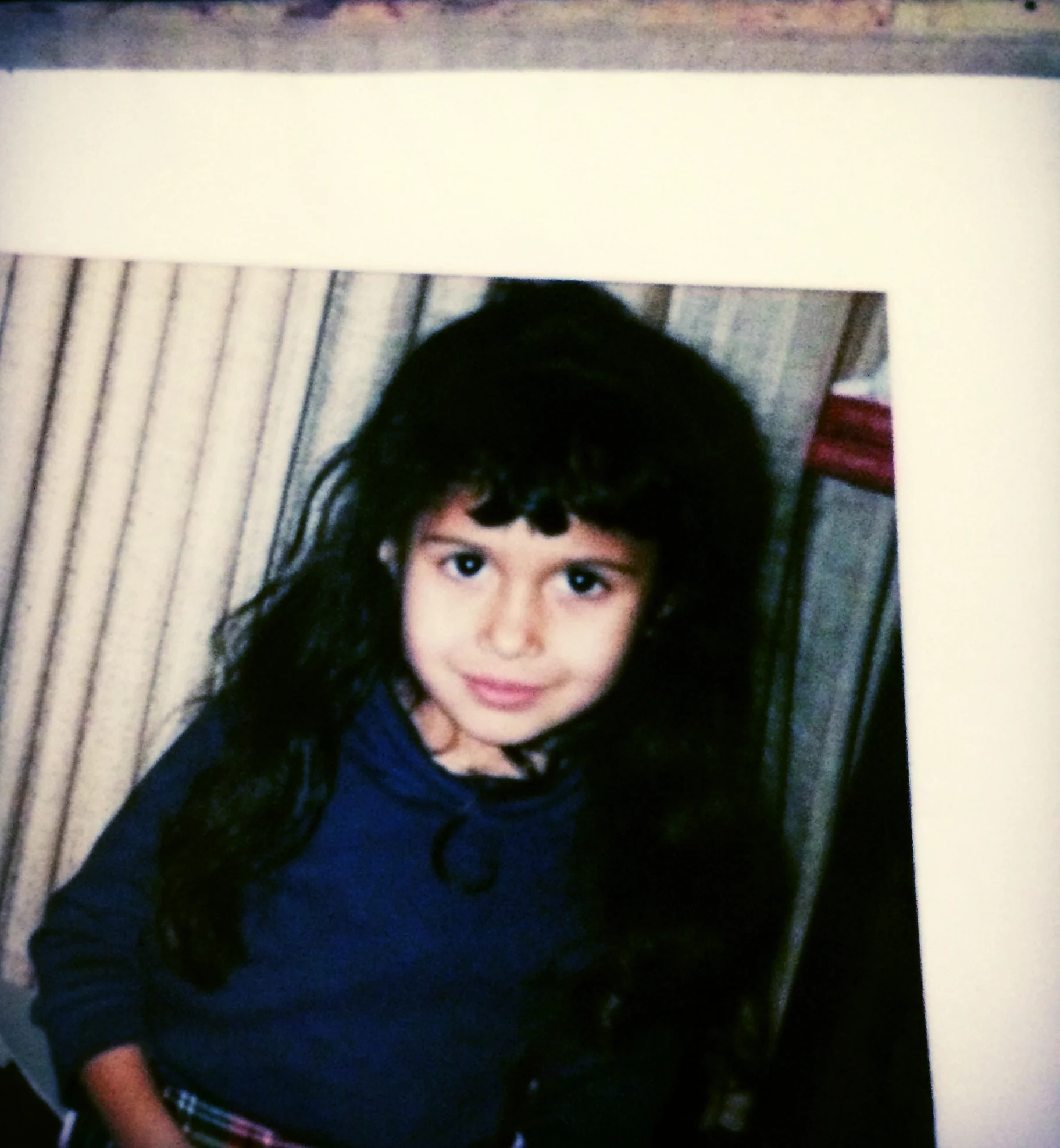
When I was in the first grade, my school began to pull me out of class twice a week to work with a resource teacher. Years later, when I asked my mother why that was, she told me it was because the school was concerned about my social skills because I was so shy and stoic and quiet. And while this bothers me now, the idea that a small brown girl would be pulled out of class to be taught how to socialize, I remember finding solace in those times with my resource teacher. I can’t recall her name, but I do remember she was a white woman with dark bobbed hair that wore the color red a lot.


Read More
In Lifestyle Tags Journal Writing, wellness, mothers, Children, feminism, Writing
1 Comment
Monique Blue hair .jpg

My Hair Is Not a Petty Thing

March 20, 2018

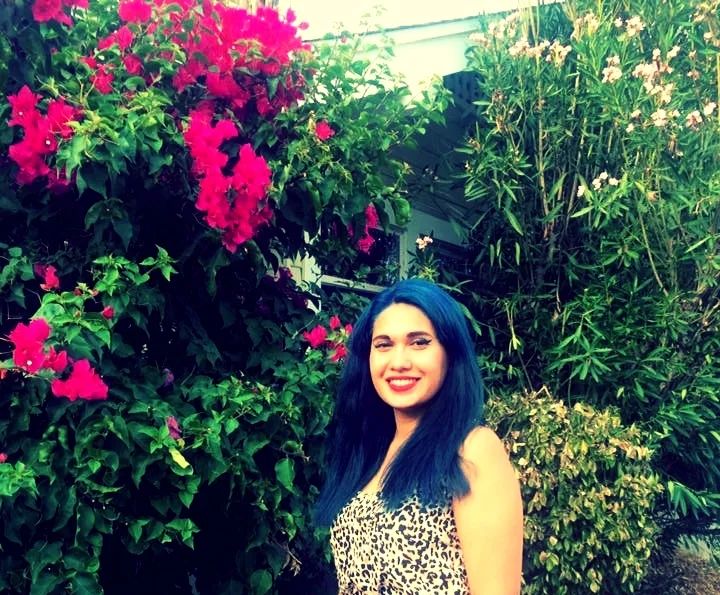
My hair is not a petty thing. My hair holds stories.

Read More
In Beauty, Lifestyle Tags hair color, hair, Beauty, feminism, Body Positivity, body image, Wellness, WOC, Latina
Comment
lucy westenra

3 Poems by Cathleen Allyn Conway

January 31, 2018

BY CATHLEEN ALLYN CONWAY

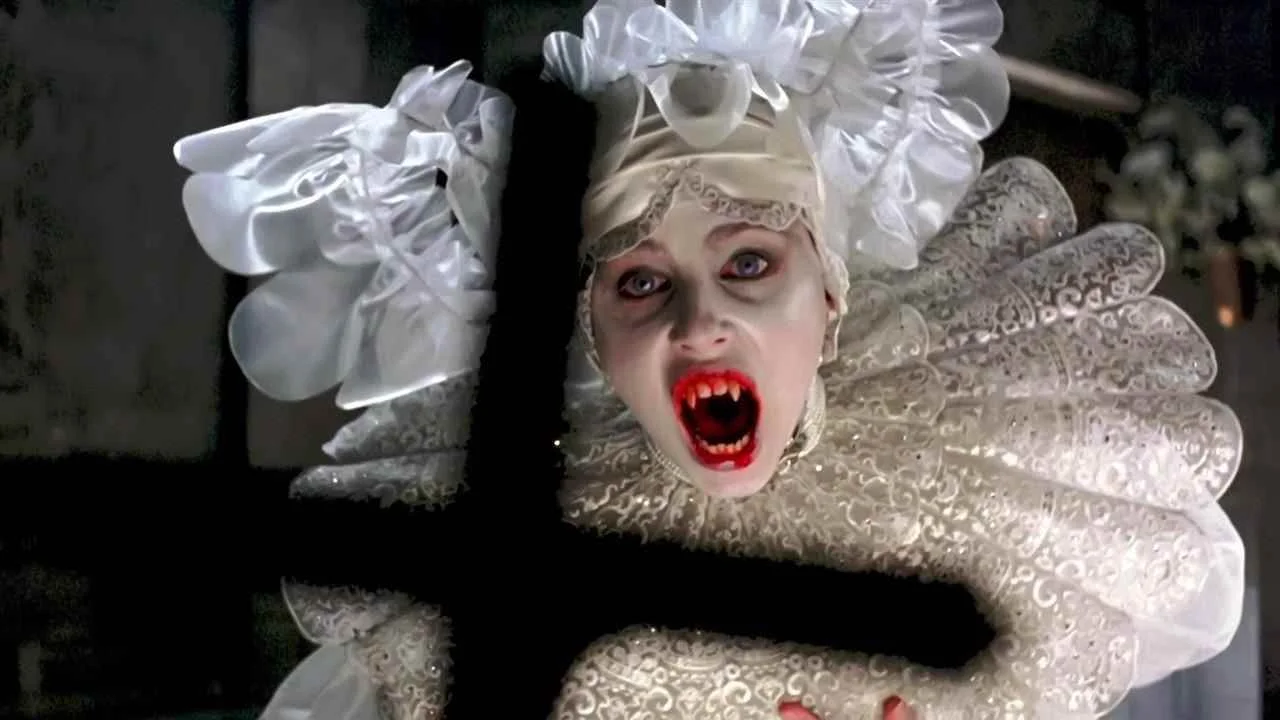
Author's note: These are all found works, some using modified versions of traditional poetic forms. Their sources are Toby Whithouse's Doctor Who episode VAMPIRES OF VENICE, Stephen King's SALEM'S LOT, the stage adaptation of LET THE RIGHT ONE IN, miscellaneous Sylvia Plath poems, and DRACULA by Bram Stoker. They are part of a longer work, Bloofer, a collection of found poems on the female vampire that forms the creative component of my PhD thesis.
 

THE VAMPIRE WHO SAID HE WAS YOU

He bites. A mouth just bloodied.
The blood flood is the flood of love.

A love gift utterly unasked for.
Death opened, like a black tree, blackly.

The box is only temporary, the
black bunched in there like a bat.

I bleed or sleep all the blackening morning,
separated from my house by headstones and corpses.

I am red meat, red hair; marble facades.
The corpse at the gate petrifies as I rise.


THE VILLAGERS NEVER LIKED YOU

I wake to a mausoleum.
This is the room I could never breathe in.

Black bat airs wrap me, raggy shawls,
blue garments unloosing small owls.

Eternity bores me; my soul dies for it.
I eat men like air. I never wanted it.


LUCY’S SWEET PURITY

I could see in the white flesh a dint
then Arthur struck with all his might:
contorting and cut, The Thing writhed,
a blood-curdling screech from red lips.

Arthur never faltered, deeper driving
His stake into the body, twisting and wild,
crimson foam smearing white,
blood from the pierce welling, welling.

The teeth ceased to champ,
the writhing became less.
On his forehead sprang
drops of sweat, broken gasps
came his breath, and a light
broke his face, glad and strange.


Cathleen Allyn Conway is a PhD creative writing research student at Goldsmiths College, University of London. She is the co-editor of Plath Profiles, the only academic journal dedicated to the work of Sylvia Plath, and the founder and co-editor of women’s protest poetry magazine Thank You For Swallowing. She has previously worked as a journalist on UK trades and national newspapers, and as an English teacher in inner London. Her poetry has appeared in print, online and in anthologies. Her pamphlet Static Cling was published by Dancing Girl Press in 2012. Originally from Chicago, she lives in south London with her partner and son. You may follow her intermittent feminist ranting and retweets at @mllekitty.

In Poetry & Prose Tags vampire, feminism, female vampire, plath, dracula, bram stoker, Plath Profiles, London, vampirism, goth, goth AF, poetry
Comment
Screen Shot 2017-08-24 at 9.54.07 AM.png

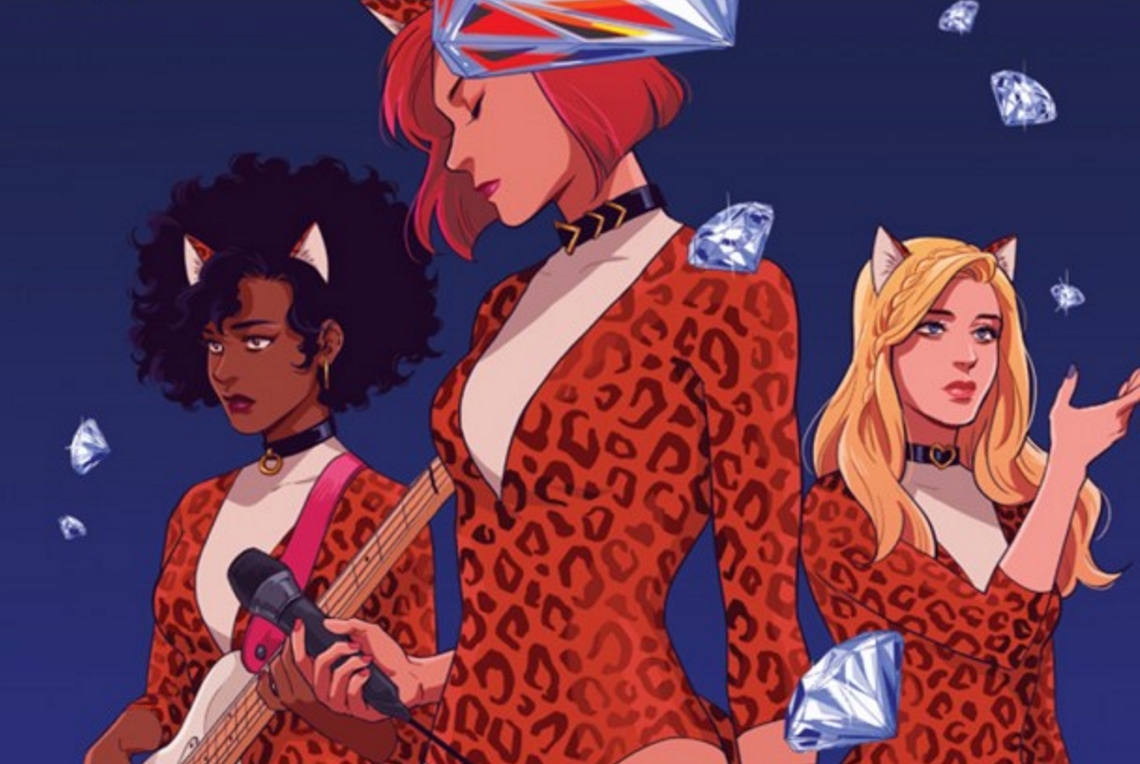
Cameron DeOrdio on Writing Archie's 'Josie & the Pussycats' & Diversity in Comics

August 24, 2017

Joanna C. Valente is a human who lives in Brooklyn, New York, and is the author of Sirs & Madams (Aldrich Press, 2014), The Gods Are Dead (Deadly Chaps Press, 2015), Marys of the Sea (The Operating System, 2017), Xenos (Agape Editions, 2016) and the editor of A Shadow Map: An Anthology by Survivors of Sexual Assault (CCM, 2017). Joanna received a MFA in writing at Sarah Lawrence College, and is also the founder of Yes, Poetry, a managing editor for Luna Luna Magazine and CCM, as well as an instructor at Brooklyn Poets. Some of their writing has appeared, or is forthcoming, in Brooklyn Magazine, Prelude, Apogee, Spork, The Feminist Wire, BUST, and elsewhere. 

Read More
In Pop Culture Tags comics, feminism, diversity, cameron deordio
Comment
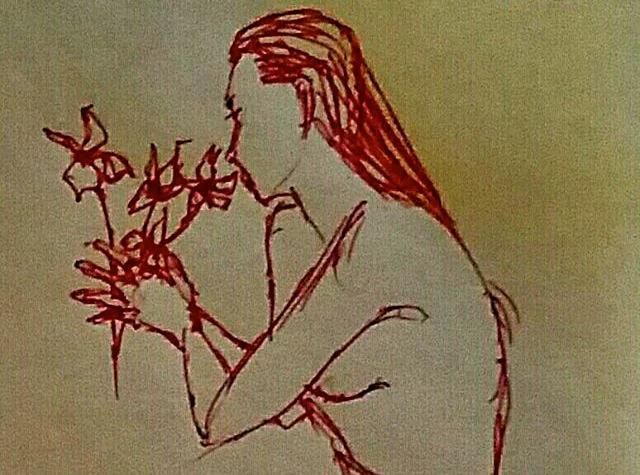
Sketch by Arielle Jones

Sketch by Arielle Jones

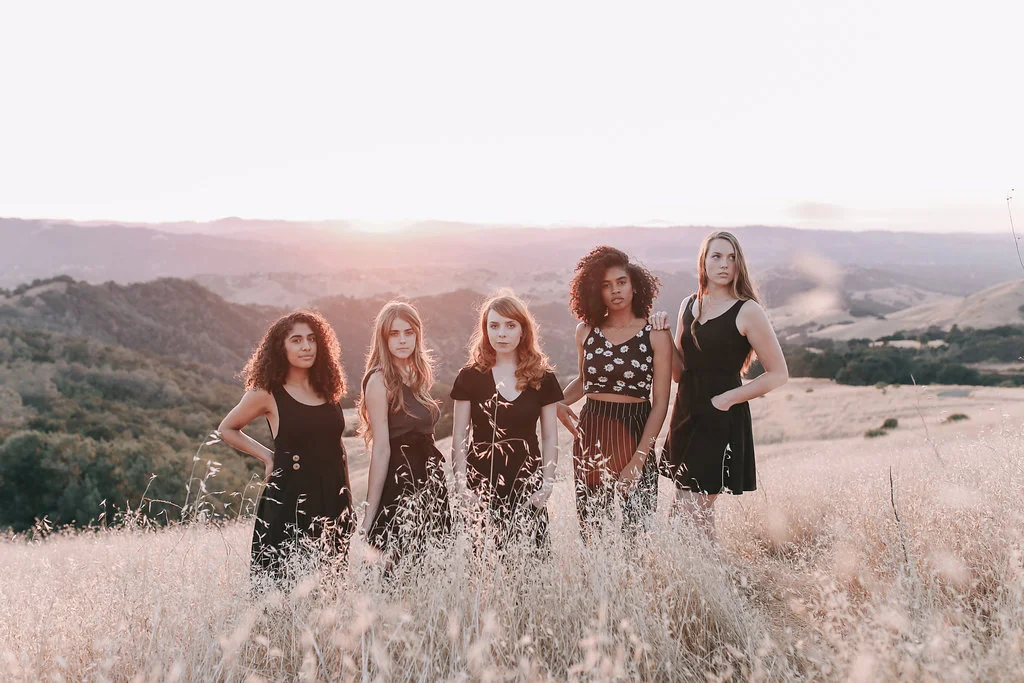
Alternative Gardens: 7 WOC Talk Wellness, Ritual, and Artist Identity

August 14, 2017

...in the flowers of their intersectional feminism

Read More
In Beauty, Art, Lifestyle Tags Women of Color, Wellness, feminism, self care, Artist, Art, Writers
Comment

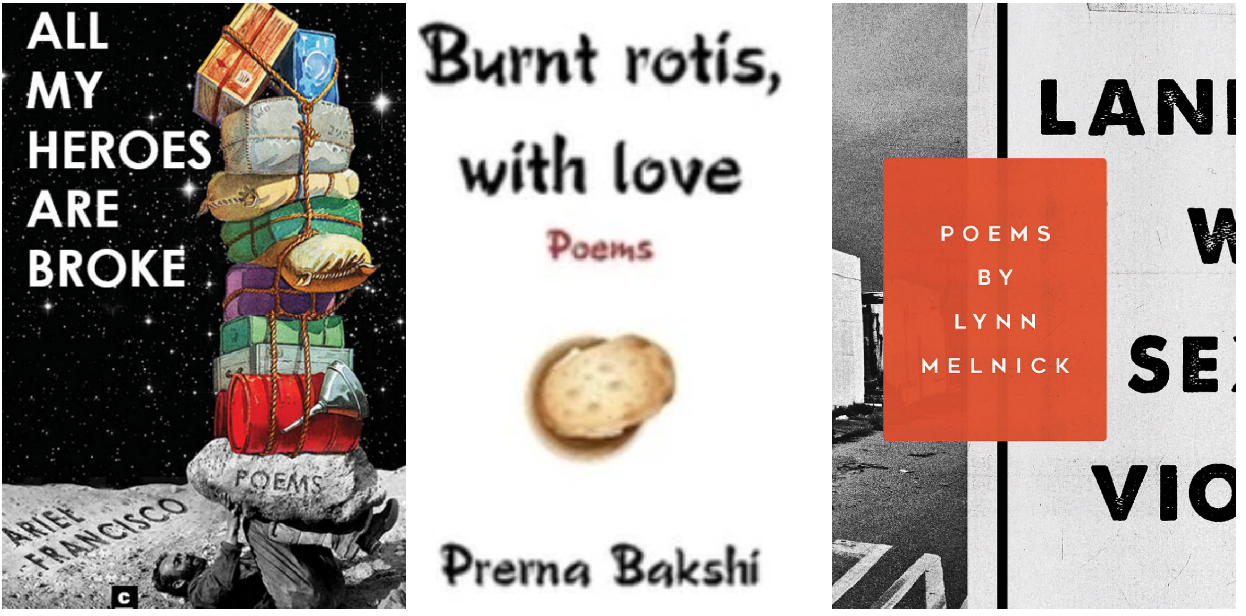
3 Poetry Books With Strong Narrators That Are So Necessary Right Now

July 31, 2017

Here are some books that stole my heart and mind recently (and still haven't given them back):

Read More
In Poetry & Prose Tags lynn melnick, ariel francisco, prerna bakshi, feminism, rape, race
Comment
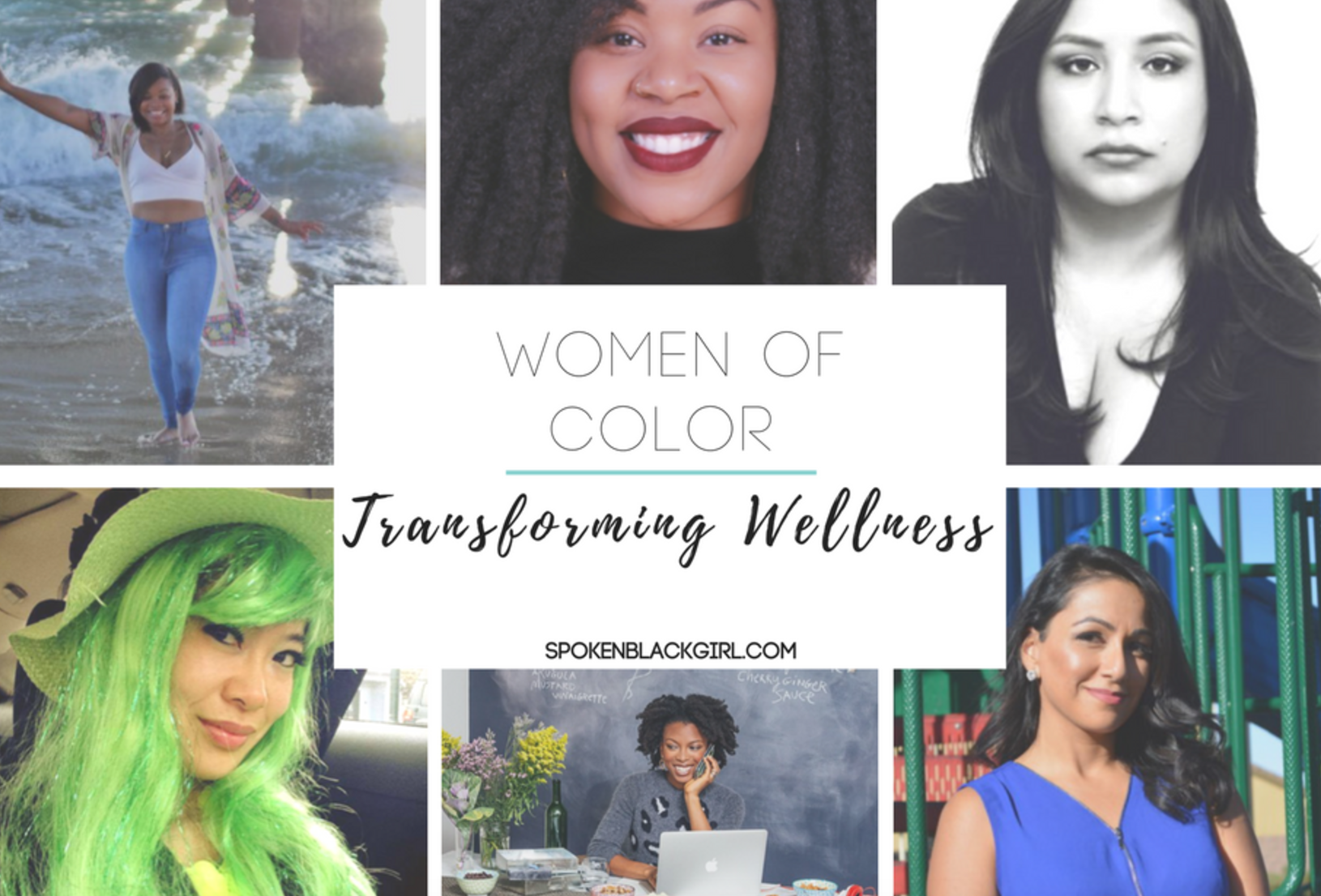
Via Spoken Black Girl

Via Spoken Black Girl

In Conversation with Rowana Abbensetts of Spoken Black Girl

July 26, 2017

INTERVIEW BY LISA MARIE BASILE

LISA MARIE BASILE: I love to hear about women creating amazing communities and making a space for voices that aren’t always provided a platform in mainstream media. Can you tell us a little about Spoken Black Girl?

ROWANA ABBENSETTS: Spoken Black Girl started out as my own little space on the internet to talk about struggles with anxiety and depression. During my lowest points in life, I felt completely alone and I wanted to create a space where I could discuss mental health freely and without stigma. I was amazed by the support that I received from my growing community of readers and fellow bloggers. Since then Spoken Black Girl has transformed into an online publication open to all women of color.  

LISA MARIE BASILE: What sort of vacancy did you see in the digital media landscape that spurred the creation of SBG?

ROWANA ABBENSETTS: There aren’t many publications dedicated to true holistic healing for women of color; by that I mean not only covering yoga and meditation, but allowing for women of color to explore mental and emotional healing from mental illness and or trauma. In the Black community, for example, the stigma of mental illness and mental health is strong. Black women are taught to be strong and to hide our pain and vulnerabilities.

This problem of stigma is reflected in the limited or warped focus on mental health that we see in popular publications. Mental health is often a passing topic that popular culture would suggest can be remedied by spa trips and candles. The truth is, the conversation is much deeper than that. Women of color need to heal, mind, body, and soul, in order to continue building together.

LISA MARIE BASILE: I have learned so much from the content SBG has published, and I really appreciate the words I’ve read. Diversity and inclusivity is so important to SBG—I know how marginalized voices have been silenced or reduced. What is your goal with SBG, to confront and disrupt that?

ROWANA ABBENSETTS: It’s important to empower young, marginalized writers. I know that for women of color in particular, it’s easy to become discouraged.  The world is always telling us that our stories don’t matter, that out skills aren’t good enough, and that we are somehow encroaching on a traditionally white, male space. This is not true, but there are many that think this way, evidenced by the severe lack of representation among women of color in the publishing industry. At SBG, we take our time to work with writers and help them develop their skills and grow as writers. We want writers to gain confidence by sharing their stories with a supportive community that sees the value of marginalized voices.

LISA MARIE BASILE: What sort of message would you like to send to potential contributors and readers alike?

ROWANA ABBENSETTS: Have an open heart and an open mind.  Spoken Black Girl is a platform that values and respects vulnerability. I feel privileged to be able to publish deeply personal stories of growth, so it’s important to me that we all show each other love and support as a community of readers and writers.

LISA MARIE BASILE: I always find that engaging readers and fans is probably one of the hardest and yet most important aspects of running a publication. How can new readers support SBG and its authors—and how do you want to support your readers?

ROWANA ABBENSETTS: To our readers, I encourage you to share and show love in whatever way feels right to you. We plan on having more events, so I would definitely encourage our supporters to participate in all of our events and initiatives. Our ultimate goal is to be able to pay writers at market rate so we can do even more to improve the lives of WOC writers.

SBG will continue to support its readers by helping them explore their own growth journeys, whether it’s through powerful content, events, workshops or challenges. We’re more than a publication, we’re a community, and we’re constantly striving to add value to the lives of our community members.

LISA MARIE BASILE: Something I find really interesting about the digital landscape is that people WANT to share their stories. Where that maybe used to be called ‘weak,’ it’s now strong and I love that. There’s a focus on well-being and healing from trauma at SBG. How did you come upon that focus?

ROWANA ABBENSETTS: When it comes to mental health, a lot of women, in particular women of color,  have experienced trauma that has impacted their mental health. Of course, there are many women who begin their exploration of mental health having struggled specifically with anxiety, depression, bipolar or other mental illnesses. It’s often impossible to tease mental health away from trauma, especially because marginalized women experience sexism, racism, and homophobia as a fact of life, and those microaggressions often amount to trauma. We also deal with generational trauma, having absorbed the pain and fears of our mothers and grandmothers. Heal one woman and you heal all those that came before her.  

LISA MARIE BASILE: What sort of submissions are you looking for?

ROWANA ABBENSETTS: We’re looking for authentic, uplifting voices. I like submissions that are informative and clear, but reads like advice between girlfriends.

LISA MARIE BASILE: You talk about the transformation from SBG the blog to the magazine in your piece, “How to Step Into Your Season of Transformation.”  What is SO good about this piece is that you straight up outline the reasons people don’t always move forward with their dreams. They’re afraid, or they have no confidence, or they haven’t found a way to set themselves free. Can you talk a little more about that and how people can tap into their ability to transform.

ROWANA ABBENSETTS: At a certain point in life, you have to let go of worrying about what everyone else thinks and listen to your intuition. Tap into what you want. Women in particular spend too much time sacrificing our own mental health and well-being out of a sense of obligation or duty to others. We’re so preoccupied with what we should be doing that we rarely pause to ask ourselves what we really want. I always find that the more honest I am with myself, the more likely I am to manifest the changes I want to see. My suggestion is to start with deep, personal reflection. Find the tools that will help you achieve this, whether it’s journaling, meditation or prayer. Discover the best way for you to reconnect with your innermost self.


Rowana Abbensetts started Spoken Black Girl in the spring of 2015 as a personal blog about her own struggles with anxiety and depression hoping to find other women of color who could relate. Two years later, realizing that women of color lacked a centralized place to share their mental and emotional journeys, Rowana decided to turn the blog into what is now Spoken Black Girl Magazine.

Source: spokenblackgirl.com
In Politics, Social Issues Tags spoken black girl, publishing, feminism
Comment

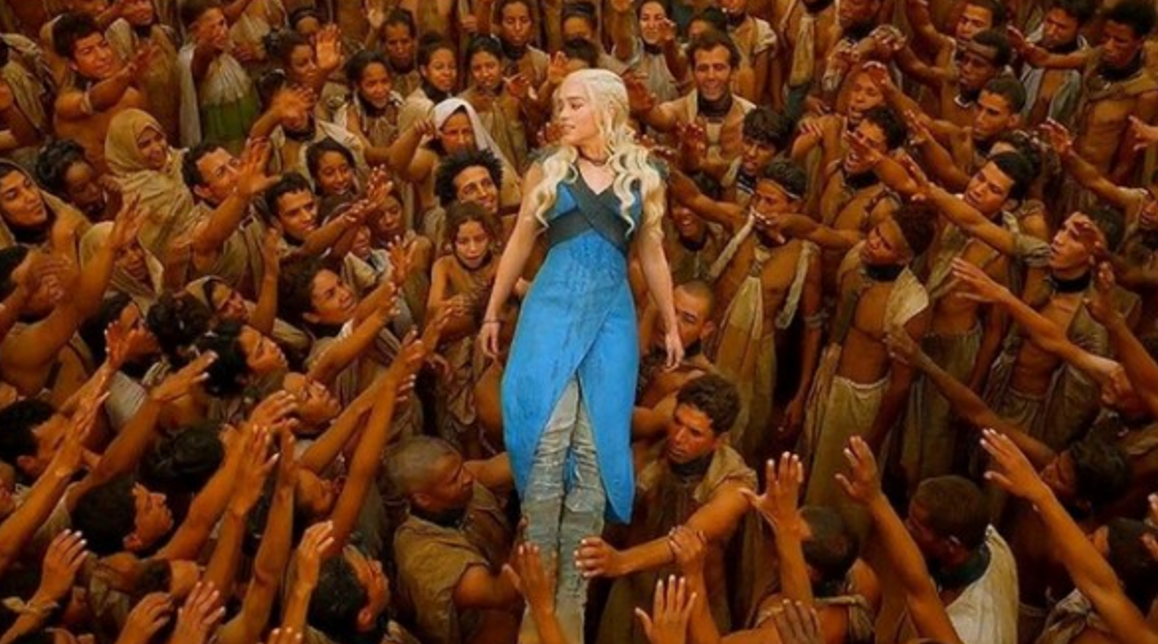
Daenerys Targaryen May Be a Feminist, But That Doesn't Excuse the White Savior Complex

July 19, 2017

Joanna C. Valente is a human who lives in Brooklyn, New York, and is the author of Sirs & Madams (Aldrich Press, 2014), The Gods Are Dead (Deadly Chaps Press, 2015), Marys of the Sea (The Operating System, 2017), Xenos (Agape Editions, 2016) and the editor of A Shadow Map: An Anthology by Survivors of Sexual Assault (CCM, 2017). Joanna received a MFA in writing at Sarah Lawrence College, and is also the founder of Yes, Poetry, a managing editor for Luna Luna Magazine and CCM, as well as an instructor at Brooklyn Poets. Some of their writing has appeared, or is forthcoming, in Brooklyn Magazine, Prelude, Apogee, Spork, The Feminist Wire, BUST, and elsewhere. 

Read More
In Pop Culture Tags tv, television, feminism, racism, game of thrones
Comment
Black Voices

Black Voices

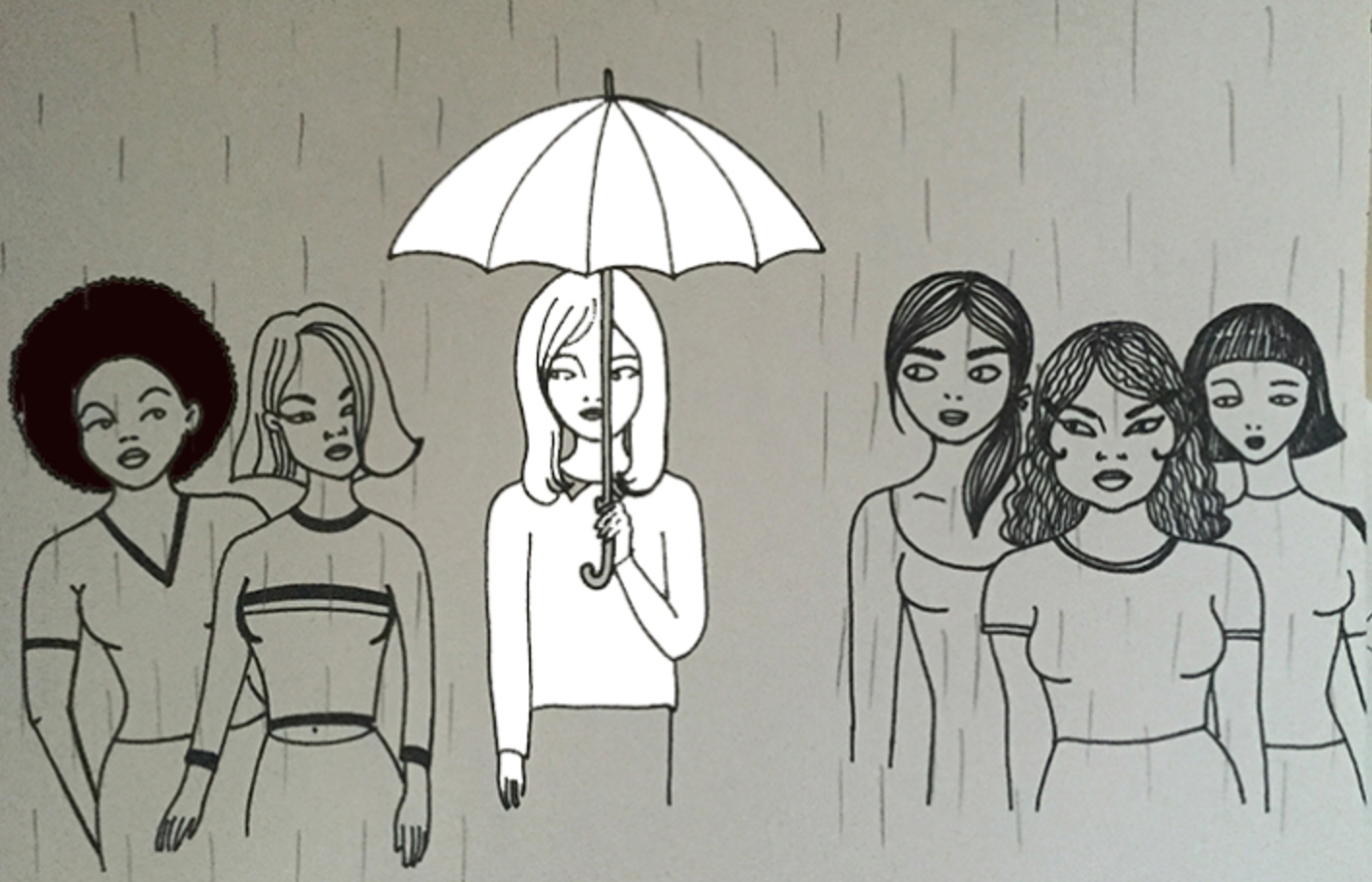
Intersectional Feminism: 6 Things White Women Need to Remember

March 13, 2017

BY KYLI RODRIGUEZ-CAYRO

Dear White Women,

I’m writing to you because I know we can do better.

We, white women, have historically erased black women from the feminist narrative as long as feminism has existed. Many of our first-wave suffragettes such as Susan B. Anthony were blatant racists, and our second-wave heroes co-opted the civil rights movement to create the women’s liberation movement. That does not determine we must feel white guilt or dismiss the accomplishments of historical feminists - it just means our modern day movement has more opportunities to grow. 

No more excuses, no more convenient silence, no more exclusive feminism. We must definitively and directly stand with Women of Color.  

Here are 6 easy ways to practice intersectionality:

Quit It With The "Not All White Women" Nonsense

American white women failed this election; 53% of us voted for Donald Trump. I know, you didn’t vote for him personally, but drop the defense when Women of Color call us all out. It is our sole responsibility to educate our communities and initiate difficult conversations about race and privilege. As allies we must confront our loved ones, whether at holiday gatherings or on social media after your cousin shares her tenth "All Lives Matter" post of the week. I understand how disheartening these confrontations can become, but we cannot resort to inaction when we face the backlash black women experience on a daily basis. Feminism that excludes adversity faced by Women of Color is not feminism, period. Remember, our personal comfort is not and never will be paramount to another’s life.

Your Fight For Reproductive Justice Needs To Include Racial Justice

Reproductive justice encompasses more than merely birth control and abortion access. It also includes the right for Women of Color to raise their children without fear that they will fall victim to the school-to-prison pipeline, or be murdered by law enforcement for simply living while black. Fighting for body autonomy encompasses fighting against the systematic oppression People of Color endure.

I’m Sorry, But Love Alone Will Not Trump Hate

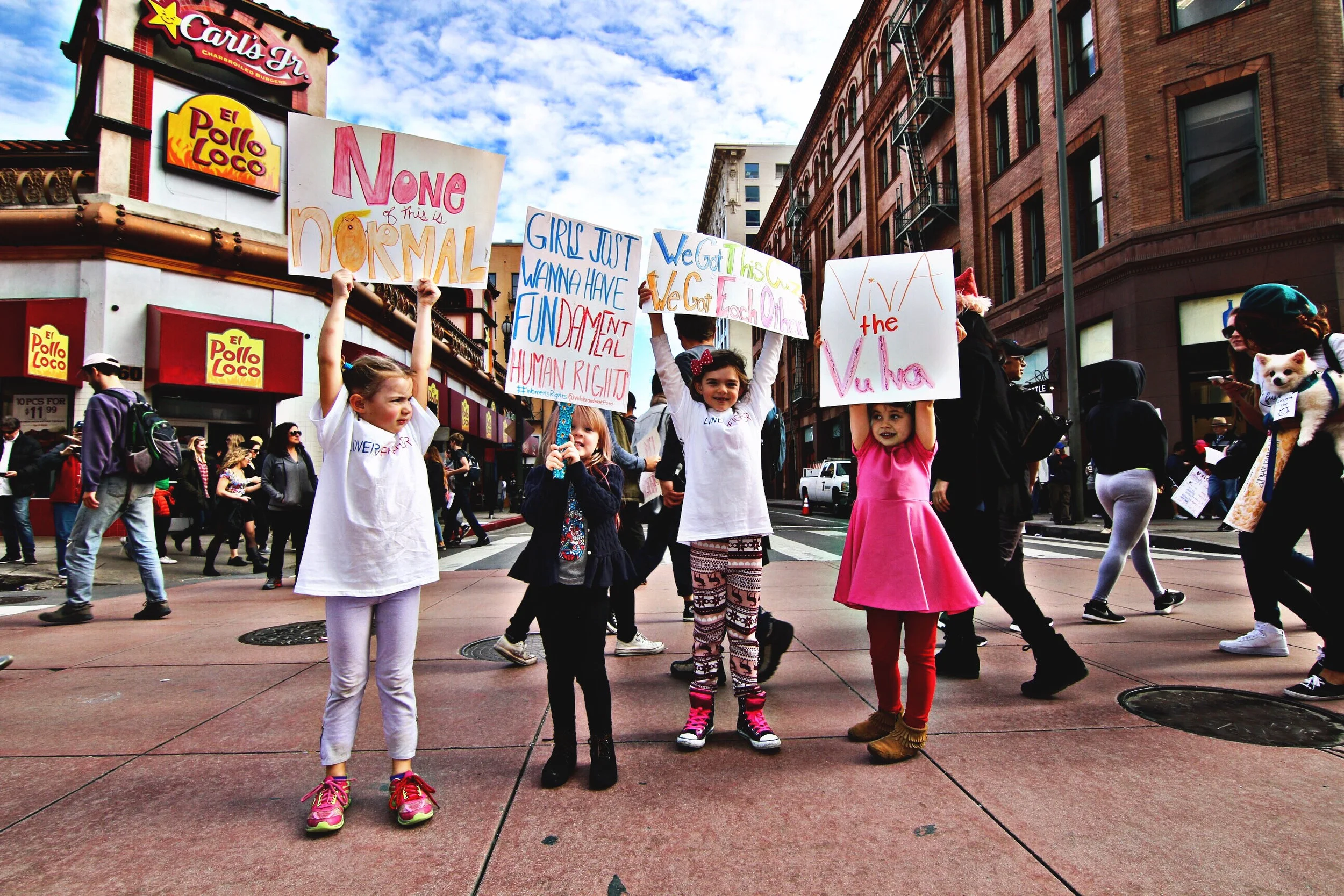
First, let me say, I am proud of you for participating in the Women’s March. 

We came together and empowered millions of women, which is no small feat. However, this is just the beginning of our budding resistance.

As white women, we need to go further, faster. Ask yourself: Do you stand in solidarity with People of Color? Are you willing to join the frontline when ICE separates more families? Are you using your resources or skills to aid marginalized communities? Historically, black activists such as Angela Davis, Medgar Evers, and Marsha P. Johnson were met with police brutality, and violence, DESPITE peacefulness or positivity. The only difference between The Women’s March and Black Lives Matter Movement is racial disparity. 

F*CK the normalization of white supremacy, bigotry, and high-fiving police officers. We need to be outraged, passionate, and 100% willing to support People of Color. 

Stop Trying To Make Cultural Appropriation Happen, It’s Not Going To Happen

Do I need to even explain what cultural appropriation is in 2017?  If you need examples, just search for images of "Ko-opted Kardashian Kornrows" or white Women’s March attendees with "Lemonade" lyric signs. You may wonder why appropriation is an important topic to address while our political system is in disarray, and here is the simple answer: Women of Color have repeatedly asked us to refrain from exploiting black culture, so let’s just refrain. You can love Beyoncé and sing along, but do not bottle up her Black Girl Magic to sell on Etsy.

Enough. Gynocentric. Feminism.

AKA, drop the trans-exclusive pussy hats and feminism that centers only women with vaginas. Juniperangelica Xiomara wrote a wonderful piece about this on Wear Your Voice. Go read it and share with your cis-identfying friends. 

Lastly, just LISTEN.

 How many of you hate being mansplained about sexism and your experiences? If you vigorously nodded yes, then why do you keep whitesplaining Women of Color? Race is not a tool to divide feminists, and the injustice of others does not invalidate our own experiences. 

We need to be honest with each other about the problematic aspects in the feminist movement. Activism is not a performance and injustice works around-the-clock; we have benefited from our white privilege, lucky enough to not feel the impact of oppression in our day-to-day lives. Accepting that as a simple truth rather an accusation is the only way our modern day feminist movement can progress and thrive.  

So, want to truly "get in formation?"

Let’s step up and support Women of Color.


Kyli Rodriguez-Cayro: Writer. Mixed Media Artist. Activist. Latina. Owner of PaperTrail Pendants. Manic Pixie Coffee Drinker. 

In Politics, Social Issues Tags feminism, white women, insectional feminism, solidarity
1 Comment
Nicole Adams

Nicole Adams

11 Things You Can Do During a #DayWithoutAWoman

March 7, 2017

Joanna C. Valente is a human who lives in Brooklyn, New York. They are the author of Sirs & Madams (Aldrich Press, 2014), The Gods Are Dead (Deadly Chaps Press, 2015), Marys of the Sea (2016, ELJ Publications) & Xenos (2016, Agape Editions), and the editor of "A Shadow Map: An Anthology By Survivors of Sexual Assault." They received their MFA in writing at Sarah Lawrence College. Joanna is also the founder of Yes, Poetry, as well as the managing editor for Civil Coping Mechanisms and Luna Luna Magazine. Some of their writing has appeared in Prelude, BUST, The Atlas Review, The Feminist Wire, The Huffington Post, Columbia Journal, and elsewhere. Joanna also leads workshops at Brooklyn Poets.

Read More
In Social Issues Tags feminism, women's strike
Comment
Photograph courtesy of Field Day

Photograph courtesy of Field Day

An Interview with Trinity Cross of Field Day & Friends in Oakland, California

February 7, 2017

I think about the smell of the earth after it rains when I think about wilderness. I think about wild animals. Speaking personally, I am currently trying to figure out a way to get out of the city. So, I think I embrace these things that make me feel like I'm more a part of the earth, through gardening, or through making herbal products, or through doing rituals with the Moon, or different things that I do just to feel grounded and on the actual earth because, living in the city, I feel like sometimes we get so caught up in the grind of just trying to pay our bills, or trying to be a good friend, or trying to take care of our animals, or trying to take care of our other friends who are upset that we lose sight of the fact that we are actually in the wilds. If we collapsed all these buildings and nobody did anything in a hundred years, then it would all turn back to the wilds.

Read More
In Lifestyle Tags occult, Witchcraft, feminism, herbalism, nightmares
Comment

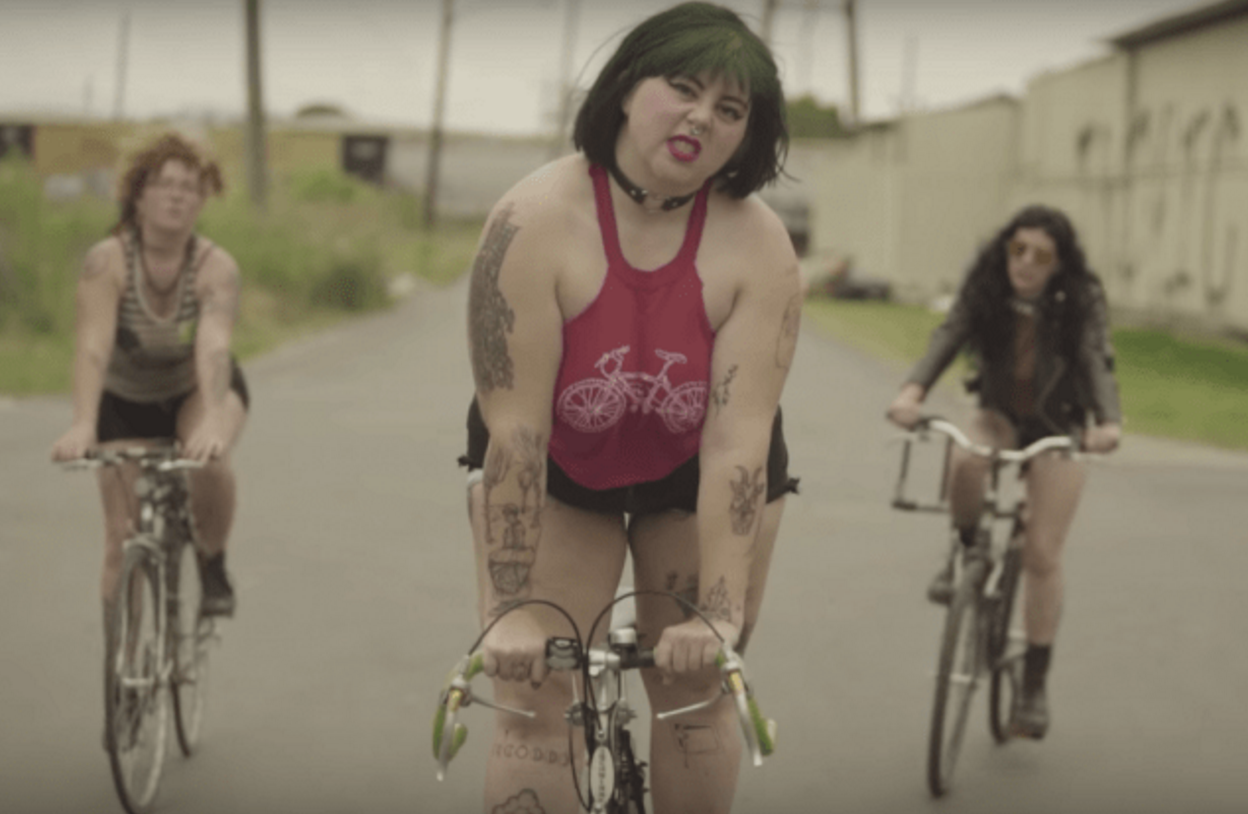
Interview with Kallie Van Tassel, the Lead Singer of Punk Band Gland

January 16, 2017

If you don't know who Gland is, you should. They're an awesome punk band from New Orleans, and they're music is about to make you care EVEN MORE about the state of the world right now. and that’s all I know about them. Their music rages against structural racism, sexism, and capitalism in a way I haven't seen lately. 

Read More
In Interviews, Music Tags gland, music, punk, feminism, lgvtq, LGBTQIA
Comment
Older Posts →
Featured
‘in the glitter-open black' — poetry by Fox Henry Frazier
'poet as tarantula,  poem as waste' — poetry by  Ewen Glass
'poet as tarantula, poem as waste' — poetry by Ewen Glass
'Hours rot away in regalia' — poetry by Stephanie Chang
'down down down the hall of mirrors' — poetry by Ronnie K. Stephens
'Grew appendages, clawed towards light' — poetry by Lucie Brooks
'do not be afraid' — poetry by Maia Decker
'The darkened bedroom' — poetry by Jessica Purdy
'I am the body that I am under' — poetry by Jennifer MacBain-Stephens
instagram

COPYRIGHT LUNA LUNA MAGAZINE 2025