• Home
  • indulge
  • new poetry
    • About Luna Luna
    • resources
    • search
  • editor
  • dark hour
  • submit
Menu

luna luna magazine

  • Home
  • indulge
  • new poetry
  • About
    • About Luna Luna
    • resources
    • search
  • editor
  • dark hour
  • submit
delicious new poetry
'the doors of the night open' — poetry by Juan Armando Rojas (translated by Paula J. Lambert)
Nov 29, 2025
'the doors of the night open' — poetry by Juan Armando Rojas (translated by Paula J. Lambert)
Nov 29, 2025
Nov 29, 2025
'we can be forlorn women' — poetry by Stevie Belchak
Nov 29, 2025
'we can be forlorn women' — poetry by Stevie Belchak
Nov 29, 2025
Nov 29, 2025
'I do whatever the light tells me to' — poetry by Catherine Bai
Nov 29, 2025
'I do whatever the light tells me to' — poetry by Catherine Bai
Nov 29, 2025
Nov 29, 2025
‘to kill bodice and give sacrament’ — poetry By Kale Hensley
Nov 29, 2025
‘to kill bodice and give sacrament’ — poetry By Kale Hensley
Nov 29, 2025
Nov 29, 2025
'Venetian draped in goatskin' — poetry by Natalie Mariko
Nov 29, 2025
'Venetian draped in goatskin' — poetry by Natalie Mariko
Nov 29, 2025
Nov 29, 2025
'the long sorrow of the color red' — centos by Patrice Boyer Claeys
Nov 28, 2025
'the long sorrow of the color red' — centos by Patrice Boyer Claeys
Nov 28, 2025
Nov 28, 2025
'Flowers are the offspring of longing' — poetry by Ellen Kombiyil
Nov 28, 2025
'Flowers are the offspring of longing' — poetry by Ellen Kombiyil
Nov 28, 2025
Nov 28, 2025
'punish or repent' — poetry by Chris McCreary
Nov 28, 2025
'punish or repent' — poetry by Chris McCreary
Nov 28, 2025
Nov 28, 2025
'long, dangerous grasses' — poetry by Jessica Purdy
Nov 28, 2025
'long, dangerous grasses' — poetry by Jessica Purdy
Nov 28, 2025
Nov 28, 2025
'gifting nighttime honey' — poetry by Nathan Hassall
Nov 28, 2025
'gifting nighttime honey' — poetry by Nathan Hassall
Nov 28, 2025
Nov 28, 2025
'A theory of pauses' — poetry by Jeanne Morel and Anthony Warnke
Nov 28, 2025
'A theory of pauses' — poetry by Jeanne Morel and Anthony Warnke
Nov 28, 2025
Nov 28, 2025
'into the voluminous abyss' — poetry by D.J. Huppatz
Nov 28, 2025
'into the voluminous abyss' — poetry by D.J. Huppatz
Nov 28, 2025
Nov 28, 2025
'an animal within an animal' — a poem by Carolee Bennett
Nov 28, 2025
'an animal within an animal' — a poem by Carolee Bennett
Nov 28, 2025
Nov 28, 2025
‘in the glitter-open black' — poetry by Fox Henry Frazier
Oct 31, 2025
‘in the glitter-open black' — poetry by Fox Henry Frazier
Oct 31, 2025
Oct 31, 2025
'poet as tarantula,  poem as waste' — poetry by  Ewen Glass
Oct 31, 2025
'poet as tarantula, poem as waste' — poetry by Ewen Glass
Oct 31, 2025
Oct 31, 2025
'my god wearing a body' — poetry by Tom Nutting
Oct 31, 2025
'my god wearing a body' — poetry by Tom Nutting
Oct 31, 2025
Oct 31, 2025
'Hours rot away in regalia' — poetry by Stephanie Chang
Oct 31, 2025
'Hours rot away in regalia' — poetry by Stephanie Chang
Oct 31, 2025
Oct 31, 2025
'down down down the hall of mirrors' — poetry by Ronnie K. Stephens
Oct 31, 2025
'down down down the hall of mirrors' — poetry by Ronnie K. Stephens
Oct 31, 2025
Oct 31, 2025
'Grew appendages, clawed towards light' — poetry by Lucie Brooks
Oct 31, 2025
'Grew appendages, clawed towards light' — poetry by Lucie Brooks
Oct 31, 2025
Oct 31, 2025
'do not be afraid' — poetry by Maia Decker
Oct 31, 2025
'do not be afraid' — poetry by Maia Decker
Oct 31, 2025
Oct 31, 2025
'The darkened bedroom' — poetry by Jessica Purdy
Oct 31, 2025
'The darkened bedroom' — poetry by Jessica Purdy
Oct 31, 2025
Oct 31, 2025
'I am the body that I am under' — poetry by Jennifer MacBain-Stephens
Oct 31, 2025
'I am the body that I am under' — poetry by Jennifer MacBain-Stephens
Oct 31, 2025
Oct 31, 2025
goddess energy.jpg
Oct 26, 2025
'Hotter than gluttony' — poetry by Anne-Adele Wight
Oct 26, 2025
Oct 26, 2025
'As though from Babel' — poetry by Fox Henry Frazier
Oct 26, 2025
'As though from Babel' — poetry by Fox Henry Frazier
Oct 26, 2025
Oct 26, 2025
'See my wants' — poetry by Aaliyah Anderson
Oct 26, 2025
'See my wants' — poetry by Aaliyah Anderson
Oct 26, 2025
Oct 26, 2025
'black viper dangling a golden fruit' — poetry by Nova Glyn
Oct 26, 2025
'black viper dangling a golden fruit' — poetry by Nova Glyn
Oct 26, 2025
Oct 26, 2025
'It would be unfair to touch you' — poetry by grace (ge) gilbert
Oct 26, 2025
'It would be unfair to touch you' — poetry by grace (ge) gilbert
Oct 26, 2025
Oct 26, 2025
'Praying in retrograde' — poetry by Courtney Leigh
Oct 26, 2025
'Praying in retrograde' — poetry by Courtney Leigh
Oct 26, 2025
Oct 26, 2025
'To not want is death' — poetry by Letitia Trent
Oct 26, 2025
'To not want is death' — poetry by Letitia Trent
Oct 26, 2025
Oct 26, 2025
'Our wildness the eternal now' — poetry by Hannah Levy
Oct 26, 2025
'Our wildness the eternal now' — poetry by Hannah Levy
Oct 26, 2025
Oct 26, 2025

Caroline Hagood on Weird Girls and the Inner Monster

October 2, 2022

An interview with Caroline Hagood
by Lisa Marie Basile

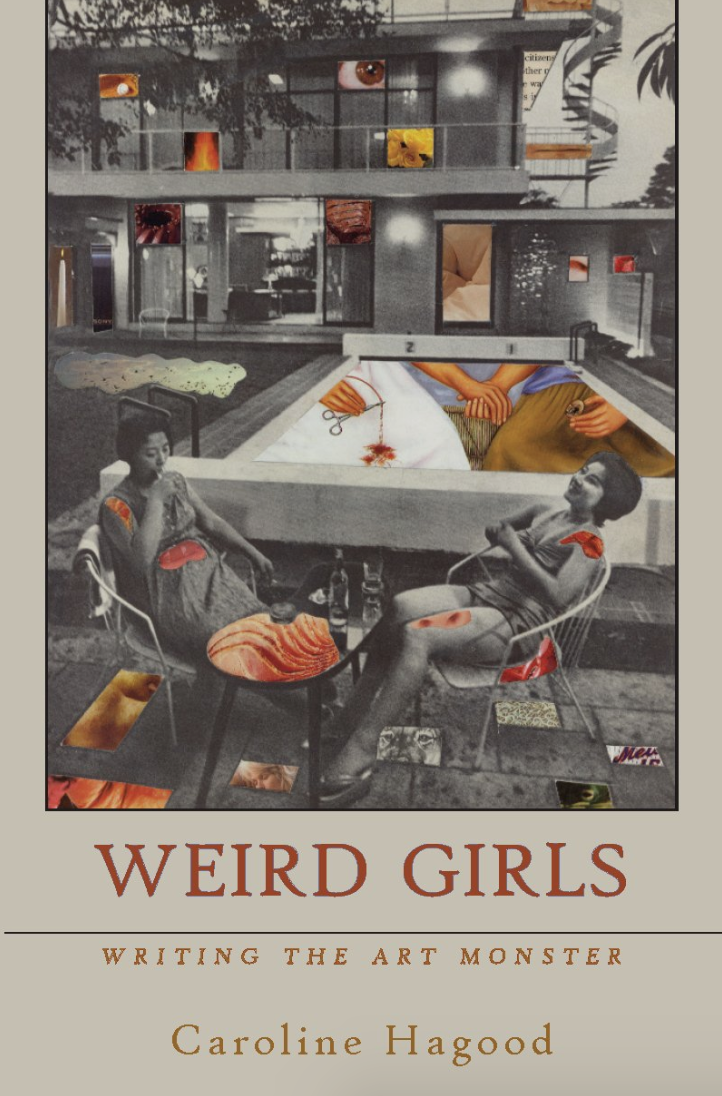
Lisa Marie Basile: Can you tell us all about Weird Girls: Writing The Art Monster? I am so intrigued by it (as a self-professed weird girl, of course) and so excited to read it. I’m also excited to read with you (and so many other incredible talents) at your reading event, Weird Girls Con.

Caroline Hagood: WEIRD GIRLS: WRITING THE ART MONSTER is an essay collection or book-length essay, depending on how you see it. It's a collection of different essays, but they all overlap, and circle back on one another. I was inspired to write the book since I've always been a weird girl, haha. But, seriously, after reading Jenny Offill's Dept of Speculation, I saw that so very many women writers were suddenly writing about the "art monster," or the writer who gets to focus monomaniacally, monstrously on his or her own work—but the catch was that the ones who usually got to do this were men. I have always been obsessed with the topics of creativity and monstrosity, and so this book came to be.
Ah! I'm so interested in the inner art monster — how it shows up, how it's praised, how it's rejected (so oft by men), and why it's so alluring. Sometimes, I think the inner monster is the only thing that keeps me writing — that fiendishness, that obsession. I especially sync with the art/creativity monster as a Capricorn Rising, the archetype that is often associated with obsessive Doing. It's interesting because on one hand, there's the oft-critiqued "girl boss" archetype — yet on the other, the obsessive, frenzied woman who wants to learn and do more is something that should be embraced. Why do you think so many people are exploring woman as art monster?

I love these questions so much. Yes, I absolutely share your fascination with the inner monster/the obsessive and passionate pursuit of art. It’s at the core of my writing practice. I think the woman who has had to fight tooth and nail for her creativity, and even the concept of the art monster, is as old as time, but I think Jenny Offill put a name (and connected story) to it in her 2016 novel Dept of Speculation.

Since 2016 I’ve been seeing women/femme/nonbinary writers grappling with this concept constantly. Then I think movements such as #metoo and sociocultural situations such as the way women and mothers have been impacted by COVID-19, for instance, coalesced with the whole art monster narrative to form a super-monster that’s trying to claw its way out of every text I pick up these days. I always pull this art monster out of there, and I’m so happy to see her.

Who are some of your artistic influences, and how do they appear or work their way into your own work?

I guess I would say I'm a fan of the obsessives when it comes to literature and creativity in general—the creators who just don't know where to stop, who exist in ways that are determined to be "too much," who write or film or paint in ways deemed to be "too much," and so forth.

I also love my hybrid people, those who write things where you go, "wait, is this a poem, a novel, an essay, and do I even need to know? Nope!" Those are my favorite works of art. I used to co-run a reading series called Kill Genre, and I have an upcoming panel with the same title because I guess that's my thing. :)

I also love hybrid people. I'm over strict genre separation and definitions, although I see why people often turn to them. What would you tell a writer who is anxious about or hesitant to cross-play or blend genres?

I would be like, “Wait, what is this genre you speak of? I’ve never heard of it.” Then I would quote Lady Gaga, “So there's nothing more provocative than taking a genre that everybody who's cool hates—and then making it cool.”

But seriously, I would invite this writer to step out of this limiting way of thinking of writing. I would say not to worry about playing with genre and, ideally, to focus on inventing her/his/their own new genre.
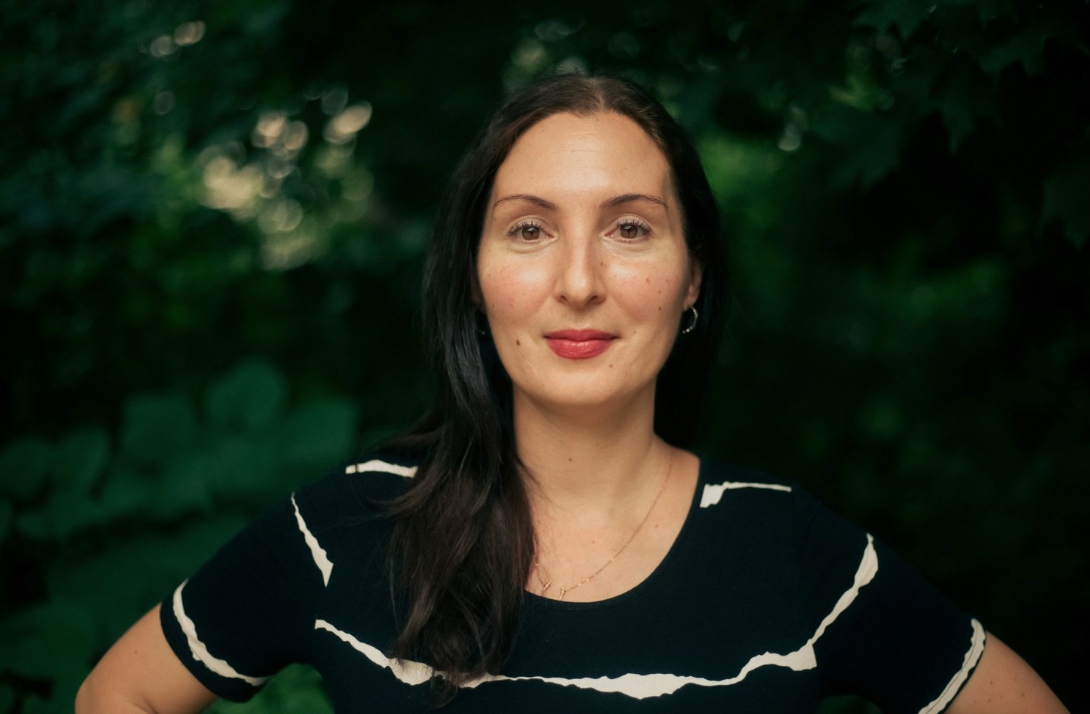
How does lineage or culture shape your work? It’s a question I ask every writer. I love to see how the threads come together.

My mother is a very powerful, wonderful, difficult woman who worships literature, and I really do think of myself as carrying on this piece of our family heritage. She was a businesswoman who wrote and painted on her own time and would take me outside to look at the moon at night to get inspired. I love her for this.

Can you share with us some of your writing rituals? What are the little things you do to collaborate with the Muse?

Well (and I'm pretty sure nobody at all will care about this little detail) I absolutely must have my hair up. I can't explain it, but I cannot write without this whole situation being taken care of. Then I really like to listen to weird jazz without lyrics because it inspires me without distracting me with words.

Then I know it always sounds creepy, but I like to look at the photographs I have of women writers around my work area, such as the one of Mary Shelley writing with a quill. If I don't feel in the mood to write, I just look over at them and it gets me going. They are my coven, and they don't even know they serve this purpose for me (the living ones I mean). I promise I"m not as creepy as I sound.

Um, looking at women writers. NOT CREEPY AT ALL. Gasp! I love it. This is a certain kind of summoning, an odd little ritual where you call forth their essence. Can you tell me why the Mary Shelley image speaks to you so much? Paint the moment for us. 

 I just love the concept of Shelley being dared to write a ghost story and creating this book about a monster who epitomizes the way I view creativity itself: monstrous, sewn together from the “bodies” of so many different artifacts, well-read, obsessive, creative, poetic, tender, full of longing, misunderstood, comedic, lonely.

Who are some contemporaries who have inspired or helped you in your creative journey?

When I was at Fordham, I felt very inspired and supported by what I called my creative writing ladies, professors who participated in the dark arts of, well, creative writing: Elisabeth Frost, Heather Dubrow, and Sarah Gambito.

Then, lately, I've been working with Patricia Grisafi on some really fun witchy projects. I was also recently bowled over by the kindness of Erika Wurth. I've never met her in person (we are "social media" close), but she was still incredibly generous with literary advice and contacts because that's what she believes in. And it's what I believe in, too, very much so.

Join the WEIRD GIRLS CON event
Saturday, October 8th from 5-7 PM EST
Pacific Bears Community, Brooklyn, NY
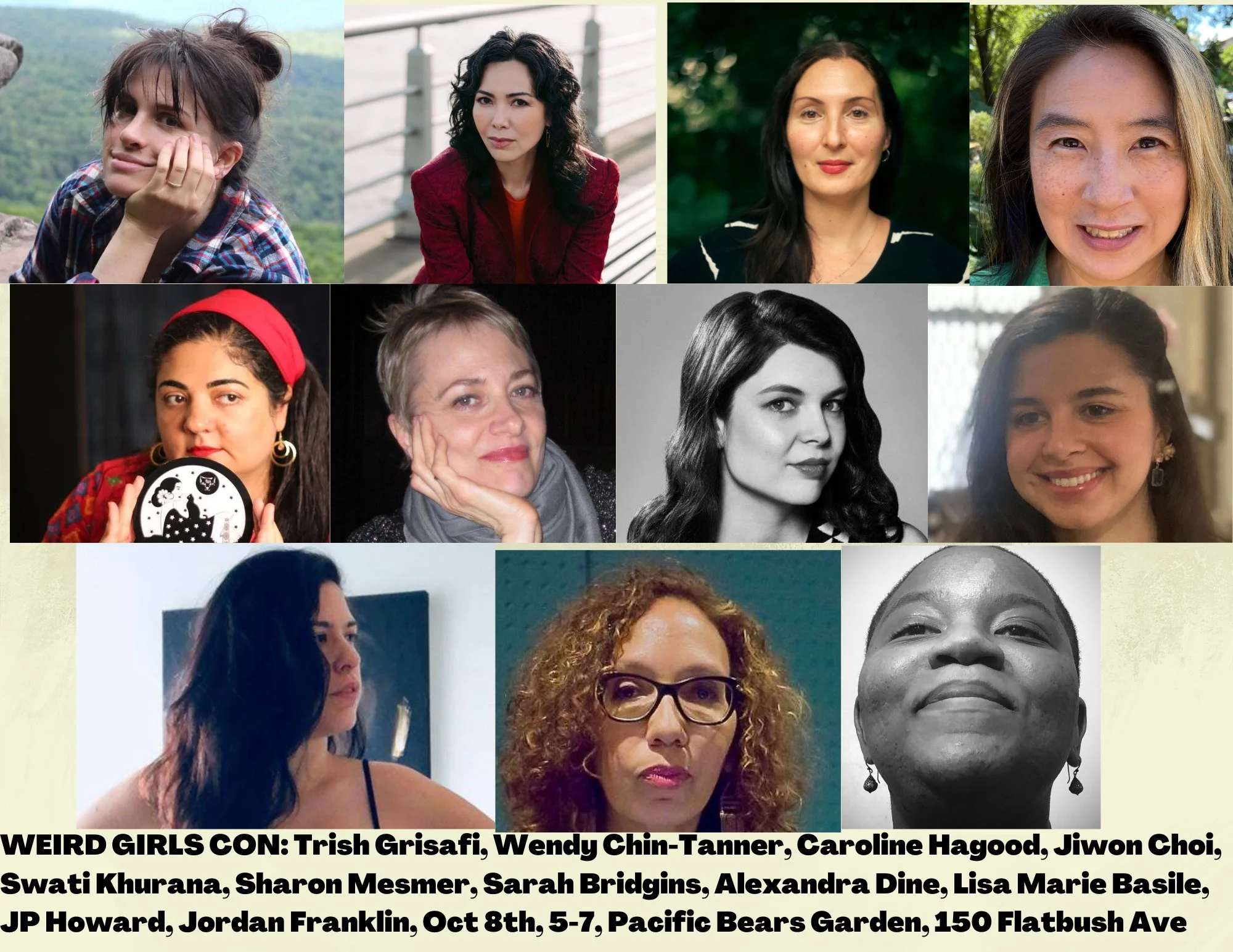
Caroline Hagood is an Assistant Professor of Literature, Writing and Publishing and Director of Undergraduate Writing at St. Francis College in Brooklyn. She is the author of the poetry books, Lunatic Speaks (2012) and Making Maxine’s Baby (2015), the book-length essay, Ways of Looking at a Woman (2019), and the novel, Ghosts of America (2021). Her book-length essay Weird Girls is forthcoming from Spuyten Duyvil Press in November. Her work has appeared in publications including Creative Nonfiction, LitHub, the Kenyon Review, Hanging Loose, the Huffington Post, the Guardian, Salon, and Elle.
In Poetry & Prose, Politics, Social Issues, Interviews Tags Caroline Hagood, Weird Girls, Weird Girls: Writing The Art Monster, Hybrid, Writing, Mary Shelley
Comment
Photo by Maya Washington

Photo by Maya Washington

'Time is emotional for me': An Interview with Poet Sara Borjas

November 17, 2020

BY MONIQUE QUINTANA, IN INTERVIEW WITH SARA BORJAS

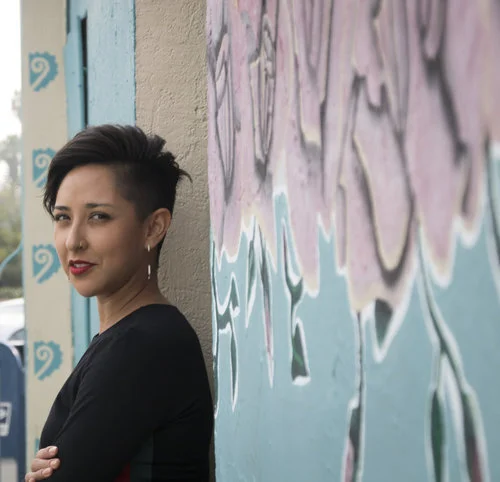
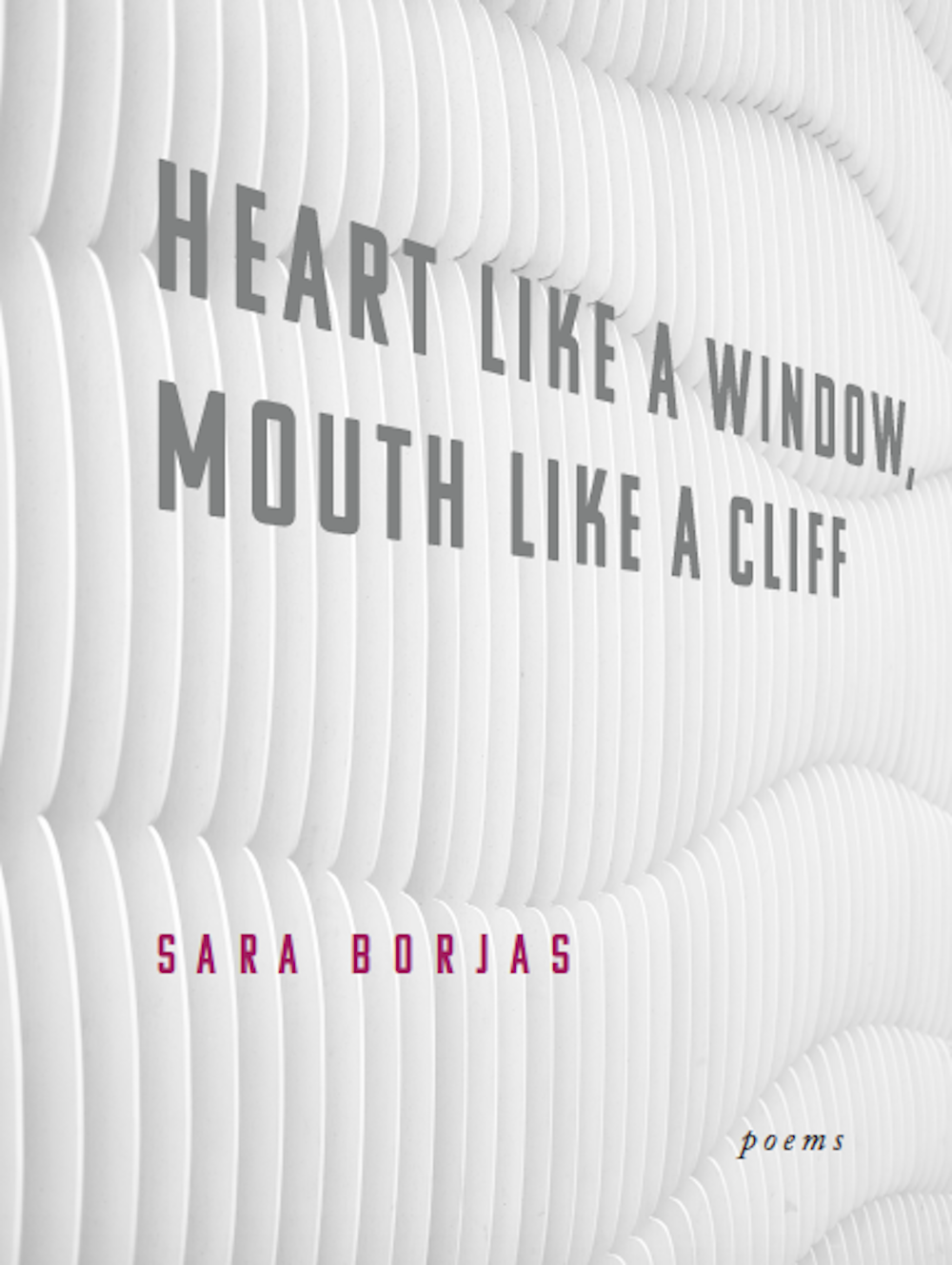
The last time I saw Sara Borjas was a few weeks ago when we spoke over the produce section at Costco. There were quick laughs and unspoken intentions, the thought that we'd know a little more about ourselves and the places we exist in the next time we meet again. Sara's debut poetry collection speaks to moments like these. A recipient of the American Book Award, Heart Like a Window, Mouth Like a Cliff ( Noemi Press, 2019 ) shows growing up in another kind of California. Simultaneously urban and rural, hot and cold, high tech and nostalgic, Fresno, CA, is celebrated and lamented in the book and its loves. In the essay near the center of the book, ' We Are Too Big for This House, ' Borjas creates new mappings of time, space, and the familial archive. She talks about writing the piece here. 

Monique Quintana: It's often said that we begin essays with questions that we want to ask about ourselves. When would you say you started writing "We Are Too Big For This House" in your mind? What were you most surprised about when you eventually wrote it down to page?

Sara Borjas: I started writing it because Carmen Giménez Smith said the speaker in my collection isn't fully understood with what poems I was offering her in my manuscript. She told me to ask myself: What is it I am not saying? Why is the speaker so tender and so resentful? I was not surprised about what I eventually wrote, but I am surprised about how its form offered what feels like the singular way I could express what feels like a given and obvious experience for me at intersections of my identities.

Cover image via Noemi Press

Cover image via Noemi Press

MQ: When I read your essay and the notes on the margins, I think about how time works for Xicanas and our memories. As someone who's invested in the intersections of feminism, pop culture, and archive, how do you experience time differently with the women in your life? What is a song, TV show, film, or any other art piece that resets time for you?

SB: There's not a thought that I have that isn't conversing with my doubt and my own oppressive tendencies. I feel like we, Xicanas, are always living at times of intense colonization, liberation, and the present moment, which makes every moment tense and potentially reckless. Time is heavy, no matter where I am. And I think women in my life have been taught either euphemisms or slogans of oppression like "everything happens for a reason" or "I'm just grateful" or "some people have it worse." I've heard it called "toxic positivity," but I don't know it's that for women of color or all Xicanas. So I feel like my investments and my privilege, built on their labor, helps me see those as survival tactics, and also, things I refuse to participate in anymore because suffering shouldn't beget more suffering. I also understand that they're necessary for many Xicanas, and much peace and choices are built on them. I'm incapable of crossing of into that "positive" thinking because I feel like I remember everything, even the things that didn't happen to me specifically in my lifetime, and so sometimes I feel guilty for knowing or thinking I know. It can be a special type of lonely. Time is emotional for me. And the only thing that resets that, without a doubt, is the song "Ascension" by Maxwell, and a moment when I feel truly, truly loved.

MQ: What do you want most for new Latinx essays to interrogate about ourselves?

SB: I want something very specific—I want Xicanx writers to interrogate our machiste. I want most for Xicanos to interrogate their machiste. It's played out, "laughable and lethal" (as Jess Row says of whiteness) and oppressing us all.


SARA BORJAS is a Xicanx pocha, is from the americas before it was stolen and its people were colonized, and is a Fresno poet. Say their names.

Her debut collection of poetry, Heart Like a Window, Mouth Like a Cliff was published by Noemi Press in 2019 as part of the Akrilica series and received a 2020 American Book Award. Tony McDade. Sara was named one of of Poets & Writers 2019 Debut Poets, is a 2017 CantoMundo Fellow, represents California as a CantoMundo Regional Chair, and is the recipient of the 2014 Blue Mesa Poetry Prize. Dominique "Rem'mie" Fells. Her work can be found in Ploughshares, The Rumpus, Poem-a-Day by The Academy of American Poets, and The Offing, amongst others. Sandra Bland. She is a lecturer in the Department of Creative Writing at UC Riverside, where she works with innovative undergraduate writers.

Ahmaud Arbery. She believes that all Black lives matter and will resist white supremacy until Black liberation is realized, lives in Los Angeles, and stays rooted in Fresno. Justice for Breonna Taylor and George Floyd and the countless others. She digs oldiez, outer space, aromatics, and tiny prints is about decentering whiteness in literature, creative writing, and daily life.

Abolish the police. Find her @saraborhaz or at www.saraborjas.com. Say their names.

Monique Quintana is a Xicana from Fresno, CA, and the author of the novella Cenote City (Clash Books, 2019). Her short works have been nominated for Best of the Net, Best Microfiction, and the Pushcart Prize. She has also been awarded artist residencies to Yaddo, The Mineral School, and Sundress Academy of the Arts. She has also received fellowships to the Community of Writers, the Open Mouth Poetry Retreat, and she was the inaugural winner of Amplify’s Megaphone Fellowship for a Writer of Color. You can find her @quintanagothic and moniquequintana.com.

In Poetry & Prose, Art, Politics, Social Issues Tags Interview, poetry, sara borjas
Comment
Photo by Brighton Galvan

Photo by Brighton Galvan

An Interview with 'Bareback Nightfall' Author Joshua Escobar

October 28, 2020

…like learning how to drink water after the world has turned upside-down…

Read More
In Poetry & Prose, Politics, Art Tags Poetry, Interview, Latinx
Comment
carrie.PNG

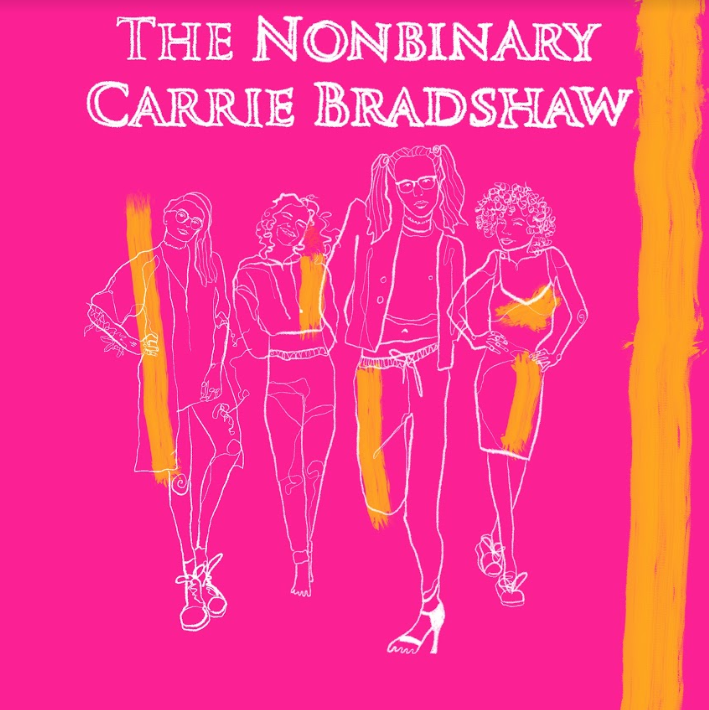
Get Ready for the Non-Binary Carrie Bradshaw

March 30, 2020

Joanna C. Valente is a human who lives in Brooklyn, New York. They are the author of several books, including Marys of the Sea, #Survivor (2020, The Operating System), and Killer Bob: A Love Story (2021, Vegetarian Alcoholic Press). They are the editor of A Shadow Map: Writing by Survivors of Sexual Assault and received their MFA in writing at Sarah Lawrence College. Joanna is the founder of Yes Poetry and the senior managing editor for Luna Luna Magazine. Some of their writing has appeared in The Rumpus, Them, Brooklyn Magazine, BUST, and elsewhere. Joanna also leads workshops at Brooklyn Poets. joannavalente.com / Twitter: @joannasaid / IG: joannacvalente / FB: joannacvalente

Read More
In NYC, Politics, Pop Culture, Social Issues, Art Tags joshua byron, non-binary carrie bradshaw, queer, non-binary, podcast, Anna Feldmann, Myrrh Crow, and Alana Ruiz, alana ruiz
Comment
Joanna C. Valente

Joanna C. Valente

Survivor: An Interview With Joanna C. Valente

September 25, 2019

JOANNA C. VALENTE IN INTERVIEW WITH LISA MARIE BASILE

LISA MARIE BASILE: Let's talk about your #Survivor Book — it centers on survivors of all sorts, including survivors of body, gender, and physical trauma. It's deeply aligned with all of your work as a writer and, also, as a photographer — so, how, specifically, did this book come to fruition?

It was kind of an accident, to be honest. I was at a residency to work on writing (specifically, my novel Baby Girl and Other Ghosts) at Denniston Hill. On a whim, I brought my camera with me just to have a creative outlet other than writing so as not to burn myself out. I personally like to multitask with my creative projects, because it keeps everything fresh - and keeps me challenged. So, I ended up taking photos every day and began to focus on the energy around me and how that made me reflect on my own body and my own energy. How do those things merge, outside and internal energies? As a witch and tarot reader, I have always been preoccupied by these themes and thoughts, particularly when it comes to healing. A lot of dialogue around and within the survivor community doesn't always focus on healing itself, and often focuses on how it happens, what it looks like. Those are, of course, necessary parts of the process for us to understand.

But my focus is more on the individual and the individual's path to healing and fulfillment. As I took photos of the landscape, I thought about how we have abused that land, how that land soaks up energy from the people who have inhabited it. I sought to do the same with the body, so I began to use myself as a muse, largely focusing on empowering myself as a survivor, while also just trying to capture myself as a survivor in the moment, vulnerable and as I am - without crafting too ornate of a photoshoot that makes it something else entirely. For me, the key element to the project is its authenticity and truthfulness to the land and the body.

Joanna C. Valente

Joanna C. Valente

LISA MARIE BASILE: How did you decide to pivot from poetry to photography in this specific text? Also, cnn you talk a little more about the photos you took of yourself? Was this a move toward autonomy?

In this case, I didn't want the editorial gaze and editorialization of poetry, of language. Language is a beautiful spell, a kind of magic - but I wanted to focus on capturing something as it is, in its vulnerability and true form, rather than channeling the energy into something else entirely. In this way, however, the autonomy becomes center to it in a way that it doesn't with writing. Writing, of course, is completely controlled by its author, but a photo is an interesting, intimate collaboration between the artist and its subject, whether human or nature. In some way, it is me giving away control and autonomy to another being, and building trust, but it's also a way to gain empowering autonomy within the very choice of that relationship, and being autonomous in steering the shoot and the artistic direction.

There are captions to the photos, which does bring an element of language to the photos, to give them some context. This context, however, gives to the healing process and gives meaning to that journey. However, it doesn't give context to each survivor's journey, because those details are irrelevant. We are all survivors, and our details don't need to isolate us - however, our being and vulnerability and experience can connect us in ways that are magical. That energy is real and palpable, and we can use it for good. In a way, this book is one big healing spell, hoisting all of this energy in a hopefully positive way for people.

LISA MARIE BASILE: The idea of including an accompanying digital photo series outside of the book is lovely. It gives lots of people a chance to take part. What do you hope the overall message is, and how do you want to change the way we talk about survival and allyship?

I want to make it move beyond gender and sexuality, and those stereotypes and concepts in our head. When we talk about pain, trauma, and struggle, we often talk about it especially in those terms, which are very isolating to the queer communities. If someone, for instance, identifies as nonbinary, where do they fit into that equation? Most times, the conversation tends to focus on certain demographics and I don't think that is always the most helpful approach. I've had countless people tell me how they thought they couldn't tell anyone of their experiences, because they wouldn't be taken seriously because of their gender - or that they would be ostracized or not believed. That's incredibly painful, to feel as if you are being silenced, and then to invariably silence yourself. That creates an entirely different kind of trauma - and having a lack of support is the opposite of what should be happening.

So really, I want to break down barriers. I want people to realize anyone can be a survivor; there is no one person or body that fits the description. If we come from a place of love and empathy and compassion, rather than trying to draw boundaries and pictures of what survivors look or act like, we can unify and work together to create a better support system and community. Isn't that the point, to help each other? I realize it's not always so easy, especially because our own ideas of ethics and justice and safe spaces vary, but it's impossible, in my opinion, to build a truly inclusive and safe space if we aren't welcoming of everyone.

Joanna C. Valente

Joanna C. Valente

LISA MARIE BASILE: You obviously work with ritual and magic. Have you ever performed meditation, spellwork or ritual around body/healing/and gender and identity?

I definitely have. I meditate (mostly) every day in some capacity (usually in the morning) and definitely work with rituals and spells when I need to. Being a tarot reader has also been a miraculous journey for me in this regard. People often look at the tarot as being gendered, such as having masculine or feminine traits (such as the Empress or the Emperor cards). While I don't debunk anyone's relationship or reading to the cards, as every reader is a little different and has their own unique approach, looking at tarot as gender-fluid has been freeing for me. We can embody various "traits" while also not embodying one particular gender, for instance - and I use the cards in a way that feels authentic to that. How, for instance, are the cards showing me what my energy levels are like in a particular moment? How are they changing and what does that mean for me, as an entire being on a journey to happiness?

LISA MARIE BASILE: I think a lot about healing — one another, ourselves, the earth — from our daily traumas, generational traumas, and the trauma that humans have done to one another and the earth. I also think a lot about how art itself, and sharing it and including others, is an act of healing.

What are your thoughts on how writing and art can make us better?

I definitely am a huge proponent and believer that art as a whole heals us. It's therapeutic. How could it not be? It can allow you to become more self-aware of your motives, your emotions, your past, and how those things cause you to react. It can help you heal and work through trauma, finding a creative outlet to tunnel and channel your emotions. Channeling emotion is a form of magic; language is actualizing something into reality, and that is a form of magic. That is healing. When other people come into contact with that work, they begin their own relationship around it, and it can help them actualize their own feelings and experiences. The effect is endless, and it creates a spiritual community even if it's not something overtly on the surface. Any time we are connected deeply to ourselves and others, that's spiritual to me. We are channeling and exchanging energies - and that's life-saving. Being isolated is the worst thing that can happen to a human, and for me, art has always been the opposite of that, as a connector.

LISA MARIE BASILE: How can people learn more about your book and the series?

They can go to my website (joannavalente.com) and see photos, engage with the interview series, and get in touch with me if they want to talk about it or get involved. I also post a lot about it on my Twitter and Instagram (Twitter: joannasaid, Instagram: joannacvalente). I'm pretty easy to find these days.

LISA MARIE BASILE: If people want to learn more about you, where can they start?

Also my website! And social media. All of it is, thankfully, just my name, so it makes me easy to find.

In Poetry & Prose, Politics Tags JOANNA C VALENTE, joanna valente, Lisa Marie Basile, survivor book
Comment
Latinx Screams5.jpg

Author V. Castro Talks About Latinx Screams Anthology

July 29, 2019

Monique Quintana is a Xicana writer and the author of the novella, Cenote City (Clash Books, 2019). She is an Associate Editor at Luna Luna Magazine, Fiction Editor at Five 2 One Magazine, and a pop culture contributor at Clash Books. She has received fellowships from the Community of Writers at Squaw Valley, the Sundress Academy of the Arts, and has been nominated for Best of the Net. Her work has appeared in Queen Mob's Tea House, Winter Tangerine, Grimoire, Dream Pop, Bordersenses, and Acentos Review, among other publications. You can find her at moniquequintana.com and on Twitter @quintanagothic.

Read More
In Poetry & Prose, Politics, Pop Culture Tags Latinx, writing, Fiction
Comment
Image by Ignacio Martinez Egea

Image by Ignacio Martinez Egea

A Short Monster-Themed Reading List

May 22, 2019

**Monique Quintana** is the author of Cenote City(Clash Books, 2019), Associate Editor at Luna Luna Magazine, and Fiction Editor at Five 2 One Magazine. She holds an MFA in Creative Writing from CSU Fresno and is an alumna of Sundress Academy for the Arts and the Community of Writers at Squaw Valley. Her work has appeared in Queen Mobs Teahouse, Winter Tangerine, Dream Pop, Grimoire, and the Acentos Review, among other publications. You can find her at [moniquequintana.com][1]

Read More
In Art, Poetry & Prose, Pop Culture, Politics Tags fairy tales, Monsters, Supernatural, literature, Poetry, Fiction, feminism
Comment
Photo: Joanna C. Valente

Photo: Joanna C. Valente

The Complexities on Performance and Passing

November 20, 2018

Joanna C. Valente is a human who lives in Brooklyn, New York. They are the author of Sirs & Madams, The Gods Are Dead, Marys of the Sea, & Xenos, No(body) (forthcoming, Madhouse Press, 2019) and is the editor of A Shadow Map: Writing by Survivors of Sexual Assault. They received their MFA in writing at Sarah Lawrence College. Joanna is the founder of Yes, Poetry and the senior managing editor for Luna Luna Magazine. Some of their writing has appeared in The Rumpus, Brooklyn Magazine, BUST, and elsewhere. Joanna also leads workshops at Brooklyn Poets. joannavalente.com / Twitter: @joannasaid / IG: joannacvalente


Read More
In Art, Lifestyle, Personal Essay, Politics, Pop Culture Tags gender, sex, movies, film, boy erased, suspiria
Comment
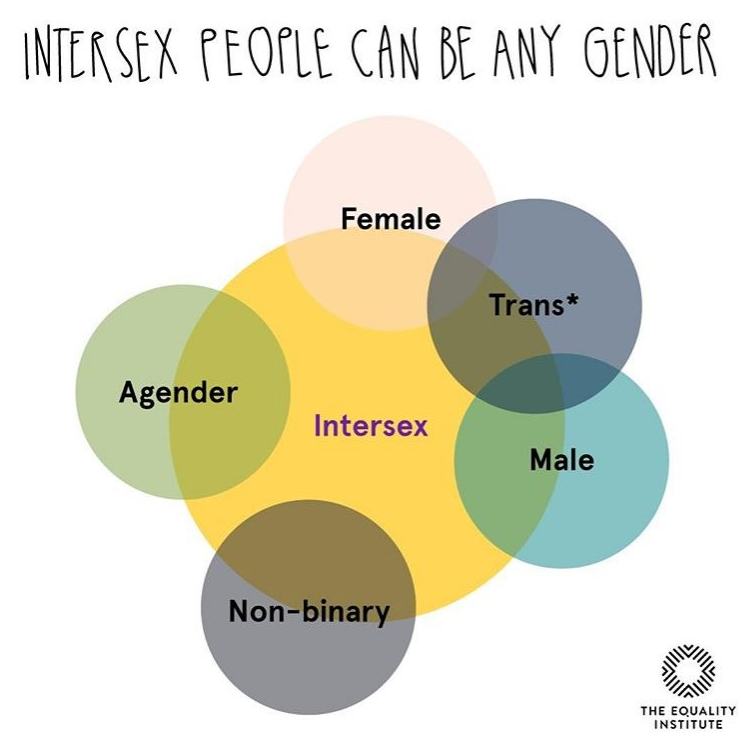
Twitter via Equality Institute

Twitter via Equality Institute

Today Is Intersex Awareness Day. Here's What You Can Do

October 26, 2018

Joanna C. Valente is a human who lives in Brooklyn, New York. They are the author of Sirs & Madams (Aldrich Press, 2014), The Gods Are Dead (Deadly Chaps Press, 2015), Marys of the Sea (ELJ Publications, 2016) & Xenos (Agape Editions, 2016), and is the editor of A Shadow Map: Writing by Survivors of Sexual Assault (CCM, 2017). They received their MFA in writing at Sarah Lawrence College. Joanna is the founder of Yes, Poetry and the managing editor for Civil Coping Mechanisms and Luna Luna Magazine. Some of their writing has appeared in Prelude, BUST, Spork Press, The Feminist Wire, and elsewhere. Joanna also leads workshops at Brooklyn Poets. joannavalente.com / Twitter: @joannasaid / IG: joannacvalente


Read More
In Politics, Lifestyle Tags LGBTQIA, intersex
Comment
elvin-ruiz-311913-unsplash.jpg

How a 1995 PC Game Deconstructed Gender Dynamics

June 11, 2018

cw: mentions of abuse & violence against women

Phantasmagoria, the PC point-and-click adventure game from 1995, has been a part of my life for as long as I can remember. My parents were very young when they had me, and this seemed to consequentially lead to a certain leniency in their parenting that my friends seldom experienced. Mostly, it meant that if they wanted to watch a movie/TV show, I would be watching it, too.

Read More
In Politics Tags gender, violence, Domestic Abuse
Comment
Mathew MacQuarrie

Mathew MacQuarrie

The Barbaric Silencing of Transgender & Non-Binary People

November 8, 2017

Next month, you are turning 15. It’s almost December and you have Joan Jett hair and you are so excited to just have been kissed. You haven’t told anyone about being kissed, however, because you were kissed by two girls near the restrooms in a mall—and that’s the only place you can find privacy when your moms don’t let you close your bedroom door. When you can’t be alone.

Read More
In Politics, Social Issues, Personal Essay Tags Non-Binary, transgender, trans
Comment
via Alchetron

via Alchetron

What the Cost of Affiliation Is Like

October 17, 2017

It isn’t all bad here. I hope everyone knows that. I hope everyone could grow to love the walnut trees that line my driveway. Love the tea that everyone drinks here. Love the way that I have always been amiable and able to talk to strangers on a basic level. I’m not sure that I have accepted these things are beautiful or good yet. This place, my place, has left me so empty that I cannot call it home. I’m trying to love it without thinking about the horror I have seen within it. But can you do that? Can you leave it behind? Everyone must think I hate the state of West Virginia and its people. My family thinks so. They call me Miss Lydia or Lydia Alexis when they feel that I’m being snotty. They think I hate them all. Some of them are right.

Read More
In Personal Essay, Politics Tags Lydia A. Cyrus, Minnie Bruce Pratt, Identity
Comment
Via Spoken Black Girl

Via Spoken Black Girl

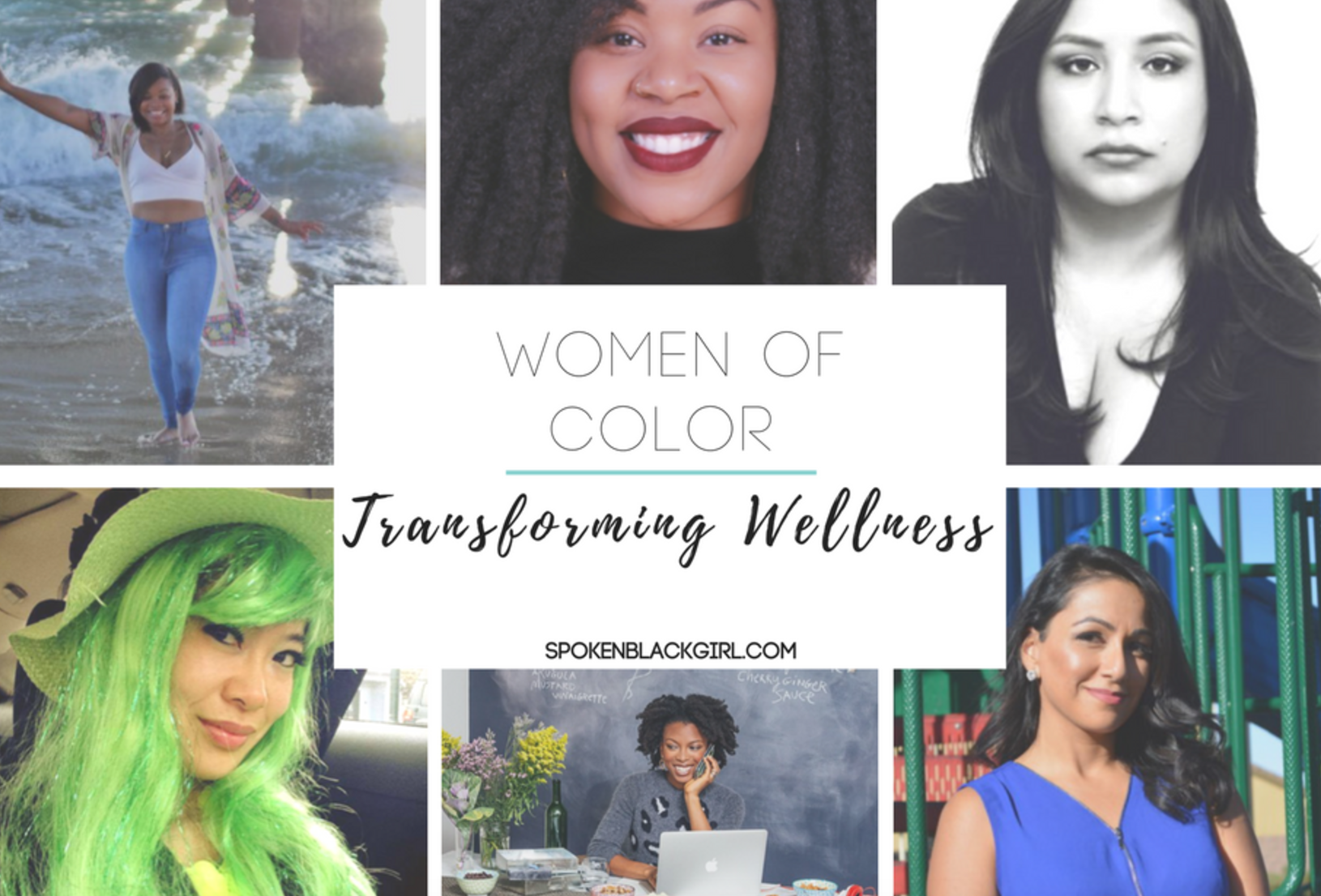
In Conversation with Rowana Abbensetts of Spoken Black Girl

July 26, 2017

INTERVIEW BY LISA MARIE BASILE

LISA MARIE BASILE: I love to hear about women creating amazing communities and making a space for voices that aren’t always provided a platform in mainstream media. Can you tell us a little about Spoken Black Girl?

ROWANA ABBENSETTS: Spoken Black Girl started out as my own little space on the internet to talk about struggles with anxiety and depression. During my lowest points in life, I felt completely alone and I wanted to create a space where I could discuss mental health freely and without stigma. I was amazed by the support that I received from my growing community of readers and fellow bloggers. Since then Spoken Black Girl has transformed into an online publication open to all women of color.  

LISA MARIE BASILE: What sort of vacancy did you see in the digital media landscape that spurred the creation of SBG?

ROWANA ABBENSETTS: There aren’t many publications dedicated to true holistic healing for women of color; by that I mean not only covering yoga and meditation, but allowing for women of color to explore mental and emotional healing from mental illness and or trauma. In the Black community, for example, the stigma of mental illness and mental health is strong. Black women are taught to be strong and to hide our pain and vulnerabilities.

This problem of stigma is reflected in the limited or warped focus on mental health that we see in popular publications. Mental health is often a passing topic that popular culture would suggest can be remedied by spa trips and candles. The truth is, the conversation is much deeper than that. Women of color need to heal, mind, body, and soul, in order to continue building together.

LISA MARIE BASILE: I have learned so much from the content SBG has published, and I really appreciate the words I’ve read. Diversity and inclusivity is so important to SBG—I know how marginalized voices have been silenced or reduced. What is your goal with SBG, to confront and disrupt that?

ROWANA ABBENSETTS: It’s important to empower young, marginalized writers. I know that for women of color in particular, it’s easy to become discouraged.  The world is always telling us that our stories don’t matter, that out skills aren’t good enough, and that we are somehow encroaching on a traditionally white, male space. This is not true, but there are many that think this way, evidenced by the severe lack of representation among women of color in the publishing industry. At SBG, we take our time to work with writers and help them develop their skills and grow as writers. We want writers to gain confidence by sharing their stories with a supportive community that sees the value of marginalized voices.

LISA MARIE BASILE: What sort of message would you like to send to potential contributors and readers alike?

ROWANA ABBENSETTS: Have an open heart and an open mind.  Spoken Black Girl is a platform that values and respects vulnerability. I feel privileged to be able to publish deeply personal stories of growth, so it’s important to me that we all show each other love and support as a community of readers and writers.

LISA MARIE BASILE: I always find that engaging readers and fans is probably one of the hardest and yet most important aspects of running a publication. How can new readers support SBG and its authors—and how do you want to support your readers?

ROWANA ABBENSETTS: To our readers, I encourage you to share and show love in whatever way feels right to you. We plan on having more events, so I would definitely encourage our supporters to participate in all of our events and initiatives. Our ultimate goal is to be able to pay writers at market rate so we can do even more to improve the lives of WOC writers.

SBG will continue to support its readers by helping them explore their own growth journeys, whether it’s through powerful content, events, workshops or challenges. We’re more than a publication, we’re a community, and we’re constantly striving to add value to the lives of our community members.

LISA MARIE BASILE: Something I find really interesting about the digital landscape is that people WANT to share their stories. Where that maybe used to be called ‘weak,’ it’s now strong and I love that. There’s a focus on well-being and healing from trauma at SBG. How did you come upon that focus?

ROWANA ABBENSETTS: When it comes to mental health, a lot of women, in particular women of color,  have experienced trauma that has impacted their mental health. Of course, there are many women who begin their exploration of mental health having struggled specifically with anxiety, depression, bipolar or other mental illnesses. It’s often impossible to tease mental health away from trauma, especially because marginalized women experience sexism, racism, and homophobia as a fact of life, and those microaggressions often amount to trauma. We also deal with generational trauma, having absorbed the pain and fears of our mothers and grandmothers. Heal one woman and you heal all those that came before her.  

LISA MARIE BASILE: What sort of submissions are you looking for?

ROWANA ABBENSETTS: We’re looking for authentic, uplifting voices. I like submissions that are informative and clear, but reads like advice between girlfriends.

LISA MARIE BASILE: You talk about the transformation from SBG the blog to the magazine in your piece, “How to Step Into Your Season of Transformation.”  What is SO good about this piece is that you straight up outline the reasons people don’t always move forward with their dreams. They’re afraid, or they have no confidence, or they haven’t found a way to set themselves free. Can you talk a little more about that and how people can tap into their ability to transform.

ROWANA ABBENSETTS: At a certain point in life, you have to let go of worrying about what everyone else thinks and listen to your intuition. Tap into what you want. Women in particular spend too much time sacrificing our own mental health and well-being out of a sense of obligation or duty to others. We’re so preoccupied with what we should be doing that we rarely pause to ask ourselves what we really want. I always find that the more honest I am with myself, the more likely I am to manifest the changes I want to see. My suggestion is to start with deep, personal reflection. Find the tools that will help you achieve this, whether it’s journaling, meditation or prayer. Discover the best way for you to reconnect with your innermost self.


Rowana Abbensetts started Spoken Black Girl in the spring of 2015 as a personal blog about her own struggles with anxiety and depression hoping to find other women of color who could relate. Two years later, realizing that women of color lacked a centralized place to share their mental and emotional journeys, Rowana decided to turn the blog into what is now Spoken Black Girl Magazine.

Source: spokenblackgirl.com
In Politics, Social Issues Tags spoken black girl, publishing, feminism
Comment
Christine Stoddard

Christine Stoddard

Review of Christine Stoddard's 'Chica/Mujer'

May 31, 2017

Chica/Mujer is a collection of vignettes about women and for women who are biracial but hide their identities or who wear them on their sleeve. It is also for women who grieve the loss of an unborn child or who resist motherhood after giving birth. It is for women who were raped, and for those whose wounds are raw. It is for women who have sex for empowerment. It is for women who are going through menarche but don't quite know how to welcome it or for those who deem it a beautiful, strengthening, cleansing ritual. It is for women who studied so hard to end up working in an entirely different job than they first envisioned or who forewent a full-scholarship due to an unforeseeable traumatic event. 

Read More
In Poetry & Prose, Politics Tags Women, Chica/Mujer, Christine Stoddard, Politics, Chapbook, Political
Comment
Daria Nepriakhina

Daria Nepriakhina

In the Margins as a Sri Lankan Woman, Artist, & Educator

May 24, 2017

F. Asma Nazim-Starnes was born in Kandy, Sri Lanka and left her country at a young age to pursue a college education in Graphic Design. She studied for a BA in Graphic Design at Florida Southern College in Lakeland, FL, minoring in Art History, and took four years of painting in addition to studying digital design media. She decided to further her studies and attended Florida Atlantic University in Fort Lauderdale, FL to obtain an MFA in Graphic Design. 

Read More
In Politics, Poetry & Prose, Art Tags women of color, art, poetry
Comment
Older Posts →
Featured
‘in the glitter-open black' — poetry by Fox Henry Frazier
'poet as tarantula,  poem as waste' — poetry by  Ewen Glass
'poet as tarantula, poem as waste' — poetry by Ewen Glass
'Hours rot away in regalia' — poetry by Stephanie Chang
'down down down the hall of mirrors' — poetry by Ronnie K. Stephens
'Grew appendages, clawed towards light' — poetry by Lucie Brooks
'do not be afraid' — poetry by Maia Decker
'The darkened bedroom' — poetry by Jessica Purdy
'I am the body that I am under' — poetry by Jennifer MacBain-Stephens
instagram

COPYRIGHT LUNA LUNA MAGAZINE 2025