• Home
  • indulge
  • new poetry
    • About Luna Luna
    • resources
    • search
  • editor
  • dark hour
  • submit
Menu

luna luna magazine

  • Home
  • indulge
  • new poetry
  • About
    • About Luna Luna
    • resources
    • search
  • editor
  • dark hour
  • submit
delicious new poetry
'the doors of the night open' — poetry by Juan Armando Rojas (translated by Paula J. Lambert)
Nov 29, 2025
'the doors of the night open' — poetry by Juan Armando Rojas (translated by Paula J. Lambert)
Nov 29, 2025
Nov 29, 2025
'we can be forlorn women' — poetry by Stevie Belchak
Nov 29, 2025
'we can be forlorn women' — poetry by Stevie Belchak
Nov 29, 2025
Nov 29, 2025
'I do whatever the light tells me to' — poetry by Catherine Bai
Nov 29, 2025
'I do whatever the light tells me to' — poetry by Catherine Bai
Nov 29, 2025
Nov 29, 2025
‘to kill bodice and give sacrament’ — poetry By Kale Hensley
Nov 29, 2025
‘to kill bodice and give sacrament’ — poetry By Kale Hensley
Nov 29, 2025
Nov 29, 2025
'Venetian draped in goatskin' — poetry by Natalie Mariko
Nov 29, 2025
'Venetian draped in goatskin' — poetry by Natalie Mariko
Nov 29, 2025
Nov 29, 2025
'the long sorrow of the color red' — centos by Patrice Boyer Claeys
Nov 28, 2025
'the long sorrow of the color red' — centos by Patrice Boyer Claeys
Nov 28, 2025
Nov 28, 2025
'Flowers are the offspring of longing' — poetry by Ellen Kombiyil
Nov 28, 2025
'Flowers are the offspring of longing' — poetry by Ellen Kombiyil
Nov 28, 2025
Nov 28, 2025
'punish or repent' — poetry by Chris McCreary
Nov 28, 2025
'punish or repent' — poetry by Chris McCreary
Nov 28, 2025
Nov 28, 2025
'long, dangerous grasses' — poetry by Jessica Purdy
Nov 28, 2025
'long, dangerous grasses' — poetry by Jessica Purdy
Nov 28, 2025
Nov 28, 2025
'gifting nighttime honey' — poetry by Nathan Hassall
Nov 28, 2025
'gifting nighttime honey' — poetry by Nathan Hassall
Nov 28, 2025
Nov 28, 2025
'A theory of pauses' — poetry by Jeanne Morel and Anthony Warnke
Nov 28, 2025
'A theory of pauses' — poetry by Jeanne Morel and Anthony Warnke
Nov 28, 2025
Nov 28, 2025
'into the voluminous abyss' — poetry by D.J. Huppatz
Nov 28, 2025
'into the voluminous abyss' — poetry by D.J. Huppatz
Nov 28, 2025
Nov 28, 2025
'an animal within an animal' — a poem by Carolee Bennett
Nov 28, 2025
'an animal within an animal' — a poem by Carolee Bennett
Nov 28, 2025
Nov 28, 2025
‘in the glitter-open black' — poetry by Fox Henry Frazier
Oct 31, 2025
‘in the glitter-open black' — poetry by Fox Henry Frazier
Oct 31, 2025
Oct 31, 2025
'poet as tarantula,  poem as waste' — poetry by  Ewen Glass
Oct 31, 2025
'poet as tarantula, poem as waste' — poetry by Ewen Glass
Oct 31, 2025
Oct 31, 2025
'my god wearing a body' — poetry by Tom Nutting
Oct 31, 2025
'my god wearing a body' — poetry by Tom Nutting
Oct 31, 2025
Oct 31, 2025
'Hours rot away in regalia' — poetry by Stephanie Chang
Oct 31, 2025
'Hours rot away in regalia' — poetry by Stephanie Chang
Oct 31, 2025
Oct 31, 2025
'down down down the hall of mirrors' — poetry by Ronnie K. Stephens
Oct 31, 2025
'down down down the hall of mirrors' — poetry by Ronnie K. Stephens
Oct 31, 2025
Oct 31, 2025
'Grew appendages, clawed towards light' — poetry by Lucie Brooks
Oct 31, 2025
'Grew appendages, clawed towards light' — poetry by Lucie Brooks
Oct 31, 2025
Oct 31, 2025
'do not be afraid' — poetry by Maia Decker
Oct 31, 2025
'do not be afraid' — poetry by Maia Decker
Oct 31, 2025
Oct 31, 2025
'The darkened bedroom' — poetry by Jessica Purdy
Oct 31, 2025
'The darkened bedroom' — poetry by Jessica Purdy
Oct 31, 2025
Oct 31, 2025
'I am the body that I am under' — poetry by Jennifer MacBain-Stephens
Oct 31, 2025
'I am the body that I am under' — poetry by Jennifer MacBain-Stephens
Oct 31, 2025
Oct 31, 2025
goddess energy.jpg
Oct 26, 2025
'Hotter than gluttony' — poetry by Anne-Adele Wight
Oct 26, 2025
Oct 26, 2025
'As though from Babel' — poetry by Fox Henry Frazier
Oct 26, 2025
'As though from Babel' — poetry by Fox Henry Frazier
Oct 26, 2025
Oct 26, 2025
'See my wants' — poetry by Aaliyah Anderson
Oct 26, 2025
'See my wants' — poetry by Aaliyah Anderson
Oct 26, 2025
Oct 26, 2025
'black viper dangling a golden fruit' — poetry by Nova Glyn
Oct 26, 2025
'black viper dangling a golden fruit' — poetry by Nova Glyn
Oct 26, 2025
Oct 26, 2025
'It would be unfair to touch you' — poetry by grace (ge) gilbert
Oct 26, 2025
'It would be unfair to touch you' — poetry by grace (ge) gilbert
Oct 26, 2025
Oct 26, 2025
'Praying in retrograde' — poetry by Courtney Leigh
Oct 26, 2025
'Praying in retrograde' — poetry by Courtney Leigh
Oct 26, 2025
Oct 26, 2025
'To not want is death' — poetry by Letitia Trent
Oct 26, 2025
'To not want is death' — poetry by Letitia Trent
Oct 26, 2025
Oct 26, 2025
'Our wildness the eternal now' — poetry by Hannah Levy
Oct 26, 2025
'Our wildness the eternal now' — poetry by Hannah Levy
Oct 26, 2025
Oct 26, 2025

Checking my Dead Mother’s Horoscope by Alicia Turner

November 15, 2022

BY ALICIA TURNER


“the dead / borrow so little from / the past / as if they were alive.”

A Little White Shadow — Mary Ruefle


Shadow Work (on Checking my Dead Mother’s Horoscope)


It’s a Tuesday morning.
I am scrolling through an online obituary guestbook to relive my mother’s life.

She’s immortalized on the top of the page — the photo a scanned copy of a Polaroid from a throwaway camera that I once begged her to develop.

She’s wearing a solid white t-shirt — one that she changed out of just moments after the photo was taken, in fear of spilling something on it.

I always remember the minor moments, but not the mess. And I hate that about myself.

My mother went missing and was declared dead on the same day: Tuesday, October 17th, 2006.

Her body wasn’t found until weeks later, in the passenger seat of my uncle’s beaten-down, blue truck, nestled in muddy water and the river’s rage —

which is to say that she gave herself back to the earth and is the reason the earth has something to grieve.

Then, at fourteen, I colored it painfully ironic – that blue was her favorite color, and she never stopped moving, and she loved to swim. I was sure when the truck accelerated that she saw the sky in the rear view. Tested time, balled up her fists, and fought fate. Told fate to “Go fuck itself,” like she’d tell anyone who held her down, who told her to be still.

My mother was a twisting, turning thing. My mother was reckless in still water.


***


I’ve always said with certainty that October 17th was “blue.” On that day, the rain was relentless. I didn’t bring an umbrella to school because no one predicted it —

not even the weekly forecast in the back of the countertop magazines (* that my mother would refuse to get rid of solely for the horoscope sections). She was a real-life laugh track and a heavy heart (a proclaimed Leo rising), who loved to have her life be read back to her.

But not me, no — all Virgo. I’ve always been too afraid of flying off the page, to show up for life, to slow down. I’ve always been too careful to go puddle jumping for the fear of tracking messes – but my mother encouraged it. She liked predicted chaos, as simple and complex as it was.


***

This is the part where I transition into telling you that I tracked her body for weeks. And I tell you that the water was too elevated to find her. That October 17th was blue because it bruised me like a punch to the gut. Like a gut feeling. And you want to tell me that “it’s not [my] fault,” but I am not a blameless God. I am no God at all.

But on that day the moon was in Virgo.

And the moon controls the tides.

And rivers eventually end up flowing into oceans.

I make-believe that the sky helped me intuit the words she needed to her — and trust that I had the best view of her life.

While irrational, I wish I would’ve called it sooner. Not waited for her to call.

Not pretended to believe in underwater voyages where I spent whole days holding my breath.

Because now I think of her every time I find a phone book.

I think of her every time it’s bright out and twice when it rains.

I always check the weather before I leave the house, because I like predictions. Predictability.

And I always check my horoscope.


***

Today, it tries to teach me the difference between surface and depth:

“There’s a grand water configuration mysteriously guiding your hand.

Have you heard the water is still rising?”

From somewhere behind the shadow work, my mother’s starry-eyed news reads:

“Dear, Leo: Be cautious. Water is the only element that can extinguish your flame. But do not fear — your life is loud, all blazing. You are an incessantly-lit cigarette – no ashes. The river’s mouth is always hungry for more — but so are you.

You will never be caught dead in a white t-shirt, to be a stain on your own life.”


Alicia Turner holds an MA in English and is a grant writer & storyteller. She can be found writing confessional, conversational poetry in an over-priced apartment somewhere in WV. Her work is featured or forthcoming in Four Lines (4lines), CTD's ‘Pen-2-Paper’ project, Voicemail Poems, FreezeRay Poetry, Defunkt Magazine, Sybil Journal, The Daily Drunk, ExPat Press, Rejection Letters Press, Screen Door Review, J Journal Literary Magazine, Sledgehammer Lit, Screenshot Lit, Taint Taint Taint Magazine, Cartridge Lit., Space City Underground, époque press, among others.

In Poetry & Prose, Personal Essay, Magic Tags Alicia Turner
Comment

After Life by Aimée Keeble

November 15, 2022

By Aimée Keeble


After Life


When I die, I'm reunited with my parents for thousands of years. I look exactly like I did at twelve and my mom looks thirty-five which makes her happy. My dad is kind of a blur between thirty-seven and eighty. The cocker spaniel is back and so is the cat that ate my hamster. But he's outside because he was always outside. We have a great time, all four of us. There are always half-fizzy two liters of 7Up in the fridge and I wonder if there is any significance to this. We play board games a lot, especially Splat which I think disappeared from retail sometime in the early 90s. It feels good to be in memory. Mary Poppins comes on the TV a lot during the Holidays, and we normally make time to sit down together and watch it. Outside the windows, the sky is gold and moving.

Supercalifragilisticexpialidocious, my dad says to me.

Can you spell it?

S, I start.

No, he says.

S, I say again.

Wrong! He cries out.

I say S a few more times and he's looking at me with his forever eyes, smiling like he's always known he's smarter than me. And I'm so glad about that.

Can you spell it? He asks again.

I look at my mother but she's holding the cocker spaniel like a baby and Dick Van Dyke is talking to penguins. Animals can be distracting.

Can you spell it?

I give up, I tell my dad. I want to fall asleep on the sofa before the movie ends.

I,T! He yells. He's delighted.

I get it, I say. That's so stupid.

The movie ends but I'm awake, trying to backtrack my mind into getting to the answer.

Move on, my dad says.

I can't, my brain won't let me, I answer.

It's dark now and I stand in the doorway calling the cat's name. He doesn't come and so I go further into the yard and say his name a few more times. I turn back and close the front door and stand in the hallway, enjoying the safe night feeling. In life, the cat was the first to go. My dad would have been proud of him.

Aimée Keeble has her Master of Letters in Creative Writing from the University of Glasgow and is represented by Ayla Zuraw-Friedland at the Frances Goldin Agency. Aimée lives in North Carolina and is working on her second novel.

In Personal Essay, Poetry & Prose, Magic Tags Aimée Keeble, ghosts, afterlife, autumn
Comment

A Visit to El Cementerio Viejo by Isa Guzman

November 15, 2022

BY ISA GUZMAN

A Visit to El Cementerio Viejo
for Titi Paula


Before the trip, I drew the Ten of Swords.

It was the first time going back to La Isla for close to ten years. The first time I would be there as a woman. The last time I was on the island, I was saying my goodbyes to Titi. It has been years, but it was too difficult to imagine the island without her. It wasn't possible to acknowledge it. In my mind, I could still envision her living her life at her house in Ceiba Sur. Feeding the stray chickens, or dogs, or people with whatever she had left in her small kitchen. There was no other truth.

As expected, the trip started out rough. We had to go from San Juan, in the northern part of the island, to Juana Diaz, a town well on the southern coast. We were expecting a long drive, but because of some complications, we only left the capital as the sun was going down. We would drive into the night.

I had gone to the island with my chosen family, and we all had our plans to reconnect with the aspects of island life that always eluded us. Puerto Rico is a place we so desperately want to call home. Distance and time estrange us. I think it is easier for the rest to say this is home, but not me.

Watching the island from the passenger window, I couldn't help but feel each sword pierce me. Who could ignore the failing infrastructure? Unlit and incomplete highways? The empty buildings? The for-sale signs on dozens of houses? That unrelenting thought that I was just a visitor, or worse, an intruder, with no business being here? Even the mountains appeared to turn their faces away from me.

I carried these swords over the next few days and nights. It was difficult to appreciate the views, the sounds, and the calm. There was an impending collapse inside my chest and mind. I spent Sunday night wasted on the balcony of our rental, overlooking a mountainside covered in trees. In the worst of it, a hallucination overwhelmed me with images of figures walking back and forth through the trees. An army of ghosts who refused to approach the house, but would stand in the middle of the road and stare up at me.

Then my turn came. We agreed to a day to take a few hours to drive to Juncos, and make that all important visit. I wanted to visit my family house, but first I had to pay respects to my Titi and the rest of my familia at the Cementerio Viejo.

The day was rain. At least, all I can recall is the rain that poured as we approached the town. My heart jumped at the first houses we saw. The basketball court. The cemetery itself. Little had changed. In fact, the area was doing well compared to many other towns on the island. As soon as we stopped, I got out of the car and began walking straight to my destination with only the graveyard attendant called after me to take his umbrella.

As always, I wandered around the painted white stones. Every time my parents and I would visit the island, we always set time to pay our respects. Every visit was a strange incident. Often, we got lost. My thoughts were racing with memories of under-cooked chicken, lullabies, mosquito nets, quenepa trees by her driveway, the stray dogs she took in, and her coffee I never got to taste. I was lost. Lost, lost. Right until I noticed the unmarked grave, apparently occupied by a witch, situated right next to my family's tomb.

The rain hadn't let up. A trembling took over my limbs. It overwhelmed me with the quiet and finality of the moment. The first time presenting myself as the woman I am. The tears came easily, but I hadn't expected how clear my voice would be. I began speaking in fluent Spanish. Something I had never done. My Spanish is beyond rota. I began talking to my great aunt, my grandmother, and everyone else interred in that tomb. Spoke with them about my struggles with my gender and all the horrible experiences I’ve gone through and hidden. Spoke with them about all my hopes and dreams. Spoke with them in earnest about the hopelessness that defined these two years of both the pandemic and my transition.

It wasn't a confession. I was searching for acknowledgment. A sign that I could be accepted and loved. So many regrets had tangled themselves inside my body. My self-imposed silence being the most prominent. As the words kept flowing out, the silence of the area finally eased me. I felt as if I was being listened to. I was being listened to. At my last words, a plea to protégeme y cuídame, the rain let up. Some sun broke through the clouds. It was the cue to leave in peace. A moment of tremendous love. Not only for the possibility of the acceptance from my family, but a tremendous self love that brought me to this moment. To speak myself without fear.

Isa Guzman is a poet and recent Brooklyn College MFA graduate from Los Sures, Brooklyn. Dedicating her work to the hardship, traumas, and political struggle within the Boricua Diaspora, especially the LGBTQ+ (Boriquir) communities within it. Isa helps lead several projects including: The Titere Poets Collective, The Pan Con Titeres Podcast, La Esquina Open Mic, and La Cocina Workshop! She have published her work through several magazines, including The Acentos Review, The Bridge, Public Seminar, and also appears in several anthologies, such as The Other Side of Violet, Birds Fall Silent in the Mechanical Sea, and The Breakbeat Poets Vol. 4: LatiNext. You can follow her through their social media: @Isa_Writes.

In Poetry & Prose, Personal Essay, Magic Tags Isa Guzman
Comment

The Dark Lull by Melissa Pleckham

November 13, 2022

By Melissa Pleckham

The Dark Lull


Nothing’s ever completely dead.

In the 1971 film Let’s Scare Jessica to Death — a film so slow, so subtle that one hesitates to call it a horror film, let alone a vampire film, although that’s exactly what it is — this line is uttered by the pale, red-haired woman whom the titular Jessica is surprised to find squatting in the farmhouse she’s recently acquired with her husband and friend. The trio have just crossed the fog-veiled Connecticut countryside in a black hearse with the word “LOVE” scrawled in crimson on its door; Jessica, fragile as fine china after a mental health episode only vaguely alluded to, demands the hearse stop at a weed-choked cemetery for grave rubbings. She hangs the headstone-sized tissue paper trophies around her bed, runs her fingers across them delicately. This, we are shown, is a woman for whom death is a part of life in a very tangible way.

So when the red-haired woman suggests a seance one night after dinner, and responds to Jessica’s friend’s skepticism with this line that calls into question the very existence of death itself, or at least death as any sort of permanent or all-encompassing state, Jessica seems to smile in agreement, readily playing the part of medium when beseeched. There are no Victorian parlor theatrics in this film, but the scene — and the line — have stayed with me just the same. It’s a film that I like to revisit as the heat and chaos of late summer begin to melt imperceptibly into the dark lull of autumn. But this year, the line resonated with me more than ever. I kept it in my mind, I ran my fingers over it like Jessica with her grave rubbings.

Is it true that death is a myth? A fairy tale? Does anything, anyone, ever die completely?

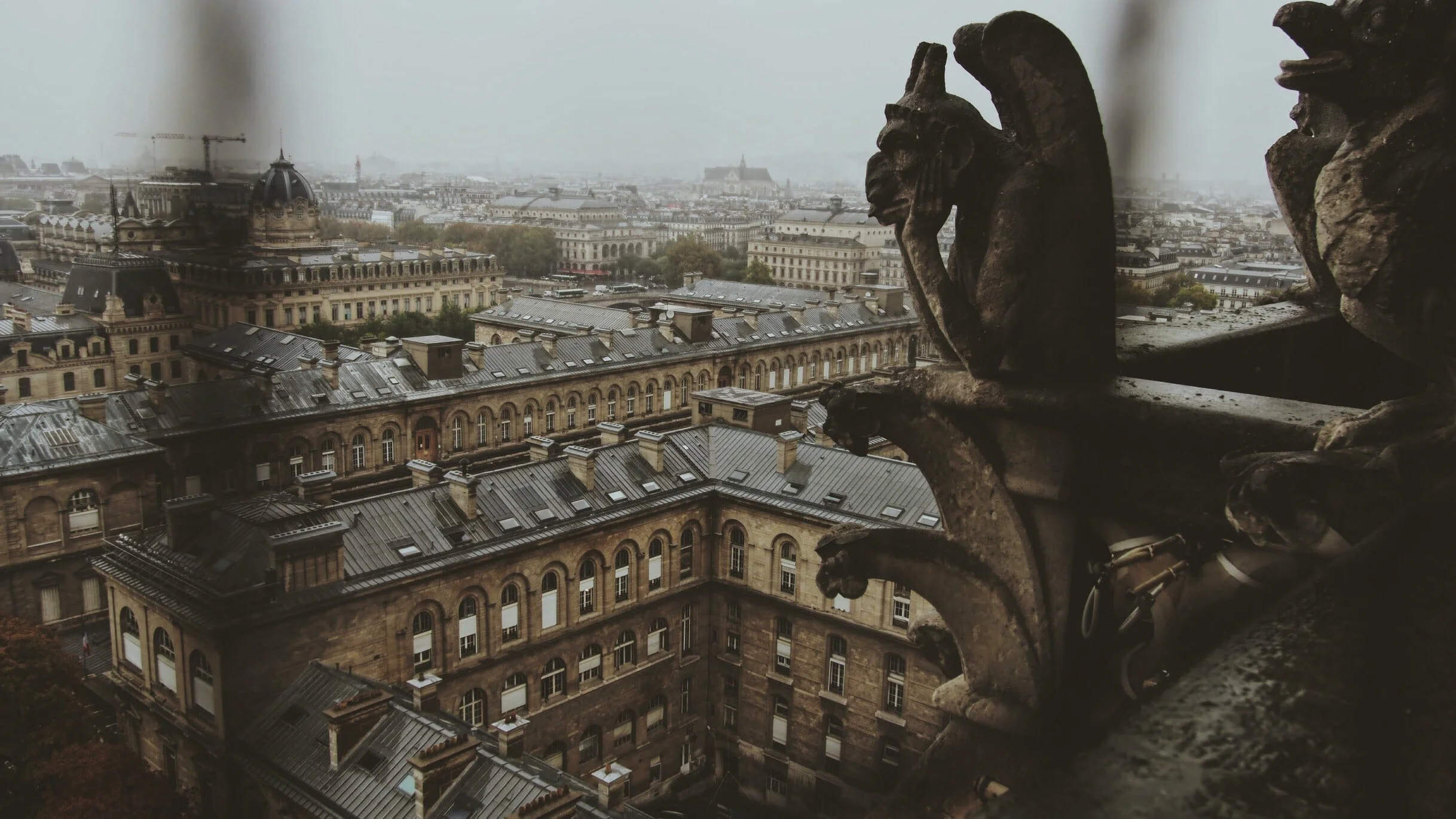
The last October before the world stopped, I spent Halloween in the labyrinth of bones beneath the city of Paris. It was my first visit to the city, and my first Halloween spent out of the country. My husband and I wanted to do something special, unforgettable.

We walked to the catacombs from our hotel in the 6th arrondissement. It had been raining but that morning was cool and cloudy, the air sweet and sharp. The day before we’d visited Père Lachaise, the trees lining the stone paths of the cemetery crowned with gold and orange. Jim Morrison’s grave was surrounded by a fence, the ground nearby strewn with gifts, offerings. On the way out we passed a mausoleum with its door partially ajar; in the dark, we could see cigarette butts, an empty liquor bottle, and, stretched stark white against the stark white marble, a large bone that looked like a femur. Shocked, we looked away. “Someone’s been partying here,” I said. “Some French kids.” 

But who can say who threw that party? Who can say who was invited, who attended? Nothing’s ever completely dead.

At the catacombs that Halloween morning, we could be certain more bones awaited us in that dank darkness beneath the city of light, down that endlessly spiraling staircase, through that electric torch-lit tunnel, on the other side of the archway that demarcates the start of that self-proclaimed Empire of Death. The catacombs sprawl like veins beneath the skin of the city, a second Paris that is far less lively but no less full of lives, or at least the earthly remains of those who once lived them.

I had never been in an ossuary before, and once I adjusted to the darkness, to the feeling of being so far underground, what struck me most was how peaceful it was. How quiet. How the skulls stacked almost to the ceiling felt both very relatable, very human — alas, poor Yorick! — but also so far removed from the one on my own shoulders, atop my own spine, that held the organ that made all of my hopes and dreams and loves and fears and observances and sensory perceptions possible. Every skull in those catacombs had once held a brain like a precious jewel, every bone signified a human soul that had walked the streets above us, the streets where we were so charmed and beguiled by the romance and mystery of Paris.

Are the catacombs scary? Of course not, although I wouldn’t want to be trapped down there alone. So I suppose I might concede that the tunnels, the darkness, have the capacity to frighten. But the bones? Those are beautiful.

Are the catacombs scary? Of course not. Nothing’s ever completely dead.

Autumn’s lull would take on a different meaning for me the following year, and the one after that: The pandemic forced a different kind of pause, a different kind of reflection, a different kind of encounter with death than I’d ever experienced before. I remembered our Halloween in the catacombs often that October, sometimes with sadness as I wondered if I would ever have the opportunity to travel internationally again, but always with gratitude for the experience we’d shared.

This year, at the tail end of a summer that so far refuses to end, refuses to concede its loss to the looming autumn, my heart again wanders back to those cool dark halls coiled beneath Paris. I walk there in my mind like a meditation, relishing the mystery, wondering at my own mortality. No matter how strong we may feel, fall is a time of year where the crunch of a leaf, the singe of burning pumpkin, the thrill or sadness of a sunset that comes sooner than we were expecting, reminds us that to live is to know that our hearts are limned with lines like a cracked teacup, that the veil between worlds is tissue-thin, spread soft against stone, could tear at any time.

And it reminds us: Do not fear. 

Do not fear. Nothing is ever completely dead.


Melissa Pleckham
is a Los Angeles-based writer, actor, and musician. Her work has been featured in numerous publications, including Flame Tree Fiction, Luna Luna, Hello Horror, Under the Bed Magazine, and FunDead Publications’ Entombed in Verse poetry collection. She is a member of the Horror Writers Association. Her short screenplay "Moon-Sick" was awarded Best Werewolf Short Script at the 2020 Hollywood Horrorfest and was a Finalist at the 2021 Shriekfest Horror Film Festival. She also plays bass and sings for the garage-goth duo Black Lullabies. You can find her online at melissapleckham.com and on social media at @mpleckham.

In Personal Essay, Place, Poetry & Prose, Magic Tags Melissa Pleckham
Comment

I Have The Cat (A Ghost Story) by Nikki Reimer

November 3, 2022

By Nikki Reimer


I Have The Cat

Moving day brought an explosion of ladybugs. They were all over our belongings stacked on the front lawn, crawling on the desk, four and six and eight on each box. For any other insect I’d have called it an infestation, but the word didn’t match this saccharine state of things. Bright red spotted walking gumdrops blanketing the objects in the yard. Like in one of my childhood colouring books or the opening scene to a Disney film; an infestation of twee. 

 It’s a bright early October day. The air is crisp. The light slants through the air like through glass and I’m trying to feel my body in the world but reality warps and bends away from my touch. My brother has been dead one year, seven months and 14 days. My husband and I are moving house for the third time since the day Chris didn’t wake up. My arrhythmia acts up from the stress. Heartbeat fluttering up into my chest. Mothwings.

 The first move was in June 2012, four months after he died. My husband packed up our apartment into a U-Haul. Two cats in two carriers went next. Little ginger tabby Amy buckled into the back seat, her big sister Bella on my lap. For thirteen months we lived in my parents’ basement. Four traumatized adults and three cats trying to negotiate a grief both shared and alone. My brother’s grey Adidas runners neatly stowed behind the door where he left them the night he died. 

 I had thought we might find a way to process together, but my parents drank in front of the tv every night, and no one wanted to talk. Eventually I gave up and joined their boozy stupor. 

The second move was in July 2013. I had found us a house, a post WWII saltbox with a rent so low it should have given me pause. The shingles were in rough shape, and there was an electric wall heating unit instead of a furnace. This is what’s known as ‘foreshadowing’.

 After my brother, my cat Bella was my best friend. I adopted her soon after I moved out of my parents’ house, and we grew up together. She was a beautiful medium-haired tortoiseshell with green eyes and a throaty voice. We bonded like only two misfits who grow up together can. At night I held her tight to my body like a teddy bear. She was 16 and she’d survived the move from the coast, and the year with my parents, but a month after we moved into the saltbox she got sick and we had to let her go. Summer turned to fall and the saltbox turned out to be improperly heated. We broke the lease and found another rental. Moved for the third time in October.  

***

Boxes line the long hallway, shadowed and eerie. There’s no ceiling light in the oversized living room and we don’t seem to have enough lamps, so half the house is shrouded in darkness. 

 I’m navigating the maze poorly. Hit my shin, say fuck. I don’t know where anything is, and the long painting boxes are giving me ominous vibes. I’ve never been a fan of horror movies but I know the tropes, and it occurs to me why so many horror movies open with the move to a new house. It’s the embodiment of liminal space. Airless and destabilized. A deconstructed house lets the ghosts roam freely.

 Amy’s a sweet baby girl but it’s too quiet without Bella. I've moved away again from the spaces that held my dead and it’s breaking something inside me that can’t be put back together. One night I fall apart completely, wail and scream on the couch, demand my poor husband tell me where Bella has gone. 

“Where do cats go? Where did she go?”

“I don’t know, baby,” he says softly.  

I can’t be consoled. I won’t be consoled. I want to be dead myself. 

*** 

The Facebook message from my friend Matt the following week was surprising. We were super tight in junior high and high school. I used to call him my big brother. But he’d moved out east and we’d lost contact. It happens.

I need to talk to you. Can we talk on the phone?

He's only recently learned about Chris, and he’s so sorry. Sorry that my baby brother is dead, and sorry that we’ve fallen so far out of touch that it took him so long to hear about it. 

I don’t mind. I understand. It’s comforting to hear from him. I only feel close to ok when I’m with people who knew Chris too.

Matt explains that his wife is into what my psychic friend Jen would lovingly call 'woo.' For their anniversary they’d gone to a medium together. 

They were trying to make contact with Matt’s wife’s dead grandmother, when someone pushed her aside. The medium described the interloper’s appearance. It’s my brother.

He said, I bet you’re surprised to see me.

The medium tells them that Chris is there because he’s worried about his sister and her mental health.

Through the medium he says, Don’t worry about me, I’m ok.

 It seems both implausible, and entirely plausible. My brother was sweet and cynical, sarcastic and joyful and loving. His empathy was boundless. If you were hurting he’d do anything he could to let you know you were loved. Pushing an old lady out of the way to make sure I knew he was alright was in character for him, though he'd be apologizing profusely to her afterwards. I want to believe this visitation could be real.

Then, said Chris, through the medium, through Matt, I have the cat.

 And Matt said, “Does that mean anything to you?”

Nikki Reimer (she/they) is a multimedia artist and writer, and chronically ill neurodivergent prairie settler currently living in Calgary / Mohkinstsis. She has been involved with art and writing communities, primarily in Calgary and Vancouver, for over 20 years. They are the author of three books of poetry and multiple essays on grief. GRIEFWAVE, a multimedia, web-based, extended elegy, was published in February 2022. Visit reimerwrites.com.

In Personal Essay, Magic Tags Nikki Reimer, ghost stories
Comment

Candy Corn Saturdays by Mariana Louis

October 20, 2022

BY MARIANA LOUIS


Candy Corn Saturdays


My mother had a name for those rare autumn days. The days when you’d shuffle into the car in the gray of morning, shivering in your fall jacket as the trees flickered by, getting progressively golder, browner, redder, as you flew down the Grand Central Parkway toward the eastern coast. The days when the sun slowly pushed through the celestial gauze and opened up in easy yellow ripples of early afternoon that made you tear off your jacket and cast it away onto the car floor. The days when your braid would come undone strand by strand as you cranked down the window to gulp the warming sea-salted air and stare up at the hawks looping in lemniscates overhead.

The days when the best thing to eat was pancakes and strawberry syrup, your smiley face of eggs and sausage peeking over at you with their weepy, yolky eyes as you dropped at least $3 in quarters to the claw machine for a peach-colored stuffed puppy with blank, black beaded eyes. The days when you’d serpentine through those old Suffolk County roads, stopping off to place a stone on Jo-Jo’s grave before beginning the search for apples or pumpkins or gourds, always on the hunt for the reddest, the roundest, the weirdest one.

The days when you drove right into the roaring gaze of the setting sun, silently gnawing piece after piece of candy corn, as if afraid it would all disappear with the coming dark. The days when you forgot the dark, when you forgot the shadows that followed you along the edges, when you forgot the cold fear that had swallowed up your mother’s heart and the cold of winter that was closer than you could tell. The days when your own heart felt free to love, to be loved, as if love was the easiest thing that ever was, the safest thing, as if all of it was for you, because of you.

The days when you believed that you were special, but also simple, when you felt the preciousness of living, when you knew that there was no other meaning in your little life but to be alive inside of it, to meet the sun and sea and earth, to enjoy sweetness when you had it. The days when infinity was a long car ride under the naked sun in the chill of late autumn, and to be exactly as you were was all there was.

I should have always known my mother would die on a day like this. A day in late October when the crimson leaves of our old maple tree still held onto the branch, and when the sparrows that

lived in her hydrangeas chirped like it was summer though the purple flowers were long gone. A day when the wind was quiet, the sun shimmering and cool, the sky that perfect painted blue, and just a dollop or two of dense clouds passing overhead. A day when the light filtered in through the stained-glass stickers my mother had placed over every arched window, and the sweet century-old musk lifted up from the wooden floors. A day when all the years seemed to gather behind you and the world was all horizon ahead. A day when there was nothing left to do but witness. A day to watch as the rage slipped away, the guilt slipped away, when forgiveness was unspoken and easy. A day to at last break the cold barrier of touch, and take her hand as her yellow-ringed eyes opened and sank away. A day to whisper of love where love was thought to be lost.

My mother named those rare autumn days because such things must be named. The days when we are sparkling and alive, and then days we hold vigil in the shining hours of death. The days when we can look at what was through what is now and remember all of it with grace. The days when the angels that haunted us return to our side and fold their wings around the holy moment that is the most fragile and terrible and cherished thing we have known. The days when we know we are as special as we were once promised to be, and also becoming always more human. The days when we hold life as it is, warm and easy and true, and do not ask it to change, but know in a day, an hour, a minute, everything will.

Mariana Louis is a professional tarotist and spiritual educator, and a mystic of the human heart. After discovering the work of Carl Jung and exploring the psychology of soul, Mariana left her career as a musical theatre performer and returned to academia earn her master's degree in Western Intellectual Traditions, where she focused on archetypal transformations of the Divine Feminine and occult philosophies. She then began Persephone's Sister, a platform for psycho-spiritual wisdom, primarily through the lens of depth psychology and tarot. Mariana is also a part-time poet, lyricist, and aspiring novelist, delighting in the works of Rainer Maria Rilke, Hildegard von Bingen, and Paul Simon. She lives contentedly with her Taurus husband and two feline familiars in Astoria, Queens.

In Personal Essay Tags autumn, mariana lewis
Comment

Before I Was Born by Kate Leffner

October 19, 2022

BY KATE LEFFNER

[content warning: domestic violence]

Before I Was Born

I finally left home when I was twenty-two. My father moved me to Boston so I could attend a master’s program and in two days, drove us six states in a pick-up truck from Wisconsin to Boston. I didn’t know how to drive and still don’t have a license, but since I’d always lived in cities as an adult, it never seemed to matter. It was summer when we left and when we passed through Chicago, hot and congested with tourists and buses, I started to roll down the window. Don’t, my dad told me. I’ll put on the air conditioner. I didn’t know how to say that I also just wanted to suck in breath from the city, just one last time. I attended undergrad in Chicago and I felt my chest tighten when we passed the apartment where I lived alone.

The apartment, more of a room than anything else, had felt like the inside of my mind. I kept it so clean, in the hopes of mitigating my panic attacks, that it barely looked like I lived there. I was obsessive about my eating, I thought that food was something that could also be kept clean, and only ate eggs, spinach, avocados, or nothing at all. When I first toured it with my father, the real estate woman whispered to me, “Seems like your daddy takes care of his little princess,” a line straight out of a B-rated movie.

“Are you sure you want to go?” my dad asked me. Right before I left, my mother raced out of the house with a weekend bag she had recently bought for herself. She pressed it to me with tears in her eyes. Take it, she said as memories flooded in. I saw her explaining Kierkegaard to me when I was a kid, drawing with pastels in the kitchen. I saw her screaming and my father punching a wall but when I blinked they were gone, buried deep. I thanked her and pressed the bag close.


Before I went to Chicago for college, my father said he’d get his shotgun during an argument. Afterward, I was claustrophobic and would take the stairs instead of the elevator, convinced strangers had guns in their pockets. In my first year of college, I sent my mother an email that said that I wouldn’t come home until my father went to therapy.

My mother told me to bring it up with my father. I did not. Instead, I would wait for my parents to pick me up for the holidays in the lobby with my bags under my arm and fresh cookies in a Ziploc bag.


In the parking lot of a gas station in Ohio, with the lamplight flickering on and off, my father nodded off. I read a romance novel my mother packed into my bag. It was about a woman who escaped a domestic violence relationship with her husband and fell in love with a policeman in a beach town. My mother read a lot of these books.

When the woman was in the bath, the ex-husband snuck into her house. The policeman appeared and pointed a gun at the ex-husband. The woman cried and the policeman held her gently and told her he loved her as the ex-husband was carted off to jail. When I was a kid, my mother closed the curtains when my father started to raise his voice. When I suggested we leave, go to a shelter, or call the police she told me that I didn’t understand what it was like out there, in those places. Even when he called us cunts and charged, sending us spiraling to the

floor, even then she told me not to call. Having a home, and private schools, gave us a certain safety, and the love we had for him, the intense empathy that started conversations: he was tired. He was overworked. He didn’t know how to handle his feelings because of the way he was raised. He didn’t hit us like that. At times, I would convince myself of these things and ask her to stay, fearful of the outside world, only to spiral into a panic that we had to leave, and then into a deep suffocating sense that there was nowhere we could go.

Often, I felt sorry for him because he couldn’t control himself. I remember holding him while he cried.

“Where are we?” my father said in his sleep. I shushed him. He told me to just leave him alone, God, why wouldn’t I just shut up? He needed to sleep.


I had a difficult time making friends. I felt that I was always missing cues, and the closeness I felt in my family felt impossible to replicate. How would anyone understand the incredible safety of hearing my mother affectionately call my father an asshole after a fight and hearing him laugh instead of scream? Or understand the fierce loyalty I felt toward my brother when he shoved my dad when he went to hit me?

My mother, when she was feeling particularly resentful, would say I was cold to others. When she was feeling more generous, she said I just didn’t know how to let people in. This changed in my first year of college. I fell in love with a woman in my Russian literature class. She was in her junior year and had a full-time job, gave out practical advice, and had a dry sense of humor. We wrote each other letters in the summer about Checkhov, Putin, and Dostoevsky, which felt like discussing my unformed thoughts, unspeakably intimate. Once one of the letters arrived right before my father started getting worked up and I remember holding the letter tight to my chest like a talisman while he shouted. I felt that the way my friend loved me and the way my father loved me were inexplicably different but I didn’t know how to articulate it. At night, I started Googling phrases I previously ignored: learned helplessness, Stockholm Syndrome, trauma. I circled around the word abuse but could not land. That was something that had happened to my mother and my grandma, to other women, to people whose fathers’ didn’t move them into apartments or cook them dinner at night. Wasn’t I too functioning to be abused? Wasn’t I too privileged?


The first time my father hurt me, I was five. It is one of the clearest memories I have. I was sick and my throat was scratchy. My parents were renovating their bedroom and were sleeping in the living room on a pull-out bed. I shook my father’s bare sweaty shoulder and his hand shot out and gripped my neck. He stood up fast and held me up in the air. I grabbed his hand and tried to speak, but couldn’t get anything out. His eyes were open but he made no sound and eventually my mother woke up and said his name. He let me down. Sleep apnea, my mother said the next day after furiously researching.


There was a bridge to pass over to get from New York to Massachusetts. My father laughed in a nervous way. He hated heights but loved nature and the mountains we passed through looked like something out of a magazine, green and purple, close enough to touch.

“It’s beautiful,” he said. “Why don’t we do more things like this?”

“I'm hungry,” I said, digging through my backpack.

“You are a brave, brave girl,” he said to me. He was crying. “How are you so sure?”

“I believe in God,” I said, though I didn’t and the words felt false on my lips. But it was something to say, something with power behind it. If I told him I believed in myself, it didn’t feel like something he would understand.

“You are braver than me,” he said. The comment should have made me feel closer to him, flattered even. Instead, it made me angry. I could feel him leaving in the way he didn't look in my eyes. I didn’t realize it would be this easy, all I would have to do was not need him, and suddenly he would become small and quiet.


In the apartment, he set up my DVD player and bed as I put away groceries.

“It’s ugly,” he said. “I can’t leave my daughter in a place like this.”

“I like it,” I said. “It’s okay.”

“It’s not,” he said. His face was red and it seemed as though I was both the daughter he wanted to protect and the one who put her in danger. I was both an extension of him and an enemy.

“Why are you never happy?” I said. At that moment I remembered a story I heard on a holiday with his family. When he was a kid, he wrapped his younger brother up in a blanket and threw him out of a window. Often I can’t tell what my father did or has done, there are too many stories that shift in his or his family’s retelling, and the uncertainty and the love I had for him kept it shrouded with confusion. But there was something about his reddening face that made me think of this story at that moment.

He stopped fighting his brother when he grew up. I had thought this was a sign of maturity, but now I wondered if it was because he could fight back. I had taken it so personally when he wanted to hurt me. I thought it was because I had been pushy or demanding. It was clear now watching him and the familiar narrowing lips that he had been battling something long before I was born.

When he left, he told me to text but I could see something had changed in his eyes.

“Sure,” I said and locked the door.


Years later, after my parent’s separation and his jail time, I learned to sleep in my bed throughout the night and got a new phone number. After I became someone else, poorer but self-efficient, an average girl fading into a street of people like at the end of a Meg Ryan film, it finally feels safe to let myself remember the things I liked about him: cooking squash and watching TV. In the aftermath, I let myself miss him.


Please consider making a donation to the National Coalition Against Domestic Violence.

Kate Leffner is a writer and marketing specialist in Boston, MA. Her writing focuses on intergenerational trauma, grief, queerness, and radical self-care. She has an MFA from Emerson College and has featured in The Femme Edition and The Dillydoun Review. She lives with her girlfriend and their two cats, Orchard and Phoebe.
In Poetry & Prose, Personal Essay Tags Kate Leffner
Comment

The Hanged One Season, by Meg Wall Jones

October 6, 2022

BY MEG JONES WALL

The Hanged One Season


I don’t understand sleep: how it works, where people go, how anyone learned to travel in this manner. The closing of eyes, the quieting of mind and body, the ability to sink into that strange unknown world of mystery and memory, weaving souvenirs from our consciousness into tangled webs of sense and nonsense — it’s a skill I lack, a capacity for release that I have never been able to master. 

Photo by Meg Wall Jones

Sleep is a forced pause, a time of stillness and surrender. It’s a liminal space that still manages to feel commonplace for most; a regular part of daily cycles that provides comfort, recovery, clarity. Every night is an opportunity to slip into darkness, to find a gentle temporary death, to embrace liminality and adventure to far-off, unknown spaces within the self.

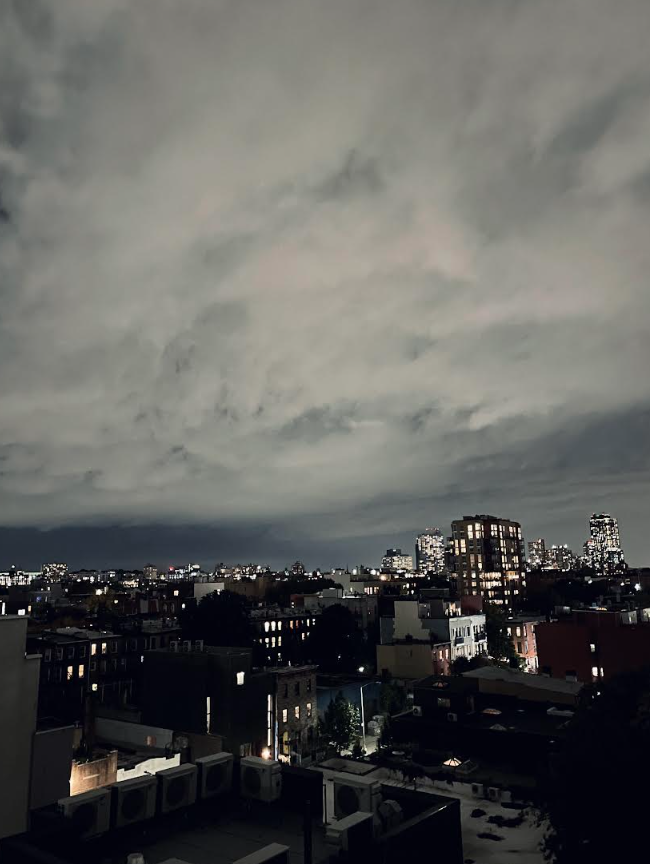
But most nights, I lie awake, alone, listening to sirens and alarms, the stirrings of the city outside my window, the side effects of so many people living in such a relatively small space. Most nights, I watch the stars come and go, the moon rise and fall, wait patiently for the sun to break the horizon and usher in a new morning. Most nights, I fail to find that strange, mysterious place, unable to reach the beckoning grasp of slumber and make my way into those shadowed lands.

Sleep doesn’t make sense to me. There’s no map to reference, no hand to hold, no path to follow. It’s just me and my insomnia against the eternal night, the twinkling stars and city lights, watching one another, uncertain of what to do next. Sometimes days go by before I find rest, before my body is so exhausted that it drags me under, before I stumble into that unfamiliar place and hope that eventually I’ll be able to claw my way out again.

Photo by Meg Wall Jones

In autumn, when the veil is thin, when the shadows have lengthened, when the nights slowly gobble up the hours and greedily swell with excess, sleeplessness becomes seasonal. The heaviness and humidity of the air slipping into crisp coolness, leaves slowly rotting into spectacular decay, shadows thickening and loosening. It feels correct to bear witness to the longer nights, to consciously wander through thoughts and ideas rather than getting swept up into memory. The world feels restless and I can explore my own mysteries, can make my own liminal space, can serve as a guide for those who haven’t been to this particular crossroads before. We all hover at the veil together, contemplating how and when we will pass through. 

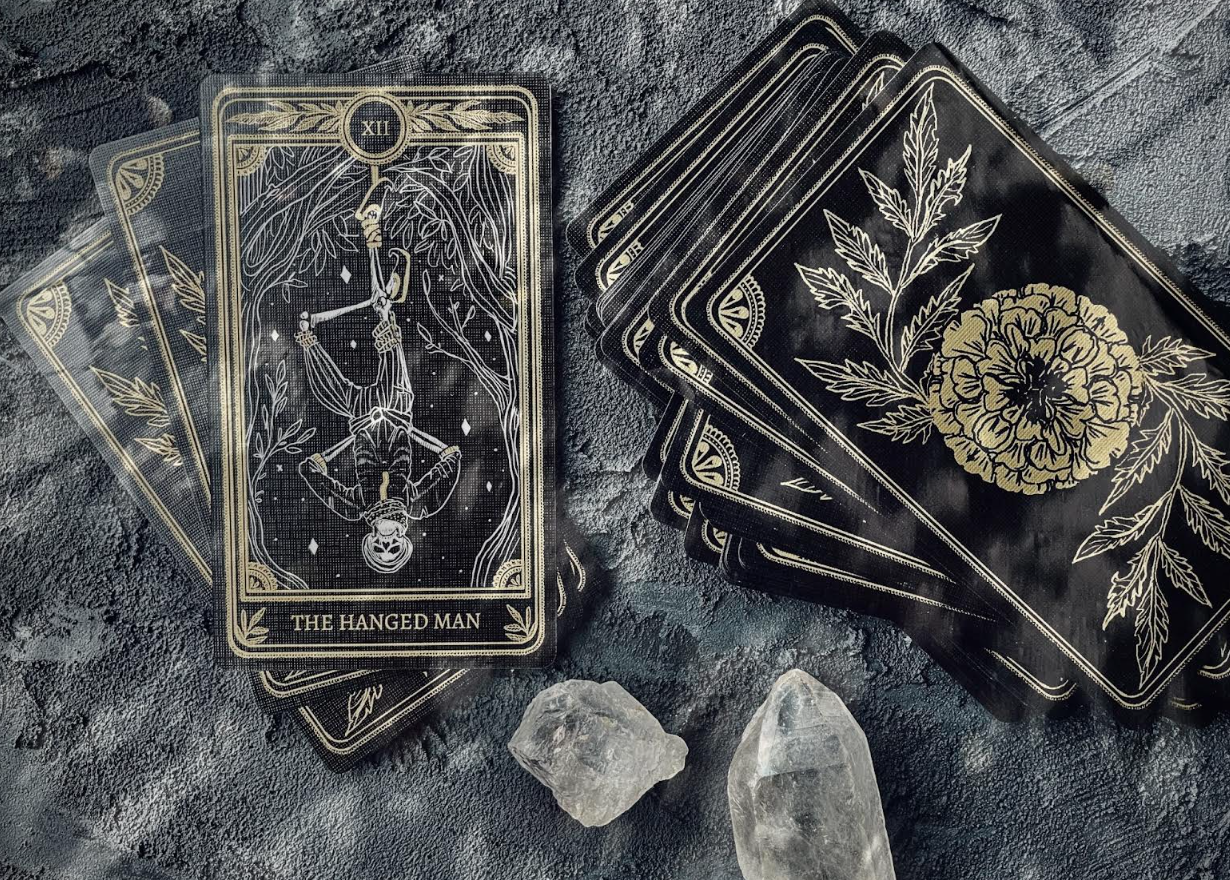
It’s Hanged One season, autumn: a time of sacrifice and release, an opportunity to let something wither in the most beautiful way so that new growth can eventually emerge. The Hanged One is a necessary, inevitable clearing; the pause before winter’s Death, the moment when expansion ceases, when we observe what happens when our movement halts and our effort stills. It’s the deep breath before hibernation, the slackening of muscles, the willingness to take brittle air into our lungs and let it simultaneously soothe us and wake us up. What have we been doing, building, becoming? What have we been working towards, and where does this pause land in our own personal cycle? Who did we used to be? Where are we being called to let go of a dream, a pursuit, a version of self? And what happens if we don’t give that thing up easily, if we refuse to surrender?

Autumn is for harvest, for celebration – but it’s also for slowing down, releasing, honoring. Winter may be the full stop, the recovery, but autumn hints at the bend in the road, gives us daily reminders to contemplate the slow rot and decay that surrounds us. All that blooms eventually returns to the earth, dust to dust, year after year. Whether we cling desperately to summer or welcome winter with open arms, we have no control over the cycle, the seasons, the change. Either way, we become the Hanged One, powerless and patient, silent, observing: waiting for whatever comes next, even if we already know what is ending.

Photo by Meg Wall Jones

It’s strange but beautiful, not unlike all of those orderly, sleepy little deaths. Autumn isn’t bothered by our feelings or desires, our fears or uncertainties, and neither is sleep. It simply comes when it’s time, holds us in our waiting, lets us feel whatever we need to feel. Autumn lets us stand quietly, in awe of its power and grace, whether we’re ready to slow down or not.

Sleep, seasons, stillness, all feel out of my grasp these days. This strangeness that I feel every night when I crawl into bed, lying still, hoping that slumber won’t notice me creeping around the edges and trying to slip in silently, stealing a few hours of temporary death: it’s uncomfortable, difficult to define or describe. My mind and body, fighting a battle I don’t understand, unwilling to accept the reality of the Hanged One, wishing somehow to overcome exhaustion and live beyond cycles, beyond sleep.
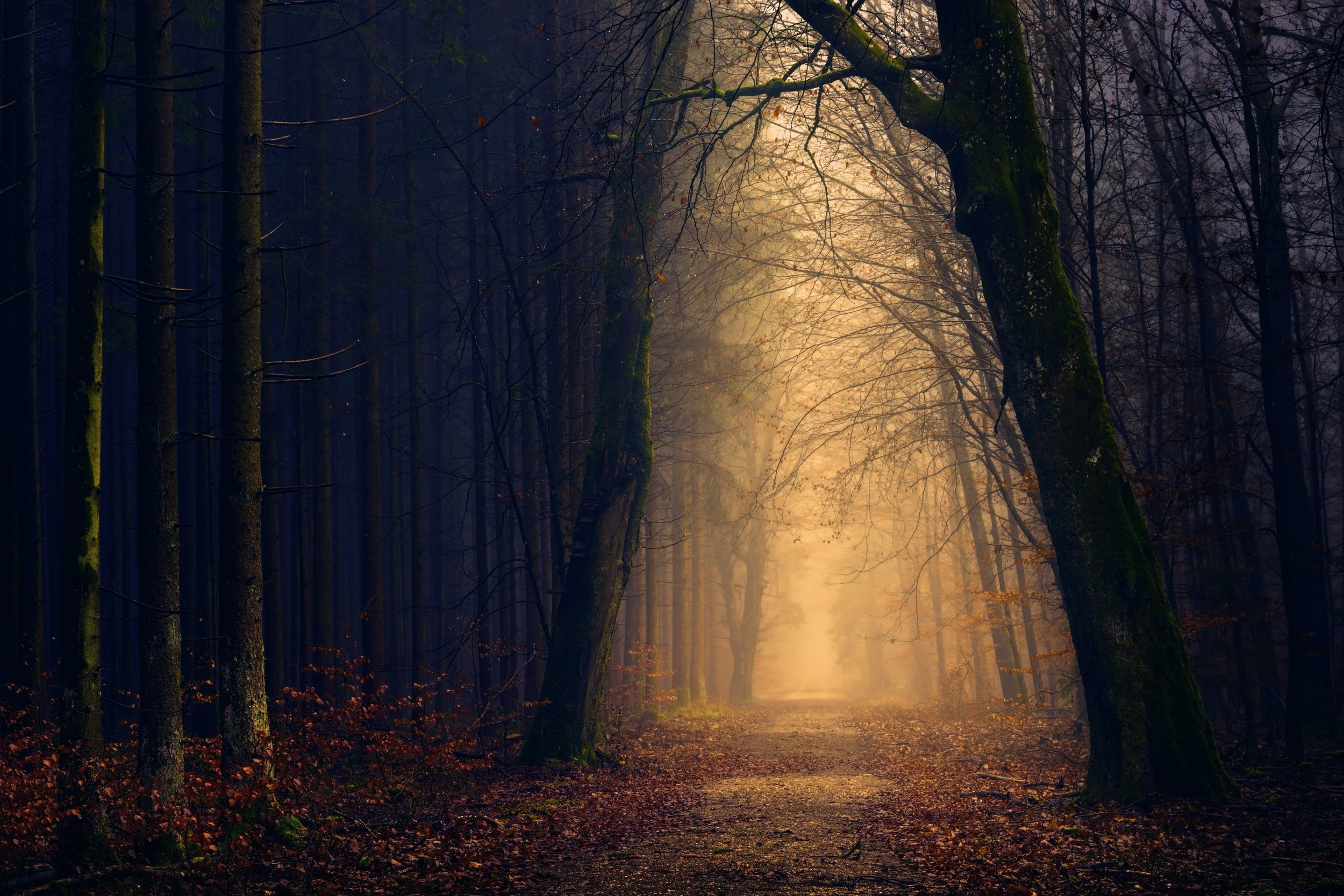
Autumn reminds me that rebirth is always around the corner, that an awakening beyond the physical can happen at any part of the cycle, that giving up control can be a necessary breaking point rather than something to fear. 

Every morning, and every night, is a new chance to surrender. And perhaps this year, autumn’s shadows will help clear out my own.


In Poetry & Prose, Personal Essay, Magic Tags magic, tarot
Comment

Speaking con su Sombra: The Magic of La Poesia

November 2, 2021

Adrian Ernesto Cepeda is the author of Speaking con su Sombra published in 2021 by Alegría Publishing, La Belle Ajar, a collection of cento poems inspired by Sylvia Plath's 1963 novel, published in 2020 by CLASH Books, Between the Spine a collection of erotic love poems published with Picture Show Press, the full-length poetry collection Flashes & Verses...Becoming Attractions from Unsolicited Press and the poetry chapbook So Many Flowers, So Little Time from Red Mare Press. And, CLASH Books is publishing the much-anticipated poetry collection, We Are the Ones Possessed, in 2022.

Read More
In Personal Essay Tags Adrian Ernesto Cepeda, essay, magic, poetry
Comment

My Nonlinear Pregnancy Journey

November 1, 2021

Kailey Tedesco is the author of These Ghosts of Mine, Siamese (Dancing Girl Press) and the forthcoming full-length collection, She Used to be on a Milk Carton (April Gloaming Publications). She is the co-founding editor-in-chief of Rag Queen Periodical and a member of the Poetry Brothel. She received her MFA in creative writing from Arcadia University, and she now teaches literature at several local colleges. Her poetry has been nominated for the Pushcart Prize. You can find her work in Prelude, Bellevue Literary Review, Sugar House Review, Poetry Quarterly, Hello Giggles, UltraCulture, and more. For more information, please visit kaileytedesco.com.
Read More
In Personal Essay Tags Pregnancy, Motherhood
Comment

Avian Protectors: Honoring and Celebrating Their Messages

October 22, 2021

By Christina Rosso

My father, born in the fall of 1951, has always loved the haunting, mind-bending stories found in Alfred Hitchcock’s films and Rod Serling’s The Twilight Zone. I remember spending New Years Eve and Day snuggled on the couch watching a marathon of the television sensation. Of spending sick days with Grace Kelly, Cary Grant, and Jimmy Stewart on the French Riveria or in a crowded New York apartment complex. I can’t recall the first time I saw Hitchcock’s 1963 The Birds, a loose adaptation of the 1952 Daphne Du Maurier short story with the same name, however, I remember carrying a sense of avian dread. A feeling in my bones that birds could declare war on the human faction whenever they grew tired of our antics.

Birds fly through mythology and folklore. Some are omens of death, while others have regenerative abilities. Some are half-human, half-bird, often femme-bodied, who lure men to their untimely deaths. In Egyptian mythology, Ra, a falcon-headed deity, is the Sun God. As of May 2021, there are an estimated 50 billion to 430 billion birds on Planet Earth. These avian creatures are an integral part of our ecosystem, yet how often do we pause to acknowledge their chirping or cawing presence? For me, it took a part-time job at a very famous abandoned prison.

For nine months, I worked as a historic tour guide at Eastern State Penitentiary in North Philadelphia. Some posit it to be one of the most haunted places in America, with stories of nefarious and heckling ghouls throughout the eleven-acre grounds. In my experience, the abandoned prison is haunted by a terrible history of racism and mass incarceration. Much lore surrounds Eastern State, as does superstition. One superstition of sorts is this: one employee will find all of the dead and dying birds on site (of which there are a considerable amount). When that person leaves, a new person will begin to discover the birds. In the Spring and Summer of 2016, I was the bird finder at the penitentiary.

Often baby birds would fall from their nests onto the dusty slabs of pavement. The first time I found one, I had to give a ten-minute tour of the punishment cells, an earlier form of solitary confinement that continues to plague our prison system today. When I resurfaced from the underground space, the bird had been trampled by inobservant tourists. I promised that bird I wouldn’t let that happen again. After that, each time I found a dying bird on-site, I made sure these animals died with dignity. Sometimes that meant sitting with them, shielding them from being stepped on by visitors, or taking leaves and moving them off the path to a more peaceful place.

I learned quickly that it was worse when they were still alive, their tiny lungs laboring for breath. Long red gashes quivering across their pink, featherless bodies until the wheezing stopped, silence and death ringing in my ears. That year, it seemed that dead and dying birds surrounded me. Everywhere I looked, they were splattered on the sidewalk of my South Philadelphia neighborhood or in the grass at the nearby park. I always stopped to tell them how sorry I was, and if I was able, I collected their bodies, putting them to rest.

Around this time I started drafting a short story collection about magic, identity, and power. Set in New Orleans, I took inspiration from my favorite city and my favorite stories, real and imagined, about witches and goddesses and monsters in the shadows. I shaped a character in part after the Greek Goddess Demeter and in part after myself. A woman whose purpose was to travel to the plane in-between life and death and help the recently departed find peace. I had this character find dead and dying creatures as a child—cats, alligators, and birds. I told myself even if it weren’t possible for me to become this character, perhaps I could still help the animals that sought me out find peace.

I often tell my husband that to some I must appear unhinged the way I walk around Philadelphia and now its suburbs talking to birds as though I’m Snow White. I wish them good morning. I ask how they slept. I thank them for their saccharine chirping and the pleasant joy of watching them fly from one tree to the next. I always feel a swell of gratitude when these birds come to me alive, with the possibility of flying anywhere and seeing anything. And when I find them at the end of their journey, I hope they had a wonderful life.

Since that summer at Eastern State Penitentiary, I have considered birds to be one of my familiars. In European and American folklore, familiars were believed to be supernatural entities that assisted witches with their magical practices. I choose to use this term instead of spirit animal or power animal, as I do not want to further appropriate or cause harm to Indigenous cultures and their language. For me, a familiar is any animal I feel a deep connection with. One in which I feel a mutual understanding and respect. I believe these animals have found me and chosen me. This is especially true with birds.

When we came back to tour our home a second time, my husband and I were allowed to roam the property by ourselves. Alex went through the house, registering every detail of it while I explored outside. In the front yard, a robin landed before me. At that moment, I knew this was our house. I have always been someone who gets “feelings” about a place and takes messages from the universe seriously. This was my message. A robin means new beginnings, hope, and good things to come. We submitted an offer on the house the following day.

Since moving into this home, I have worked on becoming acquainted with all of my bird friends, or avian protectors, as I like to call them. The robin returns daily, as does a crow, several catbirds and mourning doves. On the morning I cleansed our home of negative energy, I found a catbird feather on the side porch. Catbirds, as particularly vocal birds, offer lessons in communication, by asking us to both practice listening and singing our own songs. Their energy is rejuvenating, optimistic, and inspiring. Perhaps this catbird is reminding me that my voice matters and that this new home is the perfect space to manifest the projects I’ve long been putting off. I brought this feather inside and have now collected several more offerings from my various avian protectors. I plan to meditate on these creatures’ symbolism and messages.

Now that I’m settling into life at the new house, I want to continue to deepen my relationship with the birds that frequent the trees and plant life in my yard. I plan to build a birdfeeder for my familiars to offer them nourishment. I plan to decorate my altar with their feathers and to call their messages and energy before spellwork. Now that I have a yard, I plan to collect and bury any dead birds I find in the neighborhood. I plan to incorporate them into the stories I write. And I plan to talk and listen and sing alongside these incredibly delightful creatures.

In The Birds, Mrs. Bundy, an elderly ornithologist, says to our heroine, Melanie Daniels, “Birds are not aggressive creatures, Miss. They bring beauty into the world. It is mankind, rather... It is mankind, rather, who insists upon making it difficult for life to exist on this planet.” I’ve been thinking about this quote a lot lately, and how I feared birds for so long without ever really knowing them. About how humans bring suffering and destruction to the earth and its creatures. How our culture allows fear to drive us to ignorance. My eyes and ears are open, ready to learn and relearn, to accept any messages offered to me, and for that I am grateful.


Christina Rosso (she/her) is a writer and bookstore owner living outside of Philadelphia with her bearded husband and rescue pup. She is the author of CREOLE CONJURE (Maudlin House, 2021) and SHE IS A BEAST (APEP Publications, 2020). Her writing has been nominated for Best of the Net, Best Small Fictions, and the Pushcart Prize. For more information, visit http://christina-rosso.com or find her on Twitter @Rosso_Christina.

In Personal Essay Tags essay, birds, christina rosso
Comment
Image via Quintana

Image via Quintana

On Beaches this Autumn

September 24, 2021

BY MONIQUE QUINTANA

I keep dreaming of beaches, not night dreams, but daydreams. When I teach from home on Wednesday mornings, my throat hurts because I’m not used to talking for so long anymore. I feel my entire self squirm every time I open a new tab on my computer and a new window opens.

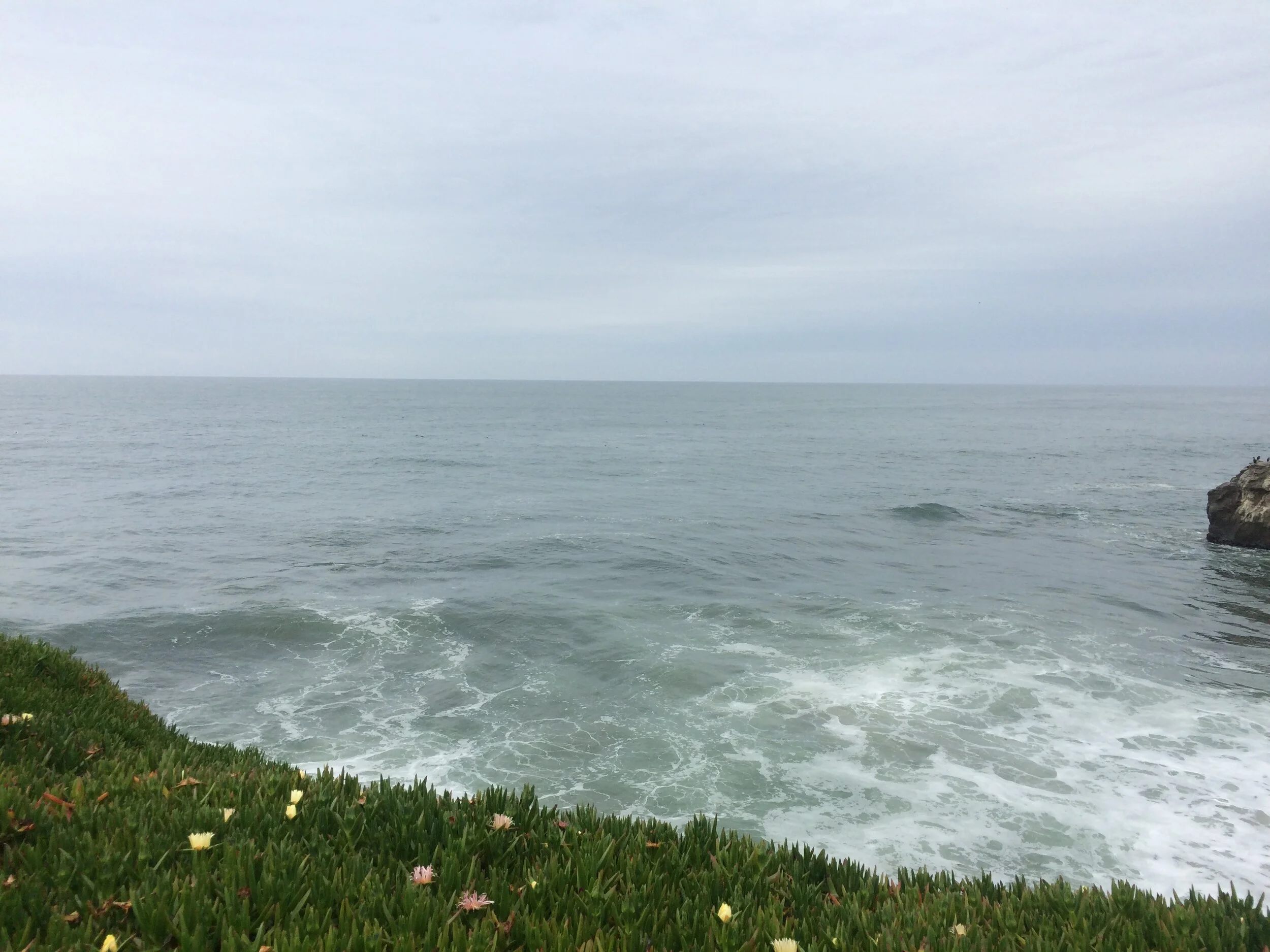
I live in the Central Valley of California, in a town where the heat settles like dust, even on the first day of autumn. It is simultaneously rural and urban.

I daydream about beaches: Santa Cruz and Carmel by the Sea. I think about the last time I saw the sea. I think about how I scooped egg from its shell from my breakfast, packed neatly in a deep brown basket by the sea. I think about my dad buying me blackberry gelato after he and my mom split up. Before I knew what such a thing was and what I should be grateful for, my family setting food in my hands in the cold water breeze made me think of my death and shake.

I document everything I do on looseleaf paper—virtual meetings, missteps, canceled hotel reservations, and daily word count goals. I dream of beaches because they're so close to me. Past vineyards and rusted metal dinosaur statues. Past signs that say, Pray for Rain in large black letters. Two hours in either direction, and I'm there.

In Personal Essay Tags autumn, ocean, essay
Comment
Photo: Joanna C. Valente

Photo: Joanna C. Valente

The Music Outside My Window

January 18, 2021

Joanna C. Valente is an alien from Saturn’s rings. They have written, illustrated, and edited a few books. Sometimes they take photos and bake ugly desserts.

Read More
In Personal Essay Tags pandemic, covid-19, music
Comment

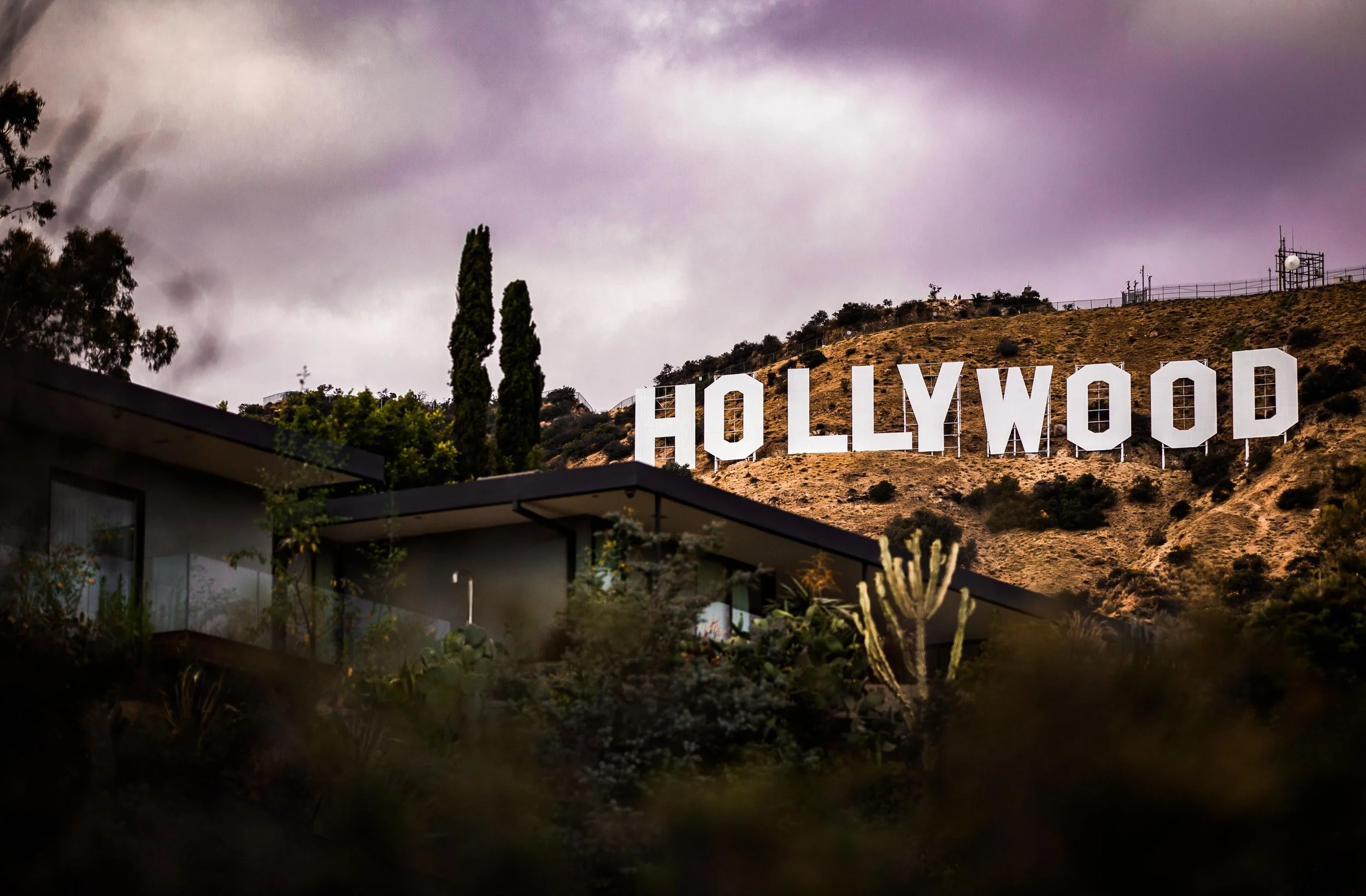
I Live in the Shadow Hills

January 11, 2021

Fox Henry Frazier is a poet, essayist, and editor who currently lives in upstate New York.

Read More
In Personal Essay Tags violence, domestic abuse
Comment
elia-pellegrini-yclBziyeytI-unsplash.jpg

If I Am Tired, I Will Rest

November 12, 2020

The kingdom of heaven — whatever that place is to you — does not care about how many books you have published nor how many emails you have answered.

Just imagine dying without truly understanding just how many shades of blue the sky contains?

Read More
In Wellness, Poetry & Prose, Place, Personal Essay Tags personal essay, lisa marie basile, quarantine, covid-19, pandemic, capitalism, productivity, work, working from home
Comment
Older Posts →
Featured
‘in the glitter-open black' — poetry by Fox Henry Frazier
'poet as tarantula,  poem as waste' — poetry by  Ewen Glass
'poet as tarantula, poem as waste' — poetry by Ewen Glass
'Hours rot away in regalia' — poetry by Stephanie Chang
'down down down the hall of mirrors' — poetry by Ronnie K. Stephens
'Grew appendages, clawed towards light' — poetry by Lucie Brooks
'do not be afraid' — poetry by Maia Decker
'The darkened bedroom' — poetry by Jessica Purdy
'I am the body that I am under' — poetry by Jennifer MacBain-Stephens
instagram

COPYRIGHT LUNA LUNA MAGAZINE 2025