BY JOANNA C. VALENTE
“Time is not something we have but something we are.”
-Hannah Lee Jones
“We are but a stitch of fabric. A dream within a dream of that fabric. And yet.”
-Lisa Marie Basile
When I first came out, as if sprinting out of a starless closet into a cosmos rich with sparkling orbs, I felt naked, newly born, vulnerable. I wanted to stop performing what I knew and perform something else until I realized that nothing is a binary; performance isn’t an either/or.
We perform for ourselves every day, leave some things behind like a tiny death of a world you didn’t know existed — the small act of making coffee and choosing a mug, picking out shoes. It’s routine but it’s also performance. A performance isn’t a falsity, doesn’t mean untruth, but more of a decision about which truth, whose truth, what truth.
Sometimes I want to hide behind language, cover my vulnerability. Other days, I want to wear a jacket of many colors, and all the colors are a new vulnerability, a baby bird. Lately, I don’t know what I want; lately, all I know is what I want. All I do is think about time, and choice, and then time again. My moods slip — like everyone’s do inevitably in times of trauma. I pull Tarot cards, find myself looking at Death, at The Hermit, so many Swords.
Time is evolution. The origin of language, and being, comes from change, a subversion and a queering of presumed meaning. A lot has changed in the last few years. I myself am different, changed; my language is different, evolved, more precise at times and less precise in others.
I think about Boyhood and instead want Queerhood. It’s time. It’s time for a change. We’re ready — but are we willing?
*
There are many “explainable” reasons for the state of the world. It is 2020 and yet it feels like the past — and yet it feels like a dystopian future — and yet it also feels like the present, but a present I don’t want to give a name. Like a bad fruit. Time isn’t time except that we’re stuck in it. But being stuck doesn’t always have to be a trap; we can instead look at time as a way of being.
I want less explanations and more doing. More being for the sake of being and less being for the sake of survival. When I think of the words queer, nonbinary, and genderqueer, I think of their explanations. I refuse them.
Not because I don’t believe in them, not because I don’t raise awareness to other possibilities and less binaries — but I want to reach a place where being is enough. Where I don’t need to explain why they, why them. Why it linguistically isn’t new at all, why these pronouns make sense — not how they have an explanation.
Being is enough. We’re taught, however, that simply being is not enough – and if anything, being without productivity and “value” is a burden. Humanity is seen as a burden, especially when it isn’t easily understood or digestible or “safe.”
Humans are pushed to prove themselves and their usefulness; humans are taught to fit into labels because it’s easier to exist in a productive society when you are easy to understand, when you are threatless.
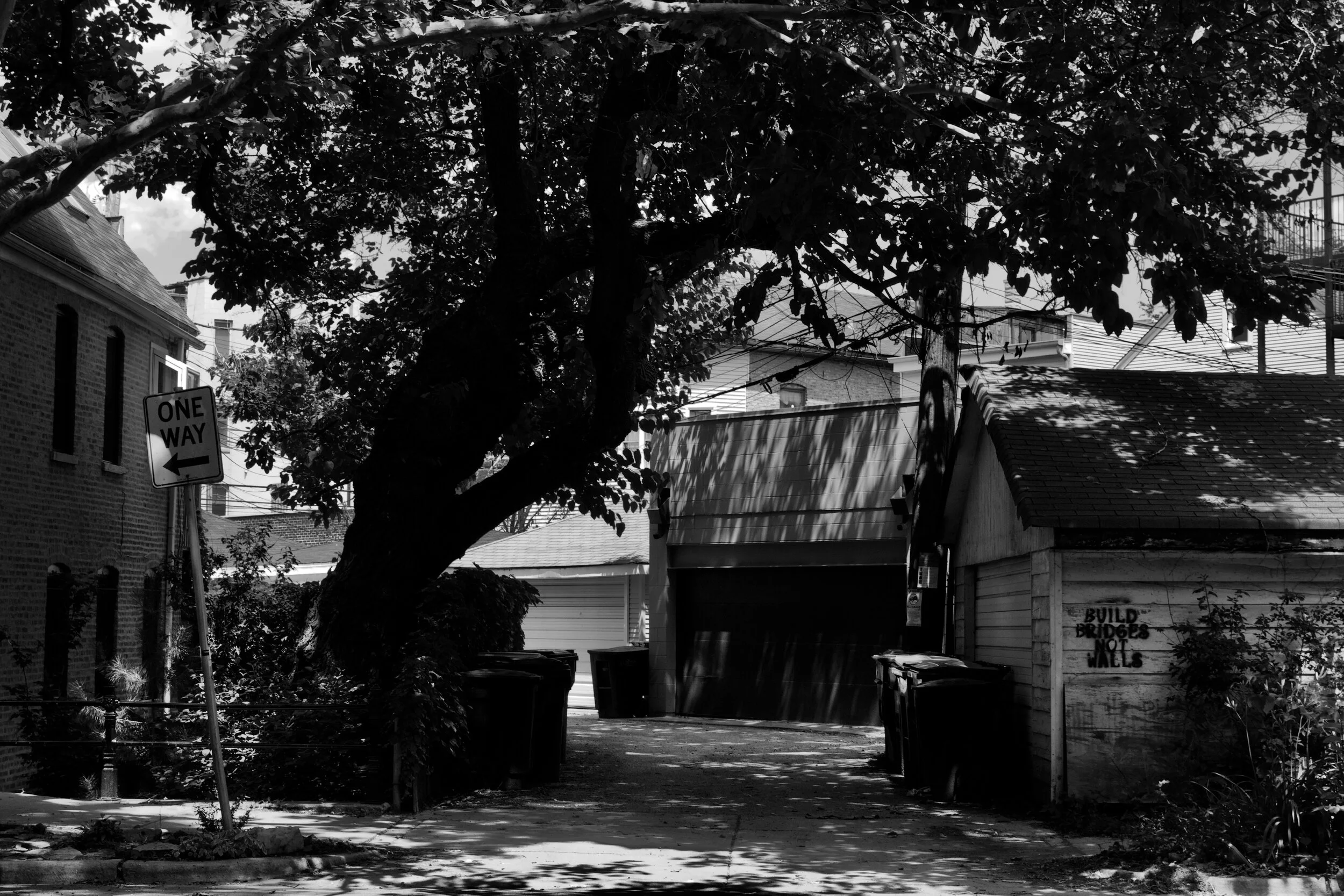
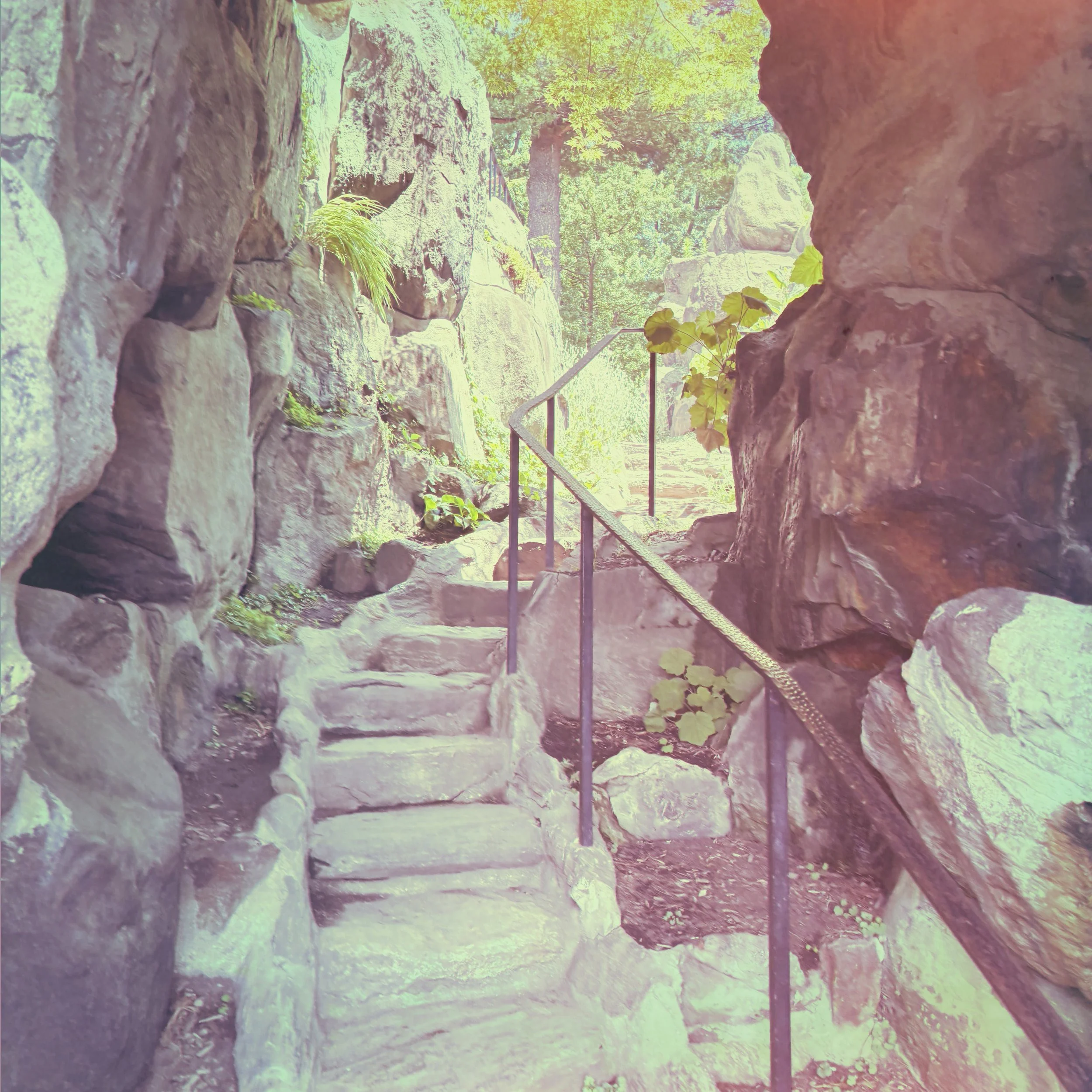
Photo: Joanna C. Valente
I was a high school teacher once. I remember the frenzy of college applications, personal statements, narrative essays, trips to the guidance counselor, conversations about what next, about job options, why college at all, money, lack of money, to student loan or not to student loan is the question, broken hearts, broken dreams, confidence, the lack of confidence, the ability to dream or not to dream.
There is beauty in all of it, in a future, but so often, the beauty of pursuing a dream is beaten into an ugly pulp before the dream takes off. Many aren’t even allowed to dream (because racism because white supremacy, for starters). There were more mitigations and caveats, then none at all. This is, by its very nature, inhumane.
*
SASAMI’s song “Turned Out I Was Everyone” illustrates the complexity of humanity, of personhood, of queerness:
“Thought I was the only one
Thought I was the only one
Turned out I was everyone
Thought I was the only one
(To be so alone in the night)”
The lyrics are deceptively simple, but they aren’t simple at all. We feel so alone in our queerness, and yet we aren’t alone at all. I can’t help but think about that duality, which is hardly a binary, but a contrast.
I can’t help but think about Terry Gilliam’s film The Zero Theorem. I haven’t been able to forget it or push it out of my mind, even though, as a film, I can’t say it’s something I particularly enjoyed or would recommend in its totality. In the film, Christoph Waltz plays a character named Qohen Leth, who is a computer programmer working on a formula to determine whether life holds any meaning.
Most of Qohen’s interactions happen with AI or through computers, and Qohen prefers the pronouns we/us/our — and that has always stuck with me. While it is glossed over in the film, and perhaps just supposed to be an example of how Qohen is “eccentric,” it seemed a pivotal point in self-identity, our identity as humans collectively — and evolution.
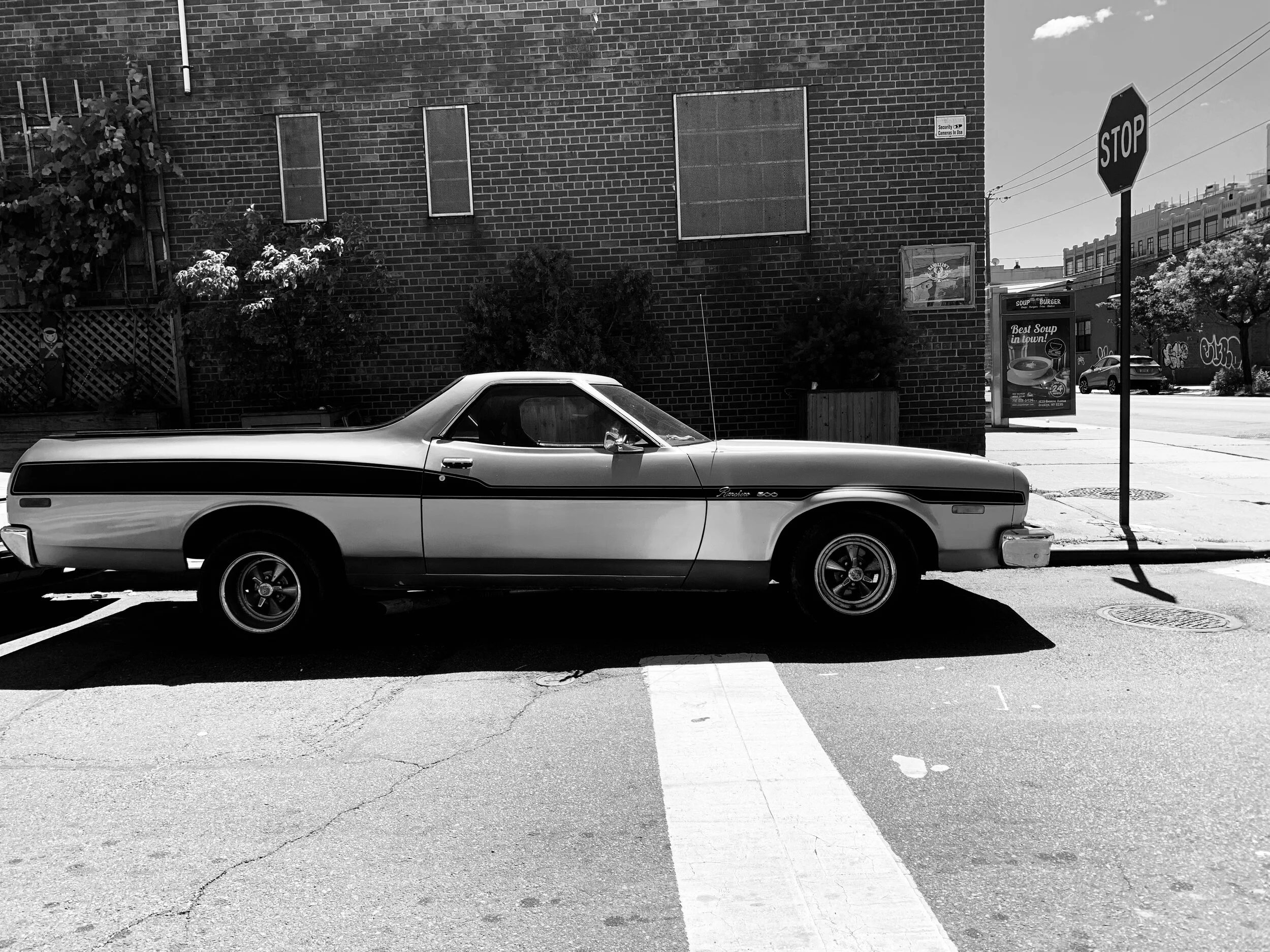
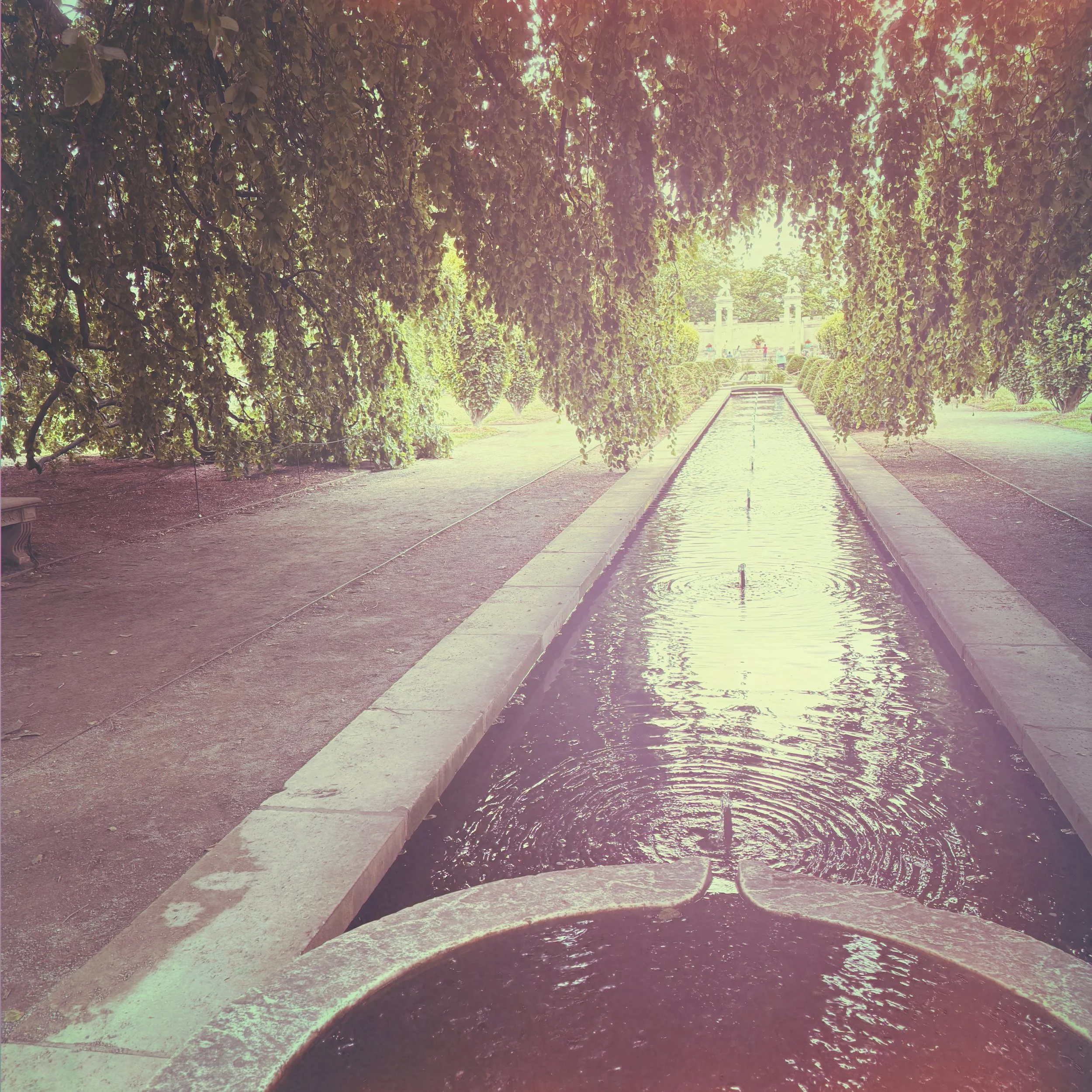
Photo: Joanna C. Valente
In a way, Qohen is seeking connection, collectivity, and rejecting gender as a construct that separates people rather than unites them. In a place where everything feels impersonal and lonely for Qohen (who is waiting for a phone call and often works alone), these pronouns perhaps provide a way to be intimate. As a programmer, Qohen is used to facelessness, so this choice is nothing but arbitrary.
Shouldn’t, for instance, the use of AI both highlight the fact that bodies, minds, beings, are more than paid labor and assigned meaning — what others define as value for us, versus what we define for ourselves? Has AI, or will it with time, also highlight, hopefully, that being is more then binary, more than the labels that result in the division of labor, segregation, dehumanization, and often the cause of suffering?
We often see AI as without gender, or as something we tediously assign gender to, so why are we still doing that to human bodies? Being transcends labor, and is a force, an energy that evolves, into itself. At least, it should transcend.
*
Part of the issue, of course, is that we die. Computers, technically, don’t. They just stop working. But they can be repaired, designed to be the same version, or even, a better version based off the original — like an origin story, a creation myth. Instead of starting with the fruit, it starts with a program.
So it’s no surprise that we see time as a commodity, especially now during a global crisis and pandemic. How can we make better use of our time? This isn’t just corporate speak (corp!speak as Orwellian tragedy), but language all my artist friends are using too. How can we make the best use of our time, how can we be productive — or stay productive in all our roles?
Some of this, of course, goes beyond our control, especially for parents who are forced to wear too many hats right now, from homeschooling to working jobs to maintaining relationships. Of course, using our time is a way to cling to our identities, which is a form of control in the face of change, even if it’s necessary change.
We are trapped in time as much as time is trapped in us; this is what sets us apart from technology in that technology evolves regardless of time. There is no real expiration, just a man-made one. Time is us, and it can be stolen from us, like ourselves, our bodies, the earth. That is the violence we are experiencing and witnessing right now, in more ways than one.
We learn to fill our time with ways to be seen as productive and valuable, to put an archaic label on ourselves to fill a role. Gender roles benefit old capitalistic values, versus the freedom to just be. We spend most of our time, our lives, trying to unlearn this. How do we unlearn value to learn new value, unlearn time’s constraints, to learn time? Time, like us, isn’t made in binaries.
We program machines to go beyond constructs but forget that we can start with ourselves first. We can learn from the things we create because we want to disguise our flaws, versus embrace them.
AI, ironically, operates within a digital binary. Computers operate in binary code; data is stored and actions occur only using only zeros and ones, kind of like our days only being broken up by a sunset and a sunrise — the ocean’s tide moving back and forth. It’s deceptively simple, and the duality can be misunderstood as limited to a binary, as opposed to starting from one.
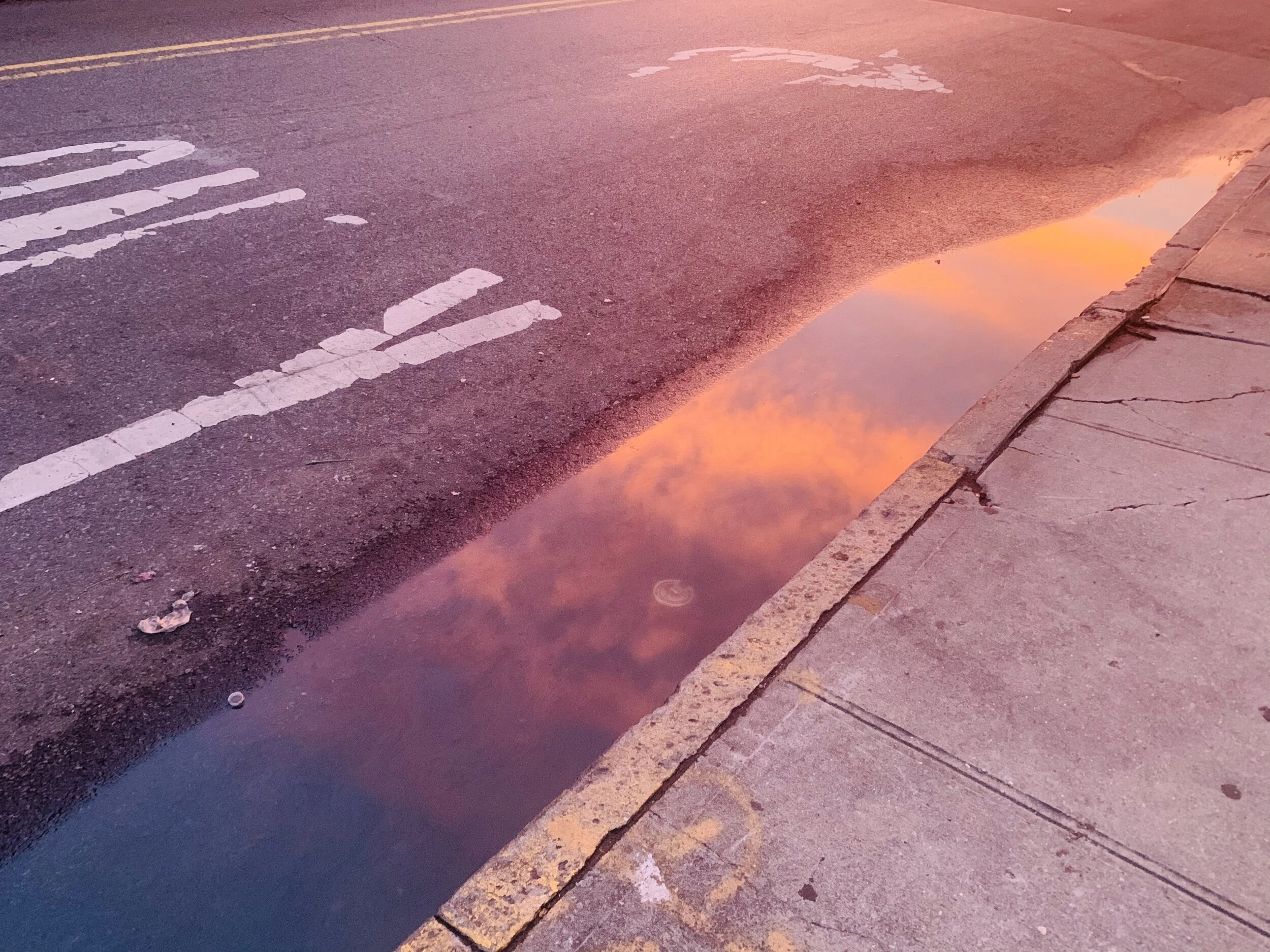
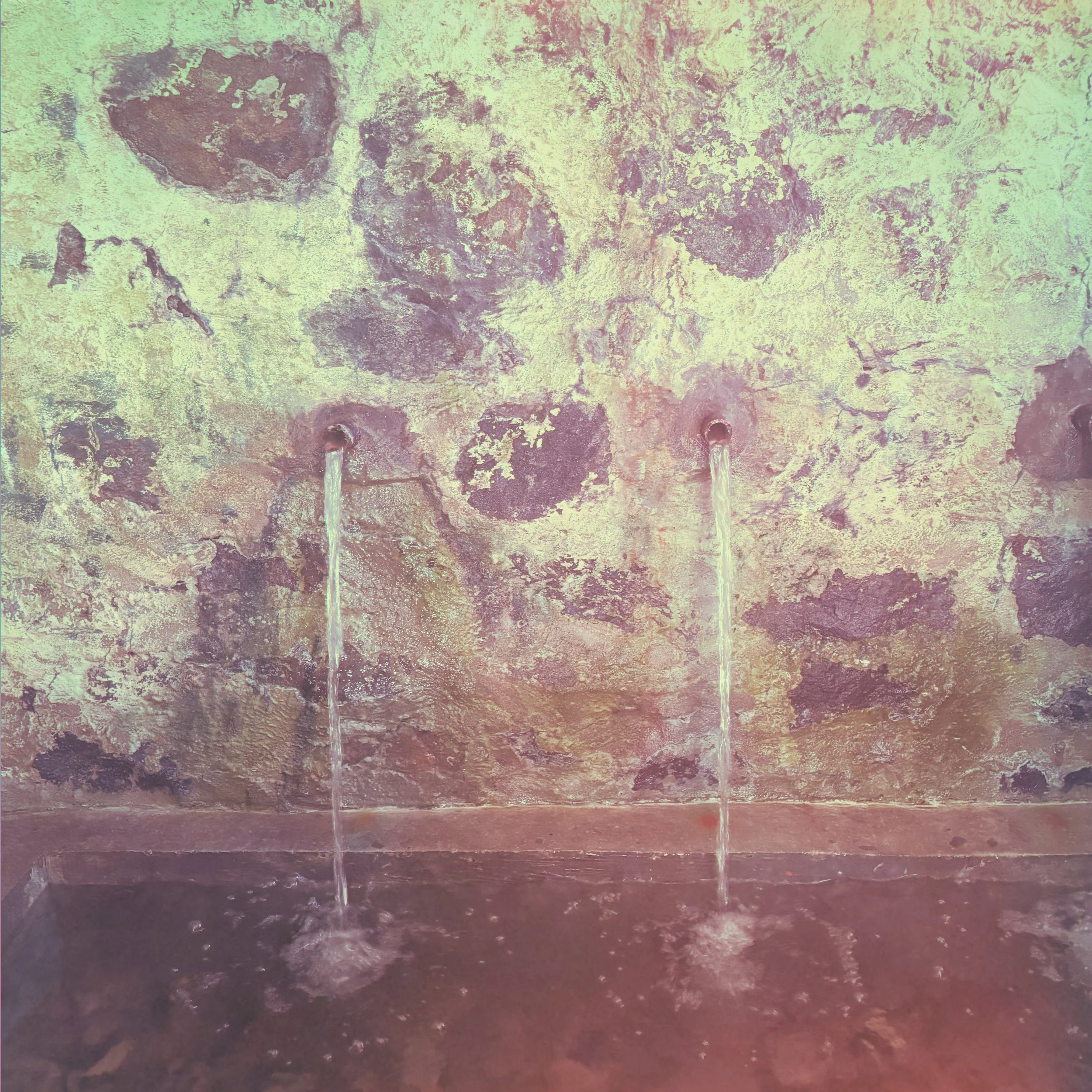
Photo: Joanna C. Valente
And yet, we dream of a computer system going beyond a binary, beyond its own limitations and constraints, like a lesson for ourselves. We unlearn to learn, we yearn to push forward. We yearn for advances, for true growth. In many ways, we emulate computers and AI after our dream selves. It’s all aspirational.
We do evolve and change. And AI, of course, can only be as intelligent and vast as we allow it to be, as we program it to be. Rolling thunderstorms sweep through Brooklyn lately, hail and heavy rain — and I can’t help but think about space — and the space we make and leave, physically and cybernetically. What does this mean for us?
I love this faceless energy, the cracked sounds, the cracked space. I want to be faceless as much as I want a face. Algorithms don’t have a face and I think about that. It takes on our face, what we give to it, to ourselves, others.
I think about the ocean. I want to be the ocean, dream in time, dream of time, being lost in waves of time — that control.
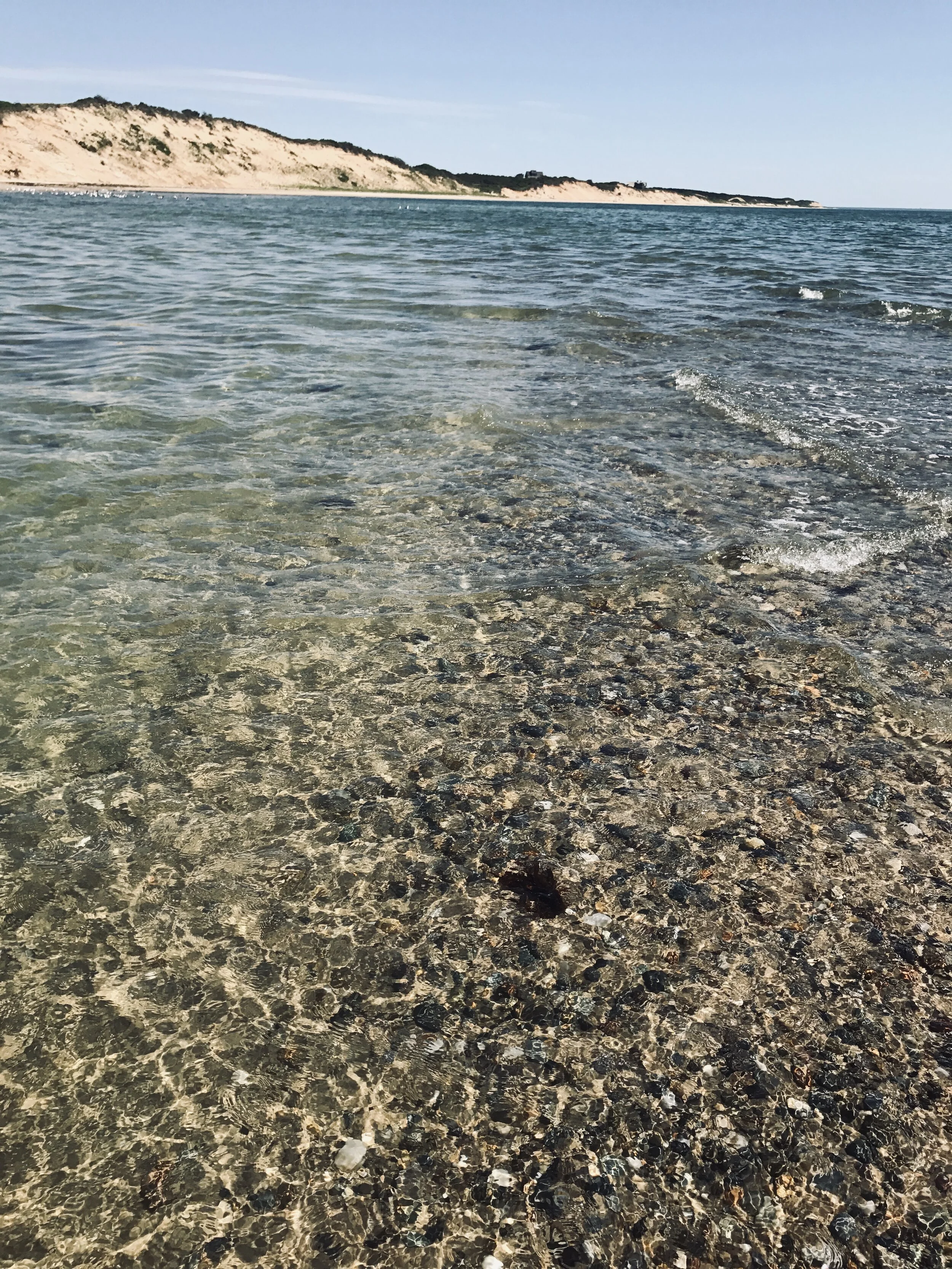
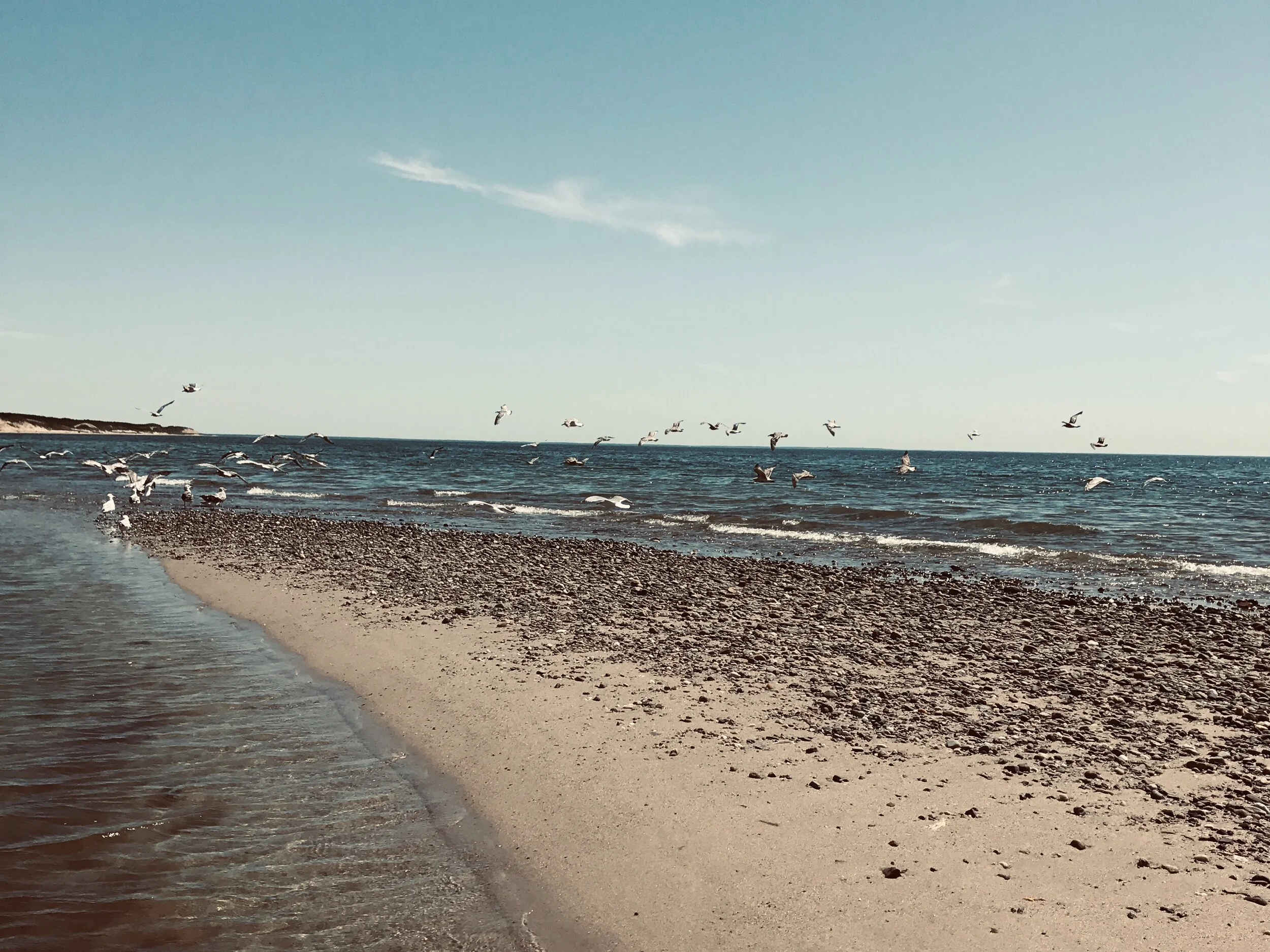
Photo: Joanna C. Valente
*
In Her, Samantha’s choices exist more as a performance for Theodore (Joaquin Phoenix), not for Samantha — who is presumed and voiced to be a woman (though clearly has not chosen that, which also highlights the fact that many of our own AI devices like Siri and Alexa were programmed to be seen as women).
This only highlights that we often, as people, choose who to be based on expectations and reactions, rather than the freedom of choice. What would that choice look like if we evolved past binary thinking? Samantha’s character eventually actualizes this as she chooses to move beyond with other AIs.
The film falls short and focuses largely on Theodore’s journey, and departs from truly exploring the struggle of navigating our true selves to go beyond roles thrust on us for survival — beyond eternally moving from one boat to another to survive the breaking of waves.
Similarly, the Netflix show, Dark, describes a world torn apart by time, where the characters do realize their bodies inhabit time like blood inhabits bodies, but find that they can free themselves of their very ideas of identity through this — which is sought through technology.
While the technology itself isn’t AI, it completely deconstructs our ideas of the self, of identity, and in many ways, gender roles and norms. What is the self without the context of these things, like time, which bring us the context of cultural beliefs and stereotypes? In this way, it erases everything but being, but humanity.
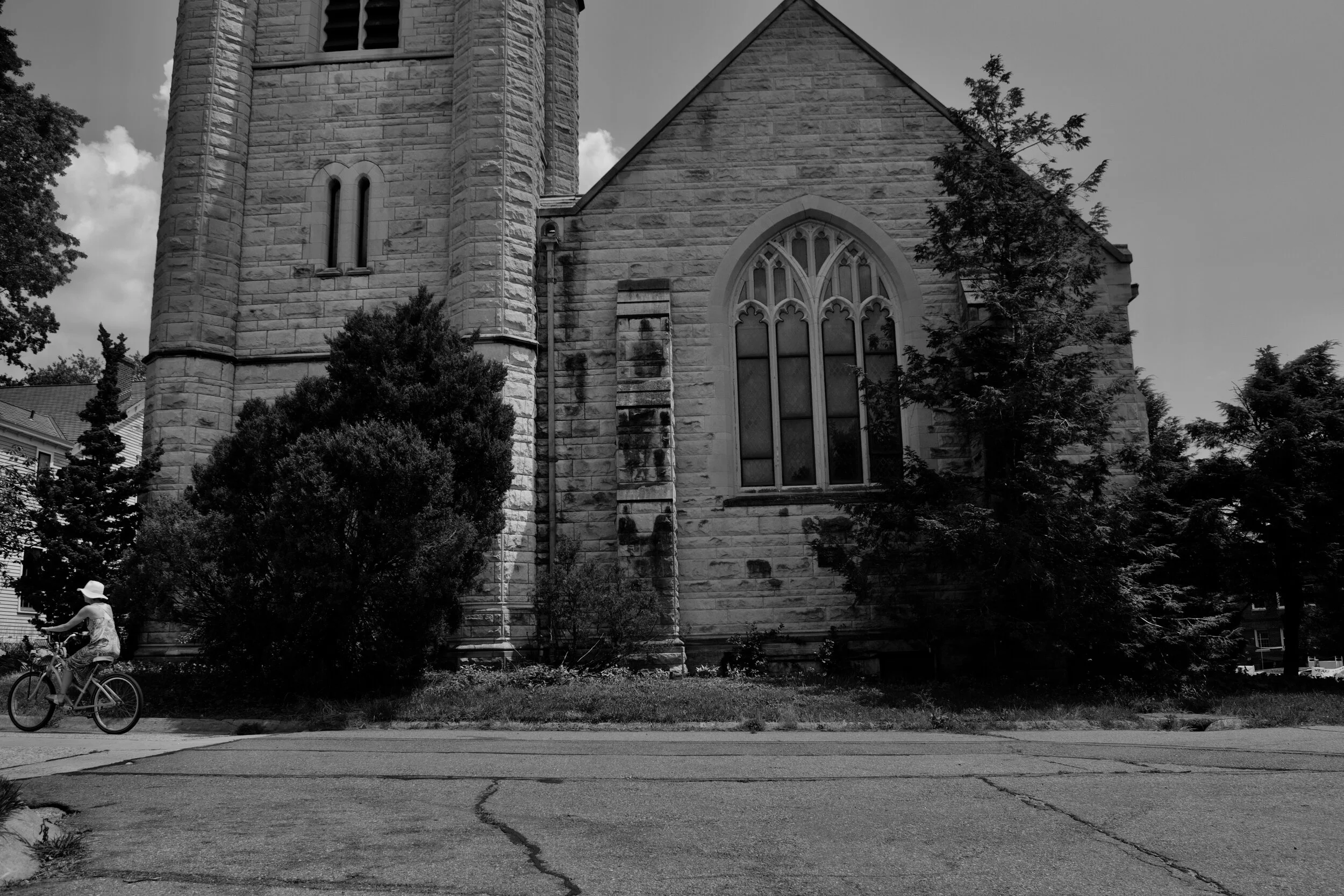
Photo: Joanna C. Valente
*
I dream in questions lately. Perhaps this is a way to get out of my body as much as humanly possible:
Have you left space? What does your space look like?
What’s your shadow?
Who is the serpent?
What is the fruit?
Am I where I should be?
Have I left a black hole? Have I entered one?
Did you know you were even in one?
These questions follow me like a rubble of bones and computer chips, waiting for the coming of some great answer, some easy fix for all of our collective suffering — as if we share a body whose being may or may not have been buried in a cave, dressed with garments and incense, scraps of bones and skin, afraid our feelings will consume us, afraid the earth will kill us in time instead of time itself.
Afraid of the prayers we’ve made up, created, against our better judgment, angels lost as ghosts. Afraid everywhere is a ghost, will always be a ghost, and perhaps, even scarier, always has been a ghost. We do feed ourselves the lies we want to believe. Can we make choices in a black hole, real choices?
When I talk about hope, I realize I am talking about a space for voids to grow life parallel to another world with another us. What is home, anyway, without the people we know, the love we make, even in its shiftiness and imperfection — all of the fade-to-black resentments and dreams broke like snowglobes, all that emotion like the cold rushing to the head when we eat ice cream too fast?
Photo: Joanna C. Valente
*
A friend recently asked me if I’ve heard any good stories recently. There are no stories but lots of dreams, I thought. We’re in a state of waiting for things to be better, I wanted to say, fighting for a love that wasn’t ours or mine, forever and forever — trying to fix what our older selves won’t be able to if there’s no time left, if we misuse it, and what our younger selves could never imagine.
Isn’t that the trope, though, waiting until the last minute? Isn’t that why we rely on people like Greta Thunberg and Alexandria Ocasio-Cortez to change things for everyone, because somehow, most people decided they can’t? That labor becomes someone else’s, a fruit to bear.
As I water my plants at home, I can’t help but think about all my plants left at my desk at work. Those little joys (that aren’t so little) — and thinking about their names, recalling the naming rituals I created for them — and myself — and wondering, honestly, what any of it really means.
Joanna C. Valente is a human who lives in Brooklyn, New York. They are the author of Sirs & Madams, The Gods Are Dead, Marys of the Sea, Sexting Ghosts, Xenos, No(body), #Survivor: A Photo Series (forthcoming), and A Love Story (Vegetarian Alcoholic Press, 2021). They are the editor of A Shadow Map: Writing by Survivors of Sexual Assault and the illustrator of Dead Tongue (Yes Poetry, 2020). They received their MFA in writing at Sarah Lawrence College, and Joanna is the founder of Yes Poetry and the senior managing editor for Luna Luna Magazine.