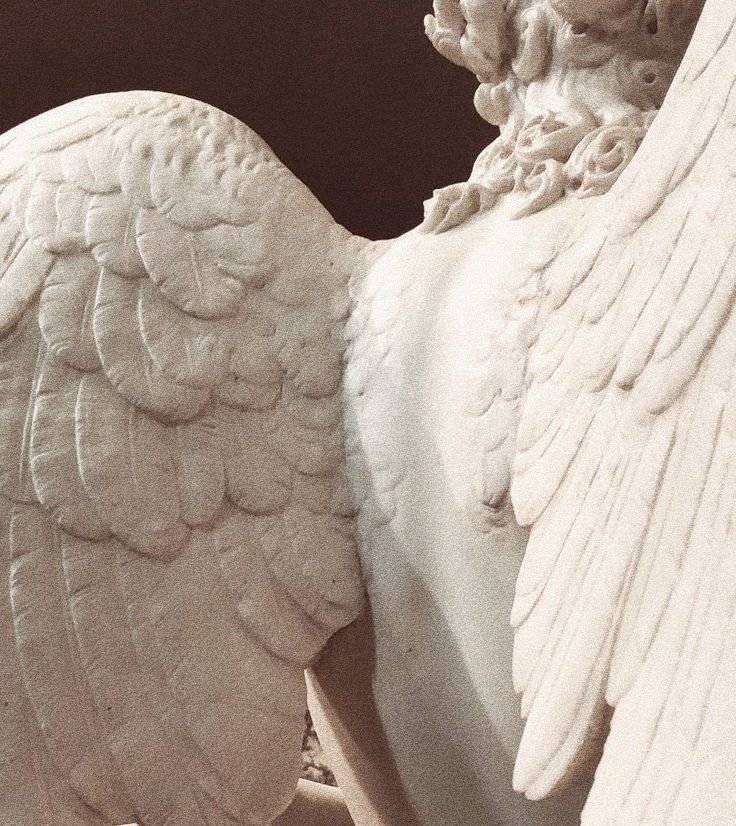

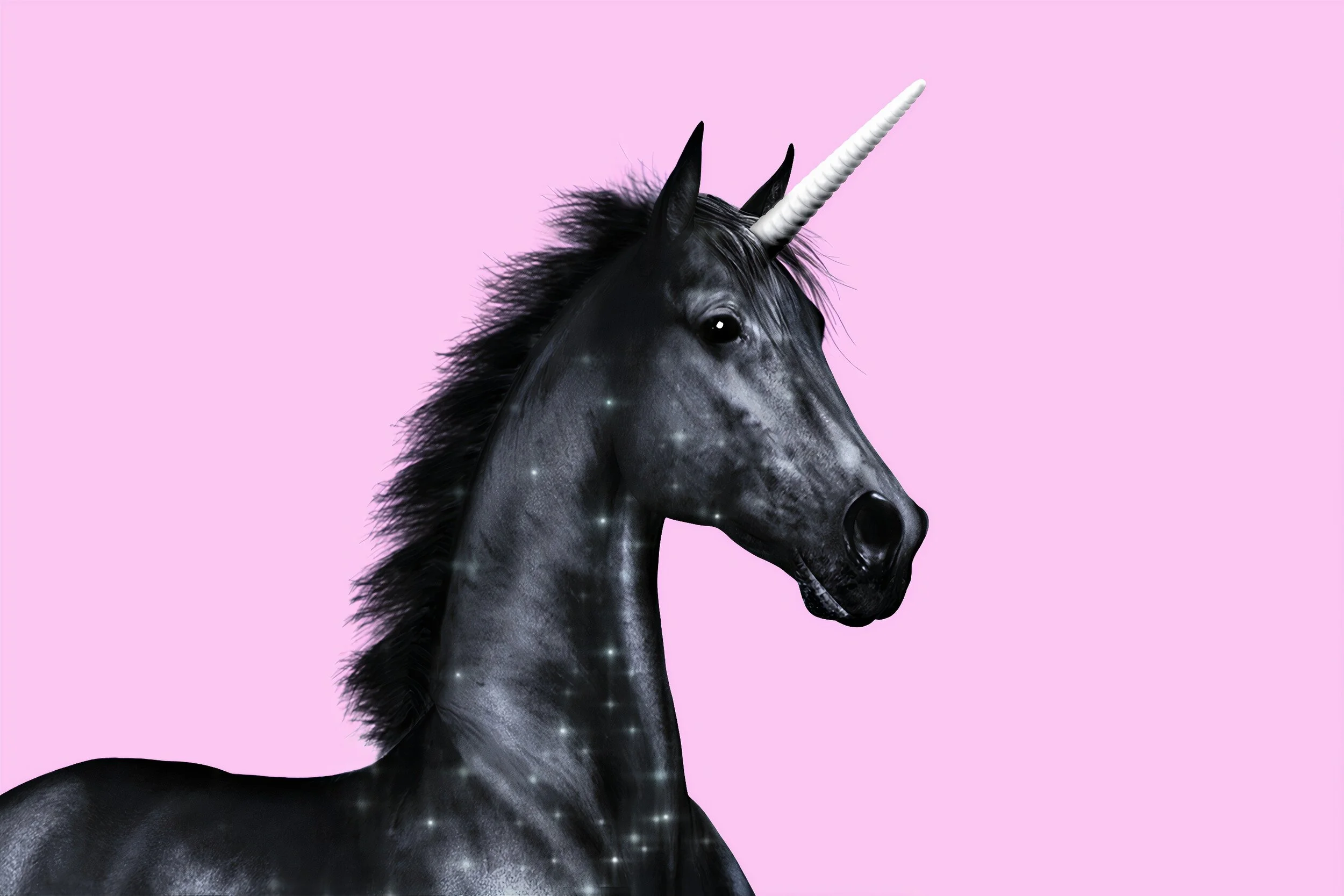
There are a multiplicity of traditions and legends about the unicorn’s horn within the history and mythology of the world, though its use was perhaps most recorded in medieval Europe, where the horn was known as the alicorn. The unicorn’s horn has been revered by people across the globe for a wide variety of reasons, not the least of which is its profound ability to heal. No feature of the unicorn has been as closely associated with healing as its majestic spiraled horn. The horn’s power to heal and transform has long been a source of wonder, with these attributes coming from its connection to the third eye, or expanded consciousness. The unicorn’s horn can heal not only the body, but also the mind and heart, bringing one into a balanced state.
Read More
Poetry by Elizabeth Ditty
Elizabeth Ditty lives in Kansas City, but her mind is often elsewhere. Her prose and poetry can be found in Memoir Mixtapes, L’Éphémère Review, Moonchild Magazine, Tiny Essays, & Black Bough Poetry. She can be summoned with wine, coffee, or enough time for a power nap.
Read More
Poetry by Stephanie Athena Valente
Stephanie Athena Valente lives in Brooklyn, NY. Her published works include Hotel Ghost, waiting for the end of the world, and Little Fang (Bottlecap Press, 2015-2019). She has work included in Witch Craft Magazine, Maudlin House, and Cosmonauts Avenue. She is the associate editor at Yes, Poetry. Sometimes, she feels human. stephanievalente.com
Read More
These 4 Books Are 2020 Must-Reads
Joanna C. Valente is a human who lives in Brooklyn, New York. They are the author of several collections, including Marys of the Sea, #Survivor, (2020, The Operating System), Killer Bob: A Love Story (2021, Vegetarian Alcoholic Press), and is the editor of A Shadow Map: Writing by Survivors of Sexual Assault. Joanna is the founder of Yes Poetry and the senior managing editor for Luna Luna Magazine. Some of their writing has appeared in The Rumpus, Them, Brooklyn Magazine, BUST, and elsewhere. joannavalente.com / Twitter: @joannasaid / IG: joannacvalente / FB: joannacvalente
Poetry by Andi Talarico
BY ANDI TALARICO
After Sacrifice
Catholics believe in magic, which is to say
Transubstantiation, which is really to say sleight
of hand, which is to say we
Believe a miracle occurs each time the holy man, ordained,
offers the water and the wine,
Just like that, from up their robes, they
Conjure the body, conjure the blood.
It is pivotal, the difference, the others who see mass as metaphor.
They are just pretending. It is enough to worship the idea.
But not us, see, watch the hands, use your nail,
scratch Papal and find pagan,
boiling, just beneath,
Denied and demoted like a bastard born son.
But see how far we’ve come,
Note we no longer need the offering
of your firstborn to the fire
Don’t have to hurl your kin into the maw of a pit
Don’t have to cut from the finest of your harvest
Don’t have to let go your plumpest sow.
Here, we’re evolved now, humane, now, let
this ministered man,
holy enough to be above you,
let him make his magic happen,
an alchemy of spirit to body
A glamour for the blind
We’ve made it for you.
A glamour so profound
Wreathed in the smoke of incense
Kept behind the altar
Beyond the pale
Between masses, babies, offered up.
We cry, bring us your youngest, your softest,
all the sons and daughters of Abraham,
And here is the lamb, and here is the slaughter,
The hunger too great, the appetite laid bare.
The sin of lust made greater by the sin of
Looking-away, the sin of never-asking,
The sin of teaching our young that
Sacrifice is the greatest name for love
Because after all, after all,
This is my body, which is given up for you.
Andi Talarico is a Brooklyn-based writer, reader, and witch. She’s the former host of At the Inkwell NYC, an international reading series. She's taught poetry in classrooms as a rostered artist, been a coach and judge for Poetry Out Loud, and her work has been featured in Luna Luna magazine, The Poetry Project, Yes Poetry, Ritual Poetica, and more. Her work has also been published by PaperKite Press and SwanDive Publishing. When she’s not working with stationery company Baronfig, you can find her dishing on astrology and culture on her podcast Astrolushes, co-hosted with Lisa Marie Basile.
4 Books You Won't Want to Miss in 2020
Joanna C. Valente is a human who lives in Brooklyn, New York. They are the author of several collections, including Marys of the Sea, #Survivor, (2020, The Operating System), Killer Bob: A Love Story (2021, Vegetarian Alcoholic Press), and is the editor of A Shadow Map: Writing by Survivors of Sexual Assault. Joanna is the founder of Yes Poetry and the senior managing editor for Luna Luna Magazine. Some of their writing has appeared in The Rumpus, Them, Brooklyn Magazine, BUST, and elsewhere. joannavalente.com / Twitter: @joannasaid / IG: joannacvalente / FB: joannacvalente
Read More
Photo: Joanna C. Valente
The Ultimate Autumn Playlist
Joanna C. Valente is a human who lives in Brooklyn, New York. They are the author of several collections, including Marys of the Sea, #Survivor, (2020, The Operating System), Killer Bob: A Love Story (2021, Vegetarian Alcoholic Press), and is the editor of A Shadow Map: Writing by Survivors of Sexual Assault. Joanna is the founder of Yes Poetry and the senior managing editor for Luna Luna Magazine. Some of their writing has appeared in The Rumpus, Them, Brooklyn Magazine, BUST, and elsewhere. joannavalente.com / Twitter: @joannasaid / IG: joannacvalente / FB: joannacvalente
Read More
Photo: Joanna C. Valente
Writing, Magic & Tarot: Pairing the Major Arcana to Poetry
Joanna C. Valente is a human who lives in Brooklyn, New York. They are the author of several collections, including Marys of the Sea, #Survivor, (2020, The Operating System), Killer Bob: A Love Story (2021, Vegetarian Alcoholic Press), and is the editor of A Shadow Map: Writing by Survivors of Sexual Assault. Joanna is the founder of Yes Poetry and the senior managing editor for Luna Luna Magazine. Some of their writing has appeared in The Rumpus, Them, Brooklyn Magazine, BUST, and elsewhere. joannavalente.com / Twitter: @joannasaid / IG: joannacvalente / FB: joannacvalente
Read More
Our Home Isn’t a Fantasy Suite, But That’s OK
Kailey Tedesco lives in the Lehigh Valley with her husband and many pets. She is the author of She Used to be on a Milk Carton (April Gloaming Publishing), Lizzie, Speak (White Stag Publishing), and These Ghosts of Mine, Siamese (Dancing Girl Press). She is a senior editor for Luna Luna Magazine and a co-curator for Philly's A Witch's Craft reading series. Currently, she teaches courses on literature and writing at Moravian College and Northampton Community College. For further information, please follow @kaileytedesco.
Read More
Summer Poem: Court Castaños
Magic Breathing
BY COURT CASTAÑOS
We didn’t have fireflies
flickering summer’s arrival song
in old jam and jelly jars, and I wish
I’d seen them rise from the tall grass
mistaken them for sprites, magic
breathing. We were washed
in the orange glow of the street
lights higher than we could ever imagine
climbing with our rough hands and
thick, summer feet. By June
you could crack an egg on the searing
tar of your road and watch it blossom
sunny side up until the slap
of burnt yolk sent you running
to the cool relief under
the maple tree, where the sun
couldn’t find you and the light
was mashed to cool green
like grass that’s been bruised
and tugged loose by dancing feet
in holy sprinkler water.
As a kid I could chant all
the priest’s calls and responses, sign
the cross over my small body and
say Grace five-times-fast,
but in the young nucleus of my soul
I knew the real power was in the count
to thirty on a moonless night while the
street exhales it’s last fiery breath.
My body in flight to the cavern
in the arms of my orange tree
where my heart would howl
in ecstasy as I praised the dim glow
of the street lights and the holy
sanctity of bare feet running
in a pack of wild kids, playing
hide and seek in the dark.
Donate: The poet requests that donations be sent to RAICE’s LEAF Fund. The LEAF fund ensures that children coming to this country can receive quality legal representation both in detention centers and once they are released. In 2018, our specially-trained team provided ongoing legal counsel to 400 children, and more than 4,500 children received training to help them understand their rights here in the United States. You can donate via this link.
Court Castaños has work currently published in The Nasiona and the San Joaquin Review. New poems forthcoming in Boudin, of The McNeese Review. Castaños grew up adventuring along the Kings River in the San Joaquin Valley and now resides in Santa Cruz, California.
by Lisa Marie Basile / ritual poetica
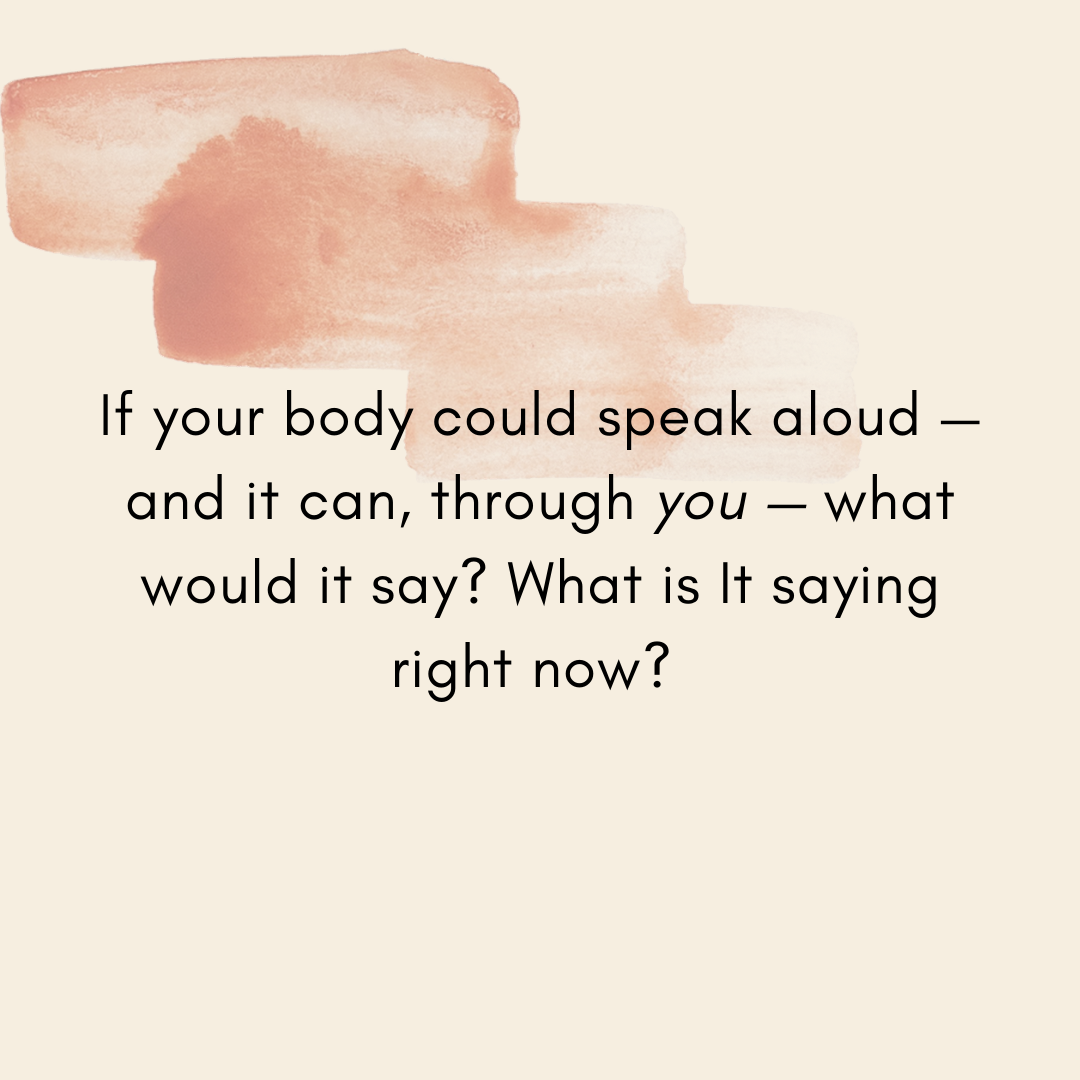
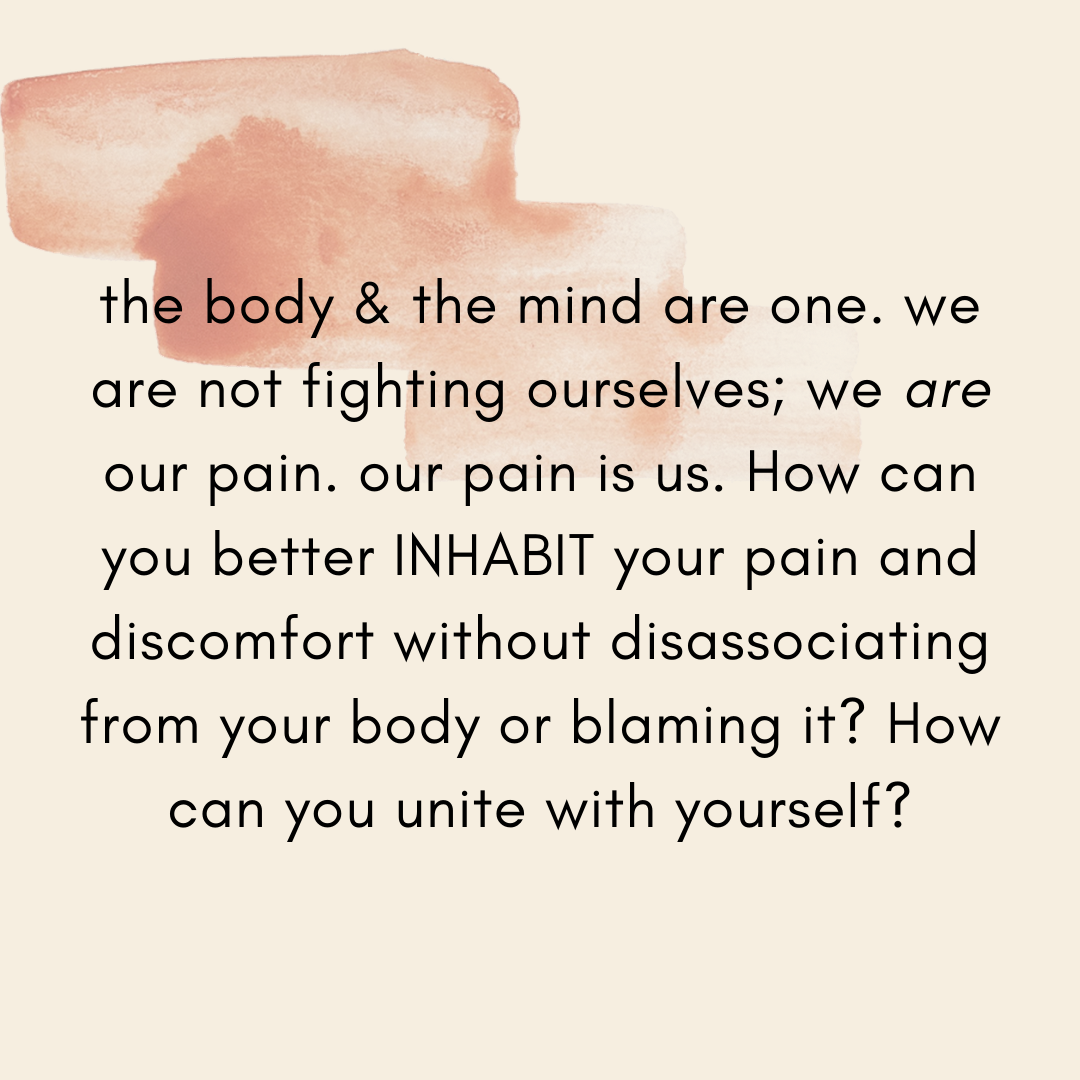
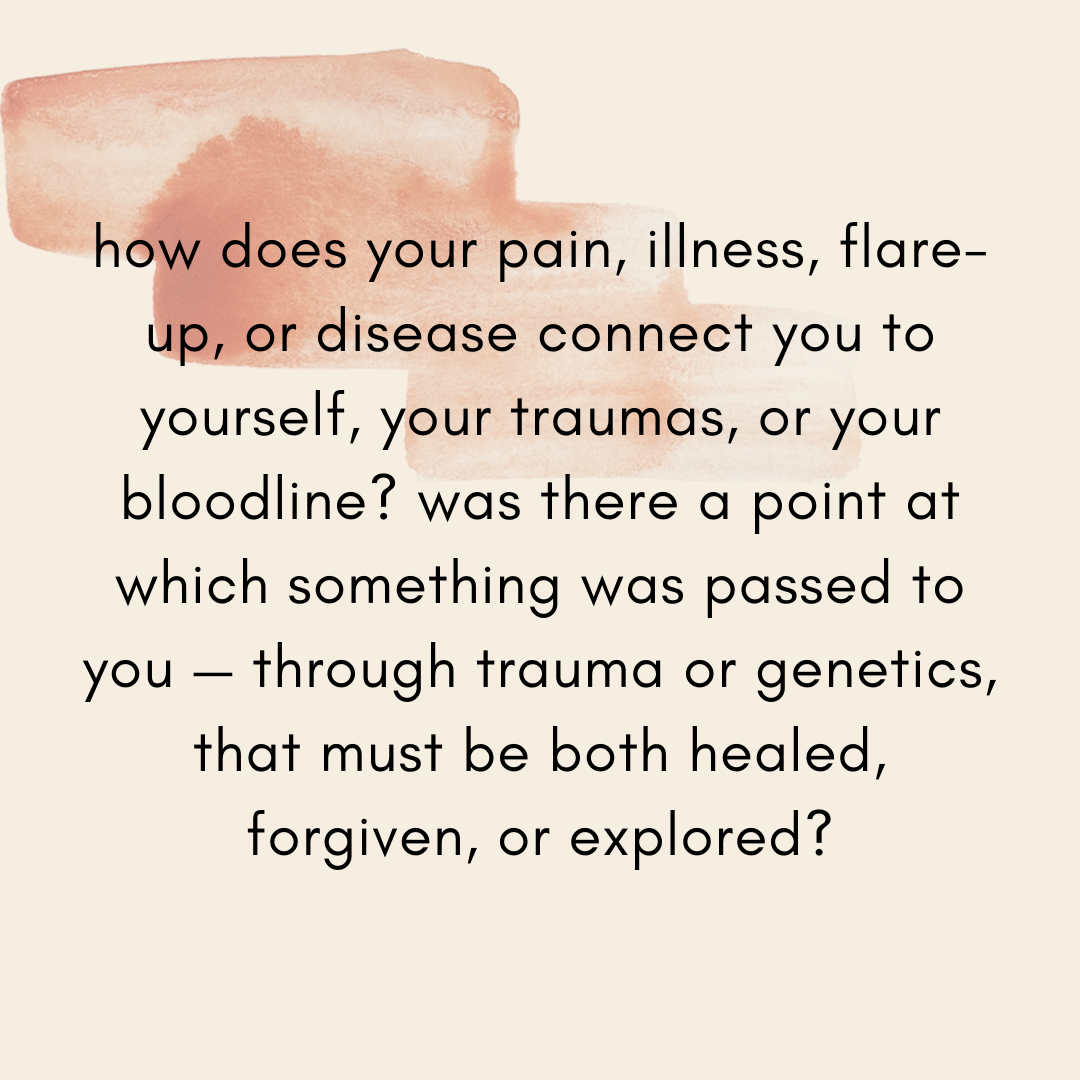
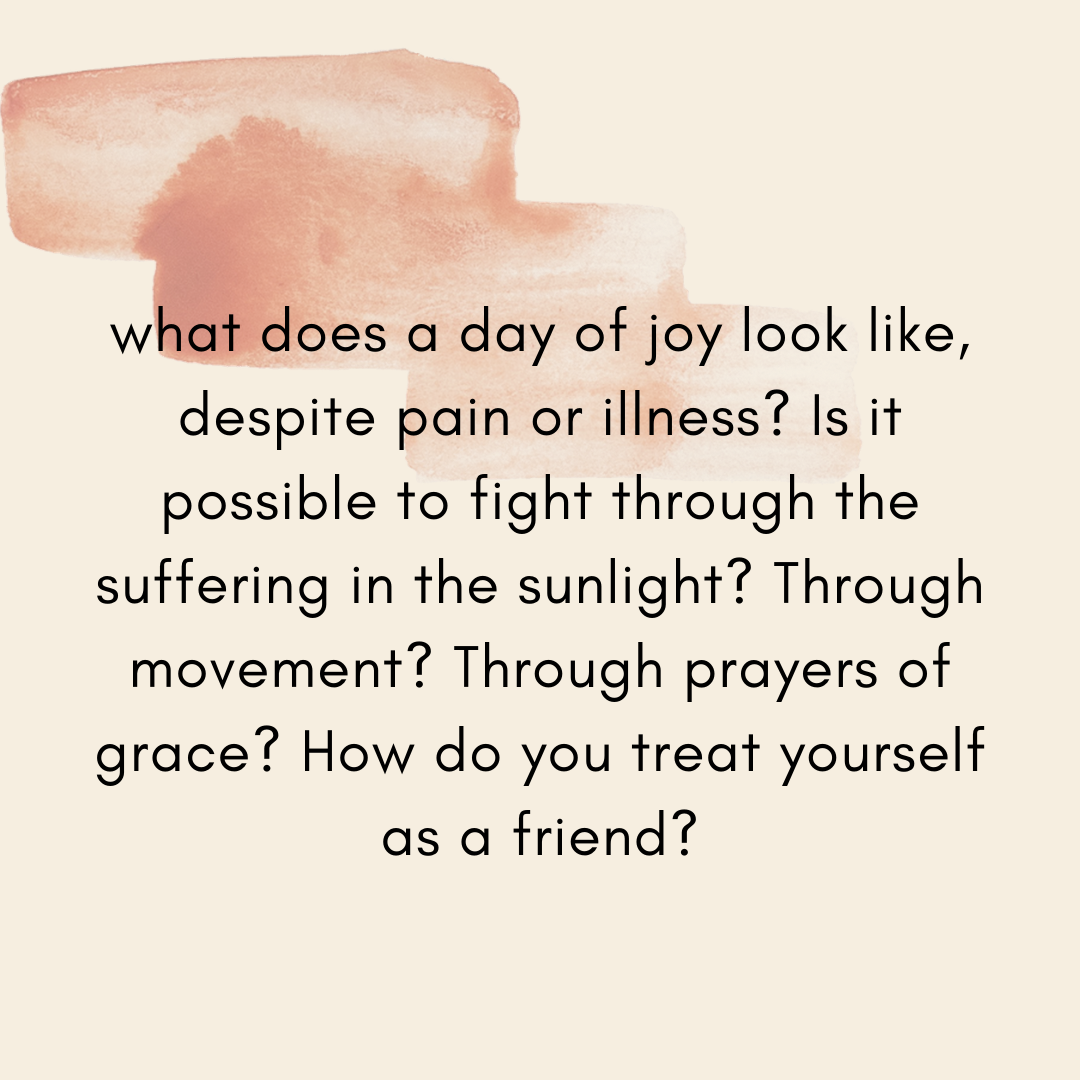
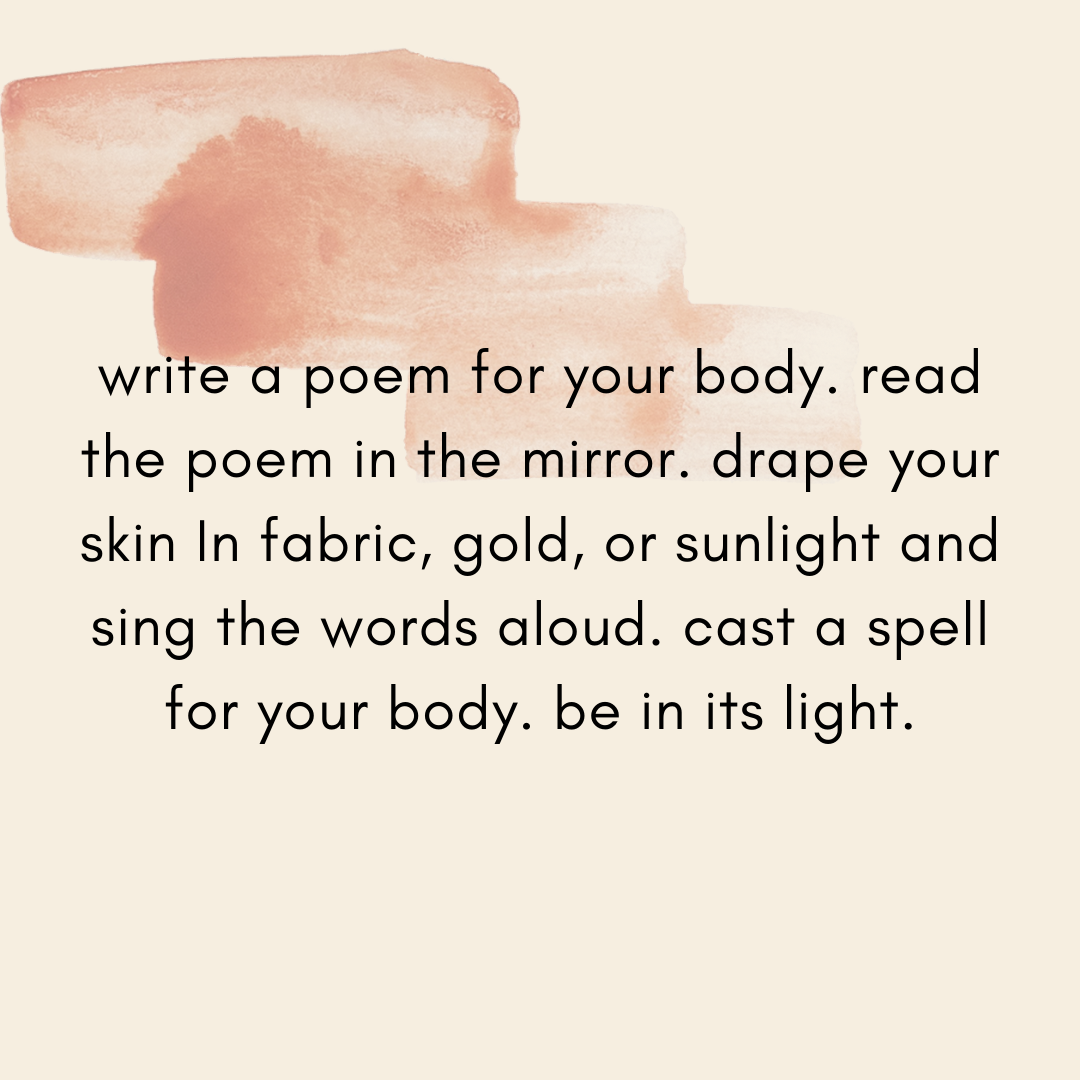
Journaling The Body: Prompts for Chronic Illness
BY LISA MARIE BASILE
I live with #ankylosingspondylitis, so I live with daily pain and immobility. I’m also a patient advocate, so I realize how much of an emotional toll managing chronic illness — including dynamic disabilities, inflammatory diseases, or mental health issues — can take. Here are some of the journal prompts based I’ve been using in my journaling practice. I want you to know that you’re not alone.
There are SO many studies in clinical journals proving the beneficial psychological and even physiological effects of expressive writing. I’ve known writing has the capacity to change us since…forever, but science does offer some explanation. Our bodies change when we make space for our feelings.
When we hold our feelings in, it can devastate our bodies (cortisol build-up, for one, is a real issue) and our psyches. It is especially isolating to live with a chronic illness; suffering day to day without people truly understanding can take a toll on you. This can cause greater anxiety and stress which cyclically leads back into pain and worsening health. Your journal is a place for your truth. Take advantage of it. Let the shadows out and embrace joy, as well. It is not a solution nor a cure, but it is its own type of medicine.
Think of writing as one powerful tool in your self-care arsenal. It’s not a quick fix. It’s not a miracle — but it holds a mirror up to who we are, and can help us find autonomy in the experience. Follow my transformative writing page at RITUAL POETICA.

Trans Polemics
C. Bain is a gender-liminal multi- and inter-disciplinary artist based in Brooklyn, New York. Bain’s book of poetry Debridement (Great Weather for Media) was a finalist for the 2016 Publishing Triangle Awards. His writing appears in journals and anthologies including PANK, theRumpus.net, BOOTH, Muzzle Magazine, BOAAT, them. and the Everyman's Library collection Villanelles. He has a long history in poetry slam, and has shared stages with Jim Carroll, Patricia Smith, Dorothy Allison, and Saul Williams.
Read More
Photo: Joanna C. Valente
The Queering of Time and Bodies through AI
Joanna C. Valente is a human who lives in Brooklyn, New York. They are the author of several collections, including Marys of the Sea, #Survivor, (2020, The Operating System), Killer Bob: A Love Story (2021, Vegetarian Alcoholic Press), and is the editor of A Shadow Map: Writing by Survivors of Sexual Assault. Joanna is the founder of Yes Poetry and the senior managing editor for Luna Luna Magazine. Some of their writing has appeared in The Rumpus, Them, Brooklyn Magazine, BUST, and elsewhere. joannavalente.com / Twitter: @joannasaid / IG: joannacvalente / FB: joannacvalente
Read More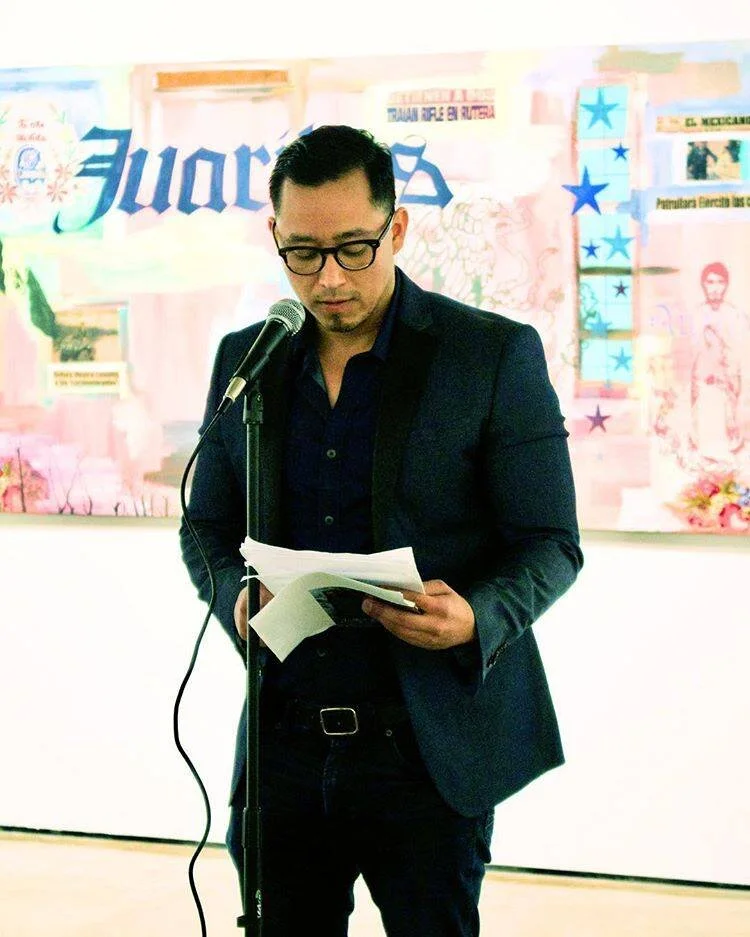
Image via Octavio Quintanilla
' Frontera and Texto ' : An Interview with Writer Octavio Quintanilla
…Frontextos has become ritual, meditation, prayer. Action is the mantra.
Read More
What if the earth is asking us to be still?
BY LISA MARIE BASILE
Tune in with me.
I think about the people who will populate our future, and I ask the sky what they will see, what they will be told — through our actions and words and hunger. Will we become their ancient gods, whose lessons are bleak and hellish? Will they see how hard many of us tried and how we hoped?
Will our mythos be of hyper-consumerism, racism, lovers who are not allowed to love, bodies put into categories, plastic, the poisoned fruit, the unbearable dullness of constant performance, the addiction to the avatar, the plutocracy, the oceans crying into themselves, the sound of the air cracking against the ozone? Will all of our wounds still be present?
When I think of the people of the ancient worlds — and their gods and their cultures and their arts — I wonder what they would have wanted us to know?
Did they hope to impart a message of beauty, art, and nature? Of storytelling and culture?
Did they think we would destroy one another and the earth they danced upon in worship?
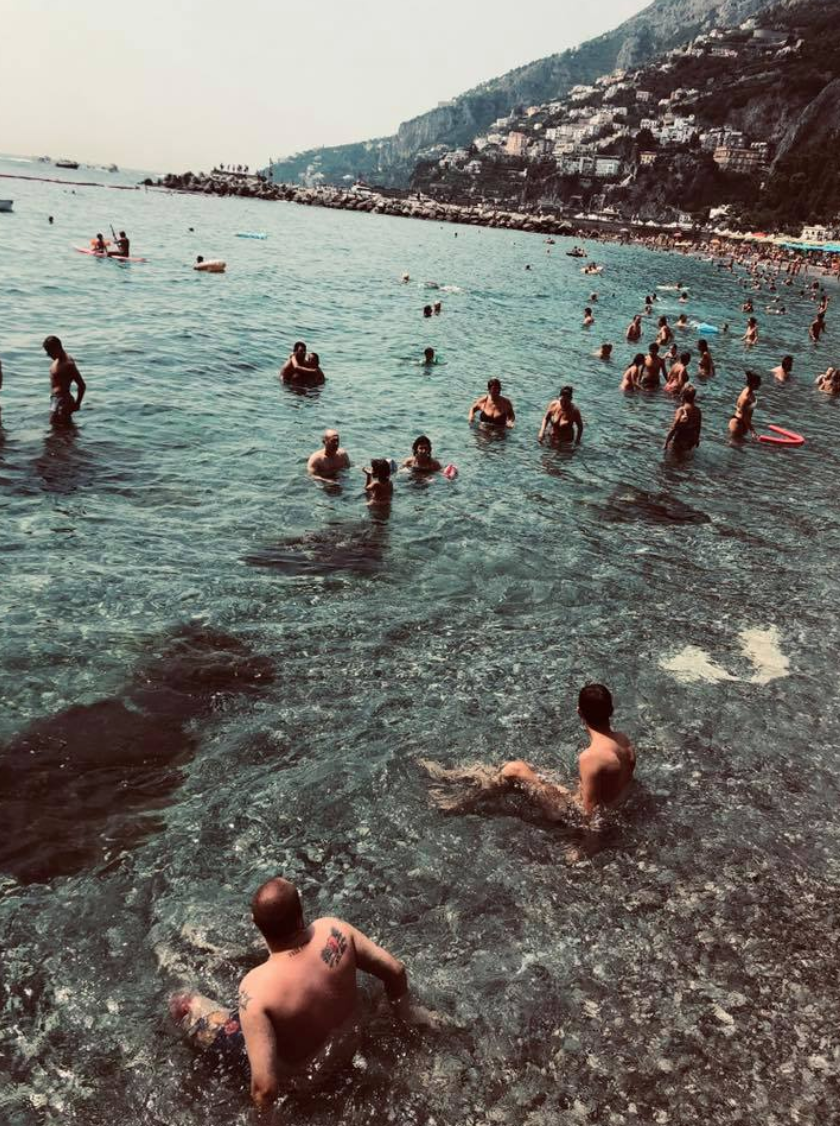
What happens to everything when we sit in the sea? Do we become a primal beautiful thing?
There is a presence that is being asked of us. Do we hear its sound? Are we the people who tolerate abuse? Are we the zombies of decadence, the digital void that consumes and hungers through screens? What if we were embodied for a day? Would we hear the great chambers of our heart, and the hearts of strangers, and the vines and sea beings we came from?
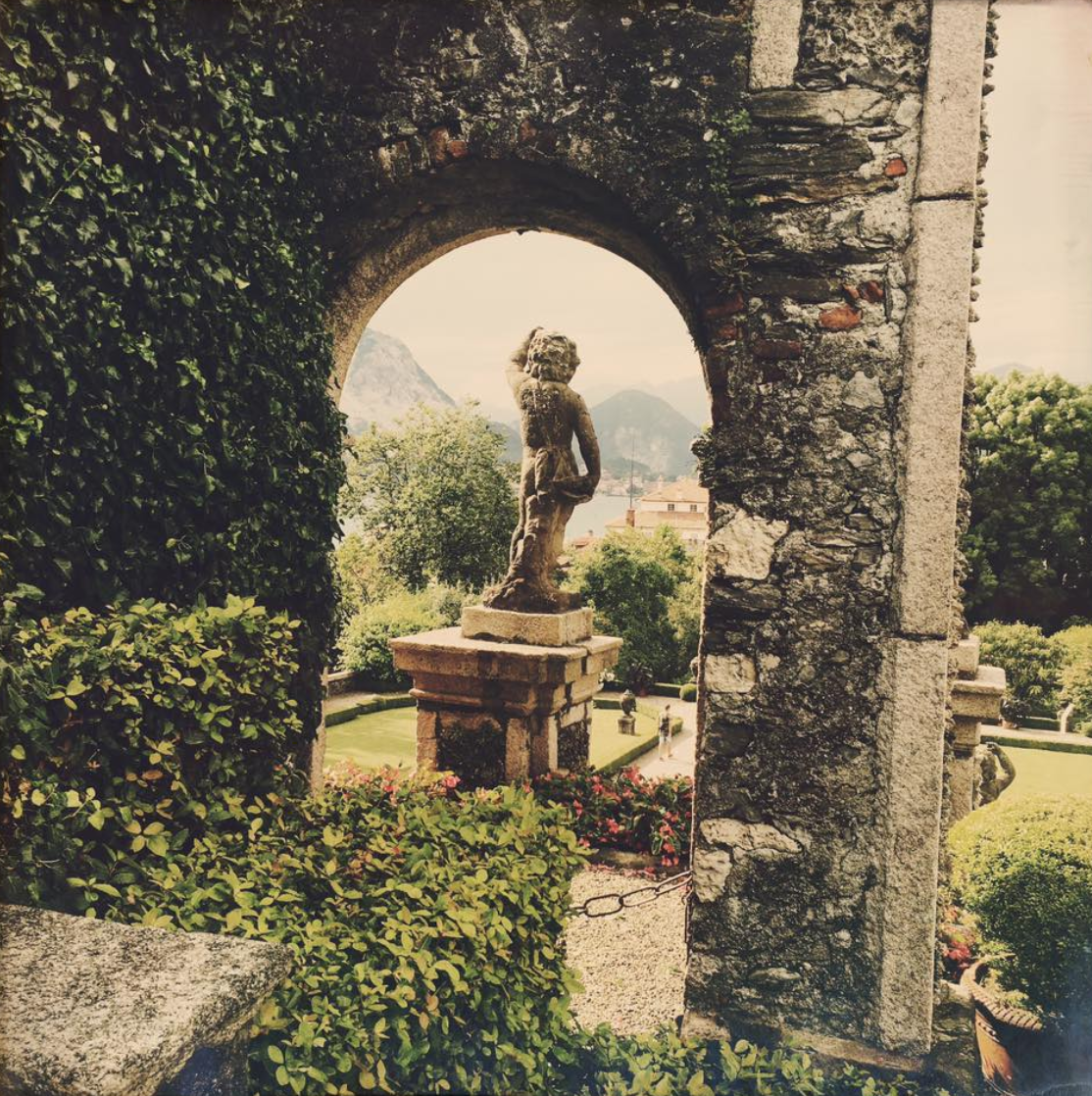
There is a constant scrolling and feeding. And it’s because we are hurting. We are disconnected. We are oppressed. We are poor. We are sick. We are not seen by society. We feel lonely, a loneliness perpetuated by hyper-connection.
How else do we live without turning to the void, which provides us beautiful and loud things to buy and be and shape ourselves into?
How do we live without abusing our neighbor, without stomping on their chest?
What if we could remember ourselves? How miraculous we are? Would we remember to be generous, to heal, to say hello? What would it look like if we all stopped pushing for a moment? What if we let the wind move us?

Positano
I feel sometimes I am a ghost. Liminal, floating through the world, eating the world around me — media and fashion and ideas that are not my own, not aligned with my values or my traumas or my soul.
I am out of time with my own soul. I am in 2020, but my heart is in the ocean eternal. I want wind and shorelines. I want fairness and justice. I want to experience beauty without the billboards looming. I want to read a book in the sunlight, and see my neighbor have the same opportunity.
But my neighbors — and your neighbors — are dying, are being murdered, and our ecosystems are gasping in our wake.
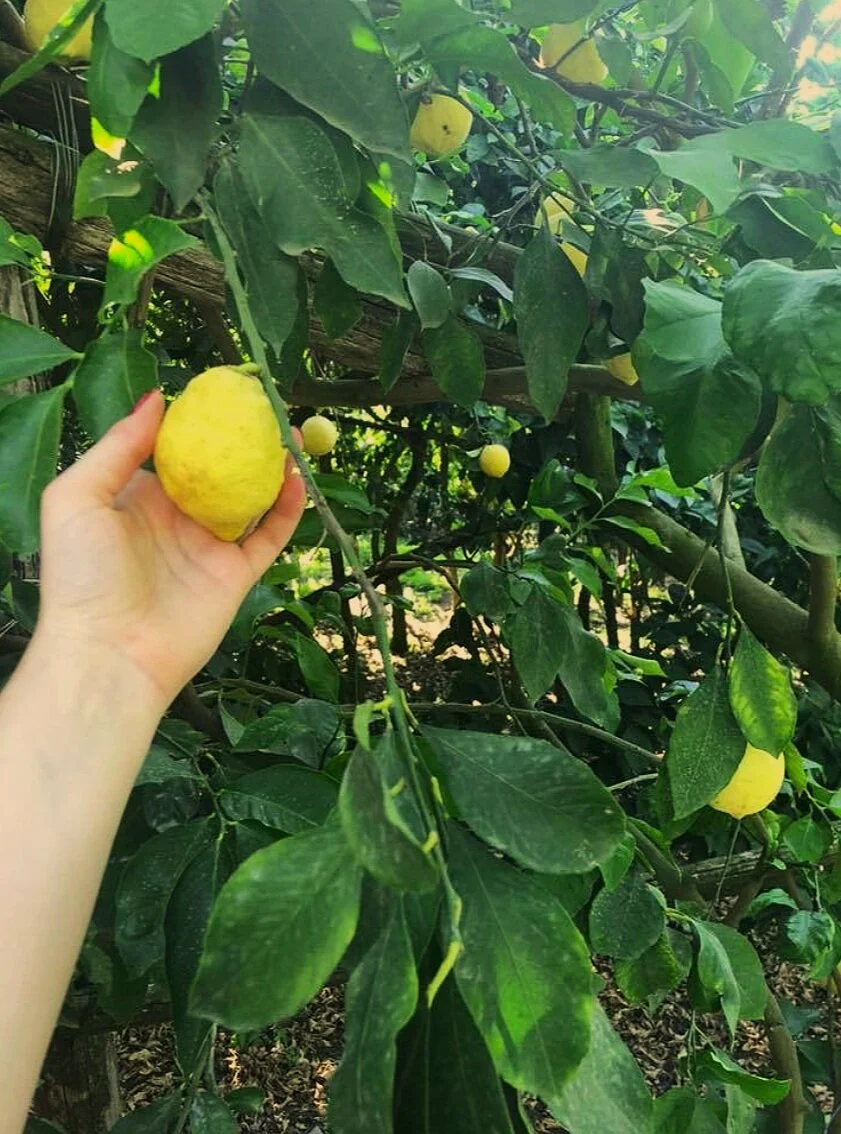
La Masseria Farm Experience
There are days that are so beautiful, so soft and real, that I have hope. These are holy days.
In Campania Italy, I have a holy day. I sit in a small stone pool. I think of the drive through the mountains from Napoli, where Pompeii stands, its breath held, looming over its land. How it preserved the stories of its people. I think always of what is preserved, what is lost.
But in the little pool, I am alone. The bed and breakfast is quiet. Tourists are out at Capri or Amalfi, the staff are napping during siesta, making pesto, somewhere else paying bills, talking on phones. I hear the hum of a generator, street dogs barking, the starlings that fly over me back and forth, definitely flirting.
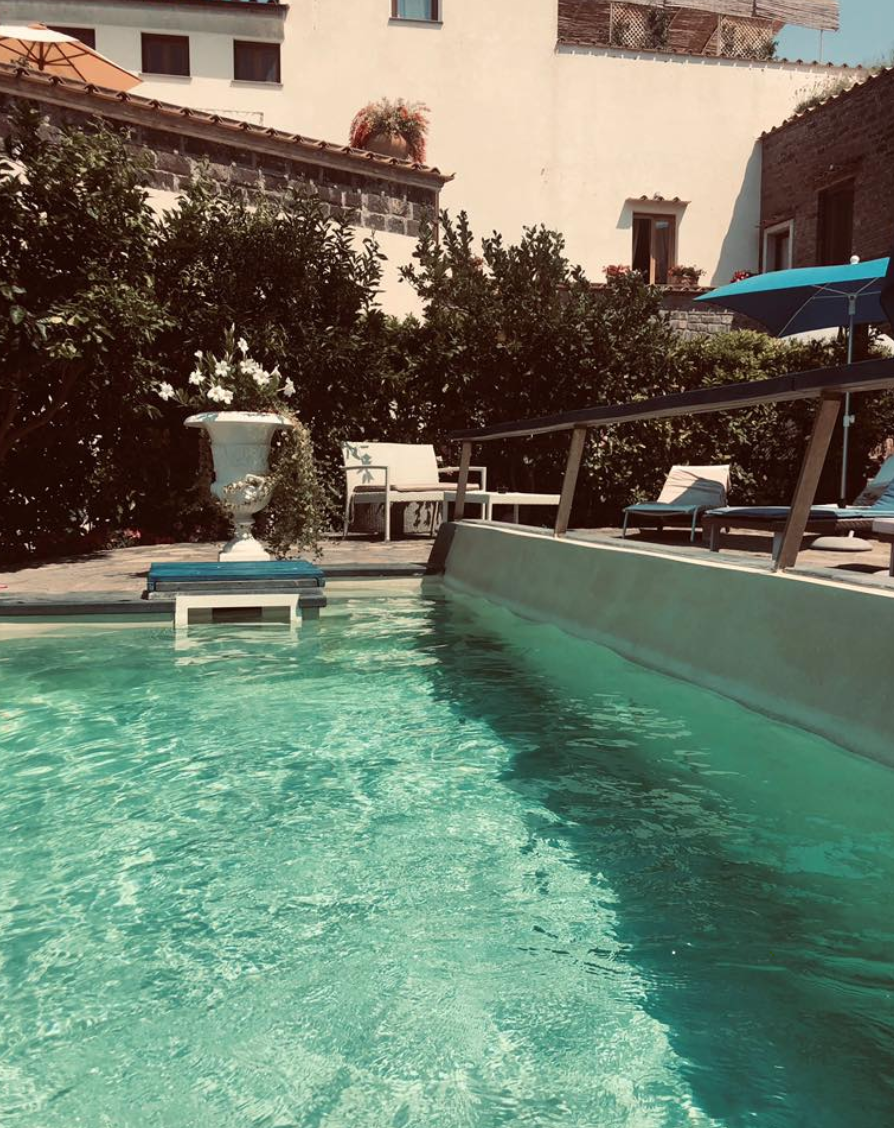
I whistle and they zip over my head. We are in conversation, I know it. The earth wants me to know it sees me, wants me to see it. I am here and nowhere else. I am completely alive. I am made for this moment; we all are.
And after the late dinners of fried fish, I walk back to my room, alone. I am greeted again by the tiny birds who flutter in and out of the domed entrance, cherubs painted across the ceiling. I think of time and nature, and its concurrent obliviousness and suffering. I think of my privilege, and what I can do to preserve these stunning things.
I think of my body withstanding 100-degree heat. How I talk to the creatures in some liminal language of love. I think of how we could all be good to one another, so good that we could all have holy days.
I think of my flesh as the wine of this land. I feel the Mediterranean and the Tyrrhenian Seas in the palms of my hands. I am so alive and grateful and awake at the altar of these moments I cry for the nostalgia that hasn’t come yet, that I know I will feel. That I do feel. I am both past and present. But mostly, I am now.
I walk up the road to a farm and am greeted by a family whose hands have nurtured and translated the earth for centuries. They climb the trees, show us the olives falling. We see the farm cats idle in their sunlight, their fur dotted in soil. They are languid in pleasure and warmth.
I lose myself in the lemon trees, smell their peels; I am blessed. I step into the cool room where they keep the jugs of Montepulciano and cured meats. A cry in ecstasy is somewhere within me.
After a long day of pasta made by hand and more wine and strangers inviting me to their table and then limoncello, I walk home to my room. I am drunk on the connection. I film the walk, then stop. I do not want to capture everything; some things just exist between me and the earth. I won’t share.
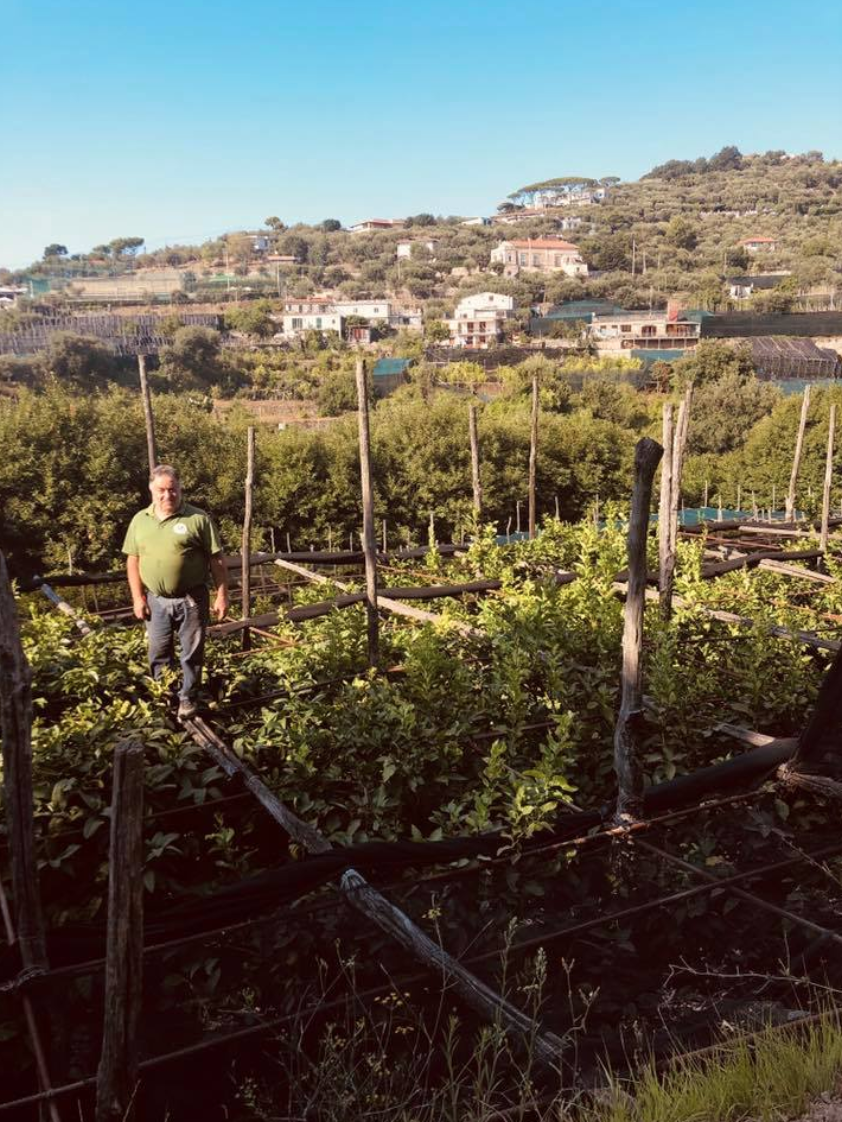
La Masseria Farm Experience
My room is called Parthenope. It is etched into the wooden door. When I open the door, that is the threshold, the portal. Parthenope is a siren who lives on the coast of Naples. I imagine her body clinging to the continental shelf, her hair entwined in shell. They say she threw herself into the sea when she couldn’t please Odysseus with her siren song. Or maybe a centaur fell in love with Parthenope, only to enrage Jupiter, who turned her into Naples. The centaur became Vesuvius, and now they are forever linked — by both love and rage. Is that not humanity?
She became Naples. She became forever. Her essence is water, is earth, is the mythology of what happens when people are cruel and jealous and oppressive. Is this the message the sirens are singing? To be tolerant? To normalize cruelty? To fill the void with empty media, with images without stories?
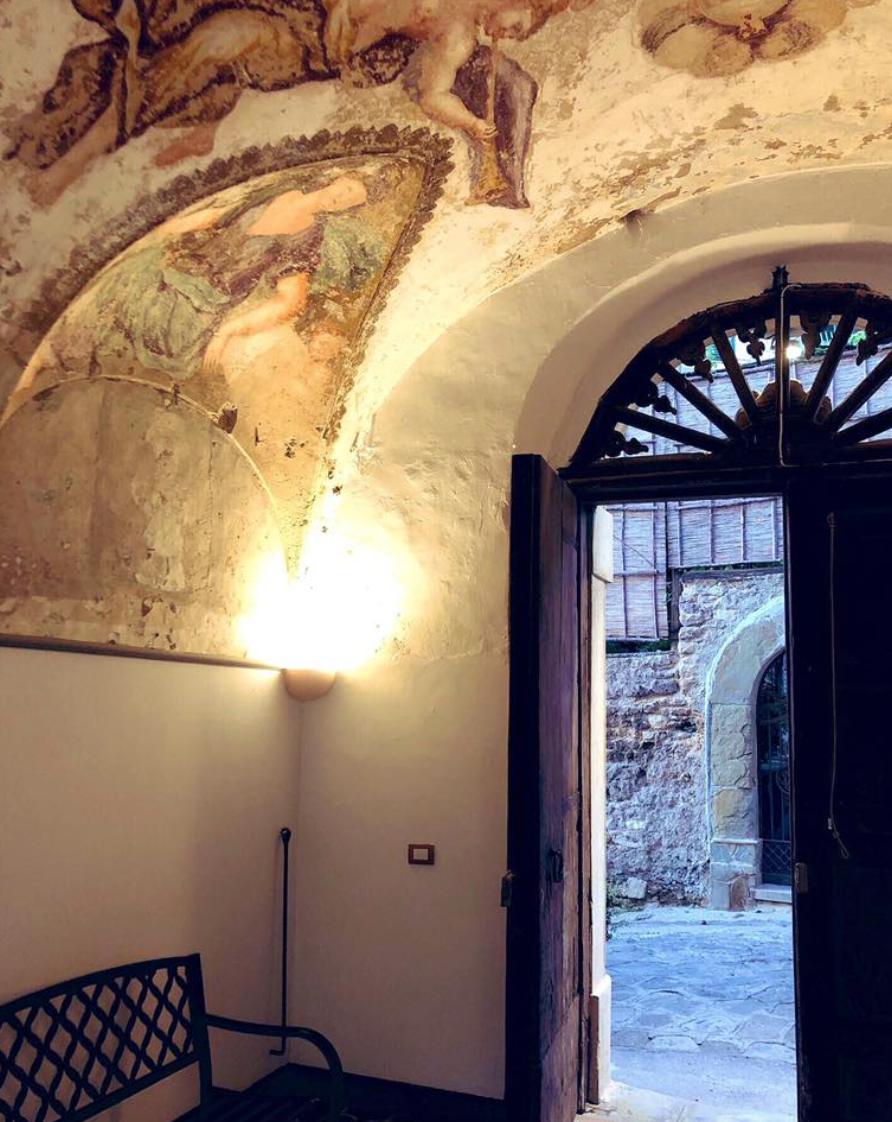
Lubra Casa
There is always something that could destroy us, could rid us of this existence. A virus, a volcano, our own hands.
We are temporary, so quick and light and flimsy. We are but a stitch of fabric. A dream within a dream of that fabric. And yet. Here we are, becoming the ancients, carving out a way toward the future. We visit volcanos. We mythologize the earth. We drink wine and capture beauty. But then we turn our backs — on the proverbial garden, on one another, on our own bodies.
What if the earth is asking us to be better? To be still? What pose would we hold? What shape could let all the light in?
LISA MARIE BASILE is the founding creative director of Luna Luna Magazine, a popular magazine & digital community focused on literature, magical living, and identity. She is the author of several books of poetry, as well as Light Magic for Dark Times, a modern collection of inspired rituals and daily practices, as well as The Magical Writing Grimoire: Use the Word as Your Wand for Magic, Manifestation & Ritual. She's written for or been featured in The New York Times, Refinery 29, Self, Chakrubs, Marie Claire, Narratively, Catapult, Sabat Magazine, Bust, HelloGiggles, Best American Experimental Writing, Best American Poetry, Grimoire Magazine, and more. She's an editor at the poetry site Little Infinite as well as the co-host of Astrolushes, a podcast that conversationally explores astrology, ritual, pop culture, and literature. Lisa Marie has taught writing and ritual workshops at HausWitch in Salem, MA, Manhattanville College, and Pace University. She is also a chronic illness advocate, keeping columns at several chronic illness patient websites. She earned a Masters's degree in Writing from The New School and studied literature and psychology as an undergraduate at Pace University. You can follow her at @lisamariebasile and @Ritual_Poetica.