• Home
  • indulge
  • new poetry
    • About Luna Luna
    • resources
    • search
  • editor
  • dark hour
  • submit
Menu

luna luna magazine

  • Home
  • indulge
  • new poetry
  • About
    • About Luna Luna
    • resources
    • search
  • editor
  • dark hour
  • submit
delicious new poetry
'the doors of the night open' — poetry by Juan Armando Rojas (translated by Paula J. Lambert)
Nov 29, 2025
'the doors of the night open' — poetry by Juan Armando Rojas (translated by Paula J. Lambert)
Nov 29, 2025
Nov 29, 2025
'we can be forlorn women' — poetry by Stevie Belchak
Nov 29, 2025
'we can be forlorn women' — poetry by Stevie Belchak
Nov 29, 2025
Nov 29, 2025
'I do whatever the light tells me to' — poetry by Catherine Bai
Nov 29, 2025
'I do whatever the light tells me to' — poetry by Catherine Bai
Nov 29, 2025
Nov 29, 2025
‘to kill bodice and give sacrament’ — poetry By Kale Hensley
Nov 29, 2025
‘to kill bodice and give sacrament’ — poetry By Kale Hensley
Nov 29, 2025
Nov 29, 2025
'Venetian draped in goatskin' — poetry by Natalie Mariko
Nov 29, 2025
'Venetian draped in goatskin' — poetry by Natalie Mariko
Nov 29, 2025
Nov 29, 2025
'the long sorrow of the color red' — centos by Patrice Boyer Claeys
Nov 28, 2025
'the long sorrow of the color red' — centos by Patrice Boyer Claeys
Nov 28, 2025
Nov 28, 2025
'Flowers are the offspring of longing' — poetry by Ellen Kombiyil
Nov 28, 2025
'Flowers are the offspring of longing' — poetry by Ellen Kombiyil
Nov 28, 2025
Nov 28, 2025
'punish or repent' — poetry by Chris McCreary
Nov 28, 2025
'punish or repent' — poetry by Chris McCreary
Nov 28, 2025
Nov 28, 2025
'long, dangerous grasses' — poetry by Jessica Purdy
Nov 28, 2025
'long, dangerous grasses' — poetry by Jessica Purdy
Nov 28, 2025
Nov 28, 2025
'gifting nighttime honey' — poetry by Nathan Hassall
Nov 28, 2025
'gifting nighttime honey' — poetry by Nathan Hassall
Nov 28, 2025
Nov 28, 2025
'A theory of pauses' — poetry by Jeanne Morel and Anthony Warnke
Nov 28, 2025
'A theory of pauses' — poetry by Jeanne Morel and Anthony Warnke
Nov 28, 2025
Nov 28, 2025
'into the voluminous abyss' — poetry by D.J. Huppatz
Nov 28, 2025
'into the voluminous abyss' — poetry by D.J. Huppatz
Nov 28, 2025
Nov 28, 2025
'an animal within an animal' — a poem by Carolee Bennett
Nov 28, 2025
'an animal within an animal' — a poem by Carolee Bennett
Nov 28, 2025
Nov 28, 2025
‘in the glitter-open black' — poetry by Fox Henry Frazier
Oct 31, 2025
‘in the glitter-open black' — poetry by Fox Henry Frazier
Oct 31, 2025
Oct 31, 2025
'poet as tarantula,  poem as waste' — poetry by  Ewen Glass
Oct 31, 2025
'poet as tarantula, poem as waste' — poetry by Ewen Glass
Oct 31, 2025
Oct 31, 2025
'my god wearing a body' — poetry by Tom Nutting
Oct 31, 2025
'my god wearing a body' — poetry by Tom Nutting
Oct 31, 2025
Oct 31, 2025
'Hours rot away in regalia' — poetry by Stephanie Chang
Oct 31, 2025
'Hours rot away in regalia' — poetry by Stephanie Chang
Oct 31, 2025
Oct 31, 2025
'down down down the hall of mirrors' — poetry by Ronnie K. Stephens
Oct 31, 2025
'down down down the hall of mirrors' — poetry by Ronnie K. Stephens
Oct 31, 2025
Oct 31, 2025
'Grew appendages, clawed towards light' — poetry by Lucie Brooks
Oct 31, 2025
'Grew appendages, clawed towards light' — poetry by Lucie Brooks
Oct 31, 2025
Oct 31, 2025
'do not be afraid' — poetry by Maia Decker
Oct 31, 2025
'do not be afraid' — poetry by Maia Decker
Oct 31, 2025
Oct 31, 2025
'The darkened bedroom' — poetry by Jessica Purdy
Oct 31, 2025
'The darkened bedroom' — poetry by Jessica Purdy
Oct 31, 2025
Oct 31, 2025
'I am the body that I am under' — poetry by Jennifer MacBain-Stephens
Oct 31, 2025
'I am the body that I am under' — poetry by Jennifer MacBain-Stephens
Oct 31, 2025
Oct 31, 2025
goddess energy.jpg
Oct 26, 2025
'Hotter than gluttony' — poetry by Anne-Adele Wight
Oct 26, 2025
Oct 26, 2025
'As though from Babel' — poetry by Fox Henry Frazier
Oct 26, 2025
'As though from Babel' — poetry by Fox Henry Frazier
Oct 26, 2025
Oct 26, 2025
'See my wants' — poetry by Aaliyah Anderson
Oct 26, 2025
'See my wants' — poetry by Aaliyah Anderson
Oct 26, 2025
Oct 26, 2025
'black viper dangling a golden fruit' — poetry by Nova Glyn
Oct 26, 2025
'black viper dangling a golden fruit' — poetry by Nova Glyn
Oct 26, 2025
Oct 26, 2025
'It would be unfair to touch you' — poetry by grace (ge) gilbert
Oct 26, 2025
'It would be unfair to touch you' — poetry by grace (ge) gilbert
Oct 26, 2025
Oct 26, 2025
'Praying in retrograde' — poetry by Courtney Leigh
Oct 26, 2025
'Praying in retrograde' — poetry by Courtney Leigh
Oct 26, 2025
Oct 26, 2025
'To not want is death' — poetry by Letitia Trent
Oct 26, 2025
'To not want is death' — poetry by Letitia Trent
Oct 26, 2025
Oct 26, 2025
'Our wildness the eternal now' — poetry by Hannah Levy
Oct 26, 2025
'Our wildness the eternal now' — poetry by Hannah Levy
Oct 26, 2025
Oct 26, 2025

Editor's note: Dagger the cruelty; September poetry

October 1, 2025

editor’s note

Here we are saying goodnight to summer, in those last dregs of September, these first murmurs of October.

The high, holy season of shadow is nigh. As we find ourselves retreating & sifting through the rooms of the self, we may come up against the ghouls of night: anxiety, disquiet, seasonal mood shifts, loneliness, world-grief, self-grief, eco-grief.

This is the season for it. The juicy wildness of summer is dead. Now we sit with ourselves. Tend ourselves. We sit with one another at this table of words. We dagger the cruelty of this world with our poetry.

Lastly, we wanted to extend our deepest condolences to the family, friends, and community of the late Jennifer Martelli—our contributor in this issue (and in the past). Jennifer’s kindness, luminousness, talent, and devotion to community will be so missed.

May her words live on in this realm and in the eternal.

Riposa in pace, cara Jennifer.

september’s poets (AND A BOOK REVIEW):

‘the howling dark and bright’ — poetry by ire’ne lara silva

'in this in-between time' — poetry by Mira Mason-Reader

'Guernica and grief in the image' — poetry by Sal Randolph

'the tidal pull of night' — poetry by Jane Lewty

'this blood I libate' — poetry by Miriam Navarro Prieto

‘the hour of my deathspell’ — poetry by Shari Caplan

'we could be orchards' — poetry by Disha Trivedi

'This tentacled blue' — poetry by Jennifer Martelli

'the dark towards her' — poetry by Jordan E. Franklin

'I was aftermath' — poetry by Corey Mesler

'violence of a European summer' — poetry by Tess Congo

'the bottom of a black sea' — poetry by Makeda K. Braithwaite

Kelly Gray’s Dilapitatia — reviewed by Miranda Dennis

—Lisa Marie Basile


Lisa Marie Basile is an author, poet, and editor based in Jersey City, NJ and NYC. She is the author of a few books of poetry, including SAINT OF (White Stag Publishing, 2025), Nympholespy (Inside the Castle, 2019, which was a finalist in the 2017 Tarpaulin Sky Book Awards selected by Bhanu Kapil), Apocryphal (Noctuary Press, 2014), and Andalucia (The Poetry Society of New York, 2012). She’s also written non-fiction, including Light Magic for Dark Times. She holds an MFA from The New School in NYC and is the founding editor of Luna Luna Magazine.

Her essays, interviews, poetry, and other works can be found in The New York Times, Catapult, Narratively, Tinderbox Poetry, Lover’s Eye Press, Tin House, Best American Poetry, Sporklet (edited by Richard Siken), Best Small Fictions (selected by Pulitzer Prize-winning writer Robert Olen Butler), and Best American Experimental Writing 2020 (selected by Carmen Maria Machado and Joyelle McSweeney).

Read SAINT OF.
In Editor's Note Tags Lisa Marie Basile, Editor's note
Comment

Credit

Editor's Note: We are resurrected & august poetry

August 25, 2025

editor’s note

O, what a summer it has been. A summer of resurrection. After three years, Luna Luna is back, right at this threshold season between the gushing fruits of summer and the menacing night.

I couldn’t start publishing again without being open about why and what and how, though: Over the past few years of goneness, I sincerely tinkered with the thought of bringing Luna Luna back from the underworld—but the truth was, I just wasn’t ready.

Life is tidal. Was tidal. Will be tidal again. Beautiful things (my wedding in Sicily, travels, my new book) and terrible things (the COVID landscape, I broke my back, family illness, chronic illness, a fire in our building) converged, and they all, as a bloodletting, asked things of me.

It was also just me. Burnout, malaise, a need for presence. Life.

I think literary editors ought to be able to discuss the challenges of running a literary magazine, because it’s not just reading and formatting poems. It’s a devotion. And the call comes from inside the house.

For all of us writers, it is an ongoing struggle to integrate creativity into the cacophonies of living. For me, this was certainly true, and it meant taking several years to reflect on what worked and what didn’t.

And so, as you see here, I have pared the site down and reshaped it—molded it into something new. Poetry is our key focus—a throughline from our earliest days over a decade ago.

Each month, you will see 11 poets published. Eventually, we’ll publish author interviews and poetry book reviews. But for now: One hymn. A single rose.

More so, it seems that every so often we are hit with new clamors of Poetry is dead! Snobs call for the Old Gods, critics slam the lyrical and abstract, and puffed-up institutions push the same sorts of voices.

All of this as the threat of human extinction looms, amidst a backdrop of fascism, genocide, starvation, ableism, AI theft, and soul-deadening algorithms.

And yet, we know. Good poetry glows from the margins, in the background. It takes long-exposure photographs. It reminds us of humanity. It documents and gives language to the unutterable. It is how we pray to the saints, how we dirty up our bodies, how we return to the earth. It is ecstatic and eternal, and it is alive. No think piece or institution or cynic is bigger or louder than the enduring and connective thread of language. Especially poetry. It fills the gap between what is and our yearnings.

Like many literary journals, we are here to balance the scales. We want to pour lusciousness into amphoras of blood. We want to resist the fragmentations of self by showing up whole in our beauty and transgressions. We are feasting.

Thank you for being here.

—Lisa Marie Basile


August 2025 poetry

'our gaze aqueous' — poems by Gioele Galea (translated by Abigail Ardelle Zammit)

'in dreams it’s your hands I see' — poetry by Kirun Kapur

'pulled from dark stars' — poetry by Devan Murphy

'disappear into the honeysuckle’s undying' — poetry by Marcus Myers

'a kind of devotion' — poetry by Elizabeth Sulis Kim

'light in my teeth' — poetry by Lisa Marie Oliver

'I felt like I was disappearing' — poetry by Amirah Al Wassif

'we dream up black horses' — poetry by Alyssandra Tobin

'an amalgam double-ravenous' — a poem by Mallie Holcomb

'something about becoming' — poetry by Isabelle Correa

'all these lives swell up' — poetry by Marie Nunez


Lisa Marie Basile is an author, poet, and editor based in Jersey City, NJ and NYC. She is the author of a few books of poetry, including SAINT OF (White Stag Publishing, 2025), Nympholespy (Inside the Castle, 2019, which was a finalist in the 2017 Tarpaulin Sky Book Awards selected by Bhanu Kapil), Apocryphal (Noctuary Press, 2014), and Andalucia (The Poetry Society of New York, 2012). She’s also written non-fiction, including Light Magic for Dark Times. She holds an MFA from The New School in NYC and is the founding editor of Luna Luna Magazine.

Her essays, interviews, poetry, and other works can be found in The New York Times, Catapult, Narratively, Tinderbox Poetry, Lover’s Eye Press, Tin House, Best American Poetry, Sporklet (edited by Richard Siken), Best Small Fictions (selected by Pulitzer Prize-winning writer Robert Olen Butler), and Best American Experimental Writing 2020 (selected by Carmen Maria Machado and Joyelle McSweeney).

Read SAINT OF.
Sign up for TENDER HAUNT, a four-week, generative poetry workshop. 

In Editor's Note Tags Editor's note, Lisa Marie Basile, editor's note
Comment
Joanna C. Valente

Joanna C. Valente

Survivor: An Interview With Joanna C. Valente

September 25, 2019

JOANNA C. VALENTE IN INTERVIEW WITH LISA MARIE BASILE

LISA MARIE BASILE: Let's talk about your #Survivor Book — it centers on survivors of all sorts, including survivors of body, gender, and physical trauma. It's deeply aligned with all of your work as a writer and, also, as a photographer — so, how, specifically, did this book come to fruition?

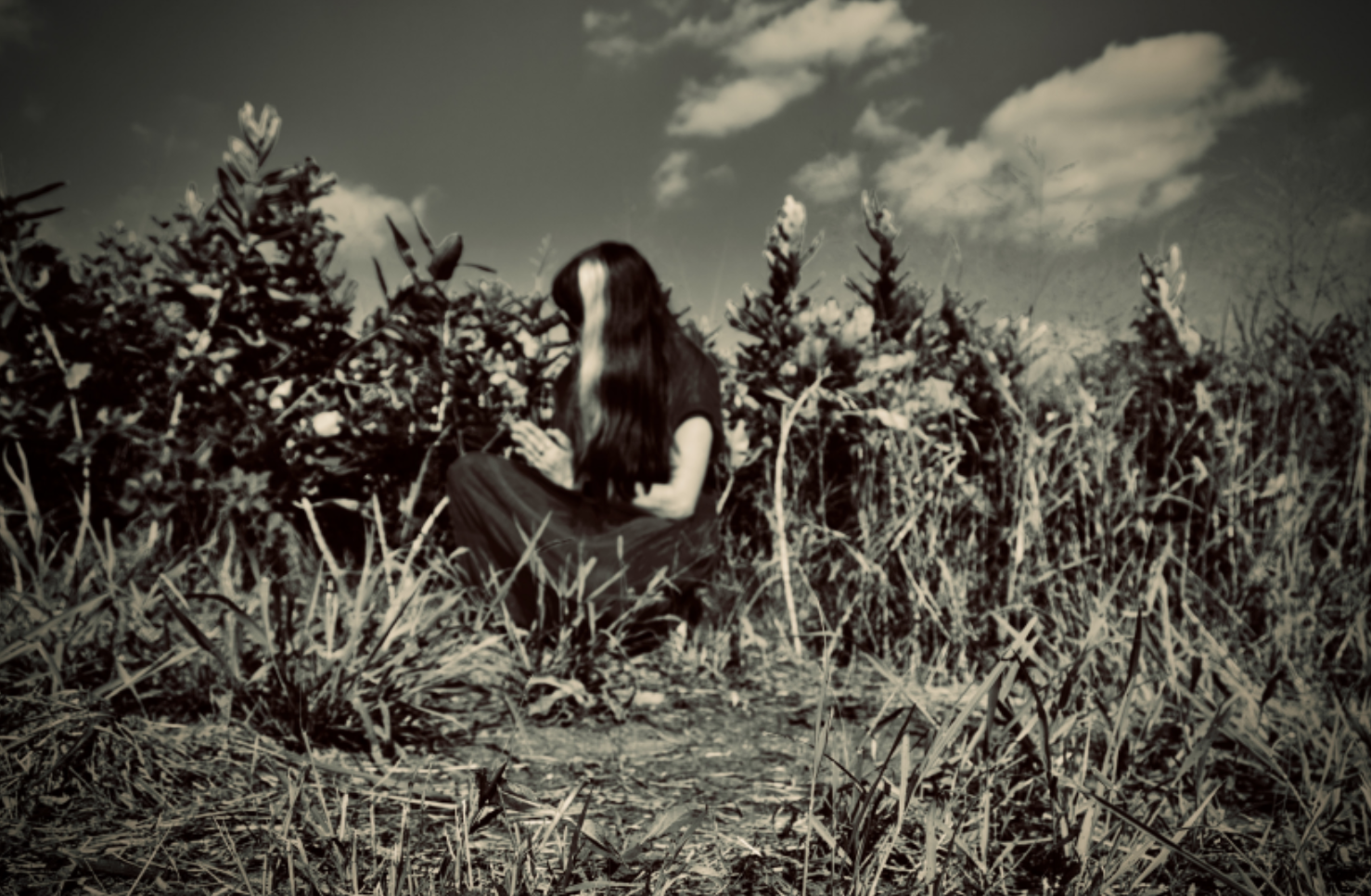
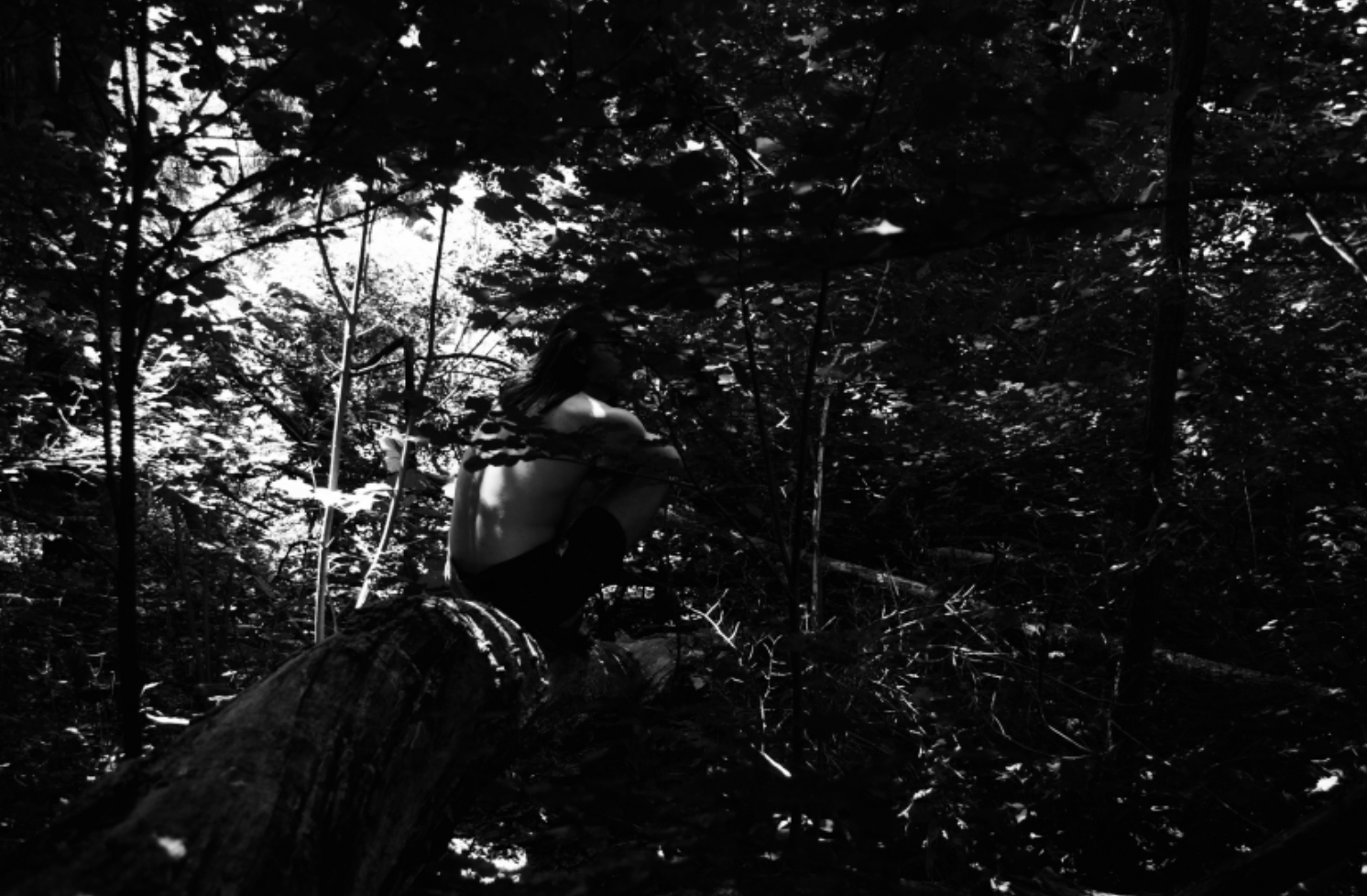
It was kind of an accident, to be honest. I was at a residency to work on writing (specifically, my novel Baby Girl and Other Ghosts) at Denniston Hill. On a whim, I brought my camera with me just to have a creative outlet other than writing so as not to burn myself out. I personally like to multitask with my creative projects, because it keeps everything fresh - and keeps me challenged. So, I ended up taking photos every day and began to focus on the energy around me and how that made me reflect on my own body and my own energy. How do those things merge, outside and internal energies? As a witch and tarot reader, I have always been preoccupied by these themes and thoughts, particularly when it comes to healing. A lot of dialogue around and within the survivor community doesn't always focus on healing itself, and often focuses on how it happens, what it looks like. Those are, of course, necessary parts of the process for us to understand.

But my focus is more on the individual and the individual's path to healing and fulfillment. As I took photos of the landscape, I thought about how we have abused that land, how that land soaks up energy from the people who have inhabited it. I sought to do the same with the body, so I began to use myself as a muse, largely focusing on empowering myself as a survivor, while also just trying to capture myself as a survivor in the moment, vulnerable and as I am - without crafting too ornate of a photoshoot that makes it something else entirely. For me, the key element to the project is its authenticity and truthfulness to the land and the body.

Joanna C. Valente

Joanna C. Valente

LISA MARIE BASILE: How did you decide to pivot from poetry to photography in this specific text? Also, cnn you talk a little more about the photos you took of yourself? Was this a move toward autonomy?

In this case, I didn't want the editorial gaze and editorialization of poetry, of language. Language is a beautiful spell, a kind of magic - but I wanted to focus on capturing something as it is, in its vulnerability and true form, rather than channeling the energy into something else entirely. In this way, however, the autonomy becomes center to it in a way that it doesn't with writing. Writing, of course, is completely controlled by its author, but a photo is an interesting, intimate collaboration between the artist and its subject, whether human or nature. In some way, it is me giving away control and autonomy to another being, and building trust, but it's also a way to gain empowering autonomy within the very choice of that relationship, and being autonomous in steering the shoot and the artistic direction.

There are captions to the photos, which does bring an element of language to the photos, to give them some context. This context, however, gives to the healing process and gives meaning to that journey. However, it doesn't give context to each survivor's journey, because those details are irrelevant. We are all survivors, and our details don't need to isolate us - however, our being and vulnerability and experience can connect us in ways that are magical. That energy is real and palpable, and we can use it for good. In a way, this book is one big healing spell, hoisting all of this energy in a hopefully positive way for people.

LISA MARIE BASILE: The idea of including an accompanying digital photo series outside of the book is lovely. It gives lots of people a chance to take part. What do you hope the overall message is, and how do you want to change the way we talk about survival and allyship?

I want to make it move beyond gender and sexuality, and those stereotypes and concepts in our head. When we talk about pain, trauma, and struggle, we often talk about it especially in those terms, which are very isolating to the queer communities. If someone, for instance, identifies as nonbinary, where do they fit into that equation? Most times, the conversation tends to focus on certain demographics and I don't think that is always the most helpful approach. I've had countless people tell me how they thought they couldn't tell anyone of their experiences, because they wouldn't be taken seriously because of their gender - or that they would be ostracized or not believed. That's incredibly painful, to feel as if you are being silenced, and then to invariably silence yourself. That creates an entirely different kind of trauma - and having a lack of support is the opposite of what should be happening.

So really, I want to break down barriers. I want people to realize anyone can be a survivor; there is no one person or body that fits the description. If we come from a place of love and empathy and compassion, rather than trying to draw boundaries and pictures of what survivors look or act like, we can unify and work together to create a better support system and community. Isn't that the point, to help each other? I realize it's not always so easy, especially because our own ideas of ethics and justice and safe spaces vary, but it's impossible, in my opinion, to build a truly inclusive and safe space if we aren't welcoming of everyone.

Joanna C. Valente

Joanna C. Valente

LISA MARIE BASILE: You obviously work with ritual and magic. Have you ever performed meditation, spellwork or ritual around body/healing/and gender and identity?

I definitely have. I meditate (mostly) every day in some capacity (usually in the morning) and definitely work with rituals and spells when I need to. Being a tarot reader has also been a miraculous journey for me in this regard. People often look at the tarot as being gendered, such as having masculine or feminine traits (such as the Empress or the Emperor cards). While I don't debunk anyone's relationship or reading to the cards, as every reader is a little different and has their own unique approach, looking at tarot as gender-fluid has been freeing for me. We can embody various "traits" while also not embodying one particular gender, for instance - and I use the cards in a way that feels authentic to that. How, for instance, are the cards showing me what my energy levels are like in a particular moment? How are they changing and what does that mean for me, as an entire being on a journey to happiness?

LISA MARIE BASILE: I think a lot about healing — one another, ourselves, the earth — from our daily traumas, generational traumas, and the trauma that humans have done to one another and the earth. I also think a lot about how art itself, and sharing it and including others, is an act of healing.

What are your thoughts on how writing and art can make us better?

I definitely am a huge proponent and believer that art as a whole heals us. It's therapeutic. How could it not be? It can allow you to become more self-aware of your motives, your emotions, your past, and how those things cause you to react. It can help you heal and work through trauma, finding a creative outlet to tunnel and channel your emotions. Channeling emotion is a form of magic; language is actualizing something into reality, and that is a form of magic. That is healing. When other people come into contact with that work, they begin their own relationship around it, and it can help them actualize their own feelings and experiences. The effect is endless, and it creates a spiritual community even if it's not something overtly on the surface. Any time we are connected deeply to ourselves and others, that's spiritual to me. We are channeling and exchanging energies - and that's life-saving. Being isolated is the worst thing that can happen to a human, and for me, art has always been the opposite of that, as a connector.

LISA MARIE BASILE: How can people learn more about your book and the series?

They can go to my website (joannavalente.com) and see photos, engage with the interview series, and get in touch with me if they want to talk about it or get involved. I also post a lot about it on my Twitter and Instagram (Twitter: joannasaid, Instagram: joannacvalente). I'm pretty easy to find these days.

LISA MARIE BASILE: If people want to learn more about you, where can they start?

Also my website! And social media. All of it is, thankfully, just my name, so it makes me easy to find.

In Poetry & Prose, Politics Tags JOANNA C VALENTE, joanna valente, Lisa Marie Basile, survivor book
Comment
Via Leza Cantoral

Via Leza Cantoral

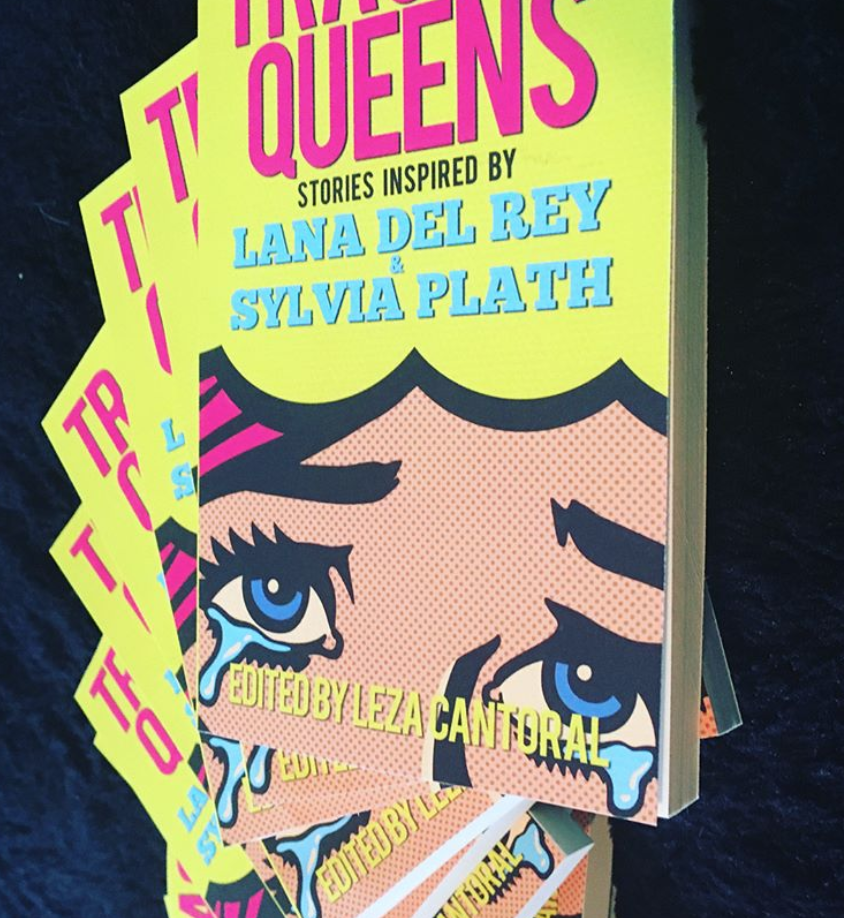
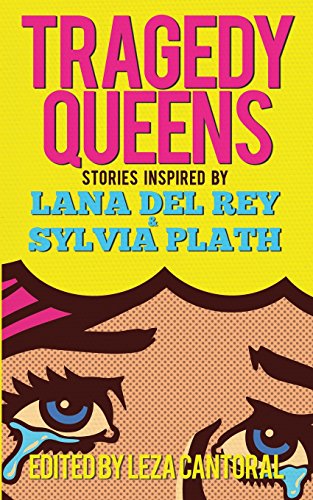
Tragedy Queens: Writers on Lana Del Rey & Sylvia Plath

April 23, 2018

BY LISA MARIE BASILE

When visionary editor Leza Cantoral asked me to contribute to the Tragedy Queens anthology (you can also order from the publisher, Clash Books) she said something to the affect of, "you are literally perfect for this," which probably means I'm a very, very Sad Girl. More seriously, though, I felt drawn toward it because of Plath's impact on my own poetry career and my not-so-secret Lana Del Rey fascination.

There's Plath wrangling with the shadow, full of beautiful, unique language, and then there's this singer-starlet who aestheticizes her own sadness. Sorrow was the language and the vein of this anthology, and I wanted to explore that. I wanted to investigate my own relationship to sorrow—and the ways in which these Tragedy Queens informed my creativity. I ended up writing an exceptionally melodramatic piece called Girls In The Garden of Holy Suffering, both a true testament of my youth and psycho-sexual development, and a nod toward Lana's exaggerations of sadness and sadness aesthetic. Both of these women have inspired me to explore the authentic and inauthentic—and how they both sort of meld into one.

In this mini interview series, I chatted with the editor, Leza Cantoral, along with a few of the other stellar contributors, and got their story on why the anthology felt so right for them.
— Lisa Marie Basile

RELATED: On Sylvia Plath, The Tarot And Bad College Writing

Leza Cantoral, Editor:

"Tragedy Queens is the culmination of my obsession with Sylvia Plath. When I read Ariel, it changed my life. I read everything I could find about her. I am drawn to tragic figures. I relate to them. But I am getting sick of the tragic narrative. When I sent out the submissions call I did not specify a genre. What I cared about was character arcs. People making choices. I especially wanted the female perspective.

Lana Del Rey came into my life a few years ago and I became obsessed with everything about her: her voice, her music, her hair, her eyeliner, her lips, her past, her glamour, her sadness, her passion. Her songs resonated deep within me. I loved her openness. The confessional quality of her music reminded me of Sylvia Plath, so it made sense to join two of my favorite muses together. They both inspire my own writing. I wanted to share that and was so excited to see what people came up with. I was not disappointed. Everyone knocked my socks off. I was sobbing, laughing, and gasping, as I read through the stories that made it into Tragedy Queens. People think of pop music as low art and poetry as high art and I think that’s bullshit. Lana Del Rey is a poet of the highest order and she deserves that recognition for her craft."

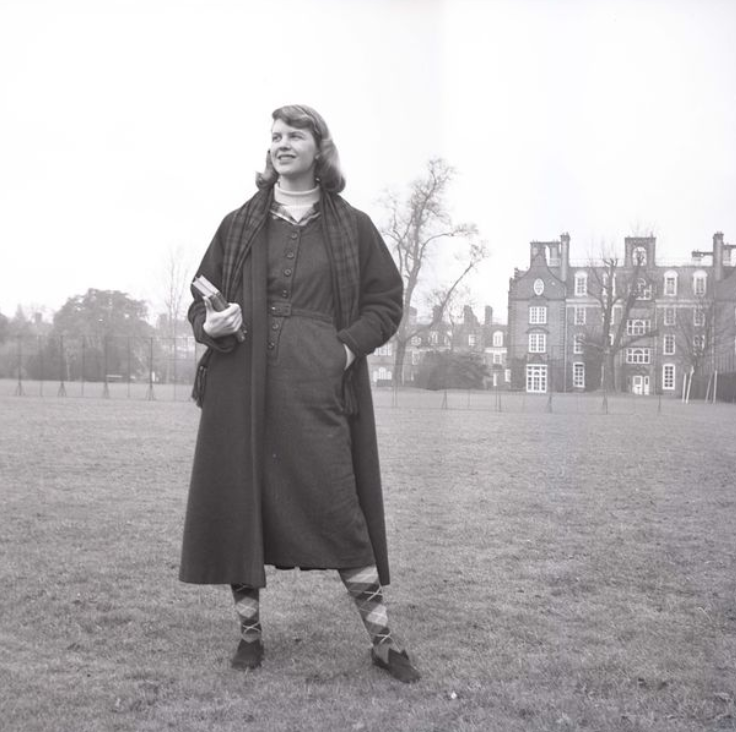
SYLVIA PLATH

Gabino Iglesias:

"For me, Plath embodies mental health struggles. She was incredibly talented, but the demons in her heart, soul, and mind ended up winning. That she was able to focus all of that and express it in words is something that deserves to be celebrated. LDR, on the other hand, is a modern anomaly that somehow became a sensation thanks to am atmosphere of strong women taking over and a massive push to obliterate patriarchy, and she does it all while being bizarre and having her own aesthetic. I knew many women would be getting involved in this, and that made me want to be a part of it. Strong brujas all around celebrating two unique ladies with their words. Who wouldn't want to be a part of that magic?"

Monique Quintana:

"Sylvia Plath and Lana Del Rey get at death, beauty, and the grotesque in artful and unnerving ways. As a writer and mother, I’ve always felt that womanhood and motherhood should not be sanitized, but rather, stripped down to its visceral core, so that blood and bone and tissue are exposed. My story was inspired by the trash glam aesthetic of Lana Del Rey’s song, 'Sad Girl' and Plath’s dark mythos of mother and father figures. It’s about a teenage Xicana’s doomed love affair in a 1997 dystopian central California that results in the conception of a brujo baby."

RELATED: 9 Lust for Life Observations from the Ultimate Lana Del Rey Fan

Christine Stoddard:

"I wrote a short story inspired by Lana Del Rey's captivating song, 'Summertime Sadness.' Throughout her work, Lana eerily and beautifully captures the nature of tragic love. I don't think she glorifies domestic violence or other forms of abuse. She's simply telling stories. Love is complicated and even the healthiest relationships have their tragedies. Those stories need to be told because, even when they are fictitious, they are very real. I saw this anthology as a chance to tell yet another story about love's complexities."

lana del rey

Jerry Drake:

"Sylvia Plath and Lana Del Rey represent an inspirational arc covering the course of my life. As a teenager struggling with OCD and depression I found in Plath a comforting fellow traveler, someone who had a shared voice. As a man in my 40's I find in Del Rey the echoes of my own wild youth—hot nights, too much beer, and the dangerous fun of mischief and trouble. I had toyed with writing a story but didn't like my original idea. I found myself standing in my kitchen chatting with Leza Cantoral, the anthology's editor, during the 2017 AWP. I gave her my original idea and she said, 'No, I want you to tell the story that clearly draws from your real life and your real inspirations, don't make anything up.' It came together and I sat down that night and wrote my story. I am pleased to have it accepted. I feel like I caught a night of my youth in a bottle for others to experience."

Trish Grisafi:

"Plath has inspired me since I was twelve years old and picked up The Bell Jar. It spoke to me so much as a floundering adolescent—and it was incredibly funny. I could really relate to Plath’s sardonic wit and her cut-throat observations about the world. She’s smart, heartbreaking, and culturally astute about her historical moment. I wanted to create a story that, like The Bell Jar, deconstructed typically idealized experiences and put forth commentary on mental health care. Growing up, I suffered from depression, anxiety, and OCD. I wasn’t able to get help until I ended up in a psychiatric hospital in my mid-twenties. I wanted to create a character who is clearly suffering but also ignored—like Esther was in The Bell Jar. It was very important for me to get that voice down."

PURCHASE IT HERE!


Tragedy Queens: Stories Inspired by Lana del Rey & Sylvia Plath
By Lisa Basile, Gabino Iglesias
Buy on Amazon

Lisa Marie Basile is a poet-witch and founding creative director of Luna Luna Magazine—a digital diary of literature, magical living and idea. She is the author of "Light Magic for Dark Times," a modern grimoire of inspired rituals and daily practices. She's also the author of a few poetry collections, including the forthcoming "Nympholepsy."

Her work encounters the intersection of ritual and wellness, chronic illness, magic, overcoming trauma, and creativity, and she has written for The New York Times, Narratively, Grimoire Magazine, Venefica, The Establishment, Refinery 29, Bust, Hello Giggles, and more. 

Lisa Marie earned a Masters degree in Writing from The New School and studied literature and psychology as an undergraduate at Pace University.

Leza Cantoral is a Xicana writer & editor who lives on the internet. She is the Editor in Chief of CLASH Books & host of the Get Lit With Leza podcast where she talks to cool ass writers. Tragedy Queens: Stories Inspired by Lana Del Rey & Sylvia Plath is a CLASH Books anthology of stories that she edited as a result of being a Lana Del Rey & Sylvia Plath megafan. You can find her on YouTube at Trash Panda Poetry & everywhere else as herself. She blogs at lezacantoral.com

In Poetry & Prose, Art Tags tragedy queens, Leza Cantoral, Lisa Marie Basile, jerry drake, Gabino Iglesias, christine stoddard, larissa glasser
1 Comment
Featured
‘in the glitter-open black' — poetry by Fox Henry Frazier
'poet as tarantula,  poem as waste' — poetry by  Ewen Glass
'poet as tarantula, poem as waste' — poetry by Ewen Glass
'Hours rot away in regalia' — poetry by Stephanie Chang
'down down down the hall of mirrors' — poetry by Ronnie K. Stephens
'Grew appendages, clawed towards light' — poetry by Lucie Brooks
'do not be afraid' — poetry by Maia Decker
'The darkened bedroom' — poetry by Jessica Purdy
'I am the body that I am under' — poetry by Jennifer MacBain-Stephens
instagram

COPYRIGHT LUNA LUNA MAGAZINE 2025