


Joanna C. Valente is a human who lives in Brooklyn, New York. They are the author of Sirs & Madams, The Gods Are Dead, Marys of the Sea, Sexting Ghosts, Xenos, No(body) (forthcoming, Madhouse Press, 2019), and is the editor of A Shadow Map: Writing by Survivors of Sexual Assault. They received their MFA in writing at Sarah Lawrence College. Joanna is the founder of Yes Poetry and the senior managing editor for Luna Luna Magazine. Some of their writing has appeared in The Rumpus, Them, Brooklyn Magazine, BUST, and elsewhere. Joanna also leads workshops at Brooklyn Poets. joannavalente.com / Twitter: @joannasaid / IG: joannacvalente / FB: joannacvalente
Ritual for Occupying a New Space
Kailey Tedesco is the author of She Used to be on a Milk Carton (April Gloaming Publishing), These Ghosts of Mine, Siamese (Dancing Girl Press), and Lizzie, Speak (White Stag Publishing). She currently teaches courses on the witch in literature, among other subjects, in Bethlehem, PA. She is also a senior editor for Luna Luna Magazine and a co-curator for Philly's A Witch's Craft reading series. You can find her work featured or forthcoming in Electric Literature, Fairy Tale Review, Bone Bouquet Journal, Witch Craft Mag, Grimoire, and more. For other information, please follow @kaileytedesco.
This Sun Playlist Is Everything You Need
Via the Film School Rejects
A Lippie List Inspired by Fairy Tale Films and Books
BY MONIQUE QUINTANA
Fairy tales have gorgeous aesthetics. Why not paint our mouths with them? Here’s a short list of fun fairy tale art and lippies that coordinate to their fantastical colors.
1. Cartoons in the Suicide Forest by Leza Cantoral (Bizarro Pulp Press, 2016). A smart psychedelic and shocking punk rock doll of a short story collection.
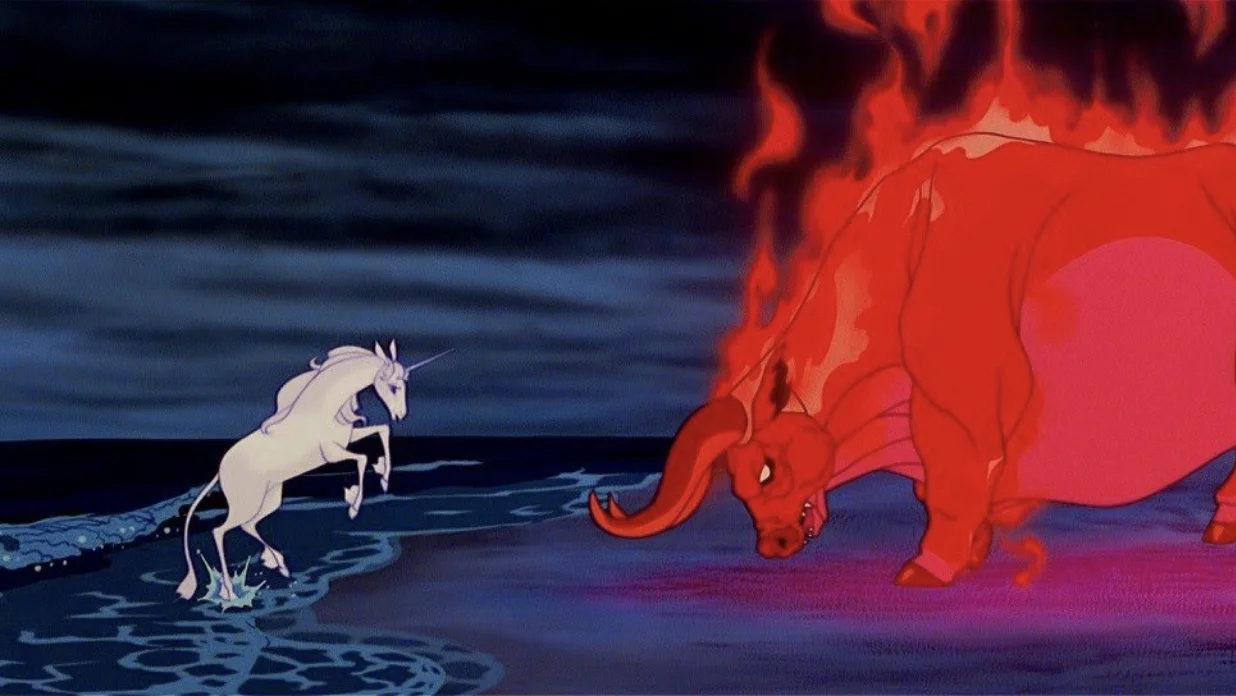
2. The Last Unicorn, 1982 A mythical beauty meets demon fantastical in this animated film adaptation of Peter S. Beagle novel.
The lippie: “Boy Trouble” by The Lip Bar
3. The Tale of Tales, 2015 A trio of dark and decadent yarns inspired by the works of Giambattista Basile make up this film directed by Matteo Garrone. Starring Salma Hayek as a monster-heart-eating queen.
4. Heavenly Creatures, 1994 Peter Jackson’s film of teenage angst, the writer’s dreamscape, and bloody matricide.
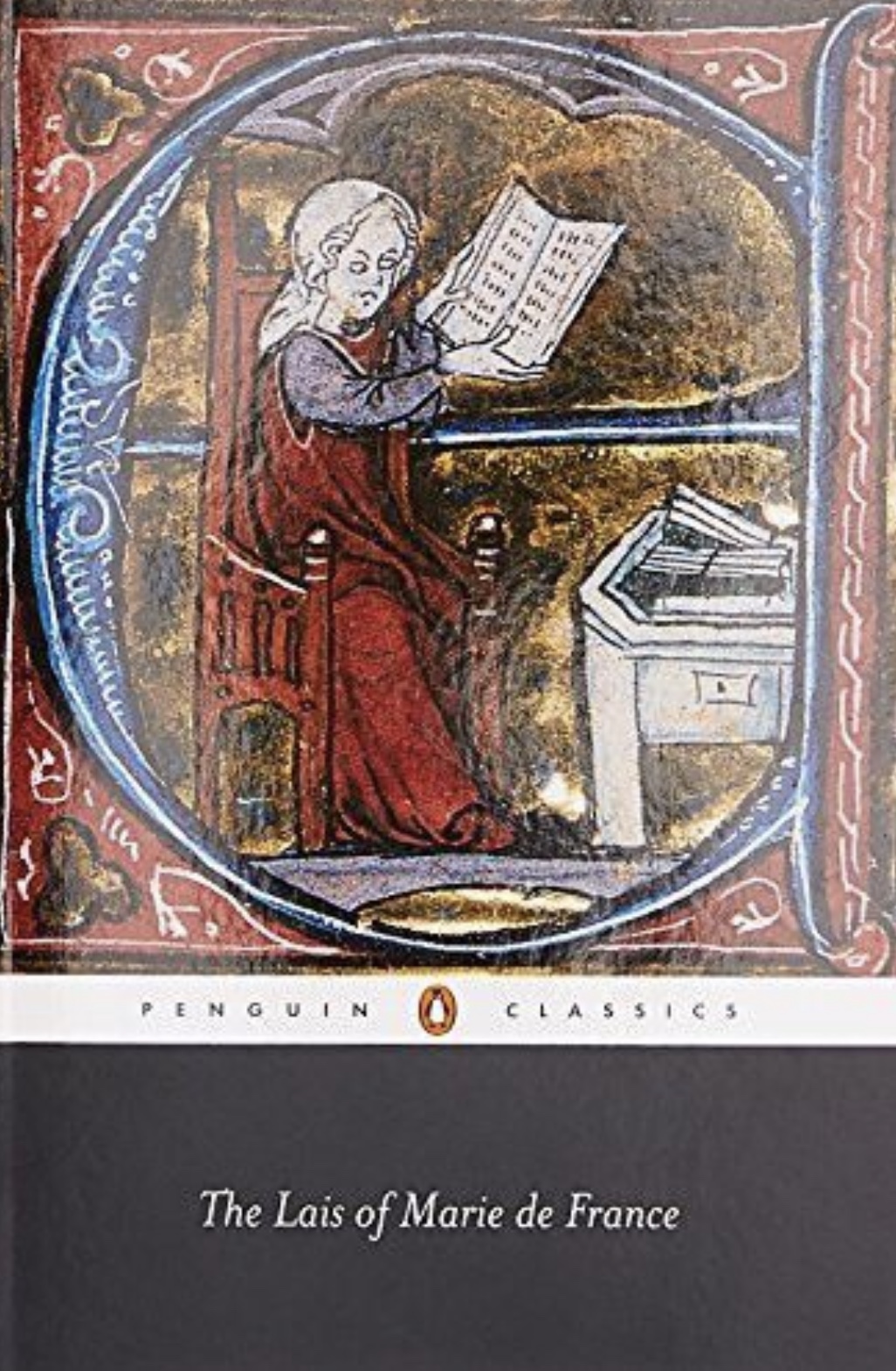
4. The Lais of Marie de France, Penguin Books. A collection of narrative poems that explore the beautiful and grotesquely shape-shifting nature of love.
Monique Quintana is a Senior Associate Editor at Luna Luna Magazine and the Fiction Editor for Five 2 One Magazine. Her work has appeared in Queen Mob's Tea House, Winter Tangerine, Huizache, and the Acentos Review, among other publications. She is a fiction fellow of the Community of Writers at Squaw Valley Workshop, an alumna of the Sundress Academy of the Arts, and has been nominated for Best of the Net. Her debut novella, Cenote City, is newly released from Clash books. You can find her at moniquequintana.com
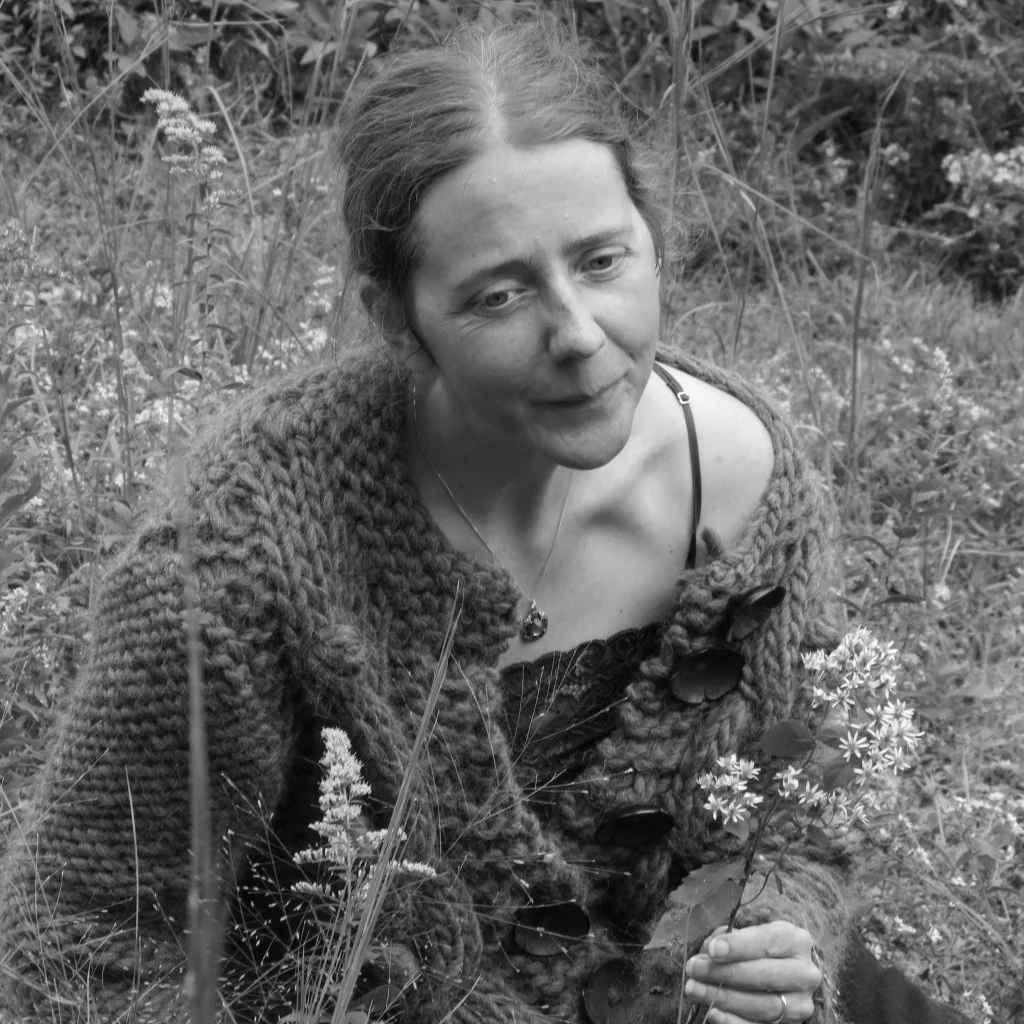
Photo: Rich Panish
Gillian Cummings Tells Us Her Favorites
Joanna C. Valente is a human who lives in Brooklyn, New York. They are the author of Sirs & Madams, The Gods Are Dead, Marys of the Sea, Sexting Ghosts, Xenos, No(body) (forthcoming, Madhouse Press, 2019), and is the editor of A Shadow Map: Writing by Survivors of Sexual Assault. They received their MFA in writing at Sarah Lawrence College. Joanna is the founder of Yes Poetry and the senior managing editor for Luna Luna Magazine. Some of their writing has appeared in The Rumpus, Them, Brooklyn Magazine, BUST, and elsewhere. Joanna also leads workshops at Brooklyn Poets. joannavalente.com / Twitter: @joannasaid / IG: joannacvalente / FB: joannacvalente
AstroLushes: A New Podcast for Astrology Lovers Everywhere
ASTROLUSHES is a podcast at the intersection of astrology and literature, ritual, wellness, pop culture, creativity — and, of course, wine. Hosted by Luna Luna editor-in-chief Lisa Marie Basile and contributor Andi Talarico (both water signs!), you can expect guests, giveaways, book reviews, and more. You’ll have fun, but you’ll also go deep.
Episode 1 is an introductory episode during which the hosts chat about astrology’s impact in their own lives, plus they tackle the ideas of reductive astrology memes, pop culture (Rihanna lyrics!), folk magic, family lineage and trauma. They also a Rapid Fire Round of Guess That Sign (which sign is Poe?).
For now, you can listen to ASTROLUSHES on Anchor.Fm (there’s an app and also a website), but the podcast will soon be available on iTunes, Spotify, and everywhere else podcasts can be found. If you like what you hear, leave them a clap or star the show on Anchor. You can also listen below!
You can tweet them at @astrolushes.
Poetry Weekly: Diannely Antigua, Gracelynn Chung-yan Lau, Sara Borjas
Joanna C. Valente is a human who lives in Brooklyn, New York. They are the author of Sirs & Madams, The Gods Are Dead, Marys of the Sea, Sexting Ghosts, Xenos, No(body) (forthcoming, Madhouse Press, 2019), and is the editor of A Shadow Map: Writing by Survivors of Sexual Assault. They received their MFA in writing at Sarah Lawrence College. Joanna is the founder of Yes Poetry and the senior managing editor for Luna Luna Magazine. Some of their writing has appeared in The Rumpus, Them, Brooklyn Magazine, BUST, and elsewhere. Joanna also leads workshops at Brooklyn Poets. joannavalente.com / Twitter: @joannasaid / IG: joannacvalente / FB: joannacvalente
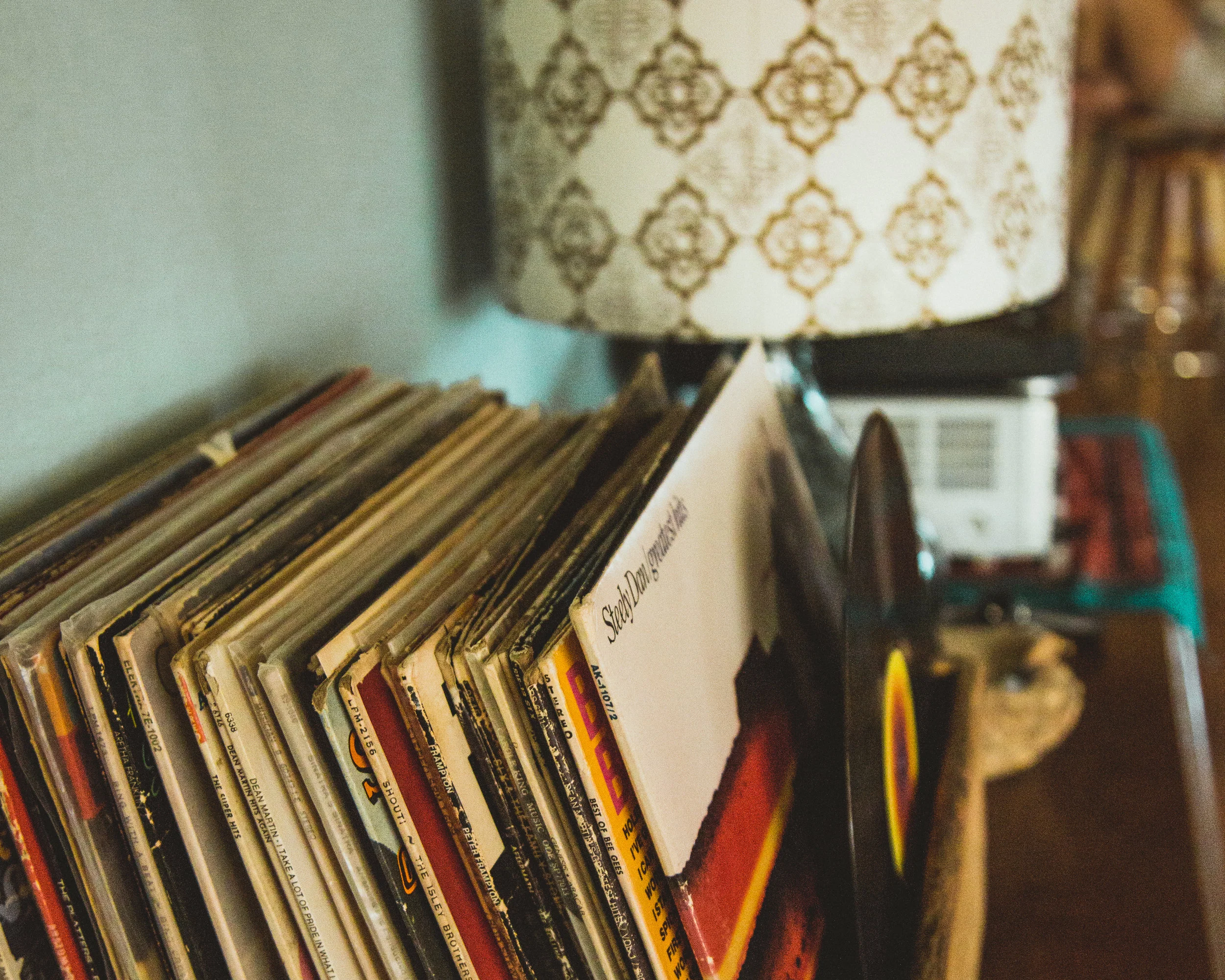
Weekend Ritual: Grounding & Visualizing with Vinyl Records
Stephanie Valente lives in Brooklyn, NY. She has published Hotel Ghost (Bottlecap Press, 2015) and waiting for the end of the world (Bottlecap Press, 2017) and has work included in Susan, TL;DR, and Cosmonauts Avenue. Sometimes, she feels human. http://stephanievalente.com
Photo: Joanna C. Valente
Your March 2019 Horoscopes Are Here
Joanna C. Valente is a human who lives in Brooklyn, New York. They are the author of Sirs & Madams, The Gods Are Dead, Marys of the Sea, Sexting Ghosts, Xenos, No(body) (forthcoming, Madhouse Press, 2019), and is the editor of A Shadow Map: Writing by Survivors of Sexual Assault. They received their MFA in writing at Sarah Lawrence College. Joanna is the founder of Yes Poetry and the senior managing editor for Luna Luna Magazine. Some of their writing has appeared in The Rumpus, Them, Brooklyn Magazine, BUST, and elsewhere. Joanna also leads workshops at Brooklyn Poets. joannavalente.com / Twitter: @joannasaid / IG: joannacvalente / FB: joannacvalente
Read More
Photo by Rob Potter on Unsplash
Healer or Trickster? On Healers Taking Advantage of The Vulnerable
BY LISA MARIE BASILE
In a recent article in The Daily Dot, a popular influencer was called out for their “blurry” beliefs and work, overpriced but not actually handmade goods (as claimed) and abusive tendencies toward employees. The overarching message of the piece: Not every healer or influencer out there — no matter their follower numbers or beautiful Insta-curation — is worth their salt. Some, in fact, are downright theives.
I’ve always taken issue with people selling promises of healing without any real sense of accountability. Grandiose and often empty words (“light and love heals everything,” “all you have to do is manifest hard enough!” and “you have to invest in X to find abundance”) are distracting to people in rough situations. These are — I have been, and will be — people who want to be seen, validated, and healed.
I just can’t get past overpriced abundance rituals, the refusal to acknowledge the importance of shadow work, or concepts that aren’t grounded in reality. Because love and light and abundance rituals do not solve racism or poverty. And because telling people your cheap, badly-produced goods are ethically sourced hurts everyone at every level.
The thing is, it’s hard to tell the frauds from the sincere folks. I started noticing this several years ago, when I created Luna Luna (which obviously has a vertical around magic and ritual). I’d come across healers and gurus and guides who seemed to have it all together: Beautiful photos. Money. Bestselling books. They’d sell full moon serums or crystal-infused oils. They’d sell you candles that would attract money or heal a disease or find you a lover. How could one parse the capitalist who appropriates spirituality from the person who genuinely cared? And how can one ethically tout an object that ‘cures’ social and physical/mental ills, without acknowledging the many variables at play?
I would consider myself spiritual in specific ways, but this wasn’t always the case. I identify with the archetype of the witch, and I have carved space for ritual and meditation in my life, but it took a long time for me to get there. For one, I have leftover trauma from childhood catholicism; adhering to strict beliefs and associations (this color represents this outcome, for example) doesn’t quite sit right with me. I prefer chaos. I prefer to go off my gut. I prefer to study, learn, and then take what feels good for me. My practice these days is mostly based on meditation, journaling, and connecting with nature.
So when I see someone make grand promises, that you have to do this to do this, or believe this to achieve this, or buy this to get this— especially to the vulnerable: the poor, the sick, the disabled, the traumatized, the abused — it doesn’t sit right with me.
Sometimes those promises come in the form of feigned care and support, when at the bottom of it all was an Instagram strategy and some pretty words.
I don’t believe that any one person can have the answers. And I don’t believe that anyone should peddle goods to people when they don’t have the integrity to back it up.
Among those promises would be actual spiritual advice despite questionable stuff, like the not-so-ethical production of goods, plagiarism of both products and feel-good quotes, and employee mistreatment. This likely happens a lot, but all of this came up in the Daily Dot article about this one specific person.
So what do we do about it all?
I wrote a book about self-care and regenerative rituals, so I spent a lot of time thinking about this sort of thing. When writing my book I wanted to make sure it was a guidebook, not a rulebook. That any practice I wrote of wasn’t from a closed culture — and that anything referenced I cited in the Resources section.
I wanted to make sure my book was a byproduct of my experience, not a way or promise or path. That the reader would be self-healing using my prompts, that I would not — and could not — be healing them. That, if anything, the book and the reader would enter into a conversation about healing together.
That’s the thing about healing. It has to happen in a safe space. Before I started really working to heal my lasting trauma from childhood — the obsessive memories of homeless shelters, assault as a child, family addiction, foster care, chronic illness — I found comfort in all sorts of untoward things.
This included drinking all night with friends who thought getting obliterated was the answer. I found comfort in false friendships or relationships, where people wanted to be loved more than they want mutual loving care. I turned to fraudulent psychics here and there for advice, and of course there were those who’d want to dig into my pockets rather than genuinely help.
The point is, we take comfort and care wherever we can find it — and sometimes, because of pain, loneliness, poverty we turn a blind eye to gut feelings. I’s hard to know if it’s helping or prolonging the wound.
The Internet version of this really is the abundance of healers and guides out there. Many of them are wonderful — and many are my friends, who take special care to create products and books and ideas around self-care and healing products — but many are there for fame and fortune, not to help.
They want to preach at you, not have a conversation. They claim to know the answers, rather than admit that they’re always going to be searching. They lack self-awareness, charging big money to people who literally are seeking magic work because they’re on the verge of eviction.
It’s hard to know what sort of intentions people have. Sadly, there’s just no cut or dry answer. How could there be? I think our gut has to do the work. But for the gut to work we have to have self-compassion and give ourself the space and time to let our intuition work. This is a process — a process damaged by hope being dashed by scammers.
We could spend $45 on a healing candle from someone with 50,000 followers and a beautiful Instagram page, someone who hasn’t provided insight or vulnerability elsewhere or even a glimpse into their own real lives. Or we can buy a tarot session or a book or a crystal from someone who is less concerned with a perfect, sort of distant, who-are-you-really? branding, whose track record shows an active interest in trauma recovery or healing or helping others before they started earning money from it. And even the above is an oversimplification.
If something doesn’t feel right, even if that something has a quarter of a million followers or is quoted in wellness articles, you are by no means obliged to look to it for wisdom.
I say all of this because I think on my own mother, my own friends, and myself — and all the times we needed a hand, a source of inspiration, a talisman of hope, or a guide to getting back to ourselves. It would be a real shame to get a candle or a reading or a downloadable guide that came from someone who wasn’t sincerely invested in our care, who only wanted to make money, and who used unethical means to produce a product, from conception to production.
I read a piece the other day by Kaitlin Coppock for Sphere + Sundry. It’s a comprehensive look at fraud-work in the spiritual and healing communities, and it goes into much better detail than I can. It covers:
“Tips for distinguishing real practitioners of astrology, witchcraft, and spirituality from self-serving charlatans taking advantage of the mounting witch-strology renaissance. And lastly, recommendations for how professionals (or aspiring professionals) can navigate related ethical considerations.”
I recommend reading the above and asking questions for yourself. Stay alert, be good to yourselves, and don’t let influencer numbers drown out your intuition.
Lisa Marie Basile is the founding creative director of Luna Luna Magazine—a digital diary of literature, magical living and idea. She is the author of "Light Magic for Dark Times," a modern collection of inspired rituals and daily healing practices. She's also the author of a few poetry collections, including 2018's "Nympholepsy." Her work encounters the intersection of ritual, wellness, chronic illness, overcoming trauma, and creativity, and she has written for The New York Times, Narratively, Sabat Magazine, Healthline, The Establishment, Refinery 29, Bust, Hello Giggles, and more. Her work can be seen in Best Small Fictions, Best American Experimental Writing, and several other anthologies. Lisa Marie earned a Masters degree in Writing from The New School and studied literature and psychology as an undergraduate at Pace University.
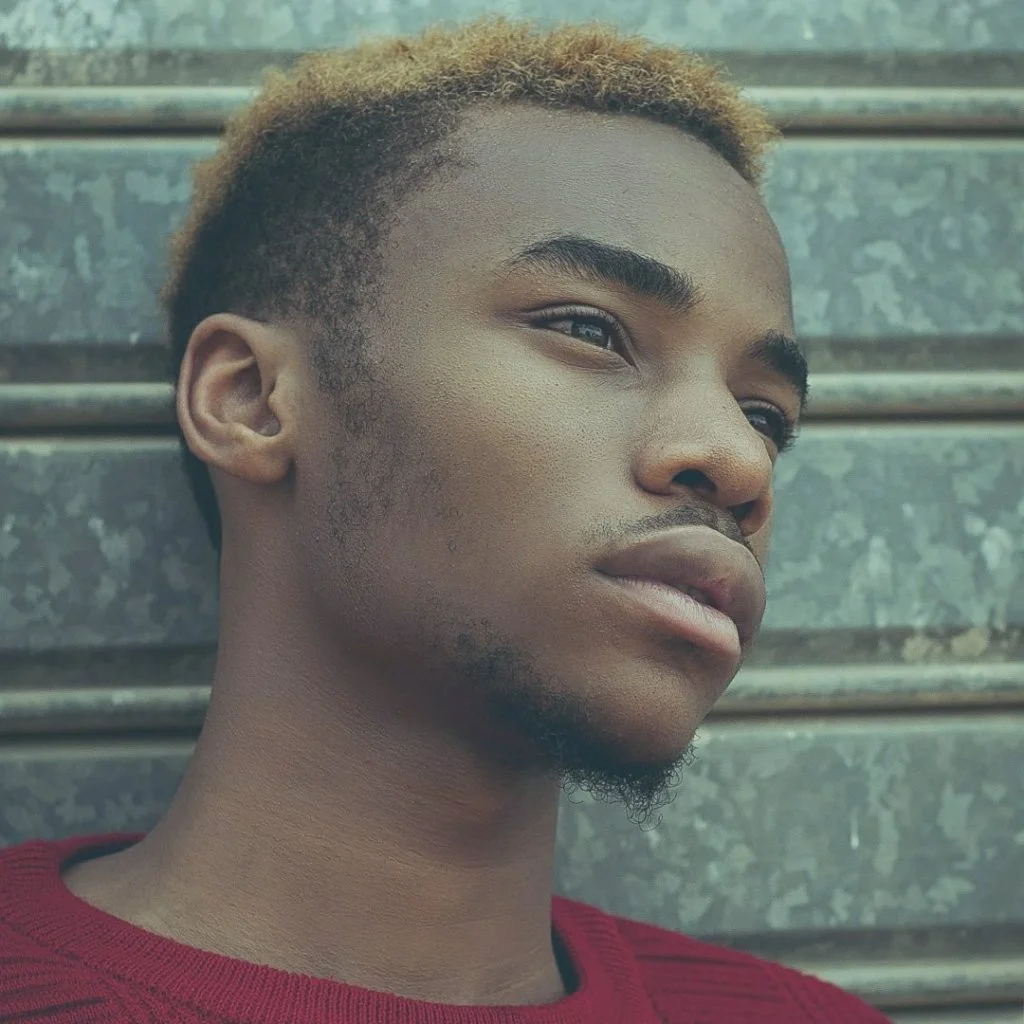
Logan February
Logan February on What Happiness Is
Logan February is a Nigerian poet. His work has appeared or is forthcoming in Washington Square Review, The Adroit Journal, Vinyl, Paperbag, Tinderbox, Raleigh Review, and more. He is a Pushcart and Best of the Net nominee, and his debut collection, Mannequin in the Nude (PANK Books, 2019) was a finalist for the Sillerman First Book Prize for African Poets. He is the author of two chapbooks, and the Associate Director of Winter Tangerine’s Dovesong Labs.
Joanna C. Valente is a human who lives in Brooklyn, New York. They are the author of Sirs & Madams, The Gods Are Dead, Marys of the Sea, Sexting Ghosts, Xenos, No(body) (forthcoming, Madhouse Press, 2019), and is the editor of A Shadow Map: Writing by Survivors of Sexual Assault. They received their MFA in writing at Sarah Lawrence College. Joanna is the founder of Yes Poetry and the senior managing editor for Luna Luna Magazine. Some of their writing has appeared in The Rumpus, Them, Brooklyn Magazine, BUST, and elsewhere. Joanna also leads workshops at Brooklyn Poets. joannavalente.com / Twitter: @joannasaid / IG: joannacvalente / FB: joannacvalente
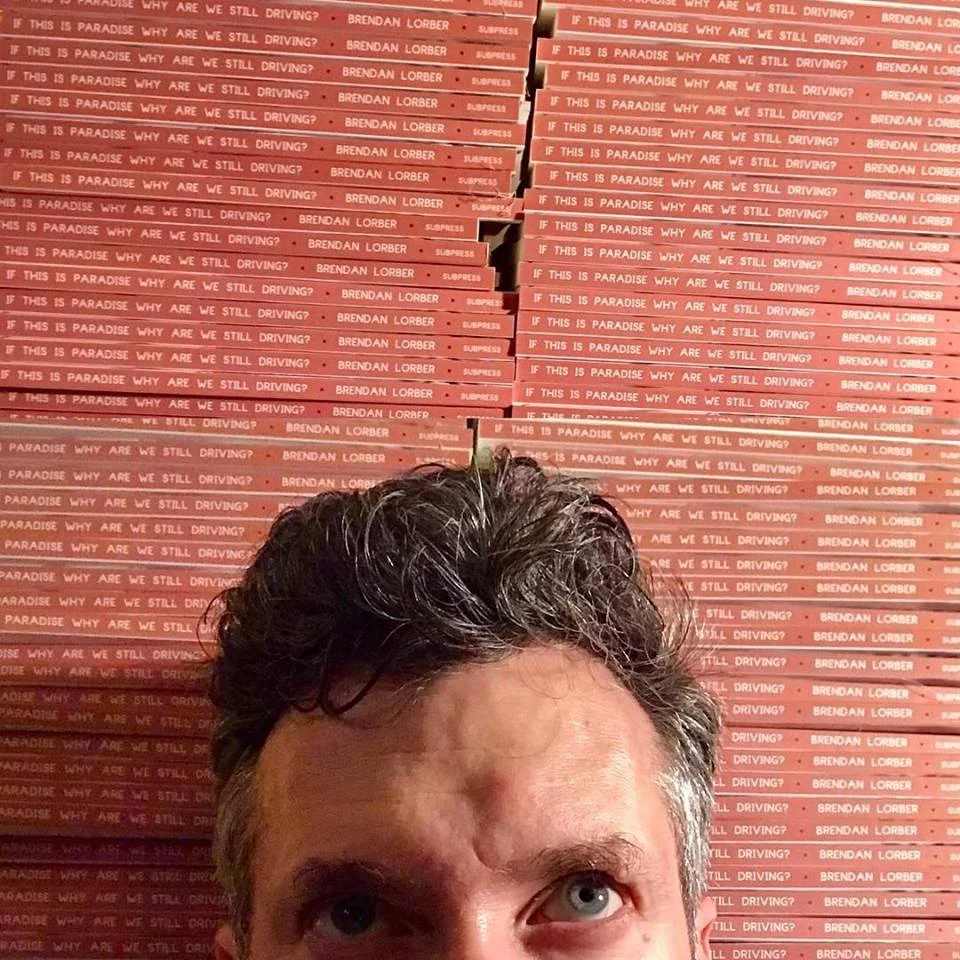
Brendan Lorber on Why Daydreaming Is Important
Joanna C. Valente is a human who lives in Brooklyn, New York. They are the author of Sirs & Madams, The Gods Are Dead, Marys of the Sea, Sexting Ghosts, Xenos, No(body) (forthcoming, Madhouse Press, 2019), and is the editor of A Shadow Map: Writing by Survivors of Sexual Assault. They received their MFA in writing at Sarah Lawrence College. Joanna is the founder of Yes Poetry and the senior managing editor for Luna Luna Magazine. Some of their writing has appeared in The Rumpus, Them, Brooklyn Magazine, BUST, and elsewhere. Joanna also leads workshops at Brooklyn Poets. joannavalente.com / Twitter: @joannasaid / IG: joannacvalente / FB: joannacvalente
Read More
Poetry Weekly: Alina Pleskova, Marwa Helal, June Jordan
Joanna C. Valente is a human who lives in Brooklyn, New York. They are the author of Sirs & Madams, The Gods Are Dead, Marys of the Sea, Sexting Ghosts, Xenos, No(body) (forthcoming, Madhouse Press, 2019), and is the editor of A Shadow Map: Writing by Survivors of Sexual Assault. They received their MFA in writing at Sarah Lawrence College. Joanna is the founder of Yes Poetry and the senior managing editor for Luna Luna Magazine. Some of their writing has appeared in The Rumpus, Them, Brooklyn Magazine, BUST, and elsewhere. Joanna also leads workshops at Brooklyn Poets. joannavalente.com / Twitter: @joannasaid / IG: joannacvalente / FB: joannacvalente
20 Free and Magical Ways to Engage in Self-Care
Stephanie Valente lives in Brooklyn, NY. She has published Hotel Ghost (Bottlecap Press, 2015) and waiting for the end of the world (Bottlecap Press, 2017) and has work included in Susan, TL;DR, and Cosmonauts Avenue. Sometimes, she feels human. http://stephanievalente.com
11 Valentine's Day dates for badass witches
Stephanie Valente lives in Brooklyn, NY. She has published Hotel Ghost (Bottlecap Press, 2015) and waiting for the end of the world (Bottlecap Press, 2017) and has work included in Susan, TL;DR, and Cosmonauts Avenue. Sometimes, she feels human. http://stephanievalente.com