

Next month, you are turning 15. It’s almost December and you have Joan Jett hair and you are so excited to just have been kissed. You haven’t told anyone about being kissed, however, because you were kissed by two girls near the restrooms in a mall—and that’s the only place you can find privacy when your moms don’t let you close your bedroom door. When you can’t be alone.
Read More
Men Rape for Power, Not for Desire
We know why men rape. Men rape for power. Men rape because they are born and grow up feeling entitled to other people’s bodies. For the most part, men aren’t questioned. Men rape women and other men and non-binary people and queer people all the time. Men rape because they think they can, and because they can, and because they get away with it.
Read More
Listening to my Blood
Gabino Iglesias is a writer, journalist, and book reviewer living in Austin, TX. He’s the author of ZERO SAINTS, HUNGRY DARKNESS, and GUTMOUTH. He is the book reviews editor for PANK Magazine, the TV/film editor for Entropy Magazine, and a columnist for LitReactor and CLASH Media. His reviews have appeared in Electric Literature, The Rumpus, 3AM Magazine, Marginalia, The Collagist, Heavy Feather Review, Crimespree, Out of the Gutter, Vol. 1 Brooklyn, HorrorTalk, Verbicide, The Brooklyn Rail, and many other print and online venues. You can find him on Twitter at @Gabino_Iglesias.
Read More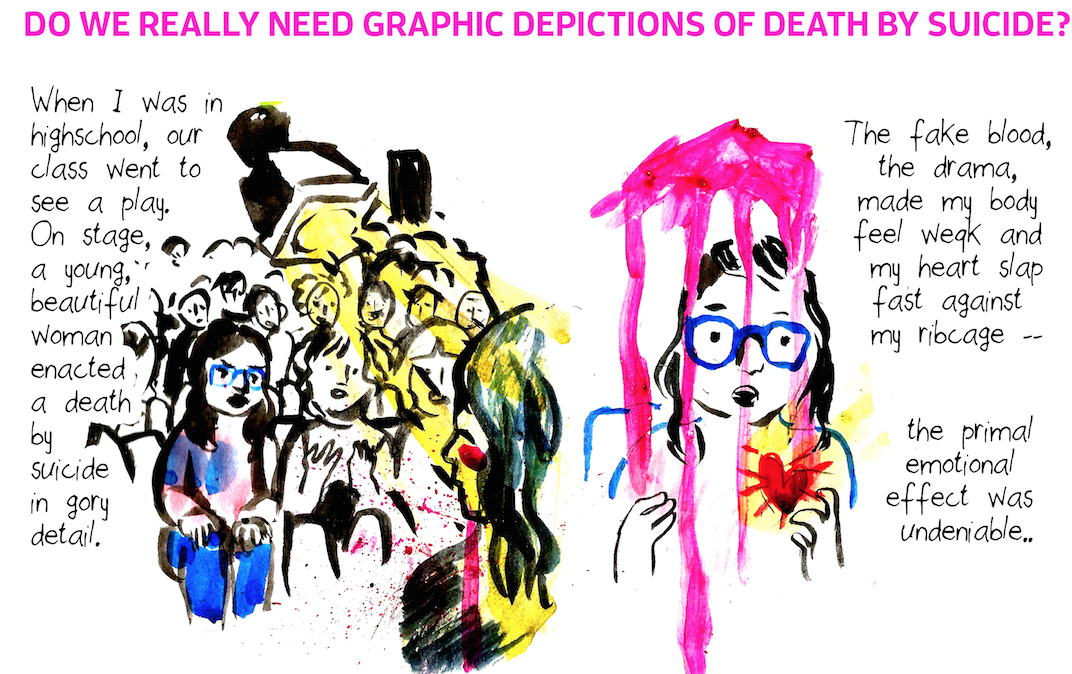
Do We Really Need Graphic Depictions of Death by Suicide?
Lior Zaltzman is a person-thing of shape and color. Her pictures and words have been published on the Forward, JTA and Haaretz, among others.
Read More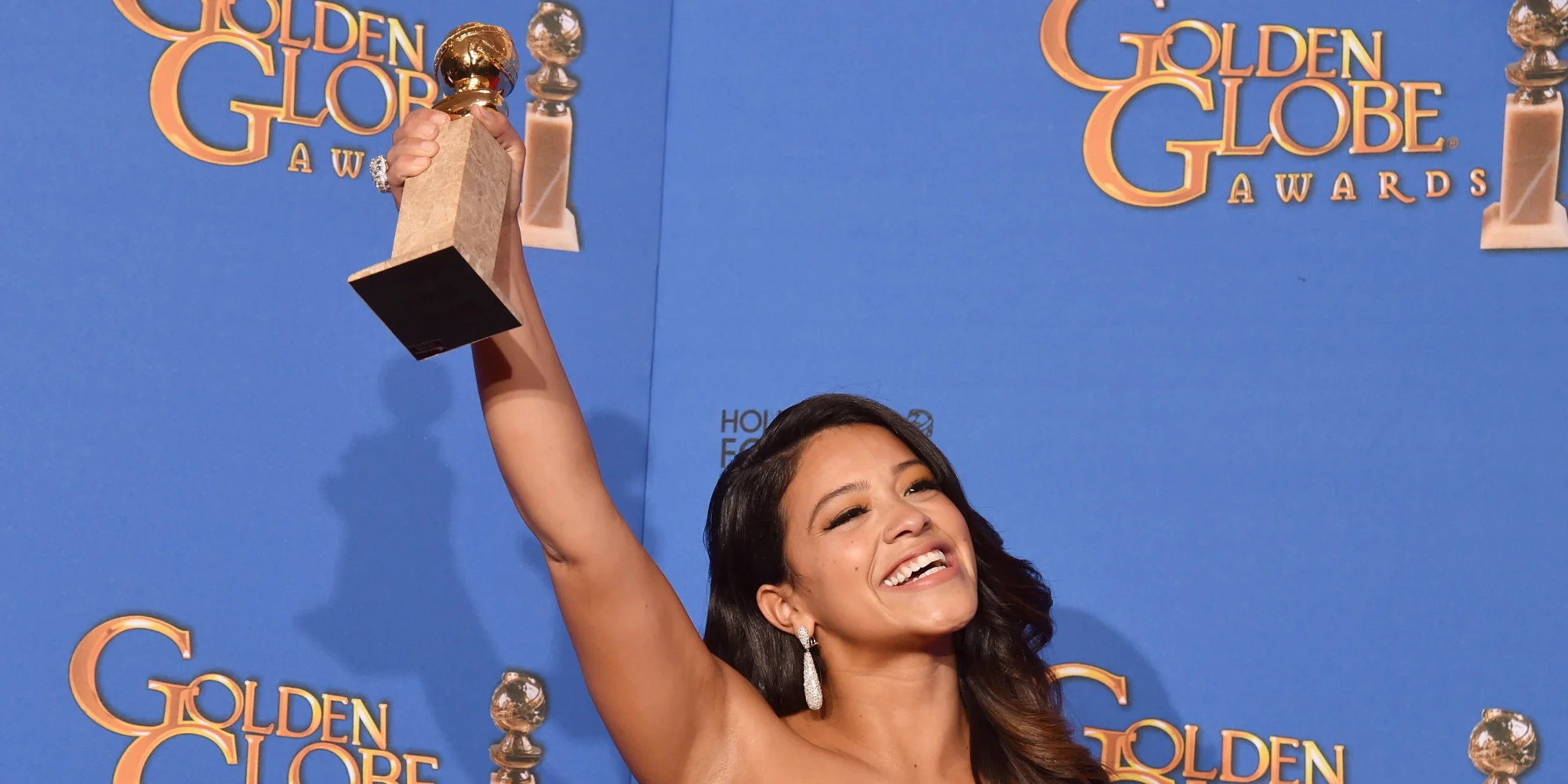
Gina Rodriguez Wins Best Actress At The Golden Globes, Gives Powerful Speech via HuffPost
Where My Latina Protags At?
Latina women don’t deserve to be represented next, we deserve to be represented now. Right now.
Read More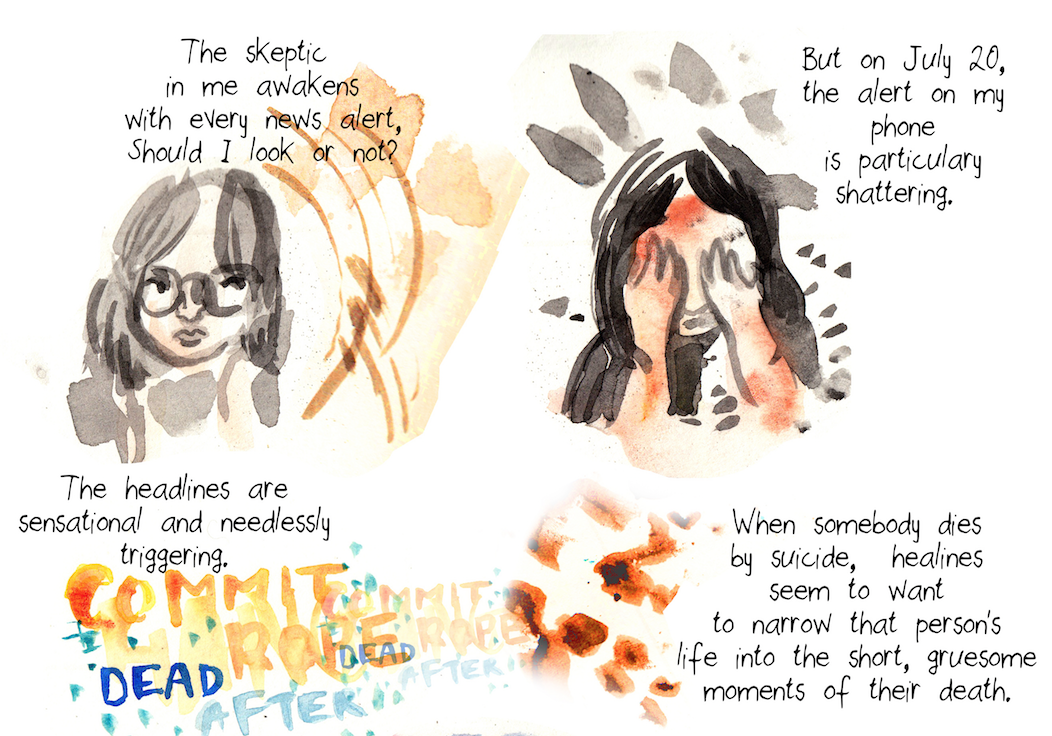
When Someone Dies by Suicide, Headlines Sensationalize Their Death
Lior Zaltzman is a person-thing of shape and color. Her pictures and words have been published on the Forward, JTA and Haaretz, among others.
Read More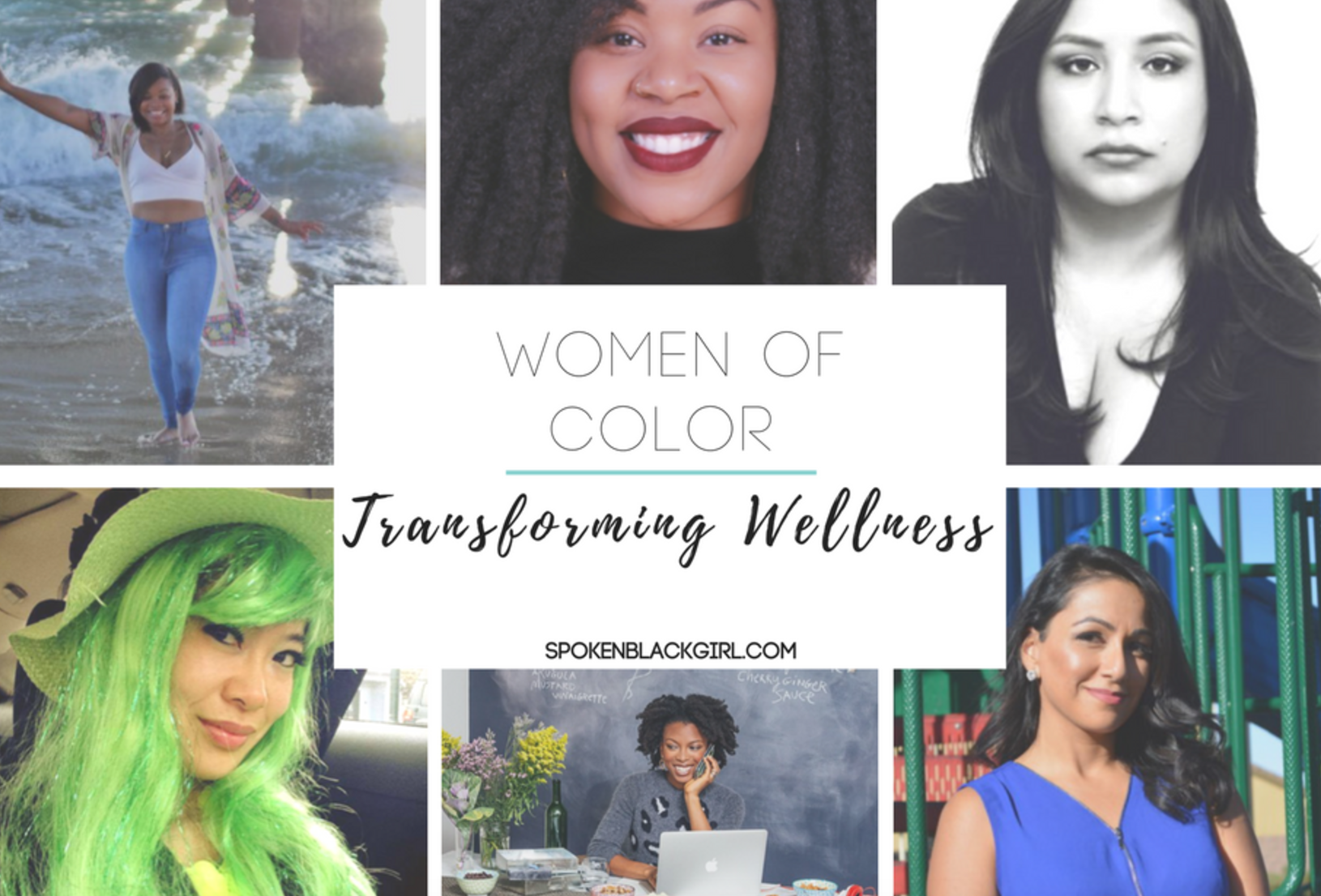
Via Spoken Black Girl
In Conversation with Rowana Abbensetts of Spoken Black Girl
INTERVIEW BY LISA MARIE BASILE
LISA MARIE BASILE: I love to hear about women creating amazing communities and making a space for voices that aren’t always provided a platform in mainstream media. Can you tell us a little about Spoken Black Girl?
ROWANA ABBENSETTS: Spoken Black Girl started out as my own little space on the internet to talk about struggles with anxiety and depression. During my lowest points in life, I felt completely alone and I wanted to create a space where I could discuss mental health freely and without stigma. I was amazed by the support that I received from my growing community of readers and fellow bloggers. Since then Spoken Black Girl has transformed into an online publication open to all women of color.
LISA MARIE BASILE: What sort of vacancy did you see in the digital media landscape that spurred the creation of SBG?
ROWANA ABBENSETTS: There aren’t many publications dedicated to true holistic healing for women of color; by that I mean not only covering yoga and meditation, but allowing for women of color to explore mental and emotional healing from mental illness and or trauma. In the Black community, for example, the stigma of mental illness and mental health is strong. Black women are taught to be strong and to hide our pain and vulnerabilities.
This problem of stigma is reflected in the limited or warped focus on mental health that we see in popular publications. Mental health is often a passing topic that popular culture would suggest can be remedied by spa trips and candles. The truth is, the conversation is much deeper than that. Women of color need to heal, mind, body, and soul, in order to continue building together.
LISA MARIE BASILE: I have learned so much from the content SBG has published, and I really appreciate the words I’ve read. Diversity and inclusivity is so important to SBG—I know how marginalized voices have been silenced or reduced. What is your goal with SBG, to confront and disrupt that?
ROWANA ABBENSETTS: It’s important to empower young, marginalized writers. I know that for women of color in particular, it’s easy to become discouraged. The world is always telling us that our stories don’t matter, that out skills aren’t good enough, and that we are somehow encroaching on a traditionally white, male space. This is not true, but there are many that think this way, evidenced by the severe lack of representation among women of color in the publishing industry. At SBG, we take our time to work with writers and help them develop their skills and grow as writers. We want writers to gain confidence by sharing their stories with a supportive community that sees the value of marginalized voices.
LISA MARIE BASILE: What sort of message would you like to send to potential contributors and readers alike?
ROWANA ABBENSETTS: Have an open heart and an open mind. Spoken Black Girl is a platform that values and respects vulnerability. I feel privileged to be able to publish deeply personal stories of growth, so it’s important to me that we all show each other love and support as a community of readers and writers.
LISA MARIE BASILE: I always find that engaging readers and fans is probably one of the hardest and yet most important aspects of running a publication. How can new readers support SBG and its authors—and how do you want to support your readers?
ROWANA ABBENSETTS: To our readers, I encourage you to share and show love in whatever way feels right to you. We plan on having more events, so I would definitely encourage our supporters to participate in all of our events and initiatives. Our ultimate goal is to be able to pay writers at market rate so we can do even more to improve the lives of WOC writers.
SBG will continue to support its readers by helping them explore their own growth journeys, whether it’s through powerful content, events, workshops or challenges. We’re more than a publication, we’re a community, and we’re constantly striving to add value to the lives of our community members.
LISA MARIE BASILE: Something I find really interesting about the digital landscape is that people WANT to share their stories. Where that maybe used to be called ‘weak,’ it’s now strong and I love that. There’s a focus on well-being and healing from trauma at SBG. How did you come upon that focus?
ROWANA ABBENSETTS: When it comes to mental health, a lot of women, in particular women of color, have experienced trauma that has impacted their mental health. Of course, there are many women who begin their exploration of mental health having struggled specifically with anxiety, depression, bipolar or other mental illnesses. It’s often impossible to tease mental health away from trauma, especially because marginalized women experience sexism, racism, and homophobia as a fact of life, and those microaggressions often amount to trauma. We also deal with generational trauma, having absorbed the pain and fears of our mothers and grandmothers. Heal one woman and you heal all those that came before her.
LISA MARIE BASILE: What sort of submissions are you looking for?
ROWANA ABBENSETTS: We’re looking for authentic, uplifting voices. I like submissions that are informative and clear, but reads like advice between girlfriends.
LISA MARIE BASILE: You talk about the transformation from SBG the blog to the magazine in your piece, “How to Step Into Your Season of Transformation.” What is SO good about this piece is that you straight up outline the reasons people don’t always move forward with their dreams. They’re afraid, or they have no confidence, or they haven’t found a way to set themselves free. Can you talk a little more about that and how people can tap into their ability to transform.
ROWANA ABBENSETTS: At a certain point in life, you have to let go of worrying about what everyone else thinks and listen to your intuition. Tap into what you want. Women in particular spend too much time sacrificing our own mental health and well-being out of a sense of obligation or duty to others. We’re so preoccupied with what we should be doing that we rarely pause to ask ourselves what we really want. I always find that the more honest I am with myself, the more likely I am to manifest the changes I want to see. My suggestion is to start with deep, personal reflection. Find the tools that will help you achieve this, whether it’s journaling, meditation or prayer. Discover the best way for you to reconnect with your innermost self.
Rowana Abbensetts started Spoken Black Girl in the spring of 2015 as a personal blog about her own struggles with anxiety and depression hoping to find other women of color who could relate. Two years later, realizing that women of color lacked a centralized place to share their mental and emotional journeys, Rowana decided to turn the blog into what is now Spoken Black Girl Magazine.
Source: spokenblackgirl.com
Hipster Mum
Being Non-Binary Doesn't Necessarily Mean You Are Androgynous
Joanna C. Valente is a human who lives in Brooklyn, New York, and is the author of Sirs & Madams (Aldrich Press, 2014), The Gods Are Dead (Deadly Chaps Press, 2015), Marys of the Sea (The Operating System, 2017), Xenos (Agape Editions, 2016) and the editor of A Shadow Map: An Anthology by Survivors of Sexual Assault (CCM, 2017). Joanna received a MFA in writing at Sarah Lawrence College, and is also the founder of Yes, Poetry, a managing editor for Luna Luna Magazine and CCM, as well as an instructor at Brooklyn Poets. Some of their writing has appeared, or is forthcoming, in Brooklyn Magazine, Prelude, Apogee, Spork, The Feminist Wire, BUST, and elsewhere.
Read More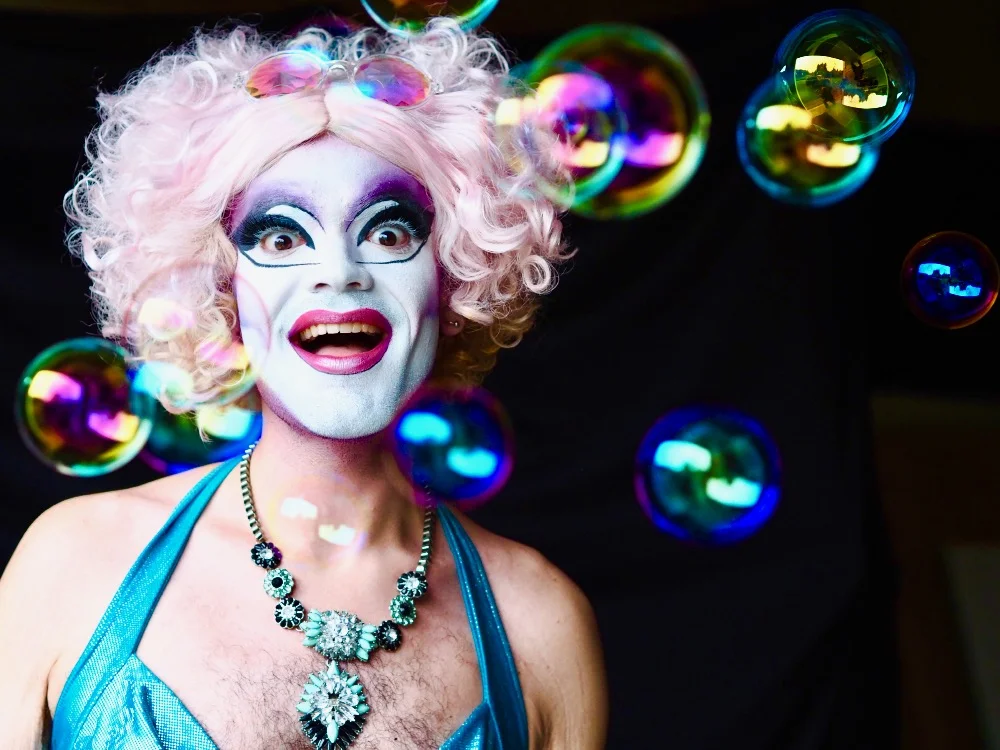
Photograph by Nancy Mankin
Courtesy of Anthony Hudson/Carla Rossi
Interview with Portland's Carla Rossi — On Queer Horror & Empowered Women In Pop Culture
Obviously I was head over heels for THE VVITCH and the coven in that. MALEFICENT is another hero of mine and I still can't believe that Disney made her film anti-patriarchy rape survival story. I love Faye Dunaway in SUPERGIRL as the witch who lives in a funhouse. My very favorite kind of witches are the earthy Satanic dirt witches who live on the outskirts of society and exist solely to terrify and oppose men—women like Meg Foster in LORDS OF SALEM, the witch in the '80s classic SUPERSTITION (it's amazing, try to find it and watch it!), and Gaga in AMERICAN HORROR STORY. I personally identify as a Satanic feminist witch and these ladies give me life. But so do the Sanderson Sisters in HOCUS POCUS. From the witches of childhood stories to the witch heroes in the movies I love today, I can't get enough of powerful women existing in spite of society, being fabulous, and twisting mens' folly to their will. And, like I and three other drag queens endlessly argued over in our intro to THE CRAFT, I am indeed the Nancy.
Read More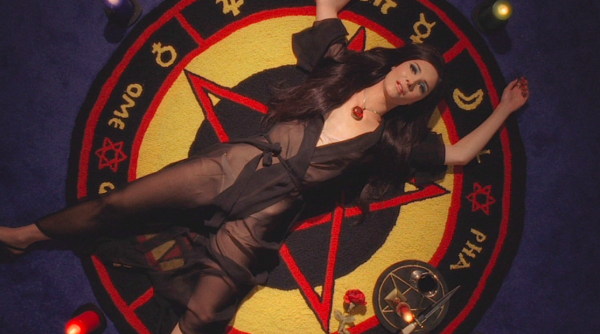
Interview with The Love Witch's Anna Biller: "I like to construct an alternate reality with cinema"
BY LISA MARIE BASILE
When I watched The Love Witch for the first time, I was fucking floored. Here was this aesthetically gorgeous, feminist, totally nuanced, witchcraft-focused, super kitschy, sexual, glamorous, dark piece of cinema — directed by a woman.
Before I watched it, I realized most people buzzing about it on social media had nothing but absolute praise for it. It's not like any film I've ever seen — and it requires a viewer to let go and just fall into its beauty and the binaries it presents around feminism and patriarchal brainwash. I also felt it was high-time a movie deal with witchcraft in a way that didn't involve overtly goth dress and changing hair colors for fun (looking at you, The Craft), wiggling noses, or inaccurate mixups with Satanist ideologies.
I also know that the director Anna Biller (who is also the production designer, editor, producer, composer, and costume designer), took her time to study witchcraft, which makes it so delicious. I was honored to be able to speak with Anna Biller — about how much I love her work and the nuances found in it. And please read Luna Luna's review of the film here.
Lisa Marie Basile: What drew me to The Love Witch was the fact that it was about a witch, of course, but also the fact that you so unapologetically used glamor and aesthetic as its own character. How do you think its unique look enhances the way the viewer emotionally reacts to the film?
Audiences respond to cinematic images very strongly, no matter what those images are. What’s strange about many movies today is how hard they try to seem unmediated — undesigned, unlit, as if the actors are just “there” and it’s all real, like makeup that takes an hour to put on to make it look as though you’re not wearing any makeup. But these are all choices. Deciding not to have glamour in your movie, not to have aesthetics look like aesthetics – that’s a choice too. I love glamour, so I use it. It’s a personal choice. It’s what I like to see on the screen. But in the kind of lighting I like, it’s not only people that are glamorous. Objects are glamorous too — chairs, mirrors, stairways, gardens. Beautiful lighting and design does produce heightened emotions. It also enhances the story because the audience is being told what to focus on through what is treated with the best shots and lighting.
Lisa Marie Basile: The Love Witch is interesting in that it can be (I think, very wrongfully) passed off as anti-feminist when viewed under the wrong lens. Obviously, this film is all about subversion. With so many people talking about the Bechdel test (which this film passes!) for film, how do you feel about it?
Anna Biller: If think if people are seeing the film as anti-feminist, then they’re either confused about what feminism is or they’re not seeing the film at all. The entire content of the film is about a woman’s life being destroyed by being made into a sex object within a patriarchal system.
Lisa Marie Basile: I know you asked people to stop saying the acting is 'wooden' and you asked people not to assume it takes place in the 1960s. Can you tell me a little about the way you approached the film and why you made these choices?

Anna Biller: I made the choices I made for the same reason anyone makes choices for their film: because they fit the story I was trying to tell, and because of my own sense of aesthetics. As for the acting, it’s good acting done by trained classical actors.
Lisa Marie Basile: What do you think of people who criticize the film for being filled with beautiful girls for the most part? From feminists I know who loved and saw the film, a few (of course, not all) said that was one element that did bug them.
I'm wondering if that was more than a typical silverscreen-casting call — and more an explicit attempt at capturing some of that narcissism and female sexual power you're exploring?
What’s wrong with beautiful girls? What’s antifeminist about that, unless feminists actually buy into a sexist stereotype that only unattractive women can be feminists? That’s really shocking to me. I love to look at beautiful women on the screen. It has nothing to do with catering to what men like and want to see. Also, a very high proportion of working actresses are attractive. Many directors don’t have their beautiful actresses wear a lot of makeup or dress in cute clothes. Does that make those directors more feminist-friendly?
Shouldn’t people look at the text, and not at what the actresses look like and what they are wearing? What kinds of messages are women sending when they become obsessed about the appearance of women on the screen rather than focusing on the complex characters they are portraying? Also, what do these objectors think of the character of Trish? She is Elaine’s foil, a woman who does not base her value on her looks. And Elaine, the one who is obsessed with her looks, ends up being the one whose values are questioned in the movie. That’s why I say that if people think the film is anti-feminist, they’re not following the narrative.
But as I said earlier, I do love glamour, and I’m not going to apologize for that. I am deliberately trying to bring back dignity and pleasure to glamour, which is something that used to give women a great deal of pleasure before they started having to feel guilty about it. It’s actually a political stance. It’s about not being ashamed of being a woman and looking feminine, and about not privileging a male or genderless mode of self-presentation as being better. It’s not better or worse, it’s just another choice. If we are truly liberated, we should be able to take pleasure in any mode of self-presentation we choose, and we should absolutely not have to apologize or feel ashamed for being born with a good bone structure!
But as I said earlier, I do love glamour, and I’m not going to apologize for that. I am deliberately trying to bring back dignity and pleasure to glamour, which is something that used to give women a great deal of pleasure before they started having to feel guilty about it.
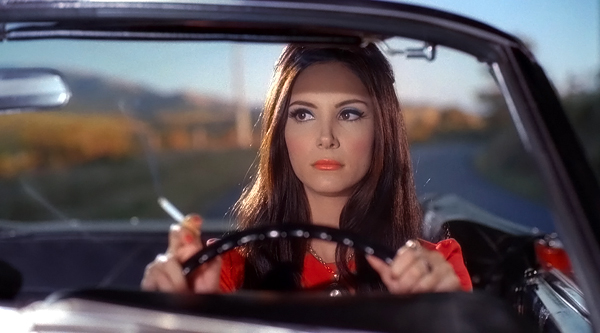
Lisa Marie Basile: I recently wrote an article about witchcraft as self-care — and part of that reasoning is that people are finally coming to understand that it's not just hocus-pocus, that it's not only real, but that there can be a feminist, empowering element to it. Your film explores both ends of the spectrum. The magic and feminism — the tampon soaked in urine and the body as power, but also the desperate need for male approval and love through the Craft. How did you approach that binary, and why was it important to you to explore both?
Elaine’s need for respect and love is a primary human need, especially for people who were raised without love. What I have found is that women often turn to witchcraft to find personal power, which is how Elaine came to it. But she also came to it out of desperation, which is always a bad way to approach any kind of religion.
Lisa Marie Basile: I felt that The Love Witch had this Lynchian quality — there were plenty of scenes that had an eerie, uncomfortable undertone. A disconnect from reality, perhaps? It slowly creeps under your skin. I'd love to hear your thoughts on Lynch and your filmmaking inspirations in general.
I’m actually interested in reality much more than I’m interested in disconnecting from it, although I like to construct an alternate reality with cinema. I’ve often been compared to Lynch, but I think he is trying to point out the weird in the everyday, and I am more trying to point out the mythic in the everyday. But I do agree that my work can be eerie.
I think the eeriness comes from the mix of strong, sincere emotions and heightened visuals, along with a slight sense of detachment from the whole thing. When I’m making a film I almost feel as if I am dead, I am that much in a trance. So I am looking down at the whole thing from a great height as if it has nothing to do with me, and I am just a spirit medium teasing the film out of the ether, but it’s based on all the things that happened to me in life and mediated magically through the media of script, acting, lighting, film, and editing.
Elaine’s need for respect and love is a primary human need, especially for people who were raised without love.
Lisa Marie Basile: I respect so much that your film explains witchcraft as a way to manifest intent. I know you studied witchcraft when making this film. Have you thought that previous films showcased witchcraft incorrectly, as something different?
Witchcraft as a way of manifesting intent comes from modern Wicca and from Aleister Crowley. It’s how real practicing witches think of witchcraft. I’ve rarely seen any film that deals with witchcraft the way it’s actually practiced, except maybe the original version of The Wicker Man.
Lisa Marie Basile: [READERS BEWARE: SPOILER ALERT]
When Elaine kills Griff (and when Wayne dies), it is unclear to me how Elaine feels. I struggle with this a lot — and I've watched it a few times. Maybe that's because Elaine herself is both dark and light ("you have two selves," says Wayne). Is she capable of feeling loss? Is she mourning these men's imperfections and rejections?
I think that when Wayne dies, she is very sad. But it’s not the type of sad one usually feels when mourning a death; it’s more the type of sad when you’ve broken your new toy, and now you are bored because you have nothing to play with. So it’s “narcissistic sad.” When Griff dies she’s not sad — she’s more relieved. Now she’s done away with the obstacle of the real man who argues with her and refuses to tell her he loves her, and she instead has the imaginary man, who says he loves her, marries her, and carries her away on a white unicorn. So at this point she has completely lost touch with reality.
Lisa Marie Basile: I've heard a lot of comparisons between Elaine and Lana Del Rey, which is interesting (I LOVE them both) — and between The Love Witch and Lana Del Rey's sensibilities. What do you think?
I don’t know. They’re both pretty girls with long brown hair who dress ‘60s. It’s a pretty superficial comparison. I like Lana’s look and aesthetic a lot, though.
BUY/WATCH THE LOVE WITCH ON AMAZON OR HERE.
Sarah Fader
Support Stigma Fighters: In Conversation About Mental Health Support With Sarah Fader
BY LISA MARIE BASILE
Stigma Fighters is a mental health non-profit organization dedicated to helping real people living with mental illness. Stigma Fighters has been featured on Good Day New York, Psychology Today, Women’s Health Magazine, and The Washington Post. You can support the current anthology by donating here.
LMB: What I love the most about your work with Stigma Fighters is not only that you're pushing for awareness in general, you're pushing for awareness in the everyday. I think that's where the conversation slips through the cracks: the high-functioning person with anxiety, the role model or public figure with panic disorder, the happy-go-lucky people-person with quiet depression. This is what I am so thankful for — because, as a public-facing person, I am always wondering when and if my cracks with show, and what will happen if they do. How did you approach this goal? What message do you want to tell?
SARAH FADER: I can relate to the high-functioning person from personal experience. I grew up in the 90’s when it was shameful to speak candidly about living with depression or anxiety, both of which I experienced on a chronic basis since age 15. I became adept at hiding my illnesses, and I was an excellent actress. This continued into adulthood, and I was hyper-fixated on other people being able to tell if I was "normal." I wanted to call attention to this type of situation in particular because it's one that people don't speak about often.
We are surrounded by people who have mental health issues, but whether or not they speak about them openly is debatable. That is one of the main reasons I started Stigma Fighters is to provide an open forum for people who have been dying to speak their truth about living with mental illness but haven't found the right area to do so. Now people who have a variety of mental illnesses have a place to tell their stories. Whether you are living with Borderline Personality Disorder or Panic Disorder, Stigma Fighters is here for you.
LMB: Can you talk a little about the history of building SF? It seems like a huge undertaking!
SARAH FADER: Stigma Fighters began as a blog series. I reached out to people in the blogging community who I knew were open about living with mental illness and I invited them to share their stories on www.stigmafighters.com. It grew and grew and eventually it was a burgeoning mental health community.
One day, my life changed for the better when I met Allie Burke, who became my business partner. Allie lives with paranoid schizophrenia, but she is so much more than her illness. She is a best-selling author and writes a column for Psychology Today. She has been featured in Women's Health Magazine and runs The OCH Literary Society. Allie and I took Stigma Fighters from being a blog and transformed it into a 501C3 non-profit organization. My inside joke with Allie is that my anxiety loves her paranoia. I adore her and with her leadership and my tenacity we were able to make Stigma Fihters what it is today. We were featured on the front page of The Washington Post!
LMB: What will the anthology feature? How can people support it and your organization?
SARAH FADER: The third volume of The Stigma Fighters Anthology features stories from people living with a variety of mental illnesses. It tells the stories of people who have been continually silenced by our society. I am fortunate to be able to unify so many voices into a volume of text. I want to tell the stories of people who have been told (in one way or another) that they do not matter. Society tells people with mental illness that we are burdens, that we are people to "put up with," and that we shouldn't speak about our challenges. These are all falsehoods and I want to make sure we debunk these statements simply by telling our stories.
LMB: What would you say to the person who may want to contribute to SF by sharing their story, but might be afraid?
SARAH FADER: First I would say, you can tell your story anonymously if you are not ready to share it with your name on it. If you want your name attached to your words, I encourage you to speak your truth. You don't know how many people you are reaching by telling your story. Think about the person who is suffering from depression right now who could benefit from knowing that she is not alone. Mental illness can be inherently isolating. When you open up about your experience, you give hope to people who are yearning for it.
LMB: How can we, in the everyday world, create an environment that is compassionate and kind to those around us (who we either may or may not know are living with mental illness)?
SARAH FADER: We need to speak openly about mental illness period. It's important to combat against the shame associated with having any sort of mental illness. You are a human being first and foremost with feelings and a soul. You have a right to your story and no one can take that away from you. The more we speak openly about mental illness, the more normalized it becomes in society. Next, people who are listening to a friend or loved one who has a mental illness, truly hear what they are telling you.
Maybe you've never experienced bipolar disorder, that doesn't mean you can't be empathetic toward a friend who has it. Lastly, empower the person who has mental illness to know that they CAN when they think they CAN'T. When I say that they can, I mean that sometimes knowing you can means asking for help. Simon and Garfunkle claimed that they were both a rock and an island, but I disagree with that. We are not islands, we are people and we need to ask others for help sometimes.
Want to fight against the stigma? Donate here.
Sarah Fader is the CEO and Founder of Stigma Fighters, a non-profit organization that encourages individuals with mental illness to share their personal stories. She has been featured in The Washington Post, The Atlantic, Quartz, Psychology Today, The Huffington Post, HuffPost Live, and Good Day New York. Sarah is a native New Yorker who enjoys naps, talking to strangers, and caring for her two small humans and two average-sized cats. Like six million other Americans, Sarah lives with panic disorder. Through Stigma Fighters, Sarah hopes to change the world, one mental health stigma at a time.
Lisa Marie Basile is the founding editor-in-chief of Luna Luna Magazine and moderator of its digital community. Her work has appeared in The Establishment, Bustle, Bust, Hello Giggles, Marie Claire, Good Housekeeping and Refinery 29, among other sites. She is the author of Apocryphal (Noctuary Press), war/lock (Hyacinth Girl Press), Andalucia (The Poetry Society of New York) and Triste (Dancing Girl Press). Her work can be found in PANK, the Tin House blog, The Nervous Breakdown, The Huffington Post, Best American Poetry, PEN American Center, The Atlas Review, and the Ampersand Review, among others. She has taught or spoken at Brooklyn Brainery, Columbia University, New York University and Emerson College. Lisa Marie Basile holds an MFA from The New School. She is an advocate for foster youth. @lisamariebasile
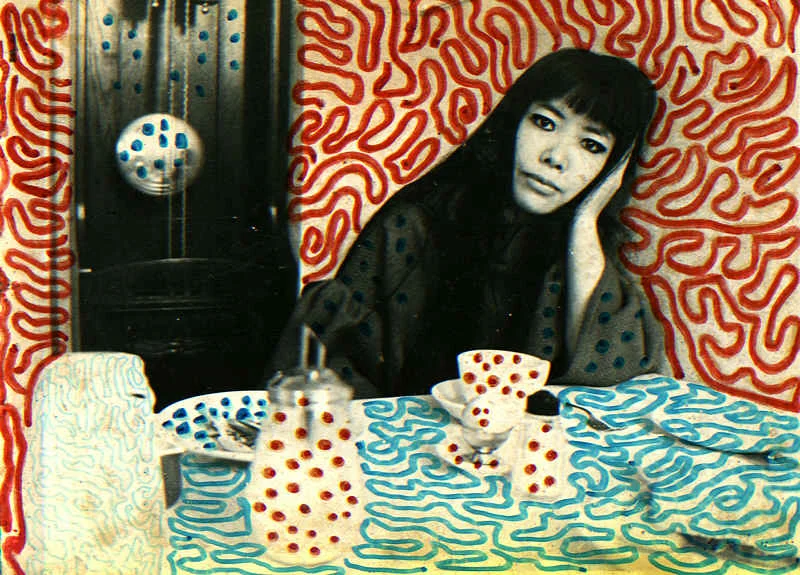
Yayoi Kusama
On My Unapologetic Mother
My mother was furious; she embarked on a nightlong analysis of everything I was doing wrong in my life, as she often did. Halfway into her thesis, however, her anger turned to tears. It was a big deal, she said, her voice cracking, because by changing my tickets to later in the day, I would arrive at Tokyo close to midnight, and would be forced to find my way around a foreign country carrying two large suitcases in the dark, on my own. It was a big deal, because I was twisting myself to fit into the contour of the world around me, even if it meant bending myself so far I was hurting myself, as if all I deserved was the leftover nook of whatever people threw at me. I would make myself small and try to crawl into that space, and I would crawl with my head down, with my arms tucked by my sides, worried about accidentally poking someone with my elbows.
Read More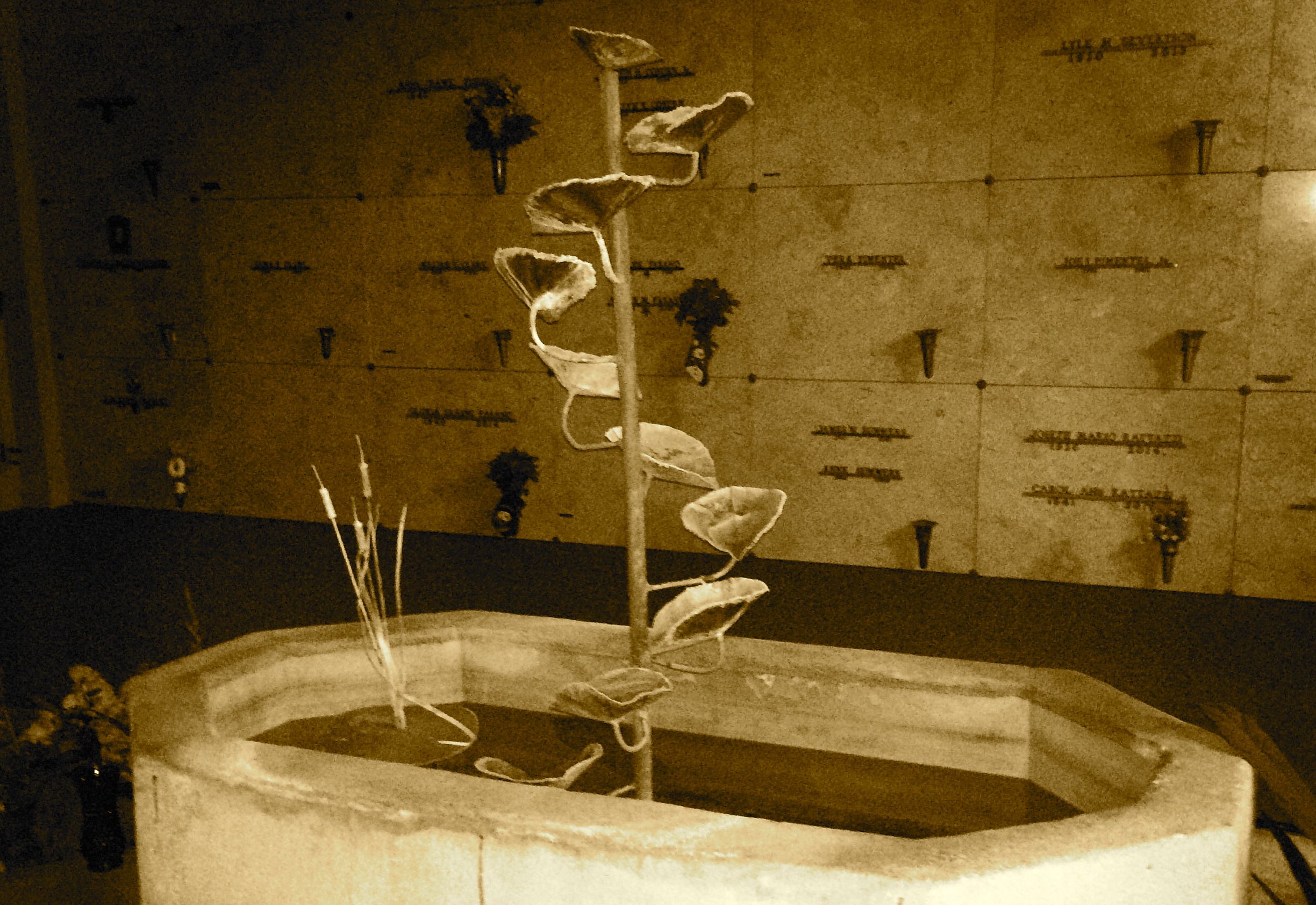
Photo by Monique Quintana
Necromancy For Your Grandmother's Hands
Bluish, you find the stone. They are the diamonds she once told you about...
Read More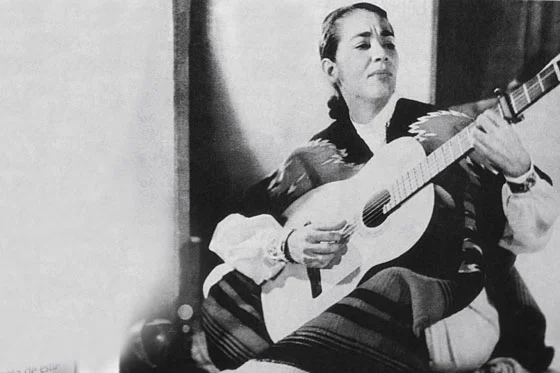
Via cromos
Strange Beauty: Chavela Vargas
When aesthetic is subversive, it is both strange and beautiful…
Read More
Courtesy of Anna Szilagyi
Navigating the Minimal Makeup Trend as an Acne-prone Human
This message sounds appealing on the surface, and even liberating and empowering. The pervasive trend can become isolating, though, when you don’t want your natural skin to show through. Those of us with acne and scarring often take comfort in the fact that a beauty blender and some full-coverage foundation can mask our redness. Using makeup to cover my skin takes my mind off of blemishes and insecurity, and that – spending a little extra time, not less – lets me focus on living my life and getting shit done.
Read More