





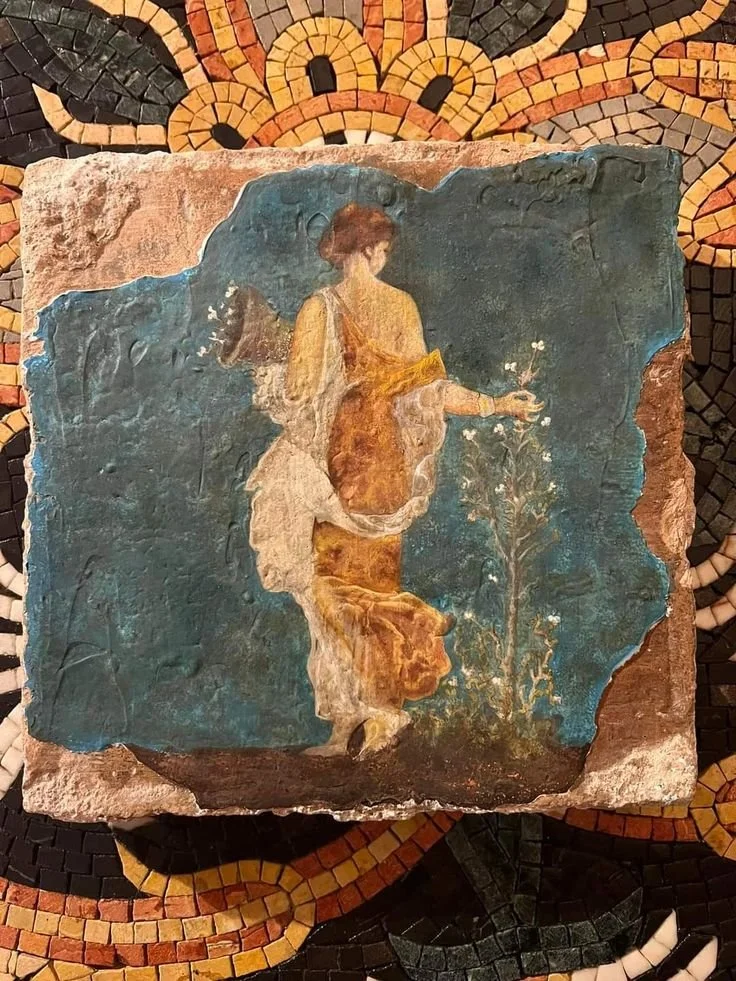
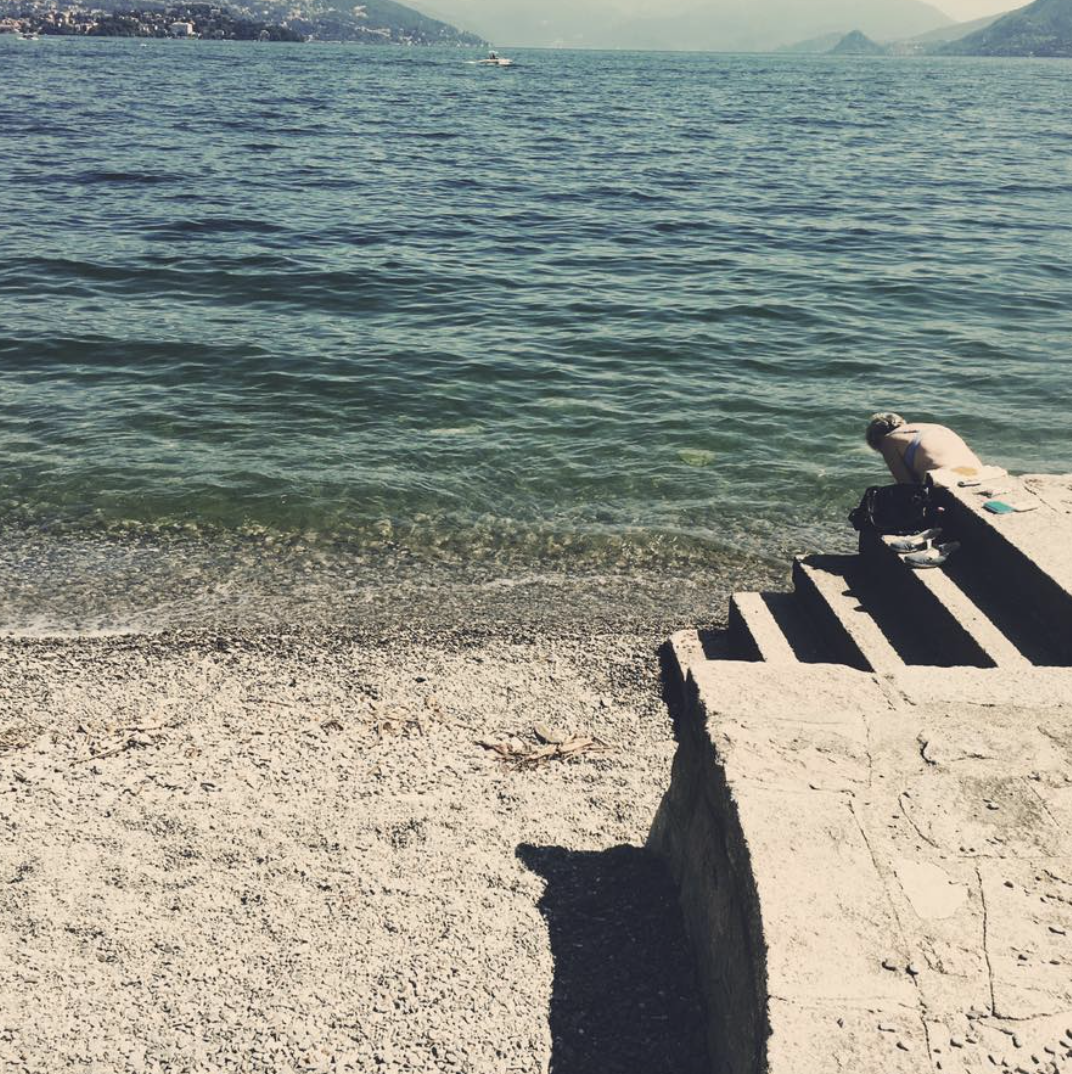
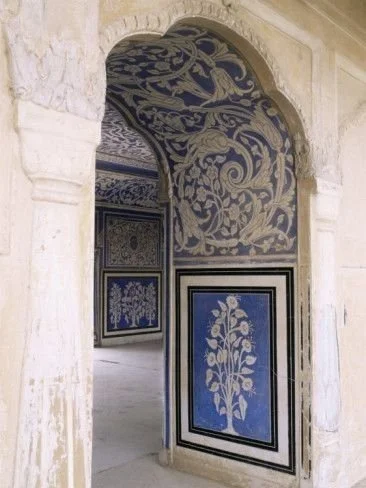
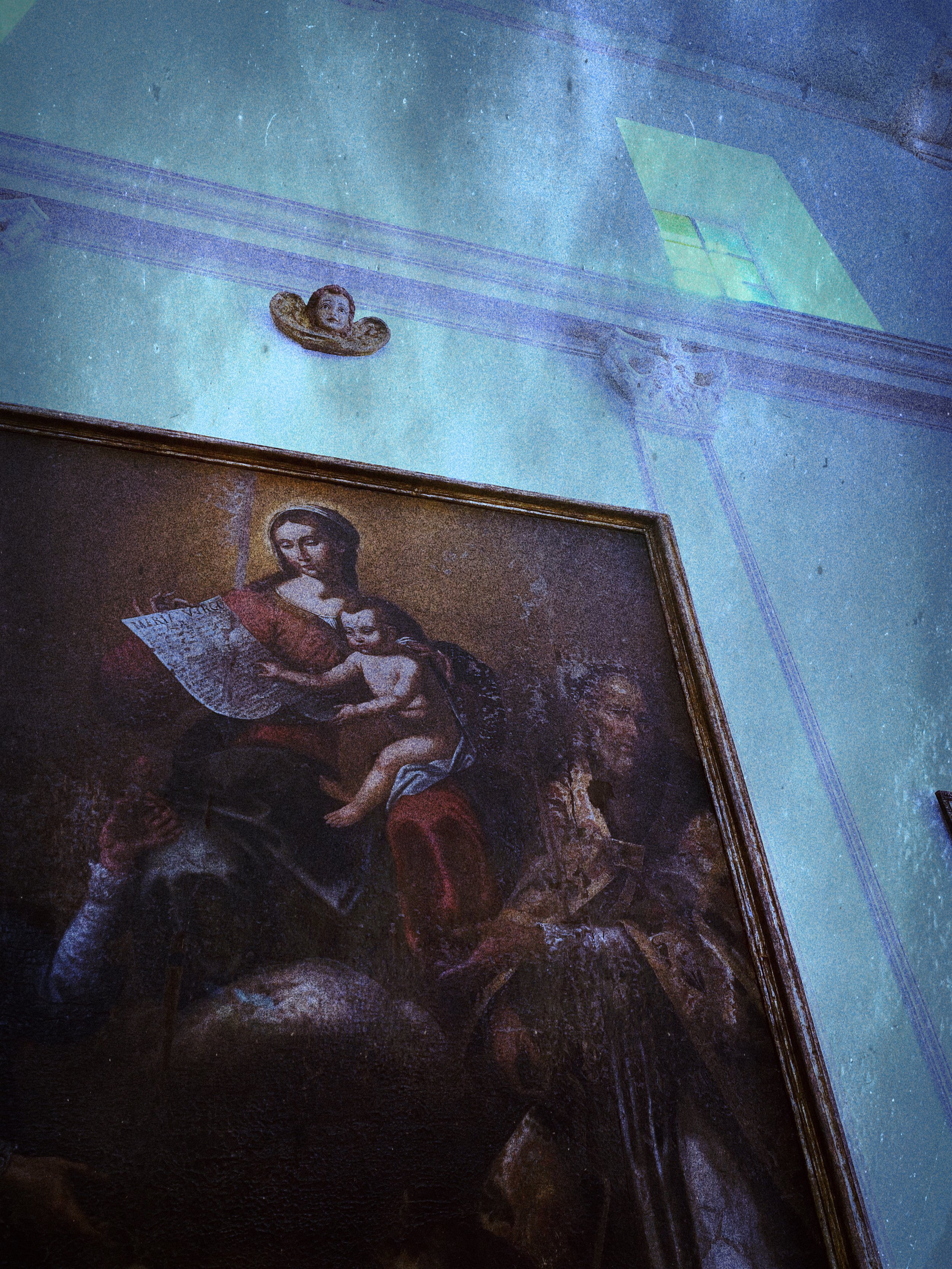
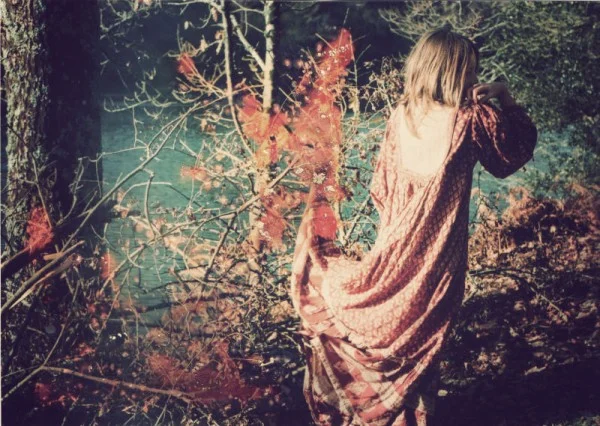
my mother in leaf mold
my mother in a dress the color of drains
Read More
Aela Labbe
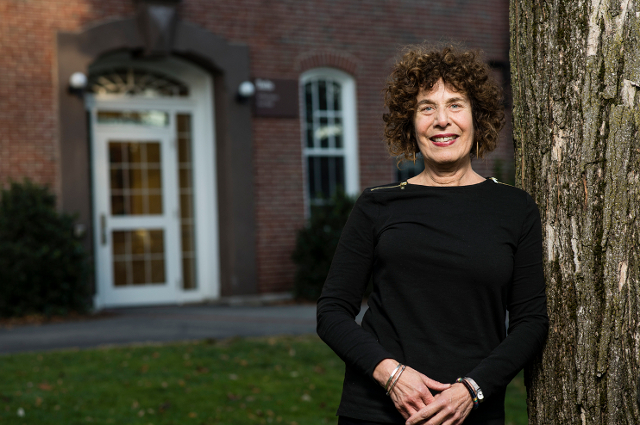
While I was admiring the navy blue of the Atlantic a few weeks ago in a secluded Cape Cod house, I hungrily read Rebecca Kaiser Gibson‘s “Opinel.” It is a poetry book full of majestic, dreamlike imagery set in an all-too-real world. Published in 2015 by Bauhan Publishing, it centers around both urban and rural landscapes, mythical and mundane lives; it is a book that speaks well of loneliness, using the earth as both lover and enemy.
Read More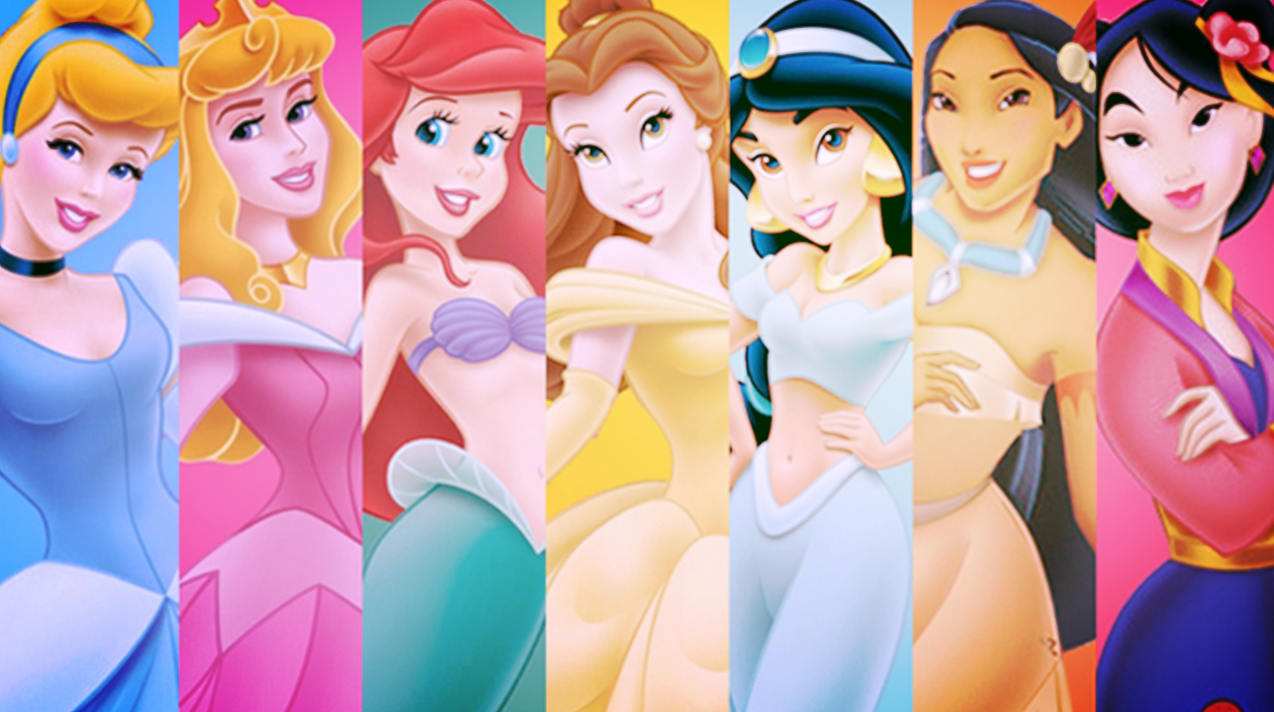
BY MACEY LAVOIE
I grew up in a world of VHS tapes and Disney Classics. My collection was an impressive mass of bulky nostalgia that I packed away as DVD’s took over. I remember my favorites: the brave Mulan and the heart-wrenching tale of Simba in the Lion King. But one thing is for sure, I have always hated Cinderella.
My family would laugh at my utter lack of interest in being a Disney princess, but from a young age something about the tale of the girl in the glass slipper irritated me. Cinderella did absolutely nothing to help herself, and it could be argued that if the fairy godmother hadn’t shown up Cinderella would still be scraping the cinders out of the fire. It was a classic damsel in distress story that even as a child I couldn’t get behind.
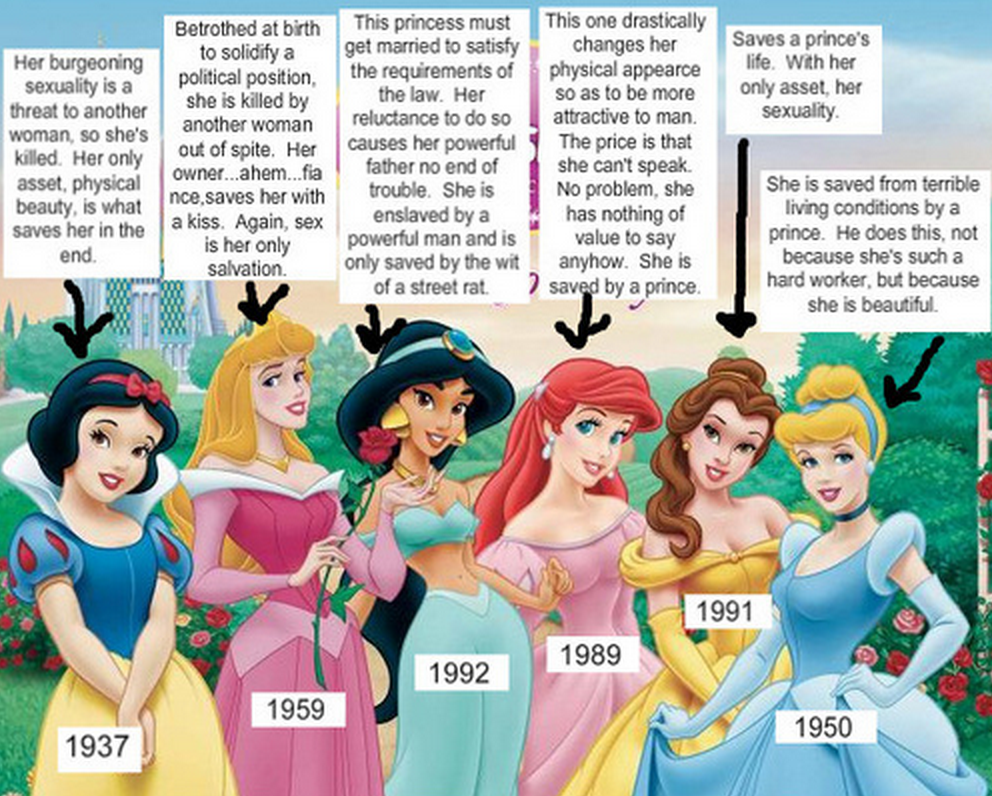
Via here.
During that time I wanted – needed – a story that would show a healthy representation of women, especially a gay character, one who struggled and faced adversity but was able to overcome it. Such a character didn’t exist (at least to my knowledge), so I stopped reading the few LGBTQ books my friends would suggest to me.
Though my family had never spoken ill of LGBTQ individuals they didn’t outwardly advocate for them either. It was a topic that rarely found its way into conversation. I remember the truth being at the tip of my tongue, and I remembering swallowing it down as I recalled all the scenes in books where the truth caused nothing but heartache and disappointment. I would clench my hands under the table and the truth would slip back down. My mother would ask me what I was thinking and I would only shrug my shoulders: nothing much.
It wasn’t until I received a book for Christmas that my perspective of the much-loved character began to change. “Ash” by Malinda Lo is an adaptation of the Cinderella – it's got faeries and huntresses. It was this tale of magic and self-discovery that led me to consider what it would be like to put on a pair of glass slippers of my very own. Though, in this version, Ash doesn’t fall for a prince or even a man; she falls for the King’s Huntress, Kaisa.
This was my first time reading a book where the main character was bisexual and encouraged to be herself, with a complex love triangle between a mysterious faerie named Sidhean and Kaisa. I was swept up in the love story because it was something I could relate to. I identified as someone apart of the LGBTQ community and was comforted to know that – for once – the fictional characters I spend a majority of my time with reflect a part of me you don’t see represented often.
Much like Ash, I wasn’t one of those children who inherently knew about their sexuality early on. I pretty much tripped into it my early years of high school much like Ash trips into it upon discovering her romantic feelings for Kaisa. You rarely see gay characters in literature, much less a bisexual character that ends up falling for a woman.
LGBTQ books have been problematic, to say the least. The main character typically discovers their sexuality and is disowned, kicked out of their house or ostracized and bullied to the point of suicide. I remember reading this scenario over and over again until a seed of doubt was planted in my own head. Would my kind and loving family really kick me out if they knew about me? Was it that bad to be different?
Lo's version of Cinderella, however, speaks of a quiet strength, and more complexity than the original. This is a Cinderella character I could get behind. One who was kind but also brave, one who got lost in books and didn’t need to fall into the arms of a prince to be saved.
The topic of representation has been a hot spark in the publishing world for a while, as more organizations like VIDA and We Need Diverse Books gain momentum and as diverse voices are published. I can only hope that we see more writing like this come out of the woodwork.
Macey Lavoie is a new Bostonian trying to find her way around and working on her MFA at Emerson College. She has a fondness for sushi, walks on the beach, reading and mermaids. When she is not busy having crazy adventures with her friends she can be found either jotting down writing ideas in her small notebook or curled up with a book and her two cats. Her dream is to one-day change the world with a book and to own a large library.
via Poetry Foundation
Ariana Reines, the Goddess of putting it all out there is a supercharged, magical she-wolf. The sweet beast’s soft underbelly and sharp black claws reside happily in her poetry. She brings to light the twists and churns of our page-surfing information obsessed sex-craved whims and deepest most petrifying wishes.
Read More
From Katie's childhood
There are things I may never know but there are things I’ve known all my life. Let me tell you something I rarely tell anyone; I knew I would have a firstborn daughter. I told my parents this growing up. I told my wife this before she was my wife. I told her this when she was pregnant for the first time. It was something more than a yearning or desire. The closest word I have for this feeling is faith.
Read More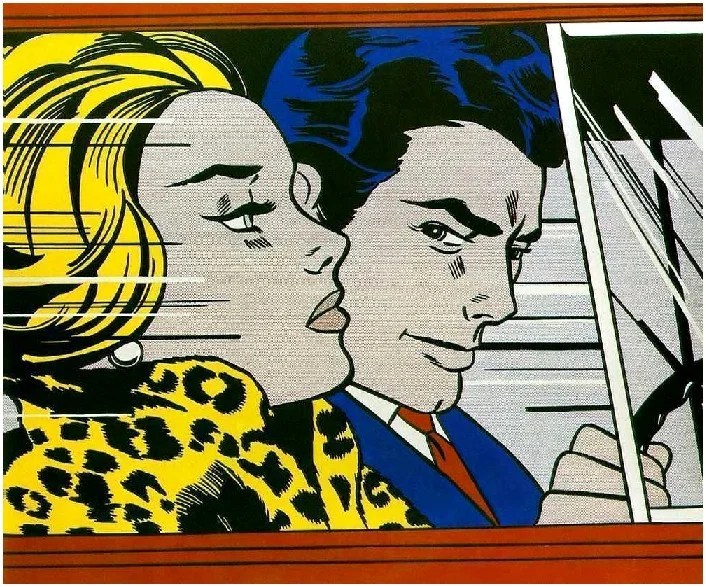
Roy Lichtenstein
When writers talk about writing, they talk about isolation. It’s why Basquiat and Woolf and the Shelleys and Whitman and Holiday all created something with a vicious pursuit—as a means to connect. They needed to—you could say it was somewhere in their marrow or their spirit, or whatever it is you believe to be so deep, it can’t be separated from the human. So, if we’re talking about living with loneliness, what does this actually mean?
Read More
via Boost House Twitter
The Best Thing Ever is telling us something we already know, but are hesitant to acknowledge. We are tired. We are at work. We think about Mom and Dad. We think about death and destruction and our government. Given the multitude of topics we could be discussing with colleagues and friends over text, the same things keep coming up. We repeat ourselves and don’t even know it. The best thing ever would be to put the iPhone down. The actual best thing ever is to hear, to listen to Theobald while we still can.
Read More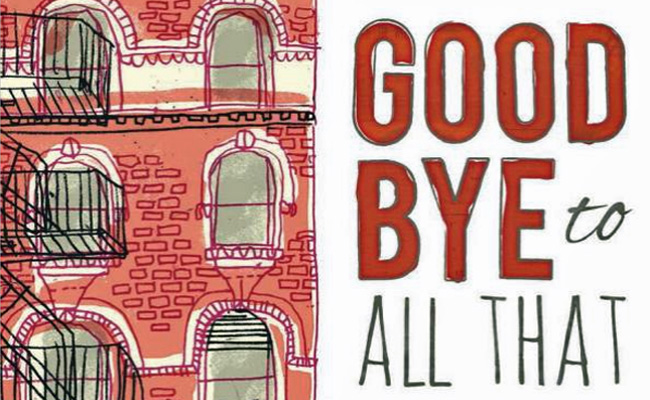
"I don’t know anyone who doesn’t have a love-hate relationship with New York," said Sari Botton of her new anthology, Goodbye To All That: Writers on Loving and Leaving New York (Seal Press). The Manhattan expatriate gathered tales of love, loss and ultimately, change from twenty-eight female writers including Cheryl Strayed, Hope Edelman and Dani Shapiro. The 48 year old Long Island native lived in the city for over a decade before relocating to a small rural "hipster" town in the Hudson Valley with her husband Brian. In an interview in Greenwich Village, Botton explained that the impact of having been a New Yorker leaves an indelible mark. "The longer I am away, the more I miss it."
Read More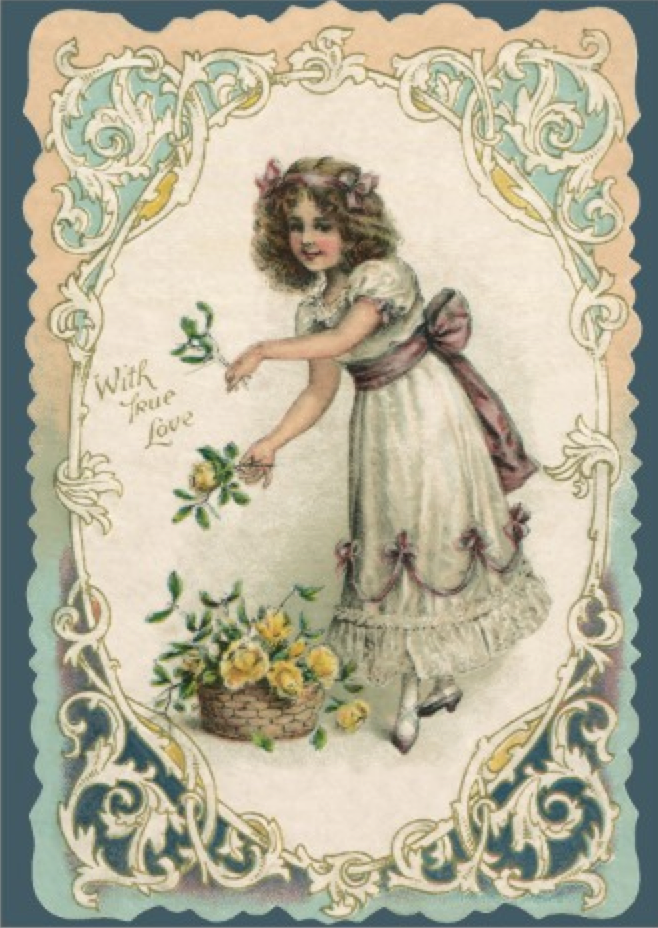
BY LISA MARIE BASILE
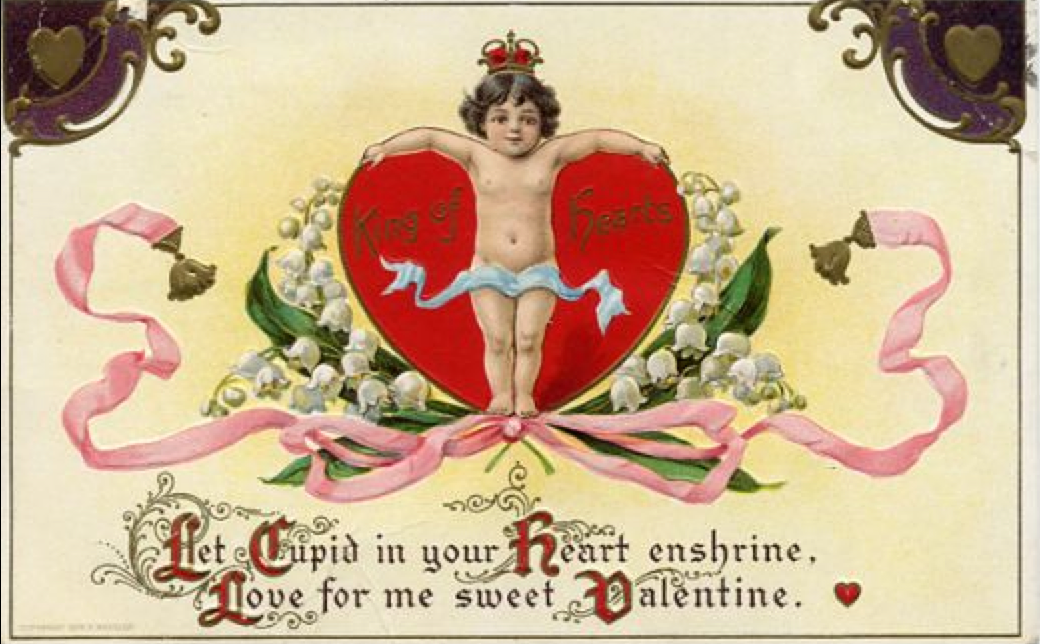
Valentine's Day is thought to stem from Lupercalia, a Pre-Roman Pagan festival celebrated between February 13-15 (can we please get back to three days of V-Day?), and so the gauche, commercial excess was not the point. Lupercalia, to the Pagans, was a time for thwarting evil spirits and cleansing the space of its negativity. On this day, because how darling, it is said that the birds chose their mates.
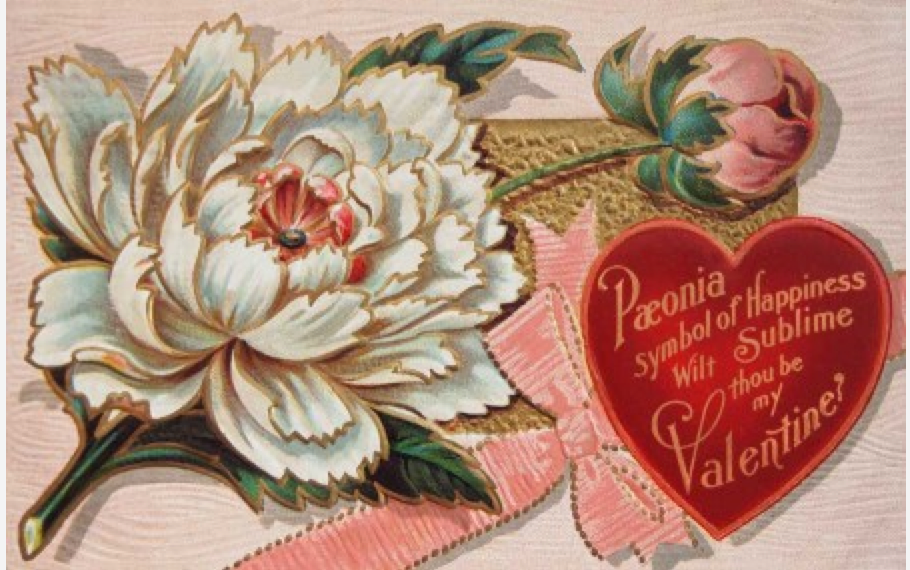
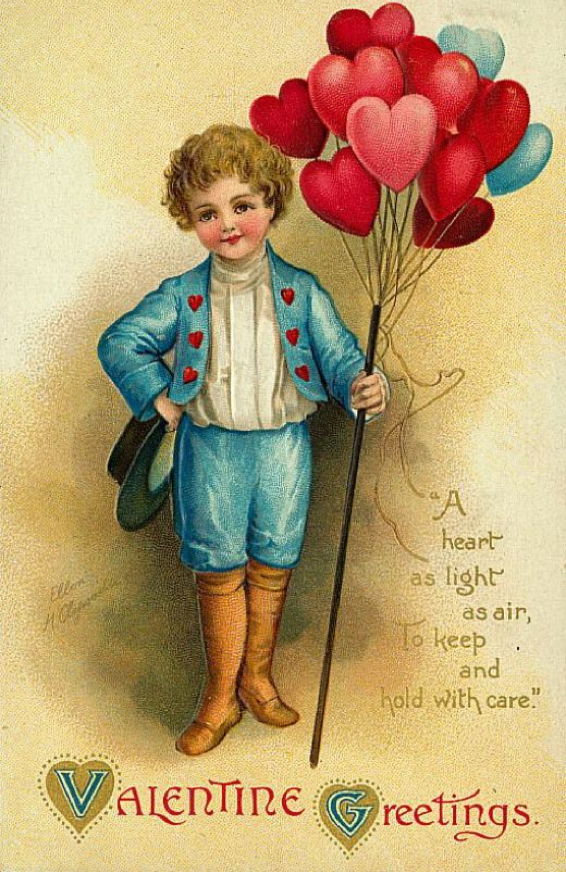
In 14th-century England and France, poems became the primary Valentine's Day (please see Geoffrey Chacer's The Love Unfeigned, a 14th-century poem not specifically written 'for' Valentines, but romantic nonetheless; let us know if you can translate that better than we can). The poem became common again in the 18th century, and especially in the Victorian Era, when sentimentality reached its abslolute peak and V-Day's commercial value heightened. Embossed, lace, ribbons, floral patterns and deliciously ornate designs were the norm. #swoon
And then we got our filthy modern hands on history.
If, like us, you're sick to death of paying $4.95 for a contemporary, soulless, Teddy Bear V-Day card from Duane Reade, we've compiled a few of our favorite printable Victorian Valentine's Day cards. Our recommendation? Print these out, make yourself your own Valentine and create a little Victorian shrine for yourself. Or your lover. Whatever you'd like.
Just click the image to download the print, and if you want more, you can click into each photo and peruse the sites, which will allow you to either download more prints or send a physical Valentine to someone. (We still recommend sending yourself some love in the mail.)
And so, here are a few images (along with a few naughty Victorian bits) for you to swoon over.
xo
Via Vintage Fangirl

Via Vintage Holiday Crafts
Via Vintage Holiday Craft
Via Hubpages
Via Hubpages
Via Victorian Trading Co
Via Victorian Trading Co
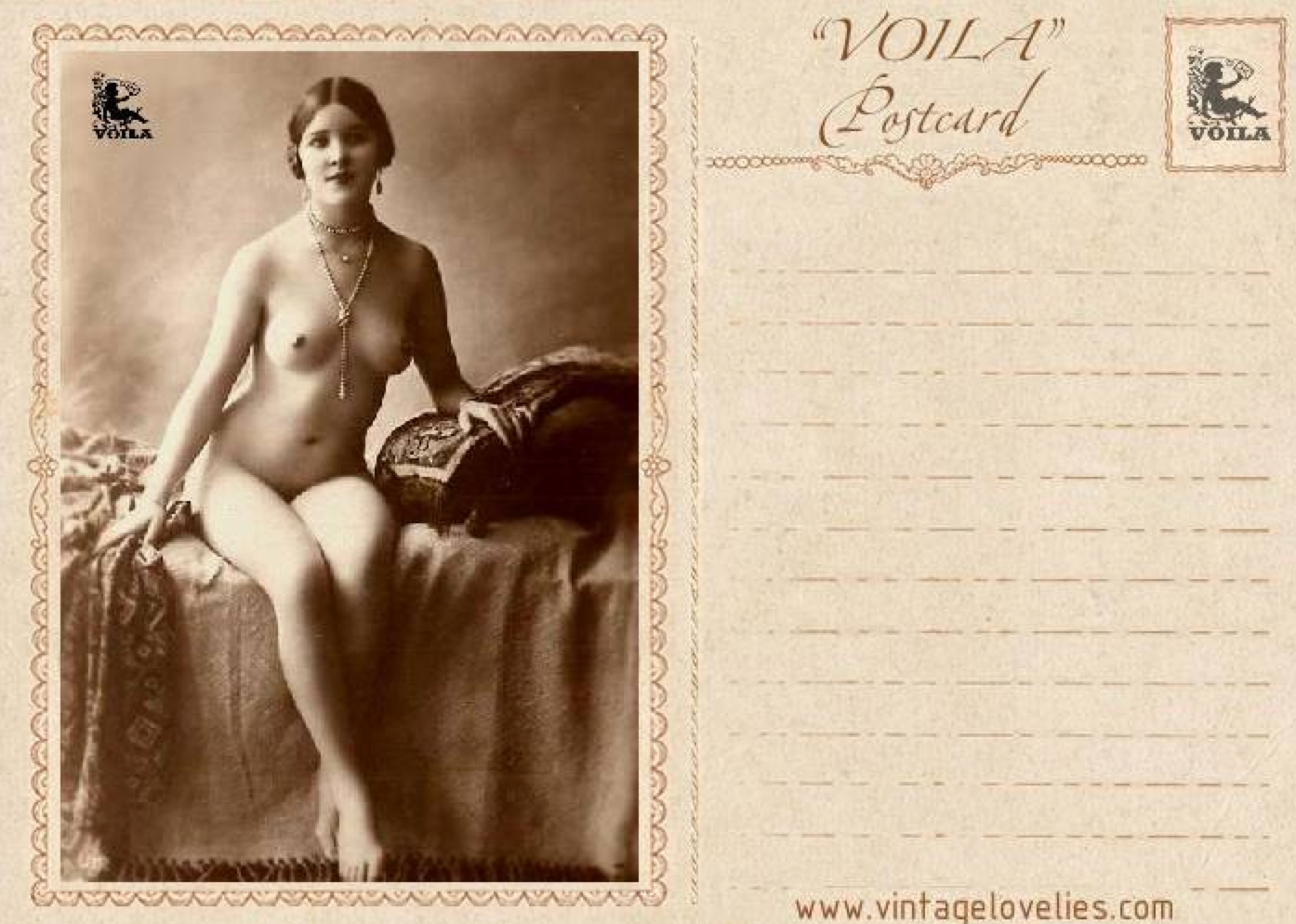
Via Vintage Lovelies
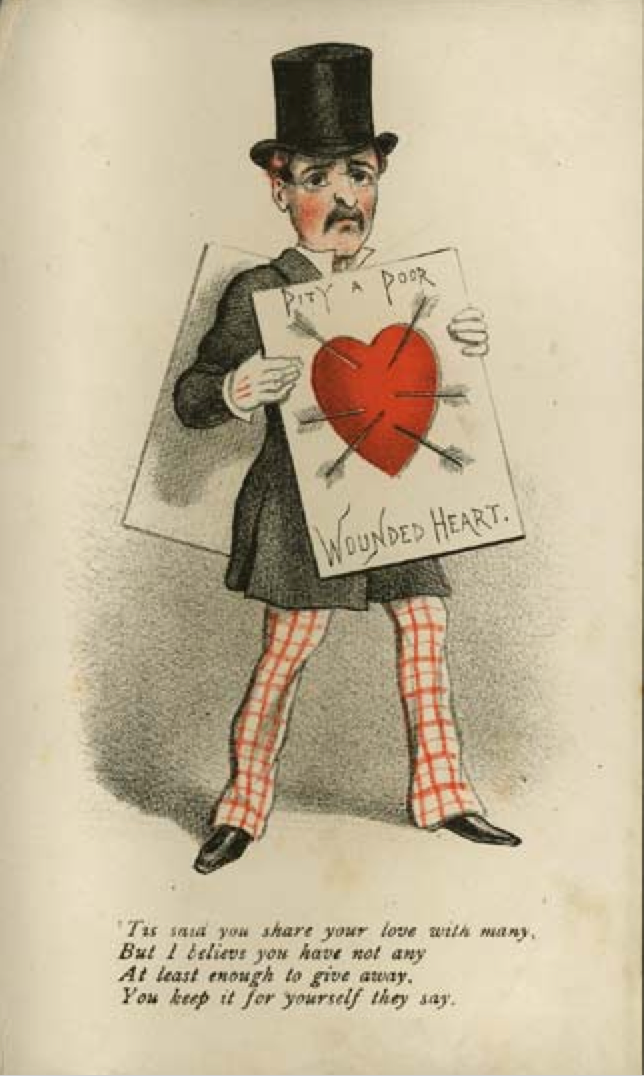
Via Vintage Anachronists
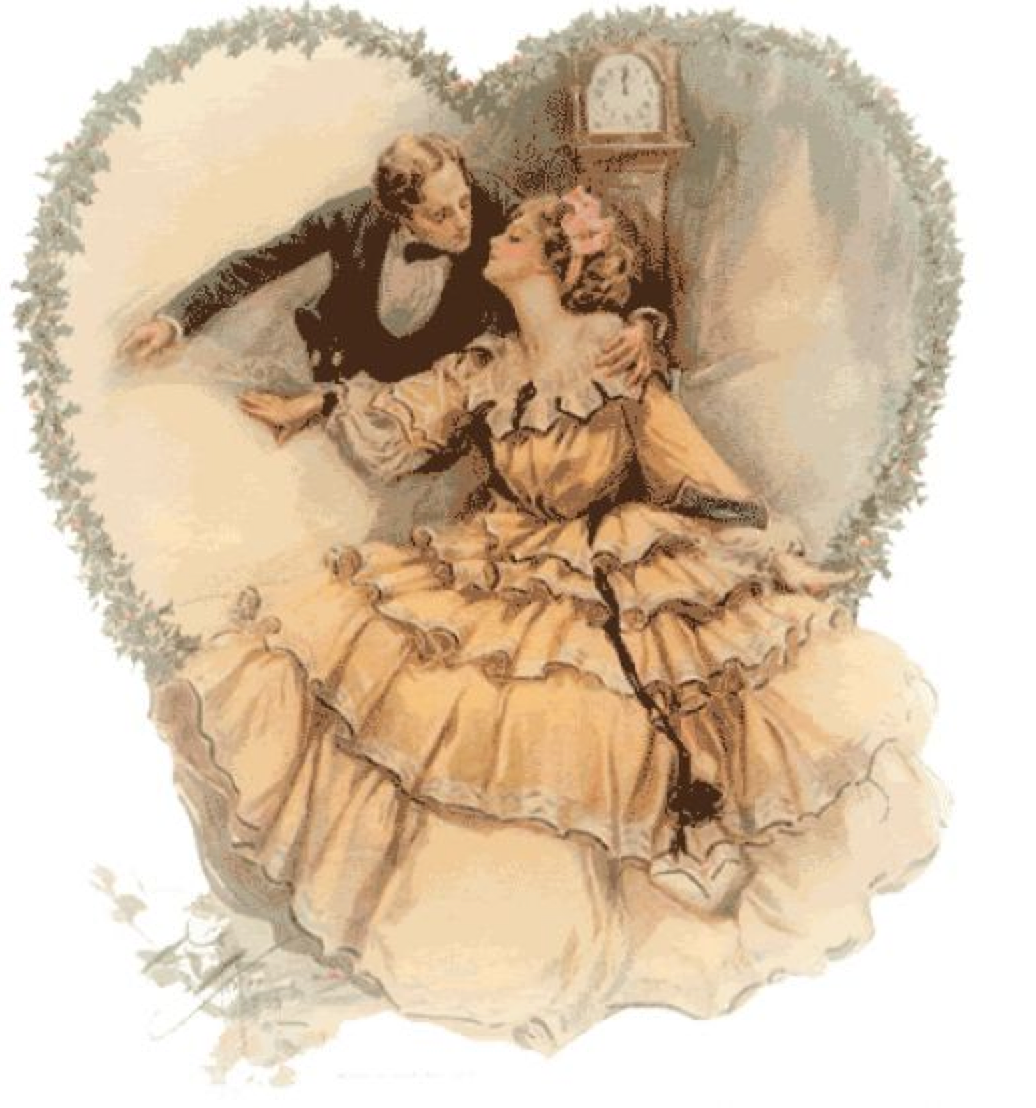
Via Hubpages
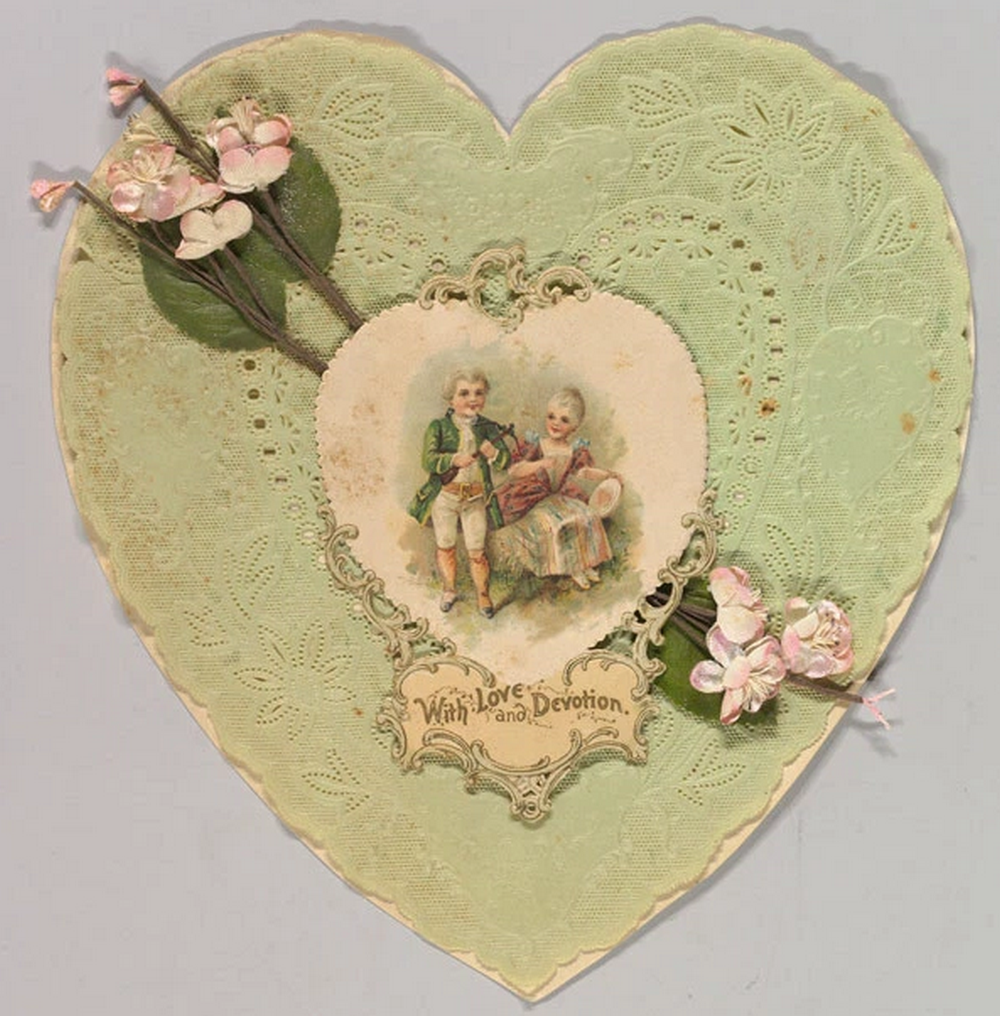
Metropolitan Museum of Art
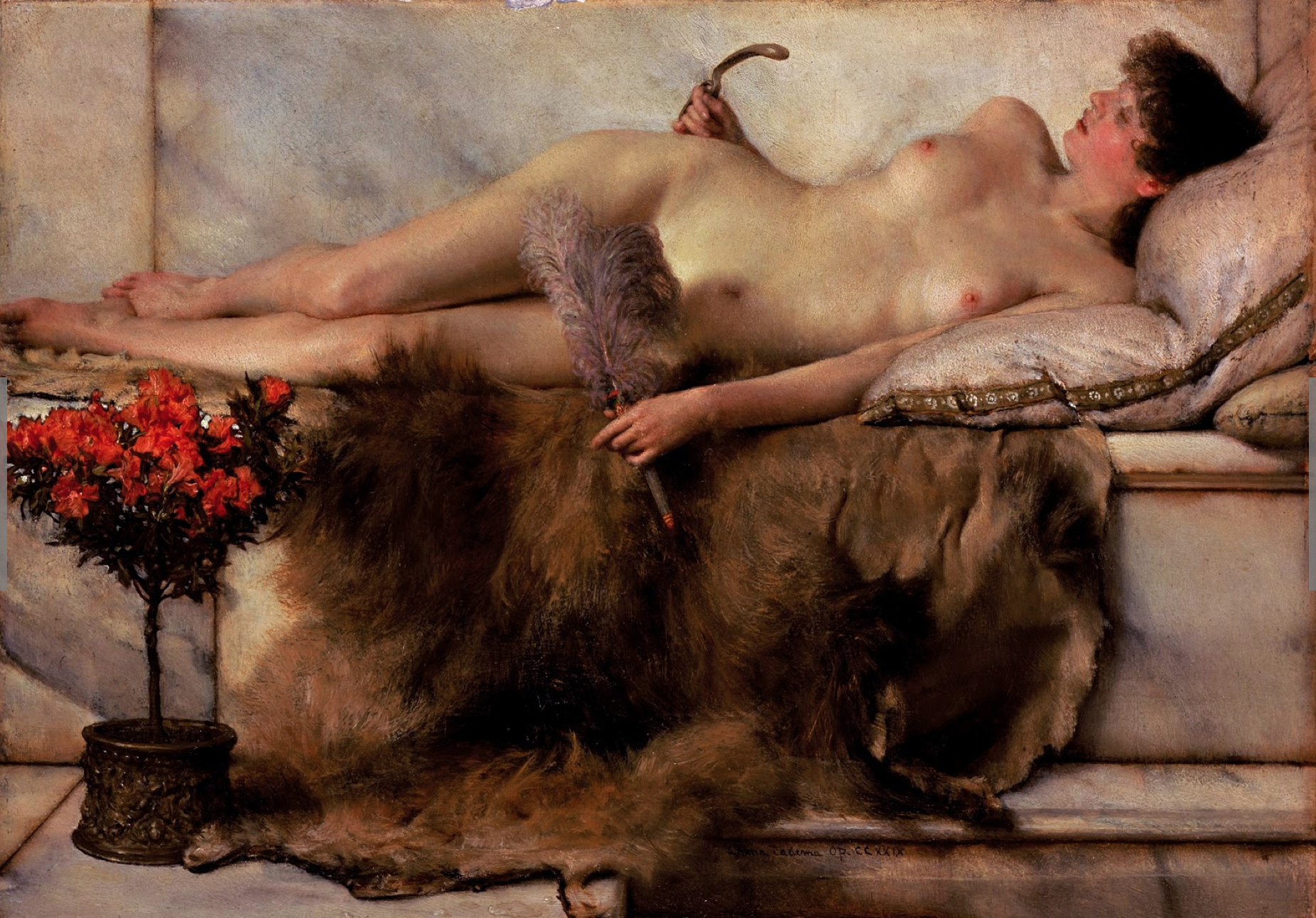
Via The Virtual Victorian
Anemites
Sometimes I think about it, though. Sex, not love. I imagine scenarios as graphically as possible in order to see how much I can stand. It’s like a test. When I feel the bile coming up into my throat, that’s when I stop. It usually doesn’t take very long. I stare at the grass, or a garbage can, or anything really normal and asexual, to get those sick images of calloused thumbs and everyday disfigurements out of my head.
Read More
My world was utterly destroyed by Natalie Diaz at Brooklyn Book Festival in 2014. Two years later, I still remember. I was lucky enough to have heard Natalie read her poetry and discuss identity & womanhood at a panel hosted by St. Francis College, and moderated by Hafizah Geter. Her words moved me; her words dove straight into my own mouth, restructuring my cells, taking away some and adding others both newer & stronger. The word ‘move’ is a verb which means, “a change of place or position.”
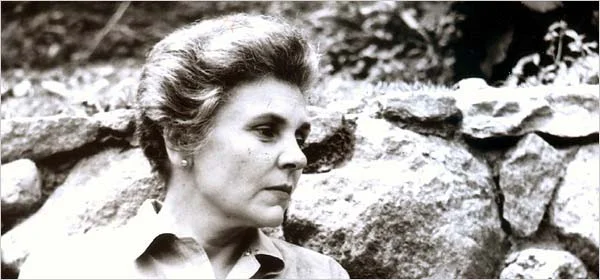
via Vol 1 Brooklyn
Elizabeth Bishop was a poet whose personal life was fraught with family struggles, questions of sexuality, and a great deal of loss. A casual reader might recall some of these emotions exhibited in her masterful villanelle, “One Art.” Filmmakers have even attempted to capture snippets of Bishop’s interior life during her time in Brazil in the recent movie, Reaching for the Moon. However, despite the fact that she moved throughout her life and perhaps never found her “place,” her readers can sense that she felt a strong tie to family, legacy, and her historical moment. Bishop’s “Poem,” a short piece about a puzzling family heirloom, serves as an excellent example of how she negotiated her historical ties, ties that in many ways have formed the basis of my complicated relationship with Bishop’s work.
Read More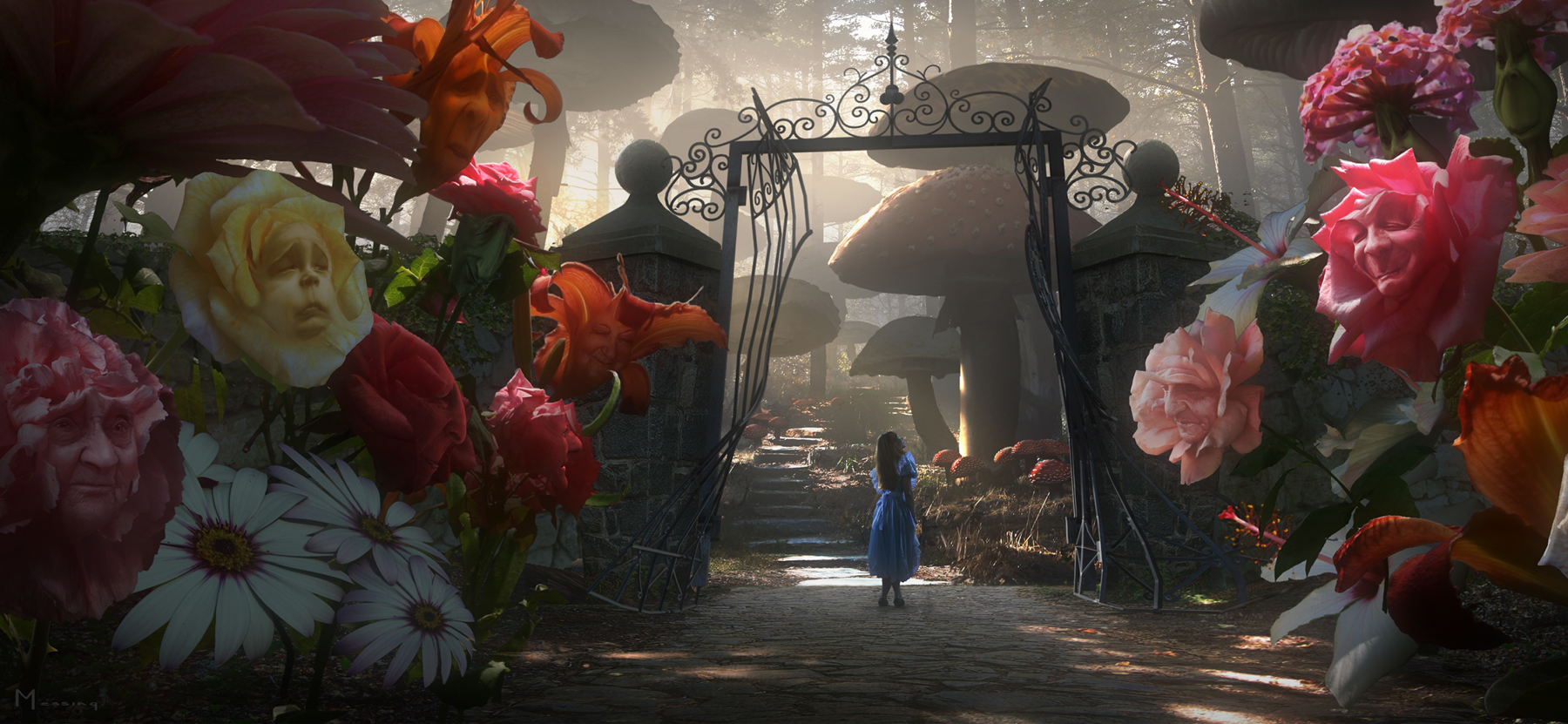
via Wired
Recently, I had the privlege of reading Liz Axelrod's chapbook "Go Ask Alice" (Finishing Line Press, 2016), which was a finalist in the 2015 New Women's Voices Series at Finishing Line Press. In the collection, Axelrod invites us into a bizarre, distorted landscape similar, echoing Lewis Carroll's "Alice in Wonderland" landscape. She doesn't stray away from what we are all obsessed and anxious over--sex, body image, technology, politics--and makes us evaluate the world we live in.
Read More
Cesar Ancelle Hansen
Curated by Lisa A. Flowers
Pantone 13-1520: Rose Quartz
Ask why the seas were not made to be pink, for extra consideration
inquiring if they’d like to be repainted. This
is the best question to occupy the wonder with.
Feed curiosity not through the bars of a cage like some mutt,
but on an opal plate. Offer cutlery
that isn’t known to exist. And when she grows her marrow
shall be rich in sugared peach slices as a service
to those who will be taking bites out of her soon. Bathe
her wounds in this same pink sea –
even nature doesn’t mind experimentation –
dress them with last year’s wish lists. That way
she’ll have something to think on while she verifies your star
charts, proposing the longest possible route.
Pantone 15-3919: Serenity
Find comfort at the bottom of a swimming pool, among
the accumulated remains of fizzy soda giggles
and unfulfilled kisses. If that’s not enough find street
lamps that have not yet been robbed of their lightbulb hearts.
Collect them. Absorb the aroma
that only comes from the most intimate rambles
released around dusk. And when you’ve filled up go back
to the bottom of that pool. You’ll find the sun
dances best when the water has swallowed you whole,
telling stories along the way about every flower it has dreamed
of growing. If only someone was considerate enough
to walk past with an ink bottle.
Margaryta Golovchenko is a first year undergrad student at the University of Toronto, Canada, and serves as an editor for The Spectatorial and Half Mystic. Her work has appeared in [parenthetical], In/Words, The Impressment Gang, and other publications, and her debut chapbook, Miso Mermaid, is forthcoming from words(on)pages press this fall. She is an avid tea drinker and a collector of trinkets and curiosities. When not maneuvering around her mountain of to-be-read books she can be found sharing her (mis)adventures on Twitter @Margaryta505.
Inge Prader
I met Zach while choking on a Vietnamese Spring Roll at Lemon Grass, in University Heights. I was on a blind date with a man named William, my first date after my divorce to Hank.
Read More