• Home
  • indulge
  • new poetry
    • About Luna Luna
    • resources
    • search
  • editor
  • dark hour
  • submit
Menu

luna luna magazine

  • Home
  • indulge
  • new poetry
  • About
    • About Luna Luna
    • resources
    • search
  • editor
  • dark hour
  • submit
delicious new poetry
'the doors of the night open' — poetry by Juan Armando Rojas (translated by Paula J. Lambert)
Nov 29, 2025
'the doors of the night open' — poetry by Juan Armando Rojas (translated by Paula J. Lambert)
Nov 29, 2025
Nov 29, 2025
'we can be forlorn women' — poetry by Stevie Belchak
Nov 29, 2025
'we can be forlorn women' — poetry by Stevie Belchak
Nov 29, 2025
Nov 29, 2025
'I do whatever the light tells me to' — poetry by Catherine Bai
Nov 29, 2025
'I do whatever the light tells me to' — poetry by Catherine Bai
Nov 29, 2025
Nov 29, 2025
‘to kill bodice and give sacrament’ — poetry By Kale Hensley
Nov 29, 2025
‘to kill bodice and give sacrament’ — poetry By Kale Hensley
Nov 29, 2025
Nov 29, 2025
'Venetian draped in goatskin' — poetry by Natalie Mariko
Nov 29, 2025
'Venetian draped in goatskin' — poetry by Natalie Mariko
Nov 29, 2025
Nov 29, 2025
'the long sorrow of the color red' — centos by Patrice Boyer Claeys
Nov 28, 2025
'the long sorrow of the color red' — centos by Patrice Boyer Claeys
Nov 28, 2025
Nov 28, 2025
'Flowers are the offspring of longing' — poetry by Ellen Kombiyil
Nov 28, 2025
'Flowers are the offspring of longing' — poetry by Ellen Kombiyil
Nov 28, 2025
Nov 28, 2025
'punish or repent' — poetry by Chris McCreary
Nov 28, 2025
'punish or repent' — poetry by Chris McCreary
Nov 28, 2025
Nov 28, 2025
'long, dangerous grasses' — poetry by Jessica Purdy
Nov 28, 2025
'long, dangerous grasses' — poetry by Jessica Purdy
Nov 28, 2025
Nov 28, 2025
'gifting nighttime honey' — poetry by Nathan Hassall
Nov 28, 2025
'gifting nighttime honey' — poetry by Nathan Hassall
Nov 28, 2025
Nov 28, 2025
'A theory of pauses' — poetry by Jeanne Morel and Anthony Warnke
Nov 28, 2025
'A theory of pauses' — poetry by Jeanne Morel and Anthony Warnke
Nov 28, 2025
Nov 28, 2025
'into the voluminous abyss' — poetry by D.J. Huppatz
Nov 28, 2025
'into the voluminous abyss' — poetry by D.J. Huppatz
Nov 28, 2025
Nov 28, 2025
'an animal within an animal' — a poem by Carolee Bennett
Nov 28, 2025
'an animal within an animal' — a poem by Carolee Bennett
Nov 28, 2025
Nov 28, 2025
‘in the glitter-open black' — poetry by Fox Henry Frazier
Oct 31, 2025
‘in the glitter-open black' — poetry by Fox Henry Frazier
Oct 31, 2025
Oct 31, 2025
'poet as tarantula,  poem as waste' — poetry by  Ewen Glass
Oct 31, 2025
'poet as tarantula, poem as waste' — poetry by Ewen Glass
Oct 31, 2025
Oct 31, 2025
'my god wearing a body' — poetry by Tom Nutting
Oct 31, 2025
'my god wearing a body' — poetry by Tom Nutting
Oct 31, 2025
Oct 31, 2025
'Hours rot away in regalia' — poetry by Stephanie Chang
Oct 31, 2025
'Hours rot away in regalia' — poetry by Stephanie Chang
Oct 31, 2025
Oct 31, 2025
'down down down the hall of mirrors' — poetry by Ronnie K. Stephens
Oct 31, 2025
'down down down the hall of mirrors' — poetry by Ronnie K. Stephens
Oct 31, 2025
Oct 31, 2025
'Grew appendages, clawed towards light' — poetry by Lucie Brooks
Oct 31, 2025
'Grew appendages, clawed towards light' — poetry by Lucie Brooks
Oct 31, 2025
Oct 31, 2025
'do not be afraid' — poetry by Maia Decker
Oct 31, 2025
'do not be afraid' — poetry by Maia Decker
Oct 31, 2025
Oct 31, 2025
'The darkened bedroom' — poetry by Jessica Purdy
Oct 31, 2025
'The darkened bedroom' — poetry by Jessica Purdy
Oct 31, 2025
Oct 31, 2025
'I am the body that I am under' — poetry by Jennifer MacBain-Stephens
Oct 31, 2025
'I am the body that I am under' — poetry by Jennifer MacBain-Stephens
Oct 31, 2025
Oct 31, 2025
goddess energy.jpg
Oct 26, 2025
'Hotter than gluttony' — poetry by Anne-Adele Wight
Oct 26, 2025
Oct 26, 2025
'As though from Babel' — poetry by Fox Henry Frazier
Oct 26, 2025
'As though from Babel' — poetry by Fox Henry Frazier
Oct 26, 2025
Oct 26, 2025
'See my wants' — poetry by Aaliyah Anderson
Oct 26, 2025
'See my wants' — poetry by Aaliyah Anderson
Oct 26, 2025
Oct 26, 2025
'black viper dangling a golden fruit' — poetry by Nova Glyn
Oct 26, 2025
'black viper dangling a golden fruit' — poetry by Nova Glyn
Oct 26, 2025
Oct 26, 2025
'It would be unfair to touch you' — poetry by grace (ge) gilbert
Oct 26, 2025
'It would be unfair to touch you' — poetry by grace (ge) gilbert
Oct 26, 2025
Oct 26, 2025
'Praying in retrograde' — poetry by Courtney Leigh
Oct 26, 2025
'Praying in retrograde' — poetry by Courtney Leigh
Oct 26, 2025
Oct 26, 2025
'To not want is death' — poetry by Letitia Trent
Oct 26, 2025
'To not want is death' — poetry by Letitia Trent
Oct 26, 2025
Oct 26, 2025
'Our wildness the eternal now' — poetry by Hannah Levy
Oct 26, 2025
'Our wildness the eternal now' — poetry by Hannah Levy
Oct 26, 2025
Oct 26, 2025
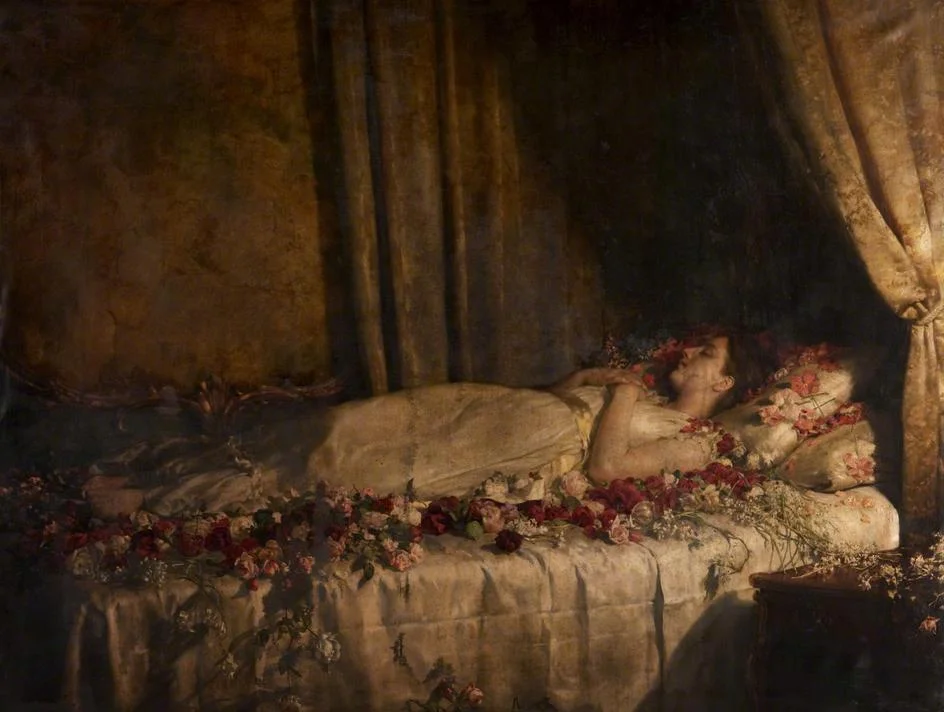
The Death of Albine (1895) by John Maler Collier.

The Death of Albine (1895) by John Maler Collier.

Crafting Your Signature Scent: Why to Make Your Own Perfume

March 30, 2017

There are many ways we attempt to cast the spell of remembrance, to leave our mark, to cause a beautiful and painful ache in our absence even if it is only temporary. This is just another way we strange and intricate humans crave to be loved.

Read More
In Beauty Tags Perfume, memory, herbalism, Witchcraft
Comment
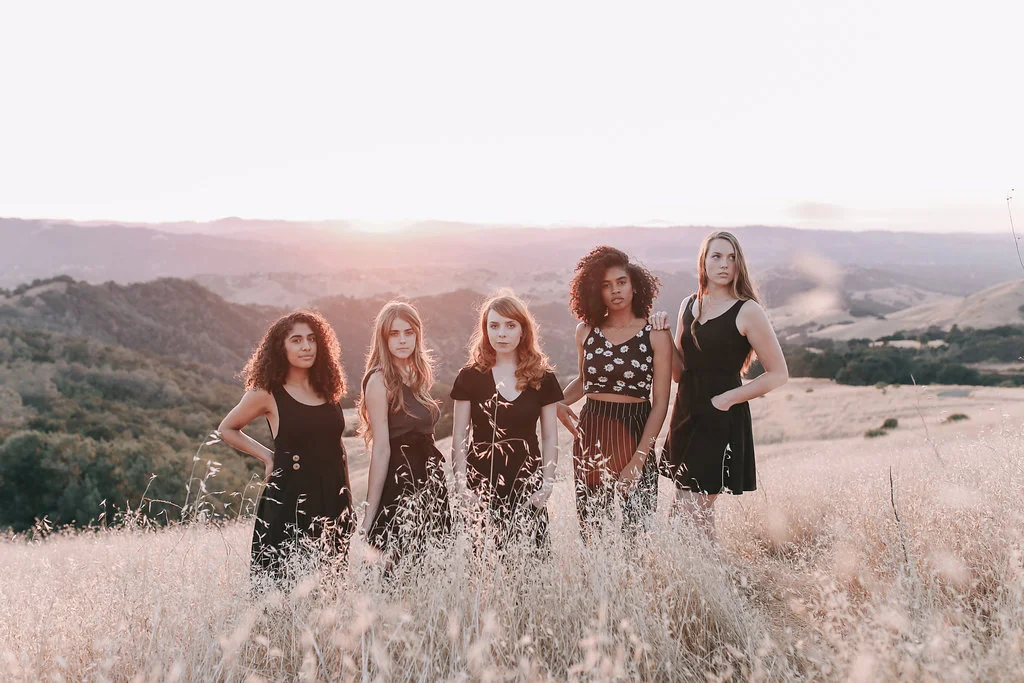
Photograph courtesy of Field Day

Photograph courtesy of Field Day

An Interview with Trinity Cross of Field Day & Friends in Oakland, California

February 7, 2017

I think about the smell of the earth after it rains when I think about wilderness. I think about wild animals. Speaking personally, I am currently trying to figure out a way to get out of the city. So, I think I embrace these things that make me feel like I'm more a part of the earth, through gardening, or through making herbal products, or through doing rituals with the Moon, or different things that I do just to feel grounded and on the actual earth because, living in the city, I feel like sometimes we get so caught up in the grind of just trying to pay our bills, or trying to be a good friend, or trying to take care of our animals, or trying to take care of our other friends who are upset that we lose sight of the fact that we are actually in the wilds. If we collapsed all these buildings and nobody did anything in a hundred years, then it would all turn back to the wilds.

Read More
In Lifestyle Tags occult, Witchcraft, feminism, herbalism, nightmares
Comment

What Does a Fictional Witch Look Like in 2016?

November 1, 2016

When it comes to fiction about witchcraft, the canon is limited. That much is obvious.

Read More
In Poetry & Prose Tags reviews, Witchcraft
Comment

Witchy World Roundup - July 2016

July 12, 2016

Joanna C. Valente is a human who lives in Brooklyn, New York. She is the author of Sirs & Madams (Aldrich Press, 2014), The Gods Are Dead (Deadly Chaps Press, 2015), Marys of the Sea (forthcoming 2016, ELJ Publications) & Xenos (forthcoming 2017, Agape Editions). She received her MFA in writing at Sarah Lawrence College. She is also the founder of Yes, Poetry, as well as the managing editor for Luna Luna Magazine. Some of her writing has appeared in Prelude, The Atlas Review, The Huffington Post, Columbia Journal, and elsewhere. She has lead workshops at Brooklyn Poets.

Read More
In Lifestyle Tags wren awry, sebastian castillo, tarot, Witchcraft, astrology, sex, danez smith, jericho brown, christopher soto, brooklyn poets, elisa gabbert
Comment
NY Theatre Guide

NY Theatre Guide

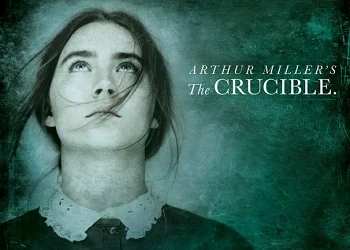
Ivo Van Hove’s 'The Crucible' Blew Me Away

May 23, 2016

This May Day was completely sans May, and instead a drearily beautiful pastiche of early autumn. The rain-splashed winds in conjunction with the rush of traffic in Times Square made my bell-sleeve floral dress sway gently against my thighs, and I clasped my jacket close to me, smiling through the mist. Sometimes life does imitate art, but I had no idea how fully this chilly Sunday would complement Ivo Van Hove’s rendition of Arthur Miller’s "The Crucible," now on Broadway at the Walter Kerr Theatre.

Read More
In Poetry & Prose Tags the crucible, Witchcraft, plays, reviews
Comment

The Trials of Writing Haibun About the Salem Witch Trials

April 15, 2016

Hands down, the best decision of my life was joining a low-residency MFA in Creative Writing program. When I think about my experience, I imagine Mike Teavee from Willy Wonka and the Chocolate Factory. My poems, like Mike, started out normal sized and a bit naive. Then they shrunk. This tiny poem phase didn’t so much reflect the length of the verse, but instead the humbling of my ego. Everywhere I went, I met beautiful poets and read amazing collections. I currently take in every bit I can of anything that might even closely resemble a poem so that my tiny, metaphysical mind-poem can grow. And that’s just what it’s doing. 

Read More
In Poetry & Prose Tags poetry, mfa, salem witch trails, Witchcraft
1 Comment

Witchy World Roundup: April 2016

April 13, 2016

Joanna C. Valente is a human who lives in Brooklyn, New York. She is the author of Sirs & Madams (Aldrich Press, 2014), The Gods Are Dead (Deadly Chaps Press, 2015), Marys of the Sea (forthcoming 2016, ELJ Publications) & Xenos (forthcoming 2017, Agape Editions). She received her MFA in writing at Sarah Lawrence College. She is also the founder of Yes, Poetry, as well as the chief editor for Luna Luna Magazine. Some of her writing has appeared in Prelude, The Atlas Review, The Huffington Post, Columbia Journal, and elsewhere. She has lead workshops at Brooklyn Poets.

Read More
Tags poetry, emily petitt, pen ten, mental health, Witchcraft, spells, literary community
Comment

NYU's Spellbinding Language of The Birds Exhibit Showcases Occult Art

February 9, 2016

BY LARISA CASILLAS

'Your head is a haunted house.'

Sometime during the Occult Humanities Conference this phrase was uttered and it stuck with me throughout.

Afterwards, during a private viewing of Language of the Birds: Occult and Art (which will show at NYU February 12-13) I was able to see what it meant. 

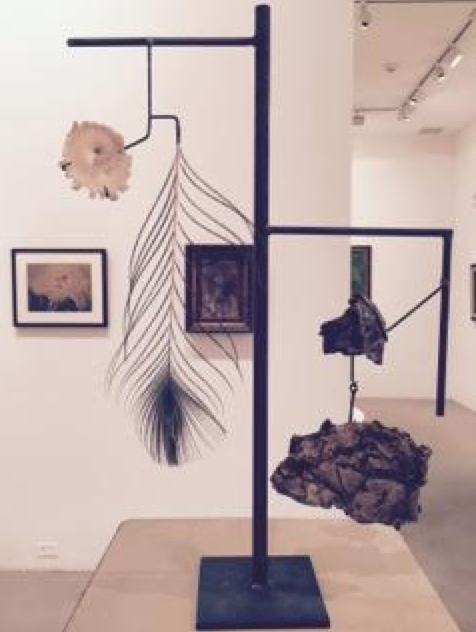
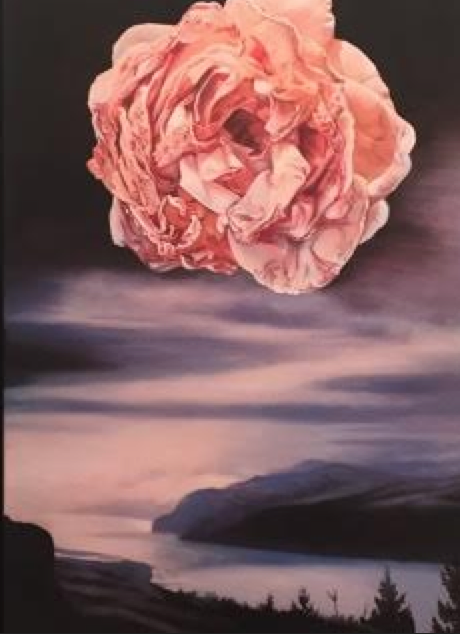
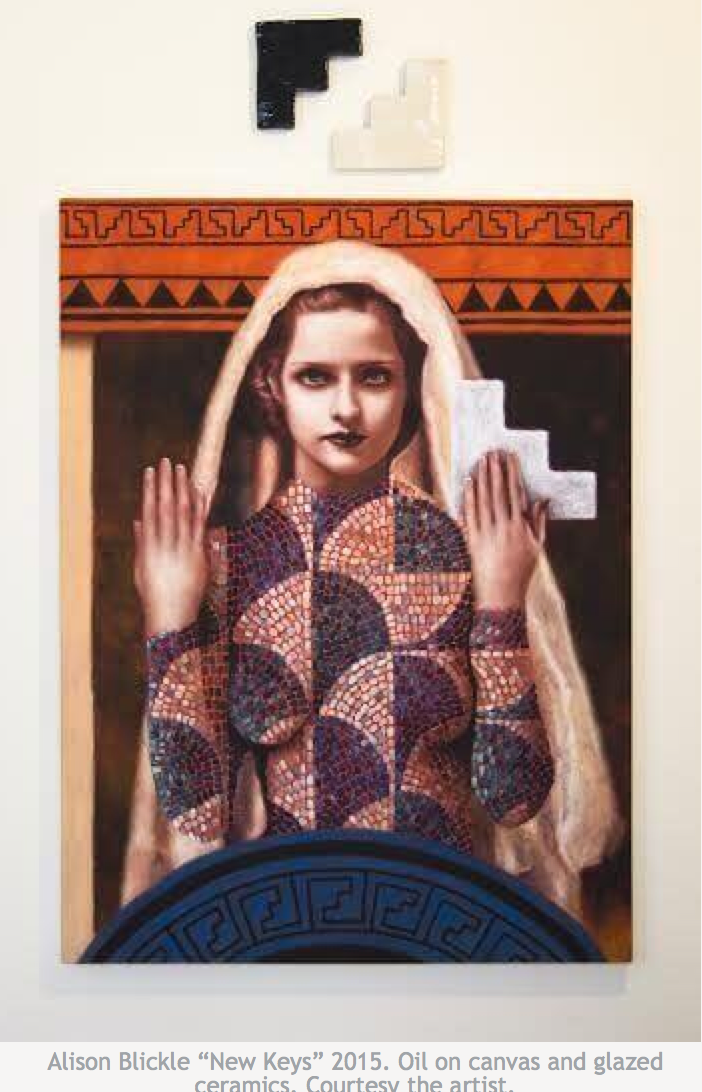
Spanning over a century of occult art, the exhibition has 60 works by different modern and contemporary artists who delved deep into their minds and tried to transcend rationality. The exhibition is curated by Pam Grossman, the creator of the occult blog Phantasmaphile and also the co-organizer of the Occult Humanities Conference.  

"By going within, then drawing streams of imagery forth through their creations, each of these artists seeks to render the invisible visible, to materialize the immaterial, and to tell us that we, too, can enter numinous realms," she writes.

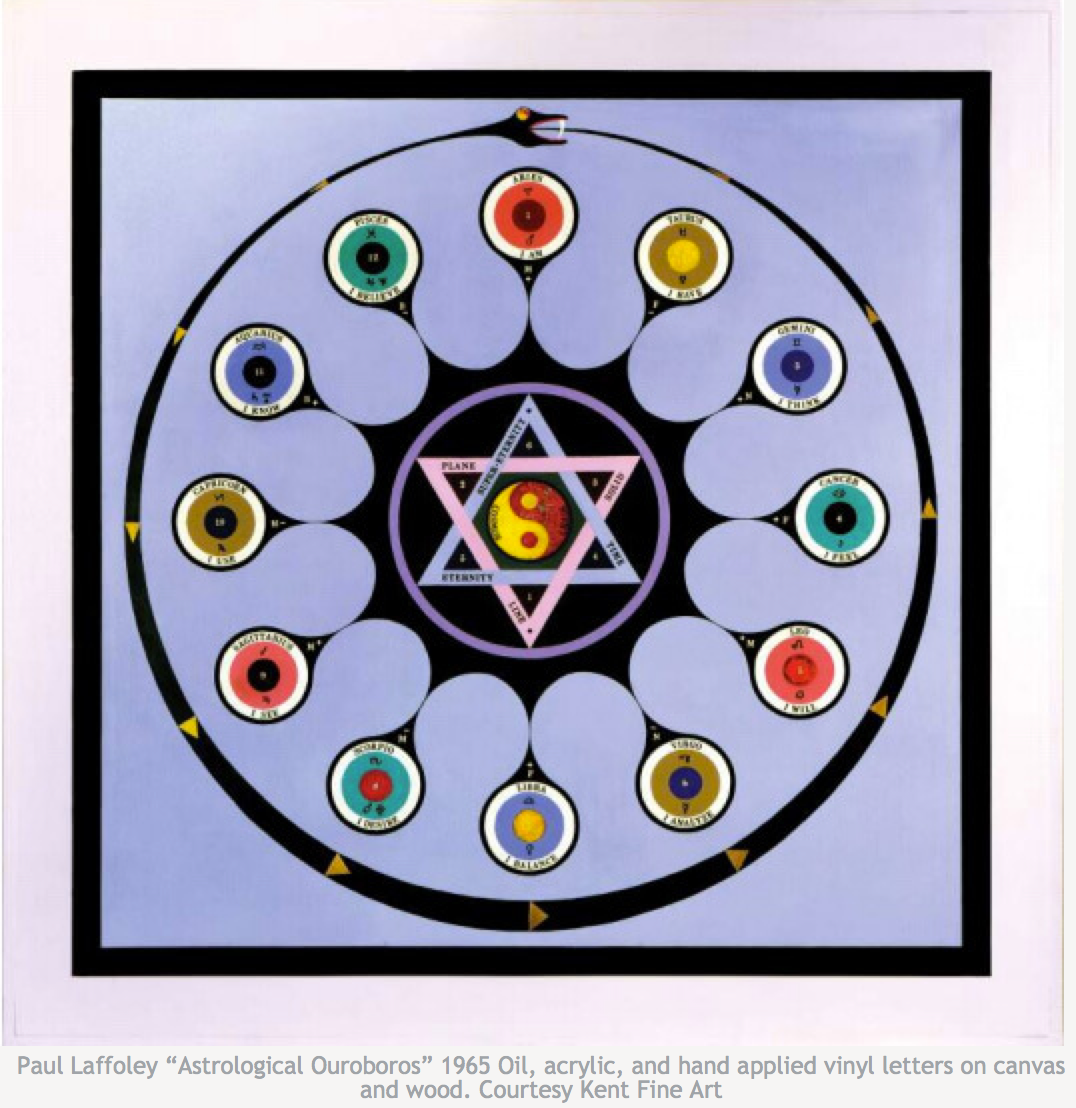
Language of the Birds is divided into 5 sections: Cosmos, Spirits, Practitioners, Altars and Spells. The art ranges from the visually beautiful to the unnerving and intellectually engaging; from Aleister Crowley’s alter ego self-portrait, Ken Henson’s portrait of the goddess Ishtar, Robert Buratti’s dreamy Sub Rosa and Paul Laffoley’s Astrological Ouroboros, with the twelve signs of the zodiac paired with the twelve stages of changes of attitude toward life--each piece challenges you to feel rather than analyze.

Screen Shot 2016-02-09 at 9.42.14 AM.png
Screen Shot 2016-02-09 at 9.42.24 AM.png
Screen Shot 2016-02-09 at 9.42.32 AM.png
Screen Shot 2016-02-09 at 9.42.40 AM.png
Screen Shot 2016-02-09 at 9.43.15 AM.png
Screen Shot 2016-02-09 at 9.43.26 AM.png
19-e1449169933824.png
16.png
17-e1449169983496.jpg
7.jpg
5.jpg
18-e1449170026872.png
4.jpg
20.png

Speaking to Luna Luna about the current appeal magic and the occult has on the younger generation, Grossman cited that for women it honors cycles and gives agency, "witchcraft is about embracing the body,"  she says. And as for men, it gives them the freedom to explore alternative types of spirituality--"you don’t just need one book," she concluded.

Language of the Birds: Occult and Art
January 12 – February 13, 2016
80WSE, 80 Washington Square East, NYC
Gallery Hours: Tuesday – Saturday 10:30 a.m. to 6 p.m. 

All images via here.

In Art, Music, NYC Tags occult, NYU, Language of the Birds, Witchcraft, Aleister Crowley, Astrology, Alters, spells, Pam Grossman
Comment

Culture Throwback: Thinking Back On How Charmed Captured Contemporary Feminism

November 23, 2015

BY SOPHIE MOSS

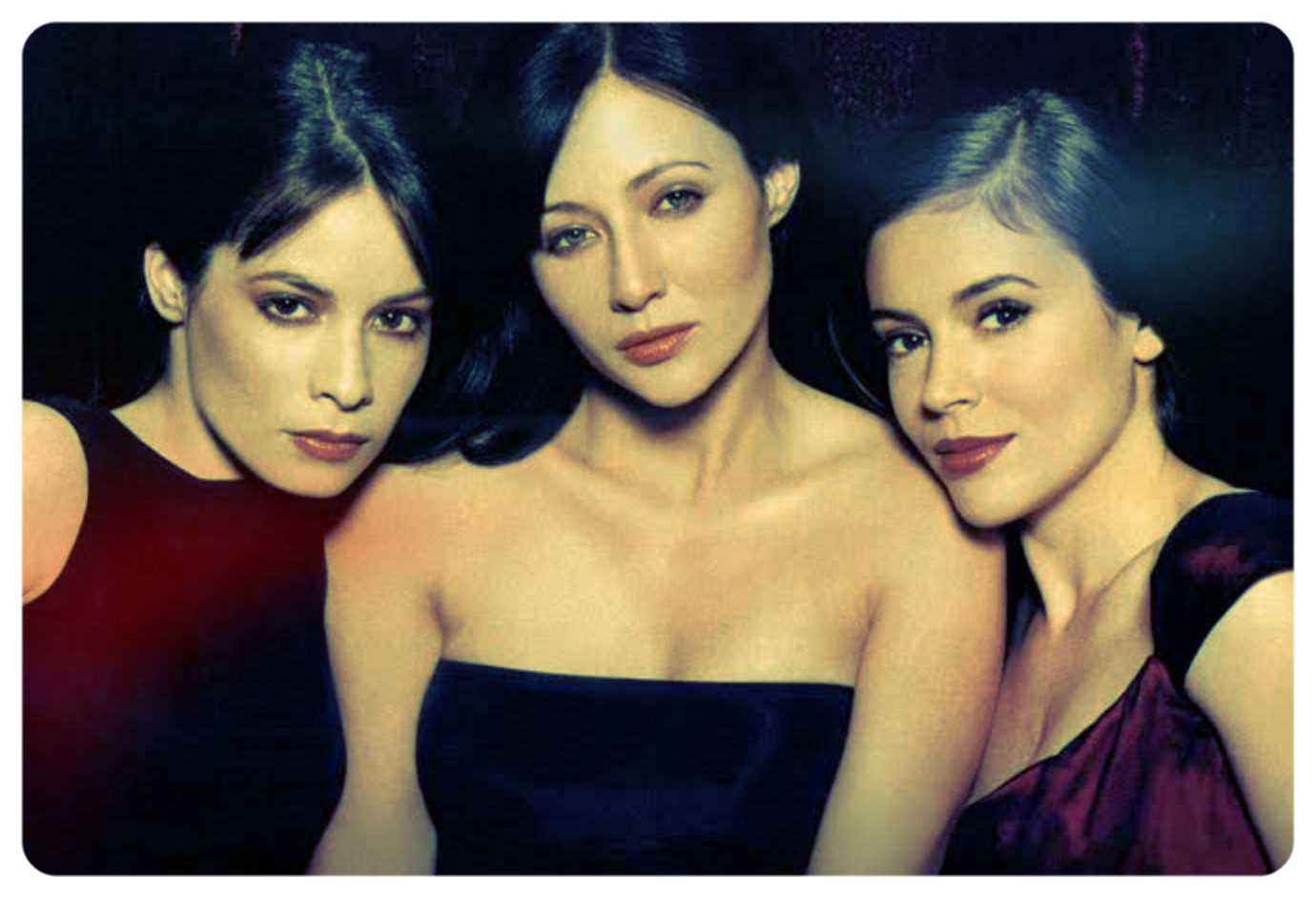
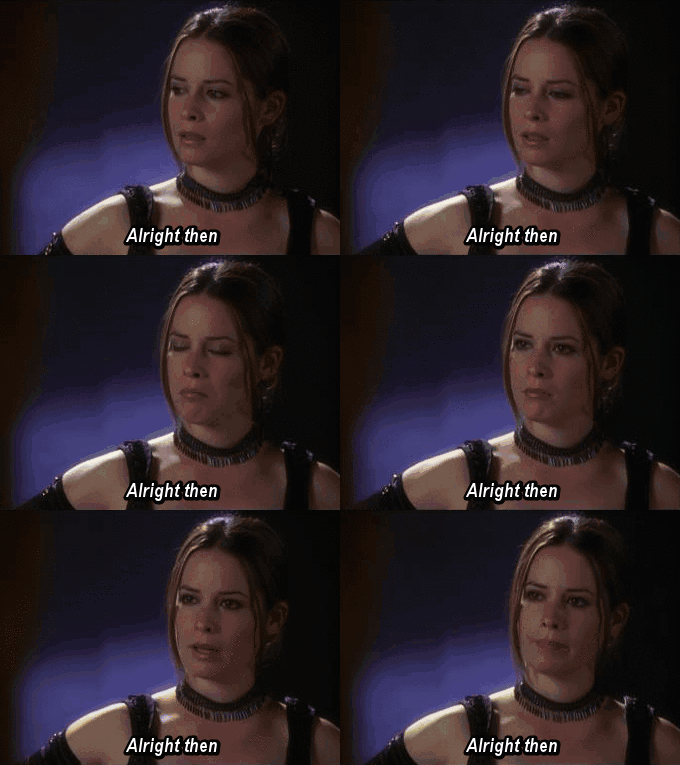
First airing on The WB in 1998, Charmed is the story of three sisters who discover they possess powerful magical powers and fight to defend their home city of San Francisco against the demonic population. As a curious and defiant fourteen year-old woman trying to make peace with myself and the universe, the three sisters in Charmed represented all that I looked to: they were ordinary women who possessed extraordinary mental and physical capabilities, thereby illustrating a fantastic resistance to the hegemonic gender roles that characterised much of contemporary television. For me, the sisters represented a unique brand of witchcraft, feminism and fantasy, and they did so with wisdom and flare. I saw myself as a fourth Charmed One, fighting both the demonic underworld and the gendered power structures it represented.

What is fascinating, for me, is the way the three sisters encapsulated the tensions of contemporary femininity, and they did so fiercely and unapologetically: They are desiring and desirable. They are independent and dependant. They are superhuman and human. They see and are seen. They are imperfect. They sleep with men who are rotten. They save humankind in high-heels. They are both dependent on, and dismissive of, traditional feminist ideals. It is in this historically specific period that I discovered Charmed, as a young teenager trying to figure out my own identity as a woman.

Prue, Piper, and Phoebe (and later Paige) are as much human as they are super-human. They struggled. Relationships failed. Jobs were lost. Just because Piper inherited the power of molecular manipulation, that didn’t mean her business wouldn’t threaten to go bust; while Prue could astral-project to be on two planes at any given moment, this didn’t give her the power to forgive her father for abandoning her and her sisters when they were young. Yes, witchcraft is here to protect us, and it does. But, as Almásy writes in The English Patient, “the heart is an organ of fire”, and no magic can protect that from being broken. The sisters knew that. In fact, they grappled with it frequently -- most of all, perhaps, in the season three finale, when they learned their hardest lesson to date: that magic could not save the life of their sister, Prue. It was at this moment that the audience were to understand that the Halliwell’s are not defined by their magic, or by their power, but by their humanity: they are sisters first, witches second. It was this display of solidarity, this unwavering loyalty to sisterhood, that played an important role in how I see myself as a woman, sister, and feminist.

Charmed existed in a sort of mid-90s golden-age of the super-powered female lead on television. There was Buffy. There was Sabrina. There were the Charmed Ones. What remains so unique about the latter, for me, is the show’s postfeminist values and the way it challenged traditional notions of what it meant to be a ‘strong woman.’ They were attractive, fashion-forward, individualistic, and sexually experimental. They kicked demonic ass and raised babies. They held down demanding jobs and threw fireballs at ex-boyfriends. The sisters were multifaceted, powerful women with a ‘girl-power’ rhetoric, though never entirely paradoxical to second-wave feminist ideals. What Charmed did, and did very well, was create a whole community of powerful, unique women, or, as Susan Latta writes, “[represented] the interconnection of empowered individuals and collective action.” Power, style, sin, sisterhood, desire: suddenly, these tough girls with innate supernatural capabilities found themselves understood within the wider context of contemporary feminism.

But Charmed wasn’t merely concerned with a popular mediation of femininity. Rather, the show is unique in its representation of an alternative, often marginalised religious paradigm in contemporary media. Focusing specifically on Wiccan philosophy rather than ‘witchcraft’ as an umbrella term, the sisters’ magic is rooted in the beliefs, structure and limitations of Wicca. Granted, there was glitz, glamour and special effects to-boot, but Charmed worked hard to represent the Wiccan faith with respect and accuracy. As Michaela D.E Meyer notes in her essay “‘Something Wicca This Way Comes’: Audience Interpretation of a Marginalized Religious Philosophy on Charmed”, the show’s writers were particularly skilled at weaving Wiccan philosophies into the narrative, such as not using magic for personal gain and an understanding that magic comes at a price.

For me, though, as a young woman obsessed with locked doors and unknown worlds, I found this popular representation of witchcraft entirely accessible. It was as though everything suddenly clicked into place. I devoured all that I could on Wiccan philosophy and Pagan cultures. I created my own Book of Shadows, a grimoire full of awkwardly written spells and uncomfortable rhymes. I would lay an atlas on my bedroom floor and scry for family members. I would stare at glass vases and wait for my powers of telekinesis to kick in. I can still recite “Dominus Trinus”, the spell to invoke the sisters’ powers (In this night and in this hour / We call upon the Ancient Power). As fervently as I waited for my Hogwarts letter, I waited for my powers to come.

But, eventually, that curious young girl would grow into an adult woman with a registry for darkness. While I follow no set religious path, I recognise and honour an innate spirituality. Witchcraft, ritual, spell-casting, the Occult -- these are all important to how I see myself as a woman and writer. I practice the tarot. I collect moon water. I celebrate the seasons. I’m constantly learning to better work with my own spiritual source. Constantly learning to be a better feminist. A better person.

It is this sense of constant growth and personal reinvention that characterises much of Charmed. A recurring theme throughout the series is that of reconciling their witchcraft with their personal selves, their womanhood, and the consequences that come from this. They aren’t perfect versions of themselves, by any means. They make bad decisions and have been known to choose themselves over the Higher Cause. They can be selfish. Piper chooses to marry Leo in secret, against The Elders’ rules. Phoebe falls in love with Cole, a half-demon and later The Source of All Evil, despite her sisters’ disapproval. In many ways, Phoebe is the most feminist of the three sisters, in spite and because of her many imperfections. We see her evolve from a reckless young girl with few prospects into this fierce, successful, loyal woman with great spirit. She put herself through school, worked hard to get a job she loved, and she did it entirely on her own. She grew up fast and hard and well, and did so in a universe filled with demons, death, and madness. But for me, it was her imperfections that made her who she was. She screwed up. Routinely. Fantastically. Sure, she married the Source of All Evil and became the Queen of the Underworld, but she sure as hell came to her senses and vanquished his demonic ass, too.

That’s what’s so great about the Charmed Ones: they never claim to have it all figured out. They’re always learning, questioning, struggling, and they take responsibility for their actions. They know that what’s coming will come, and they face it when it does. That is what I took from Charmed: that to be imperfect is okay. To be human in a world of chaos is okay. I might not be the best version of myself, but I am, much like the Halliwell sisters, an unstoppable cyclone of female strength and femininity, and that’s all my fourteen year-old self could ever have asked.
Sophie E. Moss is a dark witch & literary maven. She writes essays for Luna Luna and poetry for all the people she used to be. @Sophiedelays
In Pop Culture, Social Issues Tags Charmed, Witchcraft, Television, 90s, Feminsim
Comment
Featured
‘in the glitter-open black' — poetry by Fox Henry Frazier
'poet as tarantula,  poem as waste' — poetry by  Ewen Glass
'poet as tarantula, poem as waste' — poetry by Ewen Glass
'Hours rot away in regalia' — poetry by Stephanie Chang
'down down down the hall of mirrors' — poetry by Ronnie K. Stephens
'Grew appendages, clawed towards light' — poetry by Lucie Brooks
'do not be afraid' — poetry by Maia Decker
'The darkened bedroom' — poetry by Jessica Purdy
'I am the body that I am under' — poetry by Jennifer MacBain-Stephens
instagram

COPYRIGHT LUNA LUNA MAGAZINE 2025