• Home
  • indulge
  • new poetry
    • About Luna Luna
    • resources
    • search
  • editor
  • dark hour
  • submit
Menu

luna luna magazine

  • Home
  • indulge
  • new poetry
  • About
    • About Luna Luna
    • resources
    • search
  • editor
  • dark hour
  • submit
delicious new poetry
'the doors of the night open' — poetry by Juan Armando Rojas (translated by Paula J. Lambert)
Nov 29, 2025
'the doors of the night open' — poetry by Juan Armando Rojas (translated by Paula J. Lambert)
Nov 29, 2025
Nov 29, 2025
'we can be forlorn women' — poetry by Stevie Belchak
Nov 29, 2025
'we can be forlorn women' — poetry by Stevie Belchak
Nov 29, 2025
Nov 29, 2025
'I do whatever the light tells me to' — poetry by Catherine Bai
Nov 29, 2025
'I do whatever the light tells me to' — poetry by Catherine Bai
Nov 29, 2025
Nov 29, 2025
‘to kill bodice and give sacrament’ — poetry By Kale Hensley
Nov 29, 2025
‘to kill bodice and give sacrament’ — poetry By Kale Hensley
Nov 29, 2025
Nov 29, 2025
'Venetian draped in goatskin' — poetry by Natalie Mariko
Nov 29, 2025
'Venetian draped in goatskin' — poetry by Natalie Mariko
Nov 29, 2025
Nov 29, 2025
'the long sorrow of the color red' — centos by Patrice Boyer Claeys
Nov 28, 2025
'the long sorrow of the color red' — centos by Patrice Boyer Claeys
Nov 28, 2025
Nov 28, 2025
'Flowers are the offspring of longing' — poetry by Ellen Kombiyil
Nov 28, 2025
'Flowers are the offspring of longing' — poetry by Ellen Kombiyil
Nov 28, 2025
Nov 28, 2025
'punish or repent' — poetry by Chris McCreary
Nov 28, 2025
'punish or repent' — poetry by Chris McCreary
Nov 28, 2025
Nov 28, 2025
'long, dangerous grasses' — poetry by Jessica Purdy
Nov 28, 2025
'long, dangerous grasses' — poetry by Jessica Purdy
Nov 28, 2025
Nov 28, 2025
'gifting nighttime honey' — poetry by Nathan Hassall
Nov 28, 2025
'gifting nighttime honey' — poetry by Nathan Hassall
Nov 28, 2025
Nov 28, 2025
'A theory of pauses' — poetry by Jeanne Morel and Anthony Warnke
Nov 28, 2025
'A theory of pauses' — poetry by Jeanne Morel and Anthony Warnke
Nov 28, 2025
Nov 28, 2025
'into the voluminous abyss' — poetry by D.J. Huppatz
Nov 28, 2025
'into the voluminous abyss' — poetry by D.J. Huppatz
Nov 28, 2025
Nov 28, 2025
'an animal within an animal' — a poem by Carolee Bennett
Nov 28, 2025
'an animal within an animal' — a poem by Carolee Bennett
Nov 28, 2025
Nov 28, 2025
‘in the glitter-open black' — poetry by Fox Henry Frazier
Oct 31, 2025
‘in the glitter-open black' — poetry by Fox Henry Frazier
Oct 31, 2025
Oct 31, 2025
'poet as tarantula,  poem as waste' — poetry by  Ewen Glass
Oct 31, 2025
'poet as tarantula, poem as waste' — poetry by Ewen Glass
Oct 31, 2025
Oct 31, 2025
'my god wearing a body' — poetry by Tom Nutting
Oct 31, 2025
'my god wearing a body' — poetry by Tom Nutting
Oct 31, 2025
Oct 31, 2025
'Hours rot away in regalia' — poetry by Stephanie Chang
Oct 31, 2025
'Hours rot away in regalia' — poetry by Stephanie Chang
Oct 31, 2025
Oct 31, 2025
'down down down the hall of mirrors' — poetry by Ronnie K. Stephens
Oct 31, 2025
'down down down the hall of mirrors' — poetry by Ronnie K. Stephens
Oct 31, 2025
Oct 31, 2025
'Grew appendages, clawed towards light' — poetry by Lucie Brooks
Oct 31, 2025
'Grew appendages, clawed towards light' — poetry by Lucie Brooks
Oct 31, 2025
Oct 31, 2025
'do not be afraid' — poetry by Maia Decker
Oct 31, 2025
'do not be afraid' — poetry by Maia Decker
Oct 31, 2025
Oct 31, 2025
'The darkened bedroom' — poetry by Jessica Purdy
Oct 31, 2025
'The darkened bedroom' — poetry by Jessica Purdy
Oct 31, 2025
Oct 31, 2025
'I am the body that I am under' — poetry by Jennifer MacBain-Stephens
Oct 31, 2025
'I am the body that I am under' — poetry by Jennifer MacBain-Stephens
Oct 31, 2025
Oct 31, 2025
goddess energy.jpg
Oct 26, 2025
'Hotter than gluttony' — poetry by Anne-Adele Wight
Oct 26, 2025
Oct 26, 2025
'As though from Babel' — poetry by Fox Henry Frazier
Oct 26, 2025
'As though from Babel' — poetry by Fox Henry Frazier
Oct 26, 2025
Oct 26, 2025
'See my wants' — poetry by Aaliyah Anderson
Oct 26, 2025
'See my wants' — poetry by Aaliyah Anderson
Oct 26, 2025
Oct 26, 2025
'black viper dangling a golden fruit' — poetry by Nova Glyn
Oct 26, 2025
'black viper dangling a golden fruit' — poetry by Nova Glyn
Oct 26, 2025
Oct 26, 2025
'It would be unfair to touch you' — poetry by grace (ge) gilbert
Oct 26, 2025
'It would be unfair to touch you' — poetry by grace (ge) gilbert
Oct 26, 2025
Oct 26, 2025
'Praying in retrograde' — poetry by Courtney Leigh
Oct 26, 2025
'Praying in retrograde' — poetry by Courtney Leigh
Oct 26, 2025
Oct 26, 2025
'To not want is death' — poetry by Letitia Trent
Oct 26, 2025
'To not want is death' — poetry by Letitia Trent
Oct 26, 2025
Oct 26, 2025
'Our wildness the eternal now' — poetry by Hannah Levy
Oct 26, 2025
'Our wildness the eternal now' — poetry by Hannah Levy
Oct 26, 2025
Oct 26, 2025
reversible-crawford-marisa

Teen Girl Mythos, 90s Nostalgia & Ritual: An Interview With Marisa Crawford

November 6, 2017

INTERVIEW WITH MARISA CRAWFORD BY LISA MARIE BASILE

In your book, REVERSIBLE, there's a lot of water—swimming pools, or the absence of water. Tell me about your relationship to water. (For the record, I think water is god).

Hi Lisa! I didn’t consciously realize that water is so present in these poems, but now that I’m looking for it of course you’re right. Water was a big part of my childhood—I spent a lot of time in pools, and still find pools really comforting, freeing, a space where I can be outside of my head and weightless and in a sort of realm outside of the regular space we inhabit in our everyday lives. I used to go to the pool with my mom a lot in the summer when I was little, starting from when I was a baby, and I started swimming before I started talking.

Later, I had a pool in my backyard where I spent a lot of time by myself, pretending to be an Olympic diver, or a mermaid, or a movie star, doing somersaults and floating. It was a magic place where I could escape from my feelings. In high school, I tried being on the swim team but I had a hard time keeping the commitment because I preferred hanging out with boys and smoking cigarettes with my friends after school. I have a poem about this in my book called "Girl Band," about how I never saw my body as connected to my mind when I was younger so even though exercise probably would have helped me to feel less depressed and anxious as a teenager, I chose other things. My relationship to being in a pool is similar to my relationship to writing, I think. It’s floating on a feeling, trusting your instinct. It feels very free and very pure.

 In your poem, "Janie and I picture ourselves when we’re grown up…" you mention drinking champagne and jumping on an enormous trampoline. Did your life turn out as you thought it would?

That poem "Dark Star" is about two female BFFs in the suburbs in high school who are being raised by single moms, and all the weird mythologies of being a teen girl and learning how to be a woman. They imagine themselves in the future as single moms pushing baby strollers together; they can't imagine lives for themselves that include caring partnerships with men. This poem is based a lot on me and my high school best friend—as a teenager, I was really invested in finding models for adulthood that didn't look like my parents, and sometimes found them in musical icons.

The poem talks a lot about Janis Joplin, and sort of imagines her as an alternate model of adult womanhood that was unconventional and wild and artistic and draped in feather boas and pearls—which is sad because Janis Joplin didn't even live to be as old as I am now, but she seemed so grown up to me in high school. I guess being an adult is never how you picture it when you're a kid, because you can’t understand how many responsibilities you’ll have and how soul-crushing capitalism is and how many compromises you will find yourself making, but I’ve managed to have a life that’s pretty filled with art and creativity and poetry and feminism. So I think that’s pretty good.

I was so fascinated when you wrote this:

"Girls are dying out. Girls are dying off. All these people yelling
at girls in their bodies. All these lyrics about dying young like it’s
gonna turn your life into a song. But it’s just a trick to get girls to
die off."

I would love to hear more about this—this generation if disappearing girls.Have we become obsessed with transcending our summers of youth and curiosity, only to become that skipped forward too soon?

That's a really interesting reading of those lines—the idea that we move too fast through girlhood. When I wrote this poem and these lines in particular, I was thinking about growing up, and aging, and the endemic of violence against women—what Rebecca Solnit calls the U.S.’s "longest war," and all the media around us that glamorizes youth, in particular for women. The poem references lines from songs like Ke$ha’s "Die Young" and others that talk about dying young like it’s a fun thing, like it means your life will be a never-ending party. There’s so much fear in our culture around what it means for women to get older. But when you think about it, the alternative of dying young is often so violent, and in particular when you consider that idea in relationship to the fact that domestic violence is a lead cause of death for women in the U.S . So I wanted to juxtapose those two ideas. (Sidenote: shout-out to the amazing artist Mary Anne Carter, who included these very lines on a giant Taco Bell fire sauce packet pillow as part of her installation Women in the Style of Taco Bell.)

I caught your Pumpkins reference and it made me seriously smile. I LOVE how this book is a snapshot in time—the 90s, mostly, although there are earlier decades in here. I’m curious; what do you think it is about the 90s that somehow STAYS mythological to us?

Thanks so much! I’m not sure if the 90s lend themselves particularly well to nostalgia or mythology in comparison to earlier decades, or if it’s the fact that we grew up then that makes that era feel particularly poignant to us. I think there is something to be said though about how much our culture’s relationship to technology has changed so much, and so quickly, during the past 20 or so years, and how we—people in our 30s and maybe our late 20s in particular—experienced that change in such a specific way. I have a poem in Reversible called "Sisterhood Isn’t Powerful" where I talk about my generation’s very unique relationship to the Internet. I didn’t have the Internet in high school.

I grew up talking to my friends on landlines in the kitchen, was elated when I finally got a cordless phone installed in my room. There was no social media, and I didn't even have my first AIM (RIP) screenname until college. I grew up listening to music obsessively and was obsessed with song lyrics in particular. I’ve always focused a lot on the words to songs, and when I wanted to know the lyrics to a song that I heard on the radio I had only my ears and my imagination as a resource. Or I could buy the CD and hope they were included in the liner notes.

Now I have access to any information, any song, any person, any answer to any question I might have right in my pocket, and unlike older people who may tend to resist it more or not be as fluent in using it, the Internet is, of course, such a seamless and integral part of my life. What other generation has this relationship to such a giant change in technology? I think that particular experience of technology changing so fast that our culture barely resembles the culture we grew up in just 20 years ago or even less really lends itself to mythologizing the culture of our youths. Maybe I partially feel called to do that in my writing as an act of preservation, archiving, remembering.

RELATED: Interview with Samantha Duncan on Poetry & Pregnancy in 'The Birth Creatures'

As you write in the book, you snapped a lock of your friend's hair and kept it. You painted your nails to symbolize things, to invoke memories. What do you think it is about ritualizing that we learn early on as young girls? Why is it so intrinsic to us?

As a girl, I was always obsessed with relationships and with friendships, and I think I still am to an extent. I wanted to carve out spaces with my friends where I felt safe and seen and understood. I think that as women we are certainly taught to see ourselves in relation to others, to value connection over individualism, and I see that playing out in these poems in how female friendship sort of buoys the young woman speaker.

It still does that for me too—there’s nothing quite as healing, as gratifying as the spaces created by female friendship. I’m not sure if I think ritualizing is intrinsic to girls, but I think that rituals can create a space of strength and confidence in a world where girls are taught to doubt and hate themselves, even for participating in the girly, feminine cultures that they’re taught to participate in in the first place. Seeing your nail polish as a kind of spell or prayer is a small act of defiance.

Your work transcends genre and form. I love that. This book to me feels like a photograph, a whisper, a scent stuck to a borrowed sweater. It’s insanely comforting. How did you approach writing this? Did you intend it to be an exploration of memory, or did it all sort of fall out as a series of memories? Are these memories all true?

With these poems and most of my poetry, I wrote from an intuitive place rather than starting with a sense of intention for what I want them to be. I started writing and then looked at what all the poems had in common or what kinds of ideas they’re engaging in—memory, nostalgia, girlhood, the passage of time, how we form our identities and learn about the world through cultural artifacts like clothing and music.

Some of the memories in the book are real things that happened to me, or things that happened to people I know or knew, or things I read about, or some amalgamation of all of these things. I think I’m a hoarder of memories, and of objects that elicit those memories. There’s a poem in Reversible about how I have shoe boxes filled with photos and letters and other ephemera from high school like a Gap Scents perfume bottle that used to instantly remind me of 9th grade when I smelled it, but now I think the smell has faded. I think I’ve always been sort of obsessed with preserving memories.

What are some books you’re loving right now?

Right now I’m reading Jenny Zhang’s short story collection Sour Heart, which is so amazing, speaking of rituals of girlhood. I also just started the new essay collection Nasty Women: Feminism, Resistance & Revolution in Trump’s America, edited by Samhita Mukhopadhyay and Kate Harding.

How is WEIRD SISTER going? You know Luna Luna crushes on you babes. <3

Weird Sister crushes you back! <3 It’s going good! It’s been three years since we launched, and we’ve been steadily publishing feminist commentary on literature and pop culture, and have organized and hosted a bunch of great readings, talks, and other events. I’m proud of all the work we’ve done and in awe of all the amazing, brilliant people who have been part of it! At the moment, we’re slowing down a bit to reorganize, reassess, and figure out a way to make running the blog and organization more sustainable.

YOU CAN BUY REVERSIBLE HERE. 


Marisa Crawford is the author of the poetry collections Reversible (2017) and The Haunted House (2010) from Switchback Books, and the chapbooks 8th Grade Hippie Chic (Immaculate Disciples, 2013) and Big Brown Bag (Gazing Grain, 2015). Her poems, essays, and interviews have appeared in BUST, Broadly, Hyperallergic, Bitch, Fanzine, and other publications, and are forthcoming in Electric Gurlesque (Saturnalia, 2016). Marisa is the founder and editor-in-chief of the feminist literary/pop culture website WEIRD SISTER. She lives in Brooklyn, NY.
In Poetry & Prose Tags marisa crawford, weird sister, reversible, poetry, books, read, 90s, nostalgia, music, smashing pumpkins
Comment
Via 15 Gallery&nbsp;

Via 15 Gallery 

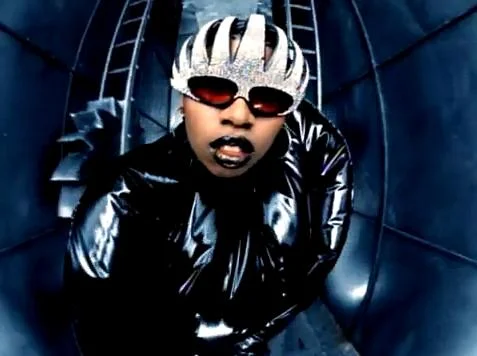
Jams and Fashion: Music Videos from the Summer of '97

June 26, 2017

The summer of 1997 was immense for women in R&B and Hip-Hop...

Read More
In Music, Beauty Tags fashion, Beauty, 90s, music, insectional feminism, Women of Color
Comment
AYAOTD. YASSSS.

AYAOTD. YASSSS.

Nostalgia High: Watch Your Favorite 90s Childhood Show Clips

June 22, 2016

BY LISA MARIE BASILE

Because lunch breaks can either be spent working or basking in broken-hearted nostalgia. Because today's world is stiff and bleak and social media is a prison. We compiled our favorite 90s shows (from when we were little-little, like before Party of Five) so you can listen to the simple delicate sweetness of Little Bear or the creepy weirdness of Pete and Pete...

Enjoy!

Good Medicine January 4, 1988 David explains what the daily life of the gnomes is like. He tells about his job as a doctor and the time he saved a goat who had swallowed a wire and a badger that had a splinter in his eye.

"Toads Dream" - a clip from the stop-motion animated childrens' film Frog and Toad Together (1987). Please visit http://JohnClarkMatthews.com

Subscribe for more videos! http://bit.ly/1tvxJ1R in this episode of Gumby, Gumby takes a trip to Mirrorland! Kabillion is a Free Video On Demand network for kids carried by all major US cable providers in over 50 million homes, by YouTube, and by your phone or tablet via the YouTube App.

Angelica Pickles knows that growing up isn't all fun and games. In fact, sometimes it's no fun, and there are no games. Scene from Rugrats episode "Angelica's Birthday" Subscribe: http://bit.ly/TheSplatSubscribe Check out The Splat's official website: http://bit.ly/SplatOnline More From The Splat: Facebook: http://bit.ly/TheSplatFacebook Twitter: http://bit.ly/TheSplatTwitter Instagram: http://bit.ly/TheSplatGram Tumblr: http://bit.ly/TheSplatTumblr Vine: http://bit.ly/TheSplatVine Pinterest: http://bit.ly/SplatPinterest What is The Splat?

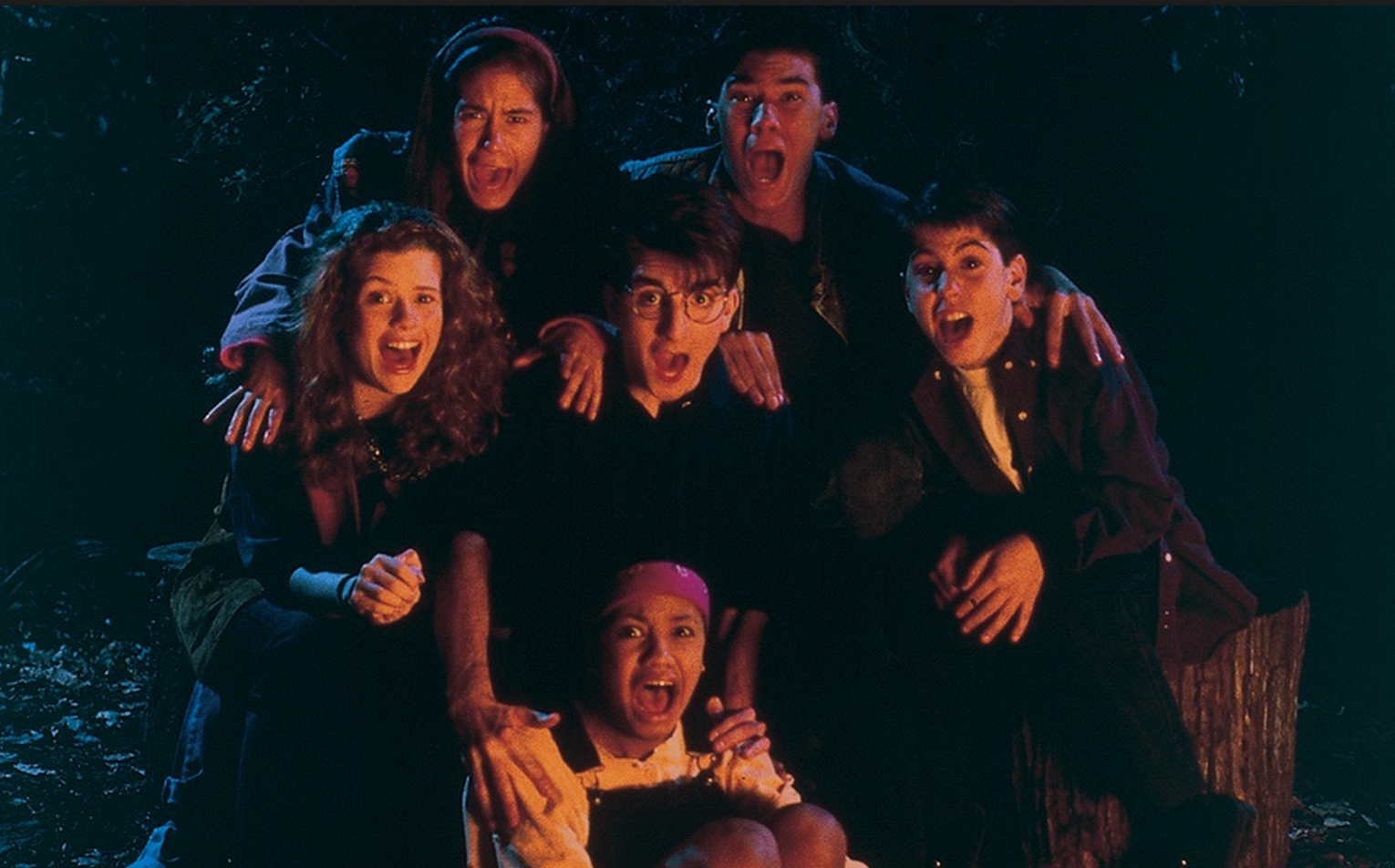
Get Paid to Play Video Games: http://tinyurl.com/ab2ja5z In this episode of Are You Afraid Of The Dark, a girl named Melissa becomes obsessed over her friend Susan's mysterious disappearance -- until she discovers a strange doll-house in Susan's attic and finds that Susan has been trapped inside; an evil magic turns however stays inside of it (after coming in through a secret door) into dolls if they stay too long.

LeVar bumps into a familiar friend at the local library. What's Kermit the Frog up to in the "Pig" section of books? This famous Muppet has a few tricks up his sleeve on this Reading Rainbow Classics segment. Subscribe to the Reading Rainbow Channel here: http://www.youtube.com/subscription_center?add_user=ReadingRainbow In This Video: Kermit joins host LeVar Burton on this classic episode of Reading Rainbow.

Take a look... with your eye. You'll see how it works. You'll see things right side up that start out upside down. It's a quick trick your brain pulls. Your brain by the way is the part of your eyes that you can see. Click, and have a look-see.

berenstain bears Trouble At School Visit the Dentist

No copyright infringement intended. All pictures and videos are copyright of the DiC Enterprises DHX Media and / or their respective owners. Copyright Disclaimer:I have followed the copyright law correctly, its non-profit and the songs are credited."

Uploaded by Official Little Bear on 2014-12-15.

Mister Rogers' Neighborhood

Uploaded by Weylon Solis on 2016-02-25.

Uploaded by Skye Tronn on 2013-10-07.

The adventures of Pete and Pete Season 1 - Episode 4 What we did on our summer vacation All rights reserved to the owners.

Enjoy

"This is a Liberry!"

All about Arnold, psychological aspect, so theres a lot here, I don't repeat any exact clips. It's NOT supposed to about just Helga, it's about his feelings of his parents being away to. Actually, everything ties together. He feels like he can't love Helga because he loved his parents and they left on him.

Uploaded by SuperKidscartoons on 2013-06-09.

Uploaded by Ciara Fernanda on 2016-02-12.

Sailor Moon Episode 1 English

TV-Y | After a miserable first day of middle school, Alex Mack winds up getting drenched with an experimental chemical, leaving her with unusual powers.

As events unfold in her life, Clarissa explains to the viewer the motivations behind people's actions. As events unfold in her life, Clarissa explains to the viewer . As events unfold in her life, Clarissa explains to the viewer the motivations behind people's actions. As events unfold in her life, Clarissa explains to the viewer ...

Uploaded by Ladefolo Gavogekar on 2015-07-11.

Molly wakes up with tangles in her hair, but she won't let Loonette comb them out. Rather than face the music, Molly ties a rain hat tight to her head. Loonette has to ask for help, but Granny Garbanzo is too wrapped up with Snicklefritz's stubbornness.

Barney brings out his Game Machine for an afternoon full of fun and games. But when the machine is empty; Barney and his friends look for games to fill it up so they can play a big game. After the machine is filled with games, the kids turn the crank and out comes one big gameboard filled with fun and surprises!

Goosebumps 2 Hours Scariest Episodes In this particular story, a girl named Amy Kramer performs with her dummy, Dennis, every Thursday night at her family's little "talent show". Unfortunately, Dennis has become almost unusable with age, and his head keeps falling off. Jed uses it to pretend to be Dennis on one occasion.

Care Bears Movie - Big Wish Care Bears Movie - Big Wish Care Bears Movie - Big Wish Care Bears Movie - Big Wish Care Bears Movie - Big Wish

Rupert bear And Mum's Adventure prt 1

With Babar and Celeste spending all their time tending to the needs of her new baby sister Isabelle, Flora's feelings of being unwanted ultimately lead her to run away from home. Inspired by the famous books by Jean and Laurent de Brunhoff, this is the animated story of Babar, a young elephant who undergoes many challenges and adventures.

"The Old House, sorely in need of repair, is condemned and the girls are forced to move to a small apartment where their snooty neighbors hate kids and dogs. But just before the wrecking ball destroys their beloved abode, Madeline enlists the aid of the ladies of the Historical Society, who help get the Old House renovated to perfection."

Turtles are slow, but Franklin's penchant for constantly stopping to smell the roses makes him slow even for a turtle. But when it comes to his best friend Bear's surprise birthday party, Franklin is determined to be on time. However, he discovers too late that once again he's allowed his preoccupation with the little things to sidetrack him.

FAIR USE "Copyright Disclaimer Under Section 107 of the Copyright Act 1976, allowance is made for "fair use" for purposes such as criticism, comment, news reporting, teaching, scholarship, and research. Fair use is a use permitted by copyright statute that might otherwise be infringing.

A freak accident from a transporter turns April into a cat-woman. Irma meets TMNT in order to rescue her.

https://www.youtube.com/watch?v=CqFdSVKPSmM - Caillou - Learn the ABC - letter "C" Want more Caillou? The only official source for Caillou! Grandma brings over some delicious treats for the kids to try - only theyre full of olives. Caillou doesnt like olives, but he doesnt know how to tell Grandma he doesnt like her cherished dishes...

Order here: http://di.sn/PoohBRDVD Now available on Blu-ray™ & DVD Combo Pack and Movie Download. Take the Winnie the Pooh personality Quiz here: http://di.sn/WTPQuiz Become a fan on Facebook: http://facebook.com/WinniethePooh http://www.Disney.com/Pooh Walt Disney Animation Studios returns to the Hundred Acre Wood with "Winnie the Pooh," the first big-screen Pooh adventure from Disney animation in more than 35 years.

A cloud appears in Teletubbyland. The Teletubbies watch some children playing in the rain. Dipsy steps in a puddle. Three magic ships sail through Teletubbyland. ► Click to subscribe: http://bit.ly/SubscribeTeletubbies Visit our website! http://www.teletubbies.com/ Follow us for all the latest Teletubbies news! ► Facebook https://www.facebook.com/teletubbies ► Twitter https://twitter.com/Teletubbieshq Experience the Teletubbies like never before!

Gadget searches Scotland for a missing scientist who vanished near a lake that is supposed to harbor a monster.

Pink works on a building site. The Pink Panther, sauntering casually along, sees a "Construction Workers Wanted" sign on the fence of a building under construction and hops over the fence unannounced and goes to work.

Uploaded by Severin Murray on 2013-05-13.

Tags tv, 90s, 90s tv, little bear, eureeka's castle, winnie the pooh, pete and pete, sailor moon
Comment

The Books That Lied

December 1, 2015

BY NICOLA PRENTIS

As an adult, I read when I can steal a moment back from my day. A book can take months to finish. The bookmark has always fallen out and sometimes I read several pages before realising I'm covering old ground. Books are entertainment, inspiration, education, the best of them might make me cry but they rarely get my full attention now that attention is divided between so many more duties. But the books I read as a teenager, when I could spend an entire weekend curled around one on the sofa, shaped me. From treasured volumes to throw away instalments of teen serials, Judy Blume, LM Montgomery, Francine Pascal and the authors of countless historical romances taught me about myself, boys and sex. 

They lied.

From age 13, I was at the library every Saturday to take out the 6 books my card allowed. I often went with friends so we could maximise the loan number by swapping books between us, queueing up together to borrow the book the second the other girl returned it. At school we had to keep a reading log, a chore for most of the class but a badge of honour to those of us getting through two or three books a week. By age 15, my teen and historical romance reading list had expanded to include horror, Stephen King and Graham Masterton, and bonkbusters, Jackie Collins and Jilly Cooper, but none of those led to the damage the more age-appropriate books did. 

The walk to the library, like any walk into town, brought the honking of cars if I wore a skirt. They slowed down to allow craning necks, maybe a shouted comment, even though, at 13, I was probably with my mother. She still looked good, but we both knew that it was my blondish hair and shapely calves that drew their attention. I revelled in it. I was Jessica Wakefield of Sweet Valley High – less sun-kissed, less kissed, but I too wore denim miniskirts 'teamed with' high-heeled 'pumps.' When bad boy Bruce Patman tried to untie the top of the sexy bikini Jessica had picked out, she playfully swatted his hand away. Jessica was a sassy 16-year-old and boys did her bidding. When two boys pinned me to the floor at a friend's house-party and pulled up the sexy, short, tight dress I was wearing, I only escaped more than a groping because someone intervened. 

At 17, an older boy, Sean*, was finally mine after I'd longed for him throughout a year of glimpses around town. He looked just like teen heartthrob Jason Priestly of Beverly Hills 90210. I was the same age as Katherine in Forever when she started going out with Michael. Katherine decided to seal their love by having sex for the first time. Michael was patient and understanding and so was Ralph, his penis.  The Jason Priestly lookalike's penis was less patient. Every time we were alone together, I felt I had to go that bit further even though I'd stopped being comfortable (slightly post-Jessica's limit) when he had my top off. I eventually gave in because it seemed easier than saying no – again. Where Michael gave Katherine an orgasm just by moving slowly inside her, Sean's Ralph hurt too much to carry on. In fact, I realised years later when I managed to banish the memory enough to lose my virginity, it hadn't even been fully in. Afterwards, Katherine asked Michael to show her what to do for him. I just wanted to be somewhere else. Sean wanted to try again. I asked, "Do we have to?"

At university, in the first two weeks, I met Andy. He brought me a mug of tomato soup in bed when I had flu and then kissed me for the first time, even though I'd told him I was so bunged up I could hardly breathe. I kissed him back long enough, I hoped, to be polite and say thanks for the soup. While Anne of Green Gables rebuffed Gilbert Blythe over and over, he remained her admirer through school, college and beyond. Andy would leave my room so sexually frustrated, he said, that he was bouncing off the walls. We were together six weeks until he dumped me. I told myself, if only I had been able to have sex with him, we would have lasted. 

I went through university with a gaggle of Wonderbra-enhanced, short-skirted and flirtatious friends, the modern-dressed versions of the heroines in historical novels. Corseted, breasts pushed up, vying for the attention of a Lord or King, they held out long enough to gain titles and wealth and only then succumbed to his lusts.  We got in free to the Student Union 80s night on Tuesdays, Club Tropicana. The bouncers got a quick flash of hoisted up flesh and we saved £2.50. I think we even skipped the line. I once got so drunk that when a male friend took me home at the end of the night, I came to my senses on top of him and didn't know who he was. We never mentioned it afterwards.

My teenage literary heroines lived in worlds penned by women who were living a romanticised story version of what I now know their real lives could never have been. They could never have met many real Michaels or Gilberts, would have been lucky to meet no-one more sinister than the easily caged Bruce, and I doubt any Kings had showered gifts in return for their virtue. As a teenager, I knew the stories weren't real but I still believed in the fiction. I thought you could tease boys and keep them under your playful control. I thought the first time would be special and on my terms. I thought saying "no" would inspire respect at least, if not my own manor house. The girlish books I inhabited taught me nothing about how to deal with male libido as it really is: unromantic, unyielding, always on the lookout for a weak moment. 

I wish I could tell the teenagers of the last few years that they're never going to meet a chastely respectful Edward Cullen or a lovesick Peeta Mallark, grateful for whatever bone they throw him. I wish I could warn them: the fiction isn't only the vampires and the Games. As a writer, perhaps I should be writing books for girls that teach them how different, how dark, men can be when they're hot for it. Or, maybe it would take a man to write an honest book for teenage girls. But I still want to make believe. I lie for myself with my charming heroes and my in-charge heroines, despite knowing I risk the next generation of girls falling for the lies like I did.

*name changed


Nicola Prentis has written for Salon, xojane, AlterNet and Refinery 29 and has had short fiction published. 

In Poetry & Prose Tags Judy Blume, 90s, LM Montgomery, Francine Pascal, Books
Comment

Culture Throwback: Thinking Back On How Charmed Captured Contemporary Feminism

November 23, 2015

BY SOPHIE MOSS

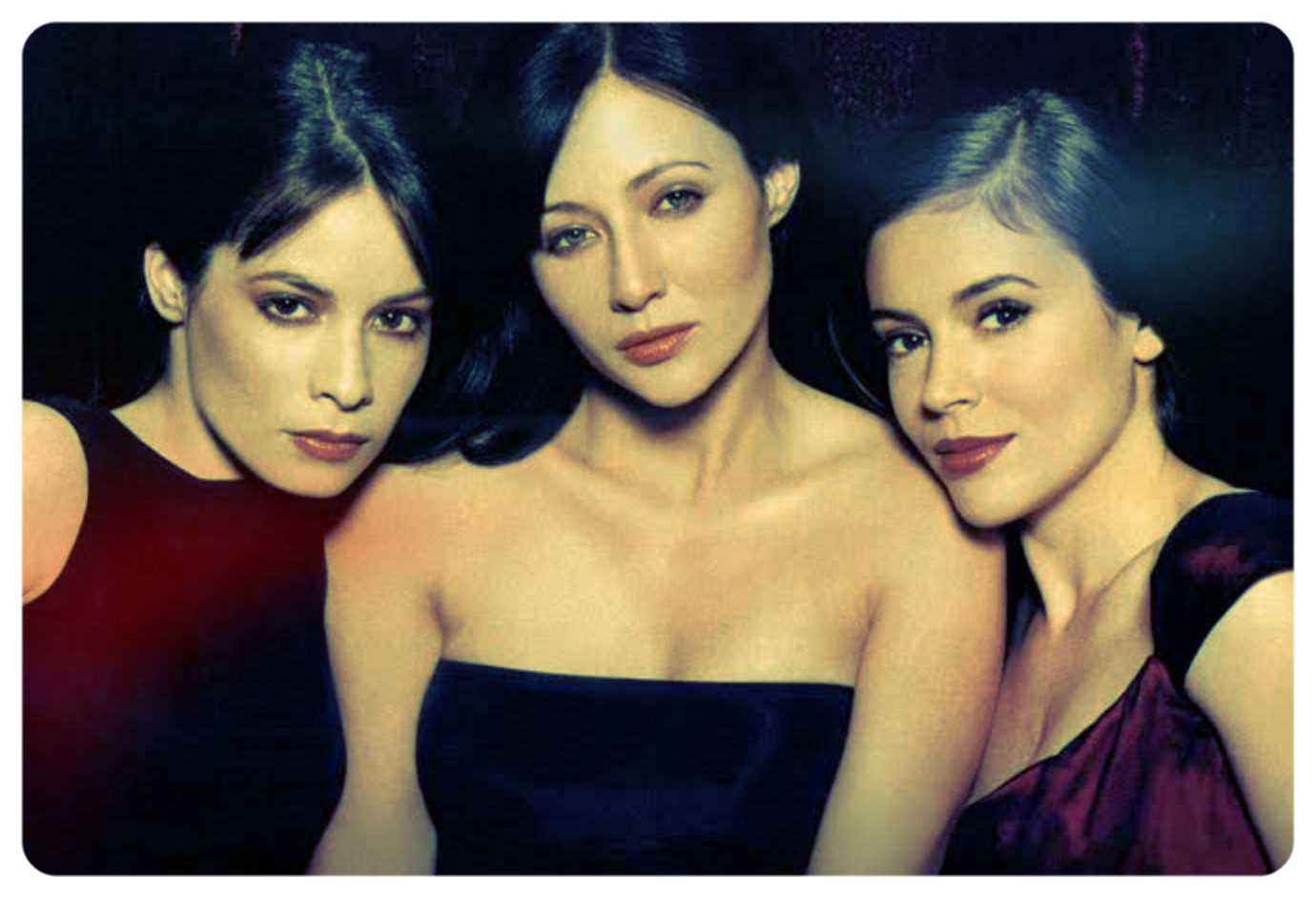
First airing on The WB in 1998, Charmed is the story of three sisters who discover they possess powerful magical powers and fight to defend their home city of San Francisco against the demonic population. As a curious and defiant fourteen year-old woman trying to make peace with myself and the universe, the three sisters in Charmed represented all that I looked to: they were ordinary women who possessed extraordinary mental and physical capabilities, thereby illustrating a fantastic resistance to the hegemonic gender roles that characterised much of contemporary television. For me, the sisters represented a unique brand of witchcraft, feminism and fantasy, and they did so with wisdom and flare. I saw myself as a fourth Charmed One, fighting both the demonic underworld and the gendered power structures it represented.

What is fascinating, for me, is the way the three sisters encapsulated the tensions of contemporary femininity, and they did so fiercely and unapologetically: They are desiring and desirable. They are independent and dependant. They are superhuman and human. They see and are seen. They are imperfect. They sleep with men who are rotten. They save humankind in high-heels. They are both dependent on, and dismissive of, traditional feminist ideals. It is in this historically specific period that I discovered Charmed, as a young teenager trying to figure out my own identity as a woman.

Prue, Piper, and Phoebe (and later Paige) are as much human as they are super-human. They struggled. Relationships failed. Jobs were lost. Just because Piper inherited the power of molecular manipulation, that didn’t mean her business wouldn’t threaten to go bust; while Prue could astral-project to be on two planes at any given moment, this didn’t give her the power to forgive her father for abandoning her and her sisters when they were young. Yes, witchcraft is here to protect us, and it does. But, as Almásy writes in The English Patient, “the heart is an organ of fire”, and no magic can protect that from being broken. The sisters knew that. In fact, they grappled with it frequently -- most of all, perhaps, in the season three finale, when they learned their hardest lesson to date: that magic could not save the life of their sister, Prue. It was at this moment that the audience were to understand that the Halliwell’s are not defined by their magic, or by their power, but by their humanity: they are sisters first, witches second. It was this display of solidarity, this unwavering loyalty to sisterhood, that played an important role in how I see myself as a woman, sister, and feminist.

Charmed existed in a sort of mid-90s golden-age of the super-powered female lead on television. There was Buffy. There was Sabrina. There were the Charmed Ones. What remains so unique about the latter, for me, is the show’s postfeminist values and the way it challenged traditional notions of what it meant to be a ‘strong woman.’ They were attractive, fashion-forward, individualistic, and sexually experimental. They kicked demonic ass and raised babies. They held down demanding jobs and threw fireballs at ex-boyfriends. The sisters were multifaceted, powerful women with a ‘girl-power’ rhetoric, though never entirely paradoxical to second-wave feminist ideals. What Charmed did, and did very well, was create a whole community of powerful, unique women, or, as Susan Latta writes, “[represented] the interconnection of empowered individuals and collective action.” Power, style, sin, sisterhood, desire: suddenly, these tough girls with innate supernatural capabilities found themselves understood within the wider context of contemporary feminism.

But Charmed wasn’t merely concerned with a popular mediation of femininity. Rather, the show is unique in its representation of an alternative, often marginalised religious paradigm in contemporary media. Focusing specifically on Wiccan philosophy rather than ‘witchcraft’ as an umbrella term, the sisters’ magic is rooted in the beliefs, structure and limitations of Wicca. Granted, there was glitz, glamour and special effects to-boot, but Charmed worked hard to represent the Wiccan faith with respect and accuracy. As Michaela D.E Meyer notes in her essay “‘Something Wicca This Way Comes’: Audience Interpretation of a Marginalized Religious Philosophy on Charmed”, the show’s writers were particularly skilled at weaving Wiccan philosophies into the narrative, such as not using magic for personal gain and an understanding that magic comes at a price.

For me, though, as a young woman obsessed with locked doors and unknown worlds, I found this popular representation of witchcraft entirely accessible. It was as though everything suddenly clicked into place. I devoured all that I could on Wiccan philosophy and Pagan cultures. I created my own Book of Shadows, a grimoire full of awkwardly written spells and uncomfortable rhymes. I would lay an atlas on my bedroom floor and scry for family members. I would stare at glass vases and wait for my powers of telekinesis to kick in. I can still recite “Dominus Trinus”, the spell to invoke the sisters’ powers (In this night and in this hour / We call upon the Ancient Power). As fervently as I waited for my Hogwarts letter, I waited for my powers to come.

But, eventually, that curious young girl would grow into an adult woman with a registry for darkness. While I follow no set religious path, I recognise and honour an innate spirituality. Witchcraft, ritual, spell-casting, the Occult -- these are all important to how I see myself as a woman and writer. I practice the tarot. I collect moon water. I celebrate the seasons. I’m constantly learning to better work with my own spiritual source. Constantly learning to be a better feminist. A better person.

It is this sense of constant growth and personal reinvention that characterises much of Charmed. A recurring theme throughout the series is that of reconciling their witchcraft with their personal selves, their womanhood, and the consequences that come from this. They aren’t perfect versions of themselves, by any means. They make bad decisions and have been known to choose themselves over the Higher Cause. They can be selfish. Piper chooses to marry Leo in secret, against The Elders’ rules. Phoebe falls in love with Cole, a half-demon and later The Source of All Evil, despite her sisters’ disapproval. In many ways, Phoebe is the most feminist of the three sisters, in spite and because of her many imperfections. We see her evolve from a reckless young girl with few prospects into this fierce, successful, loyal woman with great spirit. She put herself through school, worked hard to get a job she loved, and she did it entirely on her own. She grew up fast and hard and well, and did so in a universe filled with demons, death, and madness. But for me, it was her imperfections that made her who she was. She screwed up. Routinely. Fantastically. Sure, she married the Source of All Evil and became the Queen of the Underworld, but she sure as hell came to her senses and vanquished his demonic ass, too.

That’s what’s so great about the Charmed Ones: they never claim to have it all figured out. They’re always learning, questioning, struggling, and they take responsibility for their actions. They know that what’s coming will come, and they face it when it does. That is what I took from Charmed: that to be imperfect is okay. To be human in a world of chaos is okay. I might not be the best version of myself, but I am, much like the Halliwell sisters, an unstoppable cyclone of female strength and femininity, and that’s all my fourteen year-old self could ever have asked.


Sophie E. Moss is a dark witch & literary maven. She writes essays for Luna Luna and poetry for all the people she used to be. @Sophiedelays

In Pop Culture, Social Issues Tags Charmed, Witchcraft, Television, 90s, Feminsim
Comment
Featured
‘in the glitter-open black' — poetry by Fox Henry Frazier
'poet as tarantula,  poem as waste' — poetry by  Ewen Glass
'poet as tarantula, poem as waste' — poetry by Ewen Glass
'Hours rot away in regalia' — poetry by Stephanie Chang
'down down down the hall of mirrors' — poetry by Ronnie K. Stephens
'Grew appendages, clawed towards light' — poetry by Lucie Brooks
'do not be afraid' — poetry by Maia Decker
'The darkened bedroom' — poetry by Jessica Purdy
'I am the body that I am under' — poetry by Jennifer MacBain-Stephens
instagram

COPYRIGHT LUNA LUNA MAGAZINE 2025