


Joanna C. Valente is a human who lives in Brooklyn, New York. They are the author of Sirs & Madams, The Gods Are Dead, Marys of the Sea, Sexting Ghosts, Xenos, No(body), #Survivor: A Photo Series (forthcoming), and A Love Story (Vegetarian Alcoholic Press, 2021). They are the editor of A Shadow Map: Writing by Survivors of Sexual Assault and the illustrator of Dead Tongue (Yes Poetry, 2020). They received their MFA in writing at Sarah Lawrence College, and Joanna is the founder of Yes Poetry and the senior managing editor for Luna Luna Magazine.
Read More
Photo: Joanna C. Valente
The Music Outside My Window
Joanna C. Valente is an alien from Saturn’s rings. They have written, illustrated, and edited a few books. Sometimes they take photos and bake ugly desserts.
Read More
A Playlist for Temperance
Joanna C. Valente is a human who lives in Brooklyn, New York. They are the author of Sirs & Madams, The Gods Are Dead, Marys of the Sea, Sexting Ghosts, Xenos, No(body), #Survivor: A Photo Series (forthcoming), and A Love Story (Vegetarian Alcoholic Press, 2021). They are the editor of A Shadow Map: Writing by Survivors of Sexual Assault and the illustrator of Dead Tongue (Yes Poetry, 2020). They received their MFA in writing at Sarah Lawrence College, and Joanna is the founder of Yes Poetry and the senior managing editor for Luna Luna Magazine.
Read More
I Live in the Shadow Hills
Fox Henry Frazier is a poet, essayist, and editor who currently lives in upstate New York.
Read More
A Playlist for Death
Joanna C. Valente is a human who lives in Brooklyn, New York. They are the author of Sirs & Madams, The Gods Are Dead, Marys of the Sea, Sexting Ghosts, Xenos, No(body), #Survivor: A Photo Series (forthcoming), and A Love Story (Vegetarian Alcoholic Press, 2021). They are the editor of A Shadow Map: Writing by Survivors of Sexual Assault and the illustrator of Dead Tongue (Yes Poetry, 2020). They received their MFA in writing at Sarah Lawrence College, and Joanna is the founder of Yes Poetry and the senior managing editor for Luna Luna Magazine.
Read More
Ritual for Transforming Your Space in the New Year
Kailey Tedesco is the author of These Ghosts of Mine, Siamese (Dancing Girl Press) and the forthcoming full-length collection, She Used to be on a Milk Carton (April Gloaming Publications). She is the co-founding editor-in-chief of Rag Queen Periodical and a member of the Poetry Brothel. She received her MFA in creative writing from Arcadia University, and she now teaches literature at several local colleges. Her poetry has been nominated for the Pushcart Prize. You can find her work in Prelude, Bellevue Literary Review, Sugar House Review, Poetry Quarterly, Hello Giggles, UltraCulture, and more. For more information, please visit kaileytedesco.com.
Read More
A Playlist for The Hanged Man
Joanna C. Valente is a human who lives in Brooklyn, New York. They are the author of Sirs & Madams, The Gods Are Dead, Marys of the Sea, Sexting Ghosts, Xenos, No(body), #Survivor: A Photo Series (forthcoming), and A Love Story (Vegetarian Alcoholic Press, 2021). They are the editor of A Shadow Map: Writing by Survivors of Sexual Assault and the illustrator of Dead Tongue (Yes Poetry, 2020). They received their MFA in writing at Sarah Lawrence College, and Joanna is the founder of Yes Poetry and the senior managing editor for Luna Luna Magazine.
Read More
A Playlist for Justice
Joanna C. Valente is a human who lives in Brooklyn, New York. They are the author of Sirs & Madams, The Gods Are Dead, Marys of the Sea, Sexting Ghosts, Xenos, No(body), #Survivor: A Photo Series (forthcoming), and A Love Story (Vegetarian Alcoholic Press, 2021). They are the editor of A Shadow Map: Writing by Survivors of Sexual Assault and the illustrator of Dead Tongue (Yes Poetry, 2020). They received their MFA in writing at Sarah Lawrence College, and Joanna is the founder of Yes Poetry and the senior managing editor for Luna Luna Magazine.
Read More
A Playlist for The Wheel of Fortune
Joanna C. Valente is a human who lives in Brooklyn, New York. They are the author of Sirs & Madams, The Gods Are Dead, Marys of the Sea, Sexting Ghosts, Xenos, No(body), #Survivor: A Photo Series (forthcoming), and A Love Story (Vegetarian Alcoholic Press, 2021). They are the editor of A Shadow Map: Writing by Survivors of Sexual Assault and the illustrator of Dead Tongue (Yes Poetry, 2020). They received their MFA in writing at Sarah Lawrence College, and Joanna is the founder of Yes Poetry and the senior managing editor for Luna Luna Magazine.
Read More
These Vegan & Cruelty-Free Soaps Are Amazing
BY JOANNA C. VALENTE
Now that the holiday season is underway and we’re ending a year spent in large amounts of isolation away from our loves ones, and having experienced immense tragedy, it can be difficult to find ways to be kind to ourselves and also celebrate the people around us.
For me, a way to combat this is finding little joys in the everyday, for me and ones I can share. I’m in the midst of ordering gifts for my family and friends to deliver to them (as I likely won’t see the majority of them) as a way to remind them that our love is no different.
That being said, it can also be difficult finding gifts for people who may have different interests, seem to have everything they need, etc. I also personally hate giving “useless” gifts, or gifts I like that I know will sit on a shelf collecting dust.
Recently, I was in the market for a new soap. Admittedly, I love finding new ones; for me, there’s something about the textures and scents that I can’t get enough of. While most of my skincare routine is fairly utilitarian, I’ll occasionally give myself a treat - and it occurred to me recently why people do actually gift each other high quality soaps, lotions, and skincare products: Because they make you feel good. It’s a treat, and we all deserve to indulge sometimes.
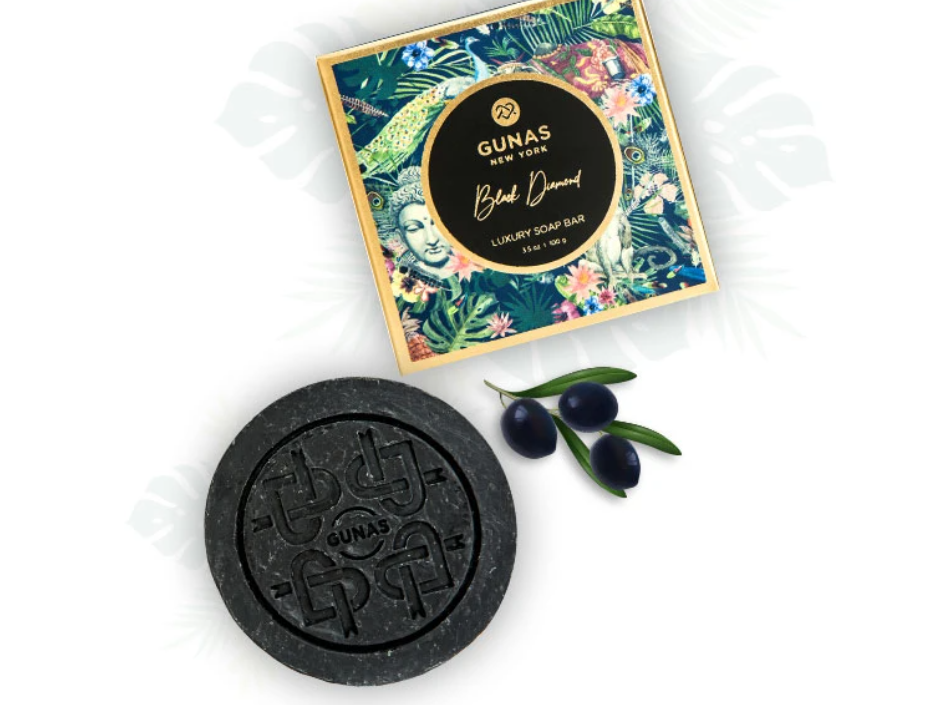
I discovered Guna’s Clean Beauty line, started by Sugandh, which she describes as “a love story to my Greek heritage,” and also as “a way to promote harmony and our choices (whether food or fashion) don’t embody any form of cruelty towards people or animals.” The line consists of three natural soaps, EARTH PARADISE, BLACK DIAMOND and BERGAMOT.
The soaps are vegan and cruelty-free (like her other products), and hand-cut and poured; I have the Black Diamond and Earth Paradise bars, and the soaps are surprisingly creamy and beautifully scented - which makes my bath experience a lot more delightful. They are the perfect treat for a long day followed by a hot bath or shower.
You can learn more here.
A Playlist for The Hermit
Joanna C. Valente is a human who lives in Brooklyn, New York. They are the author of Sirs & Madams, The Gods Are Dead, Marys of the Sea, Sexting Ghosts, Xenos, No(body), #Survivor: A Photo Series (forthcoming), and A Love Story (Vegetarian Alcoholic Press, 2021). They are the editor of A Shadow Map: Writing by Survivors of Sexual Assault and the illustrator of Dead Tongue (Yes Poetry, 2020). They received their MFA in writing at Sarah Lawrence College, and Joanna is the founder of Yes Poetry and the senior managing editor for Luna Luna Magazine.
Read More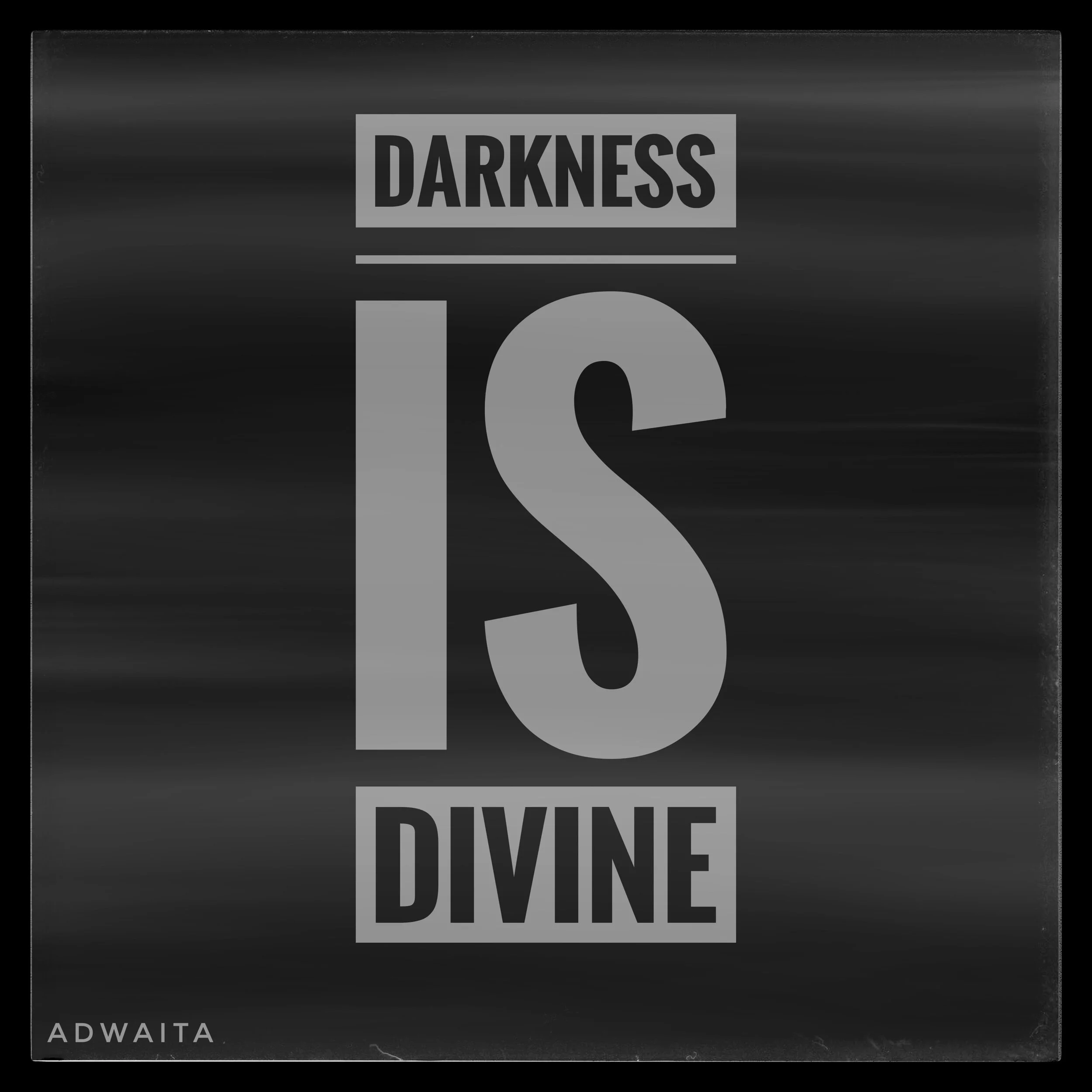
Darkness Divine by Adwaita Das
BY ADWAITA DAS
Act One
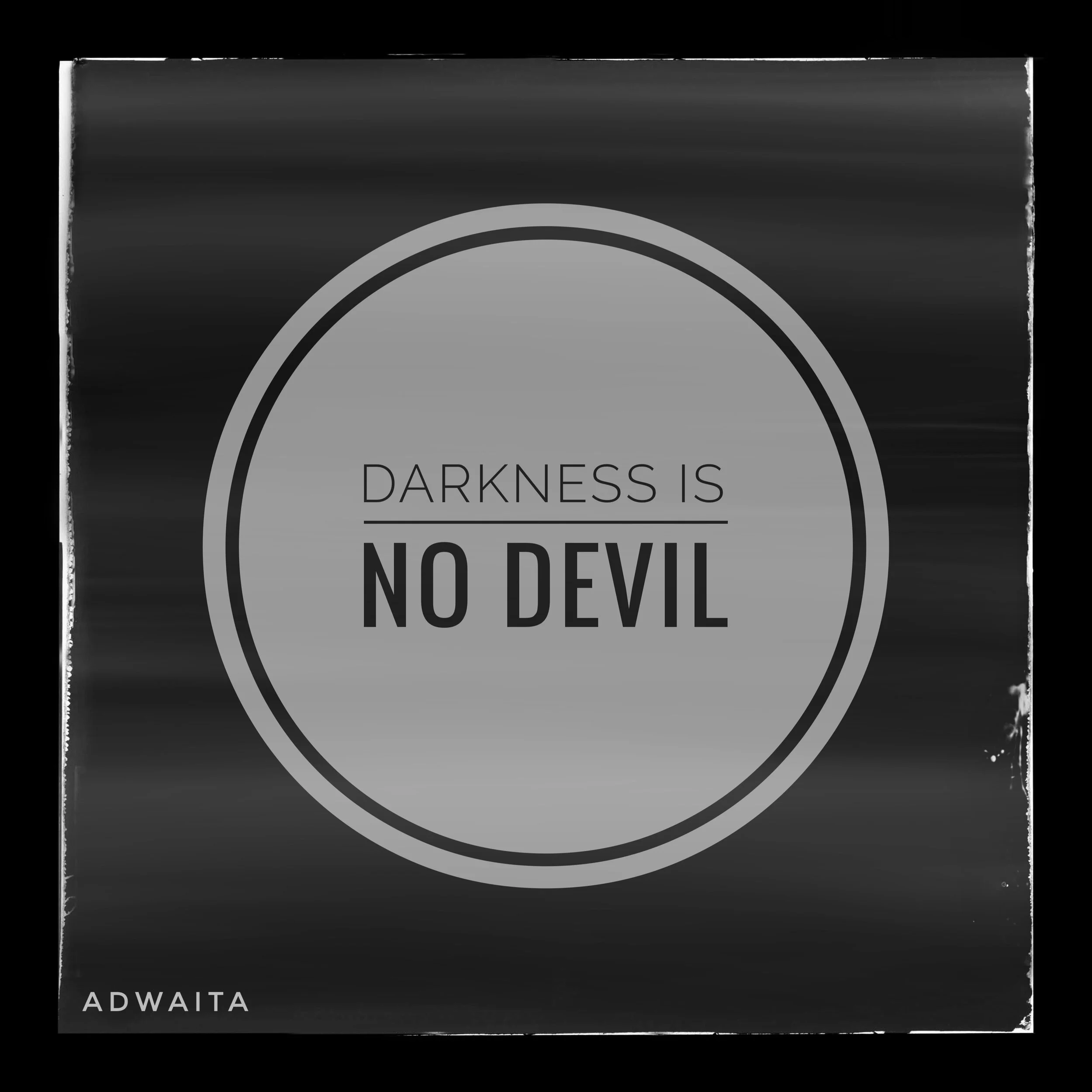
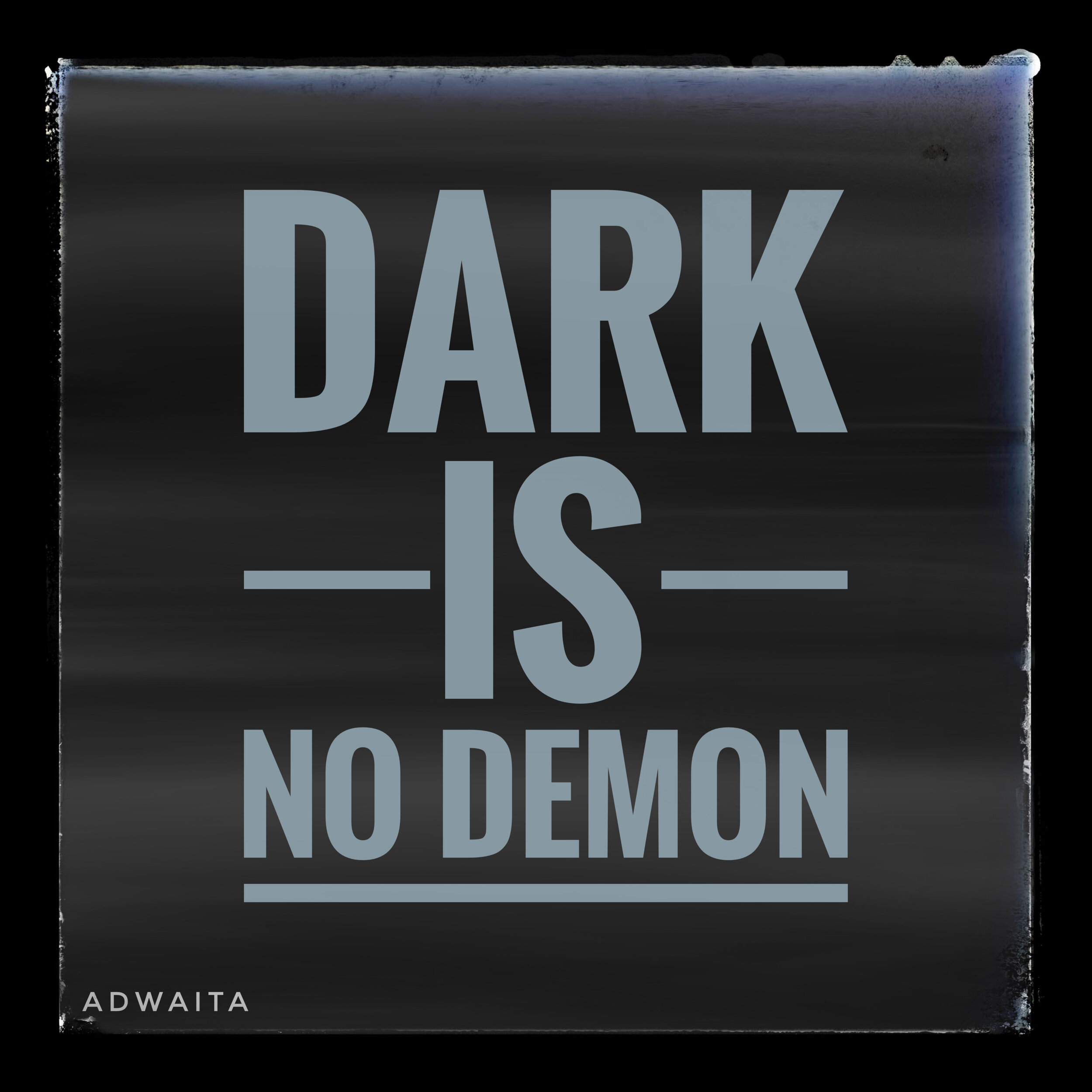
Darkness is no devil.
And yet,
Again and again and again
And again
We use the word
Dark
to define evil,
to describe horror,
Compelled by the primitive fear
Of
The unknown,
Of
The other,
Propelled by the mortal terror
Of
Dying,
Branded by conditions of race
Embedded in metaphors
Of
Language.
And then we wonder why black lives
Are brutalised by hate.
Act Two
But how to give up this convenient
figure of speech?
Remember this:
Earth was lifeless burning lava,
Until the planet tilted, became
Blessed with shadowy diffusion,
And birthed
Living organisms.
Nonetheless,
People of all colours are heard brooding,
“Dark days…”
“Great darkness gathering…”
“Black magic…”
“Being black hearted…”
And then we ponder why black lives
Are butchered by hate.
Act Three
A scientific fact:
Ninety five percent of the known universe is
Black;
Dark energy
and
Dark matter.
The darkness is not demonic.
We are blind—
Us humans—
Obsessed with baryonic particles in our
Five percent
Range of sight.
“Let in the light.”
“Pure white light.”
“Go to the light.”
“Bright holy light.”
Remember the blaze of weaponised explosions,
The brilliance of wildfire devouring plantations.
Light—frequently—is also the destroyer of life.
Act Four
Black night is my awakening;
I seek
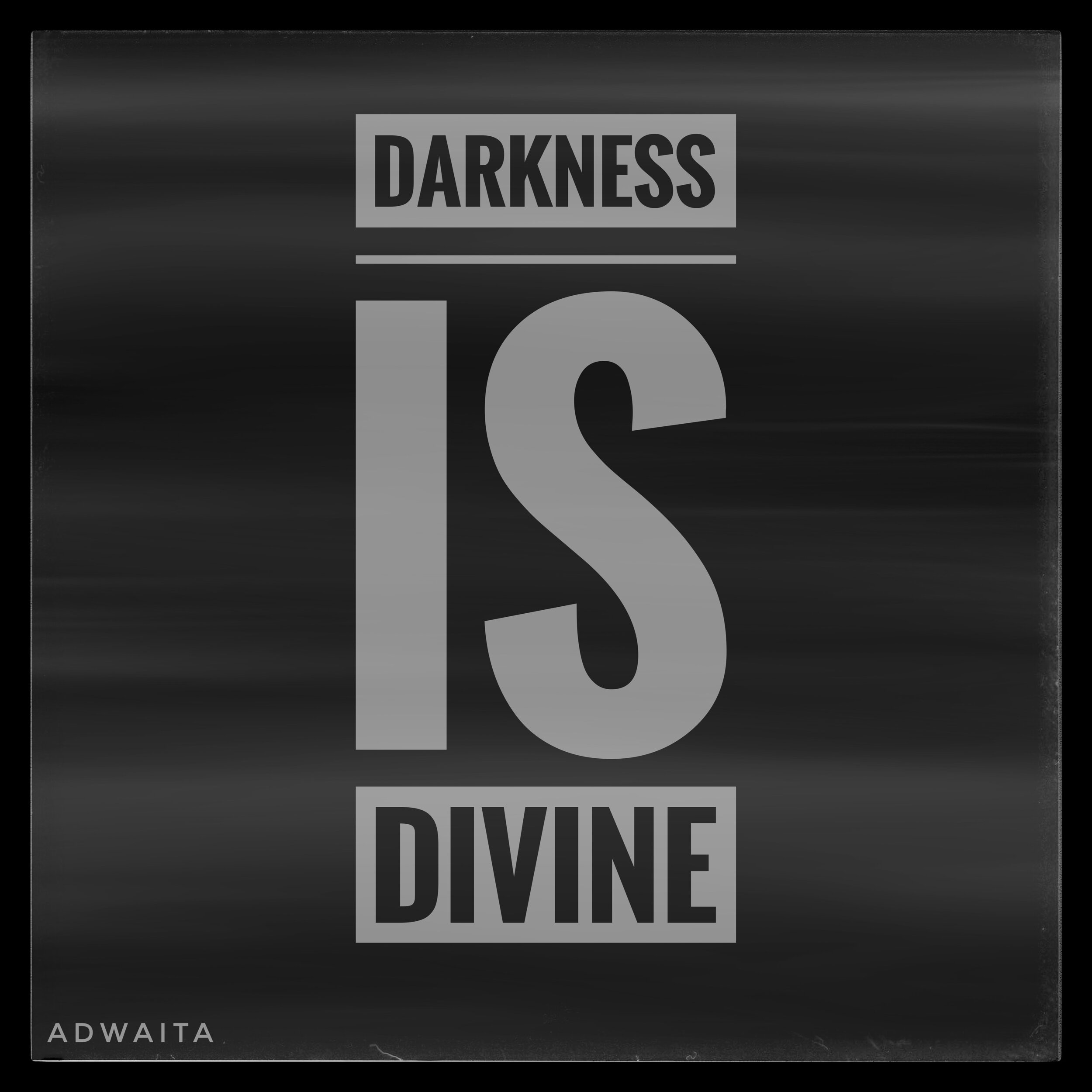
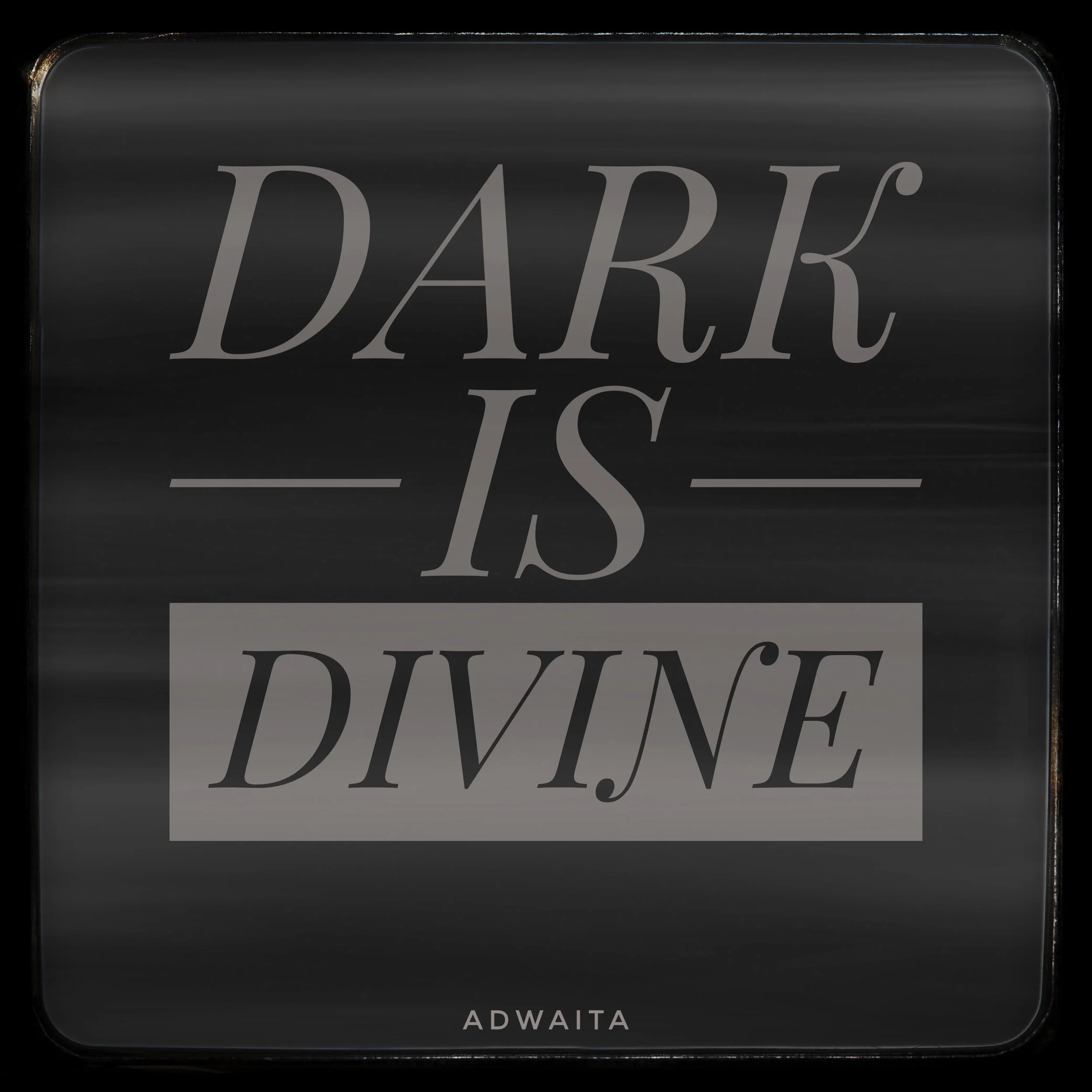
The Darkness Divine!
Act Five
Stop using
“Dark”
to mean evil.
Stop using
“Darkness”
to define death.
Let language evolve.
Let language express
The actual event:
“Hatred.”
“Cruelty.”
“Violence.”
“Ignorance.”
Call it
Fear.
Call it by its true name.
Not dark or darkness again.
Black is a colour of life.
Dark are the cosmic nuclei.
Act Six
Black is the cool balm
Of
Shade
In blistering day
Under tropical sun.
Dark is the soul—
conscious,
subconscious,
and unconscious—
Celestial gravitation
Reflecting
The infinite cosmos.
Black is the wave
Of
Rebellion.
Dark is the new light.
I celebrate
The Darkness Divine.
A note from the creator:
Being from India, as opposed to Caucasian countries, I have a completely different relationship with everything dark. Our climate, in particular, gave me an appreciation of a reverse nature: light burns; shadow heals. White can be illness and death, while black could be a blessing. The scorching summer makes me cry out aloud for deep dark rain clouds.
In my mother-tongue Bengali, the word for darkness, "andhakaar", literally translates to "blind-form.” Because it is we who are blind in the dark. When we condemn it, we automatically lament our own blindness, rather than give the colour of darkness a bad association.
In mythology, my favourite is Kali—the dark black Goddess who destroys monsters with mad savagery and protects us. The Darkness protects us! “Kalo” means “black” in Bengali; “Kali” is “blackness” or “ink.”
Perhaps it is time to de-associate words like darkness from evil. Perhaps it is time to open our minds and languages to the divinity of the dark black.
Adwaita Das is an author-artist-auteur from India, Planet Earth. She studied English literature & filmmaking; worked in theatre, news & advertising. Her art explores mindfulness. Her books 27 Stitches, Colours Of Shadow & Songs Of Sanity deal with the human psyche.
A Playlist for Strength
Joanna C. Valente is a human who lives in Brooklyn, New York. They are the author of Sirs & Madams, The Gods Are Dead, Marys of the Sea, Sexting Ghosts, Xenos, No(body), #Survivor: A Photo Series (forthcoming), and A Love Story (Vegetarian Alcoholic Press, 2021). They are the editor of A Shadow Map: Writing by Survivors of Sexual Assault and the illustrator of Dead Tongue (Yes Poetry, 2020). They received their MFA in writing at Sarah Lawrence College, and Joanna is the founder of Yes Poetry and the senior managing editor for Luna Luna Magazine.
Read More
A Playlist for The Chariot
Joanna C. Valente is a human who lives in Brooklyn, New York. They are the author of Sirs & Madams, The Gods Are Dead, Marys of the Sea, Sexting Ghosts, Xenos, No(body), #Survivor: A Photo Series (forthcoming), and A Love Story (Vegetarian Alcoholic Press, 2021). They are the editor of A Shadow Map: Writing by Survivors of Sexual Assault and the illustrator of Dead Tongue (Yes Poetry, 2020). They received their MFA in writing at Sarah Lawrence College, and Joanna is the founder of Yes Poetry and the senior managing editor for Luna Luna Magazine.
Read More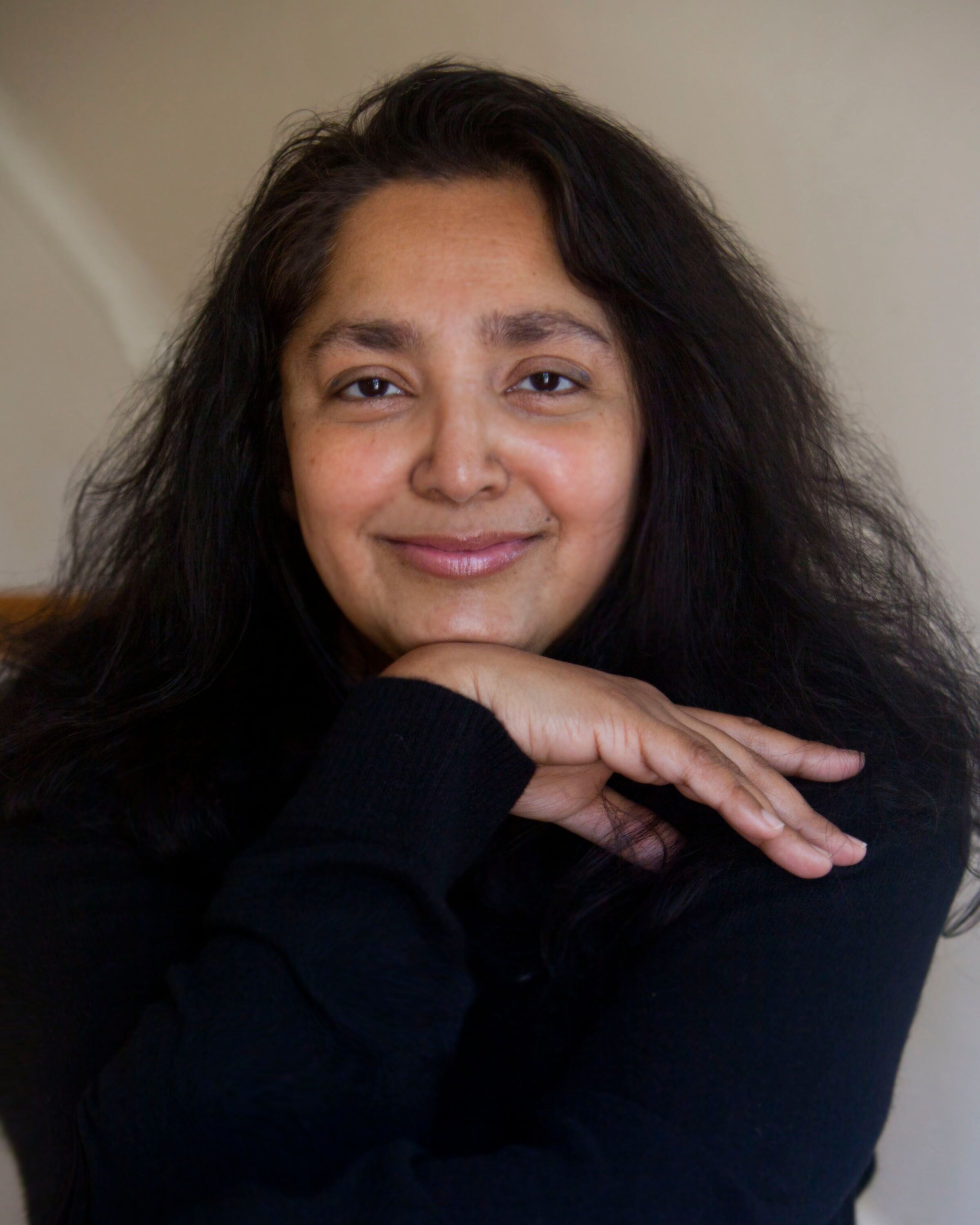
Photo courtesy of Chaya Bhuvaneswar
Interview with Writer Chaya Bhuvaneswar
By Anita Felicelli
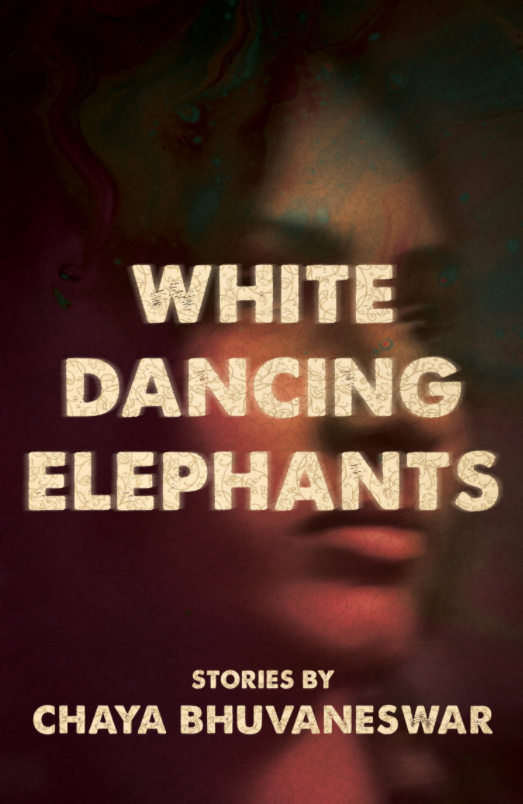
Editor’s Note: Anita Felicelli interviewed writer and physician, Chaya Bhuvaneswar, about her award-winning story collection, White Dancing Elephants, which was the winner of the 2017 Dzanc Books Short Story Collection Prize and a PEN American finalist for debut shorty story collection in 2019. Jimin Han called the book a “daring mix of ancient, contemporary, and dystopic stories carries us to the heart of rarely exposed longing, loss, and the politics of violence and endurance in remarkable, elegant, heart-stopping prose,” while Kirkus Reviews called it a “evocative, electric...an exuberant collection.”
Felicelli asked Bhuvaneswar poignant questions regarding the collection, writing about anger, motherhood, pregnancy loss, gender, and sexuality. You can read the interview below.
Anita Felicelli: We rarely see depictions of Tamil women's anger in books or films. In this book, there are many stories that explore this culturally forbidden emotion in an exceptionally full way. Can you talk a little about your process and what you tap into when exploring anger, how you translate this anger into language on the page and any challenges around that?
Chaya Bhuvaneswar: I love this question as a starting point, because it reflects an artistic choice to engage and acknowledge anger, to let it flower and see where it leads. That act is so critical, to refuse to swallow down our anger, especially within a Tamil culture so fundamentally dependent on women’s willingness and ability to gracefully stay ‘in place.’ It’s hard to imagine now: the things my father would say to me, the things other men in our community felt they had the right to say and do.
One year during undergrad, I actually wrote down a long list. Not only of what they’d said, but also what people outside the community had said to me in high school and college, the mocking slurs. So many stories come from that flint – those two experiences – violence ‘inside’ and violence ‘outside.’ I think the anger that flames out from those two striking against each other is at least partly what powers my work.
Once I start writing a given story, I would say there are no barriers I feel to fully exploring any emotion of the characters. The most challenging aspect of any piece of writing for me may be to understand how to structure the story around that emotional core, to find that balance between spontaneity and coherence.
AF: I found the miscarriage story that opens the collection really beautiful. We almost never see desi women characters who complicate certain cultural expectations related to motherhood. Can you talk a little about your choice to write the title story in second person as an address to the unborn fetus?
CB: For me, writing is the most productive when it’s unplanned. I hadn’t even planned to write that afternoon—I was jet lagged— but I was sitting in a small hotel lobby nothing like the one in the story in Amsterdam, and I missed my son. Missing him made me realize how much I also missed the child I miscarried. How I thought of that child as a distant child, not gone. Some of the most interesting stories to write emerge from writing about a person, place, even a thing, where the act of writing teaches you what you think and feel, what you didn’t know when you started putting words on the page. Meanings emerge as you write.
I am also interested in emotions that surprise me. Until my miscarriage, I was still so caught up in the unresolved work of forgiving and accepting my parents as people. I was still preoccupied with my parents, often angry at them, certainly disappointed at not getting the help from them I’d hoped to have in order to balance working full time with having a young baby. They, too, were quite angry at me for many reasons, not too many of which actually made sense, kind of a constant, bitter, broad anger that in a large way, I had “failed” as a traditional daughter.
Until that miscarriage, I didn’t even understand how much I loved and would love my own children and how that intensity would so completely displace the old intensity with my parents. I didn’t understand until the early morning that I saw the bleeding and couldn’t stop it, how much I could grieve a loss. I’m grateful to that story, “white dancing elephants,” if it makes sense to be grateful to a story, because it gave me the insight to shape my work life around that love of my family. Where “family” so clearly means my children and partner, not my parents in the same way. I’m very proud of my parents now. I’m proud of how they economized and saved up enough to have the retirement they’d hoped to; how they cared for my brother; how my mother, even now, is sewing us masks.
AF: And I'm always intrigued by whether or not sad or dark dimensions of life are aestheticized in various authors' stories. I feel we talk about this too little, about the role of aesthetics when rendering violence or tragic topics. In the title story about miscarriage, the voice is very lyrical. To what extent are you thinking about aesthetics or the "voice" of the story as you write?
CB: Unless the narrator of a story wants to objectify violence, I never want to, and if the narrator wants to dwell on those details, he’d better have a damn good reason. I don’t think I would have been able to or wanted to write from any viewpoint but Jayanti’s, the survivor’s, in “Orange Popsicles.” I wouldn’t want to write from the viewpoint of one of the rapists, who savored the quasi-pornographic aesthetics of what they were trying to do to her. I think so much of the violence I’m interested in is emotional, verbal. Lyricism can be a way the survivor, the listener, copes with that violence.
AF: And equally, there's a strong thematic thread of female-on-female betrayal, simultaneous friendship and betrayal, in many of these stories. As a writer, do you think consciously about complicating the narrative of perfect victims and perfect villains? I'm interested in how Sula might have influenced you in your writing of Talinda, for example. Or do these complications arrive for you at a more subconscious level?
CB: Everyone has themes and obsessions they continue returning to. For me it’s both betrayal and the fear of being betrayed, as well as the equally interesting process by which someone determines that they have “no choice” but to betray another. What I work on, in life as well as fiction, is to conceptualize “betrayal” from the point of view of the person who is doing the betraying.
Sula is such an important work and one I’ve repeatedly returned to. The rose birthmark. This quote:
“Like any artist without an art form, she became dangerous.”
― Toni Morrison, Sula
I remember reading that during a period of my life when I did not feel like I could make the time or space to write, and gradually reckoning with how true it was, how dangerous we can become to ourselves, when we don’t do all of what we’re supposed to do, when we don’t realize our purpose.
AF: How does your work as a psychiatrist inform your sense of gender and wild conduct in the book? When you're writing, do you think of characters on a clinical level, or do you see fiction as a completely distinct path into human disarray and foible? I think of a character like Maya in “The Shaker Chair” who acts against social norms evidently due to mental illness - does she have more of a backstory in your mind? How did you decide to place the story within the point of view of the Black psychiatrist Sylvia who treats her and is simultaneously repulsed and drawn to her?
CB: It’s taken me awhile to understand the answer to this question. I would say all gifted writers are acute psychologists. I’m often stunned by the psychological acuity of writers describing characters’ motivations. The level of understanding and insight is extremely humbling. But at the same time, writers don’t have, or want to have, the “therapeutic” mission, or at least, don’t want to have to include that aspect. I remember wincing, but acknowledging the truth of Zadie Smith’s statements, for example, emphatically differentiating “writing” from “therapy.”
Writing is driven by the writer’s desire, the urge to know and tell a story. If a story is brutal to the characters, but works as a story, that’s enough. So even though writers also share that psychological insight, there is no real connection between writing and psychiatry. In psychiatry, the sole purpose is healing. There’s nothing more important than the patient’s well-being.
AF: I'm fascinated by the erotic or sexual in these stories, the way sex so often shades into deep betrayal in these hugely energetic and dynamic stories in the collection. It feels, often, cathartic and visceral. I'm thinking in particular of the characters in “Orange Popsicles” and “Talinda” and “Chronicle of a Marriage Foretold” and “In Allegheny.” Can you talk a little bit about the intra-gender social dynamics you were tapping into with these stories?
Women’s desire is often mocked and judged. It was important to me to write stories in which there was no judgment, period, and the characters were allowed to want whatever they wanted. Perhaps that sense of freedom and absolute permission, permission on the basis of the women’s humanity alone, is what creates a sense of catharsis.
AF: In your story “Neela: Bhopal, 1984,” you use a fantasy or magic realist mode. To what extent do you think the political demands a more fantastic mode? Was this always a magic realist story or did it undergo different genre iterations?
Works by Arundhati Roy, Gabriel Garcia Marquez, Margaret Atwood and Haruki Murakami have been so important to me in thinking about this. It’s hard to tolerate the bleakness of political realities without creating some lens to view both small details and larger outlines. The fantastic mode is a way to approach the pain of looking at these realities – like what we’re seeing now, a calculus by which Senators’ response to a January briefing about the coming COVID-19 pandemic was to buy stock rather than warn the public or insist that the federal government prepare. Their profits were worth more to them than the millions of people who would die.
I’m not sure, though, that any theme or subject “demands” any particular mode. There are devastating, very realistic and understated political stories that don’t employ fantastical elements at all, like by the Pakistani-American writer, Daniyal Muennedin. And Chekhov, of course. So political. His story “Sleepy” is one of my favorites – realistic and completely chilling, the consequence of literally working someone to death. Above all, it’s important not to let ourselves look away from a given political reality. Fiction can be a way to face what has to change.
Chaya Bhuvaneswar is a practicing physician and writer whose work has appeared in Narrative Magazine, Tin House, Michigan Quarterly Review, The Awl, jellyfish review, aaduna and elsewhere, with poetry forthcoming in Natural Bridge, Quiddity, apt magazine, Hobart and more. Her poetry and prose juxtapose Hindu epics, other myths and histories, and the survival of sexual harassment and racialized sexual violence by diverse women of color. She received the Dzanc Books Short Story Collection Prize, a MacDowell Colony Fellowship, and a Henfield award for her writing. Her work received four Pushcart Prize anthology nominations in 2017. Follow her on Twitter at @chayab77 including for upcoming readings and events. She is the author of White Dancing Elephants.
Anita Felicelli is the author of CHIMERICA: A NOVEL and the story story collection LOVE SONGS FOR A LOST CONTINENT. CHIMERICA appeared on The Millions’ Most Anticipated: The Great Second Half of 2019 Book Preview, Fiction Advocate’s What to Read in September, and Ms. Magazine’s Hidden Gems of 2019. It was an Alta Fiction Pick for Winter 2020. LOVE SONGS won the 2016 Mary Roberts Rinehart Award. Anita’s stories have appeared in The Massachusetts Review, Alta Journal, Midnight Breakfast, Terrain, The Normal School, Joyland, Kweli Journal, Eckleburg, Catapult, and other places. Anita’s work has been nominated for Pushcart Prizes, won Greater Bay Area Journalism awards, placed as a finalist in several Glimmer Train contests, and received a Puffin Foundation grant. She graduated from UC Berkeley and UC Berkeley School of Law. She grew up in the San Francisco Bay Area, where she lives with her spouse and three children.