








In the United States, 20 million women and 10 million men suffer from a clinically significant eating disorder at some time in their life--a statistic that isn’t inclusive of people who struggle with disordered eating habits that can’t be "clinically diagnosed." A struggle I would venture most individuals have in our bourgeois society where food is abundant and thin-privilege is a daily reality.
Read More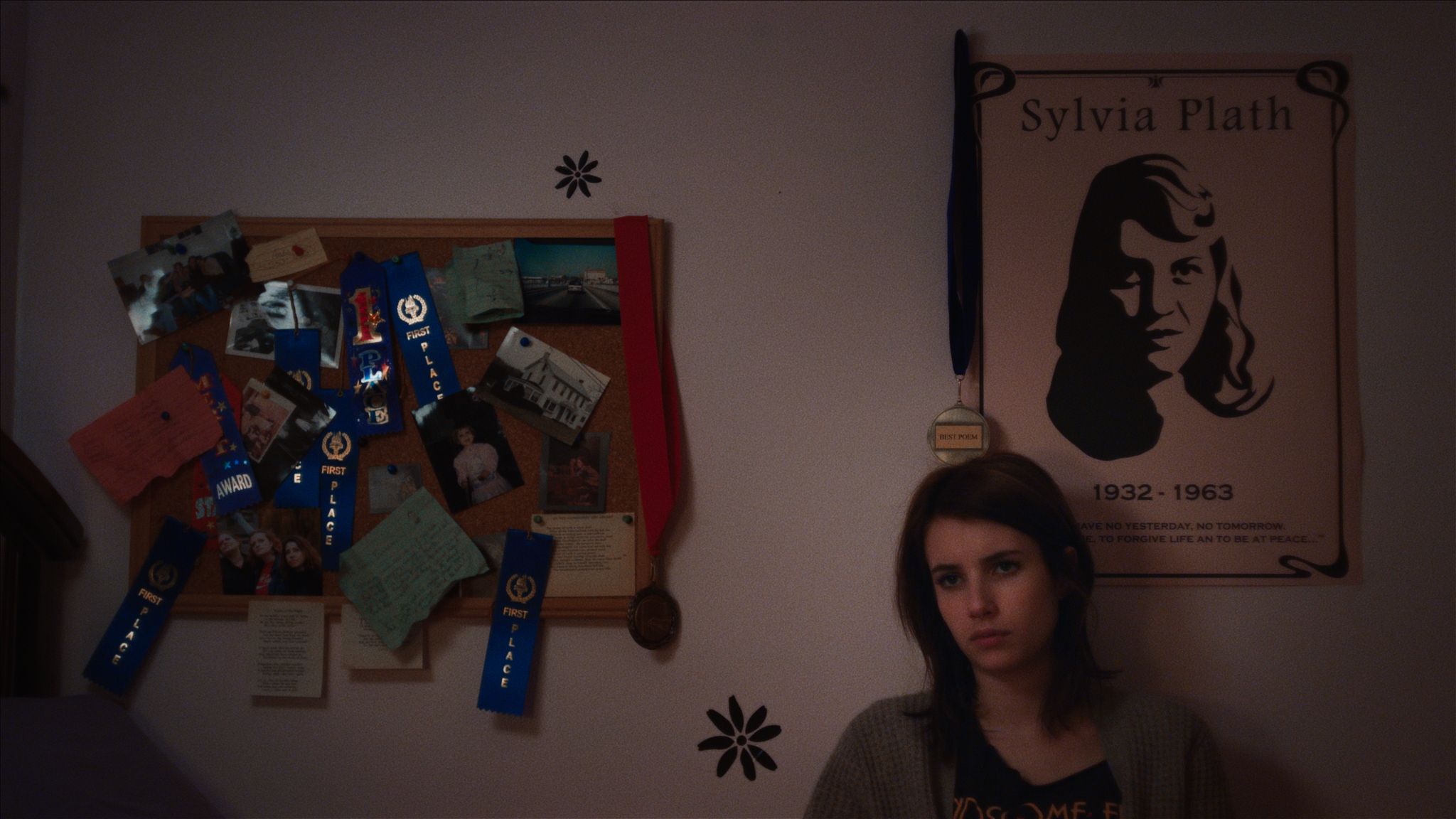
Adult World (2014)
A Summer of Insecurities & an Artist's Fear of Talentlessness
Mistakes can be scary, heartbreaking, and valuable. I chose to write my screenplay. Not because I don’t believe in my mentors, but because I am trying to believe in myself. I don’t want my fear of making "bad art" to prevent me from supporting my ambitions. Even if my ambitions are ridiculous.
Read More
Art by Marie Zucker
How To Have Sex In a Doorway
BY DOLLY LASSITER
This piece is part of the Relationship Issue. Read more here.
The cool club is Academia (accent on the third syllable in Serbo-Croatian, ak-ah-DAY- me-ahh). Belgrade is a dingy dirty, last-gasp-of-socialismcapital. You buy a fabulous pair of red plastic glasses with prescription lenses for $5. The Yugoslavian men and women are all willowy beauties,lithe and robust. They all speak English. You love it. And so do all the other students on your junior year abroad program. Everyone has florid affairs.
Your first night there you go to a party with a bunch of film school students and artists. It’s very dark. Pedja, who will go on to play Igor Karkakoffin the Harry Potter movies, is fascinating and quotes Emily Dickinson “the soul should always stand ajar, ready to welcome the ecstatic experience.”Also “for love is immortality” and “forever is composed of nows.”
He is interested in talking with you. Whee! American guys are never interested in talking with you (you haven’t moved to New York City yet, theonly place in the continental United States an American male ever asks you for a date). It’s not that you have a predilection for foreigners, it’s thatAmericans have a distaste for you. Boo hoo. You’re too weird and you write strange notes to people (kind of like Emily Dickinson but without the poetry). Of course you make out with him.
When you are on your way back from the restroom, another looming man bars your passage, with such winsome charm, you can’t resist. His name isDragan, like the mythical beast. He’s not an artist, he’s a med student. He lives in a small apartment with his mom, dad, and little sister, where they brew their own wine on the balcony and ferment their own cabbage (you learn all this much later).
That night he’s smoking and decides that he’s the man to teach you everything you need to know how to say in Serbo-Croatian, essentially elaboratecurse words, sonnets of swearing.
He starts small: Jebem ti sunsa (may you get f*cked by the sun). Idija pitchka ti materinu (go home to your mother’s c*nt). He kisses you. Fall down down down into the ring of fire.
The next day you are interviewed on the radio.
The interviewer’s first question, “how does it feel to come from a country with no culture?”
Ha ha! It feels great, you philistine! How can you call a country that invented pop rocks AND pop tarts ‘without culture???’ The land of O’Keefe,Coppola, and Whitman?
A week later you’re spending most nights at his family’s apartment. He has a futon mattress on the floor of his bedroom and a clock beside itshaped like a silver football with a red face. He is a serious student and a good son.
He LOVES his Zippo lighter (spoiler alert: within a month of beginning to date you, he gives up smoking) and his Jack Daniels and his Levis, precisely rolled up at the hems. Part of what he loves aboutyou is that you are from the land of his loves.
His family has a house in a tiny hamlet in the country, Vojska, or “Soldier,” an ominous moniker in a land destined for endless strife, where you cango out and pick the chartreuse green peppers, sun-warmed tomatoes, and spiky little cucumbers for your evening salad.
And you have lunch the next day at a long table full of extended family and neighbors, a chicken running around our feet, then later getting up todance the kolo together (if you can dance the hava nagilah, you can dance the kolo). This is your fantasy of a fantasy. Roast lamb, Srpska salata, freshbread, homemade wine mixed with cold seltzer. People singing and sweating together. Dessert is kasten pire (chestnut dust – superbly delicious).
But sometimes you just can’t wait. And you don’t want to be in such close proximity to people sleeping in wedlock and a younger sister, so therefore you must gather these rosebuds while ye may, which happens to be on a dark and deserted street in central Belgrade. (aside: look up the etymology of wedlock, what a somber and scary word for marriage!)
Tips: do not choose a residential building, as people may come and go at all hours. Find a storefront that is locked and shuttered and clearly closedfor business. Look for an entryway about 4’ deep – you want to be just a little visible (ie, not an entryway where someone else might come lookingfor some al fresco privacy), but neither a very shallow entryway where your licentious activity will be clearly visible. It works well if one of you is wearing a long flowing Victorian overcoat (think French Lieutenant’s Woman), ideally with a hood.
Dragan braces himself against the door. You’re not wearing any underwear, so that’s good. His strong and tender hands slide your close fitting,stretchy knit skirt slowly and sinuously and seductively up above your hips and he has his way with you.
Dolly Lassiter is a filmmaker and writer. She has taught film production, directing for the camera, storytelling, and led workshops with students and faculty at Bryn Mawr College, Hunter College, and Cornell University. She was a Hepburn Fellow for film and video at Bryn Mawr College. Dolly works as the chief digital officer for a small nonprofit dedicated to ending homelessness in NYC. She co-founded an online video company dedicated to making it easier for all families to eat more healthily and sustainably. Dolly was a Producer and Correspondent for the PBS news program “Need to Know.” She is currently co-directing a film on bacteria and our overuse of antibiotics. Dolly leads a long-running meditation class for adults with mental health issues at St. Francis Friends of the Poor and, formerly, with women veterans who survived military sexual trauma at the VA Hospital. Dolly is the author of JOY(reversed), a weird little multimedia meditation book for beginners with super-short videos, audio clips, photos and other resources, (written under the pseudonym Sarah Shine). She writes about meditation and daily life at micromeditation.org. Dolly is also a pseudonym. She lives with her partner and two kids in leafy Park Slope, Brooklyn.
I Should Tell You
BY ERIN KHAR
This piece is part of the Relationship Issue. Read more here.
I met him on a Thursday. Or was it a Wednesday? It might have been my birthday. Maybe it was someone else’s. Those sorts of details, the ones I usually remember, are all unimportant. We met. And I knew he liked me. And I didn’t like him. That might be a lie. I might have liked him. That’s unimportant now.
If I were to tell you the truth, I would tell you that I met him in Paris, on my 21st, no 22nd birthday. But, I will tell you that I don’t remember because you don’t really want the details. You want to believe that no one existed before you. You want to believe that no one, especially not him, has known the mole just below my left breast, or watched me sleep, always on the right side of the bed, with 2 pillows please, and I can’t sleep naked, I have to wear underwear because I have an irrational fear of something crawling up inside me, up between my legs when I sleep. If I were to tell you the truth, I would tell you that he knows those things about me. And that truth would burn you and you would take the fire and throw it at me.
So, I say he didn’t matter. I don’t tell you about the snowball fight on the banks of the Seine, on a magical February night. The streetlights made the snow gold, and we slid down gilded patches of ice into each other’s arms and made confessions and declarations, as kids passing by doused us with powder, because it was Mardi Gras. Did I mention that? No, of course not.
Instead of telling you that I loved him grandly and absolutely and savagely, I tell you that he meant nothing. And then I remain silent. I imagine that this is better for me, to be loved excessively by a man I feel nothing for. I shouldn’t say that and I won’t, but I care for you, and despise you a little too, for loving me, for knowing that you will lose me, for trying to mute that sharpness left behind in the heart he shattered.
We sit across a table, a table marked by an ocean of time and other love, bolder love, but to you it is just a table. And you take my hand, to get my attention. Your hand is bigger than mine. Your hand is older than mine. Your hand loves more than mine. I focus on the table, the grain of the wood, the grooves, what made them, where the wood has traveled. Your hand over mine, I touch the table and try to recall where I am and who I’ve become. I say my lines, the words you want to hear. The words seem to come from someone else’s mouth. A waitress appears, and you are distracted, and I release my hand from yours.
You order dessert and I think about lying in bed under a heap of duvet, naked, with the man who broke me. It was far too cold to go outside, and we were starving. Starved from hours, maybe days, of learning the contours of every inch of our intertwined bodies. Chestnut cream and creme fraiche in a bowl, a big white ceramic bowl, swirled together, and a sprig of mint, and spoon feeding, and bliss. I had never been happier and I left the bowl on the floor next to the bed, which I would never do now. Now, I would take it to the kitchen and wash it. Then, go to the bathroom, turn on the light, and look at a stranger’s face staring back at me in the mirror.
You’re asking me something? It shocks me a little, forces me to come back to the table and the hand and the waitress and the dessert. What am I thinking about? I should tell you that I let him in. I should tell you I wrote him long-winded love letters, exposing all parts of me. I should tell you that I waited for him to make up his mind. Did I forget to mention that he had a girlfriend when I met him? Well, he did, and I waited, and he chose me, and I was a fool.
But, I don’t. I tell you about a story I read about bailarinas, taxi dancers, like in Sweet Charity, but in Queens. They’re mostly Dominican, paid $2 per dance. And, sometimes they get paid $40 to sit there for an hour and make small talk like they are on a date, or $500 for the night, and some of them prostitute themselves. Some of them have kids. Some of them wait for the men to leave their wives or girlfriends. And all of them are lonely.
I talk too fast and your eyes are kind and your cheekbones high and I study your golden face and I feel guilty. I tell you about Rosa, one of the women in the story, who has been a bailarina for 14 years. She’s waiting for her life to change and she doesn’t know how she got there. And, I don’t know how I got here.
I don’t tell you that I feel like Rosa. He didn’t pay me to dance. He paid for pieces of my heart. He paid for them with scraps of time and lovemaking and promises. I don’t tell you that I feel like Rosa now, that I pretend to be here, participating in a relationship. But, I am there still wandering in bliss and loss and ecstasy and devastation.
I know it’s unfair to you. I am paralyzed. I resent you.
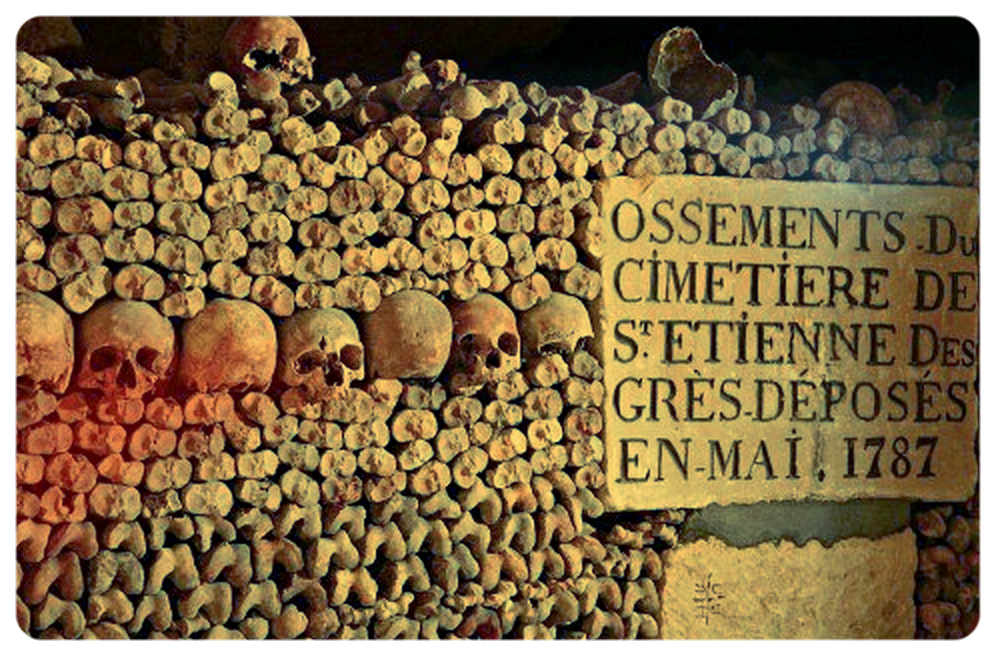
Somewhere between the table and the dessert and the bailarinas and the check, you mention a trip to Paris. We should go to Paris together. You want to see the city through my eyes. I tell you I would love that. I tell you about The Catacombs and Place des Invalides and the many corners I unearthed in that city. This seems to please you and I’m nauseous. The years between now and then do little to protect me. I excuse myself.
There’s a line for the bathroom. A petite perky blonde woman ahead of me strikes up a conversation about how long she’s been waiting. I listen to her complaining and watch us in the mirror on the wall. She is small and light and I am tall and dark. We are both waiting. Rosa is waiting. The man at the table who loves me is waiting.
I waited for the man I loved to make up his mind. He did. He chose me and we left Paris and came to Los Angeles and he began doubting his decision. He should have told me, but he didn’t. I sensed it and the doubt worked like a knife, shaving off flakes of me. Slowly, or quickly, we unraveled from each other and I made him leave, because only having a part of him was far too painful.
The petite perky blonde has finished and it’s my turn. I lock the bathroom door behind me and weep. The wound has festered long but the tears are fresh. I don’t, I can’t allow myself to linger here too long. I remember you, at the table, waiting. I look in another mirror. I don’t know how I got here. But, I know I cannot stay.
I return to you, at the table. Your hair reminds me of wheat and I soften. You take my hand. I should tell you, but I won’t that when he left, I did too. I won’t tell you that he came back and when he came back I had already disintegrated. I was so deeply entrenched in self-destruction that I couldn’t find my way back. I wanted to love him again. I wanted to go back to the midnight walks and the breathless proclamations and all the tiny discoveries that felt so big and the submission to this wave of feeling that I could not contain. I broke his heart too, and left mine there.
I won’t tell you, but I should, that he taught me how to have a broken heart, that he taught me how to surrender, that he taught me how to be humbled by the pain of loss. I came to you broken and I don’t want to love. And, I know that when I leave you will have taught me how to love and that part of loving you is letting go, letting go of you, untethering you from my limp heart, so you can find a less broken heart who can love you back. And you might hate me for this, but I will have enough love to do it anyway.
I take your hand from across the table. I think you already know.
Erin Khar lives, loves, and writes in New York City and sometimes other cities too. She was the recipient of a 2012 Eric Hoffer Editor's Choice Prize for her story, "Last House at the End of the Street," which was published in the Best New Writing 2012 anthology. Her work has appeared many places, including Sliver of Stone, Mr. Beller's Neighborhood, The Manifest-Station, Good Housekeeping, Cosmopolitan, Dr. Oz. The Good Life, and as a regular contributor for Ravishly. She is currently working on her first book, a memoir. When she’s not writing, she’s probably watching Beverly Hills, 90210.
Dearly Departed: Our Writer's Diary of a Hollywood Death Tour
I felt conflicted. Conflicted by my exhilaration for the impending tour and the museum’s haunting artifacts and, yet, simultaneously distressed by the fetishization (both my own and owner’s) of relics of tragedy.
Read More
Deborah Sheedy
Breaking the Cultural Ties That Bind Us
When I witnessed my cousin get hit by her husband my natural instinct as a young girl was to help her, because isn’t that what you do when someone is in danger? At 12 years old I witnessed a woman get beat by someone who claimed to love her. After that beating I remember Chucho picking Maggie’s limp body off the ground and forcing her upright until she stood on her own. I stood there confused as they walked away together and my family did nothing to stop them. As if getting pummeled in the middle of the street was completely normal.
Read More
Dara Scully
It Hurts to Become
BY STEPHANIE N. STODDARD CORTÉS
“Steph, tengo que hablar contigo,” is the godforsaken sentence that makes the world stand still, and the bird living in my chest to hide beneath its wings. An unshakable sense of guilt was accompanied by the utterance of such a sentence, and immediately made time slow enough to quickly think back to everything I had or hadn’t done since the last time I was home. Nothing rang any bells. I begged the bird to calm down. We were safe there, on that table in the middle of the mom-made breakfast I can no longer recall clearly. Dad said, “no quiero que pienses que estamos molestos contigo porque no lo estamos.”
Mom interrupts him to say he shouldn’t be talking in plural because she has nothing to do with this. I looked at him first, confused; turned my head to look at my mother questioningly, then at my sister who had gone wide-eyed across from me: it was evident they all knew what dad was talking about. The bird shivered. I put on a brave face and asked if I could please be brought up to speed. The rest happened in a blur. Between the noise, I mostly remember feeling: incredulous turned to defensive turned to scared, and finally settling somewhere between angry and sad. There was a lot of shaking involved, and even some of that uncomfortable, disbelieving laughter that tastes like you’ve just bitten your tongue.
When I was about ten, on a morning we were about to have breakfast, I sat at the head of the table for the first time. My dad, after he came out of the bathroom, told me that that chair was meant for the “man of the house”. I was confused at first, because ten-year-old-me thought a chair was just a chair. The only special thing about it was that I could rest my lanky arms on its wooden side frames. Even then I refused to move, cross-armed and pouting: I had gotten there first, dad. I was comfy. I look back at this particular memory and feel Sarah Ahmed’s words float around ten-year-old-me slow-motion surround-sound-style. I realize now that could’ve very likely been my first unknowingly “feminist” stance. Today, when I drive home to Isabela, I sit there in a form of protest. I am very conscious of the fact that this bothers my dad on some level because he is “the man of the house” (he laughs, like he’s joking; I can’t ever tell if he is), and I am his child. His female child. To my amusement, he sits at the other end of the table in a form of protest as well: he’s still “the man of the house” if he sits in the other one, right?
That day—the day the godforsaken “we have to talk” spilled out of my father’s worried mouth— I wasn’t sitting where I usually sit, which is both interesting and weird come to think of it. The word “vulnerable” pops into mind for whatever Freudian reason. That day, it was mom who sat there. Dad was standing, his hand on top of the other man-the-house-chair at the end of the table. He says “Mami (as in Nora, my grandma, his mom) me dijo que Beatriz (my aunt, his sister) le dijo que Denise (my other aunt, not his sister) le dijo que tu estabas jangueando con una amiga lesbiana. Beatriz me llamó bien preocupada. Yo también estoy preocupado, como tu papá”. I don’t think I have to explicitly say my father's side of the family is very passive-aggressively homophobic (and racist). Everyone has different degrees: my dad is the most intolerant, mami es más eso-esta-bien-si-es-ajeno-a-mi, Alicia me da esperanza, y a Saulo le gusta decir que no es homofóbico, but he sees it more like a threat to his masculinity though he admits not understanding why, which I appreciate because it leaves room for the willingness to do so.
I remember I opened my mouth and what came out of it was a disbelieving “what” followed by a genuinely confused face as Titi Denise has only every seen one of my friends in passing. They didn’t even have a conversation because we were on our way to a tennis match. In the 3 minutes that I introduced them, smiles and pleasantries were exchanged. By some logic, no doubt stereotypical, Titi came to the conclusion not only that Emma was gay, but that this as she is my friend, was inherently bad bad bad.
My father thought it was important to have a conversation—a very serious conversation that is—about this rumor that was going around in my family that was tainting someone—his daughter—as gay, which he has always perceived as unnatural and somehow dirty because it reflected back onto him. Now, I realized three things while dad was talking. One: my brother had woken up and sat attentively in the computer chair across from us on the table. Two: the problem here wasn’t so much dad thought Emma was a lesbian, but that I might be her lesbian lover. This is subtext. Three: if they asked me point blank if I was into girls, I wouldn’t have been able to answer that question with an answer that both satisfied and relieved them. (Hago un paréntesis para decir que I am not coming out as anything mostly because I don’t think there’s anything to come out of, but really because I don’t know. I can’t say I am anything, not for sure. People are people. ) But they never asked that question. Dad mostly stressed that he was worried people were going to start calling me a lesbian too, which he assured me he knew I wasn’t. The bird inside my chest started to smoke.
I clarified that Emma wasn’t a lesbian, but that it shouldn’t matter if she was. My voice, which had remained unwavering, cracked when I told them I couldn’t believe we were having this conversation. I was torn between an all-consuming anger, deep sadness, and the fact that my parents were genuinely worried about how their daughter was perceived by the rest of the family, and how this could ruin my reputation, and thus— theirs. Dad told me I should be careful with friends like this because lesbians take advantage of female friendships and they can “attack” when I least expected it. The bird inside my chest let out a sharp noise, which I echoed in disbelieving laughter. I feel compelled to admit I don’t like to cause unhappiness. What I mean is— I will if I have to, but: I want to keep being a part of the family even if I remain unseated from the table where I thought I was safest.
The day the godforsaken sentence was uttered, I told my family I didn’t care if people called me a lesbian. My brother rose at this, agitated: “What do you mean you don’t care?” In a split second—though it had been building since I refused to move from the-man-of-the-house chair when I was 10— I experienced what Sarah Amed was talking about: I was unseated from the table. I caused unhappiness. “No,” I told Saulo—I told all of them. “Why would I? There’s nothing wrong with who you love.” Alicia smiled at me, like a secret. The bird inside of me felt proud. Felt sad, felt betrayed. Was on fire.
*Names have been changed.
Stephanie N. Stoddard Cortés is a 21 year old from Puerto Rico.
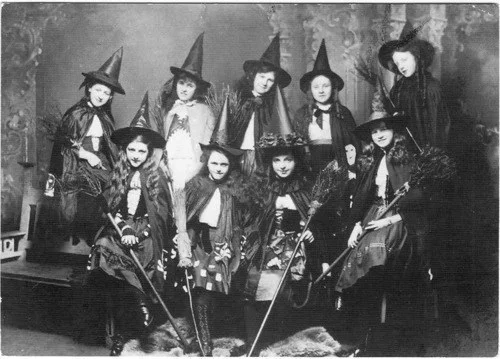
via Favim.com
7 Wonderfully Witchy Hashtags You Need to Know
I’m the first to admit it: I’m addicted to Instagram. From double-tap worthy beautiful images, to finding stunning makeup artists, poets, and breathtaking travel snaps, I’ve got my hand on the like button.
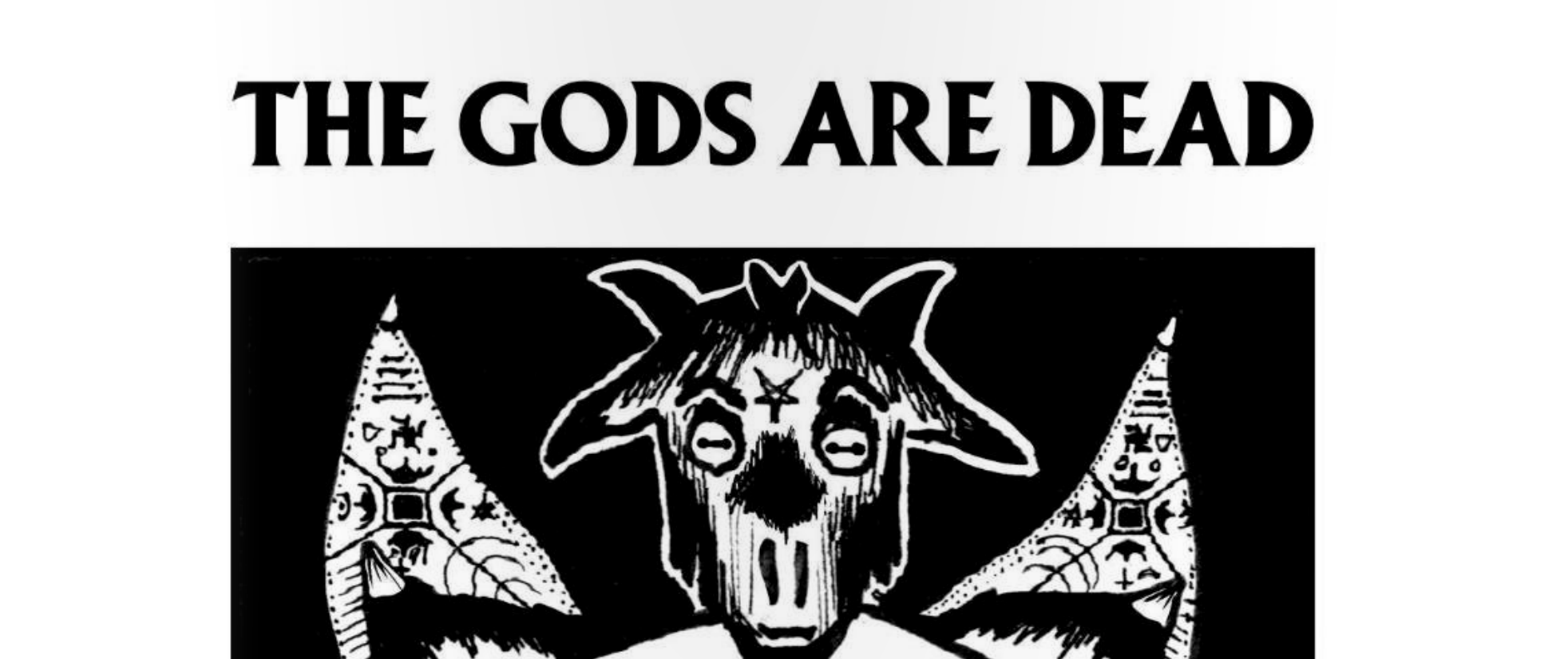
Poetry Through The Lens of The Occult: An Interview With Joanna C. Valente & Lisa Marie Basile
BY LISA MARIE BASILE
I spoke with Joanna C. Valente, our managing editor, about her book, The Gods Are Dead (Deadly Chaps Press). While we normally don't interview each other here at Luna Luna, we thought our readers would love a conversation around tarot + poetry.
Having recently read Jessa Crispin's The Creative Tarot, and after having attended a creativity & Tarot workshop with Becca Klaver, a poet, from Brooklyn, I've been thinking a lot about how the Tarot has found its way into our creative subconscious.
Joanna let the Tarot inspire her, too, and in her book, the text is interspersed with illustrations of each of the major arcana cards in a Tarot deck. You can read some samples here and here. Each poem: an exploration. In my conversation with Joanna, we explore her inspiration as well as the challenges of writing a book based off of the occult, a topic that I’ve always found fascinating in art.
Lisa Marie Basile: For The Gods are Dead, you write a poem associated with each of the Major Arcana cards. What is it about Tarot that you associate with poetry?
Joanna C. Valente: Tarot is all about finding your way to fulfillment—how can you become more whole, more satisfied with your inner and outer lives. Nothing in life is perfect, but the Tarot forces us to evaluate ourselves on every level—emotionally, spiritually, psychologically, materially—so that we can move forward, not backwards. Poetry does the same thing for me—writing is an act of therapy—in general, writing allows you to become more self-aware and observant of the world around you, so I thought, I love both—why not merge them?
In another way, the Tarot also lends itself well to storytelling. Each Major Arcana card is based off of an archetype; The Fool, for instance, represents all of us—The Fool is going on a journey to discover parts of him/herself, while The Empress symbolizes and harnesses stereotypical feminine power and energy. As I learned more and more about the Tarot myself, since I taught myself how to read the cards, I wanted to tell its strange, bizarre, mysterious story.
Typically, my poetry tends to air more on the narrative side—while it isn’t narrative in structure, there’s always a loose thread of a story tying a collection together for me. I enjoy creating these ambiguous, magical worlds that emulate our own. Perhaps it’s a way for me to comment on issues I see in current culture—sex and gender relations, feminism, race—in an alternate universe. It’s fantasy meets poetry.
Lisa Marie Basile: How can poets work with the occult in order to generate creativity and work? What is the benefit?
Joanna C. Valente: Poetry in itself is very ethereal—it lacks a real narrative in that there isn’t always the typical plot chart that we teach to everyone since the dawn of language. Writers and artists make art about what we don’t understand—for me especially, I’m transfixed by the magical, non-tangible world—what is it, is it real, imaginative, or something else? Ever since I can remember, as a child, my life has been touched by supernatural phenomena in subtle ways—nothing crazy or outlandish—but small things like dreaming of dead relatives, being able to anticipate certain events, feeling outside presences. I would hardly consider myself special—I think anyone can access these feelings—it’s just about how open you are to them.
By definition, occult merely means “supernatural, mystical, magical beliefs, practices, and phenomena.” Anything that takes us outside of ourselves, that makes us question our beliefs, is intrinsic to being a writer. It’s beside the point if you believe in ghosts or anything occult-related, it’s more about the thought process that goes into skepticism and spiritualism, about trying to figure out your place in the world.
Lisa Marie Basile: If you could pick one card that represents your poetry, which card would it be and why? I'm sure we've chatted about this over wine before, but in the sober light of day, I'd love to know...
Joanna C. Valente: This is so hard, because we’re always changing, and the cards represent all of stages of our change. If I had to choose, I would probably say The High Priestess. She basically represents duality—of light and dark, mediating reality vs the ether, male and female; she also bears knowledge and intuition—symbolized by the moon under her left foot. Whitman said it best when he wrote “I contain multitudes.”
We all contain dualities within us, and I fully embrace this as much as I can—within myself and my relationships and my poetry. Poetry should be anything but simple—it should be full of complication, ambiguity, and nuance, because life is. A simple conversation about the weather says so much about us alone—whether we like overcast days or bright sunny days.
Also, women are ruled by the moon every month, it’s physically within us. So you know, there’s that.
Lisa Marie Basile: So, what was the challenge in writing this book? Was it that you were held to a concept? Was it that the tarot is so defined?
Joanna C. Valente: It was difficult for two reasons, really. The style is much different than I usually write in—it can be incredibly clinical at times, with sparse emotion and an overload of detail. I felt like I had to write this way, to stay true to the cards, which presents the second challenge. The cards are very specific and detail-oriented—every color, gesture, and symbol means something, so I really had to study each precisely and decide what I was using and where I was veering away, and creating my own meaning within the poems.
It was exceptionally hard deciding when to be true to the Tarot and when to allow myself to have freedom to break away, in order to make social and political statements, as opposed to just personifying the cards. The last thing I wanted to do was write some pretty, outdates story—I always want to push myself into the grotesque, the unsettling, the hard truths.
Lisa Marie Basile: How did Ted Chevalier (the artist) approach all of the art in this book? Did he take cues from other tarot card decks, was it entirely his own storytelling? And, were the images created after the text, or before?
Joanna C. Valente: He approached with an astute eye to detail—he studied the Tarot like it was his only job—which was obviously crazy generous considering there’s no money to be made from poetry. He watched documentaries, read books, bought different decks, and really just made it his own. In particular, he loved a documentary that Alejandro Jodorowsky made, as well as the Rider-Waite (which is what I based the poems off of, since it’s the most common) and the Marseilles deck.
In terms of storytelling, he followed my lead—I wrote the poems first, then he illustrated them based on the work itself. So, like the poems, every deviation from the cards themselves was based off the poems. It was honestly luck that he already had a defined interest in the Tarot, which is why he illustrated the cards, since I had actually already written the collection prior to us ever discussing collaborating. It was a perfect meeting of the minds.
Lisa Marie Basile: You write a lot about the feminine – at least, the female condition and the experience of the body. How did all of this work its way into this?
Joanna C. Valente: As a woman, it’s hard to ignore all the ways in which woman are ignored and silenced, all the ways queer, trans, POC folks are seen as ‘other.’ I have always been fascinated by the idea of ‘otherness,’ because so many of people are seen as other, for different reasons and it’s all fucked up.
Instead of people reading the collection and saying how great and wonderful it is that I’m trying to ‘liberate’ women and women’s sexuality, or that trying to write through a feminist/female lens, I want people to realize this is not other. That being a woman is just as murky and complicated and fucked up as being any human, and that women like sex, want sex, and get abused by sex. There’s a lot of strange sex in the book, and not because I’m trying to make a shocking statement, but because if we don’t understand how women feel about sex, sexual abuse is going to keep happening, and victims are going to stay invisible. I also, of course, want to point out that fetish is different than violence, which always gets confused—and perpetuates a lot of ridiculous ideas that women say no when they mean yes. I hate that, I don’t want that to be true in another fifty years.
Lisa Marie Basile is a NYC-based poet, editor, and writer. She’s the founding editor-in-chief of Luna Luna Magazine, and her work has appeared in Hello Giggles, The Establishment, The Gloss, Bustle, xoJane, Good Housekeeping, Redbook, and The Huffington Post, among other sites. She is the author of Apocryphal (Noctuary Press, Uni of Buffalo) and a few chapbooks. Her work as a poet and editor have been featured in Amy Poehler’s Smart Girls, The New York Daily News, Best American Poetry, and The Rumpus, among others. She currently works for Hearst Digital Media, where she edits for The Mix, their contributor network.
Joanna C. Valente is a human who lives in Brooklyn, New York. They are the author of Sirs & Madams (Aldrich Press, 2014),The Gods Are Dead (Deadly Chaps Press, 2015), Marys of the Sea (Operating System, 2017), Sexting Ghosts (Unknown Press, 2018), Xenos (Agape Editions, 2016), and the editor of A Shadow Map: Writing by Survivors of Sexual Assault (CCM, 2017). They received their MFA in writing at Sarah Lawrence College. Joanna is the founder of Yes Poetry and the managing editor for Luna Luna Magazine. Some of their writing has appeared in Brooklyn Magazine, Prelude, BUST, Spork Press, and elsewhere. Joanna also leads workshops at Brooklyn Poets. joannavalente.com / Twitter: @joannasaid / IG: joannacvalente

via Mirror.co.uk
At 14, I Became Pregnant And Placed My Baby for Adoption
I was only six months into my freshman year in high school when I got knocked up. I should have been worrying about normal teenage girl shit like drama club or going to the mall to shoplift push‐up bras that didn’t fit. Instead, I was suddenly wondering how I was going to afford diapers since I wasn’t even old enough to get a job at McDonalds. I quickly learned that my family was not normal and I had to grow up fast if I was going to survive. We were poor Irish catholics and this was not the first teen pregnancy scandal in the family, my aunt had my cousin Siobhan when she was sixteen. I thought if she can make it work, so could I.
Read More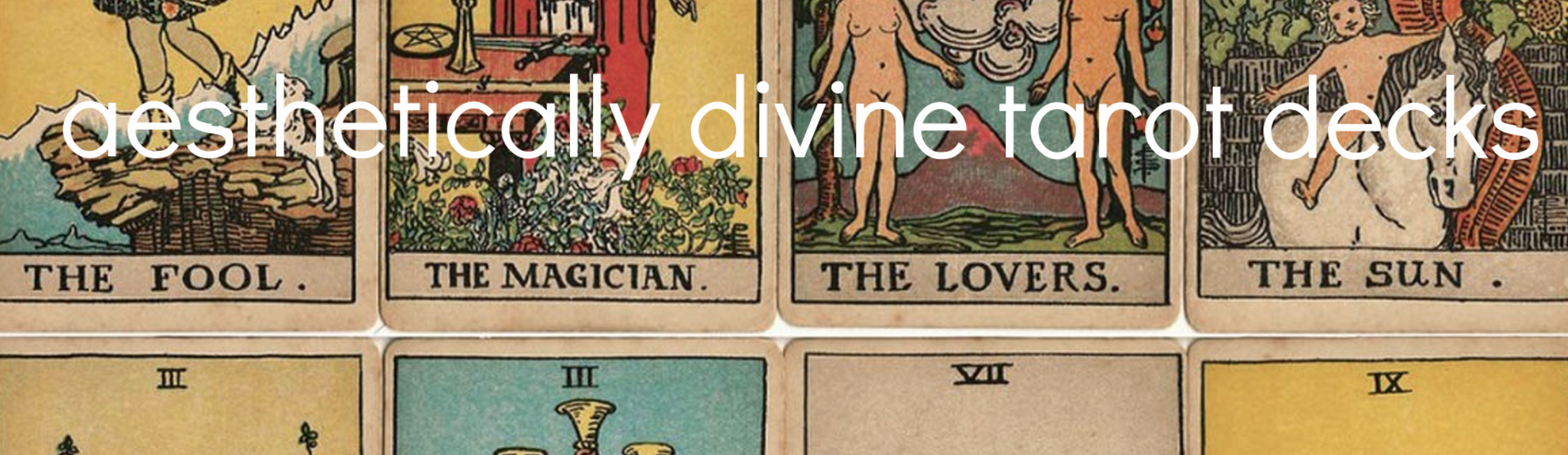
Aesthetically Divine Tarot Decks You Need In Your Life: The Tyldwick Tarot
Ask any Tarot reader, whether seasoned or neophyte, and they will tell you that the world of tarot is vast, subversive, and built upon a largely limitless terrain. The tarot deck itself is a finely crafted tool, with seventy-eight individual cards designed to signify the entire spectrum of human experience, from the beginning of our journey on this earth to the end.
Read More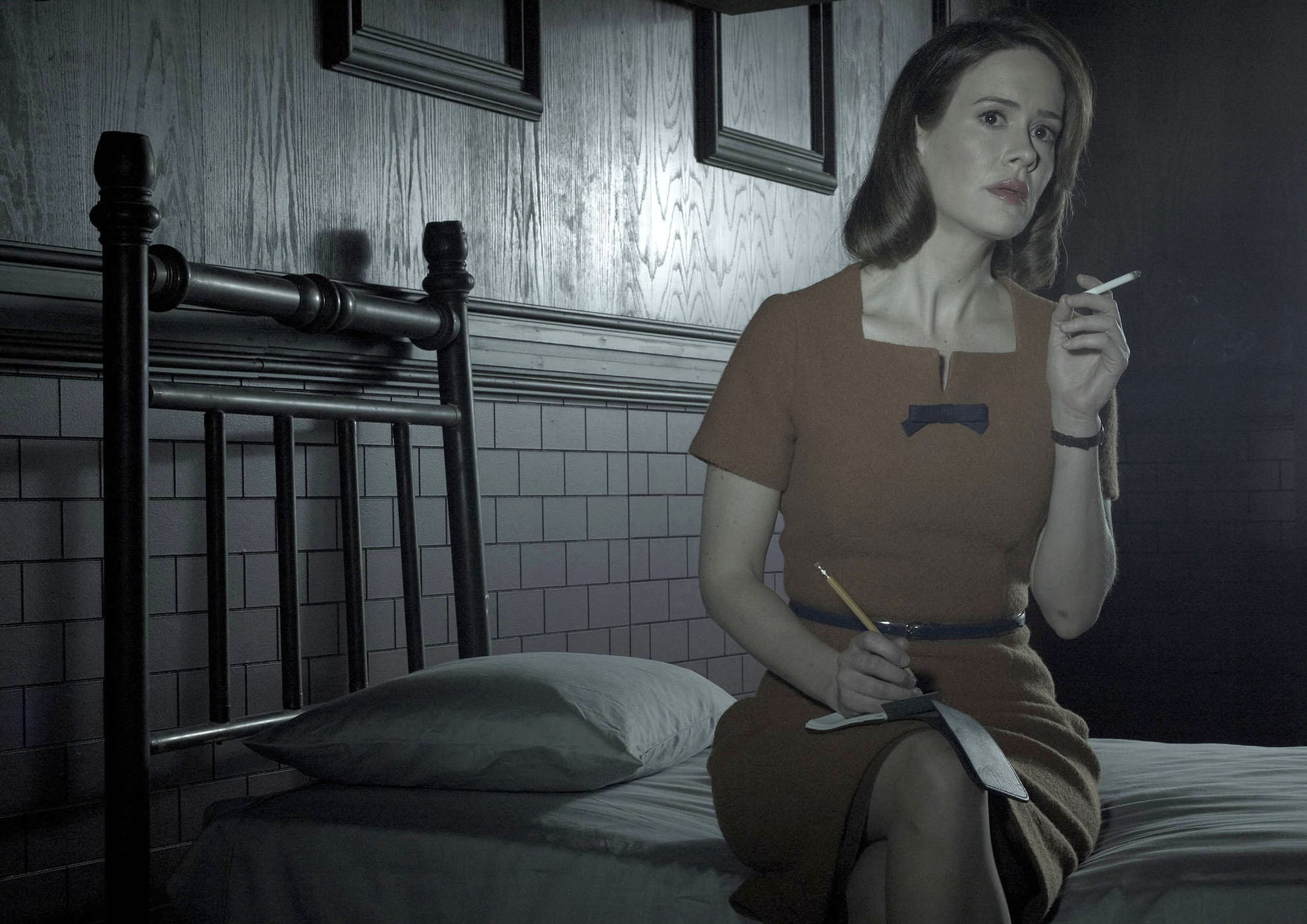
American Horror Story: Asylum
Understanding Our Relationship With Haunted Spaces, Abandoned Asylums & Ugly History
It’s an ugly truth, but we enjoy visiting places where people have suffered or where horrible things have happened. There is something about a place with a bad reputation that sucks us in, crowds our imaginations, and almost energizes us. For me, Letchworth was that place.
Read More
Nora Scholz
Luna Luna Love & Lust: My First Vibrator
Dear Lynsey G,
I wonder if you'd be able to answer a question for me. I am looking to purchase my first vibrator and was thinking of obtaining one of the various brands of rabbit type toy. I recently read an article of yours from Luna Luna and found myself wondering if I should take the plunge, so to speak, and finally purchase one. I have never really needed one in the past, as I have been able to see to my needs (by myself or with a partner) satisfactorily without. However, reading all the hype and reviews, I find myself curious but skeptical. Reviews like, "intense orgasm within seconds" and such leave me wondering if all the hype is accurate, or marketing. Is it worth spending the money? By never having tried these types of toys, am I missing out?
Love, Curious but Skeptical
Read More
Anna Marcell
What I’ve Learned from Dating Women Who Have Been Raped
In the way you would tense your muscles to hold your bones as the train comes towards you, you tried to keep her inside the devout armor of you. But she had her own. You are just as woman and susceptible, anyway.
Read More
Challenging the Narrative of OCD As A Rich White Person's Mental Illness
BY PHOEBE RUSCH
I’ve been on my OCD medication for almost six years. Without Luvox, I’d be bombarded by mental images of having sex with you, your parents, my parents, a seventy-five year old lady at the grocery store, pre-school children and some one’s pet dog. Un-medicated, my mind becomes an absurd, pornographic hell. The images cause a sensation of existential dread, like a churning in the gut from drinking too much coffee, not pleasure. Still, the physiological experience of fight or flight is sexual excitement’s twin.
Male participants in a 1974 study rated their female cohorts as more desirable after walking across a rickety rope bridge, misattributing their own shortness of breath and racing heartbeats to attraction. Even without intrusive thoughts and compulsive ruminating, discerning our true feelings can be difficult. OCD seeks absolute certainty, rears up when faced by conundrums like human sexuality; when the two become entangled, as they did in my case, it’s monstrously painful and confusing.
We all have bizarre, disquieting thoughts sometimes. What kind of person has such sick, evil thoughts,we may ask ourselves. If you, like me, have OCD, your mind will begin to imitate an oil derrick, relentlessly mining itself for answers. Instead of dismissing disturbing thoughts, you will become convinced that they reflect the fundamental truth about you. The conviction that you are in fact a sick, evil person will only further lodge whatever mental flotsam you desperately want to wash away. Too terrified and ashamed to ask anyone for help, you will probably, understandably, become suicidal.
When I’m on OCD medication, I don’t feel harassed by my own mind. Even if it’s a bad day, I’m able to laugh at the intrusive thoughts, to recognize them for what they are, which strips away their power. Cognitive behavioral therapy has provided me with excellent training in this regard. Still, without Luvox the volume turns up and my head once more becomes a weird, terrifying place to be. I can’t live that way. It’s not a life, really. If Luvox is the easy way out, I’m happy taking it. If I’m a pill-popper, so be it. No amount of ruminative talk therapy is going to calm my hyperactive amygdala; analyzing someone’s childhood won’t cure their diabetes.
Even as Americans turn to SSRIs at unprecedented rates (the CDC estimates that antidepressant prescription increased 400% between 1988 and 2008), this supposed “quick fix” remains stigmatized, suggesting a level of cultural shame. New York Times columnist Diana Spechler has chronicled “breaking up” with her anxiety medication, citing concerns about the pharmaceutical industry and long-term side-effects. In her XOJane essay It’s Fine If Other People Want to Come Off Their Psychiatric Drugs, But I Am Never, Ever Quitting My Meds, LGBT mental health advocate Teresa Theophano argues that while she respects Spechler’s decision, natural remedies don’t work for everyone and reinforcing the idea that mental illness can be overcome by strength of will is dangerous.
In my case the biomedical model really does fit. Aside from my OCD, I’ve led a fairly charmed life. I used to feel embarrassed for fitting the stereotype of someone on SSRIs: white, navel-gazing, suburbanite. With no real problems, the privileged invent problems or Americans have taken to medicating away their problems instead of facing them head on: these narratives trivialize pain, shaming those lucky enough to be able to afford the thing that might very well keep them alive. They also pivot on the assumption that anxiety disorders and depression are a form of pain only rich white Westerners experience.
The converse of the myth that mental illness is a first world luxury, invented out of the boredom of lacking nothing, is the myth that poor people, especially poor people of color in non-Western countries, are simple and happy, facilitating the revelations of voluntourists: I learned so much from the way they’re able to be so joyful, even though they have nothing! Or, as is often said of Haiti, a country ravaged by natural disaster, political corruption and foreign intervention, I’m amazed by their resilience in the face of so much suffering. This supposed compliment dehumanizes Haitians, denying them vulnerability, conflating survival with an infinite capacity to endure pain.
The same line of thinking that shames privileged people suffering from mental illness renders marginalized sufferers invisible. Articles that treat the subject of mental health outside the U.S. and Western Europe tend to focus on the lingering trauma of war and natural disaster, the daily grind of poverty, but not less sensational issues like familial strife, domestic abuse or chemical imbalance that people may also lack the framework to talk about. When I shared my story with a college friend from Madagascar, he told me that if I was Malagasy my family would probably take me to an exorcist.
Conventional wisdom holds that OCD is a first-world malady, a product of Western individualism and atomization; searching for studies on OCD in the non-Western world turns up very little. But I’m willing to bet that this vacuum is due to scarce resources and cultural taboos which prevent self-reporting. The human mind is not somehow stranger and more complex, more prone to malady, in some parts of the world or in some demographics than others.
My (excellent, effective) OCD therapy cost $125 per session after insurance. The specialist I consulted also offered group therapy sessions for those who couldn’t afford to see her individually. Several participants were black and from the South side of Chicago, where racist federal housing policy denied people of color the ability to build equity for the next generation.
While these group members knew that they had OCD, that they weren’t really going to burn down their house or get AIDs from a public restroom, didn’t actually want to push people off train platforms or molest their daughter or stab their husband with a butcher knife, that didn’t stop their obsessions or help them resist the momentary comfort of giving into the compulsions that soothed their fears, routines so exhaustively time-consuming it often became impossible to hold down a job. Imagine checking, for hours at an end, to make absolutely sure you haven’t run over anyone with your car or poisoned your aging mother’s food. Then add to that the stress of dealing with institutionalized racism, which increases one’s chances of hypertension, compromises the immune system and can cause ulcers.
Unfortunately, Luvox, which allowed me to stop running on the endless hamster wheel in my mind and begin functioning, can cost hundreds of dollars per bottle without decent insurance. Instead of perpetuating narratives which frame mental illness as privileged white self-indulgence--narratives premised on an understanding of mental illness as a purely social phenomena rather than a biological one--we should fight for everyone’s access to psycho-pharmaceuticals. Instead of simply dismissing pharmaceutical companies as evil, we should demand transparency and equitable pricing, not only in America but across the globe.
Taking medication for psychological ailments is not a weakness or a character flaw. No one should be judged for being proactive about their health.