
A female body in mom jeans looks at a water color of Bianca Stone’s depicting the three fates. Only one faces us and says in her speech bubble, “I’m filled with rooms I’ve never seen before.” It hangs in my living room. I am the female body, a room I see so much of I don’t see it at all. I see it so little that I’m usually digging my nails into my skin in order to get anything practical done without overwhelming anxiety. How do I get this out of the room? I got Netflix binge-streaming House of Cards to distract me from my loneliness and this. I miss something I’ve never had, stupid saudade. How much of the wine bottle has been drunk and will it get me to the end of the night?
Read MoreArt as a Blend of Many Truths: Why We Shouldn't Question Beyoncé's Narrative
To tell a story (even your own), in a way, is to tell someone else’s–if it were only hers, how could we connect? How could we expect her to own every word? Why must it be debunked or defined at all?
BY LISA MARIE BASILE
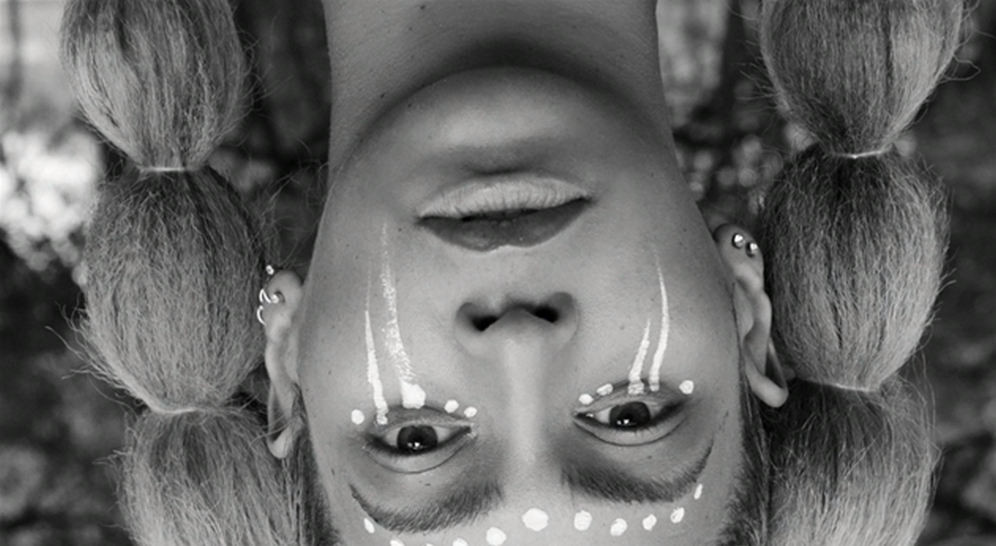
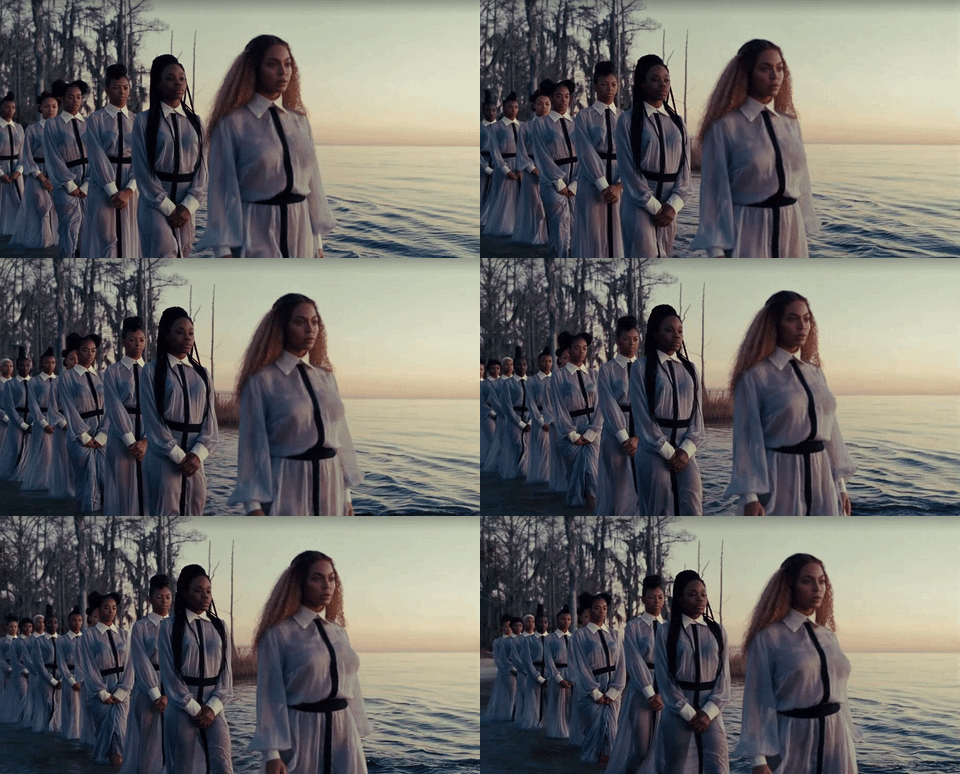
Lemonade emerged from darkness at a time of political unrest and volatile racism. For many, I’m sure, it also comes about as a Spring story of rebirth and the divine self; Lemonade’s grief is collective and personal–the story she weaves is everyone’s story, an eternal hurt, the story of mothers who broke at the hands of men, the story of a girl who was too naive, the story of women who take back their agency.
Everyone keeps worrying about the truth; what’s the truth? Is the artist being cheated on? Did she forgive him? Why is he seen, on camera, stroking her ankles, kissing her face? What if it’s about her own mother? What if this is a machine? What if the artist is exploiting rumors about her marriage–and feeding the beast that way? What if the beast isn’t her own?
The fact is that the artist doesn’t always need to have experienced everything first-hand. Certainly, Beyoncé is building a world, one that is universally understood enough to be appreciated: the grief of lost love, the grief of being lied-to, the relentless anger, the baptismal, personal resurrection, the lover's possible forgiveness, the healing power of culture.
One of the ways she builds this world is by featuring the words of poet Warsan Shire. In a New Yorker piece that pre-dated Lemonade by several months, it is clear that even Shire doesn’t claim her work is entirely autobiographical:
“How much of the book is autobiographical is never really made clear, but beside the point. (Though Shire has said, “I either know, or I am every person I have written about, for or as. But I do imagine them in their most intimate settings.”) It’s East African storytelling and coming-of-age memoir fused into one. It’s a first-generation woman always looking backward and forward at the same time, acknowledging that to move through life without being haunted by the past lives of your forebears is impossible.”
This is how art works. As a poet, I play a character and the character plays me–always vacillating between this point in time and that point in time and heart, time owned by me or time owned by someone else, heart owned by me, and heart owned by other. It’s the million ghosts that tell the story, and they’re needed to give it dimension.
We should give artists–and I’m calling Beyoncé an artist, here, and if you don’t like that, bye–the ability to make their art into something alchemical; a little this, a little that. It’s the potion of the collective unconscious, that which is passed down by ancestors, mixed with our consciousness and our memories, our collective experiences of love and sorrow. To tell a story (even your own), in a way, is to tell someone else’s–and if it were only hers, how could we connect? How could we expect her to own every word? Why must it be debunked or defined at all? Why isn't it ok to tell the story of something bigger?
In Lemonade, Beyoncé handles the past–through her grandmother’s voice, Shire’s voice, the history of race in America, the way love has treated her–the present, and the future: a future of hope, a heaven that is a “love without betrayal,” the dissolution of racism, the reclaiming of feminine power, nature as a symbol of forward momentum.
I think we are begging for these many voices, these many moving parts she has woven; I am happy it was a collaboration. It gives me hope for art.
And don’t drink the Haterade: “It’s her producers, it’s the songwriters, it’s the people she hired.” When people reduce any artist to this, they’re reducing art, which I suspect is antithetical to their whole point. Being an artist takes knowing how to harness the power of many, it takes knowing how to build a vision, and it takes knowing how to embody that world. Nothing can be done alone.
The time you spend questioning her writing credits, her veracity, her money – is time you could be devoting to the very moving art created by Beyoncé and her team – poets and directors and the powerful Black women she features. It says something, and if you give it the space, I’m sure it will talk to you.
Lisa Marie Basile is a NYC-based poet, editor, and writer. She’s the founding editor-in-chief of Luna Luna Magazine, and her work has appeared in The Establishment, Bustle, Hello Giggles, The Gloss, xoJane, Good Housekeeping, Redbook, and The Huffington Post, among other sites. She is the author of Apocryphal (Noctuary Press, Uni of Buffalo) and a few chapbooks. Her work as a poet and editor have been featured in Amy Poehler’s Smart Girls, The New York Daily News, Best American Poetry, and The Rumpus, and PANK, among others. She currently works for Hearst Digital Media, where she edits for The Mix, their contributor network. Follow her on Twitter@lisamariebasile.
Finding an Unlikely Home in NYC
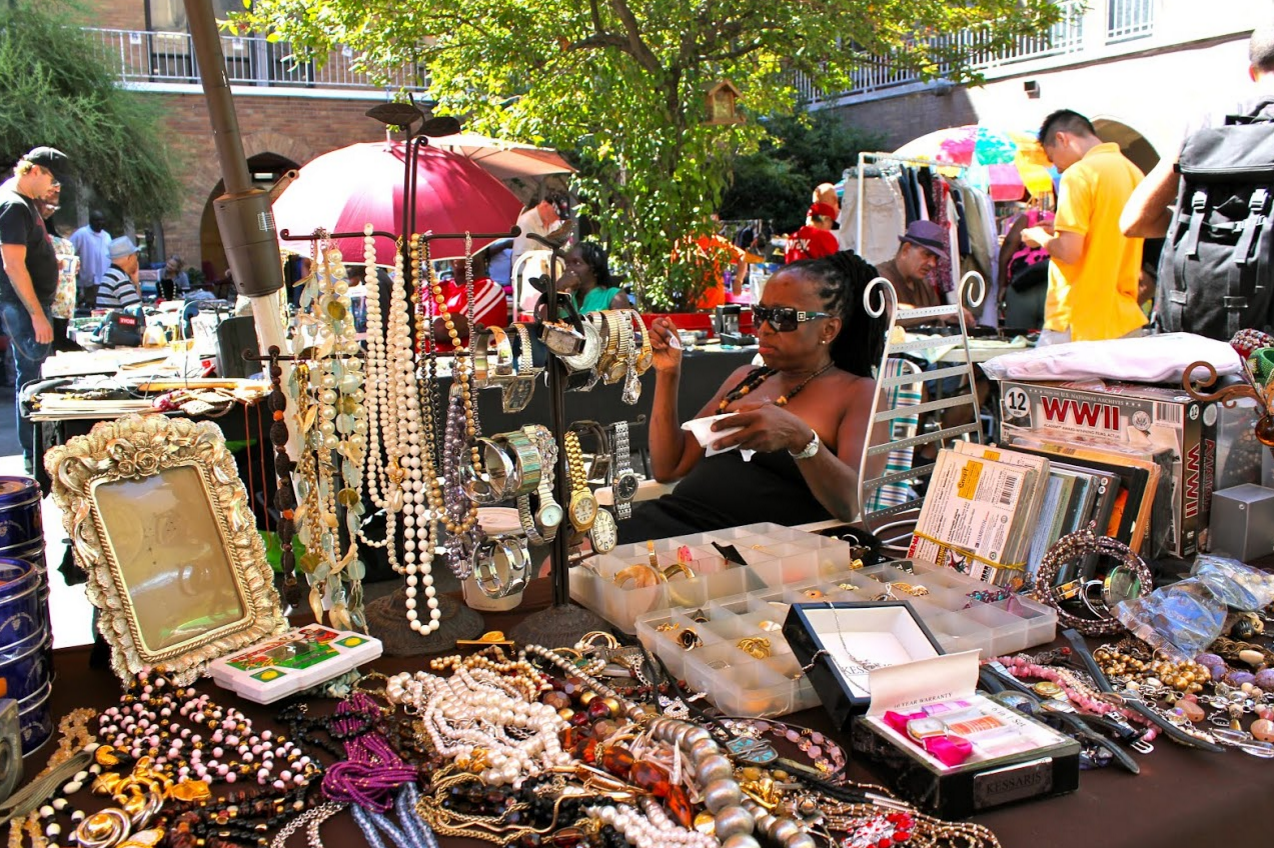
The small courtyard is crowded with splintered cafeteria tables cluttered with various items in various states of cleanliness: worn black Reeboks, outgrown children’s clothes, hoards of garish costume jewelry, books that should have been long ago returned to a library, disc-man headphones with slightly gnawed on connection jacks, and, the most archaeological finding of all, teetering pillars of VHS’s stacked haphazardly atop each other like ruins. There does not appear to be any connection amongst the miscellaneous items shoved onto a table save for the fact that they all belong to the flea market vendor’s past. All together they tell the story of a life; a story that is for sale; memories for a dollar fifty. The Immaculate Conception courtyard, home to the flea market on weekends, cramped with used objects and worn people, is hemmed in by buildings of prestige on either side of it.
Read More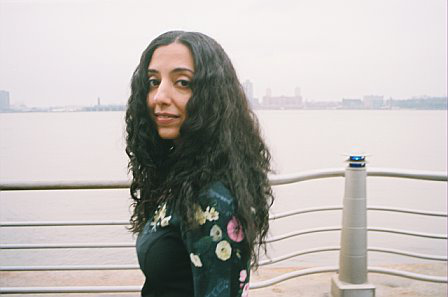
Review of Atoosa Grey's 'Black Hollyhock'
Black Hollyhock, Atoosa Grey’s first poetry collection, faithfully adheres to its title. While voluptuously organic, it also contains a dolorous underside. Grey’s image-driven poems, imbued with symbolism, navigate territories within territories -- those of language, identity, motherhood and the body. She deftly renders a world nuanced with languid musicality and replete with questions. She asks us to consider the currency of words, to find the sublime in the mundane, and to recognize the inevitability of rebirth and resurrection throughout our lives: “The body has its own way of dying / again / and again.”
Read More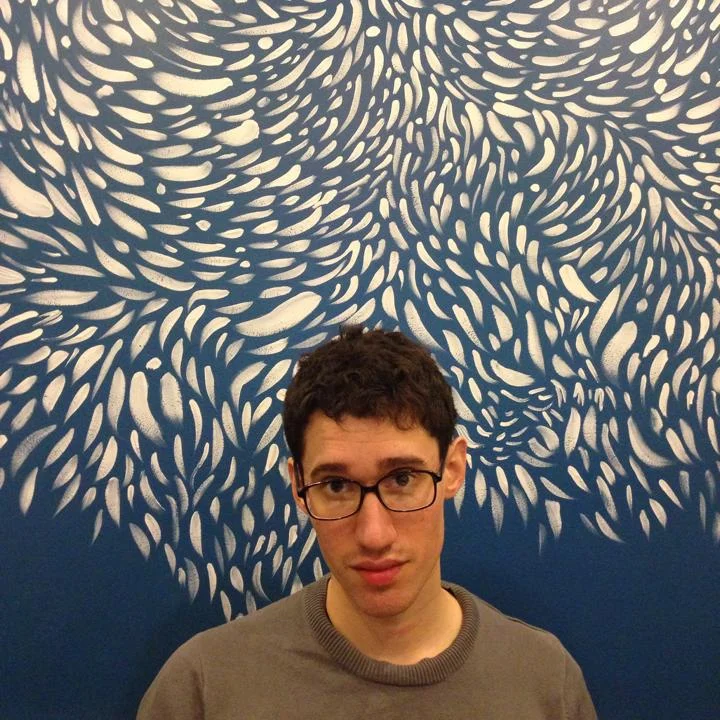
Interview with Roberto Montes on 'I Don’t Know Do You'
Roberto Montes’ "I Don’t Know Do You" was named one of the Best Books of 2014 by NPR and was also a finalist for the Thom Gunn Award for Gay Poetry from the Publishing Triangle. This says a lot for a first book. But there is so much more here. Montes’ poems speak eloquently on the trials and travails of living in our modern society, of growth and change, of politics and poetics, and mostly of love in its many forms and formats. I consider myself lucky to call Roberto a friend and colleague. We graduated together in 2013 from the New School’s MFA program. Lucky ‘13 – I like to call it. Our graduating class of twenty-seven poets has already made great inroads, at least seven of us have books out or forthcoming; and we’re all forging forward in our own ways while learning how to navigate the strange and exciting world of Poetry and Publishing.
Read More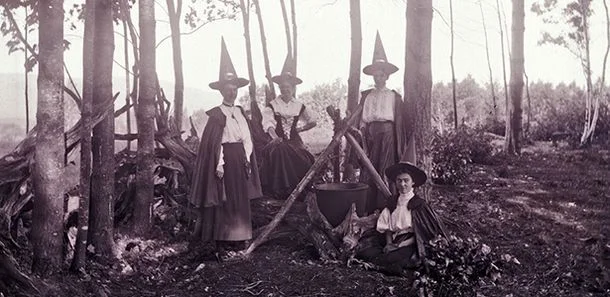
The Trials of Writing Haibun About the Salem Witch Trials
Hands down, the best decision of my life was joining a low-residency MFA in Creative Writing program. When I think about my experience, I imagine Mike Teavee from Willy Wonka and the Chocolate Factory. My poems, like Mike, started out normal sized and a bit naive. Then they shrunk. This tiny poem phase didn’t so much reflect the length of the verse, but instead the humbling of my ego. Everywhere I went, I met beautiful poets and read amazing collections. I currently take in every bit I can of anything that might even closely resemble a poem so that my tiny, metaphysical mind-poem can grow. And that’s just what it’s doing.
Read More
Dara Scully
Nightingale And Swallow Part II, Fiction By Taylor Sykes
When he’s back in the store and I’m alone again, I let myself lean into the worn leather steering wheel, clinging to it like a body. I can’t keep myself from crying when I think about that boy and what Caroline did to him. So I cry until it rains and then until it rains harder, until the sound of wind and water striking the truck is louder than I could ever be.
Read More
Dara Scully
Nightingale And Swallow, Part I, a Fiction Piece by Taylor Sykes
His lips look purpled already, but it must be the moon’s coloring coming in from the window. I push a puff of smoke into his spit-soaked face. It hits like a burst of water. Then comes the heft in my chest, a weight the size and shape of a fist. Before I can think too much about it, I push him on his side, face down.
Read More
Witchy World Roundup: April 2016
Joanna C. Valente is a human who lives in Brooklyn, New York. She is the author of Sirs & Madams (Aldrich Press, 2014), The Gods Are Dead (Deadly Chaps Press, 2015), Marys of the Sea (forthcoming 2016, ELJ Publications) & Xenos (forthcoming 2017, Agape Editions). She received her MFA in writing at Sarah Lawrence College. She is also the founder of Yes, Poetry, as well as the chief editor for Luna Luna Magazine. Some of her writing has appeared in Prelude, The Atlas Review, The Huffington Post, Columbia Journal, and elsewhere. She has lead workshops at Brooklyn Poets.
Read MoreHow to Reclaim Physical & Mental Safe Spaces
How to reclaim safe spaces, both physical and mental, after sexual assault or a traumatic event.
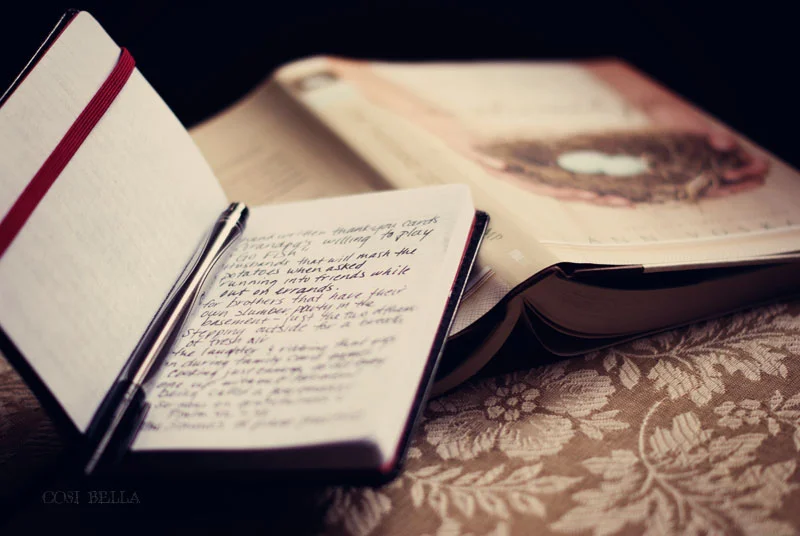
Credit: The Write Type
BY ALAINA LEARY
Going into Boston is normally quite a calming experience for me. I grew up just outside the city, so my childhood was filled with frequent train trips to go shopping, take walks and see museums.
This day, however, was different. As I approached the mall, I started seeing more and more people dressed in familiar outfits, mainly mimicking anime and video game characters, with some pop culture, sci-fi and fantasy thrown in: they were cosplayers.
I’m all for cosplaying. I love the fact that people put so much passion and effort into something they care about. I have a cousin and several acquaintances who cosplay for conventions every year, and they go all out.
So what was my problem? To be honest, I was afraid I’d see my rapist at the convention. And I was even more afraid I wouldn’t recognize my rapist until it was too late, because they’d be wearing cosplay. I was terrified we’d come face-to-face and I wouldn’t even know it until we were in close proximity.
With all the recent talk about trigger warnings in classrooms, the idea of a “safe space” comes up frequently among conversations in my generation. People seem to genuinely care about the physical and mental well being of others, which is refreshing. But what does it mean to create a safe space, and what happens when your safe space is also occupied by the source of your trauma?
These are some of the questions I had to ask myself before attending the con, while I was at the con, and after I’d returned home.
1. How do I define what a safe space is?
Ideally, everywhere would be a safe space. But, in general, I regard safe spaces as places I feel comfortable. Places that feel a bit like home, a bit like a community, to me. In my eyes, writing and the arts have always been a safe space. I use writing and other creative arts to feel better when I’m upset. They’re therapeutic.
The anime and fantasy world was always a safe space for me. It’s a community that tends to be welcoming of oddballs, and of queer people, both of which I am. I felt it was easy to connect to fictional characters, especially when I broadened myself up to international media rather than just American primetime television. While all my friends were watching Grey’s Anatomy as teenagers, I had a whole host of LGBTQ+ anime shows I was obsessed with.
The question, then, becomes: How can something I care about be a safe space when my assailant also cares about it?
This is definitely something I’ve struggled with. Part of the reason my rapist and I became friends—long before I ever suspected she’d hurt anyone in that way—was because we bonded over fantasy elements. We both liked to write. We both liked to draw. We both watched anime, and read fantasy YA on the regular.
After I was raped, my trust was destroyed. Although my rapist and I hadn’t been friends in years by that time, and I’d known she was toxic for a long time, my main problem was that I felt betrayed by one of my own. My rapist was a queer, cosplaying writer. How could I continue to feel safe among other creative types, among other fantasy-lovers, after something like this?
2. How do we reclaim our safe spaces?
I didn’t feel safe in my own body for a long time after my rape. Worse, though, was that I didn’t feel safe in my own head or my own personality. My mind wanted to fight against so many aspects that make me who I am, simply because they reminded me of my rapist. I didn’t want to write anymore. I didn’t want to read fantasy. I didn’t want to watch anime. I didn’t want to be artsy.
It took me a long time to realize that these things, for me, were a metaphysical safe space much in the same way that my favorite room in the house, or a chair by the beach, also was. They provided me with comfort, and they’d always felt like a home to me. Somewhere I knew I’d be protected. Somewhere I could return to, if the outside world got rough.
Once I realized these experiences meant safety to me, it was hard to let go of them. My instinct was to fight them: to kill anything that even vaguely resembled my rapist. After the rape, I stopped all creative writing. I didn't write a single word that wasn’t assigned for class. My metaphysical safe space had been taken away. There was no home to go to, and things in the outside world were rough, because I was dealing with the aftermath of a serious trauma.
I had to ask myself: How can I make this place, even though it’s not a physical place, mine again?
I tried to recreate the worlds I’d been a habitant of, but in a new light. Although these worlds were often solitary, they were also strongly reminiscent of community. I’d made friends who were also writers, artists, fantasy nerds.
That’s what I decided to do again. I recreated the community in a new safe space. My girlfriend, who is also a writer, artist, fantasy YA reader, and anime watcher, helped me do this. She saw how difficult it was for me to enjoy things that were so central to my personality, so we created a new safe community. We invited other English majors and writers to take classes with us, and to go with us to on-campus writing workshops and creative work readings. We asked our close friend and roommate to watch an anime series with us, just to give it a shot. (She ended up loving it.) We recommended fantasy books to friends and then talked about them.
After I started doing these things again in a safe space with others who understood my trauma, I was slowly able to do them on my own. I took my first class as an English major about a year after my rape, with my girlfriend and several friends in the class. I wrote a poem for the first time without being instructed to by a professor. I let my friends read it, and we all laughed and joked and had fun.
The thing about trauma is that a part of me was worried the entire time I was doing these things. I knew it was possible to re-trigger myself, and cause a PTSD panic attack at the memory of enjoying these things with someone who later destroyed my trust. It was necessary to ease myself back into the process of enjoying my former safe spaces, rather than drown myself in it. It was a slow process, one foot in front of the other.
3. How can we prepare for triggers of the past trauma?
This is the question I asked myself every day for weeks before attending the convention. It was the first time I’d been in five years, not just because of the trauma, but also because I was studying in college in the middle of nowhere and it was impossible to get back to go to it.
Now that I’m living in Boston again, I was determined to go to the convention. I wanted to go, dammit, and I wouldn’t let my trauma stop me! That didn’t stop my brain from sending me daily nightmares about seeing my rapist on the train, at the mall, in a crowd of faces.
So what can we do to prepare ourselves for situations we think are bound to be a little more stressful, and which may re-trigger past trauma?
In my case, I had reason to believe my rapist—who I haven’t seen since the attack—would be at this particular convention, although I have no idea if my suspicions were accurate. She tends to go every year, though, and almost always dresses in cosplay.
Attending this con was a big step. It involved the possibility of seeing my rapist, and I knew because of the sheer size of it, it might re-trigger trauma even if I didn’t end up seeing her.
I was right.
But that didn’t make the experience not enjoyable. What I’ve learned, in my four years now as a rape survivor, is that there are so many moments that can re-trigger trauma. An unexpected nightmare that wasn’t caused by anything. A rape scene in a television show or a movie. A mention of my rapist in casual conversation by someone who doesn’t know. But my life is still worth living—and I love living it. Even in the moments when I’m dealing with the aftermath, with the PTSD, I love being here.
The con was stressful. A few times, when I thought I saw someone in cosplay who resembled my rapist, I had small panic attacks. I escaped into a mall Barnes & Noble for a while to calm down. Books have always been a safe space for me, too. I treated myself to Au Bon Pain, my favorite Boston café, which has never reminded me of my rapist. I ate a lox bagel. I drank soda. I took deep breaths.
The best way to prepare for a possible triggering of trauma is to be aware. Know your triggers, if you can, and what happens when they occur. Do you have panic attacks? Severe anxiety? Do nightmares crop up as a result? Do you dissociate? These are all things you should try to keep track of, as it happens, even though it may seem uncomfortable. It’s useful for situations where you have an idea that it may happen.
Also be prepared to practice self-care. I bought myself food that I enjoy, and took time away to surround myself with books. I had conversations with my girlfriend about our favorite anime and manga. I treated myself to dinner at my favorite restaurant. I went home, and went to bed early to get a good night’s rest. I knew it would be a stressful day for me, so I prepared ahead of time to be ready for self-care.
Safe spaces aren’t as clearly marked as you’d assume—sometimes, the spaces that were safest to us aren’t always trauma- and trigger-free. That’s why it’s increasingly important to practice mindfulness, be prepared with self-care tips, and above all, know yourself. Know what works for you, what doesn’t, and what your limits are. Take care of yourself and, if you feel comfortable, make others aware of what happened and the potential for re-triggering so they can be a support system for you.
Alaina Leary is a native Bostonian currently completing her MA in Publishing at Emerson College. She's also working as an editor and social media designer for several brands. Her work has been published in Cosmopolitan, Seventeen, Marie Claire, BUST Magazine, Good Housekeeping, Her Campus, Ravishly, The Mighty, and others. When she's not busy playing around with words, she spends her time surrounded by her two cats. She can often be found re-reading her favorite books, watching Gilmore Girls, and covering everything in glitter. You can find her on Instagram and Twitter @alainaskeys.
Chris Osborne
Moonlighting, a Fiction Piece by Jen McConnell
I want her to be happy. And I know she isn’t happy. Not since the second one. She loves the children–of course she does–but she wants her body back.
Read More
Margarida Malarkey
Interview with Poet Anthony Cappo on 'My Bedside Radio'
BY JOANNA C. VALENTE
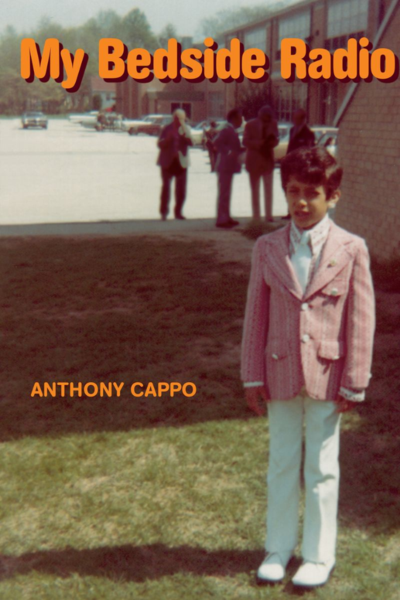
If there was ever a poet who was dedicated to craft, it would be Anthony Cappo. Recently, his first chapbook “My Bedside Radio,” was published by Deadly Chaps Press--which is a collection that explores the nuances of family dynamics, and what happens when the family structure disintegrates. What makes the collection so unique is the fact that the poems rely on music, particularly '70s music, as a way to reflect the speaker's own mental state and time period.
I was lucky enough to interview him on craft, how he chose the soundtrack, and more:
JV: Why did you choose to tell the story through songs and popular music of your childhood? How did you actually choose the songs?
AC: Well, it kind of started accidentally. The first poem was one that didn’t even mention a song. But it was a very early childhood memory of (mis)hearing a radio news report about guerillas escaping prison. I guess that got me in an early childhood space and thinking about the radio and all the songs I remembered listening to. Music has always been very important to me, and song lyrics and childhood memories are always popping up in my poems anyway. So, I started writing about memories directly associated with certain songs, and soon, I had a number of poems like that. Then, I realized it was a theme and just kind of went with it. After a couple of months, I had a draft of a chapbook-length work.
I didn’t choose the songs in any organized way. I just thought about songs that were important to me at the time. And I’m not in any way saying that all of these are good songs, or are ones I would choose to listen to now! But they were important or memorable to me then, and they really brought back the feelings of growing up. Some of the songs are associated with very specific memories, and others kind of more evocatively brought me back to certain places or times.
What is your writing and editing process like? I know you value editing tremendously. Would you say the poems come alive more after the editing process? How do you know when a poem is done?
I’m a big editor of my work. I looked back on the early drafts of these poems and some are so different from the final versions, but one or two are surprisingly close. In general, I like to write as much as I can in the first draft, which can sometimes be as little as one or two lines if I’m rushing off to work in the morning. Then, after I’ve written a full first draft, I read it over, and look for things that are unclear or words or images that fall flat. And from there it’s just a process of chiseling away. After I feel like I’ve gotten as far as I can with the poem, I put it away for a while. Eventually, I come back to it and tighten it up even more.
I really do liken writing poetry to sculpting—chipping away until I feel like I’ve arrived at the “essential poem.” I know the poem’s done when some time has passed and I feel like there’s nothing else I can do to make it better—the rhythm fits, the images are interesting, and there aren’t any excess or leaden words. But I work very slowly; it can take months to get to that point and even then, I’m always looking to change a word here and there. I follow the old Orson Welles ad line: “We will sell no wine before its time”!
Other than other writing, what influenced and inspired you during this time?
I went back and listened to some of the songs I remembered. I was listening to a lot of ‘70s songs on YouTube during this period. Not exclusively, of course, but I was allowing myself to indulge in a little nostalgia.
But really, I’ve been blessed (and cursed, haha) with a really good memory and have vivid recall of many things that happened during my childhood. And because I did listen to music so much during this period (and yes, I did have a bedside radio) it was easy to recall songs that went with the memories, and vice versa.
On the subject of writing honestly about childhood and family secrets, I’ve always been in awe of Louise Gluck’s “Ararat.” I read that book literally with my jaw open, thinking I can’t believe she just wrote about that. In some ways, I’d say that book was a permission-giver.
What part of you writes your poems? What are your obsessions?
My poor little battered heart! But seriously, I try to suppress intellectuality and rationality as much as I can when I’m writing first drafts. For me, poems are primarily an emotional expression (“Since feeling is first”!) and that’s what I want to convey. But, of course, on revision the head enters the picture in a much bigger way.
Obsessions? Well, I read an article once that recommended that in ordering a manuscript it was a good idea to group poems into different themes. I did this with mine and one of the biggest themes was “personality disintegration,” so there’s that. But I also write a lot about the search for love and intimacy/loneliness, God/childhood religiosity, and, of course, music and childhood memories.
What are you working on now? What's a dream project for you?
I’m working on revising a full-length manuscript that started out as my MFA thesis, but has been through several iterations since. I’ve sent it out, to no success, and I really want to get it right. So I’m in the process of picking off my darlings, replacing them with newer work, and trying to come up with a manuscript that reflects the best work I’ve written.
I’ve also started on what might become another chapbook, which features kind of an alter ego character through whom I can make light of my obsessions and misadventures. I’ve started out on a handful of poems, but have been largely bogged down at the moment with other things. But I plan to get back to them. Mostly, because they’re so much fun to write.
Anthony Cappo is a poet living and working in New York City. His poems have appeared in Prelude, Stone Highway Review, Connotation Press – An Online Artifact, Pine Hills Review, Yes Poetry, and other publications. His chapbook, “My Bedside Radio,” is published by Deadly Chaps Press. Anthony received his M.F.A in creative writing from Sarah Lawrence College.
Joanna C. Valente is a human who lives in Brooklyn, New York. She is the author of Sirs & Madams (Aldrich Press, 2014), The Gods Are Dead (Deadly Chaps Press, 2015), Marys of the Sea (forthcoming 2016, ELJ Publications) & Xenos (forthcoming 2017, Agape Editions). She received her MFA in writing at Sarah Lawrence College. She is also the founder of Yes, Poetry, as well as the chief editor for Luna Luna Magazine. Some of her writing has appeared in Prelude, The Atlas Review, The Huffington Post, Columbia Journal, and elsewhere. She has lead workshops at Brooklyn Poets.
Interview with Sarah Forbes, the Curator of Sex
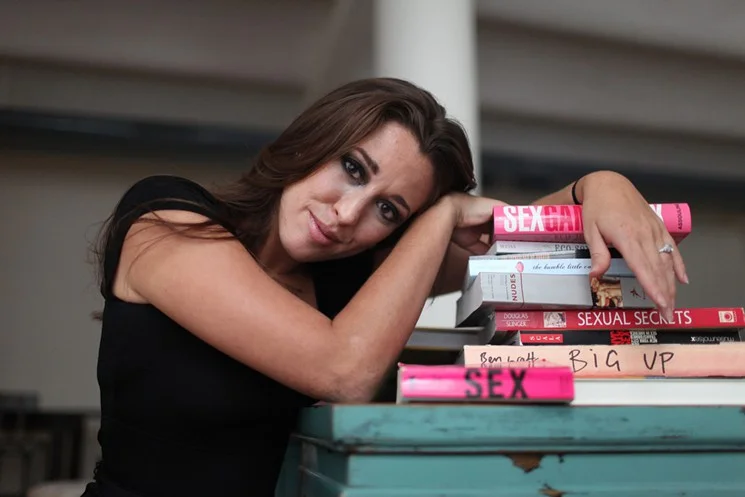
Sarah Forbes was the curator of the Museum of Sex in New York City for twelve years, from shortly after its inception until the beginning of 2016. In her new book, Sex in the Museum: My Unlikely Career at New York’s Most Provocative Museum, Forbes chronicles the growth of what is now a major cultural landmark in New York and recalls how she and the museum grew up together, from her background in anthropology through her first fumbling introductions to curatorial work, through her fascination with collectors of sex memorabilia, the difficulties of being a sex curator in the NYC dating scene, exploring the vast world of kink, love and marriage, condom dresses, motherhood, and much more. The book is a fun but informative read that will entertain readers while also teaching them volumes about the world of sex through the eyes of one of its most dedicated students.
Read More
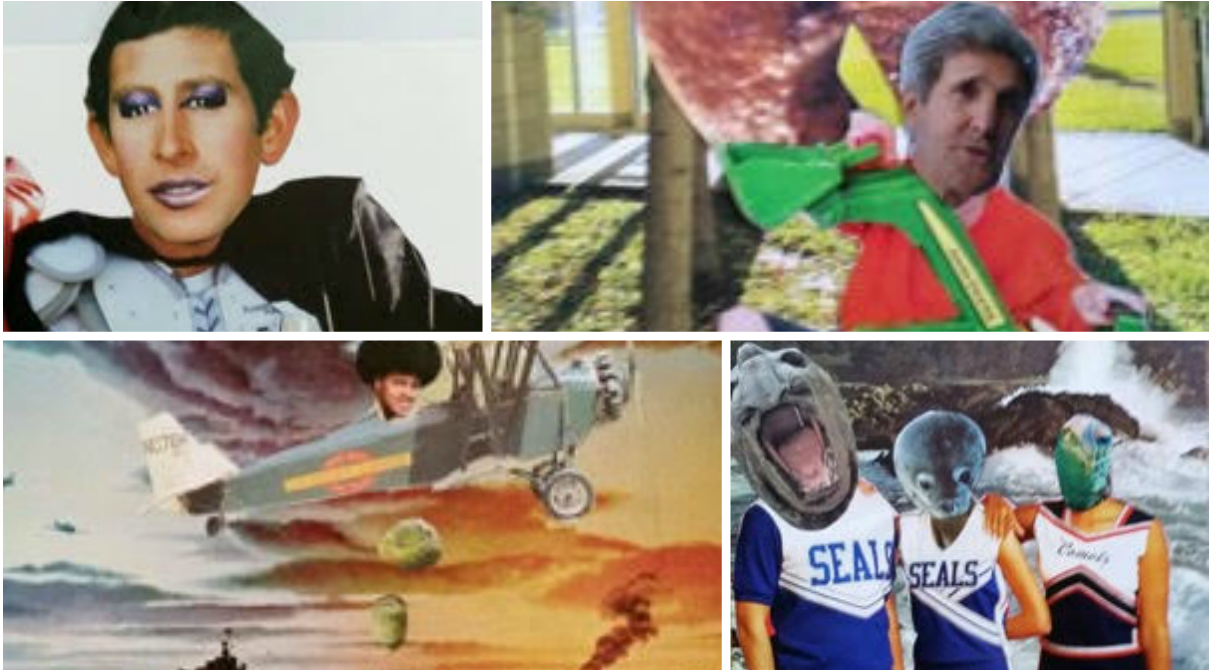
Joe Heaps Nelson's Art Exhibit at Reservoir Art Space Is a NYC Gem
What is humanity? A farm? A Goodyear blimp? The DeBlasio’s? Is it the sky or sea? Is it pop culture? It’s pop culture, isn’t it. Goddammit. Joe Heaps Nelson, a painter whose work has shown at P.S. 1, Scope Art Fair and more makes us wonder with a series of hashed together collages that look both current and retro. They manage to be playful, bright and ignite a sense of nostalgia. Twelve new works of his will be on view for a limited time at Reservoir Art Space in Ridgewood. We highly recommend paying this show a visit!
Read More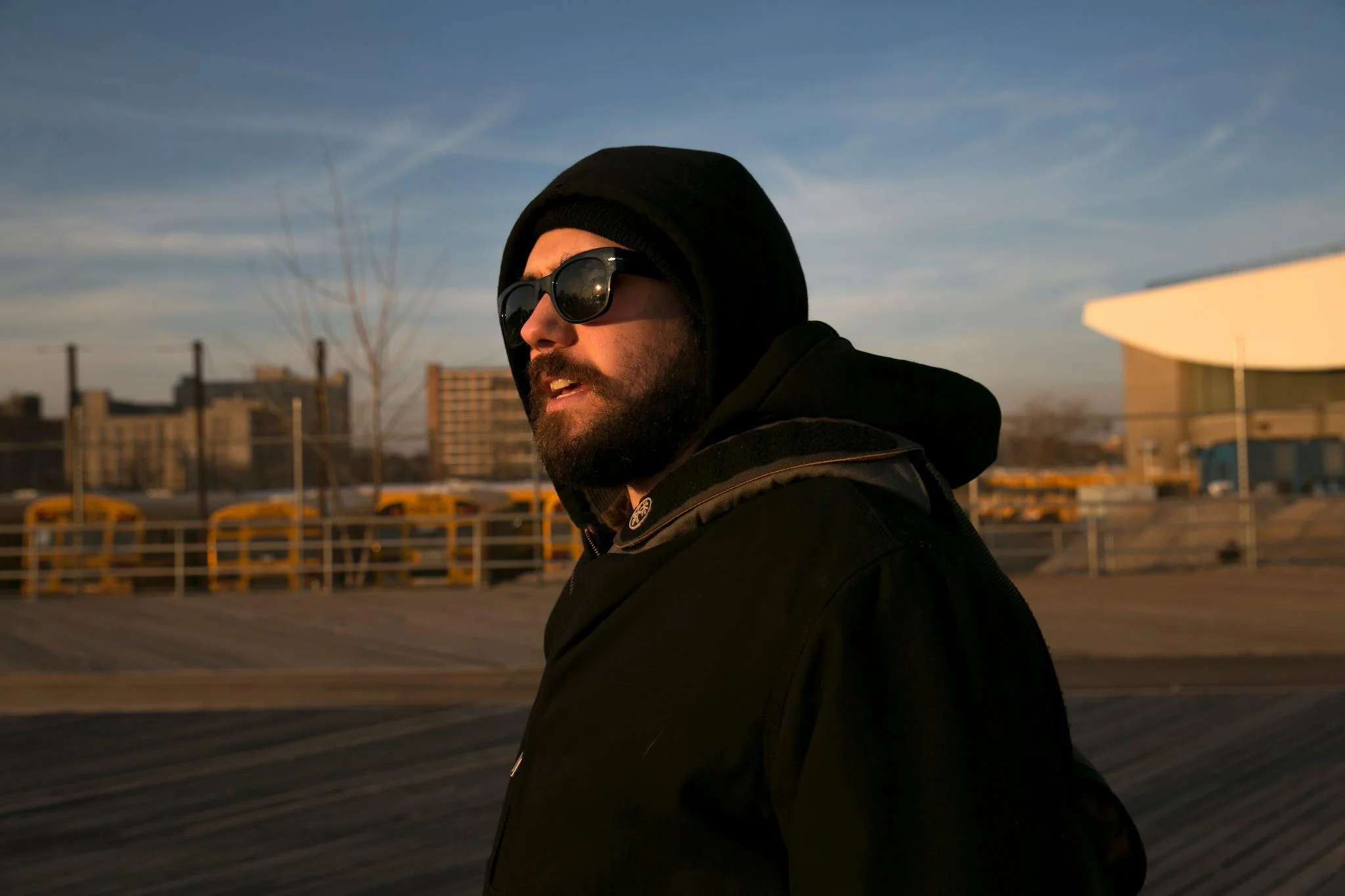
Leanne Benson
Interview with Writer Ben Nadler on Jewish Literature & 'The Sea Beach Line'
Ben Nadler is a masterful storyteller--he weaves words together in a way that makes me believe I am right there in the story, in real life. Nadler's latest book, The Sea Beach Line (Fig Tree Books, 2015) took me by surprise--I wasn't expecting to fall in love, but I did--I fell in love on the first page. I suppose we are never expecting to truly fall in love when we do, but once you do, there's no going back. Sometimes, I believed I was the main character in the story, feeling all of the turmoil and emotions Izzy felt, as if Izzy was stealing my body for the time that I read the book.
Read More