
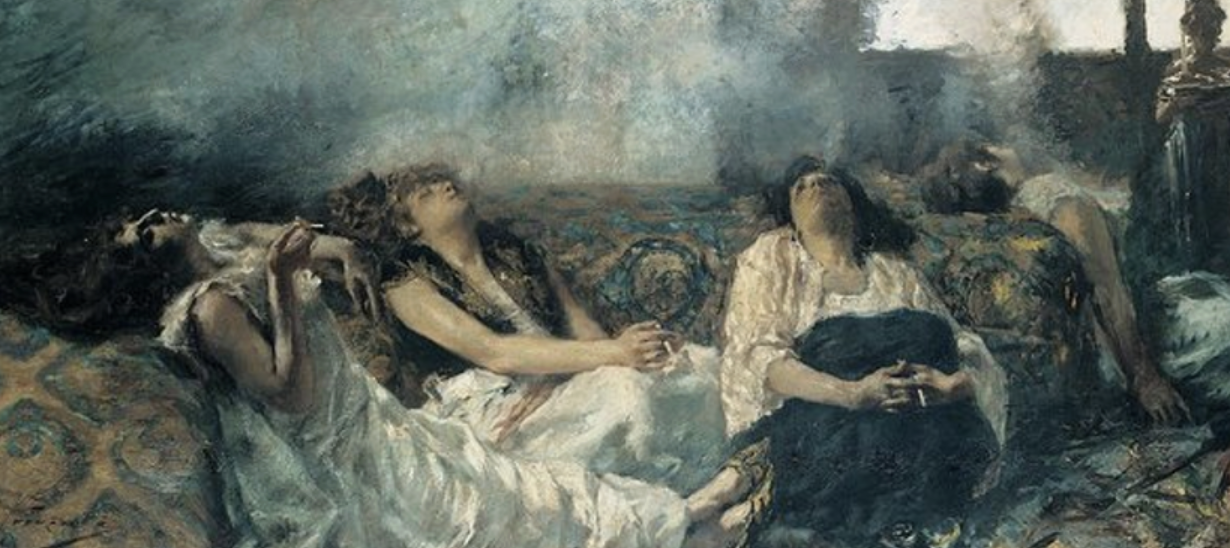



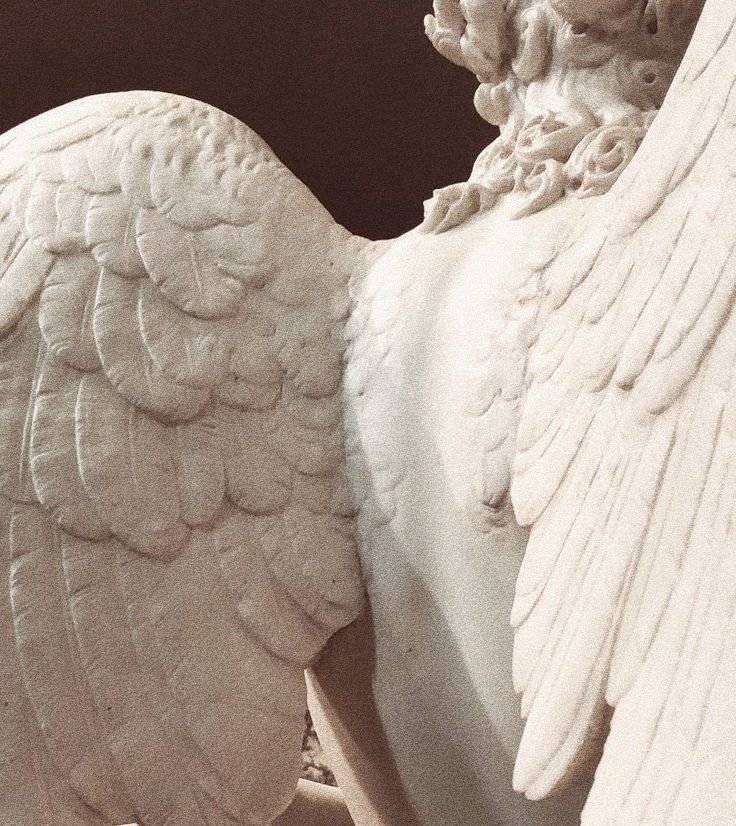
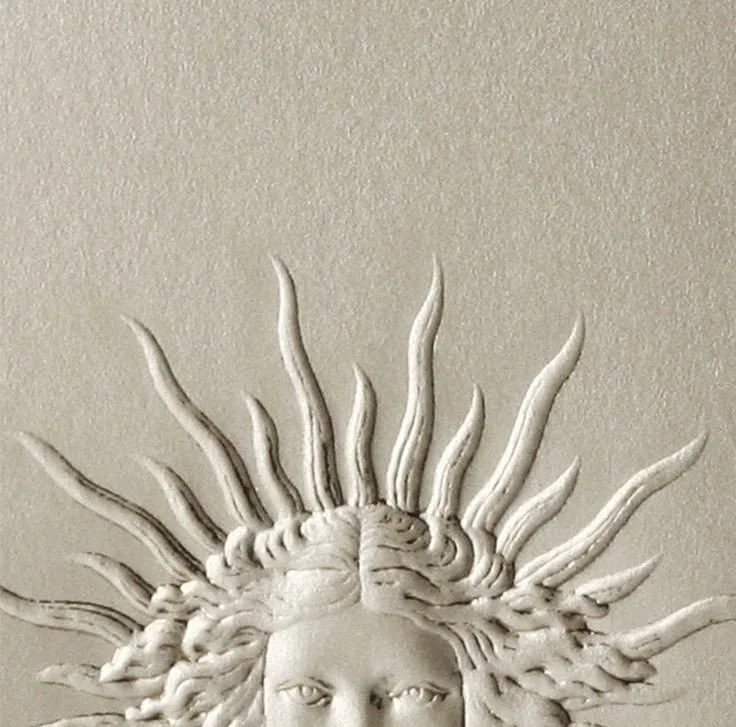
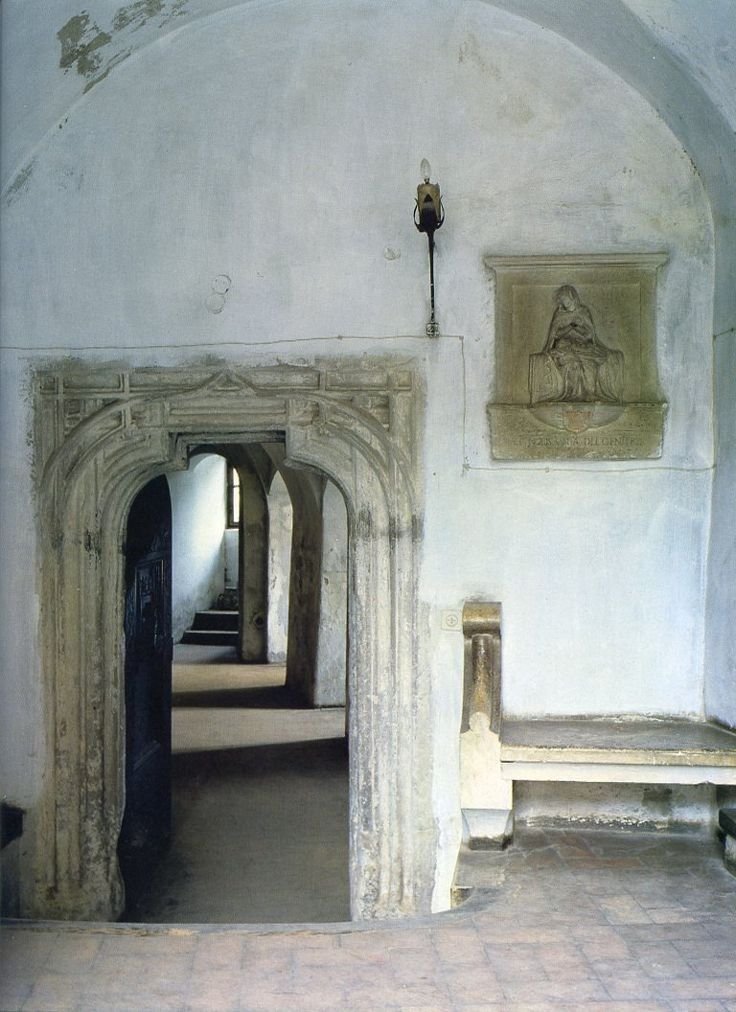
Wednesday, November 4th, The Hollows art space had the opening for its latest show curated by Piril Gündüz and Baptiste Semal. Here are 15 reasons this show ruled and the artists that made it happen. The show is on until December 20th, at The Hollows art space on 780 Bushwick Avenue.
Read More
Image via Janelle Silver
Amazing Feminist Zine Roundup
BY ELIZABETH KING
Summer is here, and for many of us that means one very important thing: THE BEACH. The beach is where we relax, rollick, get sun-burnt, and enjoy light reads. I’ve perused my fair share of tabloids over past summer months, but these days, I have a new quick-read obsession: zines. All the zines! Well, all the girl power zines. The zine world is still alive and very well, even though it’s been a couple decades (we’re getting so old…) since the Riot Grrrl movement blew the lid off of the DIY feminist art movement.
Over the last several months, I have scoured the internet (and by internet I mean Etsy) for the best in what’s new with feminist zines, and I am happy to be able to report back some killer recommendations. Instead of reaching for Us Weekly or god forbid Cosmo for our summer reading, we can support feminist artists and writers while simultaneously being entertained and even learning a thing or two.
So, for your feminist reading pleasure, I present to you my top five zine recommendations of the moment:
Interactive Intro To Self-Care
This is perhaps my all-time favorite zine. Brought to us by the wonderful Janelle Silver, this adorable little creation is packed full of amazing ideas, activities, recipes, and other goodies all centered on ways to love yourself. What could be better? The uplifting and super-cute illustrations accompany serious insights about why it’s important to care for ourselves. I have never seen such a fun and honest way to approach self-care. The best parts: stickers you can color yourself and tea recipes for different moods. Check out this and other works from Janelle at www.janelle-silver.com, because you are worth it!
Empower Yoself Before You Wreck Yoself: Native American Feminist Musings
I love this zine because it exclusively discusses the experience of young Navajo women. The Native perspective is rarely heard in mainstream feminist discourse, and this zine is a great way for all of us to educate ourselves about this particularly margianalized intersection. Co-writers Melanie Fey and Amber McCrarty created this zine in order to make a space for Navajo women to contribute to the feminist dialogue and feel at home in various counter-cultures. Based on the awesome content of their zine, I would definitely say they are succeeding. In particular you will want to check out the letter that Melanie wrote to her Governor about the use of Native mascots in public schools. If you are a Native woman who wants to contribute to this zine, you can get in touch with the creators at NAfeministmusings@gmail.com.
OMG Lesbians!
This is a great comic for when you want to crack up while also giving a little side-eye to stereotypes about lesbians. OMG Lesbians! is Greek artist Smar’s exploration of the ridiculous ogling and leering that lesbians are frequently subjected to when they express any affection in public (the comic includes a lot of honking and whistling). She also humorously confronts some stereotypes that come from within the lesbian community, as well as the nutty myths that persist about gay women. My favorite quip is from a page about lesbian myths. Myth: lesbianism is contagious. Lesbian’s response: Sadly, no… You can see more from Smar at SmarMakesComics.tumblr.com. You won’t regret it.
Black Women Matter
The importance of this zine can’t be understated. Created by the artist and writer’s collective Underground Sketchbook, Black Women Matter uses portraits, quotes and thoughtful biographies to honor and remember Black women who have been killed by law enforcement. The zine is heartbreaking in that it details tragedies many of us have never heard of before, but it is also very empowering to take the opportunity to commemorate these women. This zine is critical reading for anyone involved with, interested in, or following the Black Lives Matter Movement. I would encourage everyone to explore more of the social justice-based art created by Underground Sketchbook at undergroundsketchbook.tumblr.com.
Anxiety Comics
As someone who struggles with anxiety, this comic really resonated with me. Artist Stacey Bru portrays her anxiety in a way that so many of us experience it: as an annoying little creature that incessantly nags us with insecurity, self-doubt, and angst. Stacey also shows readers that it’s possible to deal with anxiety in healthy ways (see: Intro to Self-Care!) so that it does not control our lives. This is a really cathartic zine to read if you experience anxiety, and a great learning opportunity if you have any sort of relationship with an anxious person. You can see what else Stacey is up to on Twitter at @staceybru.
So there it is! I am always fiending for more zines, so if you have a cool idea for a comic, informational series, or DIY art book, go ahead and make one! Chances are I will end up being one of your customers.
Hair Jewelry, Post Mortem Photographs and iPhones - A Lineage Of Haunting & Desire
BY LIZ VON KLEMPERER
To love someone is to want to give them your body. To love someone is to want to be given their body.
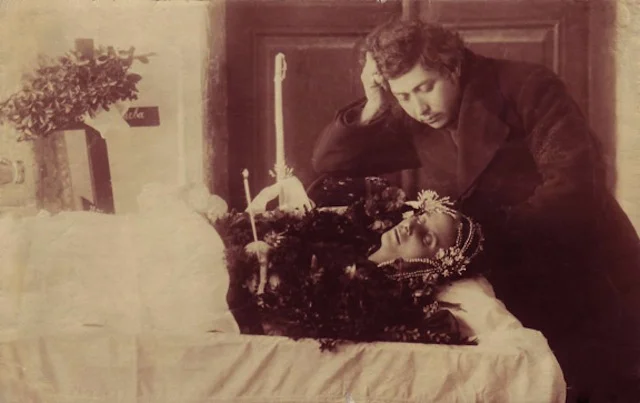
No one illustrates this point more grotesquely and tenderly than The Victorians, who bundled the hair of their lovers and wove it into jewelry. Men, for example, often braided their lovers’ hair to secure watches to their wrists. Women adorned themselves with coiled wisps in glass lockets. These would be worn on low hanging chains, allowing them to rest right over the heart. Hair jewelry, as it is commonly called, was a display of affection and devotion to both living and deceased lovers. Mourners incorporated these strands of the dead into black material such as jet, or more inexpensively, vulcanite (a hardened rubber) and bog oak.
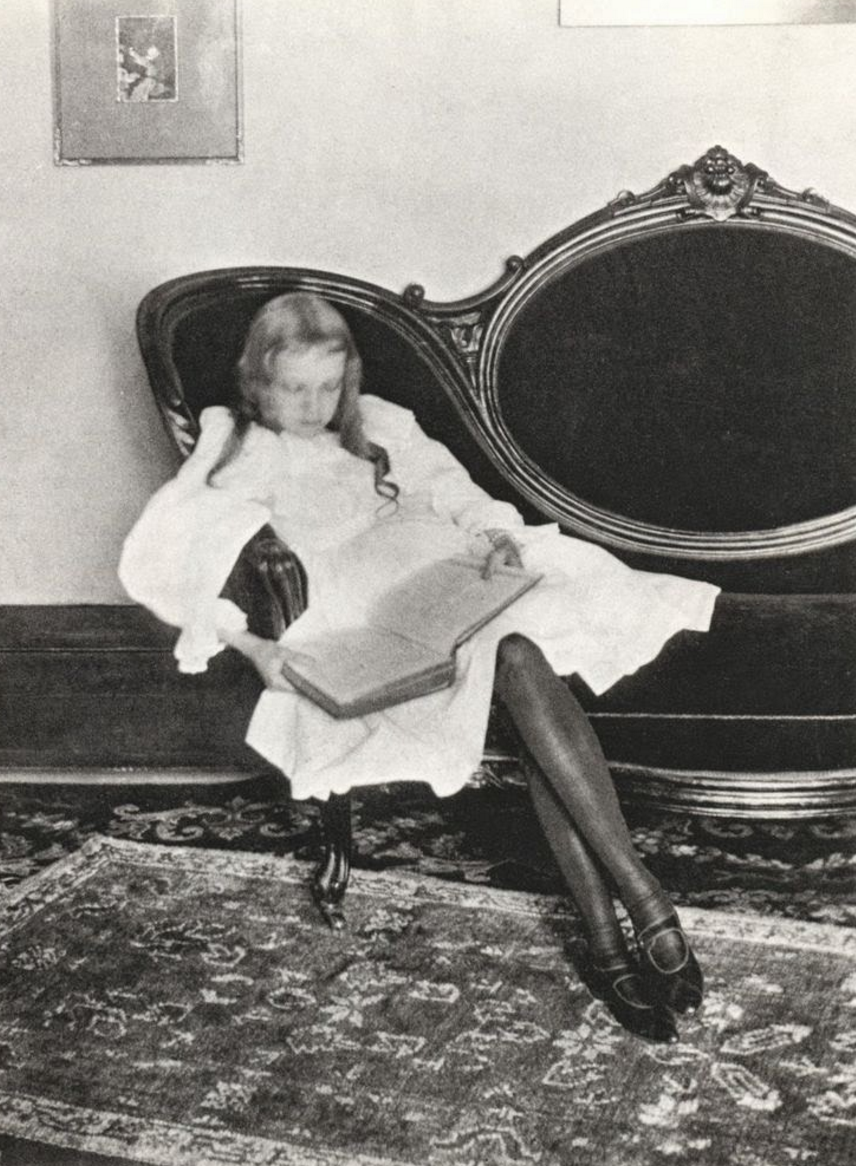
This practice offers a variant spin on our current conception of the phrase “to have” someone. The Victorians claimed ownership over the bodies of their beloveds by transforming them into ornament. Not only was this ownership asserted very visually and concretely to others, it also symbolized a triumph over the inevitable: estrangement, death. Everyone knows that hair is dead from the moment it becomes visible on the scalp, but even so, The Victorians so delicately curated these lustrous and dead clumps to symbolize vivacity, sexuality, and the eternal.
Soon after the invention of the daguerreotype in 1839, however, hair jewelry became less trendy. People could now carry flattened, shrunken images of their loved ones. By the mid 1840’s, the middle of The Victorian era, the daguerreotype was made relatively accessible and affordable to the public.
The slow shudder speed, however, forced subjects to sit still for uncomfortably long periods of time. Thus, the daguerreotype was initially used to memorialize the dead, who had no qualms sitting without blinking for over a minute. Photographers concocted methods of propping up corpses or shrouding them in blankets to make it appear that they were leaning on a sofa or merely resting. Mothers could carry the black and white image of their deceased children with healthy rouge superimposed on their cheeks. In this way we got closer to our ultimate desire to possess the people we love, to own them in a constant, albeit fabricated, state, to lessen the sting of death and departure. Desire shape-shifted into a new era.
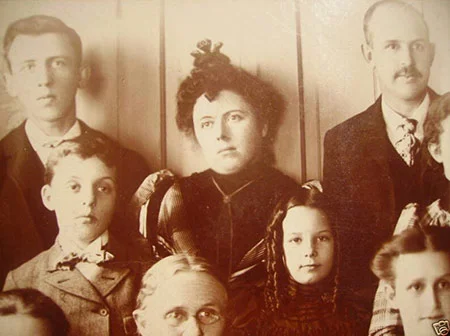
A century goes by. Our preoccupations morph but never evolve. Tonight, I fall asleep cradling my phone, which contains thousands of images of my former lovers. Now they are ghosts, swirling under a blackened glass frame. Sometimes the ghosts talk to me. Not to me, exactly, but at me. Your ex lover is 5 miles away from you now, my machine chirps. There she is now, for 6 seconds only, an apparition, a puff of smoke. Tonight, I am fed this video: she is smiling garishly against the flash before tilting her device upwards to capture the sea of revelers behind her. The scene ends abruptly as someone utters her name, and I am in the dark again. I know that my machine gains nutrients from the outlet it is plugged into, and that comforts me.
We’ve worked for centuries to keep the dead alive, and now they are, almost. The frame updates. Mechanisms work silently inside, allowing us to see those who have departed us laugh, drink, and stare with an agonizing adoration at a face that is not our own.
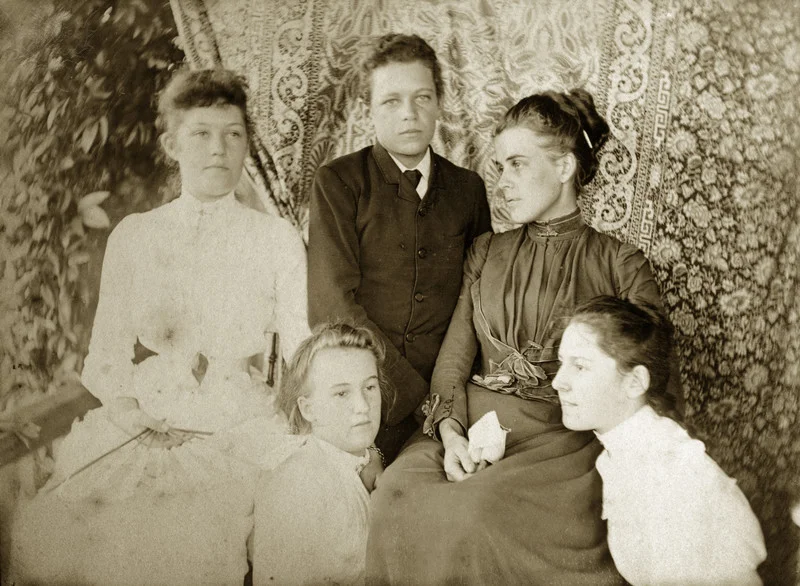
In the continuing lineage of desire, we have become the designers and facilitators of our own haunting. And everyone knows the secret to a good haunting is to make the mind play tricks on itself. Now instead of the illusion of eternal life, we have fabricated the illusion of eternal closeness. Death is not solely the passing of the body but also a severance of ties. We are haunted by the living dead, by the people who have vanished from our daily lives but not from our consciousness. In my desire to possess my beloved, I know where she drank coffee this morning. I have read the article she skimmed on her lunch break.
I try to put away this vehicle of my own haunting. I try not to carry it to bed. Still, it feels as though I am relishing the image of a corpse as I go to refresh my newsfeed on some park bench during my lunch break. It is noon, and I am drowsy, hungry, and seeking the comfort of a screen that contains all my bright and illuminated dead behind it.
Liz Von Klemperer is the author of the unpublished novel "Human Eclipse." She also writes for Art Report, and has work forthcoming in Autostraddle. When she's not writing or tweeting at @lvonklemp, she coordinates events at The Powerhouse Arena in Dumbo, Brooklyn.
6 Incredible Pieces of Art We Saw at Mana Contemporary’s Open House
BY DALLAS ATHENT
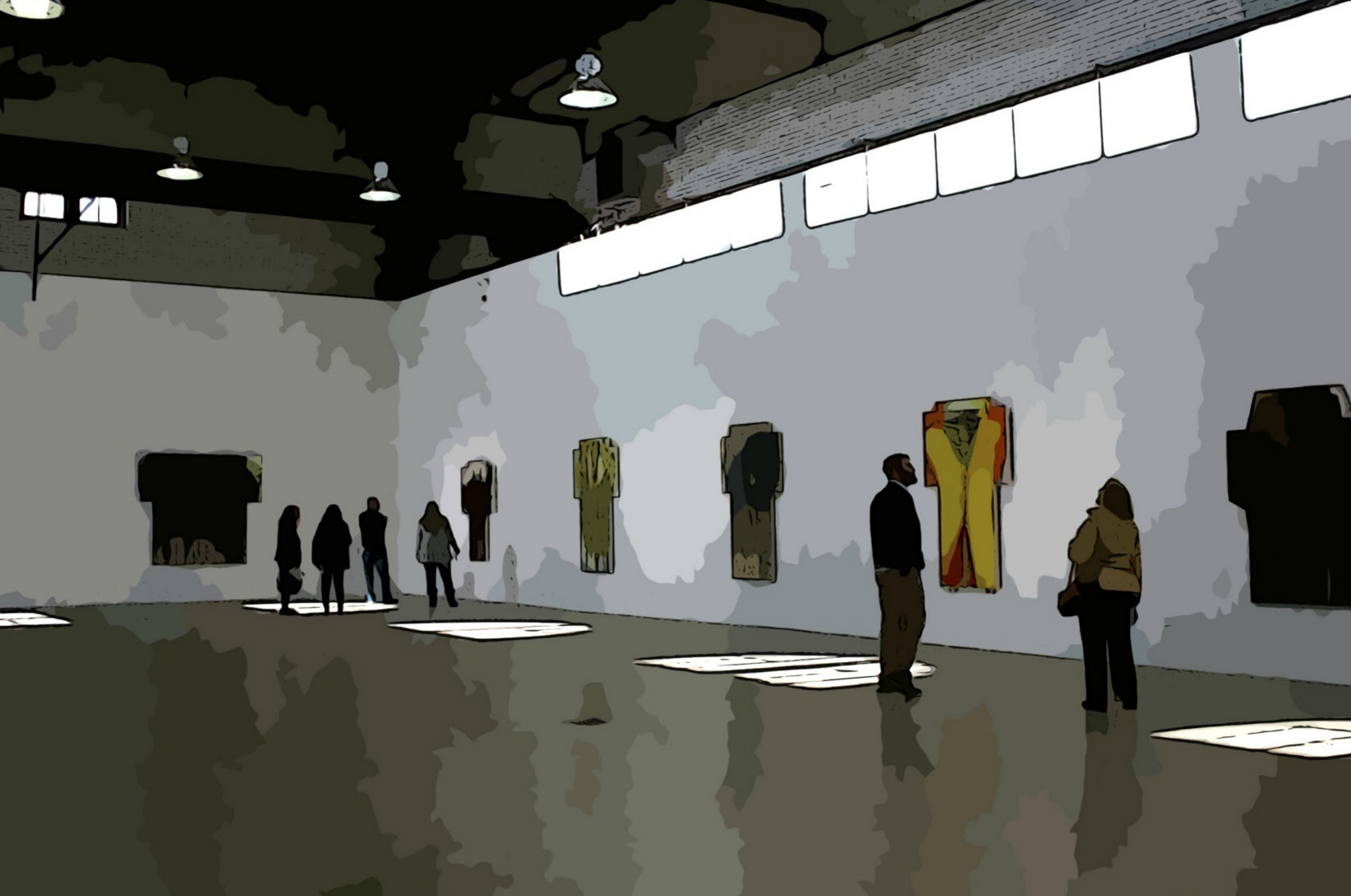
On Sunday, October 18th Mana Contemporary hosted one of their quarterly open houses. The Jersey City art establishment boasts studios, galleries and performance spaces in a former tobacco factory. While we didn't get to see everything during this event, we chose some of our favorite things that were on display.
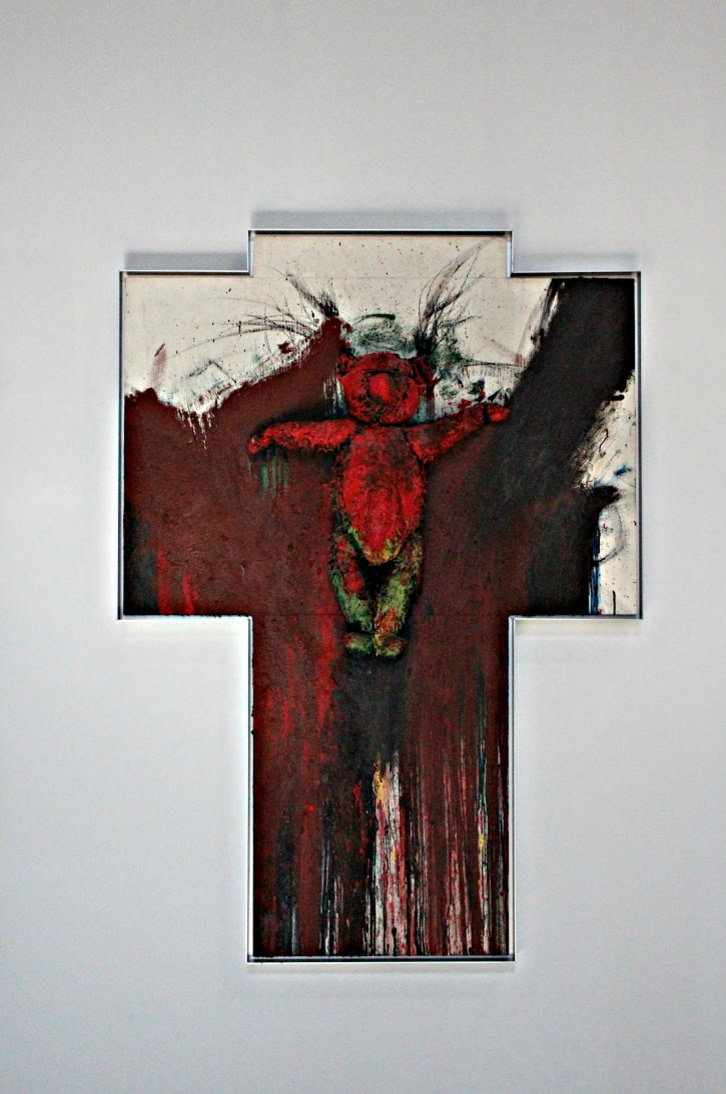
Painting by Arnulf Rainer, exhibit presented by Ayn Foundation
Rainer's versions of the cross are lined up in a vast, open space. Each one has its own truth and reality. In this painting, we see the innocence of a teddy bear plastered in aggressive smears of red. The teddy bear--a symbol of American childhood and innocence is questioned and re-examined along with religious imagery.
Aluminum Sculpture by Seung Mo Park
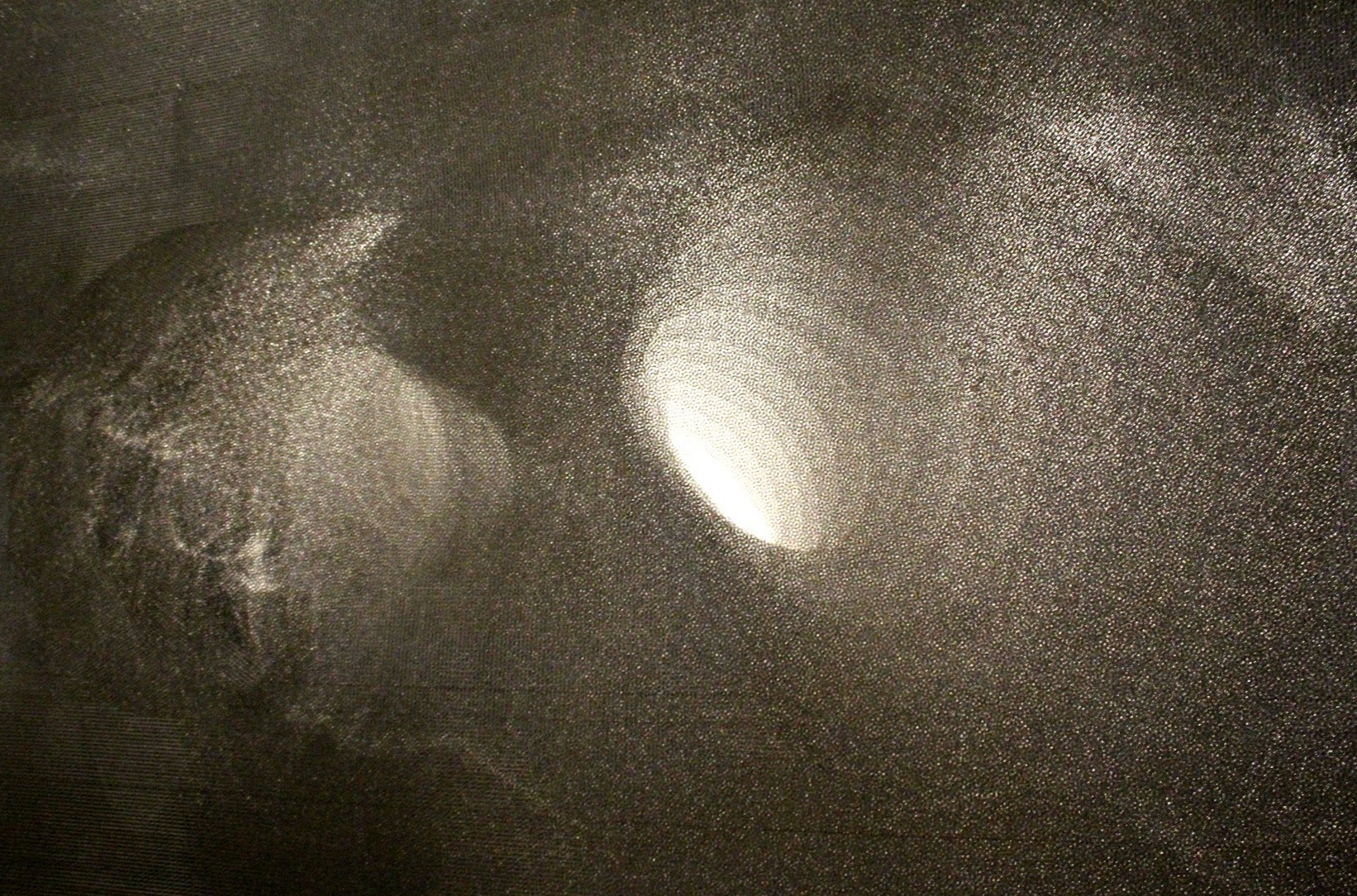
This artists' work uses metals to distort landscapes and reality. What you see above is not digital art or a painting, but actually layers of wire mesh with different sized holes cut out in front of a light fixture. The effect is ethereal— softening the harshness of the metal and using its spindly texture to create a new reality.
Tick Talk by Ziv Yonatan and Lily Rattok
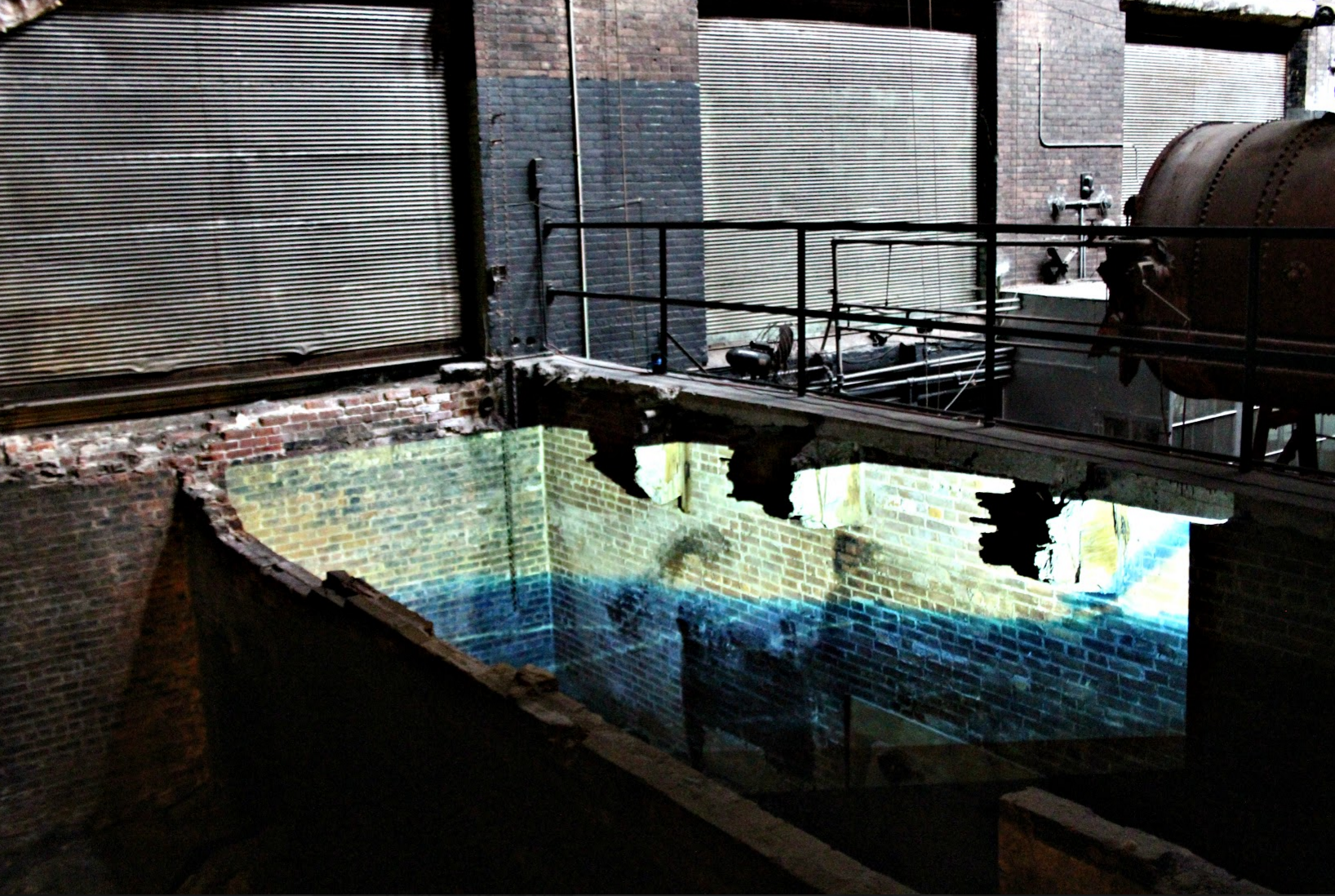
These artists transformed Mana's early 20th century boiler room into an avant- garde, explorative installation. One of the films projected showed details of a spider web, belonging to a spider who actually lives in the boiler room. This small creature's life, displayed in such a vast space was re-purposed and examined in a same parallel universe, causing us to re-examine our own world and what is truly paramount.
Series by Maria Pavlovska
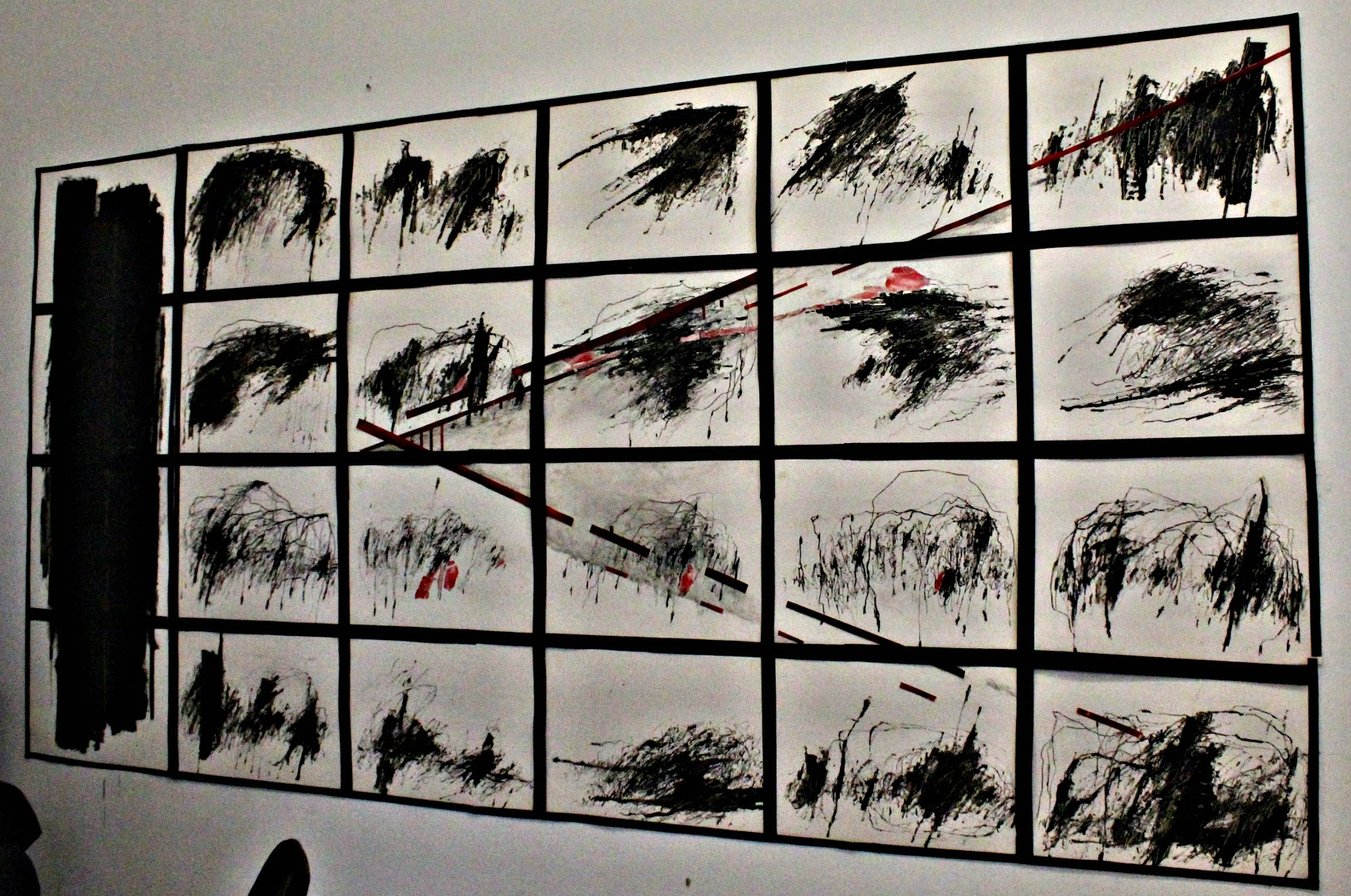
Maria Pavlovska's work is no stranger to drama. In her latest series, hung at her studio, she represents both disorder and science through wild gestures, overlapped by geometric lines. Behind both of these juxtaposing views, we see her method, and the process the goes into making work that describes the polar opposites of life.
Painting by Antonio Murado
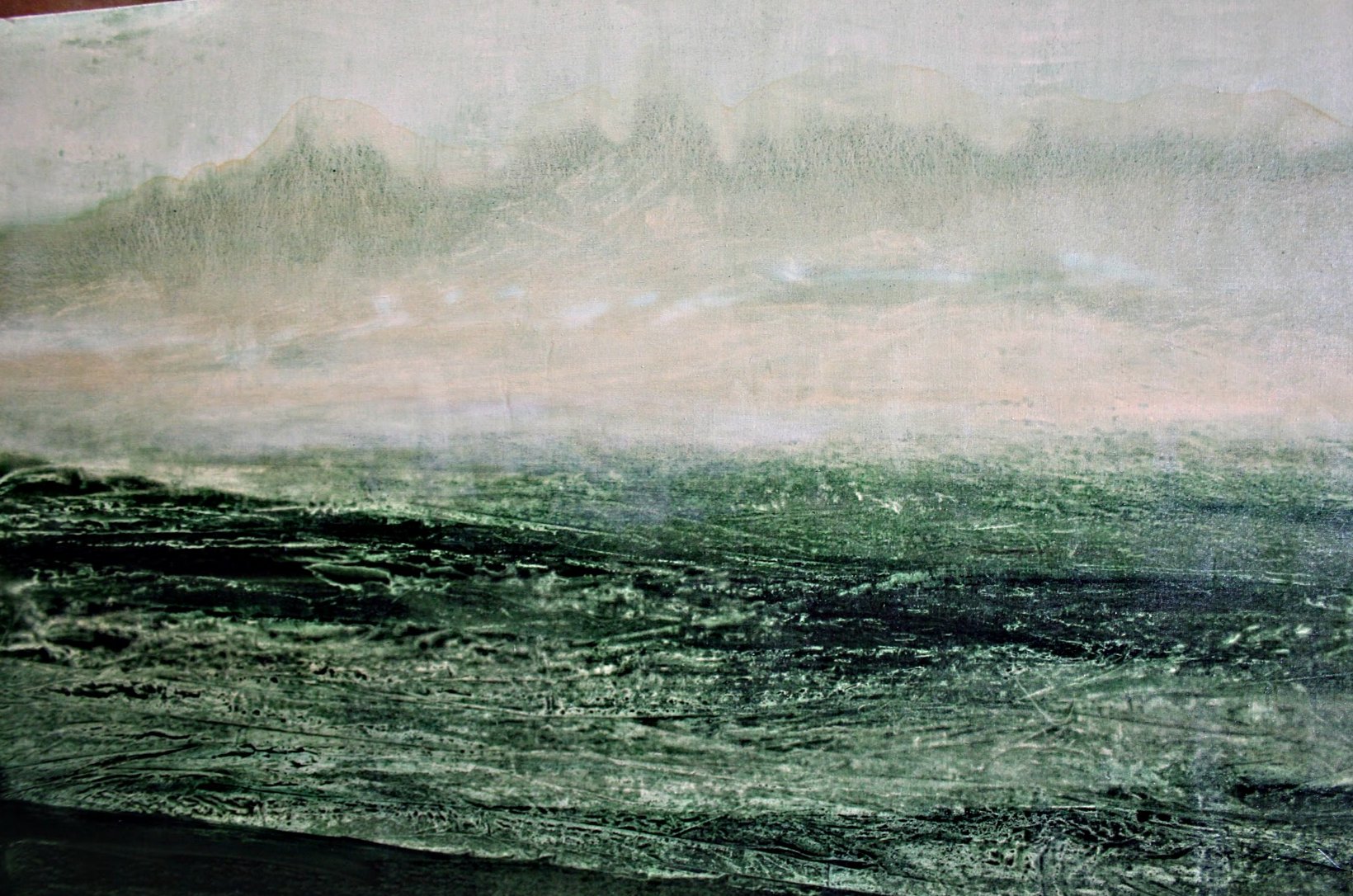
Chemicals and water are used to dilute paint and provide it with its own, organic, natural order. Murado pours the paint over the canvas, and the results are stunning. By treating the paint as its own matter, as something of the earth, the artist finds that it mimics life naturally.
Performance by Jon Tsoi
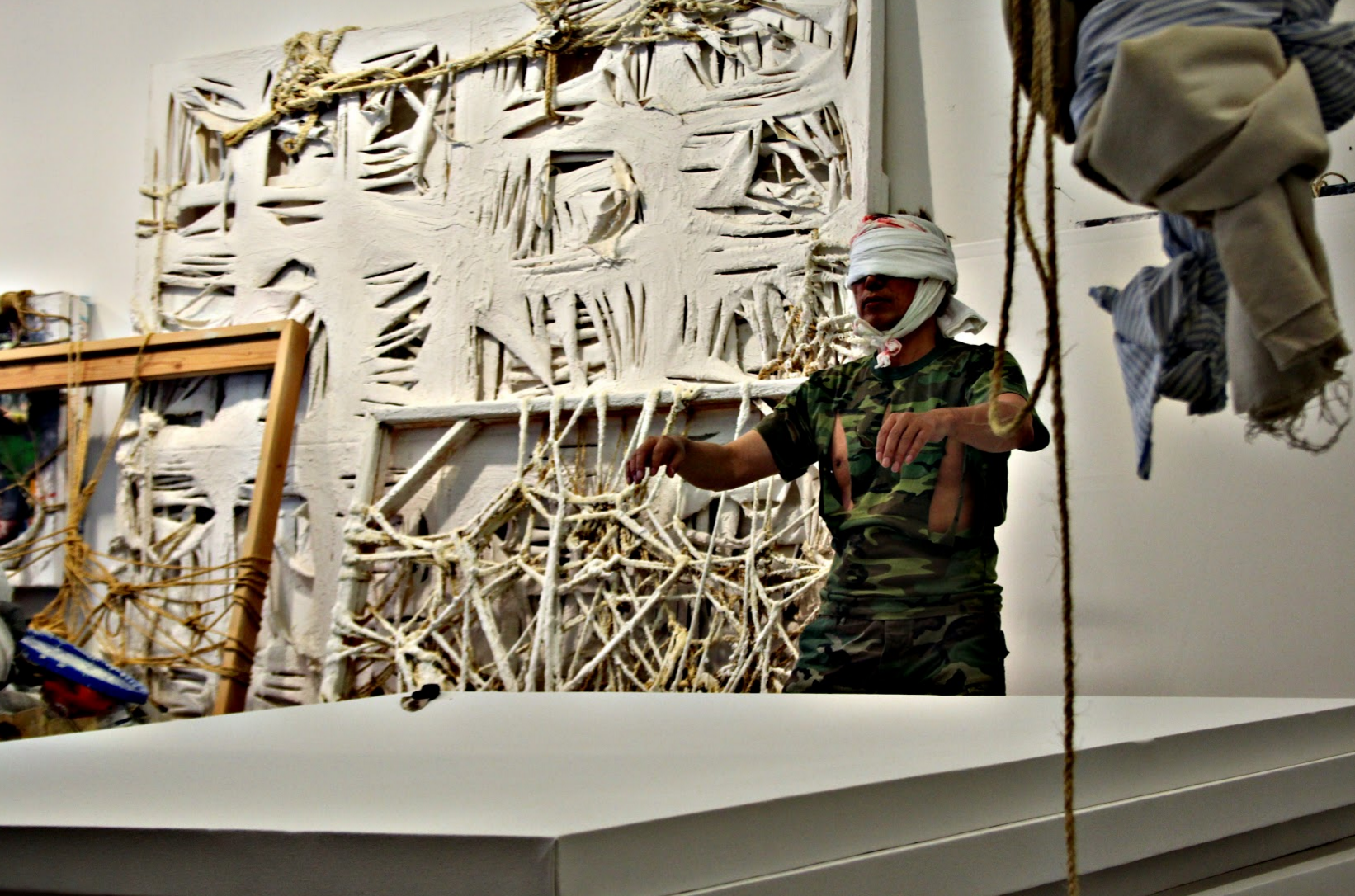
Jon Tsoi gets in his zone in front of a eager watchers for this performance piece. We sit in anticipation, waiting to see what this blindfolded man will do with blank canvasses and a knife. But before he does anything, Tsoi takes deep breaths, centering himself in the space. The crowd is forced to enter a calming state with him, before he meets the canvasses to a knife, destroying the object that's meant for creating. In the destruction, he creates something new.
Photographs by Dallas Athent.
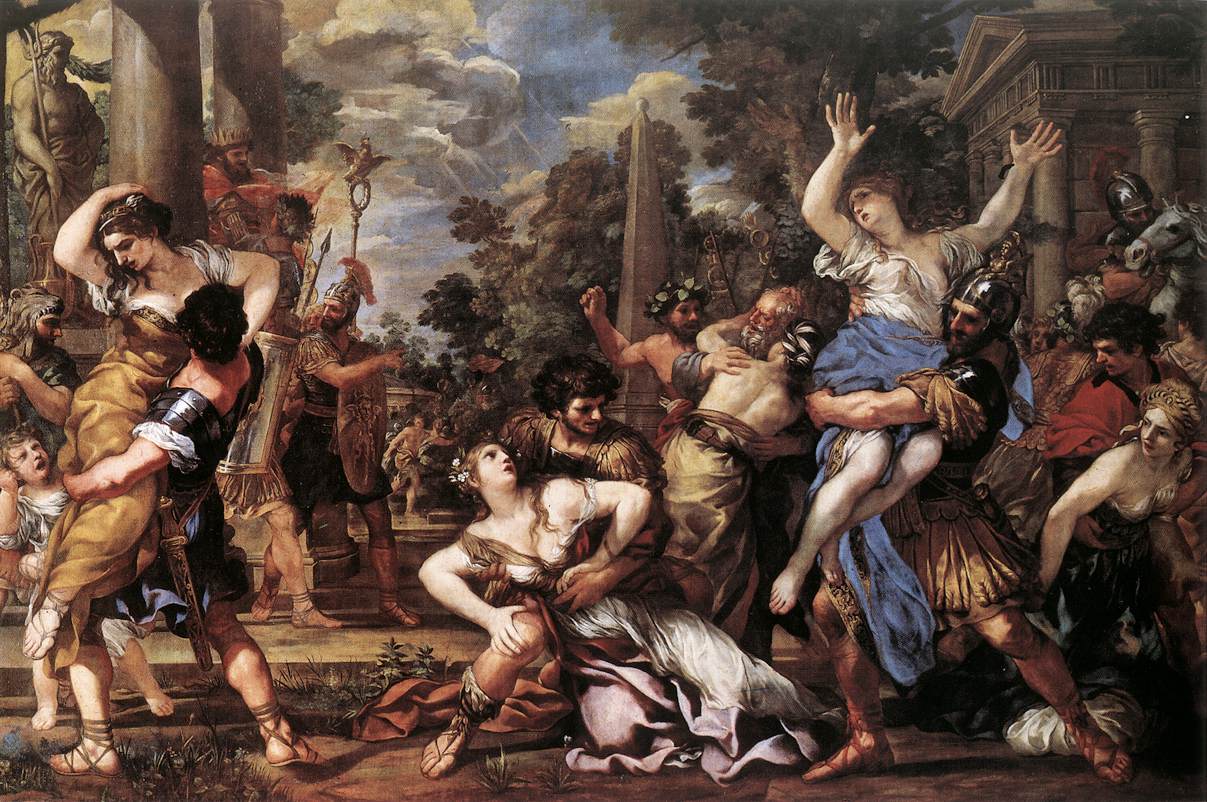
The Mystique & Taboo of the Nude Body in Art
There was a noticeable size difference from what I assume a proportionately sized penis would be on an eighteen-foot tall man. But for David’s purposes, bigger was better.
Read More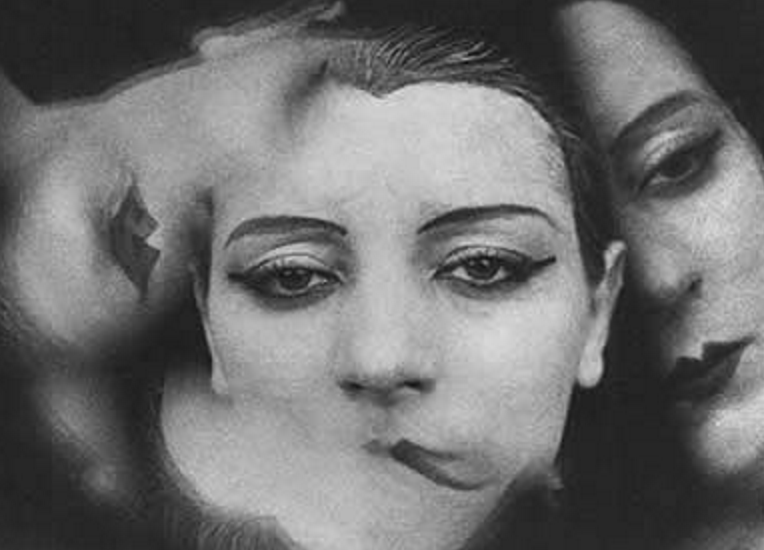
An Introvert’s Halloween with Kiki du Montparnasse et la Bête!
BY STEPHANIE SPIRO
If you’re like me, you probably cringe at the thought of dressing up only to freeze your butt off at a party or a parade, dodging monster masks and ducking spilled cocktails. Parties exhaust me, but Halloween is wonderful. And you can celebrate in your skivvies, in the warmth of your own home.
This post is for to the pathological introvert who secretly loves the quiet and still wants to dress up in kinky clothes, sip cocktails, and bask in the magic of All Hallow’s Eve.
First, a perfect last minute costume idea: 1920 French muse, Kiki du Montparnasse. She was a model for artist Man Ray and many others who made up the Dadaist movement in Paris. There’s a lingerie shop [http://kikidm.com] called Kiki du Montparnasse in New York, dedicated to selling chic and chichi undergarments inspired by the knickers Kiki made famous in the cafes of Paris. I have visited many of these legendary cafes, and Kiki’s spirit still lingers.
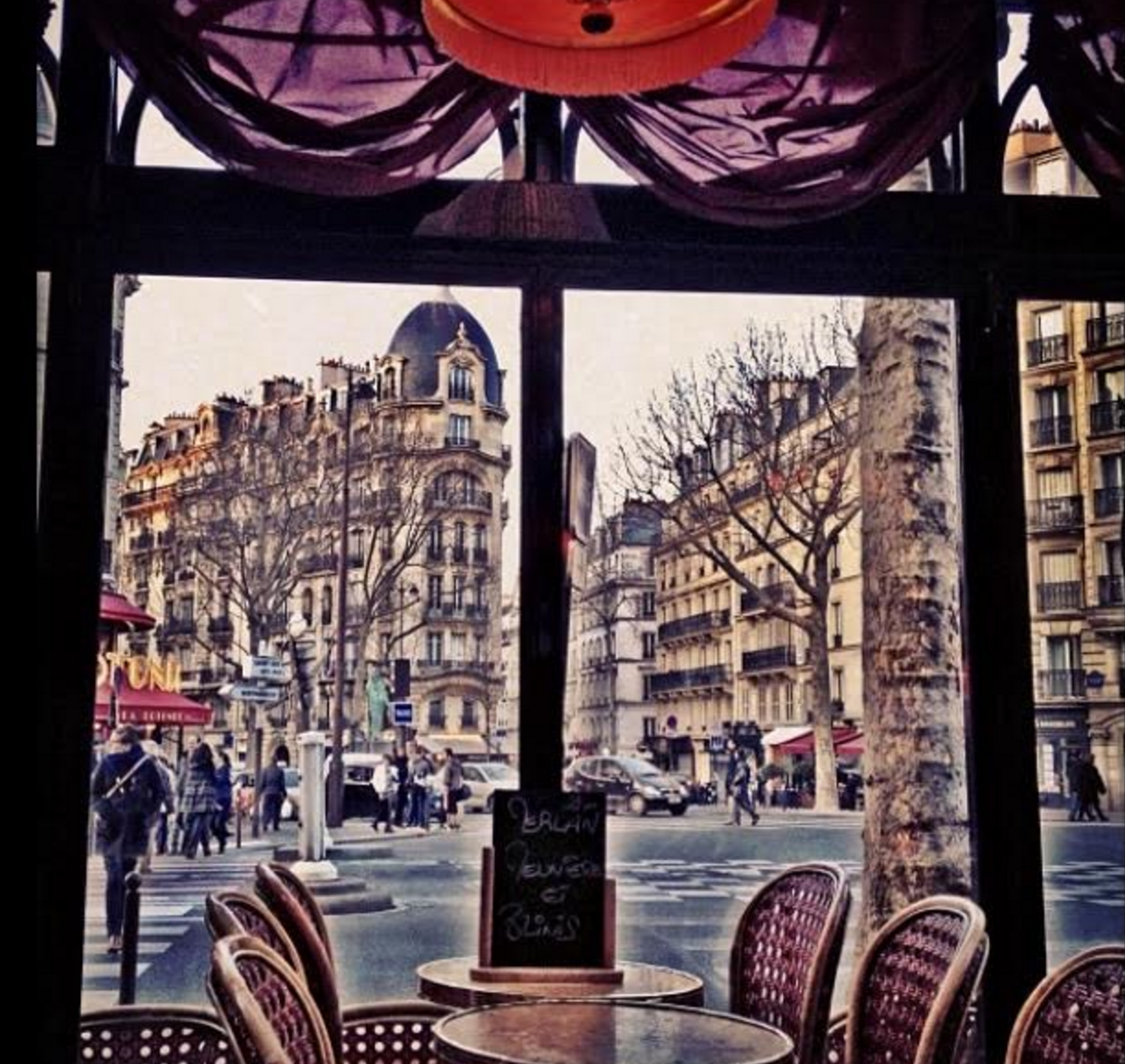
Think of this: Drinking champagne at La Coupole or guzzling coffee at Le Dôme Café… you can feel the ghostly spirit of a girl with bobbed hair, fan-kicking on tabletops, the light from the windows making lace patterns along the bodice of her dress.
If you don’t have time to visit Kiki’s in New York, your “costume” can be lingerie, anything you have. Step into some fishnet, snap on the garter, and recline in your favorite chair with your new favorite book. This year you won’t be cold because you’ll be sipping warm red wine (Kiki’s favorite “tonic”).
The book I recommend is Catel and Bocquet’s graphic novel Kiki du Montparnasse, a wonderfully risqué recounting of Kiki’s exciting and tragic life.
Kiki was born Alice Prin, and unlike the famous Alice, Kiki never found Wonderland. Instead she became wonderland. Kiki inspired many a collective hallucination as a vision in surreal photos and paintings. She was “the Muse of Montparnasse.” Dancing cabaret at the Jockey, she used her body to seduce and inspire so many. She had a lifelong partnership with Man Ray, but she mostly lived in squalor, jumping from one love affair to the next, an alcoholic and drug addict, constantly tearing off her clothes and singing for her supper.
One of the many men Kiki inspired was the poet and surrealist filmmaker, Jean Cocteau. Kiki recalled that: “Cocteau and I had the same passion for all that comes from the sea…" The fluidity and grace of Kiki’s ghostly existence made her seem like the dark side of Venus. She was an apparition of the goddess of love, rising from the sea mermaid-like on a half-shell, but never fully realizing her place as a mortal here on earth. Instead she shimmered in the shadows, dangling out of clothing, submerged in a surreal fantasy on canvas or in flickering light and shadow.
In the following, Kiki’s watery, translucent torso is immortalized in Man Ray’s short film, Le Retour a la Raison (1923), 2 Dadaist minutes of glitter and nails:
Le retour à la raison [Return to reason]. Short film editing, produced and directed by Man Ray in 1923. With model Kiki de Montparnasse.
Cocteau’s classic film, Beauty and the Beast (1946) perfectly complements the Kiki graphic novel.
www.criterionco.com / www.criteriondungeon.com - This is the trailer from the criterion release of Jean Cocteau's Beauty and the Beast. The trailer is Narrated by Cocteau himself.
La Belle et la Bête is romantic and gorgeous and twisted. You can stream it as a part of the Criterion Collection on Hulu or you can watch the full film with an intoxicating accompanying opera by Philip Glass for free on YouTube.
In Cocteau’s version of the classic fairy tale, the beast was born gory and smokin’ hot (literally). He gorged on deer in the forest and came home covered in blood like a real, rugged mountain man. He had the face of an animal and he lived in isolation in a perfectly gruesome mansion that also happened to be the ultimate bachelor-pad. This was truly a curse.
Beast’s walls were lined with human-arm candelabras and statues with human faces and spooky moving eyes. Beast was the pearl-whisperer. Jewels collected in his palm to form gaudy and delectable treasures. Mind-powered magic doors opened on a whim and a white horse with a dazzlingly bedazzled mane did the Beast’s bidding.
When Belle went to live with Beast inside his magic world, she was transported on an enchanted conveyer belt to a bedroom with a furry-live duvet that slithered to the floor. She had a magic mirror to see beyond the bachelor pad. She cried diamonds. The beast gave her a golden key to carry in her cleavage.
We all know the story, and this rendition is glorious. It’s easily accessible online and perfect for any magical lady in a lace robe who wants to immerse herself in an eerie Halloween romance from another era.
With Kiki et la Bête in your goodie bag this year, you’ll only need to put on your highest heels and your most scandalous lingerie. You won’t be walking in the cold, introverts, so toss the candy and buy an extra bottle of warm red wine. Intoxicate yourself this Halloween, in more ways than one.