

• Home
  • indulge
  • new poetry
    • About Luna Luna
    • resources
    • search
  • editor
  • dark hour
  • submit
Menu

luna luna magazine

  • Home
  • indulge
  • new poetry
  • About
    • About Luna Luna
    • resources
    • search
  • editor
  • dark hour
  • submit
shadow
A Writing Spell: Honoring Your Many Selves
Mar 1, 2021
A Writing Spell: Honoring Your Many Selves
Mar 1, 2021
Mar 1, 2021
An 11-Line Poetry Spell For Healing
Mar 1, 2021
An 11-Line Poetry Spell For Healing
Mar 1, 2021
Mar 1, 2021
How To Write Powerful Poetry Spells
Feb 28, 2021
How To Write Powerful Poetry Spells
Feb 28, 2021
Feb 28, 2021
Here Is Your Scorpio Homework This Season
Oct 25, 2020
Here Is Your Scorpio Homework This Season
Oct 25, 2020
Oct 25, 2020
3 Transformative Life Lessons Scorpio Teaches Us
Oct 25, 2020
3 Transformative Life Lessons Scorpio Teaches Us
Oct 25, 2020
Oct 25, 2020
Restorative Grief: Letters To The Dead
Oct 23, 2020
Restorative Grief: Letters To The Dead
Oct 23, 2020
Oct 23, 2020
A Santa Muerte Rebirth Ritual + A Tarot Writing Practice
Oct 6, 2020
A Santa Muerte Rebirth Ritual + A Tarot Writing Practice
Oct 6, 2020
Oct 6, 2020
Witches, Here Are The New Books You Need
Nov 14, 2019
Witches, Here Are The New Books You Need
Nov 14, 2019
Nov 14, 2019
3 Dream Magic Rituals And Practices
Nov 12, 2019
3 Dream Magic Rituals And Practices
Nov 12, 2019
Nov 12, 2019
How To Use Tarot Cards for Self-Care
Nov 11, 2019
How To Use Tarot Cards for Self-Care
Nov 11, 2019
Nov 11, 2019
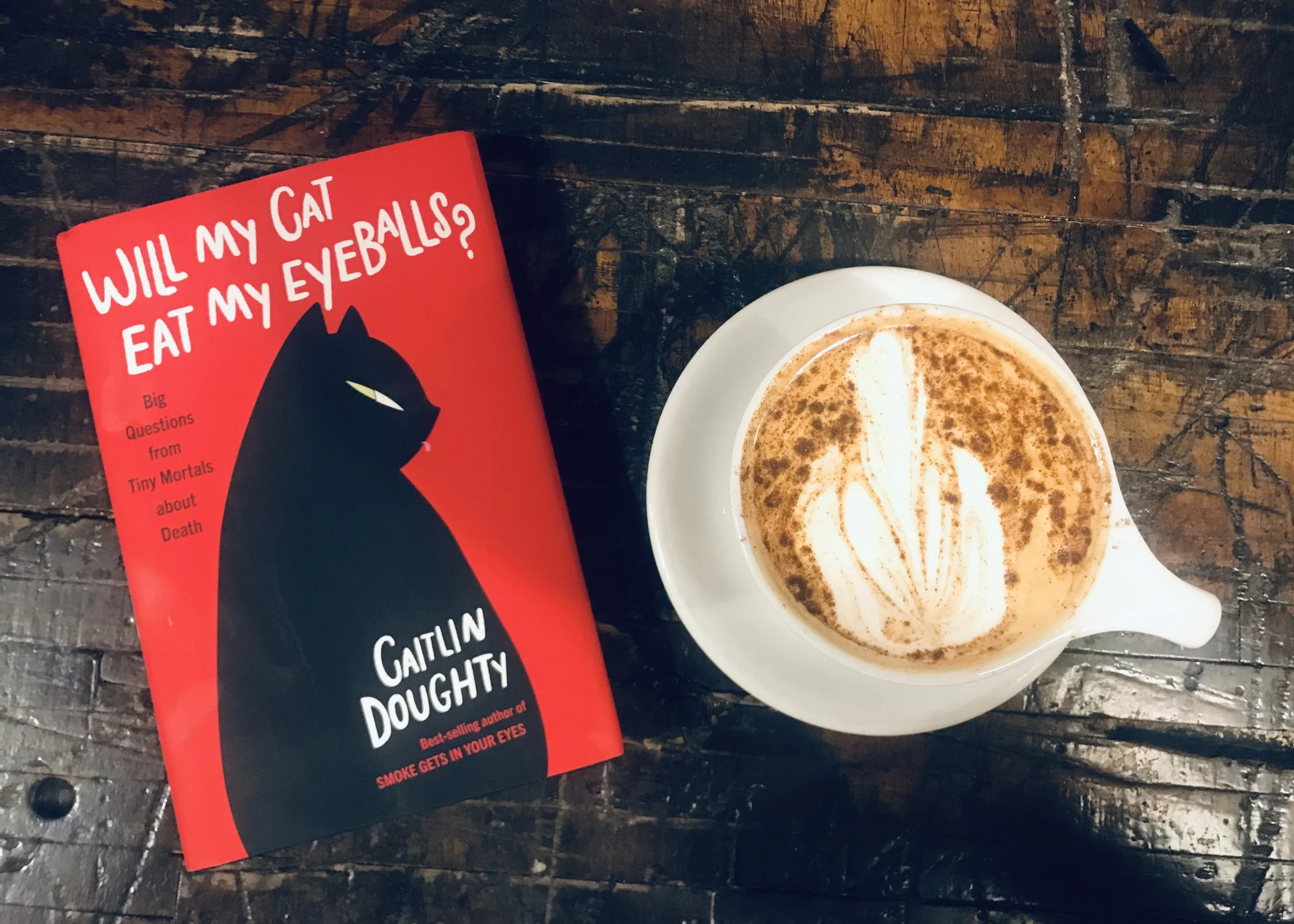
A Review of Caitlin Doughty's 'Will My Cat Eat My Eyeballs?'
Oct 25, 2019
A Review of Caitlin Doughty's 'Will My Cat Eat My Eyeballs?'
Oct 25, 2019
Oct 25, 2019
Nimue, The Deity, Came To Me In A Dream
Sep 17, 2019
Nimue, The Deity, Came To Me In A Dream
Sep 17, 2019
Sep 17, 2019
Astrological Shadow Work: Healing Writing Prompts
Sep 9, 2019
Astrological Shadow Work: Healing Writing Prompts
Sep 9, 2019
Sep 9, 2019
The Witches of Bushwick:  On Cult Party, Connection, and Magic
Jul 23, 2019
The Witches of Bushwick: On Cult Party, Connection, and Magic
Jul 23, 2019
Jul 23, 2019
7 Magical & Inclusive New Books Witches Must Read
May 15, 2019
7 Magical & Inclusive New Books Witches Must Read
May 15, 2019
May 15, 2019
Working Out As Magic & Ritual: A Witch's Comprehensive Guide
May 14, 2019
Working Out As Magic & Ritual: A Witch's Comprehensive Guide
May 14, 2019
May 14, 2019
Letters to the Dead: Shadow Writing for Grief & Release
Feb 8, 2019
Letters to the Dead: Shadow Writing for Grief & Release
Feb 8, 2019
Feb 8, 2019
How to Add Magic to Your Every Day Wellness Routine
Feb 5, 2019
How to Add Magic to Your Every Day Wellness Routine
Feb 5, 2019
Feb 5, 2019
Ritual: Writing Letters To Your Self — On Anais Nin, Journaling, and Healing
Jan 31, 2019
Ritual: Writing Letters To Your Self — On Anais Nin, Journaling, and Healing
Jan 31, 2019
Jan 31, 2019
How Rituals Can Help You Gain Confidence
Jan 17, 2019
How Rituals Can Help You Gain Confidence
Jan 17, 2019
Jan 17, 2019
Hearthcraft & the Magic of Everyday Objects: Reading Arin Murphy-Hiscock's 'House Witch'
Jan 14, 2019
Hearthcraft & the Magic of Everyday Objects: Reading Arin Murphy-Hiscock's 'House Witch'
Jan 14, 2019
Jan 14, 2019
True to The Earth: Cooper Wilhelm Interviews Kadmus
Nov 26, 2018
True to The Earth: Cooper Wilhelm Interviews Kadmus
Nov 26, 2018
Nov 26, 2018
Between The Veil: Letter from the Editor
Oct 31, 2018
Between The Veil: Letter from the Editor
Oct 31, 2018
Oct 31, 2018
Shadow Work with Light Magic for Dark Times
Oct 31, 2018
Shadow Work with Light Magic for Dark Times
Oct 31, 2018
Oct 31, 2018
2 Poems by Stephanie Valente
Oct 31, 2018
2 Poems by Stephanie Valente
Oct 31, 2018
Oct 31, 2018
A Poem in Photographs by Kailey Tedesco
Oct 31, 2018
A Poem in Photographs by Kailey Tedesco
Oct 31, 2018
Oct 31, 2018
Photography by Alice Teeple
Oct 31, 2018
Photography by Alice Teeple
Oct 31, 2018
Oct 31, 2018
A Simple Spell to Summon and Protect Your Personal Power
Oct 31, 2018
A Simple Spell to Summon and Protect Your Personal Power
Oct 31, 2018
Oct 31, 2018
November and Her Lovelier Sister
Oct 31, 2018
November and Her Lovelier Sister
Oct 31, 2018
Oct 31, 2018
A Spooky Story by Lydia A. Cyrus
Oct 31, 2018
A Spooky Story by Lydia A. Cyrus
Oct 31, 2018
Oct 31, 2018

Shades of Noir: The Fairy Tale Noir Aesthetics of Lana Del Rey & David Lynch

November 18, 2015

BY LEZA CANTORAL

Lana Del Rey is Noir. Her songs are dark and her attitude is Old Hollywood. The themes of glitter and glamor contrasting with harsh realities permeates her work as they do in the films of David Lynch. They are both artists who create very intense, dreamlike atmospheres with their art. Noir themes of heartbreak, betrayal, cruelty and decay course through her songs and his films like subterranean streams beneath the bright technicolor surfaces.

Mullholland Drive - 16 reasons why i love you. The song is Sixteen Reasons by Connie Stevens. MP3 available at amazon.com for .99, under Connie Stevens

David Lynch uses nostalgic and sugary sweet vintage pop music to jar the senses, in contrast to violent or emotionally unsettling scenes. Lana as well, uses her bubbly pop sound as a dramatic contrast to dark emotional content, thus creating the effect of thematic and sonic dissonance. Her driving baselines, such as in ‘Blue Jeans,’ pound steady beneath the surface harmonies. Her voice is soft, high and fluid, in perfect rhythm with the bass chords, creating a hypnotic sing song effect; like a rock n roll nursery rhyme. She mythologizes her lovers, her past, and her fantasies. She is a storyteller songwriter like Bob Dylan or Nick Cave.

“You went out every night/ And baby that’s all right/ I told you that no matter what you did I’d    be by your side/ ‘Cause imma ride or die/ Whether you fail or fly/ Well, shit, at least you tried/            But when you walked out that door/ A piece of me died/ Told you I wanted more, that’s not what       I had in mind/ Just want it like before/ We were dancing’ all night/ Then they took you away,          stole you out of my life/ You just need to remember/ I will love you till the end of time/ I would      wait a million years/ Promise to remember that you’re mine/ Baby can you see through the tears/       Love you more than those bitches before/ Say you’ll remember/ Oh, baby, who/ I will love you          till the end of time.”

New album Honeymoon out September 18th. Pre-order now: iTunes: http://lanadel.re/WrQNwc Amazon: http://lanadel.re/XiYh4J Official Store: http://lanadel.re/XWI6ZD More Lana Del Rey: http://www.lanadelrey.com http://www.facebook.com/lanadelrey http://www.twitter.com/lanadelrey http://lanadelrey.tumblr.com http://www.instagram.com/lanadelrey http://www.google.com/+lanadelrey

Pop music offers promises. It always has. What Lana does differently is that she contrasts her grand emotional gestures with less grand and often snarky, biting jabs, self-deprecation, layers of irony, and piles upon piles of pop culture references ranging from classic literature: Vladimir Nabokov (Lolita), Allen Ginsberg, Walt Whitman, to Iconic American figures that reside within the collective consciousness like Greek Gods: John F. Kennedy, Marilyn Monroe and Elvis Presley. In ‘Body Electric’ she sings:“Elvis is my daddy/ Marilyn’s my mother/ Jesus is my bestest friend./ We don’t need nobody, cause we got each other,/ Or at least I pretend./…. Whitman is my daddy,/ Monaco’s my mother,/ Diamonds are my bestest friends./ Heaven is my baby, suicides her father,/ Opulence is the end.”

Her music is not simply memoir, it is cultural discourse. She is a trope, she is a symbol. Just as Marilyn Manson chose his name to make a statement about American culture and the type of performer/ bogeyman he was intending to channel; she does so too when she references beatnik poetry, rock stars, poets, and tragic Hollywood legends. She is saying she is a composite image.

Lana Del Rey is the product of the post-third wave feminist movement. I became addicted to her sound as well as her entire persona and her thought provoking lyrics precisely because I found her so damn refreshing. I admire her for unabashedly showing all her shades. She is the full spectrum of a real woman’s personality: vulnerable and stoic, playful and morose, sardonic and sweet. She is real and she has range. She does not try to appear perfect and I love her for that.
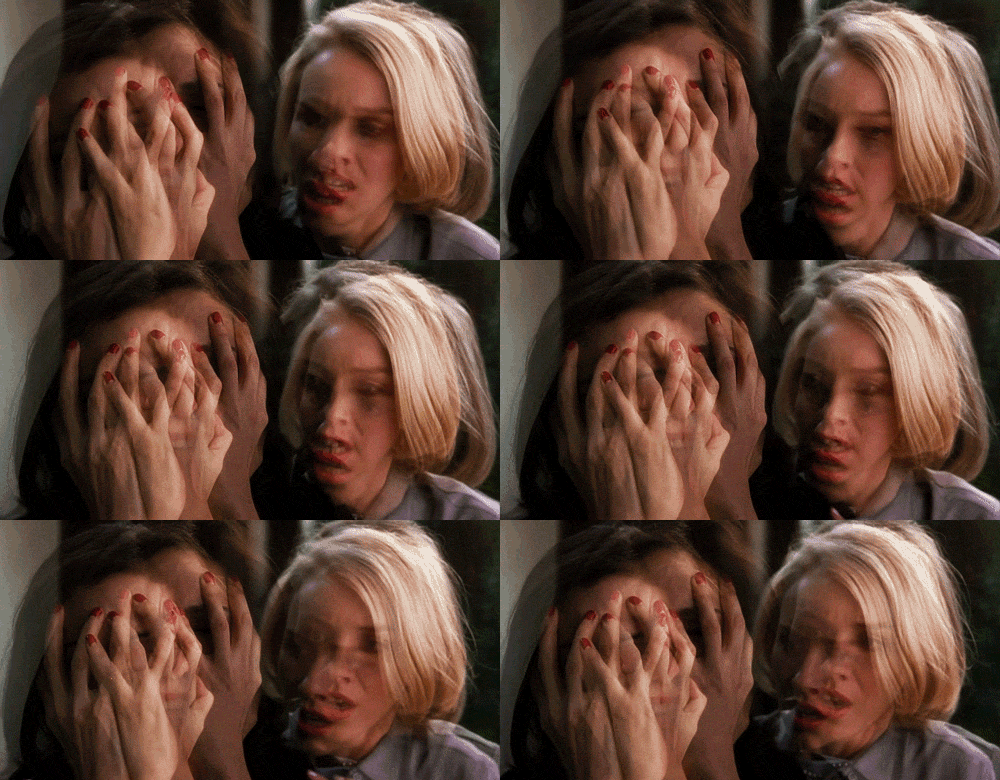
Something I’ve also always loved about David Lynch is his portrayal of women in his films. The many faces of woman appear throughout. There are scary crones, sexy tormented Femme Fatales and virginal good girls who have yet to be broken by life’s rough ride.

I watched Mulholland Drive after a few years of not having seen it. I was hypnotized all over again like it was yesterday. I see Mulholland Drive as David Lynch’s Alice Through the Looking Glass. Lost Highway was his Alice in Wonderland, in that it was his first foray into the atmosphere of Hollyweirdness, doubles, and dream logic. In Mullholand Drive the transitions are smoother, the language is stronger, the emotional texture is more layered and complex and the atmosphere is more dreamlike.

This is the place David Lynch and Lana Del Rey create their art; the crossroads where Wishful Fantasy meets Gritty Reality.
David Lynch’s films are a hybrid between two opposite genres: French and Spanish Surrealism and American Noir. There is grit and there are dark dealings but there is also a healthy dose of fantasy and dream logic to balance it out. This is the source of his magic. This is how he weaves his cinematic spell. Wild at Heart was Fantasy heavy with its obvious homages to The Wizard of OZ. Blue Velvet was Noir heavy with its many scenes of shadowy men lurking in shadowy alleys, doing shadowy things. Mulholland Drive achieves the perfect and seamless balance between those two styles.

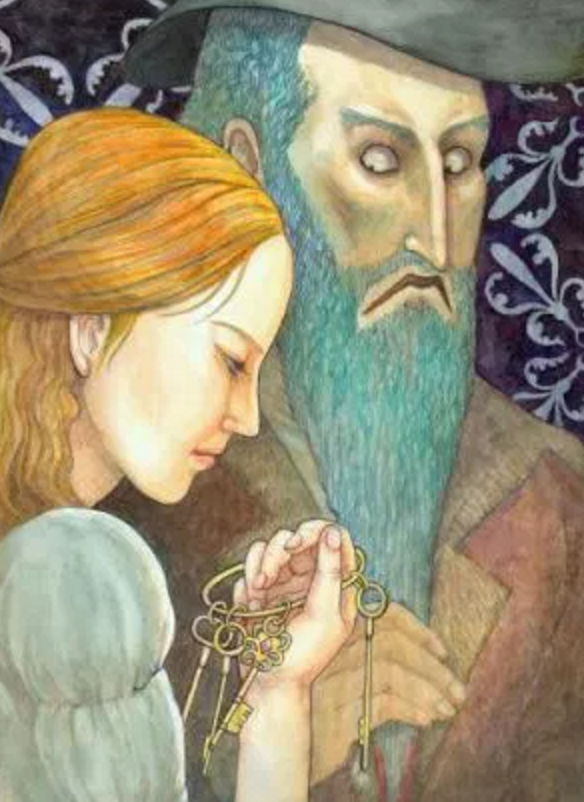
Coincidentally, Mulholland Drive reminds me of the French Fairy tale, Bluebeard, first committed to print by Charles Perrault in 1697.

Bluebeard is the tale of a very rich but mysterious recluse with a big blue beard. He wants a new wife and the women in the village jump at the chance, even though they are spooked by his weird beard. He picks a lucky girl and she has everything she could possibly want. She lives in a massive castle, she has all the clothes and whatnot that she desires and one day he goes off on a business trip. He leaves her the keys to the entire palace and tells her she can roam wherever she likes but that one room only, is totally off limits. He asks her to trust him and not go in that room for her own good.

Of course, soon as he leaves she cannot resist. In the forbidden room she finds a death chamber filled with implements of torture and murder, where the corpses of all his previous wives lie strewn about. This is The Blue Room of Pain and there is nothing sexy about it. She realizes in horror that she has married a monster, but it is too late. When he returns she tries to hide her transgression, but he can tell right away and he kills her for disobeying him.

The blue box in Mullholand Drive represents the same forbidden death chamber, held in the hands of the Crone. Death is the forbidden truth that is hidden. It is also the truth behind the lie that Betty is a nice girl trying to help Rita. Once Rita opens that box the fantasy is over. She has stumbled upon her lover’s torture chamber. The truth is that Diane Selwyn had Camilla Rhodes murdered for breaking her heart.

New album Honeymoon out September 18th. Pre-order now: iTunes: http://lanadel.re/WrQNwc Amazon: http://lanadel.re/XiYh4J Official Store: http://lanadel.re/XWI6ZD More Lana Del Rey: http://www.lanadelrey.com http://www.facebook.com/lanadelrey http://www.twitter.com/lanadelrey http://lanadelrey.tumblr.com http://www.instagram.com/lanadelrey http://www.google.com/+lanadelrey

It is a Noir story after all. Love is dangerous. Love destroys and love kills.

In ‘Ultraviolence’ Lana Del Rey juxtaposes her own poisonous nature with that of her abusive lover. She shows how they are both drawn and repelled by each other, like magnets switching their poles. This love/hate view of love is quintessentially Noir. “He used to call me DN/ That stood for deadly nightshade/ ‘Cause I was filled with poison/ But blessed with beauty and rage/ Jim told me that/ He hit me and it felt like a kiss.”

Lovers are bound by need. They become a closed circuit of emotional energy being exchanged back and forth. It is like a drug. Once it is in your system it is in your blood and the detox is brutal.

When Betty finds the blue box to match the blue key, the dream is over. The secret has been exposed and the dream evaporates as if it was never there.

Diane Selwyn saw herself as full of potential, with Hollywood laying out its red carpet for her, but the truth was that she came and she failed. She failed at love and she failed at Hollywood. She is a tragedy and a criminal. Hollywood has stolen her soul and left her an empty shell of a person.

Ребекка Дель Рио исполняет а капелла композицию Llorando (испанская версия песни Crying Роя Орбисона) в театре "Силенсио". Отрывок из кинофильма "Малхолланд Драйв" (2001) Дэвида Линча. В главных ролях: Лора Хэрринг (Рита/Камилла Роудс) и Наоми Уоттс (Бетти Элмс/Дайана Сэлвин). Rebekah Del Rio singing "Llorando" (spanish version of Roy Orbison's "Crying") a cappella in Silencio theatre.

Roy Orbison’s ‘Crying,’ sung in Spanish by the beautiful and haunting Rebekah Del Rio is the dramatic pinnacle of the story. The truth emerges. This is a story about heartbreak and lost love. An already haunting song is made more haunting by being sung in a Latin language that people associate with passion and ardor. Hearing it sung in Spanish adds an aura of mystery that intensifies the eerie atmosphere of the nearly empty theater:

“I was all right for a while, I could smile for a while,/ But I saw you last night, you held my          hand so tight /As you stopped to say “Hello”/ Aw you wished me well/ You couldn’t tell/ That        I’d been crying over you/ Then you said so long/ left me standing there all alone/  Alone and crying, crying, crying/ Its hard to understand/ But the touch of your hand/ Can start me crying/ I    thought that I was over you/ But its true so true/ I love you even more than I did before/ But    darling what can I do/ For you don’t love me and Ill always be/ Crying over you, crying over      you/ Yes now you’re gone and from this moment on/ I’ll be crying, crying, crying, crying/ Yeah             crying, crying over you.”
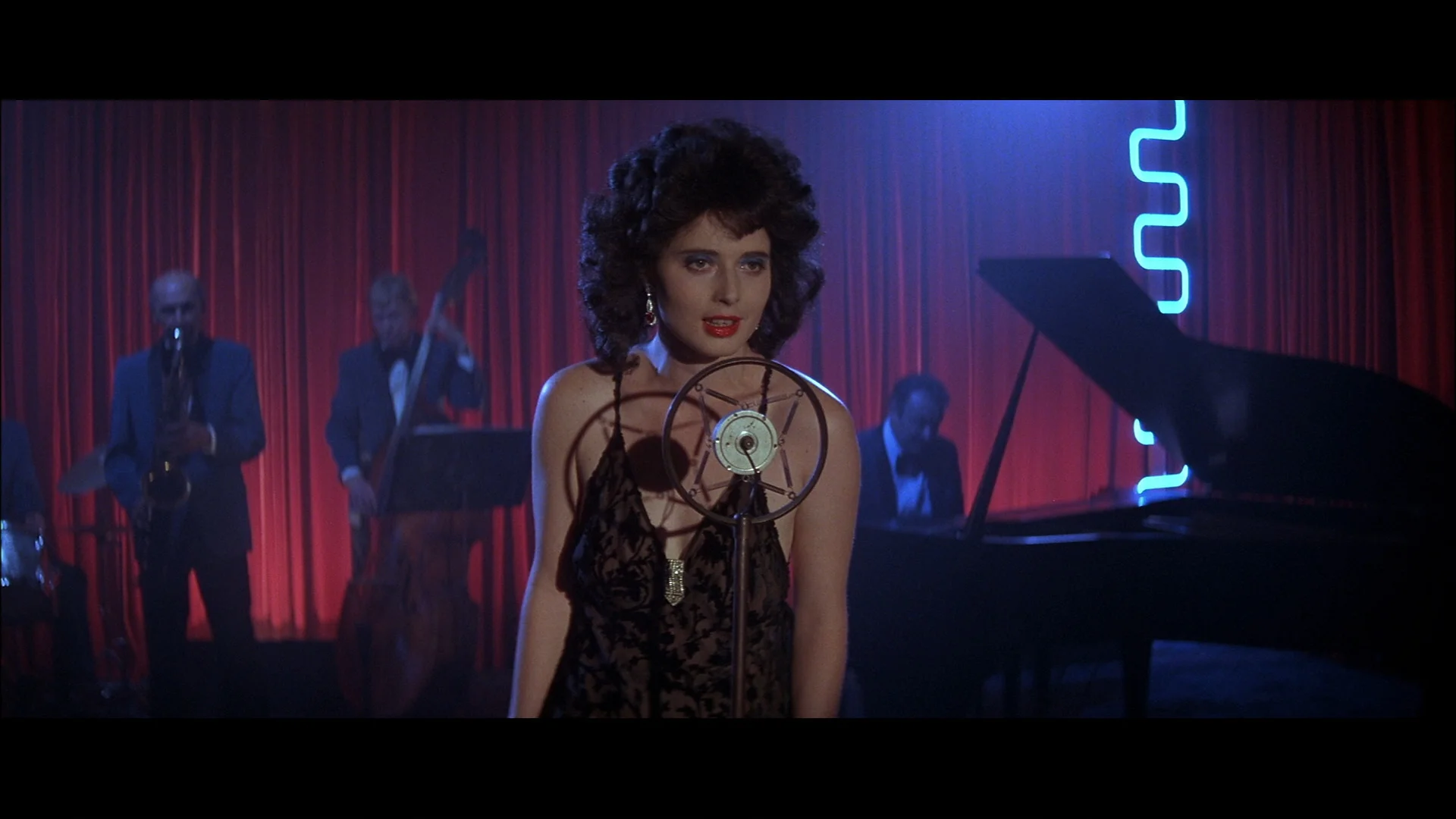
And, of course, this is not the first time Davis Lynch has used a Roy Orbison song in a movie. He used ‘In Dreams’ to dazzling atmospheric effect in Blue Velvet. His tone suits Lynch’s style. Roy reminds us of a more innocent time in music, when feelings, rhythm and melodies mattered, when having a beautiful voice with insane range counted for something.

Roy Orbison sticks the knife in with that song. Some things you just don’t get over. This song is about irreparable damage and loss. It is about a type of pain there is no cure for. This is the terror of love. It can bring you the most unimaginable joy but it can also be deadly.

In ‘Dark Paradise,’ Lana describes the persistence of memory beyond all reason and sense:

“All my friends tell me I should move on/ I’m lying in the ocean singing your song/ Loving you forever can’t be wrong/ Even though you’re not here, won’t move on/ And there is no remedy for memory your face is/ Like a melody, it won’t leave my head/ Your soul is haunting me and telling me that everything is fine/ But I wish I was dead.”

Without love, life is not worth living. Love is the darkness and love is the light. It is the double edged knife in the water. David Lynch, despite his Noir sensibilities, is also a Romantic. To be a Romantic is to believe in the good as well as the not so good aspects of love. This is the central thematic pull between Lana and Lynch: their focus upon the awesome and terrifying power of love. Love is where fantasy and reality meet. Love is the great mystery. The man behind the curtain that you can never see. Love has no morality, because the heart wants what it wants. Love is pure.

—

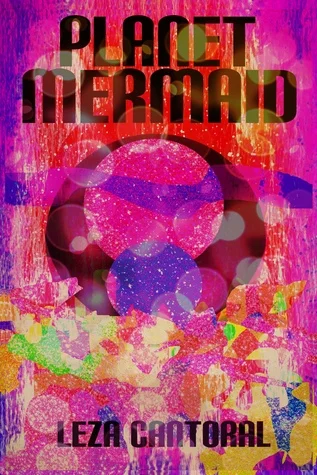
Leza Cantoral is the author of Planet Mermaid and editor of Walk Hand in Hand Into Extinction: Stories Inspired by True Detective. She writes a feminist column about noir film for Luna Luna Magazine called Shades of Noir and writes about pop culture for Clash Media. Her upcoming collection of short stories, Cartoons in the Suicide Forest, will be coming out later this year through Bizarro Pulp Press. You can find her short stories at lezacantoralblog.wordpress.com and tweet her at @lezacantoral.

Image of Bluebeard by Sae Jung Choi.
Tags Lana Del Rey, Mullholland Drive, David Lynch
Comment

Interview With Leza Cantoral About Her Novelette Planet Mermaid

October 31, 2015

BY NADIA GERASSIMENKO

Leza Cantoral is the author of Planet Mermaid and editor of Walk Hand in Hand Into Extinction: Stories Inspired by True Detective. She writes a feminist column about noir film for Luna Luna Magazine called Shades of Noir and writes about pop culture for Clash Media. Her upcoming collection of short stories, Cartoons in the Suicide Forest, will be coming out later this year through Bizarro Pulp Press. You can find her short stories at lezacantoralblog.wordpress.com and tweet her at @lezacantoral.


Leza, tell us a bit about yourself as a person and a writer.

I was born in Mexico and my family moved to the US when I was 12. I spent high school in the suburbs of Chicago and then I went to college in Vermont. Now I live with my boyfriend and his two cats in the mountains of New Hampshire. It is a pretty idyllic existence for a writer. He is a writer too, so we are always able to give each other feedback and we are each-others editors. He was my rock during this process. I hit a lot of walls with my story and he was there for me. He did not let me quit.

My favorite singer is Lana Del Rey. My favorite poet is Sylvia Plath. My favorite book is Alice in Wonderland.

I began writing poetry when I was about 13 to deal with depression and then I wrote poetry in high school to deal with being in love. It was not till college that I began to seriously consider writing stories. I often write about women who are being violated and exploited. I show what they are feeling and thinking and how they cope and deal with it. I believe that language is oral. Stories are meant to be read aloud. I try to make my stories sensory experiences, like music videos.

We know you write horror fiction. What’s horrific to you? What kind of horror do you want to embed in the mind of your readers? 

What scares me is losing control and being broken down and degraded. I have written a lot about women being raped and exploited. I try to convey what it feels like to be raped and abused, to be treated like a sex object, to lose your humanity. Those are the things that really scare me. I want people to know what that feels like to be stripped of your selfhood.

You also write Bizarro fiction. What makes Bizarro literature Bizarro as opposed to just being weird? What criteria must the author meet in order to birth a legitimate Bizarro baby?

The key to Bizarro fiction is high concept. You take an idea that seems completely out there and unbelievable and then you have to make it work. Bizarro is a mudpie genre. It borrows liberally from Surrealism, Dada, Metafiction, Horror, Satire, Expressionism, Cartoons, Videogames, Cult cinema, you name it. When you write a Bizarro book you are basically designing your own religion. Your world follows its own rules of causality but it still follows the rules of character development and plot arcs.

Planet Mermaid is a spinoff on The Little Mermaid with an even more horrific albeit plausible storyline and a futuristic twist. What made you decide to write about this one particular fairy tale over another?

I am very inspired by fairy tales. I will continue to draw from them as well as fantasy, horror, and science fiction. I love fairy tales because they are simple and true. Many fairy tales are about rites of passage from girlhood to womanhood. I picked The Little Mermaid because I found the image of a mermaid with a human to be very compelling. I wondered if they would fall in love and what sex would be like between them. I am fascinated by the ocean. It is a strange world that seems as alien to me as outer space. I love the Hans Christian Andersen story. It is very lyrical and haunting. Also, I was disturbed by the misogynistic vibe of the Disney version. I wanted to address some of those things in my own way. I work with materials that both fascinate and repulse me. I mix something pretty with something ugly and my brain tries to make sense of it.

A good writer is able to create believable characters and bring liveliness in them. In Planet Mermaid, not only is the main protagonist Lilia alive and compelling, but it feels like you were able to breathe her in and truly become her. Was it difficult to do so?  

She is me but she is not. She is her own person but I drew from my own feelings and experiences. Honestly, I think the story is actually a metaphor about what it was like for me to move from Mexico to the Midwest when I was 12 years old. It was a desolate landscape, just like the surface of Planet Mermaid. There were pros and cons. I lost my friends but I gained new opportunities. I always felt like an alien. My first story in high school was about an alien who falls to earth and gets exploited by Hollywood. Basically if Marilyn Monroe was actually an alien. These themes of alienation and exploitation run through all my work. The hardest part to write was the rape scene. I was stuck for weeks on it. I just could not write it. It was too traumatic for me.

Planet Mermaid reads like prose, but it has more of a poetic feel to it—very lyrical and melodic. It’s also very visually-striking—stark at times, vibrant in other instances. Did any artists in particular influence the way it was written?      

I admire the style and language of writers like Vladimir Nabokov, Oscar Wilde, and Marcel Proust. I also love the visceral intensity of horror authors like Poppy Z. Brite and Clive Barker. Tanith Lee and Angela Carter were my main muses, as far as how to do a modernized fairy tale. Anne Sexton and Sylvia Plath are my main poetic muses. I love their powerful imagery and how their poetry is beautiful but also raw and emotionally supercharged. Sylvia Plath is my main literary influence. When I read Ariel I wanted to write stories the way she writes poetry. I wanted to recreate that surrealistic horror in prose.

We at Luna Luna also love Lana Del Rey—she’s our goddess and our muse. How did you discover her? Was it love at first ‘hearing’?

My boyfriend, Christoph Paul, is who turned me on to her. A year and a half ago I moved to New York City to follow my heart and be with him. That summer all I listened to was Lana Del Rey. I think he is finally sick of her now because she is all I play. I adore her. I was hooked instantly. She inspires my writing, my fashion, probably even my behavior. When I get into something I go full Method with it. When I was younger Madonna was my muse. I taught myself to sew so I could make costumes and dress up like her. I really thought I was her. In high school Courtney Love was my fashion and literary muse. ‘Live through This’ had a massive influence on my poetry. It has been a while since a muse swept me up like this. Lana has the stuff. She is true raw talent and that is why she is so special. Smoke and mirrors can only get you so far.

What motto do you live by?

Be yourself, believe in yourself, and be true to yourself.

Any advice to aspiring authors out there?

Write every single day even if you do not feel inspired. Be humble and work hard. Read a lot and read a lot of different kinds of things. Reach outside of your comfort zone. Make yourself visible on more than one social media platform. Facebook is ok but Twitter has a much wider reach. These days, writing is not just locking yourself up in a garret and sending your ink and tear stained manuscript to one loyal patron. This is a multimedia age. You are in control of your own image, so craft it. Interact with your readers. Humility, hard work, and focus will get you a long way. Talent is useless without focus and dedication.


Nadia Gerassimenko is a Media Relations Manager for Yeti Culture, Freelancer in editorial services, and Assistant Editor at Luna Luna Magazine by day, a moonchild and poet by night. Nadia self-published her first poetry collection Moonchild Dreams (2015) and hopes to republish it traditionally. She's currently working on her second chapbook a chair, a monologue. Visit her at tepidautumn.net or tweet her at @tepidautumn.

Tags Leza Cantoral, Planet Mermaid, Lana Del Rey, Sylvia Plath, Bizarro, The Little Mermaid, Fairytales
6 Comments
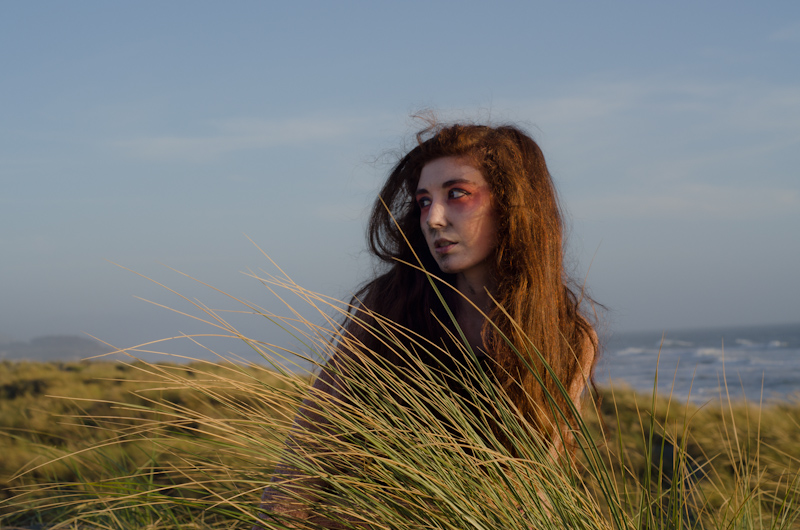
Image still from this.

Image still from this.

Alexandra Naughton on Lana Del Rey: Poetic Muse

October 29, 2015

BY LEZA CANTORAL

Alexandra Naughton defies categorization. She is a force onto herself. She dances in and out of the lines of people’s expectations and is always one step ahead of the crowd. I am pleased to share this little glimpse into the artistic process and soul of Alexandra Naughton as she talks about her muse, Lana Del Rey. You can follow Alexandra on Twitter @theTsaritsa. You can purchase her Lana influenced book My Posey Taste Like here.


Describe the style and concept behind ‘My Posey Taste Like.'

‘My posey taste like’ is a concept album inspired by ‘Born To Die’ by Lana Del Rey. I mean, it’s a book, it’s not something you can play on your record player, but I think of it as being an album anyway. Like it feels like one. I get words and phrases stuck in my head which repeat in patterns and feel like lyrics and a lot of that was happening when I decided to write this book in a day, which I did because I wrote a blog post on Enclave about something and started playing with the ‘my posey taste like’ lines to start the blog post and then I decided I liked it so I kept going and turned it into a poem which I submitted to Lisa Marie Basile and then I was like, I can make a whole chapbook out of this and I was going through something emotionally at the time and kept playing with the idea of making a sad love album that feels like a lost prairie house dropped on a sunny palmlit street and now I’m even thinking about expanding the chap into ‘my posey taste like: the paradise lost edition’ because I’m still in love with the idea and I have more to say.

Before you wrote this collection you wrote one inspired by Billy Corgan. Is there any connection between them in your mind?

There is a connection because I really like to think of my poetry collections as being albums because I wish I had a good voice and the ability to write music. I am a terrible singer and I don’t really write lyrics maybe more like lyric fragments or unfinished thoughts which are more mood and undertone than the things explicitly stated in song lyrics. I was listening to a lot of Smashing Pumpkins when I wrote ‘i will always be your whore: love songs for billy corgan’ and so a part of his soul, or my interpretation of his soul because I felt like I was absorbing something by immersing myself so much in his work, is embedded in my work in that collection. It’s the same with the Lana collection, ‘my posey taste like.’ I was listening to ‘Born to Die’ nonstop for several months and I just felt very wrapped up in my interpretation of Lana’s soul/persona on that album. Music is like therapy for me and I have a tendency to overplay one artist/album for a long duration because it is soothing and familiar.

What are your artistic influences?

Pop culture, probably. Stuff like commercial jingles, tv shows, cartoons, things I hear on the bus in passing, Brian de Palma films, but also more ‘high art’ shit like short story collections with unreliable narrators and novels written by women.

When did you know you were a writer?

I think I only started taking myself seriously as a writer in college. I mean, I’ve always written. I’ve always been making up songs and putting on performances for my family, ever since I was a baby. But in college I decided I wanted a writing certificate, because some kids in my creative writing poetry class who wrote crappy poetry were going for one. I didn’t even know it was an option. I heard them talking about it and I was like, I can do that. After that poetry class, I took a nonficiton writing class with Lee Klein and started considering publishing my work. It was there in that class that I was like: I’m doing this. I’m totally doing this.

What was the first Lana Del Rey song you ever heard?

There was a Lana Del Rey anthology called ‘Dope Angel Pussy’ and I wrote a poem based off her song ‘Off to the Races.’ I did not listen to the song. I just looked at the lyrics. It was not until later that I actually listened to the song and I was like, shit, this is really good!

What is your favorite Lana Del Rey album and why?

‘Ultraviolence’, because it feels like you are listening to a record from the 60s. It has that warm presence, that ‘wall of sound’ sound consistently throughout. In comparison to ‘Born to Die’, it’s a lot more mature and sure of itself. Her vocals are really strong and beautiful and stand out while being surrounded and wrapped around by the music.

What is your favorite song of Honeymoon and why?

It’s hard to pick just one, but I think ‘The Blackest Day’ is my favorite because it feels like ‘Black Beauty’ graduated from college and discovered more adult problems and it resonates a lot. ‘Swan Song’ is another one I keep playing. I listen to it and it makes me feel like a wandering Judy dressed up like Madeline and wanting to run away but knowing that it’s impossible.

Lana is a lyrical storyteller. You have said that you do not like listening to her songs as singles because the album tells the full story. What do you think is the story she is telling in Born to Die, Ultraviolence and then Honeymoon? Do you see a larger narrative between the three albums as if they were a book series?

Lolita on summer break and reminiscing about her days of being a 14 year old alcoholic, then Lolita going to NYU and living in Brooklyn and building a vinyl collection, and then Lolita as a 30 year old still feeling like a girl and trying to cope with immense pressure from the people around her.

What is it that you relate to about Lana’s music? 

The torment of desire. Wanting attachment, fearing disappointment, feeling disappointment but still putting on her makeup. Acting unaffected but hurting, showing it. Lana is disarming. I love her raw honesty, her unabashed fragility.

What do you admire about Lana?

She loves singing jazz and she’s got the blues and she rearranges timeless narratives and constructs them to suit her in the best way. I honestly just love her music, this sounds corny, but it speaks to me.

Who is Lana Del Rey?

Lana Del Rey isn’t a real person. In a way she’s like Andy Kaufman, in that she is always performing. Like that first SNL appearance-- pure performance art, and hella people were shaking their heads like, what did I just watch. Everything is intentional, and that confuses people. She’s on brand all the time. Her fashion is a reflection of culture. That’s how cute girls these days dress. They don’t just wear clothes, they wear costumes.

What is it that inspires you the most about Lana as an artist?

Her ability to brand and make herself an icon. What she’s doing is not new, the old Hollywood revival thing, I feel like tons of singers have tried to recreate that feel that you get when you watch but it feels really fresh and really different. 

Why do you think Lana Del Rey appeals to so many young women these days?

She’s cool and doesn’t seem phony. She doesn’t care if everyone likes her. She’s not a Taylor Swift or a Katy Perry. She’s not pretending to be the ‘good girl next door’ because she knows that label is meaningless and detrimental. She’s been around the block. She’s not afraid to put herself on blast. I truly believe every song of hers is about her persona’s personal struggle to varying degrees. It’s fictional, but I don’t think she’s ever talking about anyone else (someone was trying to say ‘Art Deco’ is about Azaelia Banks and I was like, no dawg this is reflection of self/reflection of persona).

What do you think makes Lana Del Rey such a compelling muse?

She’s classic and timeless but also cutting edge. She represents something that was once the ideal, but it’s distorted and wrung out and left for us to absorb what we can. 

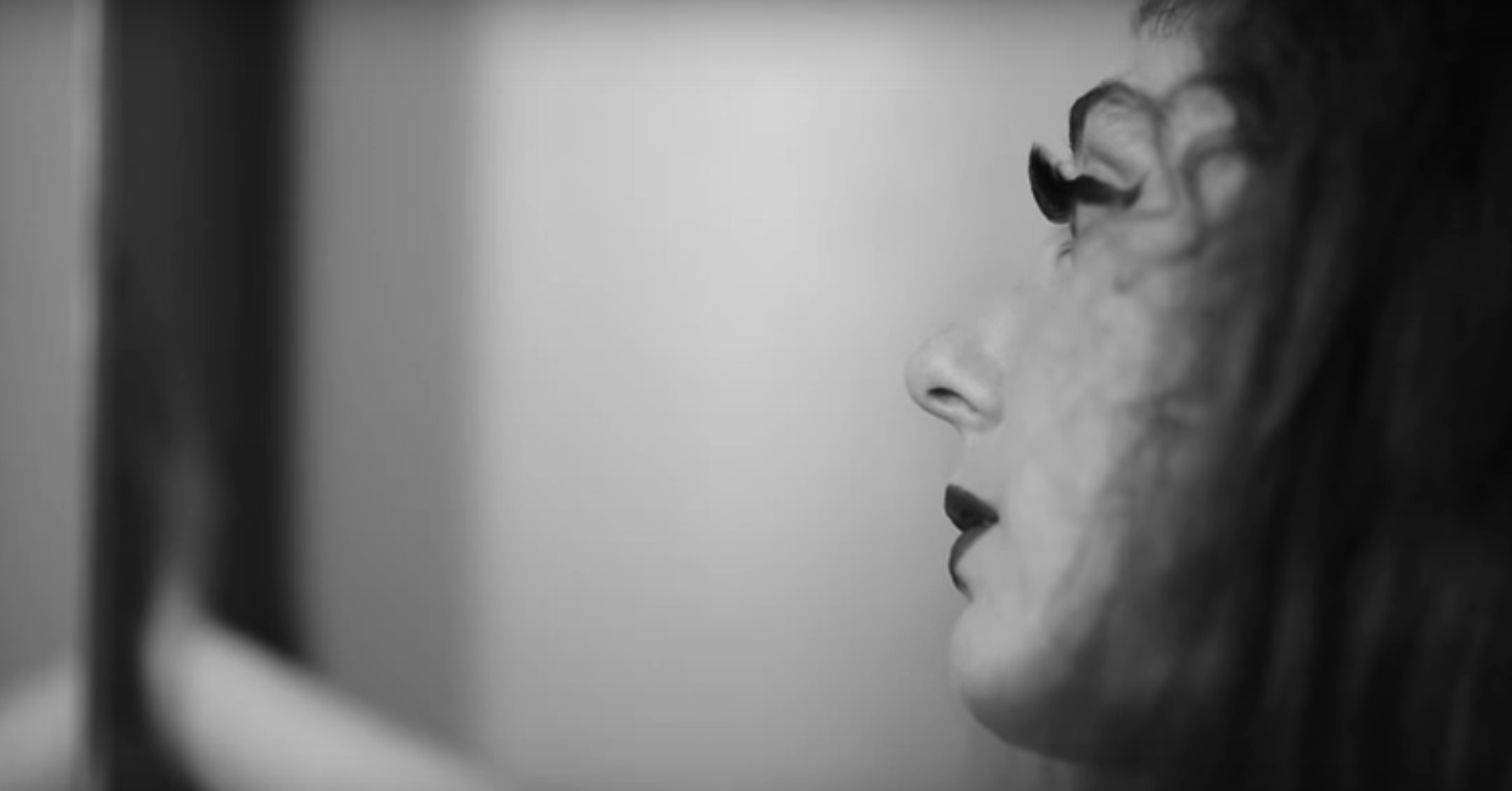
written, directed, and edited by ALEXANDRA NAUGHTON filmed by JOE CARROW makeup design by LAUREN TRAETTO read YOU COULD NEVER OBJECTIFY ME MORE THAN I'VE ALREADY OBJECTIFIED MYSELF by alexandra naughton, forthcoming from punk hostage press


Leza Cantoral is the author of Planet Mermaid and editor of Walk Hand in Hand Into Extinction: Stories Inspired by True Detective. She writes a feminist column about noir film for Luna Luna Magazine called Shades of Noir and writes about pop culture for Clash Media. Her upcoming collection of short stories, Cartoons in the Suicide Forest, will be coming out later this year through Bizarro Pulp Press. You can find her short stories at lezacantoralblog.wordpress.com and tweet her at @lezacantoral.

Tags Lana Del Rey, Poetry
Comment
Featured
‘in the glitter-open black' — poetry by Fox Henry Frazier
'poet as tarantula,  poem as waste' — poetry by  Ewen Glass
'poet as tarantula, poem as waste' — poetry by Ewen Glass
'Hours rot away in regalia' — poetry by Stephanie Chang
'down down down the hall of mirrors' — poetry by Ronnie K. Stephens
'Grew appendages, clawed towards light' — poetry by Lucie Brooks
'do not be afraid' — poetry by Maia Decker
'The darkened bedroom' — poetry by Jessica Purdy
'I am the body that I am under' — poetry by Jennifer MacBain-Stephens
instagram

COPYRIGHT LUNA LUNA MAGAZINE 2025