



In my opinion, sex and adulthood are correlated, but are not related. Being a virgin, individuals assume you are innocent--uncorrupted. Still, just because your body is ready to have sex, it does not mean you are prepared in other aspects.
Read MoreMy Weekend as an Addict
I always feared I would die with a face of porcelain with no evidence of a life lived. No wrinkles by my mouth from too many smiles, no lines framing my eyes from too many days spent squinting in the warm sun. A few months back, I met a man and I saw in his face the lines of a journey. I saw a life. The first night we met, we walked around lower Manhattan for far too long so said the blisters on my feet.
Read MoreExploring the Season of the Witch: Are We All Witches Now?
Witches are not consumeristic; to be a witch is not to be diseased, or infected. So what makes them so relatable? Why the craze?
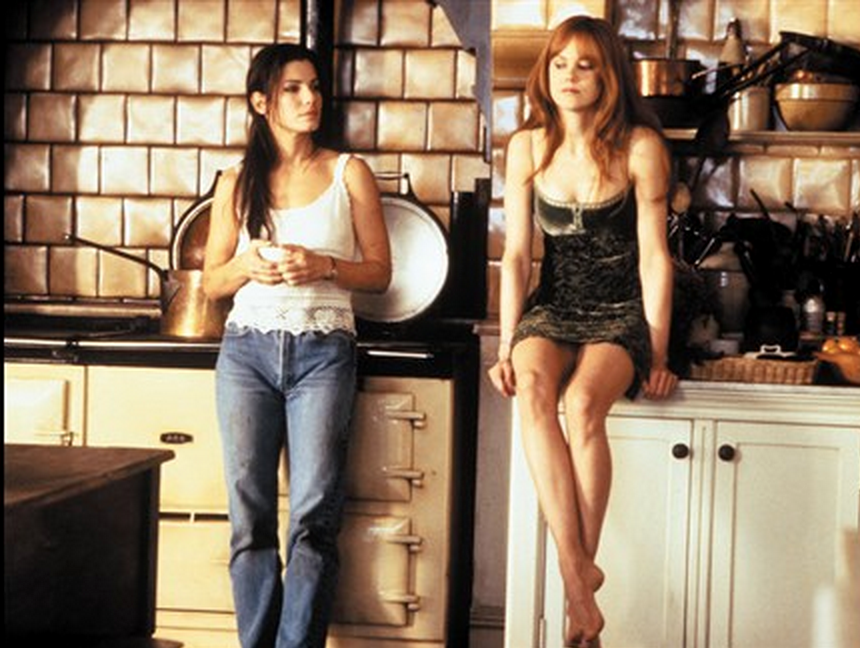
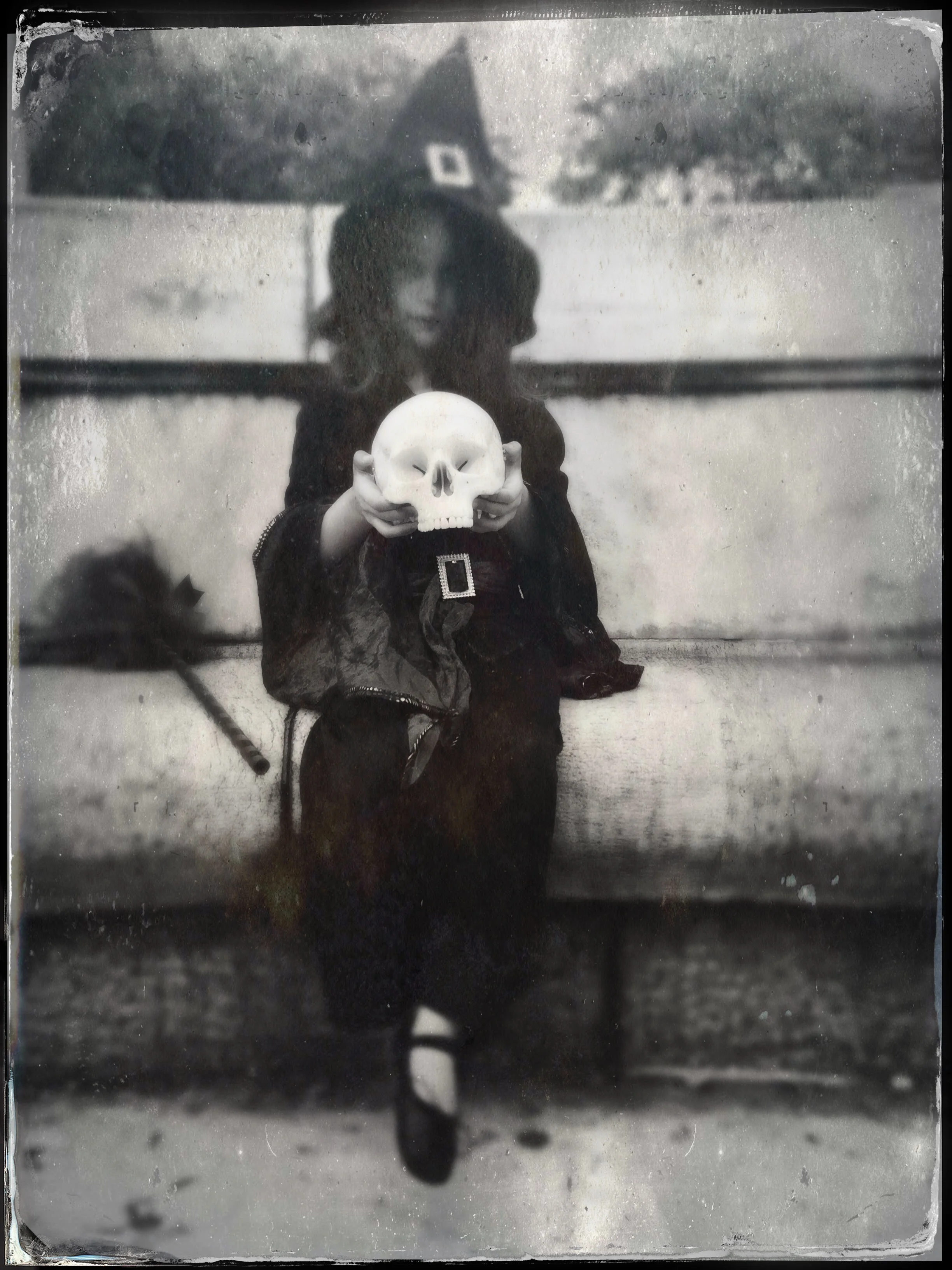
Practical Magic. <3
BY KAILEY TEDESCO
For most of my life, I’ve found myself defining generations by the supernatural creatures that surround them. High school was hands-down the era of vampires, and college was the zeitgeist of zombies. It always begins with a cultish art form: the publication of Stephenie Meyer’s Twilight, or Robert Kirkman’s The Walking Dead comic books, respectively. The interest in such works slowly breeds fan-fictions and blog posts among niche audiences. Soon Hot Topic brand “I Run with Vampires” t-shirts become available (which I, uh, totally do not own) and mainstream films cash in on the craze. Before you know it, your fave monsters are mainstream. And now, in the latter half of the 2010’s, it seems to be the season of the witch.
The entities we follow and often fetishize always carry moral and political philosophies. Vampires and zombies are consumers; the former is simply sexualized while the latter is not. At some basal level, we as viewers, can relate to brainless walkers and lusty vamps and understand that their general fate is in some way realistic. Who hasn’t walked aimlessly around Target for two hours, sipping a latte and staring blankly at their phone screen? Now, as witches infiltrate underground and mainstream media new questions arise. Witches are not consumeristic; to be a witch is not to be diseased, or infected. So what makes them so relatable? Why the craze?
We, in reality, can very plausibly choose to be a witch at any time. This choice is equally represented and enforced within the media. Television shows like the once again popularized Buffy the Vampire Slayer show women coming upon witchcraft the way one might come of age. It’s a natural progression where a woman first finds a spellbook, and then delves deeper into magicks until a new understanding or self-awareness is achieved. My Instagram account is flooded with woman much like Willow Rosenberg, the main witch of BTVS, who are strong-willed and fantastic. Divination is now a mainstream party game and crystal healing can be as quotidian as popping a Tylenol. The ultimate gain of these practices stems, I believe, from a sense of community. Whether the practitioner is Wiccan, a long-time witchcraft enthusiast, or simply someone who had their tarot read once on the pier, there is a new sense of camaraderie and cultish understanding among these witchy women.
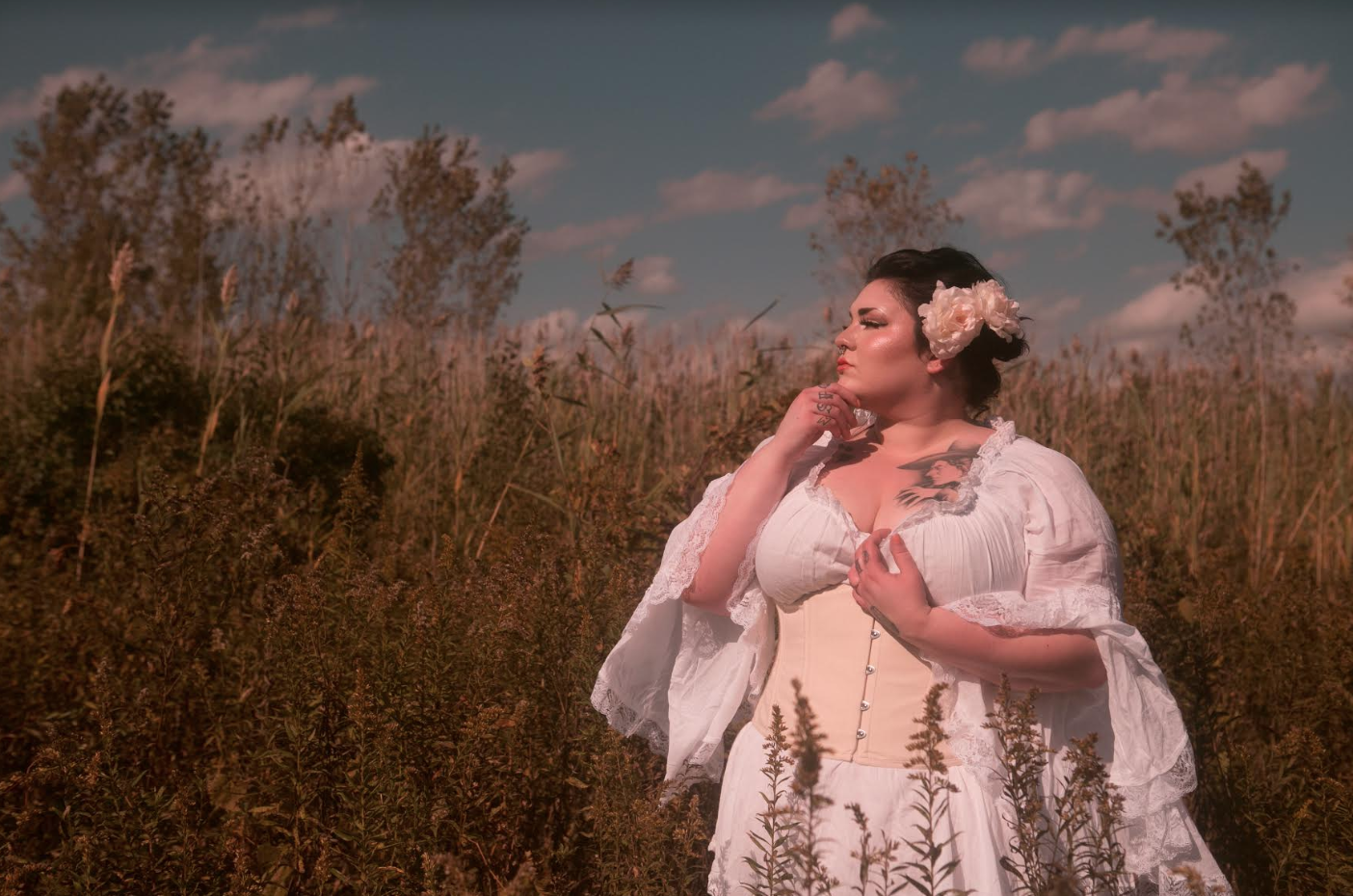
The interest in New Age practices and aesthetics extends far beyond spiritual belief. You don’t have to label yourself a witch to partake in the culture; it’s everywhere. For example, if I wanted a flowy, midwife inspired skirt five years ago I’d have to order from my Pyramid Collection catalog, or travel to Salem, MA. Now, “witchy” fashion is trending in what seems to be an amalgamation of pre-existing festival aesthetics mixed with subdued Victoriana. If you scroll through any look-book, you’ll surely find the bell sleeved, choker-clad beauties that you can easily picture hunched over a herb garden.
The contemporary film and performance industry has taken full advantage of such trends. In many cases, revitalization of former witch narratives have become extremely popular. Robert Egger’s newly released film The Witch offers a revisionist look at Winthrop era society. Likewise, Broadway has just released a slightly modernized version of Arthur Miller’s The Crucible with A-list stars like Saoirse Ronan and Tavi Gevinson. As mentioned before, television shows like Charmed and Buffy the Vampire Slayer are resurfacing, while films such as Practical Magic and The Craft are becoming more culturally relevant as well.
In each of these pieces, we are presented with what might superficially look like an outdated dichotomy: the good witch and the bad witch. For example, the aforementioned Willow Rosenberg would easily be considered a “good witch.” In other words, her actions stem from a place of love. However, her personal emotions often cloud her judgment causing her to act irrationally. A major consideration in Willow’s narrative is how much power one can ethically maintain over another. Conversely, Nancy Downs from The Craft uses her power in order to justify her own hatred and insecurities -- a classic portrayal of the “bad witch.” However, the witch’s relevance in today’s culture deconstructs that dichotomy entirely by positing that it never really existed. Willow and Nancy alike are young adult women who carry the moral and emotional implications of your everyday young adult women, hence our ability to relate to them on such a strong level.
Essentially, the witch is female, or human, and contains the same implications of such a person and persona. People can be vengeful; witches can be vengeful. People can be peaceable; witches can be peaceable, etc. What’s interesting another dichotomy true of witches and women alike: either have been argued to be “supernatural” or “natural” beings. While the presented powers of the witch, and the sexuality of the women are often viewed as otherworldly, the means to achieving such powers and the allegory of them is anything but. This harkens back to second-wave feminist theories, specifically stemming from Sandra M. Gilbert who posits that the same supernatural/natural divide has been applied to woman by oppressors.
In Gilbert’s theory, she states that every woman is split into what society wants to see of them (the natural self) and who they actually are (the supernatural self). To be supernatural is to be othered, but the witch deconstructs this notion by instead empowering (quite literally) that otherness. Witch culture unifies this divide, making room for acceptance. While society considers sexuality, consent, and LGBT concerns more vocally, it makes perfect sense that we would laud the archetype of the witch.
Of course, any time an “other” is presented, a portion of society will seek to oppress or victimize out of fear and paranoia. As this victimization is already a well-ingrained part of witch history, the witch is again made topical in contemporary discussion. As previously oppressed groups are achieving progression, society balks and hegemony occurs. The portrayal of the witch in mainstream art forms acts as a relevant reminder of what can happen when fundamental, or totalitarian mindsets ensue. Genocide and senseless death is the somber reminder and warning carried by the witch a la The Salem Witch Trials among other tragedies.
The season of the witch is at large now for all of the right reasons. What differentiates this being from monsters past, is that she (or he) is not a monster at all. The moral and political implications of the witch are not a warning against what an individual can become, but instead an encouragement for the individual to be all that they can be.
To be a witch is be in charge of the mind and body, and I could not think of a more relevant didacticism to reflect the climate of 2016.
Kailey Tedesco is a full-time poet and a part-time taxonomist of vintage collar dresses. She will soon receive her MFA in Creative Writing from Arcadia University, and she's the co-founder of Rag Queen Periodical. On any given day, you can find her musing on the Season 5 finale of Buffy the Vampire Slayer and munching on French pastries. Get to know more at ragqueenperiodical.com or follow her on Twitter and/or Instagram: @KaileyTedesco.
Yes, It Happened to Me...I Was Sexually Assaulted on the Subway
Some might think New York City is an odd oasis from California, but undisturbed subway rides allowed my mind to wander the way it never could in Los Angeles traffic. I was in my 20s, relatively young to my transplant to New York City, when I rode the subway half a dozen times a day for multiple part-time jobs. I worked with patients in community mental health clinics throughout the city, and with this hectic schedule, the subway afforded me an ironic luxury of being lost in my thoughts.
Read MoreTo the Man Who Would Save Me from My Own Life
It’s been ten years since The Fountain was released. It wasn’t too long after the movie first came out that you mentioned it. You’ve been referencing it ever since—a conquistador here, a queen there—only I didn’t know, because I hadn’t seen it.
Read MoreLiterary-Inspired Tarot Decks You Need In Your Life
For centuries, the tarot has been a classic tool in interpreting the future and in guided meditation. The deck of cards normally contains 78 descriptive cards containing The Major and Minor Arcana. Because a Tarot deck is supposed to speak to the owner, there are hundreds of decks and styles to choose from. I personally derive some of my greatest inspiration from literature, and was delighted to find so many decks that reflect that. From a Shakespearean Lovers card to a deck depicting Alice’s trip down the rabbit hole, you are bound to find a deck that speaks to the reader in you.
Read MoreI Did Bath Salts for 6 Months
I never quite knew if my internet friends were chemists themselves or if they were friends with chemists, but they knew a whole lot about drugs. For about six months, they mailed bath salts to my parents’ house. I lived there again after getting kicked out of bible college again, then moving to Minneapolis and giving all of my money away to homeless people and amnesty international and Philip Morris USA.
Read MoreIf These Thighs Could Talk
Remember when we crossed the bridges of London? of Paris? of Florence? The beaches of Goa? of Barcelona? of Cartagena? The streets of Bangkok? of Tokyo? of New York City? Nobody held your hand.

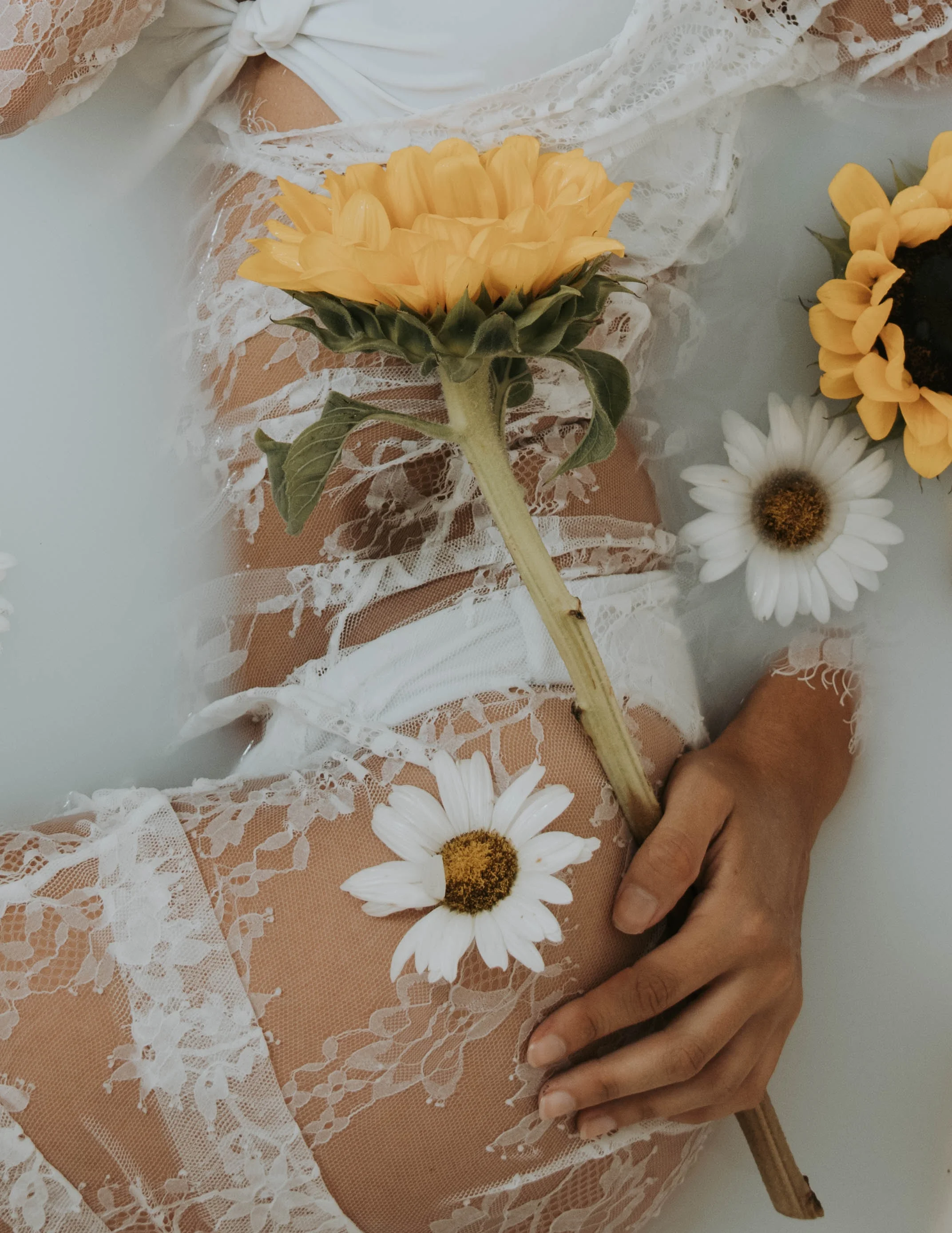
Photograph by the magnificent Mayan Toledano via The Arduous
BY ERICA GARZA
If these thighs could talk, they’d say:
Remember when we carried you to the finish line of that race in the 5th grade? You were terrified to fail in front of all those people. But you didn’t. You won. It was the first time you became conscious of this fact: fear doesn’t always equal truth. Sure, your lungs deserve some credit. But let’s face it. We were the main attraction that day. Steady, consistent, infallible. We made it, you and us.
Remember when you decided to walk up to him, that first him, and tell him what you thought? Yes, even when your knees got weak, your head got dizzy, your throat got tight (they’re such suckers for romance!) we held you up, strong and present. We didn’t let you melt into a pool of emotional goo.
Remember when you made that decision to open up, to allow that other him to enter, to fill up, to join you on that most delicious evening? We were there too. Inviting, welcoming, excited.
Remember when you made that other decision to refuse, to deny, to trust your gut, to say, “No, I don’t want to,” and so we didn’t; we took with us our decision and went the other way.
Remember when we made our way across the dance floor, even with your shaky hands and feeble explanation of not having any rhythm. Your hips told a different story, and so did we.
Remember when we climbed the steps to the top of Il Duomo? to Sacre Coeur? to the oldest nunnery north of the Alps?
Remember when we crossed the bridges of London? of Paris? of Florence? The beaches of Goa? of Barcelona? of Cartagena? The streets of Bangkok? of Tokyo? of New York City?
Nobody held your hand.
But, we, we held your body, your heart, your will.
You made the decisions, even when they didn’t make sense to anyone but you, and we collaborated, we conspired, we came through.
Sorry to saturate you in nostalgia, but now that we have your attention, may we ask then:
Why all the hate? You cover us up from the sunshine like you’re embarrassed to be seen with us. No miniskirts, no tiny shorts, no cute bikini bottom. You grab hold of us as if to strangle us, violently hold us up, then let us fall, again and again, cursing and ridiculing because of this thing outside our control – gravity? Ever heard of it?
And we’re tired, you’re tired, of all the stress you put on us. Let’s be honest, the lunges, the Brazilian workouts, the Pilates, the speed walking, the bicycle, it’s all good in moderation, but you only do this shit when you’re angry at us and you’re never patient. In fact, you’re demanding and cruel and we’ve just about had enough of you.
So ease up. We’re not trying to sound harsh, but all this shit you preach about, you damn well better practice because we’ve got a lot more to see and do in this life and it’s not going to be as fun if we aren’t getting along.
Love us.
Love,
Us
Erica Garza's essays have appeared in Salon, Narratively, Alternet, BUST, Refinery29, Bustle, Vival, Mamamia, Role Reboot, Hello Giggles and The Los Angeles Review. She has contributed food reviews for the publications Maui Now and Brooklyn Exposed and worked as a copywriter for a digital marketing agency in Manhattan. In 2010, she earned her MFA in Creative Nonfiction at Columbia University and is now at work on her first book. Born in Los Angeles to Mexican parents, Erica has spent most of her adult life traveling and living abroad in such places as Florence, London, Berlin, Paris, Barcelona, Bogota, Bali, Bangkok, Koh Samui, Chennai, Melbourne and the island of Maui.
How Not to Give Up Internet Porn
Maybe it all began one late Tuesday night during summer vacation. You didn’t have to be up early, but your parents did, so you stayed up late to watch re-runs of The Cosby Show alone, but wound up catching Shannon Tweed doing her thing on Cinemax.
Read MoreHow My Therapist Abused & Manipulated Me In Our Sessions
I saw Dr. X later that week at an AA meeting. He looked at me in a way that would make even the most seasoned prostitute blush. He leered at me as I watched the clock. He looked at me that way for the entire hour. I left that meeting in a hurry.
Read MoreJessa Crispin's The Creative Tarot & Other Tarot Insight
The Creative Tarot is an amazing book that deals with using cards to unlock creativity.

BY LISA MARIE BASILE
Originally posted at Ingenue X
I think the thing I love the most about tarot is the forced introspection; being put on the spot by your subconscious is ugly, but necessary. I've definitely twisted the responses in my mind when something was too real. You can draw another card or get another reading but you will always know what that first one meant and why it made you uncomfortable.
I think of creativity in the same way; it depends on authenticity, and you can write the same poem a dozen times but it's never going to be good unless it's honest. The art needs the self to survive, but if you don't know who yourself is, how can you create?
When I received Jessa Crispin's The Creative Tarot: A Modern Guide To An Inspired Life, I was giddy (I love Jessa's site Bookslut) and anything occult + art = dreamy. Here was this beautifully packaged, thick sort of tomb of a book. Would it be academic? Theoretical? A nonfiction personal quest? It wasn't – it was a guide to through the tarot and each of the card's meanings, coupled with recommended art (film, music, etc) that pair well with the card. (Just as a side note: Six of Cups gets Weetzie Bat by Francesca Lia Block and The Sun gets Rilke....I sigh dreamily).
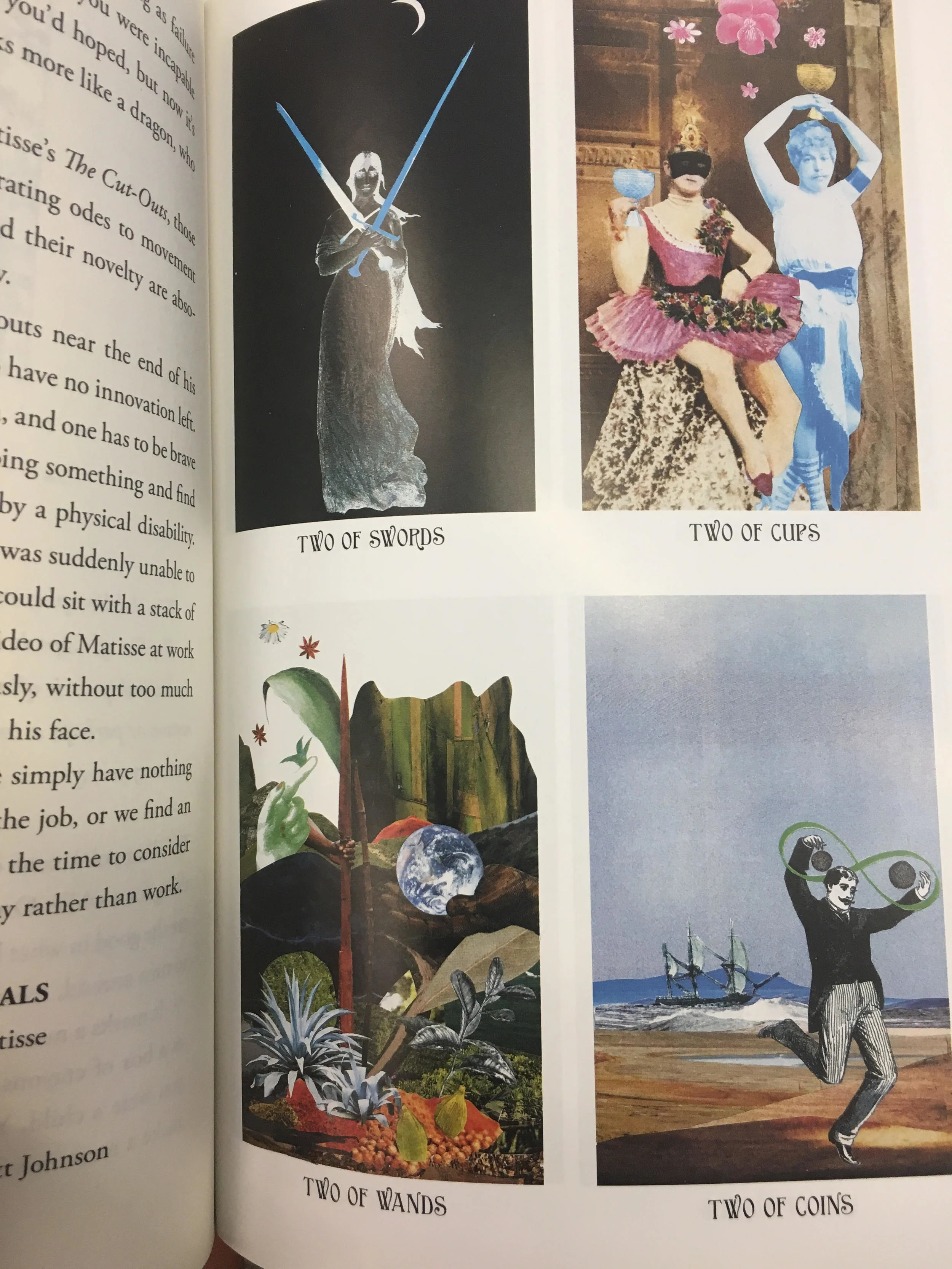
The Creative Tarot, Jessa Crispin
Crispin's idea here is to deconstruct and demystify both the tarot and the creative process, unblocking creators' lost ideas. It's true that writers or artists are always seen as struggling and manic and suffering – both as a result and as a way for – their art, and while this may seem desperately romantic, it's not always. To not create or to draw blood is an unromantic burden. Any process that demystifies that whole ordeal is welcome, I think, and I find it secretly funny that something so esoteric as the tarot would make art approachable. The book certainly has its audience – me, for starters.
A few months ago I took a tarot workshop that a poet and professor, Becca Klaver, was hosting. She (I love her work) does these workshops called Stardust Sessions because she's magical and more people should get together and tap into that power. We walked through a heroine's journey and used the cards to interpret out own experiences and fears and paths.
That day was a bright freezing day, and a dead bird turned up on the porch as I entered; another workshop participant and I looked at it and thought completely different things: she thought it was an omen, I thought it was gift, a gesture of love, brought by an animal. Who knows which? The bird would make its way into our stories that day – and it seemed there was a sense that the whole room needed to be free of something (of course, how fitting is the bird?)
Taking the class and receiving the book in the same week was kismet, really. I'd just moved into a new apartment, my brother was readying to move to New Orleans, I changed jobs, and my life felt somehow blank and charged at the same time. Suffice to say, my creativity was the last priority; it was sea change and I was flailing.
The tarot, in a way, grounded me. It did so because its very foundation is a journey. So if it's always a journey, then moving forward can't be bad, right? I think with art it's the same. We're always striving and sometimes we just need to provoke ourselves to do so.
I looove this book. Read it.
Via here.
Perpetuity by Sarah Carson
I learned a woman could say to a man, “Do this,” and he would do so willingly, happily. He could take direction. He would bring her flowers, pizza, left over Fourth of July cupcakes, Diet 7-Up.
Read More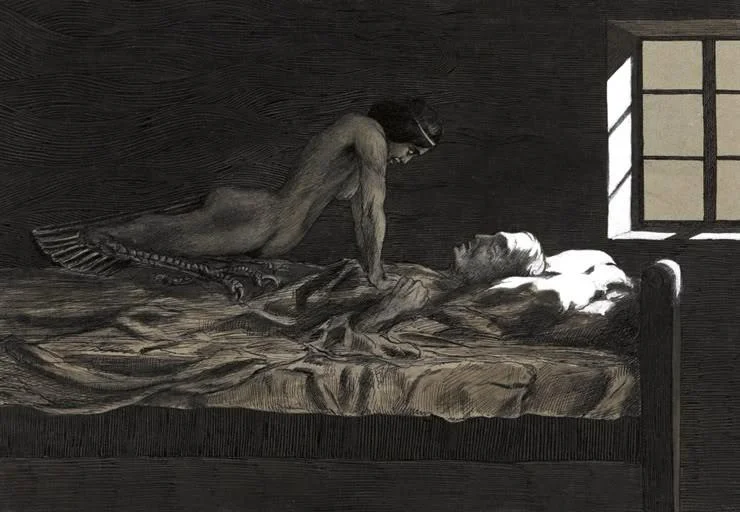
Fritz Schimbeck
That Time I Was Plagued By Sleep Paralysis & Ghosts
I was in college the first time I drifted awake to find that I couldn’t move. I saw my roommates walking in and out of my room, turning on the TV, flickering the lights. They were shouting at me to get up, but my body felt like it was held down. There was no communicating with it. I wanted to shout back, but I couldn't. I wasn’t able to speak.
Read More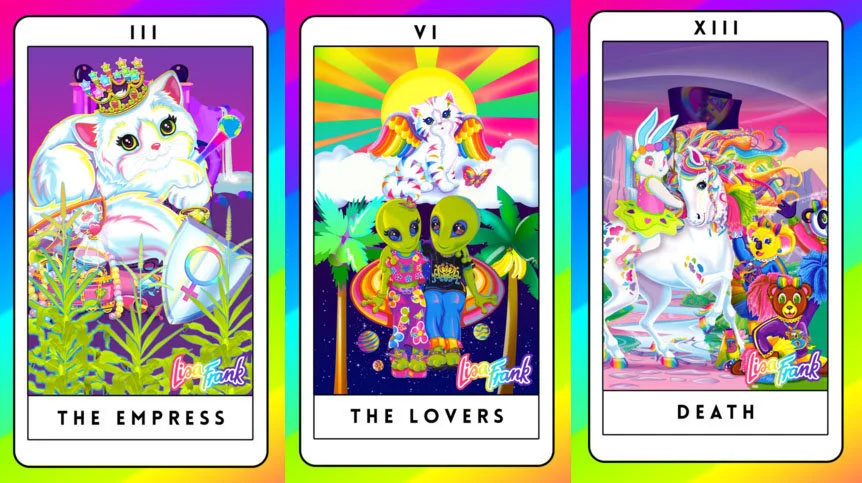
This Unofficial Lisa Frank Tarot Deck Mixes Past & Present
There’s nothing like a good tarot deck. The occult and witchcraft were another of my childhood obsessions, so it’s no surprise, then, that a combination of these two things feels like a psychedelic walk through nostalgia lane.
Read More
Deborah Tuberville
The Relationship Issue: Attachments, Obsessions & Desires
BY LISA MARIE BASILE
On any given day, a women’s publication will publish myriad ‘relationships’ pieces – and in most cases, it’s all centered on a sexual or romantic hetero dynamic. But what of our other attachments, connections, relationships and obsessions? When do we talk of those dreamy in-betweens? That very real cord between us & the vicious world? What of the things that we are constantly either drawn toward or running from – death, art, the friend we secretly desire, our hair, our body, our culture, our community, our children, our god?
Luna Luna wants to talk about those things. We’ve always been obsessed with the grey area, the quiet conversations and the real, necessary, nuanced dialogue we have with ourselves and one another. There’s so much more to being a woman than dating a man, we’ve always thought (though, sure, we adore them). Let’s leave that at home, though, today. Let’s talk about the other things we attach ourselves to. Let’s admit that we’re preoccupied. Let’s admit that there’s more going on. We’re more than the surface.
Today, I compiled a few brand-new pieces, along with a few older ones, that I think are necessary to the larger conversation around relationships. We'll be publishing on this theme all week. Here, you’ll find a diary of the pieces we included. You can start anywhere.
THE RELATIONSHIP ISSUE