BY JOANNA C. VALENTE
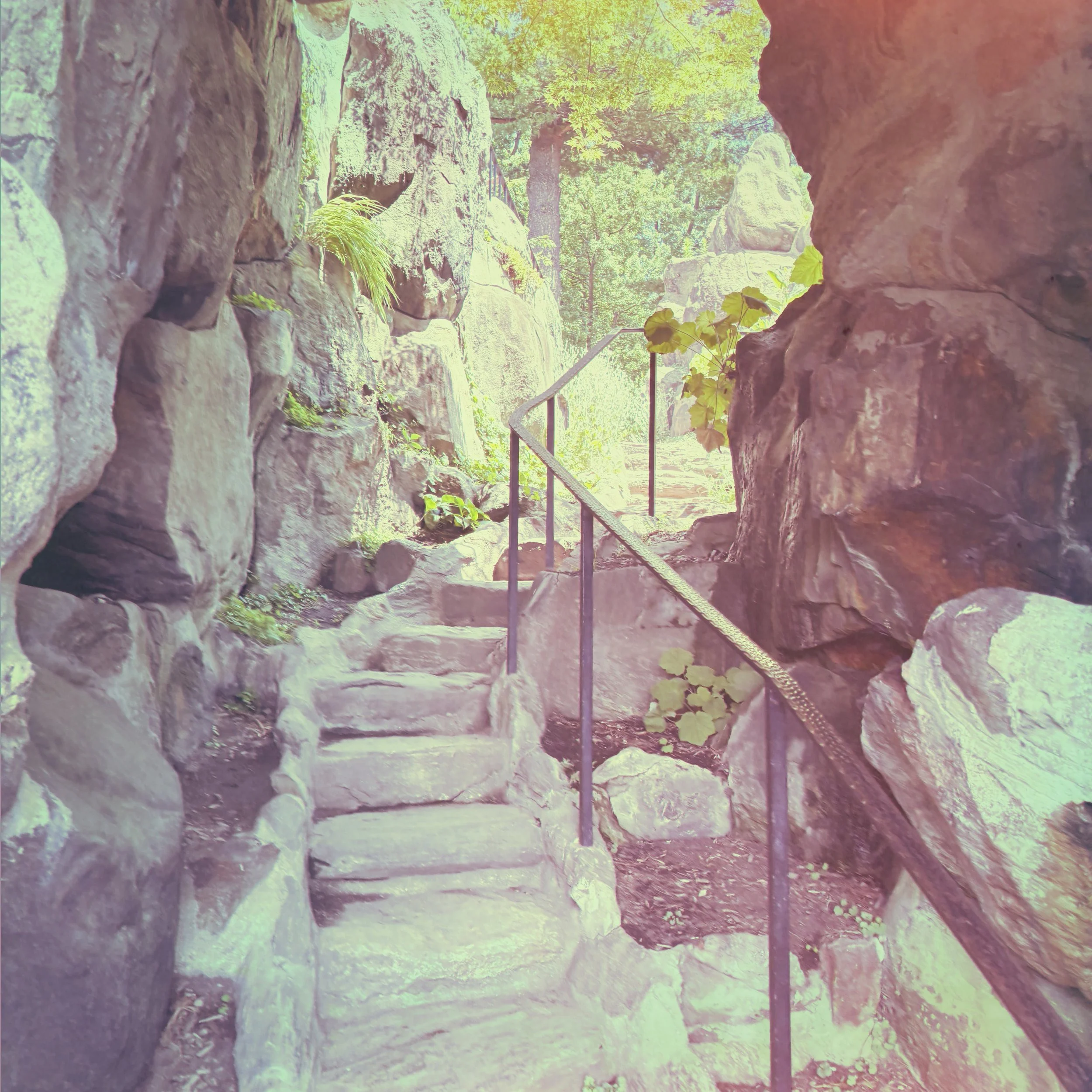
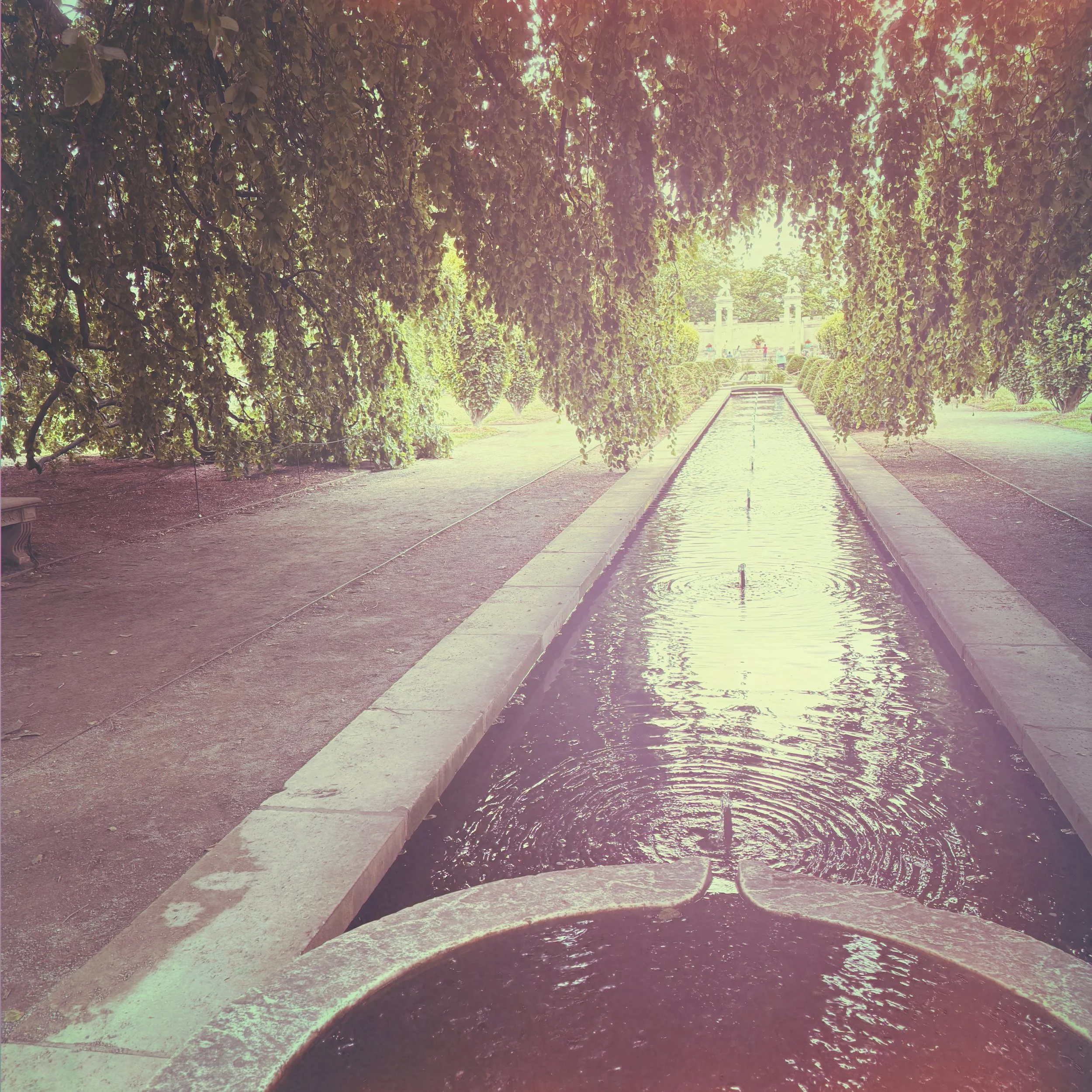
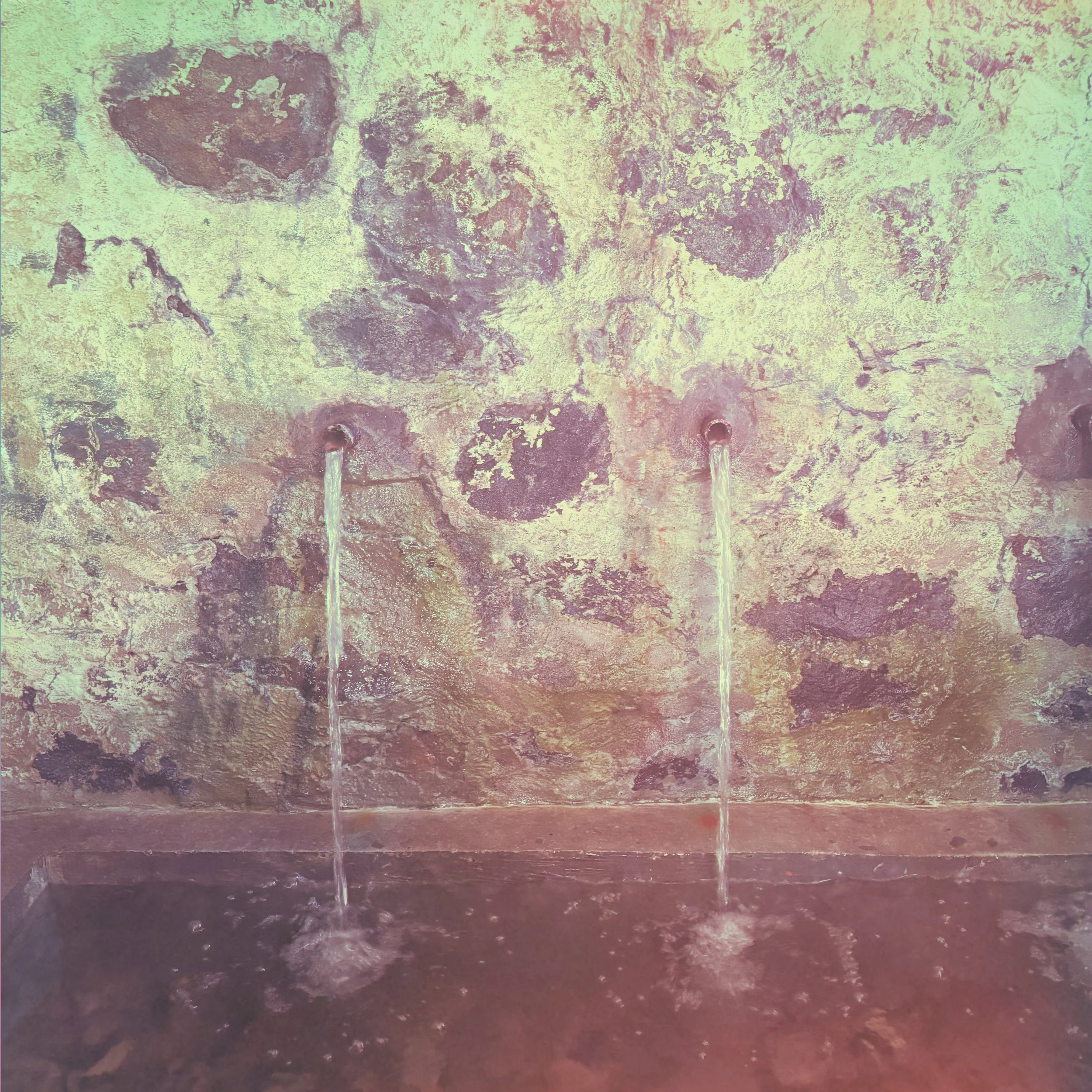
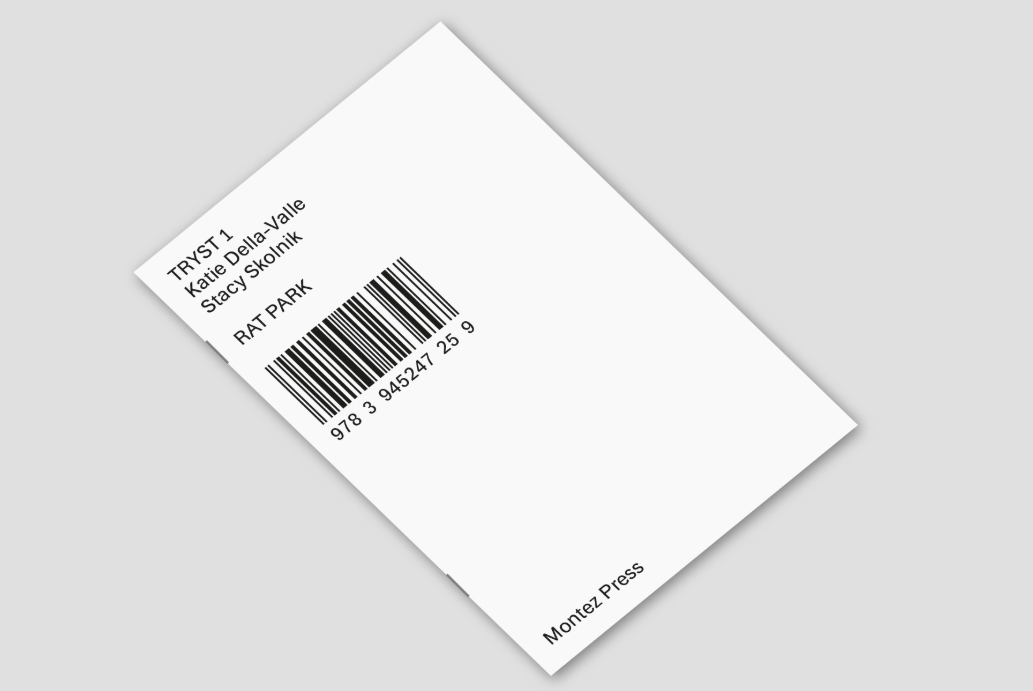
Katie Della-Valle & Stacy Skolnik co-authored a book called Rat Park, published by Montez Press, and it's absolutely crushing. It's the first installment of Tryst, a series that pairs artists and writers together to collaborate on a creative work. Rat Park, written by poet Stacy Skolnik and includes photographs by artist Katie Della-Valle, explores their personal experiences with drug addiction.
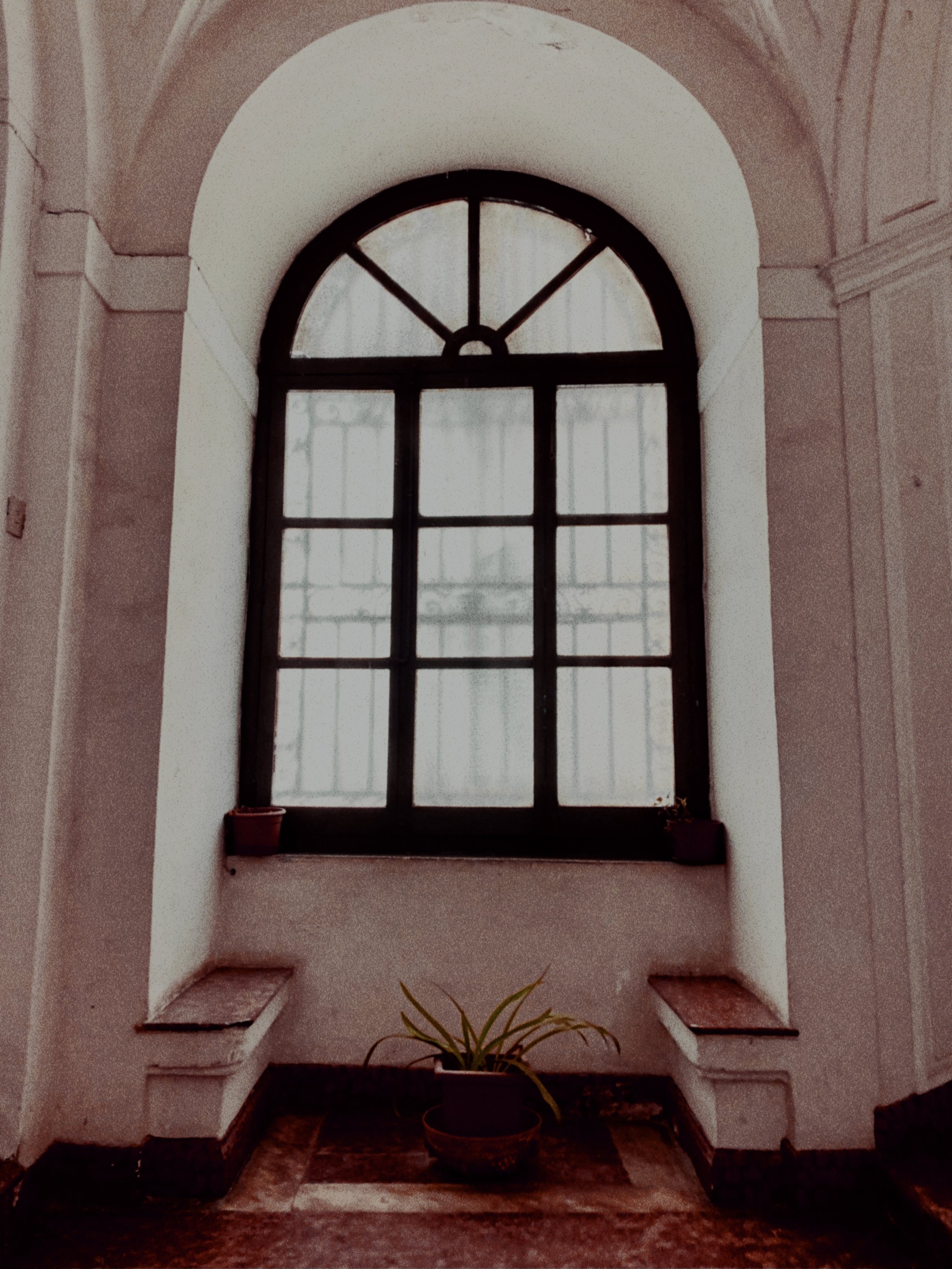
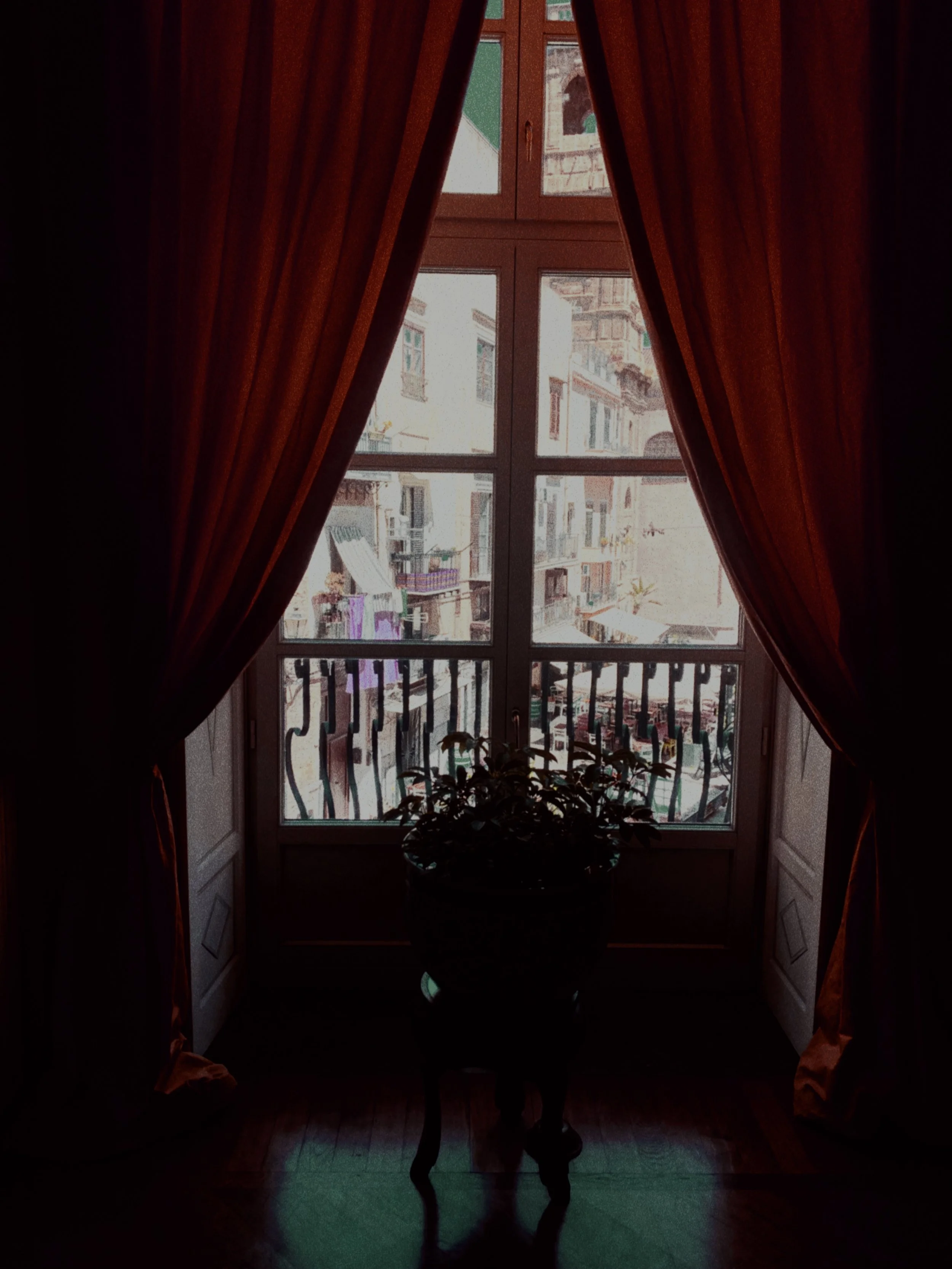
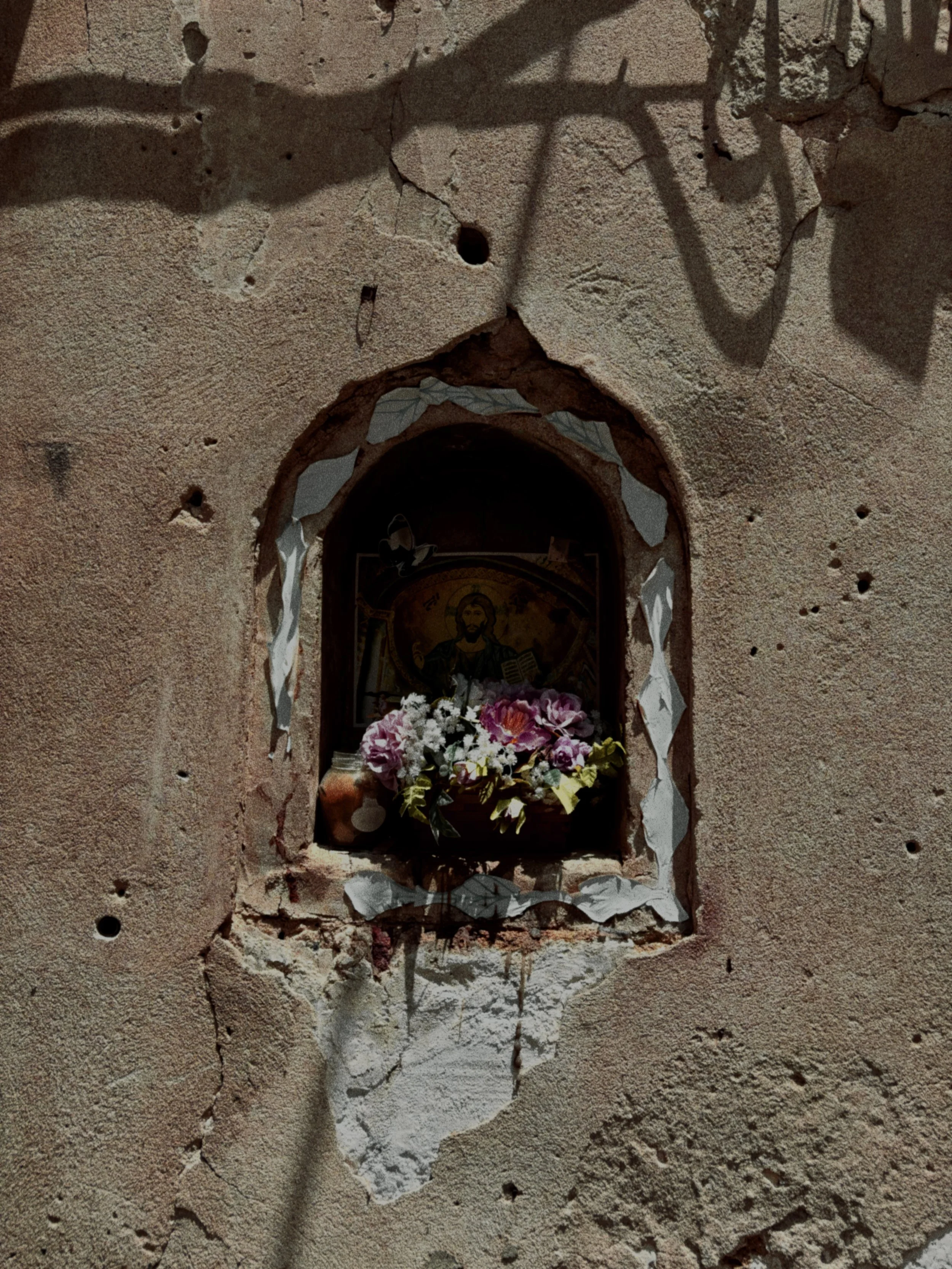
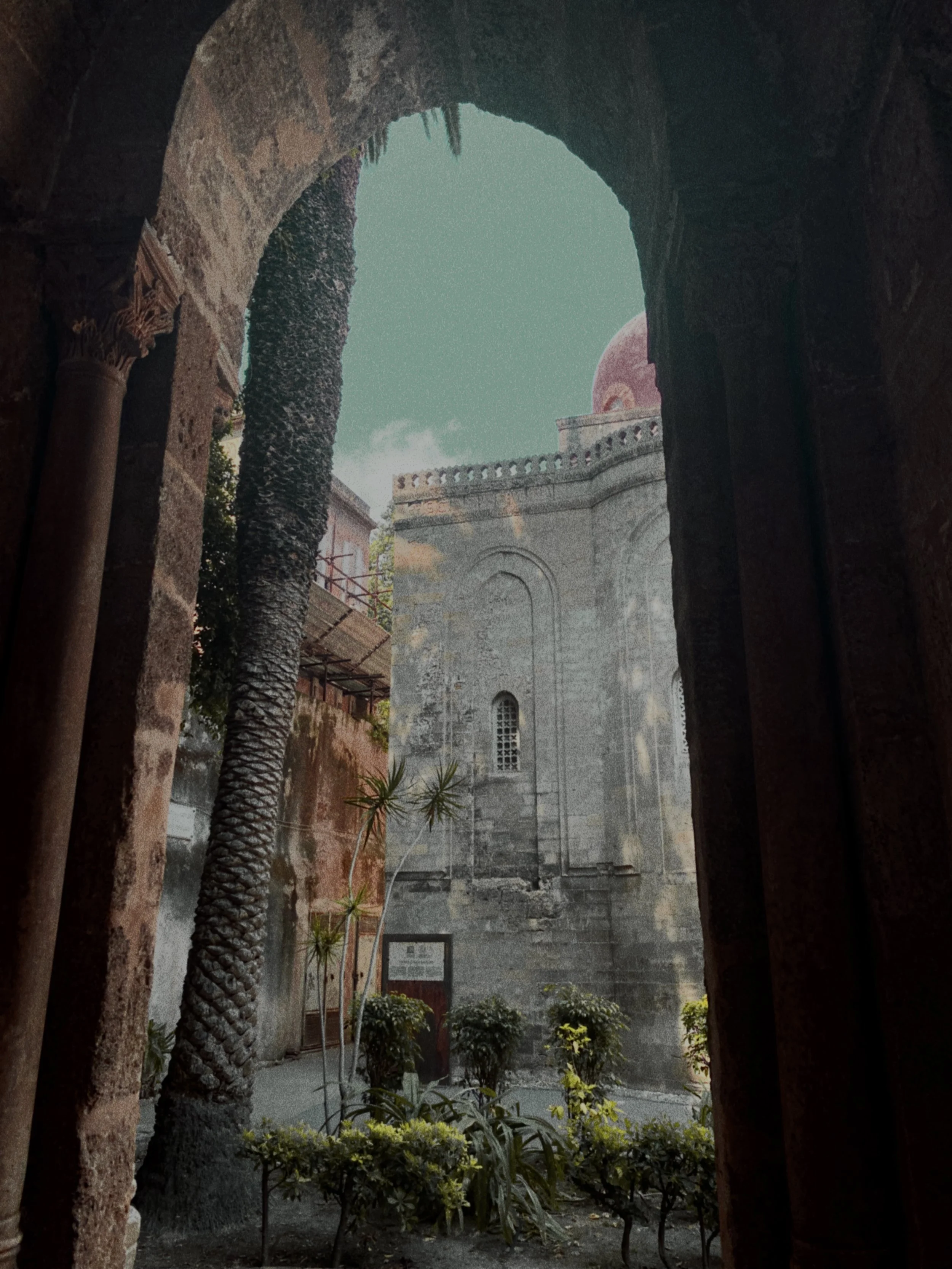
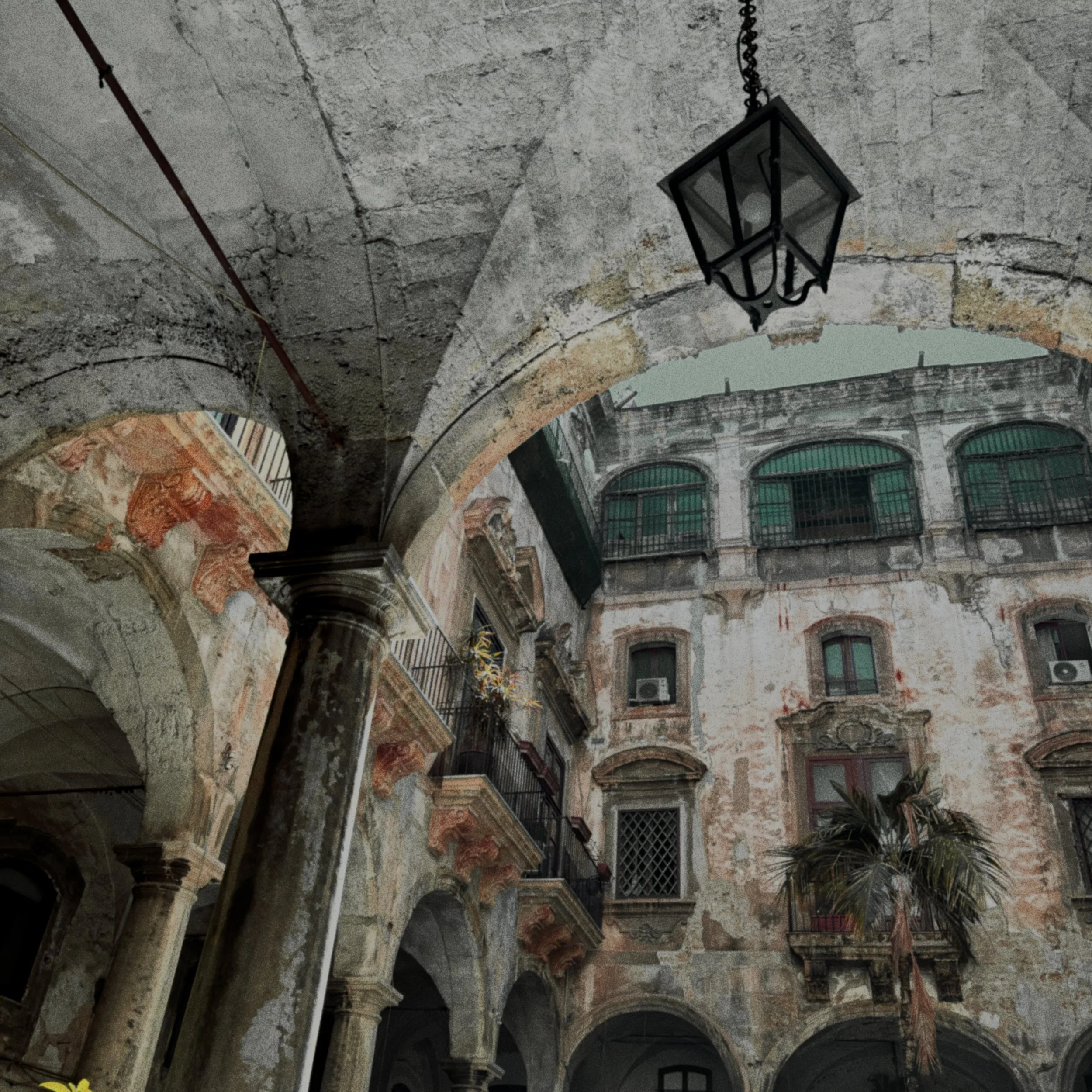
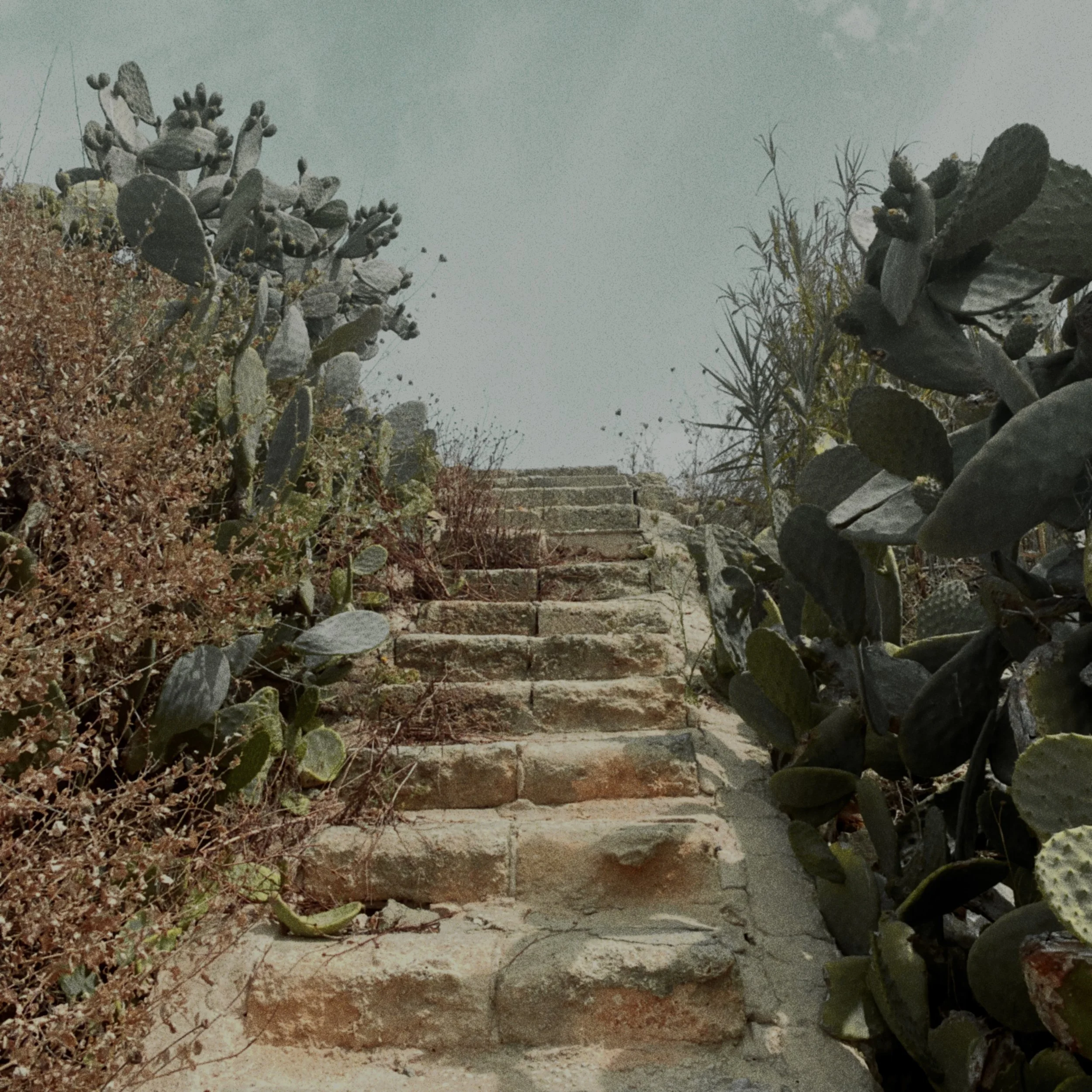
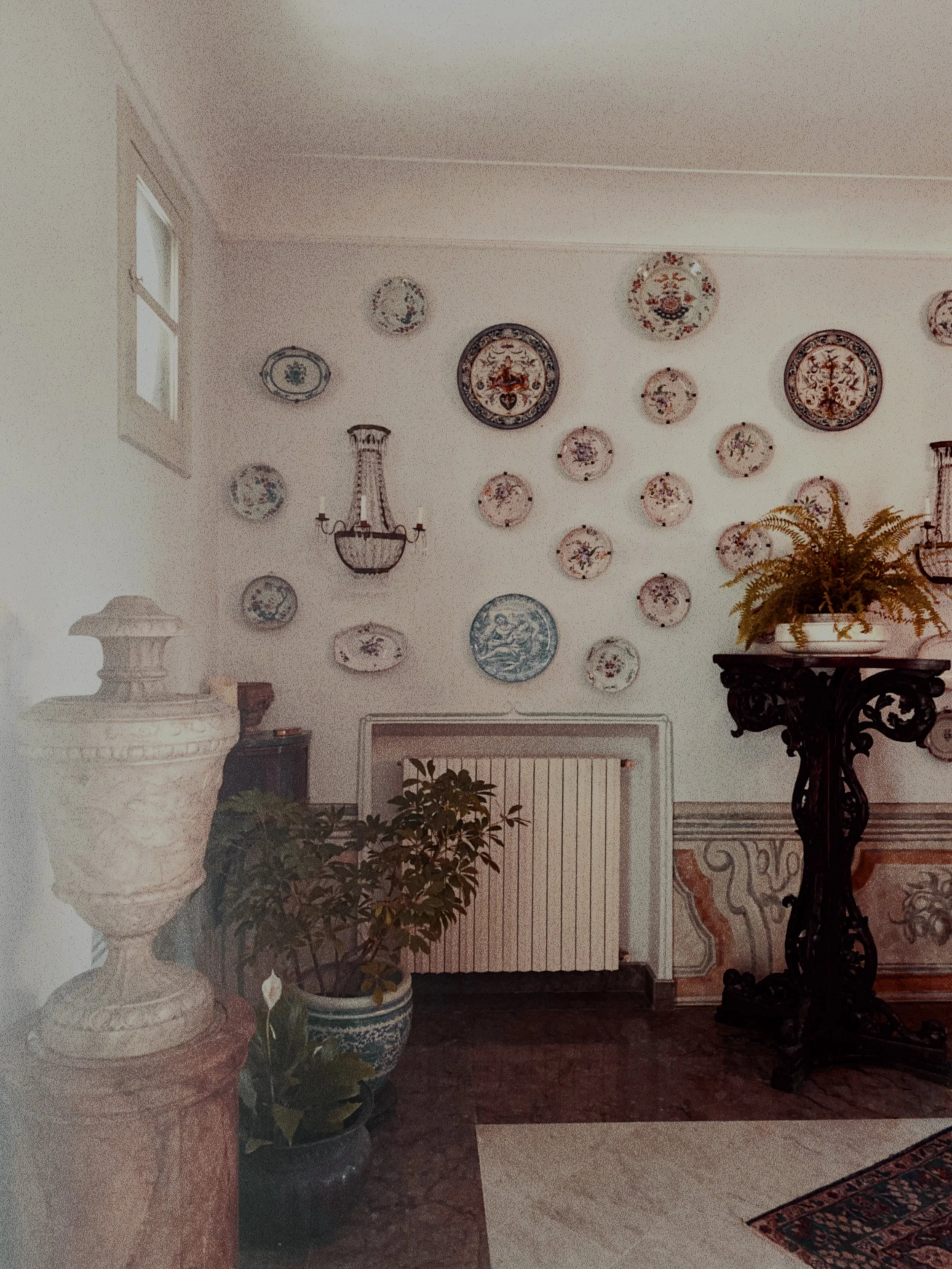
The book does a marvelous job of reflecting on the disease, showing the devastating effects the addiction and recovery process has on everyone involved. The images, typically of empty recovery clinics and community centers, show how lonely and isolating suffers are in their recovery processes. Healing is an unending process that also go through its own phases and cycles, and is often a process underrepresented in media and art, especially for women and femmes. Skolnik's poem that accompanies the images is a powerful choice, written from the perspective of someone related to a sufferer, exploring an outside perspective in a nuanced way, as the speaker is what I would call an "outside insider," being both inside and outside the world.
I was lucky to be able to speak to Skolnik and Della-Valle about their process, challenges, and ways to support those who struggle with substance addiction:
What was the process of Rat Park? What were the challenges?
Katie & Stacy: Rat Park is the first installment of Tryst, which is a new series (to be co-edited by us) from Montez Press. Tryst brings one writer and one visual artist together to collaborate on a publication. For the first issue we thought it was a good idea to serve as guinea pigs, in order to get a sense of the process and challenges that our future authors/artists might face. Initially, we had some conversations to try and discover crossovers in our respective practices, and through our discussions we learned that addiction occupies a large presence in both our lives.
K: The biggest challenge for me was the subject matter itself. I am a recovering drug addict, so addiction is something I live with on a daily basis. However, I have never chosen to use it as subject matter or context for my work. There was something very vulnerable in the way Stacy and I worked together; we placed a lot of trust in each other while making this.
S: I found that the most challenging element of this project was the fact that it forced me to think about, on an almost daily basis for about 6 months, really upsetting realities which effect my life and the lives of people I love. I'm very proud of this project but also thankful that it's completed; it's not easy to invest so much energy into the examination of turmoil.
Struggles with substance abuse, even tangentially, are often not spoken about, and are usually met with judgement. Can you speak on this? Do you think things are changing?
S: I feel that substance abuse is something we see in our culture with great frequency, but it's often glorified or not recognized as addiction. And when it is recognized, yes, there is intense judgement. I do think that there has been more media coverage on the issue in recent years as America's drug problem has expanded into a full-fledged epidemic. I somehow still feel that there is a lot of spectating happening, though. As with any social issue, those affected by a given problem should be the voices which dominate the conversation. I'd like to see more addicts come forward and be given space and means to guide the way out of this mess. Unfortunately, though, there are great stigmas against those who suffer from addiction (even once sober) despite the fact that we are reaching a point where you would be hard pressed to find someone in America whose life hasn't been touched by addiction, at least tangentially.
K: I can speak on this from a personal perspective, and I feel very fortunate to be able to speak about my own struggle with substance abuse in a very frank and open way. I am incredibly lucky to be able to be honest with those around me in my particular circle without fear of judgement, job loss, etc. That said, the conversation around addiction is still one of criminality. For example, when I attended a drug treatment clinic in the UK, it was through a service called Crime Reduction Initiative. Treatment is viewed not as a health care issue but one related to crime and justice, which to my mind is an inexplicably wrong approach to addiction. Until it is broadly acknowledged that addiction is a disease, and not some form of character or moral flaw, I do not feel that it will be met with anything other than judgement.
How do you think being a woman, femme, or LGBTQIA-identified person changes the landscape when it comes to speaking out about, and dealing with, substance abuse?
S: The person to whom my poem is addressed in Rat Park is an active user, and a woman. Unfortunately, the fact that she is a woman means that she has suffered from types of trauma that male addicts are often spared. There needs to be support systems for addicts and sufferers of trauma that are specific to the types of violence inflicted upon female or LGBTQIA bodies. I'm sure there are groups focused on such issues, but I don't need to Google it to tell you that there aren't enough.
K: Addiction comes in untold forms, but I do feel that it uniquely affects those who are not cis males. Although no gender has more of a predisposition towards addiction, the routes that one may take to feed their habit, and the circumstances they may find themselves in can vary greatly. Addicts are vulnerable people, and women, femmes, and LGBTQIA identifying people are placed in an especially vulnerable position.
The study called Rat Park conducted by Bruce K. Alexander—from which we took the title of our publication—hypothesised that drugs themselves do not cause addiction, but that addiction can be attributed to the environment in which the user finds themselves. Alexander built Rat Park, a huge housing colony for lab rats, and provided them with toys, wheels, space to mate, food, and other things that bring rats joy. The rats were able to drink either water or an opiate solution, and they tested the frequency with which they drank from either. They compared these findings with those from rats kept in standard lab cages, isolated from others, and found that the rats in small cages were 19 times more likely than the park rats to drink the morphine than the water.
Although this study has been widely debunked in the scientific community, the hypothesis makes a a lot of sense to me. I know many people who do a load of drugs on the weekend and remain unaddicted, and if I told them that doing one more line would kill them they would stop immediately. However, an addict, someone like me, would continue, as the metaphorical cage they find themselves in lends itself towards substance abuse. One’s cage could be a certain living environment just as easily as it could be a mental illness. Women, femmes, and LGBTQIA identifying people can exist in very specific cages, in which they are repressed, stigmatised, judged, and where they experience a lack of acceptance or abuse on account of who they are. Addiction can thrive on people who live their lives under these circumstances, in these cages, without adequate support.
What do you think has been a helpful and healthy way for people with substance abuse problems and their families to be supported?
K: I don’t think that there is a universal way for people suffering from addiction and their families to be supported, and the current structures in place fall incredibly short. I was lucky to find a 12 step program for addicts, and got enough emotional support there from fellow addicts to enable me to eventually get clean. And even then, I got clean in a sweating shivering heap in my boyfriend’s living room—there wasn’t a hospital bed available for me to detox in. The structures currently in place, outside of independent non-profits (like most 12 step programs), are few and far between, and are chronically underfunded. Support is found in community, but to be in active addiction is to be in an incredibly isolating state. Support is helped by better education, better healthcare, particularly in the US. A greater public understanding of addiction, a greater sense of empathy and care, an acknowledgement that addiction does not discriminate and it does not exist in a bubble. For me, the best support was knowing that I am not alone. I am one of tens of thousands of addicts, and the therapeutic value of one addict helping another is without parallel.
S: This is a really difficult question. I'd like to rephrase it to ask "what could be some helpful and healthy ways...", because I think our society is really lacking the adequate infrastructure to support addicts and their families. I know that many people find deep solace in organizations like N/A and Nar-Anon, but I have never been to a meeting myself. We need to stop criminalizing addicts, stop stigmatizing addiction, stop overprescribing pharmaceuticals, we need to invest in better and more comprehensive rehab facilities, we need to address the underlying problems that often lead to addiction, such as poverty and mental health issues, and...and...and...
Katie Della-Valle lives and works in London. She has been clean for four years, eleven months, four days, eight hours and thirty-six minutes at the time this article was posted.
Stacy Skolnik lives and works in Brooklyn. She has come to understand, through her tangential struggles with addiction, the far reaching effects of substance abuse. Follow her new project on Instagram @mrsblueeyes123
Joanna C. Valente is a human who lives in Brooklyn, New York, and is the author of Sirs & Madams (Aldrich Press, 2014), The Gods Are Dead (Deadly Chaps Press, 2015), Xenos (Agape Editions, 2016), and Marys of the Sea (The Operating System, 2017). They are the editor of A Shadow Map: An Anthology by Survivors of Sexual Assault (CCM, 2017). Joanna received a MFA in writing at Sarah Lawrence College, and is also the founder of Yes, Poetry, a managing editor for Luna Luna Magazine and CCM, as well as an instructor at Brooklyn Poets. Some of their writing has appeared in Brooklyn Magazine, Prelude, Apogee, Spork, The Feminist Wire, BUST, and elsewhere.