


Under the Skin is like a celluloid skin that you crawl inside of. It is the most intimate role that Scarlett Johansson has taken on. Her skin is the film’s skin. She is an alien in a strange land, but the audience is right there with her. The intimacy is palpable and almost claustrophobic. There is very little dialogue to disrupt the experience of seeing the world through her eyes.
Read More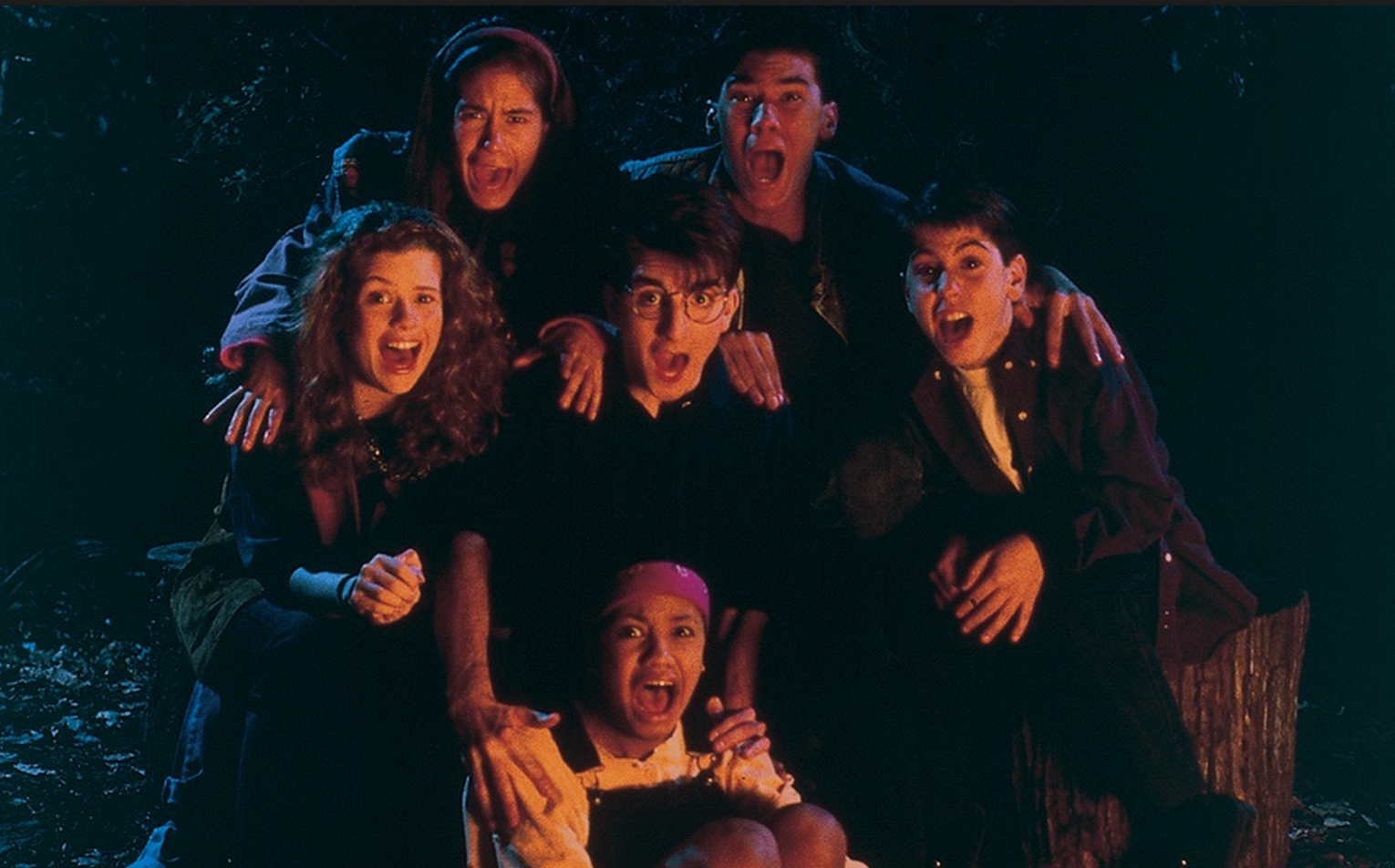
AYAOTD. YASSSS.
Nostalgia High: Watch Your Favorite 90s Childhood Show Clips
BY LISA MARIE BASILE
Because lunch breaks can either be spent working or basking in broken-hearted nostalgia. Because today's world is stiff and bleak and social media is a prison. We compiled our favorite 90s shows (from when we were little-little, like before Party of Five) so you can listen to the simple delicate sweetness of Little Bear or the creepy weirdness of Pete and Pete...
Shades Of Noir: Spring
This film is tragic and dark, but it is also unapologetically romantic. It meanders and it unfolds in a dreamlike fashion; moments follow each other, sometimes rushing and stumbling over one another, sometimes lingering and lasting endlessly as the sun sets like a bloody orange into the sea.
Read More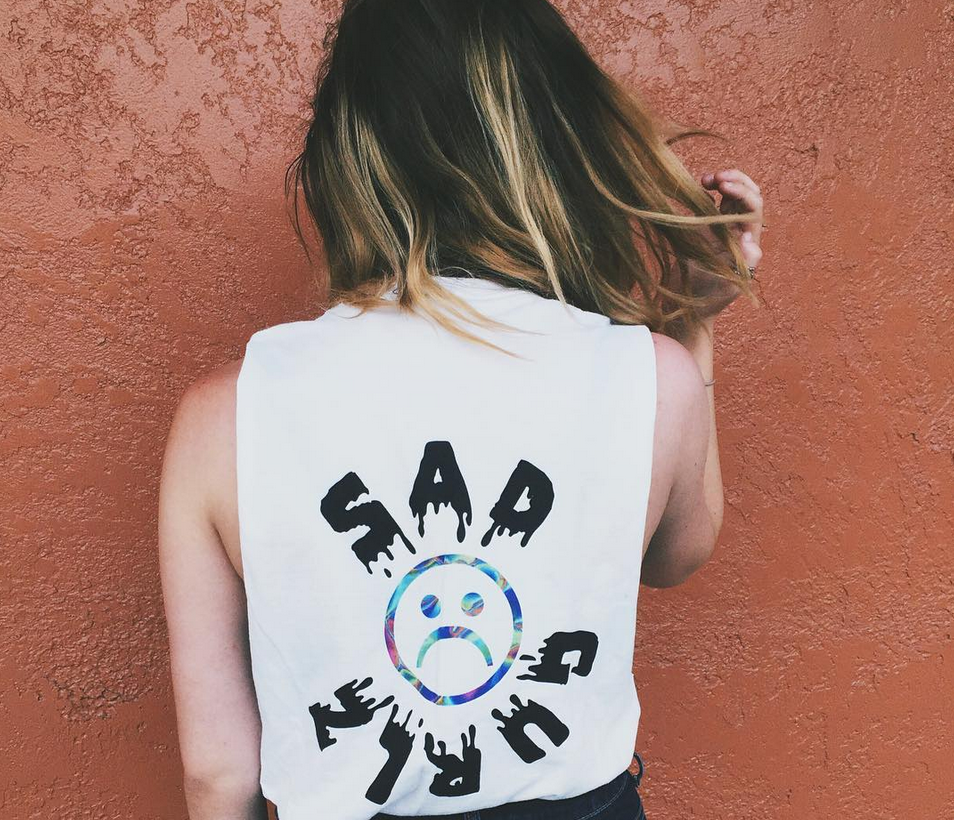
Stop Telling Me To Smile: 2 Rad Parsons Students Photograph Sad Gurlz as A Reponse
BY TABITHA SHIFLETT
If you’re a woman, then you’ve probably experienced the whole You Should Smile More charade. We’ve heard it all before – those gross, sexist comments ranging from, “Life isn’t that bad, honey!” to the plea, “Smile!
Usually, a man, grinning ear-to-ear like a Cheshire cat, is behind this annoying string of cliché phrases just waiting for us to have an epiphany – thanks to his underhanded compliment – and smile like we’re told.
Fed up and completely unamused with what society has dubbed as “resting bitch face,” Parsons photography students Sam Lichtenstein and Jess Williams took matters into their own hands.
The cheeky photo collaboration, “SAD GURLZ,” is a collation of portraits of bold, badass women redefining what it means to have a poker face – or just a face that walks down the street, minding its own business. Radiating rebellion, the images project power and major self-respect.
Both Lichtenstein and Williams spoke with an air of certainty and seriousness.
“We tell our models to look as bored, unamused, and annoyed as possible,” says Lichtenstein. “Which is contrary to how women are normally portrayed in photos....Women are always being told to smile, whether it’s in a photo or when they are just walking down the street, so we want to push that idea aside.”
To become a SG, models must apply via an online form with a theme and color backdrop in mind. Each model is accompanied by a short narrative further explaining the meaning of their photo.
Model Ana, who posed with a handful of Wendy’s French fries, writes "I'm a SAD GURL because eating healthy is the new black. Personally, I'd pick chicken nuggets over an apple any day.”
The photoshoot is a two-step process – once the accepted candidates are photographed against the background of their choice, a compilation of items that correlate with the theme are also shot. The two photos are then displayed side-by-side on the SG website, Instagram account, and Facebook page.
“It’s hard being a woman and even more so for those in the LGBT community,” says Williams. “We want SAD GURLZ to be an outlet for all women to speak out without actually having to say anything.”
The project began in February as an online photo album. But once word got out, the dynamic duo found their inbox overflowing with inquiries. They participated in Parsons' PHOTOFEAST, a bi-annual pin-up exhibit open to New York photography students. That was in April.
“We’re in contact with an all-female gallery in Tempe, Arizona and there’s talk of doing a collaboration and having our very first SG gallery show,” says Williams. “There’s also a magazine based in Spain and Belgium that plans on featuring us and our work.”
And, as if that wasn’t exciting enough, the two say they’re in the process of publishing a 75-page book that features the models they’ve photographed thus far.
“It feels so good to have our work recognized by the people around us,” says Williams. “But, it’s exhilarating to find that our work is being acknowledged by others across the country and the world.”
Fans can currently pre-order the book on the SG website.
Tabitha Shiflett is a graduate of the Dub (The University of North Carolina Wilmington, UNCW). She's written for Her Campus, Seahawk Chic, CBSLocal and Elite Daily. She is currently enrolled in the Creative Publishing and Critical Journalism MA program at The New School in New York City.
Writer Chris Antzoulis on Women in Comics & 'The Paladin'
Chris Antzoulis is kind of a force of nature. He's a poet and comic book writer who seems to have his hands in multiple pies, if you know what I mean. Currently, he's writing the comic book "The Paladin," while also working on "Fennec," poetry, and creating a writing community on Instagram.
Read MoreShades Of Noir: Sofia Coppola's Marie Antoinette
The message of Sofia Coppola’s Marie Antoinette is a dark one. Being a woman is a double edged sword. On the one hand, you are everyone’s most valued possession. You are the vessel of life. Women are coddled and protected and kept in a state of infancy. The fantasy of being a little girl forever, of being a princess, of being indulged, comes with the dark side of being trapped, manipulated, and repressed.
Read More
By Beth Hoeckel via The Ardorous
Things Break Easily in My Big Hands
BY SUSAN RUKEYSER
The night I found the chinchilla, I was on crutches, snooping around the newly-built mansions behind my aunt’s subdivision. I looked into empty rooms where nothing had happened yet. Life might still be pretty, inside and out.
It used to be thick Georgia forest back there, but they stripped it to clay, trucked in sod and saplings and built nine distinctive homes for no one. Flags on stakes heralded a Spring Open House, with pony rides and a petting zoo for the kids.
I figured that’s where the chinchilla came from.
He lay on a bricked driveway, wet from sprinklers. He looked like a tiny squirrel with huge ears. Fur twisted in dark curls. It took some doing, with leg casts, but I managed to pick him up. I tucked him into my messenger bag. Back in my aunt’s kitchen, I laid him on the counter. I tried to dry him with a towel, then my hairdryer. An internet search showed me what he should look like. Chinchillas were beloved for their beautiful, dense fur. Farmers raised a hundred for a single soft coat. Or they were sold as cuddly pets. Beneath the fur, he was a scrawny, pink-skinned rodent. You weren’t supposed to see that.
He wasn’t dead, but he was close.
After what happened in New York, my aunt invited me to Georgia, to live in her house until it sold. She didn’t know me well, her Yankee niece. But she understood the need for escape.
She’d just moved to Orlando with her new boyfriend. She said I could keep tabs on her good-for-nothing realtor. Keep the nosy HOA off her back. They didn’t like vacant homes. They worried their houses looked shabby, compared to those nine new mansions. They planted more crape myrtles at the entrance.
“People like crape myrtles, I guess,” said my aunt. “But every winter they’re hacked back. The branches are blunt as fists. When they finally bloom again, I can’t look. Ornamental trees, where there used to be wilderness,” she scoffed.
I didn’t mind the crape myrtles, but then I only saw them at night. My aunt told me her neighbors turned in early. I’d have the sidewalks to myself after dark. She’d heard from my mother, how people stared.
I’m big. Tall, but more than that: I’m hefty. Large. Thick limbs, dense trunk. Not a pruned ornamental, but a tree that crowds out the neighboring flora.
When people stare, they seem angry.
The New York detective said my size probably wasn’t a factor in the balcony collapse. Balconies should be locked, even on the lower floors, in a building full of NYU undergrads.
Thankfully I’d been alone.
Awnings broke my fall. No one on the street was dead, but some were close.
In my hospital bed, I burned with pain the narcotics couldn’t reach. Humiliation squeezed my heart until I gasped. My pulse looped.
The chinchilla wasn’t interested in the lettuce I ripped up for him or the carrots I diced. He wouldn’t rouse himself to sip water from the dish. He was utterly still, at peace or in shock.
Next door, Mr. Patel went out back for a cigarette. His smoke hung in the thick, humid air. When he was done, he flicked the cigarette away from his azaleas, into brush. I watched until the ember went dark.
Fire scares me. I imagine air sucked from my lungs, flesh melted to bone, my body reduced to weightless ash. I want that so much it scares me.
Before NYU, there was a doctor who wouldn’t help. He said my hormones were normal. No pituitary tumor. My weight was okay, for my height, which appeared to be levelling off.
“Your weight doesn’t qualify you for bariatric surgery,” he said. “And, Gerry, you are not a giant. Leg shortening is very rare. Extreme. You don’t want surgery. You’re just a big girl.”
“Worst kind of girl you can be.”
“Fashion models are tall,” he said too brightly. He gave me a kind, reproachful look, like my father did sometimes. Then he stood to leave. That also reminded me of Dad.
Hours later, the chinchilla hadn’t moved. His fur was still damp. I found the number of an emergency vet.
“Lethargy, diarrhea, cloudy eyes,” she repeated. “There’s only one thing I can do for him. But it won’t be long. Keep him home.”
I told the detective I went out on the balcony for some air. In the common area by the elevator, I shoved aside a couch that blocked access to doors that were locked, but things break easily in my big hands.
It was Friday afternoon, classes done. My roommate and a cute Hellenic Studies major sat on her bed and licked ice-cream. I left, wishing I had a cone, too, but I won’t eat in public.
I imagined my roommate’s sticky hands on that boy. Skin meeting skin: it was easy for some people.
I imagined it was easy.
I wanted to leave a hole as big as me. Free up the space I’d taken, more than my share.
If only that surgeon had cut me down to size.
By dawn, the chinchilla was dead. I tucked him back into my messenger bag, made my way on crutches to those empty mansions. One of the never-used backyards had a young magnolia tree, the base circled by stones. I brushed away leaves like leather scraps, pulled back a corner of sod and dug a hole. I whispered a eulogy: He was more than his fur. He was forgotten, but I’ll remember.
Then I put one of the stones in my bag and hobbled to the glass patio doors. Inside were rooms full of lies. I threw the rock, hard as I could. Sometimes you need to hear something splinter.
Later, back inside my aunt’s house, I watched Mr. Patel toss another cigarette. This one also failed to catch.
Susan Rukeyser is the Reviews Editor for Necessary Fiction, a Copy Editor for Newfound, and Managing Editor of the Twitter-zine escarp. She is the author of Not on Fire, Only Dying.
How My 85-Year-Old Mom Rebooted Her Modeling Career
BY ANNA MURRAY
“Does your mother have an agent?” the creative director asked.
Eileen Ford died two years ago. “Um. Not at the moment.”
“What about travel to Paris? Is she up for it?”
I was waiting in line for chopped salads. Ninety seconds prior, I saw the overseas number and answered my cell phone. Now I was talking to a woman from my past about pitching my mother and me in a global ad campaign.
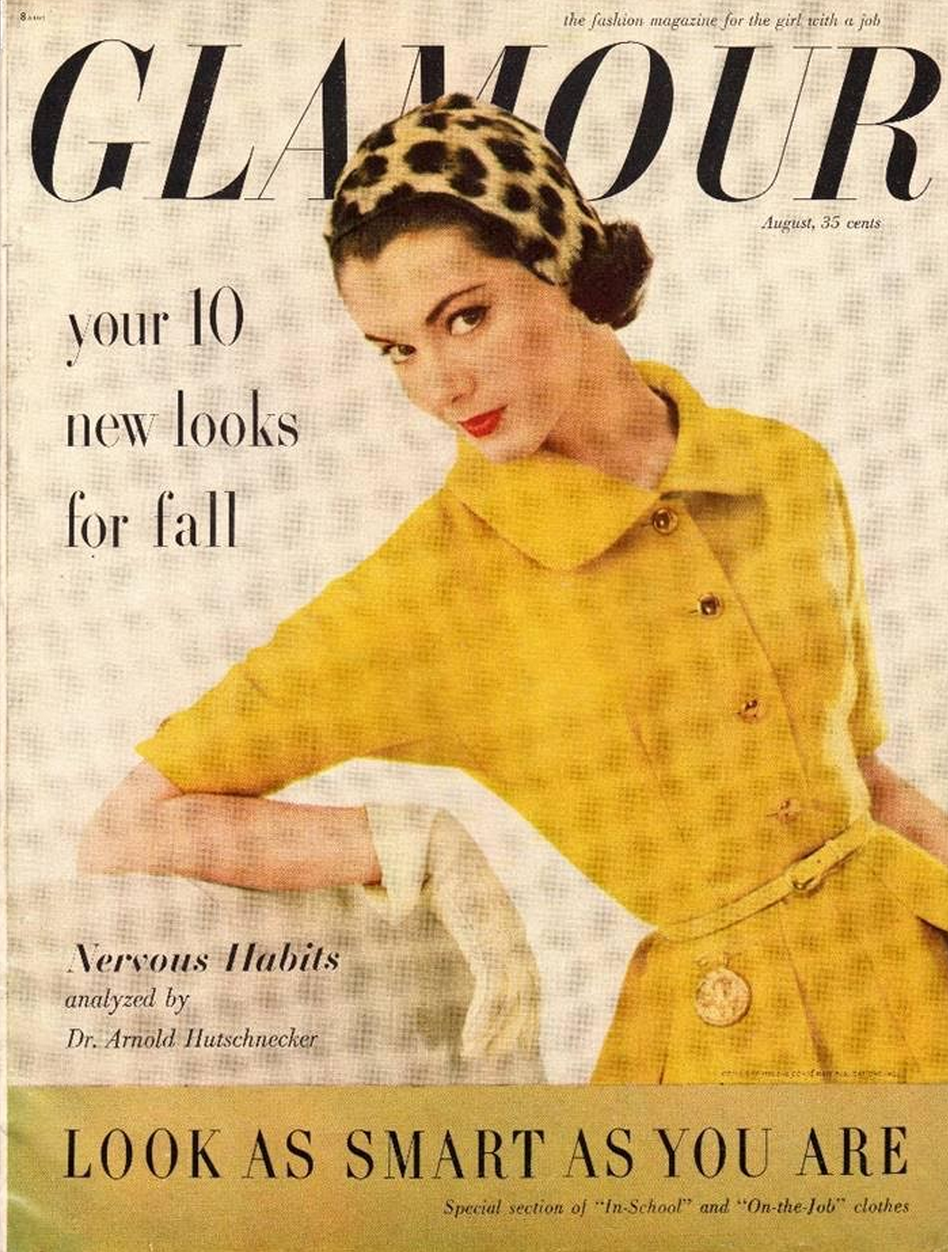
A photo essay I wrote for Vox was going viral. It was about my mom, Patsy Shally, a former world-famous fashion model.
From 1948 through 1960, my mother was the apex of commercial beauty – young, thin and exquisite. Discovered at 13, she was a top model for Eileen Ford, on the cover of practically everything. She went for screen tests with Rock Hudson and one-on-one interviews with legendary Hollywood producer Melvyn Leroy.
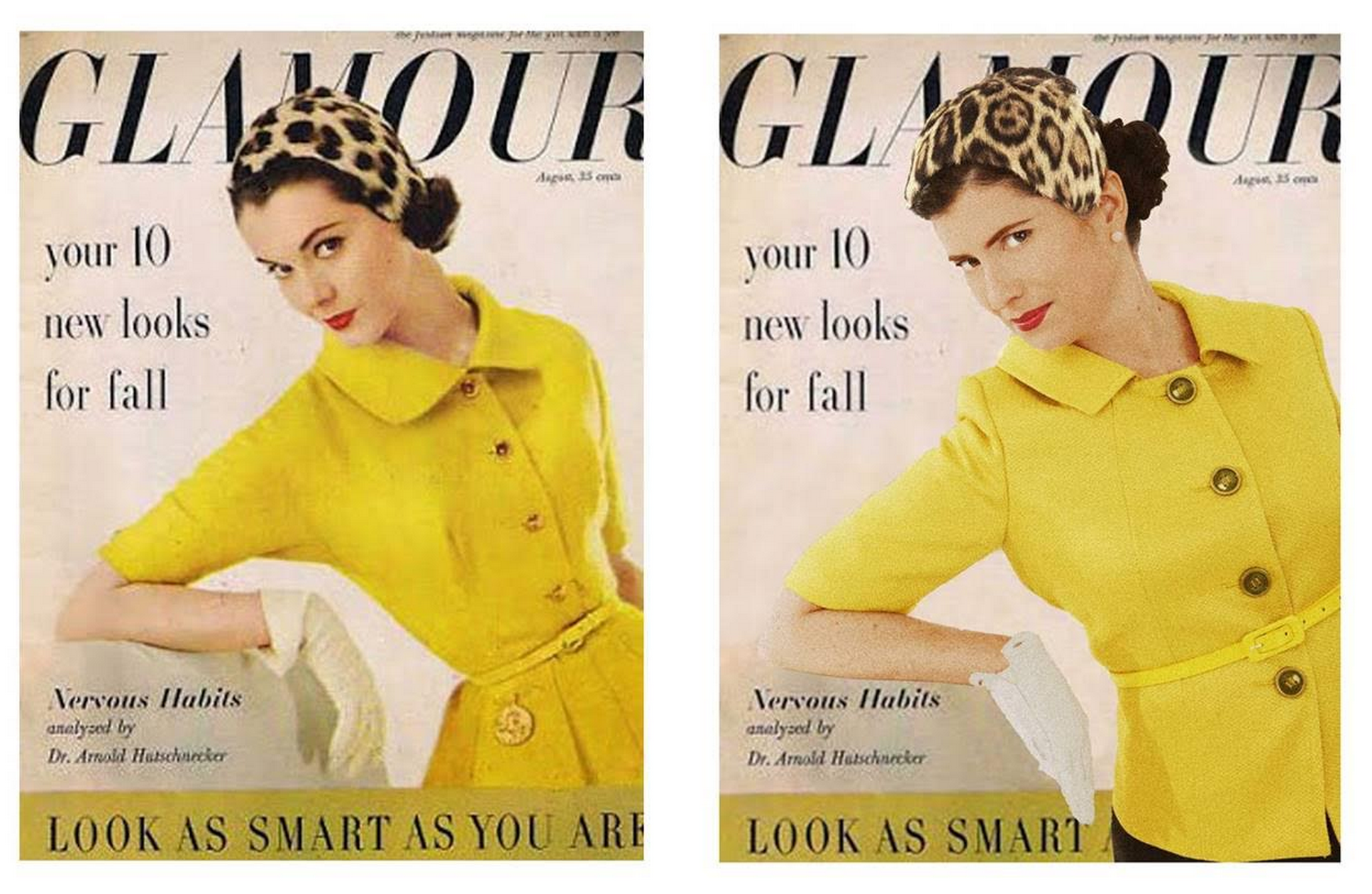
Mom and I recreated her most famous Vogue, Glamour, and McCall’s covers. The piece I wrote was about beauty and aging.
A particular series of photographs was drawing the most attention: our twist on my mother’s 1956 Irving Penn Vogue cover.
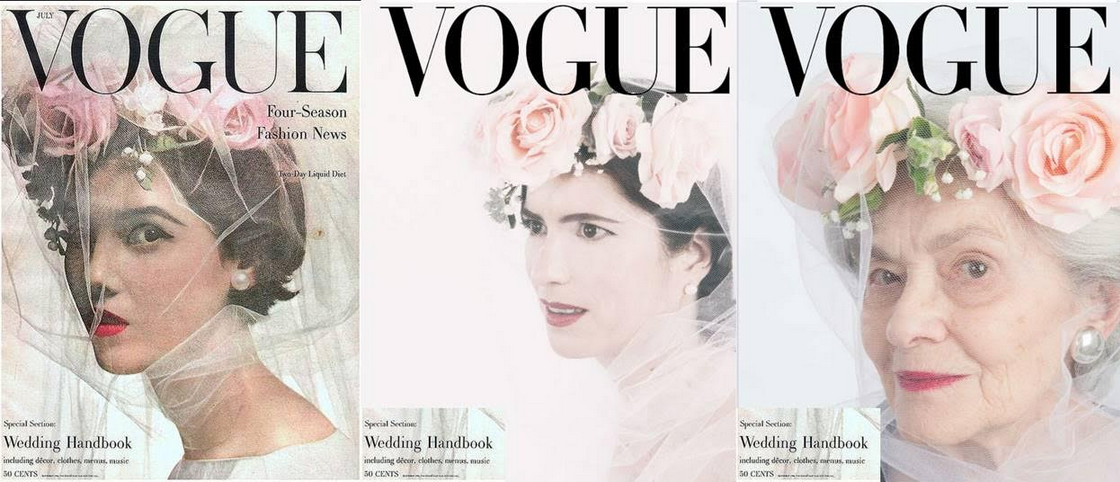
It is July 1956. Mom is the fresh bloom, the ingénue and prize in marriage. Today, on the brink of turning 50, I am the November rose, the last of summer. At 85, Mom is still gorgeous. She is the petals pressed in a diary.
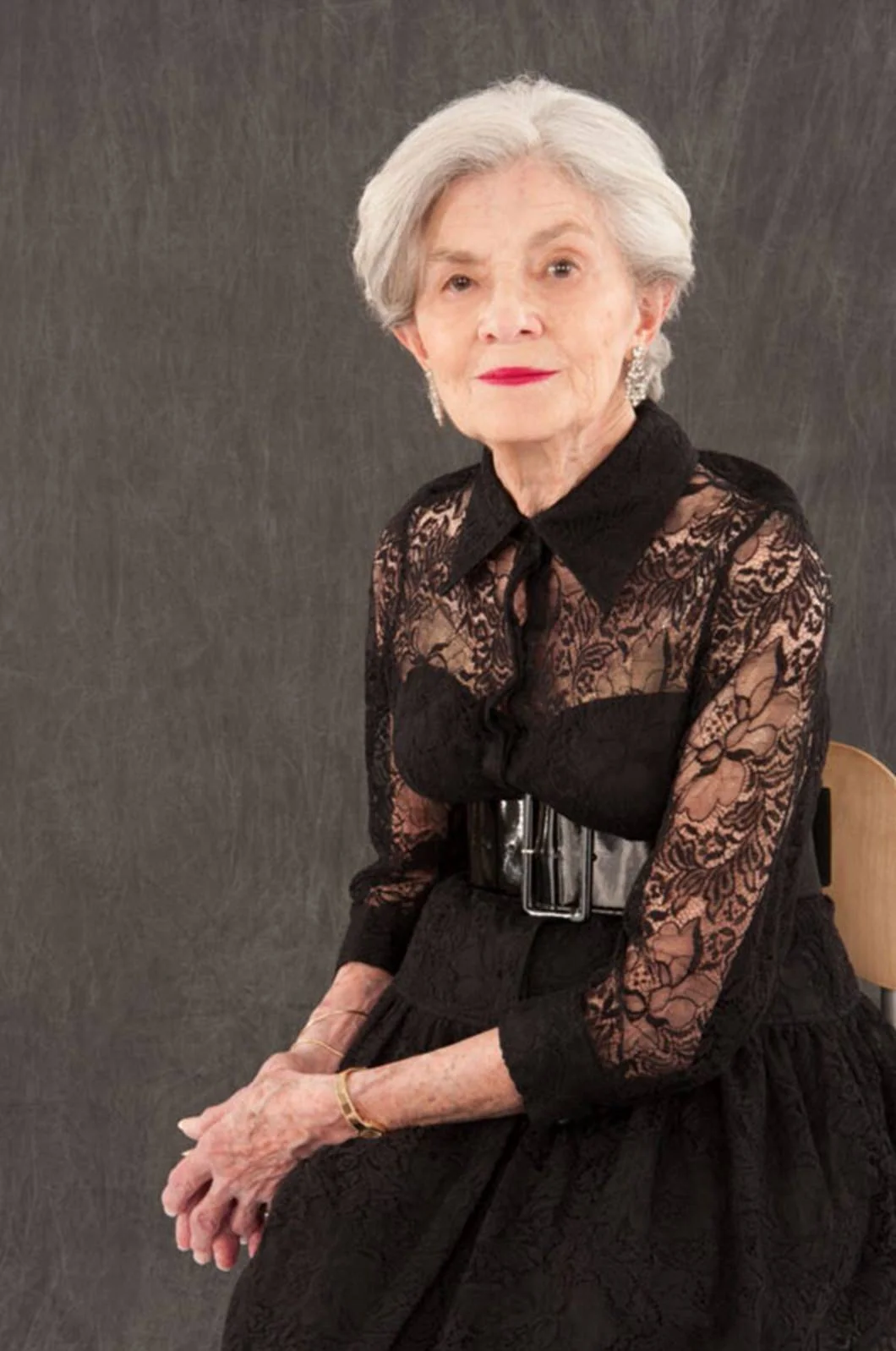
“The elderly shouldn’t be invisible,” Mom said. “We matter.”
It was clear from our photo shoot Mom, at 85, still “had it.”
The project hit home. We were picked up in the Daily Mail and ran in their network worldwide. We were being tweeted by Racked, by Newsweek and by the producer of Rizzoli and Isles.
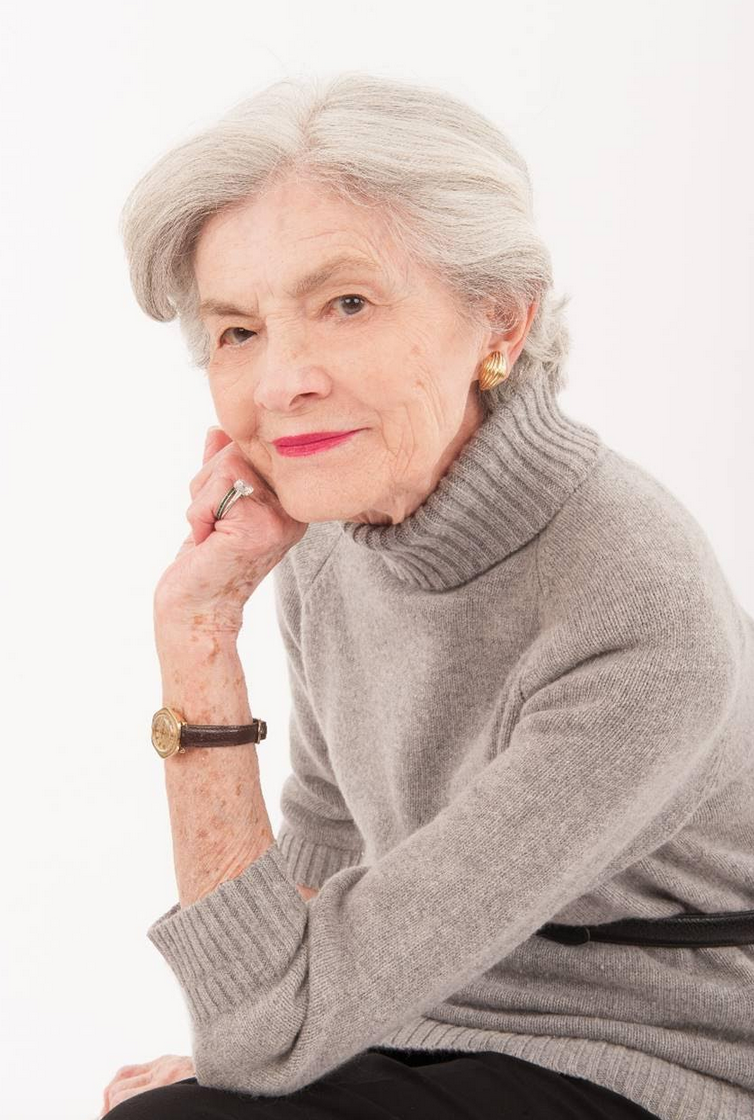
People were contacting me from all nooks and crannies of my life, including Sam, a long-past acquaintance, and the current creative director for an international ad agency. She said our story resonated. The brand was thrilled. We could be big.
“I think she can probably travel,” I answered. Mom has her frail moments. But we were talking Paris.
“I’ll need whatever additional photos you have. Also traffic and social shares.”
Over the last few weeks, Mom and I had received hundreds of comments from people who said our project touched them.
Here’s what I found most surprising:
· People called us “fearless.”
· People said they cried.
· Men said the essay touched them.
· Someone suggested my mother might be the next Mrs. Donald Trump.
Mom and I had joined a great zeitgeist-y army of age-barrier-busting beauty warriors. There was Elon Musk’s mother, 68, now elbowing out Botox blondes for ad campaigns. And Vogue putting a 100-year-old on its cover for their 100th anniversary.
“It's important that all women and consumers are featured on the runway and in advertorials. Women of all ages wear clothes- why should they be left out?” said fashion designer Carrie Hammer, famous for her recent fall 2015 show called, “Role Models Not Runway Models.”
“Your recreations of your mother’s covers are a powerful message of love, courage and understanding,” said Nyna Giles, author of the upcoming book The Bridesmaid’s Daughter.
Giles was one of the most amazing out-of-the-woodwork surfacers. Her mother, Carolyn Scott, modeled with mine. Giles book recounts her mother’s career, including Barbizon roomie Grace Kelly. It will be published by St. Martin’s Press next year.
It’s important, Giles said, even at this late date, to give our mothers their names back. “They were the first super models. Today they would have been household names. But back then, only the photographers were credited.”
A modeling job in 2016 would be quite a capper to Mom’s career. What a terrific irony: My mom, who defined the mainstream ideal of youth and beauty, was challenging that very ideal in her 9th decade.
The next few weeks were ferociously busy. Sam’s team prepared the pitch and she contacted me daily for additional information—copies of comments, web stats, requests for more photographs. Dad, 88, got their passports renewed.
Mom was calm. She knew the gig, literally, despite the 56-year gap between this and her last job. She only asked, “Did they say how many days would we be working?” There would, after all, be shopping to do.
Then, a week ago, Sam said the brand in question was favoring an alternate concept her agency had pitched.
I was disappointed. Mom shrugged: That’s life in super model fast lane. Sam salved the blow by saying I would be shocked and “so proud” once I knew who actually got the job. “You won’t believe who you were up against and almost made it!”
Who could it be? I conducting a quick survey of Mom’s and my new fans—asking them to guess who won out over us.
“Lord, I hope it’s not Kim Kardashian and Caitlyn Jenner!” Howled one. That might rattle even professional Mom’s sang froid.
Here are the guesses. The leading candidates for Mom’s and my nemeses:
· Gwyneth Paltrow & Blythe Danner
· Goldie Hawn and Kate Hudson
· Isabella Rossellini and Elettra Rossellini Wiedemann
· Ellen & Betty DeGeneres
· Madonna & Lourdes Leon
· Jerry Hall & Georgia May Jagger
· Iman & Lexi Bowie
· Jada Pinkett Smith and Willow Smith
· Twiggy and Carly Lawson
· Zoe Kravitz and Lisa Bonet
· Anderson Cooper and Gloria Vanderbilt
I’m keeping watch on Ad Age to see if someone gets it right.
In the meantime, we are receiving other interesting nibbles. And Mom could really use an agent.
Anna Murray is CEO of emedia, llc., a technology consulting company, and a writer. Her essays have appeared in Vox, The Daily Mail, Soundings Review, Piker Press, Adanna, and The Guardian Witness. Her recently completed new novel is represented by David Black Agency. It features a once-famous model and her look-alike daughter. Her non-fiction title, The Complete Software Project Manager, was published in January 2016 by John Wiley & Sons. One reviewer commented, “This is a technical book that reads like a novel.”

Aela Labbe
Poetry By Jacklyn Janeksela
Jacklyn Janeksela is a poet among other things. she is a self-taught artist. her art/poetry can be found @ felled limbs, The Tower Journal, Oddball Magazine, The Nervous Breakdown, Berfrois, e-ratio Poetry Journal, All in Your Head, Thirteen Myna Birds, & Barrelhouse. her poetry can be found elsewhere, but in lesser known places or tucked away-hidden. for their music in [the velblouds], she and her husband were in Armenia for an artist residency; their work surrounding the band was on display at the Modern Museum of Art in Yerevan. her artwork @ femalefilet, her blog for women about women, is her baby. next summer she will be in Finland for an artist residency, among other things, for a project based her deceased, schizophrenic grandmother. More artwork can be found here.
Read More
A Father’s Day Story From Someone Without One
I have always been drawn to older men, father figures. Not romantically, but as surrogate fathers. My 7th grade teacher, my choir teacher, the supervisor at the drug store where I worked during college were all stand-in fathers for me, at least in my mind. I don’t know who my biological father is, so the only father I knew was my stepdad. My stepdad would have looked down on my choice to buy a suit. He would have mocked the shiny training room and the corporate executives in it. He would have told me to stop playing someone else’s game and to be authentic to myself.
Read MoreShades Of Noir: Melancholia
The wedding is the ultimate female fantasy of culmination, of dreams coming true, or true love cemented and bound forever in an elaborate ritual. The wedding, in a romance film would be the final scene. It would be the pinnacle. By beginning with the wedding scene Lars Von Trier makes sure that the film's trajectory goes downwards rather than upwards.
Read More
An Interview with AmpLit Fest's Founder – June 11, Lit on the Hudson
BY LISA MARIE BASILE
I spoke with Clare Smith Marash, the Founder and Director of Amp Lit Fest, which is co-produced by Lamprophonic and Summer on the Hudson. If you're free June 11, it's worth heading to the festival, which has a really great lineup, with panels. (See bottom of the post for more).
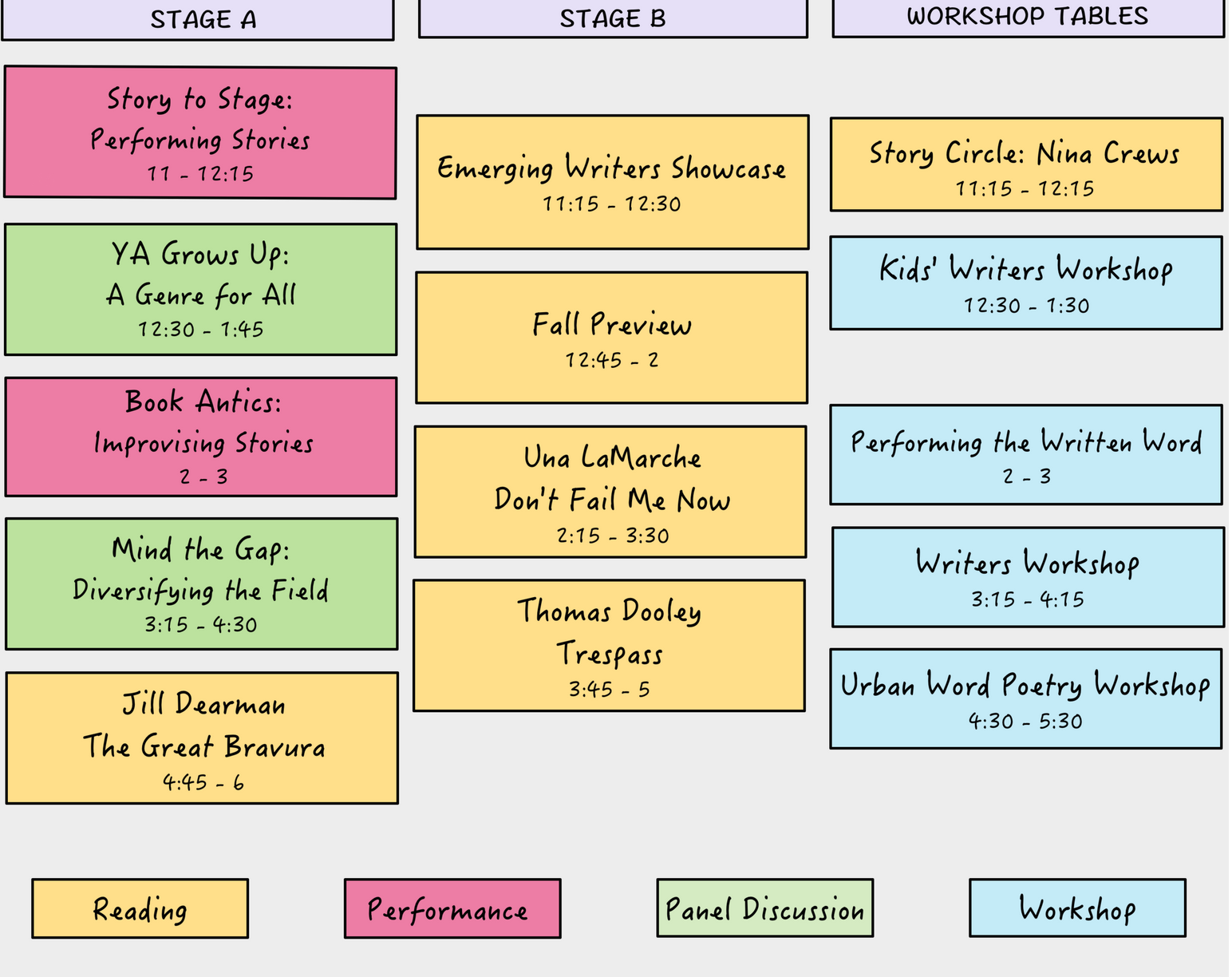
AmpLit Fest is, as their site says, "a free, daylong festival that brings authors of all backgrounds, styles, and levels of recognition to center stage. With readings, workshops, panels, and a community market, AmpLit Fest makes one of life’s most solitary acts — writing — a public celebration."
1. I love the idea of this festival – promoting new, fresh voices and emerging writers. So necessary. Literary scenes can, at times, feel repetitive and cliquey, so was it important to start from a place of celebrating other voices, new voices, diverse voices?
Definitely. The mission of Lamprophonic is to encourage a robust, diverse, and supportive literary community, so those objectives were always in our minds.
2. Is the focus on emerging writers answering to a larger issue in the NYC literary arena?
Lamprophonic’s flagship program is a reading series for emerging writers. I won’t claim it started anywhere too lofty - I was in graduate school when I started the series, getting my MFA while working as a bartender. The bar wanted to drum up business during a slow summer, so I suggested I bring some friends in for a reading, those friends being my classmates, who were emerging writers. Pretty quickly, though, I saw real value in protecting that space. There are many reading series in the city, but most - to my knowledge - have a hierarchical structure.
There’s an established headliner. I thought about how hard it was to get up there and read your work in front of strangers, but also how important it was. I wanted to encourage that impulse to share at every stage of a writer’s career.
By keeping the series wholly emerging writers, we can celebrate the artist-in-process and not make any kind of judgment on what it means to be successful or known, what that line is between emerging and emerged. We can avoid the hierarchy and create a space for newer writers to make connections outside of institutions, which I think also fosters a more inclusive community.
Anyway, that’s a really long way of saying that the emerging writer community is kind of Lamprophonic’s home base and we felt no reason to disregard that in AmpLit, though the festival has afforded us the opportunity to present people who we adore but would not necessarily consider themselves “emerging” and get those two parties side-by-side in a way that feels less tiered, to me, than wide-reaching. We’ll also be holding writing workshops, so we’ll be encouraging soon-to-be emerging writers to join the fun, too!
(See a list of performers here).
3. I love the idea of having a community market. What's that about?
For all we were able to do in this first run of the festival, there was so much more we wanted to do. There are so many literary-driven organizations in New York who do great work and if we had the time and resources, we’d be partnering with all of them. That’s rather unrealistic, though, so the community market was our way of extending our reach, offering a space for these great entities to share their efforts with our audiences, even if we couldn’t present them or formally partner with them at the festival.
4. You are also offering a panel on diversity. This is such a necessary area of focus, and one that has been neglected for some time by many bigger institutions. Can you talk a little more about that – as well as prepping for and choosing what panels you are offering?
Again, if only we could do more! From the start, I felt it was really important to have a discussion about diversity in the literary field — because how could you not? It’s real, serious problem in the industry and, particularly if we were going to set out to amplify new and fresh voices in the field, we must acknowledge how many voices have been systemically muted and the work being done to change that.
As for our other panel, YA Grows Up: A Genre For All, that came out of my desire to reach audiences who maybe don’t consider themselves “literary.” Because what does that mean, really, to be literary? YA seems to be this across-the-divide genre that engages people who don't consider themselves big readers as well as the passionate literati. It’s a fantastically popular genre and has now churned out repeated blockbusters, too. It got me thinking about how categories so often end up having all these additional implicit messages. 'Young Adult’ signals a lot for people, but not necessary does it signal an intended audience. So then I wanted to talk about the categorization’s use and usefulness in the market, and therefore talk about the business of books. Because it is a business, as well as an art.
5. You have so many major literary sponsors! What do you think this says about the state of literary arts in NY?
Enthusiasm! I was totally stoked to put this festival together and yet, for whatever reason, remained completely surprised that other people were just as jazzed. Anyone who supported the festival in anyway - from donating books to being represented by an author or staff member, we asked if they wanted to be acknowledged on the website and almost everyone said yes. Not to promote themselves, but to say this was something they were behind, to say they were happy to be there. Which I think is amazing.
Throughout this whole process, we’ve gotten so few ‘no’s; it’s rather incredible. Or biggest hurdle was competing with wedding season (we had several people who wanted to participate but were out to town for a wedding on the 11th). It just shows you how much this community is built on passion. We all just want to talk about this stuff all the time and are so happy when a forum appears in which to do it!
6. What do you want the community – writers and listeners alike – to take away from the fest?
Many things big and small. I want people to have fun. I want them to learn something. I want them to feel inspired. But if I had to choose one overarching thing, I think I want, at the end of the day, for literature to feeling more inviting to everyone. Everyone has a story to tell, and maybe we’ll get a few more people encouraged to try, or get a few more people to spend a bit more time with a book in their very busy lives, or get people to think about what influences their reading choices and change it up. We’re here to remind everyone just how much a good story can offer us.
Clare Smith Marash is the winner of the Avery Hopwood Award in Short Fiction and numerous fellowships, Clare received her Masters of Fine Arts in Creative Writing at Columbia University. Clare currently freelances as a writer and editor. She has written about topics ranging from particle physics to political music, and has taught at the high school and university level. You can learn more about her writing and work by perusing claresmithmarash.com
Witchy World Roundup: June 2016
BY JOANNA C. VALENTE
From Lindy West to Casey Rocheteau, we've got it all:
'Beyond the “girl power” anthem: Beyoncé, Lana Del Rey and pop’s radical embrace of female vulnerability' by Arielle Bernstein on Salon:
"The most interesting female artists today are pushing away from “girl power” for something more interesting—vulnerability. For the past few years, two of the most interesting and different artists, Beyoncé and Lana Del Rey, have released albums that unabashedly reclaim the love story as a fertile ground for asking existential questions, not just about what it means to be a woman in the world, but also what it means to be a person."
Lindy West on why you should silence your trolls on Buzzfeed:
"Just blocking and ignoring never felt satisfying to me. It just felt so passive and it felt unfair that we were supposed to not talk about this thing that is just pervasive in our professional lives. And the justification was like, if you give them attention then they’ll keep doing it. Well, they’re not stopping anyway! They’re going to hate me no matter what I do. So either I have this sort of unsatisfying, wet-blanket, powerless feeling, or I take control of the conversation. And I’m a professional writer. I’m better at writing than them. It’s really easy to win an argument with an internet troll if you’re good with language and you’re smart.
I started doing it and I don’t know that it made a difference either way, but it was at least privileging my feelings over the troll’s feelings. Why should I not do this because it might make some dude happy? I don’t care if he’s happy or not happy. I care about myself and my mental health. And something always sat wrong with me about hundreds of people screaming at me trying to make me go away, trying to drive me out of my job and silence me. Silence never felt like the right response to that."
Mary Gaitskill was interviewed at Guernica, and she's pretty badass:
"But at a very core level, people still think that a woman who doesn’t have children or doesn’t want children is really lacking in something. I’ve seen this over and over again in my life. I’ve had this thinking used against me repeatedly. I remember I had a therapist once, and I brought this up, and she said, “Well, I think women who don’t have children feel very self-critical. They feel bad, so they think other people are critical in that way.”
Bridget Minamore on ‘Racism and misogyny explains why there are so few black women in politics' on The Pool:
"For the black female politician in the West, racism and sexism (or, as feminist scholar Moya Bailey called it, misogynoir) is a part of life. Like all women, the way we look is often disparaged, but brown skin takes any sexist mocking or criticism and adds a grimy layer of racism to it – like the icing on a particularly shitty cake."
Mallika Rao talks ‘From Nina to Lemonade, Why We’re Still So Bad at Talking About Colorism' on Slate:
"Yet even as terms like yellowface and whitewash sink into our cultural vocabulary, there remains confusion on basic matters of colorism. In a 1983 essay, the writer Alice Walker coined the word to explain “prejudicial or preferential treatment of same-race people based solely on their color.” Simply: Lighter is better. “Light blacks,” as Walker called them, fare better in white society than “black blacks,” and their skin is prized in black communities. Colorism endures because both black and white people perpetuate it."
Ella Wilks-Harper on ‘There’s a Fine Line Between Tokenism and Diversity‘ on Gal-Dem:
"Diversity and tokenism also comes when organisations employ people to enhance diversity, but then assume the skills and competencies of the individual are trapped within their identity. It becomes a problem when their identities are assumed to not be compatible with the mainstream. Within journalism, they are then only asked to write about black issues or Muslim issues, as opposed to being allowed to explore their careers and abilities in any area they feel interested in."
Joanna Sing explores race in ‘What I Have Learnt from Being (Occasionally) White-Passing‘ on Gal-Dem:
"However, this is not to say that being white-passing does not come with its own unique experiences and issues. For instance, you have the privilege of being considered “one of our own” by white people, and are treated as such, but this does also mean white people sometimes feel comfortable enough around you to air their racist beliefs. Sometimes about one of the ethnic groups you associate with; such as that of your mother."
Casey Rocheteau challenged the way the lit community is run in her amazing piece ‘Literary Juneteenth (or Why I Left The Offing)‘ on The Offing:
"In other words, despite her having the best intentions and excellent experience, I nonetheless began to ask ‘how is this magazine truly an agent for change if it seems to exploit the very population it seeks to serve?"
Shades Of Noir: Becoming The Black Swan
This is a film about a journey. The journey from childhood to adulthood. The transformation from art object to art maker. The shift from passive observer to active participant in the script of one’s own life. Nina must decide if she wants her mother to be the author of her life or if she is ready to take responsibility for her own choices and her own pleasure and fulfillment—as a woman, as well as an artist.
Read More
6 Lady Book Vloggers We Love to Watch
BY CHARLOTTE COOK
YouTube has an active community of vloggers, artists and personalities for almost everything or occasion – makeup, music, gaming and even colouring. Of course, it’s only fair that books have their own respective corner in the YouTube world, and these are some of the lovely ladies making some of the best bookish content out there.
Jean Menzies from Bookish Thoughts
PhD Classics student, book reviewer and all-round literary princess. Jean is crazy clever, but down to Earth and reads a huge variety of books from classics to contemporary fiction and graphic novels. If you like “banging your feminist drum”, then you should definitely check out her Feminist Orchestra book club!
Watch her if you’re interested in classical fiction and feminism – or if you just enjoy a delightful Scottish accent.
Jen Campbell
Booktube pretty much begins and ends with Jen Campbell, most likely because she’s so well-read and lovable. Jen is a published author and poet, with great taste in fiction and poetry of all kinds. She has a series of children’s books currently in the making which are no doubt going to be amazing. Plus, her dog, Lola, is so adorable.
Watch her if you’re a fan of magical realism, fairy-tale retellings and a good old cup of tea.
Mercedes Mills from Mercy’s Bookish Musings
Mercy is the certified queen of book hauls. If there were ever such a thing as retail jealousy, Mercy’s channel would embody it. She’s always chirpy and friendly, but her reviews are straight-talking and on point. If I’m ever thinking of which book I should buy next, her channel is my first stop!
Watch her if you want some awesome reviews and mouth-watering hauls.
The popularity of Young Adult fiction has blown up over the past few years, and if you jumped on the YA bandwagon then India’s channel is definitely one for you. She’s super bubbly and keeps her videos short and snappy. If you’re looking for a YA recommendation, then definitely check out her monthly wrap-ups where she chats about the books she read that month. She’s also re-reading the Harry Potter series (for a bonus side order of nostalgia!)
Watch her if you’re a fan of Young Adult fiction and want to relive some Hogwarts memories.
Lauren Whitehead from Reads and Daydreams
Lauren is just a beacon of bookish joy, with a lovely smile and infectious laugh. Of course, no badass lady booktuber is complete without a good dose of literary love and Lauren has plenty of it. Her “Page to Screen” series is also a great way to get a double-whammy book and movie recommendation.
Watch her if you’re a fan of a good classic book analysis with some movie adaptations thrown in – oh, and if you need to smile!
Sophie Carlon
On the other side of the Earth is the lovely Sophie Carlon, an Australian booktuber with a great sense of humour. She makes book hauls, reviews and tags with a smattering of vlogs which are always welcome as she has such a kick-ass personality (and a snake, to boot!). Possibly the most underrated booktuber out there!
Watch her for some seriously funny reviews and an occasional shot of a serpent (her name is Abbey).
Who are your favorites? Leave them in a comment below.
Charlotte Cook is a journalist, poet and strident shark defender. Having just graduated from University with a BA in Philosophy, you will most likely spot her writing about feminism, sex and culture - all whilst accompanied by a cup of tea and a heap of books. You can find her on Twitter @charlotte__cook, or peruse her blog: www.charl-cook.blogspot.co.uk