In the Image
Guernica and grief in the image, grief of mothers in the image, grief of fathers and children in the image, places where we once ate sweets in the market in the image, concrete in the image, wounds and death in the image, and again, is love wrong, I mean, morally wrong? There is revolution in the image, but I’ve lost the revolution the way the war was lost, and lost, and lost again. There is rising up and being beaten in the image. There is broken in the image, and strength in the image. And I wonder where I am in the image, if I am that leaf that was once on the tree when the tree stood, or if I am the bewildered bird looping the sky looking for home and there will never be home not for me not for you not for anyone in the image, there will simply never be home. I am not at home in the image, and I am not at home when I put the image down. And I know you want the image to stop being, I know you want the image never to have been, and I know, also, that you are glad hearted to be in the new image, in the forest of hands and the shouting up and the side by side and the walking and the writing and the speaking and the signing, and where, you are wondering, is that person I thought I knew, the one I thought would be here.
The Old Love
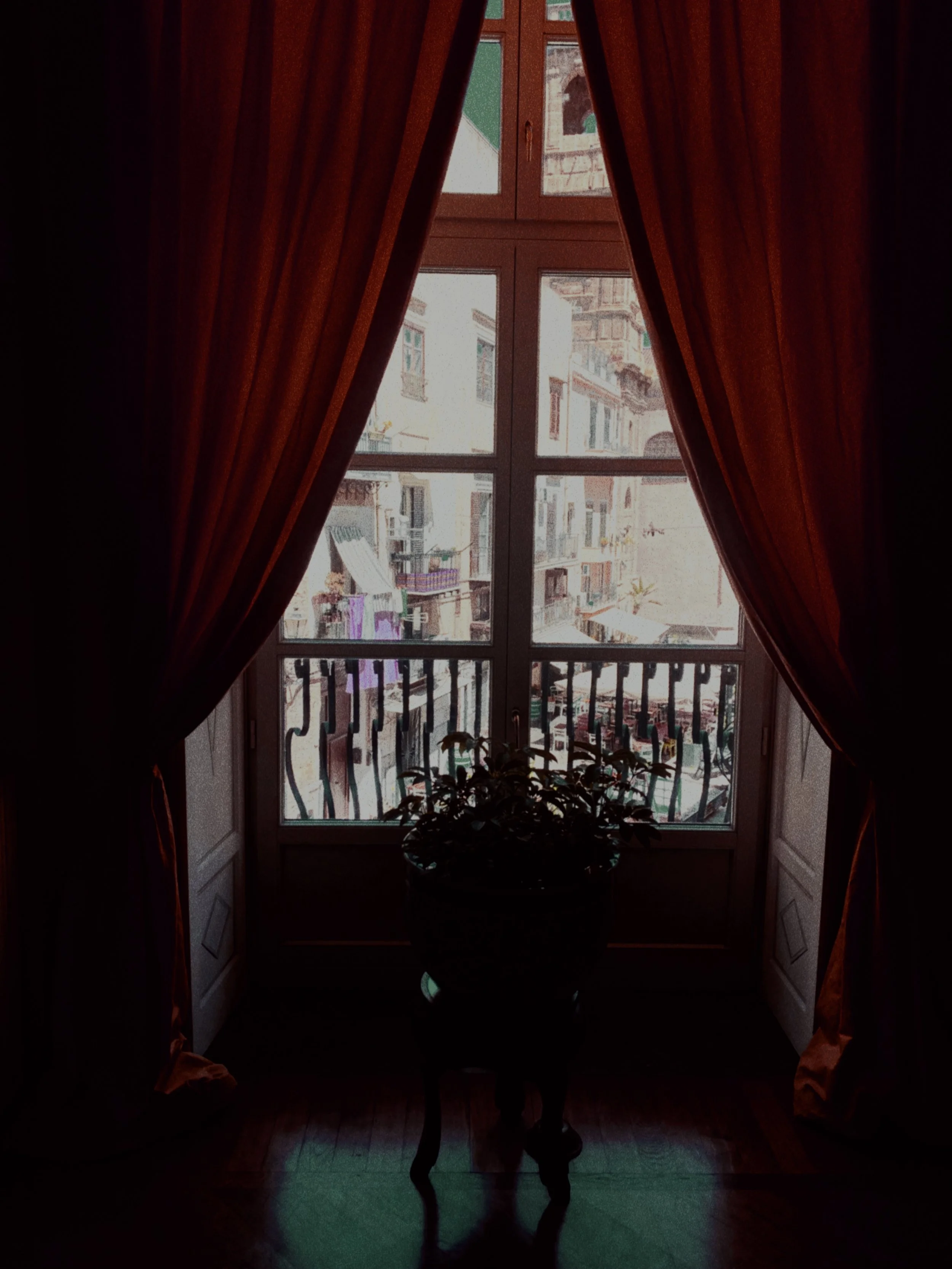
Let me love who I love, let me awaken, no, I mean let me wake up, let me wake up in the ordinary way, in the light from the window in the noise of the street in the noisy parakeet’s screaming, in the unknown of the stuttering day, in the unfolding coffee, in the screen, in the portal, in the thin knowledge of what is happening elsewhere, in Bernadette’s sink with the white clothes where I am getting clean, ordinary clean, whether I’m young in this story or not, whether I’ve cut my hair down so far it’s the shortest wherever I go, if I could drive myself a little mad with raw desire and experiment, if I could just love, only that, or, that again, the way a man stood in a crowded room and said we could never love anyone new, that it was always the old love coming around again, which means, I think, that it was never actually love in the first place, but then why did it begin with O, why did it end in silence, and I wonder about Louise alone in her house next door, retreating to the upper rooms, but anyway, let me forgive it all and let me put down the heavy things by the door and come inside at the end of the day.
Sal Randolph is an artist and writer who lives in New York and works between language and action. She is the author of The Uses of Art, a memoir of encounters with works of art. Her poems have been featured in BOMB, jubilat, La Vague, Oxidant Engine, Pamenar, Sound American, Vestiges, and elsewhere; her art work has appeared internationally at museums and in exhibitions including the Glasgow International, Ljubljana Biennial, Manifesta 4, and the São Paulo Biennial. Sal Randolph is a Zen priest and co-founder of dispersed holdings, a publishing project.
Her weekly is Free Words (salrandolph.substack.com).