• Home
  • indulge
  • new poetry
    • About Luna Luna
    • resources
    • search
  • editor
  • dark hour
  • submit
Menu

luna luna magazine

  • Home
  • indulge
  • new poetry
  • About
    • About Luna Luna
    • resources
    • search
  • editor
  • dark hour
  • submit
delicious new poetry
'the doors of the night open' — poetry by Juan Armando Rojas (translated by Paula J. Lambert)
Nov 29, 2025
'the doors of the night open' — poetry by Juan Armando Rojas (translated by Paula J. Lambert)
Nov 29, 2025
Nov 29, 2025
'we can be forlorn women' — poetry by Stevie Belchak
Nov 29, 2025
'we can be forlorn women' — poetry by Stevie Belchak
Nov 29, 2025
Nov 29, 2025
'I do whatever the light tells me to' — poetry by Catherine Bai
Nov 29, 2025
'I do whatever the light tells me to' — poetry by Catherine Bai
Nov 29, 2025
Nov 29, 2025
‘to kill bodice and give sacrament’ — poetry By Kale Hensley
Nov 29, 2025
‘to kill bodice and give sacrament’ — poetry By Kale Hensley
Nov 29, 2025
Nov 29, 2025
'Venetian draped in goatskin' — poetry by Natalie Mariko
Nov 29, 2025
'Venetian draped in goatskin' — poetry by Natalie Mariko
Nov 29, 2025
Nov 29, 2025
'the long sorrow of the color red' — centos by Patrice Boyer Claeys
Nov 28, 2025
'the long sorrow of the color red' — centos by Patrice Boyer Claeys
Nov 28, 2025
Nov 28, 2025
'Flowers are the offspring of longing' — poetry by Ellen Kombiyil
Nov 28, 2025
'Flowers are the offspring of longing' — poetry by Ellen Kombiyil
Nov 28, 2025
Nov 28, 2025
'punish or repent' — poetry by Chris McCreary
Nov 28, 2025
'punish or repent' — poetry by Chris McCreary
Nov 28, 2025
Nov 28, 2025
'long, dangerous grasses' — poetry by Jessica Purdy
Nov 28, 2025
'long, dangerous grasses' — poetry by Jessica Purdy
Nov 28, 2025
Nov 28, 2025
'gifting nighttime honey' — poetry by Nathan Hassall
Nov 28, 2025
'gifting nighttime honey' — poetry by Nathan Hassall
Nov 28, 2025
Nov 28, 2025
'A theory of pauses' — poetry by Jeanne Morel and Anthony Warnke
Nov 28, 2025
'A theory of pauses' — poetry by Jeanne Morel and Anthony Warnke
Nov 28, 2025
Nov 28, 2025
'into the voluminous abyss' — poetry by D.J. Huppatz
Nov 28, 2025
'into the voluminous abyss' — poetry by D.J. Huppatz
Nov 28, 2025
Nov 28, 2025
'an animal within an animal' — a poem by Carolee Bennett
Nov 28, 2025
'an animal within an animal' — a poem by Carolee Bennett
Nov 28, 2025
Nov 28, 2025
‘in the glitter-open black' — poetry by Fox Henry Frazier
Oct 31, 2025
‘in the glitter-open black' — poetry by Fox Henry Frazier
Oct 31, 2025
Oct 31, 2025
'poet as tarantula,  poem as waste' — poetry by  Ewen Glass
Oct 31, 2025
'poet as tarantula, poem as waste' — poetry by Ewen Glass
Oct 31, 2025
Oct 31, 2025
'my god wearing a body' — poetry by Tom Nutting
Oct 31, 2025
'my god wearing a body' — poetry by Tom Nutting
Oct 31, 2025
Oct 31, 2025
'Hours rot away in regalia' — poetry by Stephanie Chang
Oct 31, 2025
'Hours rot away in regalia' — poetry by Stephanie Chang
Oct 31, 2025
Oct 31, 2025
'down down down the hall of mirrors' — poetry by Ronnie K. Stephens
Oct 31, 2025
'down down down the hall of mirrors' — poetry by Ronnie K. Stephens
Oct 31, 2025
Oct 31, 2025
'Grew appendages, clawed towards light' — poetry by Lucie Brooks
Oct 31, 2025
'Grew appendages, clawed towards light' — poetry by Lucie Brooks
Oct 31, 2025
Oct 31, 2025
'do not be afraid' — poetry by Maia Decker
Oct 31, 2025
'do not be afraid' — poetry by Maia Decker
Oct 31, 2025
Oct 31, 2025
'The darkened bedroom' — poetry by Jessica Purdy
Oct 31, 2025
'The darkened bedroom' — poetry by Jessica Purdy
Oct 31, 2025
Oct 31, 2025
'I am the body that I am under' — poetry by Jennifer MacBain-Stephens
Oct 31, 2025
'I am the body that I am under' — poetry by Jennifer MacBain-Stephens
Oct 31, 2025
Oct 31, 2025
goddess energy.jpg
Oct 26, 2025
'Hotter than gluttony' — poetry by Anne-Adele Wight
Oct 26, 2025
Oct 26, 2025
'As though from Babel' — poetry by Fox Henry Frazier
Oct 26, 2025
'As though from Babel' — poetry by Fox Henry Frazier
Oct 26, 2025
Oct 26, 2025
'See my wants' — poetry by Aaliyah Anderson
Oct 26, 2025
'See my wants' — poetry by Aaliyah Anderson
Oct 26, 2025
Oct 26, 2025
'black viper dangling a golden fruit' — poetry by Nova Glyn
Oct 26, 2025
'black viper dangling a golden fruit' — poetry by Nova Glyn
Oct 26, 2025
Oct 26, 2025
'It would be unfair to touch you' — poetry by grace (ge) gilbert
Oct 26, 2025
'It would be unfair to touch you' — poetry by grace (ge) gilbert
Oct 26, 2025
Oct 26, 2025
'Praying in retrograde' — poetry by Courtney Leigh
Oct 26, 2025
'Praying in retrograde' — poetry by Courtney Leigh
Oct 26, 2025
Oct 26, 2025
'To not want is death' — poetry by Letitia Trent
Oct 26, 2025
'To not want is death' — poetry by Letitia Trent
Oct 26, 2025
Oct 26, 2025
'Our wildness the eternal now' — poetry by Hannah Levy
Oct 26, 2025
'Our wildness the eternal now' — poetry by Hannah Levy
Oct 26, 2025
Oct 26, 2025
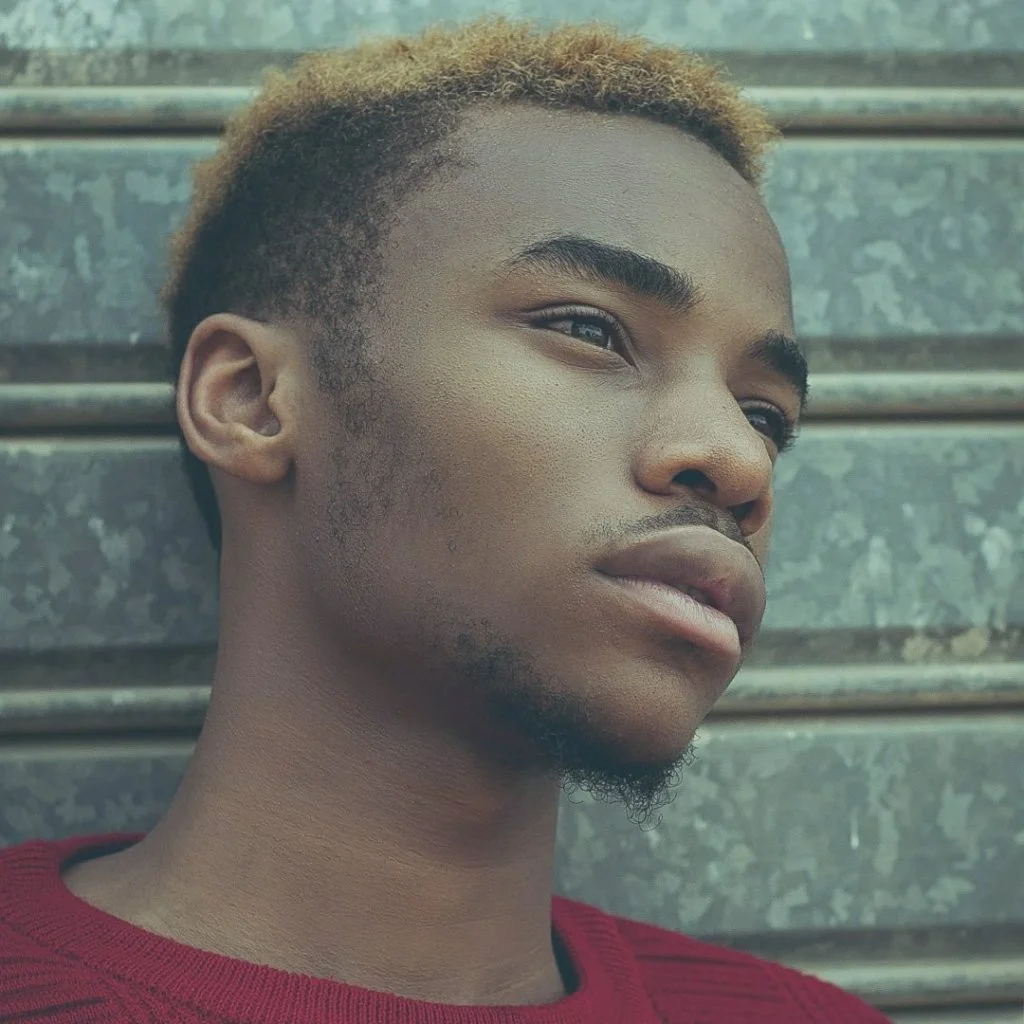
Logan February

Logan February

Logan February on What Happiness Is

February 25, 2019

Logan February is a Nigerian poet. His work has appeared or is forthcoming in Washington Square Review, The Adroit Journal, Vinyl, Paperbag, Tinderbox, Raleigh Review, and more. He is a Pushcart and Best of the Net nominee, and his debut collection, Mannequin in the Nude (PANK Books, 2019) was a finalist for the Sillerman First Book Prize for African Poets. He is the author of two chapbooks, and the Associate Director of Winter Tangerine’s Dovesong Labs.

Joanna C. Valente is a human who lives in Brooklyn, New York. They are the author of Sirs & Madams, The Gods Are Dead, Marys of the Sea, Sexting Ghosts, Xenos, No(body) (forthcoming, Madhouse Press, 2019), and is the editor of A Shadow Map: Writing by Survivors of Sexual Assault. They received their MFA in writing at Sarah Lawrence College. Joanna is the founder of Yes Poetry and the senior managing editor for Luna Luna Magazine. Some of their writing has appeared in The Rumpus, Them, Brooklyn Magazine, BUST, and elsewhere. Joanna also leads workshops at Brooklyn Poets. joannavalente.com / Twitter: @joannasaid / IG: joannacvalente / FB: joannacvalente


Read More
In Interviews Tags Logan February
Comment
50229555_10156284721650895_7445577986620784640_n.jpg

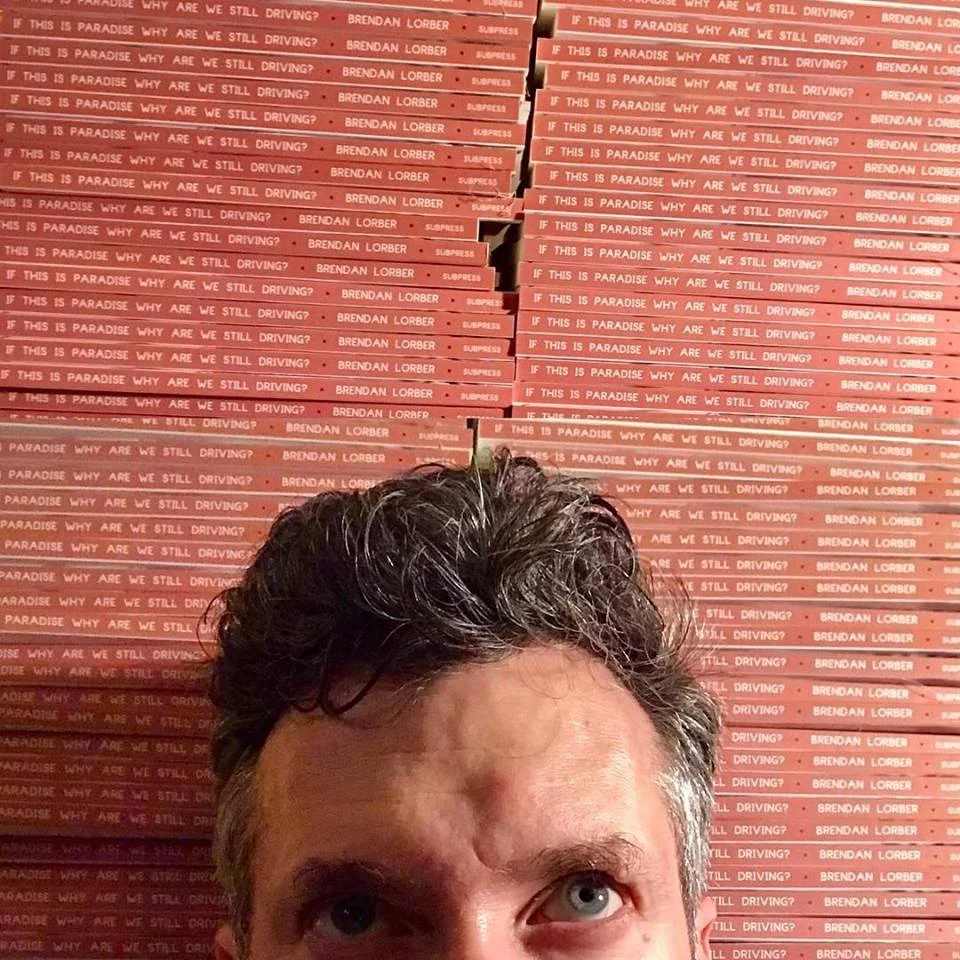
Brendan Lorber on Why Daydreaming Is Important

February 20, 2019

Joanna C. Valente is a human who lives in Brooklyn, New York. They are the author of Sirs & Madams, The Gods Are Dead, Marys of the Sea, Sexting Ghosts, Xenos, No(body) (forthcoming, Madhouse Press, 2019), and is the editor of A Shadow Map: Writing by Survivors of Sexual Assault. They received their MFA in writing at Sarah Lawrence College. Joanna is the founder of Yes Poetry and the senior managing editor for Luna Luna Magazine. Some of their writing has appeared in The Rumpus, Them, Brooklyn Magazine, BUST, and elsewhere. Joanna also leads workshops at Brooklyn Poets. joannavalente.com / Twitter: @joannasaid / IG: joannacvalente / FB: joannacvalente

Read More
In Poetry & Prose Tags brendan lorber, interview
Comment

Poetry Weekly: Alina Pleskova, Marwa Helal, June Jordan

February 19, 2019

Joanna C. Valente is a human who lives in Brooklyn, New York. They are the author of Sirs & Madams, The Gods Are Dead, Marys of the Sea, Sexting Ghosts, Xenos, No(body) (forthcoming, Madhouse Press, 2019), and is the editor of A Shadow Map: Writing by Survivors of Sexual Assault. They received their MFA in writing at Sarah Lawrence College. Joanna is the founder of Yes Poetry and the senior managing editor for Luna Luna Magazine. Some of their writing has appeared in The Rumpus, Them, Brooklyn Magazine, BUST, and elsewhere. Joanna also leads workshops at Brooklyn Poets. joannavalente.com / Twitter: @joannasaid / IG: joannacvalente / FB: joannacvalente


Read More
In Poetry & Prose Tags Alina Pleskova, Marwa Helal, June Jordan, poetry
Comment

20 Free and Magical Ways to Engage in Self-Care

February 15, 2019

Stephanie Valente lives in Brooklyn, NY. She has published Hotel Ghost (Bottlecap Press, 2015) and waiting for the end of the world (Bottlecap Press, 2017) and has work included in Susan, TL;DR, and Cosmonauts Avenue. Sometimes, she feels human. http://stephanievalente.com

Read More
In Lifestyle Tags magic
Comment

11 Valentine's Day dates for badass witches

February 14, 2019

Stephanie Valente lives in Brooklyn, NY. She has published Hotel Ghost (Bottlecap Press, 2015) and waiting for the end of the world (Bottlecap Press, 2017) and has work included in Susan, TL;DR, and Cosmonauts Avenue. Sometimes, she feels human. http://stephanievalente.com

Read More
In Lifestyle Tags love, dates
Comment
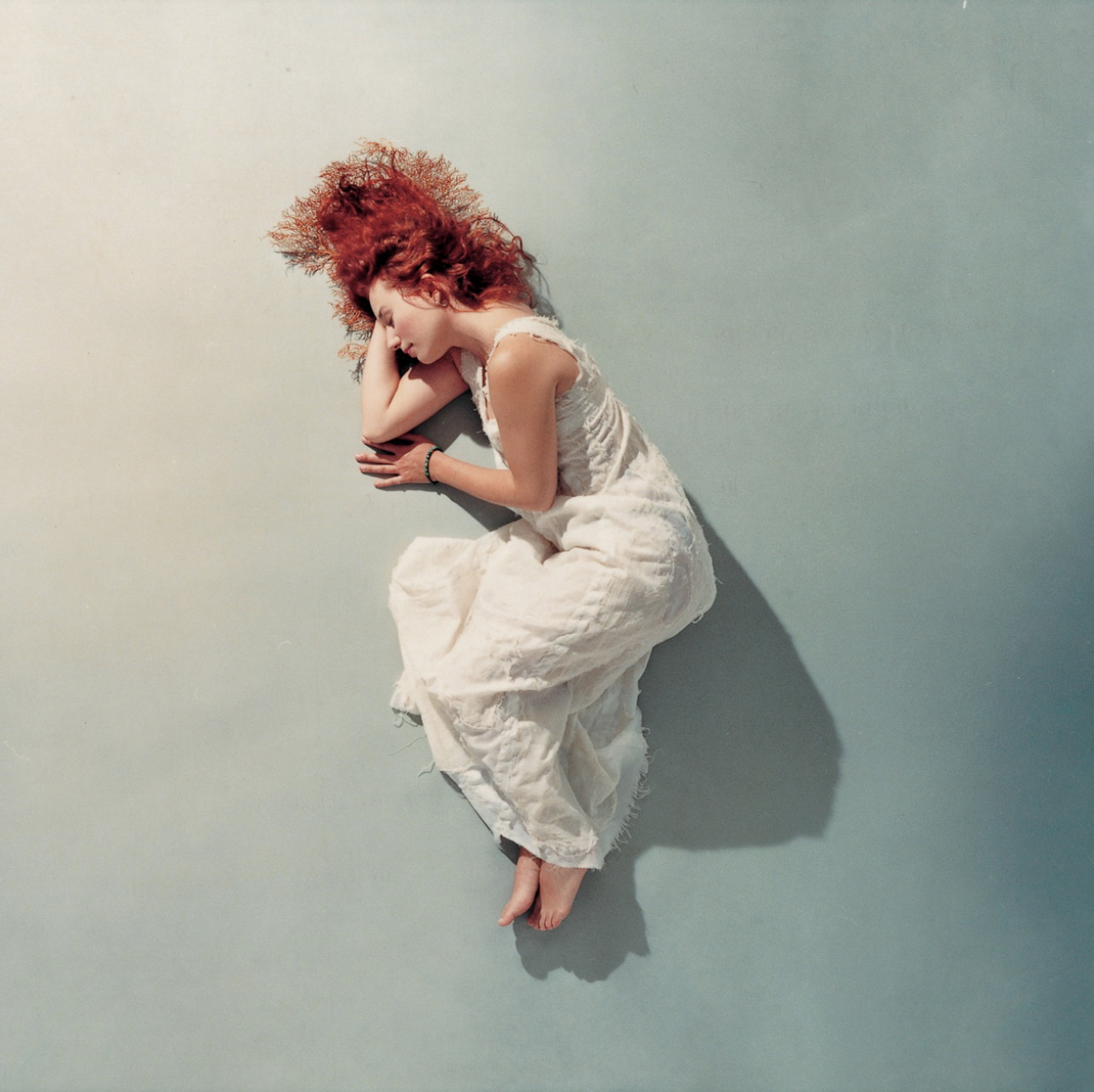
Image via Tori Amos

Image via Tori Amos

Survival and Truth: How Tori Amos' Under The Pink Changed My Life

February 8, 2019

BY LISA MARIE BASILE

You don’t need my voice girl, you have your own

We were living in a poor neighborhood on the border of Elizabeth and Newark in New Jersey. I took packed “dollar cabs” to school when it was too cold to walk. We used food stamps at the little mercado downstairs, so I only went when my friends went home and I wouldn’t get caught.

On the third floor, our little apartment had two small bedrooms. Mom slept in the living room, on the couch. My mom was always either at the mall working, or out. She was working hard to overcome an addiction, and no matter how big and beautiful her heart was — the monster was winning. When she was out, I would, like a cat, keep an eye or ear open. Hearing the door knob late at night meant I could finally rest. She was home, and my body could wilt. I could sleep.

My brother and I slept on mattresses on the floor; his room got even less light than my did, so he would sit on the floor playing video games for hours in the dark. I could feel the house’s sadness all the way from my bedroom, but I didn’t have the language to manage it. The translation was lost in the heavy air, so I’d shut my bedroom door and ignore him, seven years younger than me. I’d blast my music and pretend to be somewhere else — in the woods, at the sea, wherever I could be free.

My room was my heaven. There was one long window, and that window looked out at a yard where I could watch a neighbor’s dog lounging or chasing butterflies in the summer. In the  smallest of ways, everything felt fine. I could siphon that normalcy and try to press it into my chest like a lantern. I’d light it up when I couldn’t sleep.

A room is a sanctuary, an ecosystem, a confessional.For me, it was a place where I transformed from wound into girl.

Tori Amos happened to me during the summer of 1999. I’m not sure how it happened or who recommended her to me, but when I slipped the little Under the Pink disc into the CD player and sat on my bed, I grew a new organ. I was capable of metabolizing the trauma.

When my mother was out, out, out — wherever she was — or when she was in a screaming match with her violent boyfriend in the next room — I was etching Tori’s lyrics, sometimes over and over, into a little notebook.

I couldn’t possibly have understood all of it, as most of the language was either too adult or too cryptic or simply too Tori, but it spoke directly to the wound in a way that needed no translation or filter.

It was the line, You don’t need my voice girl you have your own, that I distinctly connected with. I wasn’t aware of what feminism really meant, not at all at that age or in that era, but I could feel the surge of electricity that came with being validated by a woman. I was suddenly her little cousin, and Tori was my cool older relative — all jeans and red hair exuding some strange, beautiful warmth. Or maybe she was my stand-in mother. My goddess. It was one of my first glimpses of what it could mean to look up to a woman who was full of space and light and hurt, like me, and who, through some digital osmosis could also heal and love me. Who tapped into the small dark pain and cradled it.

My mother was sick. My grandmother was dying. I had no one else I could turn to, but Tori found me in my bedroom and inhabited the space as nightlight, as cool sheets, as framed photographs of possibility.

Is she still pissing in the river, now?

Another element that struck me: the odd narratives. At this point, I was existing in the height of teen melodrama. A word could mean a million things. A lyric could mean anything I needed it to be. And an album could be the digital imprint of my entire life. I didn’t try to dissect the words, as an adult would. Instead, I fell, backwards into her words; it didn’t matter if I didn’t ‘get it’ or if I had no idea who the fuck the grand Duchess Anastasia Nikolaevna of Russia was. I hung onto every word because my life was small and broken and dirty, and Tori gave me everything and more. Continents and ghosts and heartache I wouldn’t experience until I was older.

So, of course I’d borrow a computer at school to Ask Jeeves the Duchess, and I’d print out about 28 pages describing the whole history of her life and death. With my newfound Tori knowledge, I’d walk around the halls at school clutching her lyrics and all the weird shit the Internet said about her work as if they were holy texts. I had the secret. I had a bigness in my pocket. I had possibility and potential and the mouth of the piano whispering into my ears.

Really, as long as I had double-A batteries for my disc-man I could move through my day cushioned.

It was around this time I started writing poetry. I often borrowed themes and topics from Tori’s music, becoming obsessed by her stories of sneaking sexual acts and rebelling against religious morals — getting off, getting off, while they’re all downstairs — or her not-so-cryptic words about God — God sometimes you just don't come through/Do you need a woman to look after you? My poems might have been bad, but they turned my sad, small little bedroom into a palace of courage.

Her bravado and bravery asked me to confront things I’d been afraid to think of. For one — god. Raised in a Catholic family of Sicilian descent, the idea of God and morality and shame was stamped into me since childhood. Even if I wasn’t at church every Sunday, I’d never really heard anyone so thoughtfully critique god. (Pretty soon I’d stumble on Tool’s Aenima, but Tori got to me first).

Also round this time I was making out with bad boys who smelled like cigarettes and pulled fire alarms. I was skipping class to hang out with girls I crushed on. I was *69ing calls in the hopes it was a boy. But talking about sex with any seriousness was not the norm. Tori talked about it from the woman’s perspective, and not just in relation to getting fucked by a guy. Her frankness, especially around masturbation, positioned sensuality as something that wasn’t dirty or bad, but sacred and empowered. Reclaiming, exploratory, rebellious. Hers.

Because I started with Under the Pink, I quickly moved on to Little Earthquakes and found out quickly that she had some powerful words around sexual assault. Yet again I was able to confront the massive, festering wound that I’d been carrying around since pre-adolescence, when I was assaulted (repeatedly) by a man in his 40s.

For me, Tori Amos allowed me to inhabit myself. And myself was a place which was always kept burdened by realities far too heavy for what a teenage girl should have to carry.

Tori, for me, was like an early archetype of Hecate, my goddess of night, of ghosts, bringing me into realms where I could confront the dark. She lit the way through my journey.

The strangeness and complexity of her music, the choir girl influence, the jarring juxtapositions, her softness of anger and brightness of disappointment — it was a new language. Between those first and last tracks, an angel’s wings unfurled, alighting a bleak space.

She taught me that words — stories, poems, or lyrics — could be nuanced and odd and nonlinear, rooted in magic and not saturated in a sugary shell for easy consumption.

But most of all Under the Pink taught me that in self-truth, no matter how messy or imperfect or grandiose or weird, a whole spectrum of color could unfold. There I was in yellow, in blue, in lilac. I experienced a shadow life in color. There I was stepping out of my own dark, even for a few moments.

You don’t need my voice girl, you have your own, she said. And I believed it.

View this post on Instagram

These @vanessamooney earrings are my favourites. 😈 In all honesty, although I do not practice Catholicism — nor am I religious — I do find some small comfort in my memories of ritual and childhood at church and at catholic school, especially feeling like I maybe had a God. My feelings about spirituality have changed totally (if this isn’t obvious) as we all evolve, and I find comfort in new things today. Still, I so adore that catholica aesthetic—Monica Bellucci style. Do you experience anything like that?

A post shared by Lisa Marie Basile (@lisamariebasile) on Jan 15, 2019 at 11:23am PST

Lisa Marie Basile is the founding creative director of Luna Luna Magazine—a digital diary of literature, magical living and idea. She is the author of "Light Magic for Dark Times," a modern collection of inspired rituals and daily practices. She's also the author of a few poetry collections, including 2018's "Nympholepsy."

Her work encounters the intersection of ritual, wellness, chronic illness, overcoming trauma, and creativity, and she has written for The New York Times, Narratively, Sabat Magazine, Healthline, The Establishment, Refinery 29, Bust, Hello Giggles, and more. Her work can be seen in Best Small Fictions, Best American Experimental Writing, and several other anthologies. Lisa Marie earned a Masters degree in Writing from The New School and studied literature and psychology as an undergraduate at Pace University.

In Music, Art, Personal Essay, Poetry & Prose, Pop Culture, Self Portrait Tags tori amos, Tori Amos, under the pink

Poetry Weekly: Monica Youn, Traci Brimhall, Rosebud Ben-Oni

February 6, 2019

Joanna C. Valente is a human who lives in Brooklyn, New York. They are the author of Sirs & Madams, The Gods Are Dead, Marys of the Sea, Sexting Ghosts, Xenos, No(body) (forthcoming, Madhouse Press, 2019), and is the editor of A Shadow Map: Writing by Survivors of Sexual Assault. They received their MFA in writing at Sarah Lawrence College. Joanna is the founder of Yes Poetry and the senior managing editor for Luna Luna Magazine. Some of their writing has appeared in The Rumpus, Them, Brooklyn Magazine, BUST, and elsewhere. Joanna also leads workshops at Brooklyn Poets. joannavalente.com / Twitter: @joannasaid / IG: joannacvalente / FB: joannacvalente


Read More
In Poetry & Prose Tags poetry, roundup, Monica Youn, Traci Brimhall, Rosebud Ben-Oni
Comment
Photo: Joanna C. Valente

Photo: Joanna C. Valente

How Do We Name Ourselves?

February 4, 2019

Joanna C. Valente is a human who lives in Brooklyn, New York. They are the author of Sirs & Madams, The Gods Are Dead, Marys of the Sea, Sexting Ghosts, Xenos, No(body) (forthcoming, Madhouse Press, 2019), and is the editor of A Shadow Map: Writing by Survivors of Sexual Assault. They received their MFA in writing at Sarah Lawrence College. Joanna is the founder of Yes Poetry and the senior managing editor for Luna Luna Magazine. Some of their writing has appeared in The Rumpus, Them, Brooklyn Magazine, BUST, and elsewhere. Joanna also leads workshops at Brooklyn Poets. joannavalente.com / Twitter: @joannasaid / IG: joannacvalente / FB: joannacvalente


Read More
In Lifestyle Tags gender, identity, names
Comment
Capture.JPG

Kristine Esser Slentz on Polyamory & Being Raised as a Jehovah's Witness

January 30, 2019

KRISTINE ESSER SLENTZ is originally from northwest Indiana and the Chicagoland area, or what’s lovingly called “The Region.” Kristine is a Purdue University alum who studied English literature and creative writing. After college, she began working in the digital marketing field to marry her experience in both writing and advertising. She started in search engine optimization (SEO) and soon transitioned into content marketing. Currently, Kristine is earning her MFA in creative writing (poetry) at City College of New York. She is also the Assistant Editor for the online poetry publication Unfold Magazine, and the Features Manager for the poet's community The Harbor through The Speakeasy Project. Her poetry has appeared in Yes Poetry, Moonchild Magazine, and then Flying Island Journal where she was nominated for a Pushcart Prize.

Read More
In Interviews Tags Kristine Esser Slentz, inter
2 Comments

Poetry by Brandon Amico

January 29, 2019

Brandon Amico is a writer whose debut collection of poems, DISAPPEARING, INC., is forthcoming in March 2019 from Gold Wake Press. He is the recipient of a North Carolina Arts Council Regional Artist Grant and the Hoepfner Literary Award for poetry, awarded by Southern Humanities Review. His poetry can be found now or soon in journals including The Awl, The Adroit Journal, Blackbird, Booth, Copper Nickel, The Cincinnati Review, Diode, Hayden’s Ferry Review, Hunger Mountain, Kenyon Review, New Ohio Review, Sixth Finch, Slice, Waxwing, and Verse Daily, and his reviews have been featured by 32 Poems, AGNI Online, The Los Angeles Review, Mid-American Review, The Rumpus, and Southern Humanities Review.


Read More
In Poetry & Prose Tags poetry, brandon amico
Comment
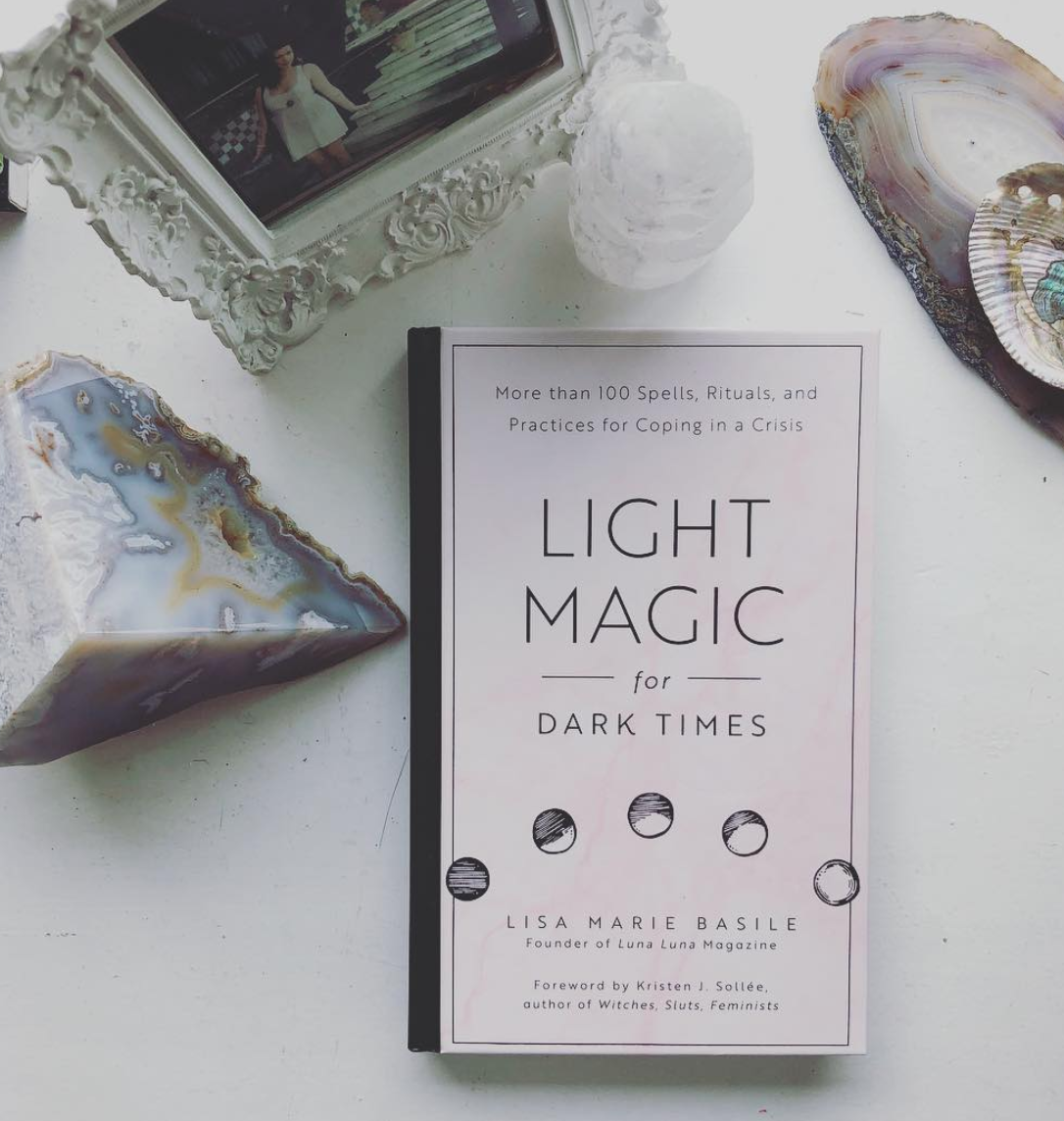
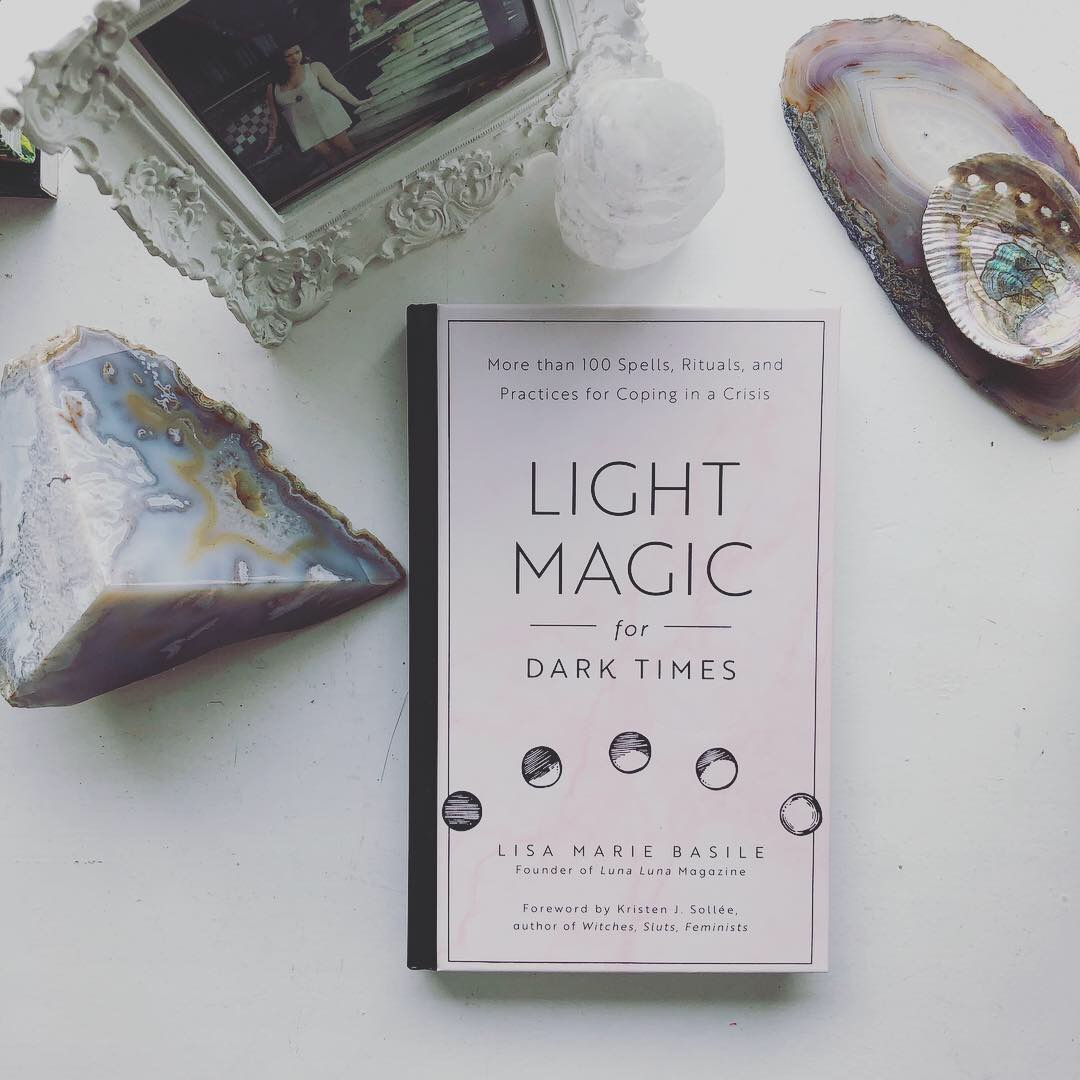
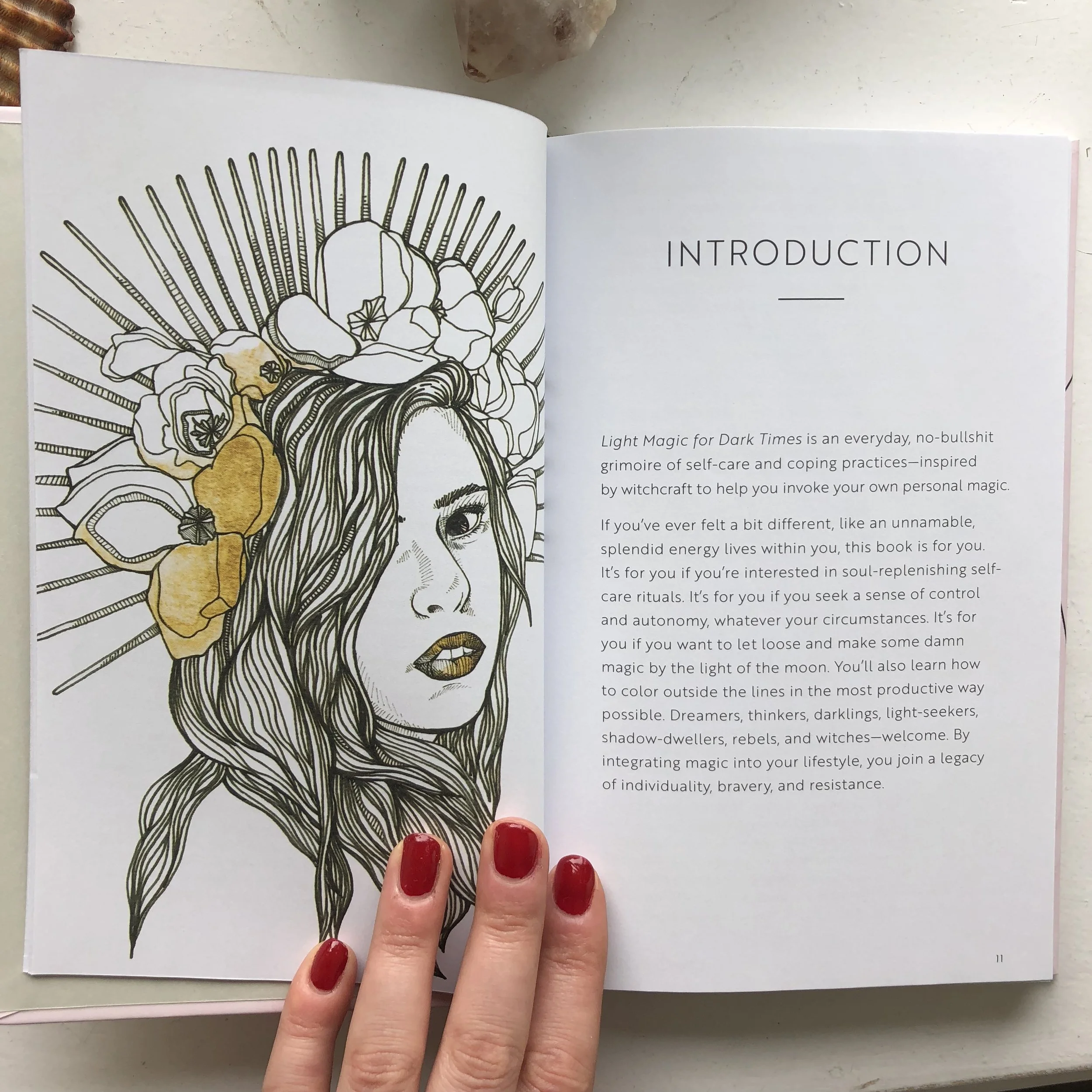
light magic for dark times

A Grimoire For Self-Love: A Peek At Light Magic for Dark Times

January 28, 2019

BY LISA MARIE BASILE

Welcome to a sneak peak of my grimoire of self-development and ritualized living!

Though the archetype of the witch is part of what inspired LIGHT MAGIC FOR DARK TIMES, it’s also a book of what inspired me about people I love and care for, like my mother, who has had to grow and regrow several times over; like the people I know who have used their voice for personal and community change in the face of systemic oppression. It’s a book of love and care, of rebellion, of reclamation, and growth. That energy is magic.

I wrote LMDT after an editor actually spied a ritual of mine here at Luna Luna and asked me to expand on it— and so it is, in many ways, the unofficial Luna Luna grimoire.

Here are all the places you can pick up the book. And here’s a look at what’s inside:

View this post on Instagram

I’ve been using this word board to remind myself of things each day — to stay shadowy, to stay magical, to breath, to listen. Also having a little a fun with it with #lightmagicfordarktimes🔮 . What do you want to remember each day, today, right now?

A post shared by Light Magic For Dark Times (@lightmagic_darktimes) on Jan 24, 2019 at 2:15pm PST

IMG_7951.JPG

Light Magic for Dark Times is all about ritualizing your life and finding your inner magic — by embracing the light and the shadow together.

IMG_7952.JPG

It was written as a guide through the self.

IMG_7949.JPG

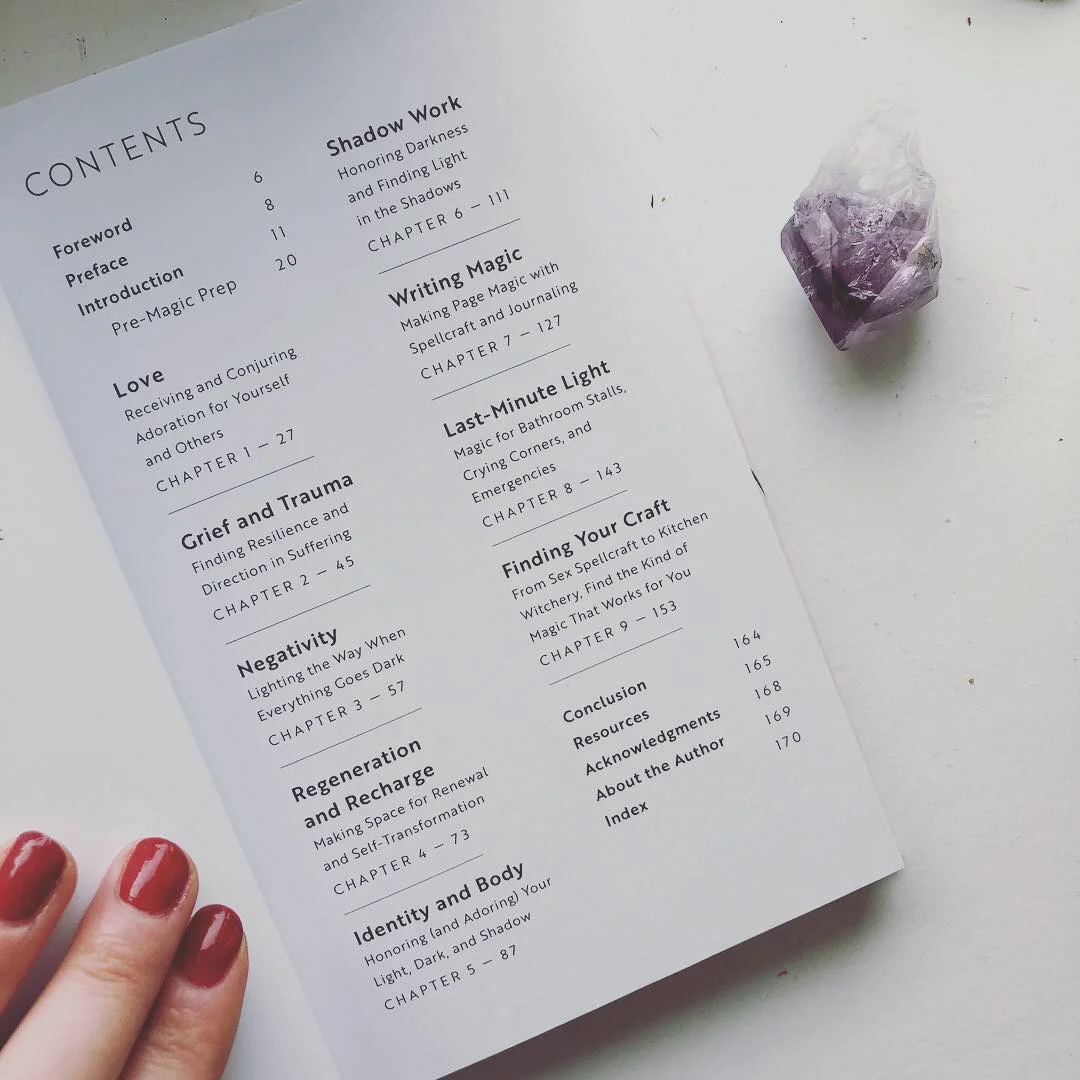
The chapters cover everything from journaling and sigil creation to finding your own personal magic and integrating daily ritual.

IMG_7950.JPG

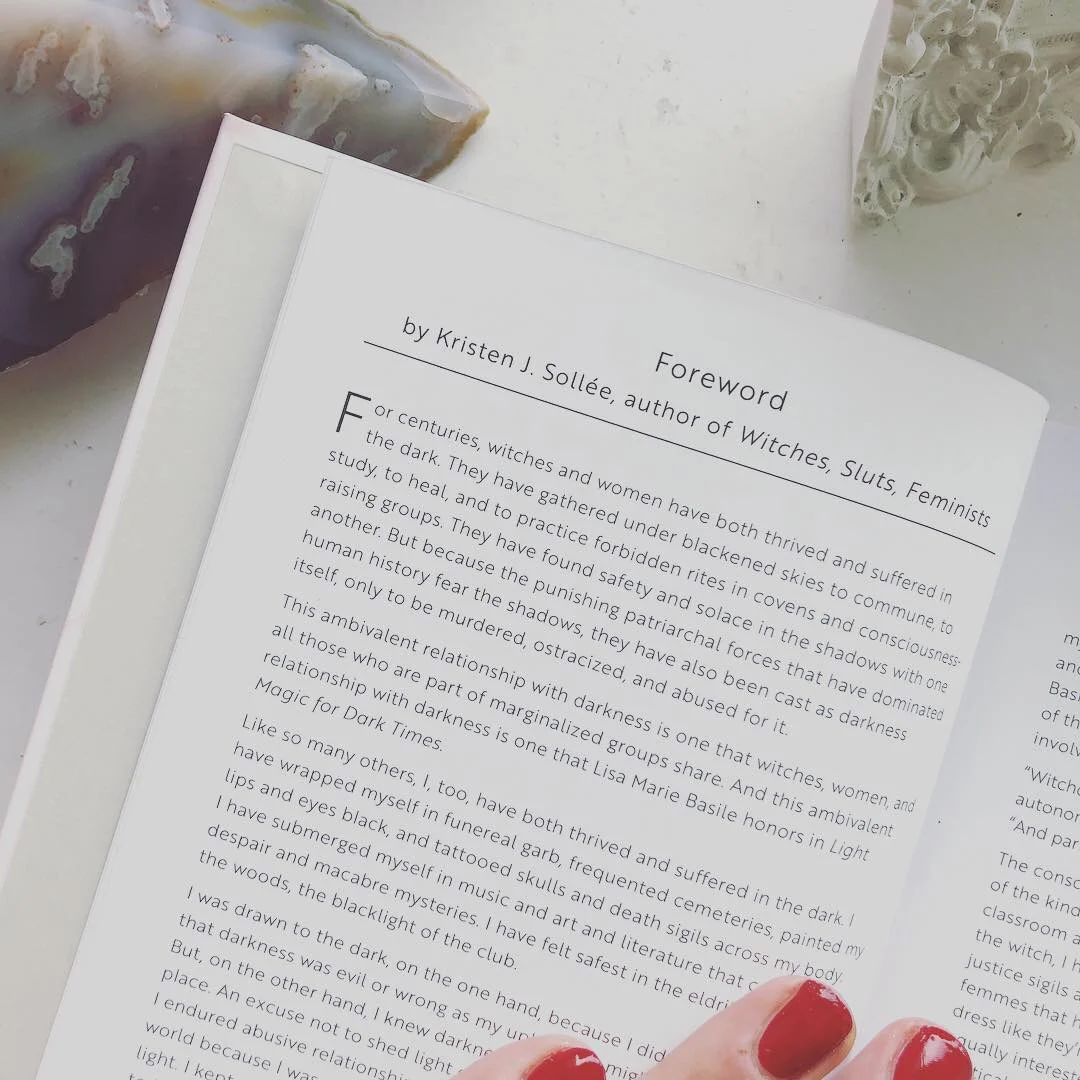
The foreword was written by the inimitable Kristen J. Sollée. You should read her book, Witches, Sluts, Feminists: Conjuring The Sex Positive.

IMG_7953.JPG

Because I’m a poet, you’ll see a lot of literary references woven throughout the book.

IMAGE.JPG

Light Magic for Dark Times is for the rebels, dreamers, shadow-dwellers, thinkers, darklings, & light-seekers amongst us.

IMAGE.JPG

You can find more inside peeks below

View this post on Instagram

A peek inside #LightMagicforDarkTimes — from journaling prompts & sigil work to shadow exploration and self-love rituals, my book is designed for anyone who wants to ritualize their life, lean into the archetype of the witch, and celebrate the many layers of self — both dark and light.

A post shared by Light Magic For Dark Times (@lightmagic_darktimes) on Jan 28, 2019 at 11:53am PST

View this post on Instagram

I have always felt a connection with darkness, the space between here and now, the shadow. For so long I have felt not only a home in the dark—but too comfortable, almost naturally made of it. I do not think this is a bad thing. I understand its liminality & language, just as I think others do when they encounter a hardship or loss or trauma at a young age. This changes our hearts, our wirings, and even our physiological responses. . Shadow work is about reframing those changes and making that liminality work for you—the pain is not always a negative. I believe it is an opportunity to transform, or cycle through transformations, as I learned early from a mentor. It might take a while, or feel bumpy, but it can happen. . For example, when I was much younger in my teens and in foster care, I always held the blaring sense that I was different, invisible, not enough. I heard the others gossiping about me and I longed to vanish, to be validated in my heartache, and I pined for the traditional family unit with all the trappings that come with it. For many years I lived with shame and silence and anger, not realizing in those very differences was my entire world. . Shadow work is the work we do to look into those feelings and internalized ideas to disassemble or rearrange them to bloom better things for ourselves. My shadow work was always through writing and self-listening and even though I’m not nearly perfect, I have been able to make peace with my past and turn that shame into pride. I hope that those of you reading the book or those of you that are looking to pick up the book find some healing and opportunity in it. When reading it, you are the guide and you are in charge of the results. 🖤🌗
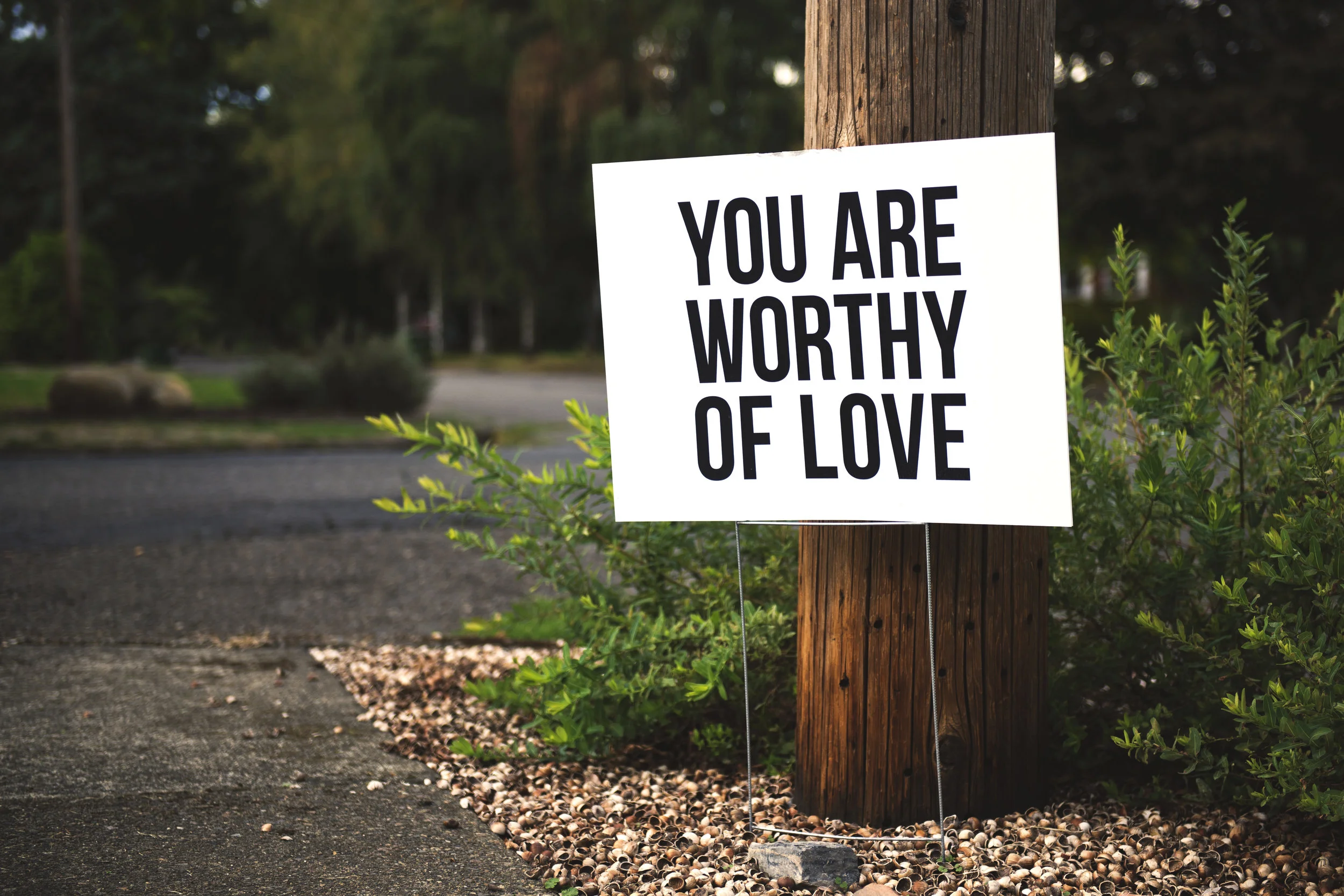

A post shared by Light Magic For Dark Times (@lightmagic_darktimes) on Sep 29, 2018 at 11:42am PDT

View this post on Instagram

🍃Spending time in nature—also called ‘earthing’—has been well-documented to have a positive effect on our mood and physiological health. Connecting with water or flora or the soil helps us come back to simplicity, our natural selves, & the quiet, pulsing energy of our creativity and joy. 🍃

A post shared by Light Magic For Dark Times (@lightmagic_darktimes) on Sep 12, 2018 at 9:46am PDT

View this post on Instagram

This photo is courtesy of @divine.goddess.vibes—thank you! It is so special when someone connects with the book. Though the archetype of the witch is part of what inspired LIGHT MAGIC FOR DARK TIMES, it’s also a book of what inspired me about people I love and care for, like my mother, who has had to grow and regrow several times over; like the people I know who have used their voice for personal and community change in the face of systemic oppression. It’s a book of love and care, of rebellion, of reclamation, and growth. That energy, that goal, is magic. I don’t have all the answers, nor does this book, or anyone, really— but it is a guide to finding your own for yourself. 🖤

A post shared by Light Magic For Dark Times (@lightmagic_darktimes) on Dec 10, 2018 at 12:24pm PST


Lisa Marie Basile is the founding creative director of Luna Luna Magazine and the most recently the author of "Light Magic for Dark Times” and "Nympholepsy." Her work encounters the intersection of ritual, wellness, chronic illness, overcoming trauma, and creativity, and she has written for The New York Times, Narratively, Sabat Magazine, Healthline, The Establishment, Refinery 29, Bust, Hello Giggles, and more. Her work can be seen in Best Small Fictions, Best American Experimental Writing, and several other anthologies. Lisa Marie earned a Masters degree in Writing from The New School and studied literature and psychology as an undergraduate at Pace University.

In Poetry & Prose, Wellness, Social Issues, Pop Culture, Beauty Tags Light Magic for Dark Times, lisa marie basile
Comment

5 Books I Had No Idea Existed and Must Find at Once

January 28, 2019

Tiffany Alexander is a poet who has recently branched out into writing screenplays. Her goal is to put out more stories about mother and daughters of color into the world of Horror. She is currently working on a different spin on the haunted house movie

Read More
In Poetry & Prose Tags books
Comment
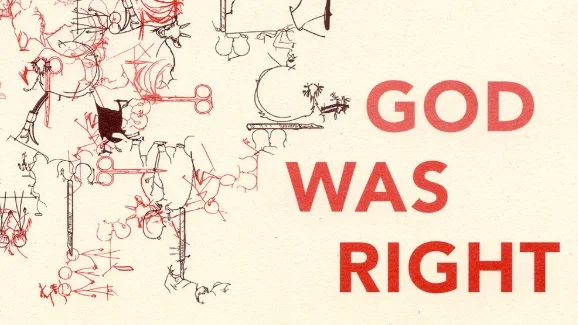
god was right

Vi Khi Nao Reviews Diana Hamilton's God Was Right

January 25, 2019

WAS DIANA HAMILTON RIGHT ABOUT GOD WAS RIGHT?
God Was Right (Ugly Duckling Press, Nov, 2018) reviewed by VI KHI NAO

How do I begin a review with the assumption that
my readers have read the collection already? How to
write a purposeless review…

By doing it this way:

I think God Was Wrong, but Diana Hamilton might be right
in that the absence of a cat may have shaped the title of this collection.
Rhetorical questions are not bound by the rules of wit. T
hey, they are governed by the law of absence.
To make something present by denying it. G
od is not here with us to prove if God was right.

So please take advantage of the situation.

But Hamilton is right here and it seems like we should listen to her.

Is this what Hamilton hopes to achieve with this narratively charged body of poetics? Surely not.

What language shapes the constitution and ontological fabric of her consciousness and super-subconsciousness such that the title of her collection is bold and ambitious and comedic and quietly enigmatic, reflecting and revealing the elaborate emotional, philosophical sector of its content? Well, don’t answer that. The question is too much.

The answer is the language of falling in love with friends, how cats are not designed to make us suffer (though if they die, they will), acceptance and obesity, rape jokes are okay, it’s hard to pay rent, sleeping with landlords is important for survival, yay to Bakhtin and fictional poetry, men have the potential to misunderstand (gynecological) yeast infections, buying inexpensive earrings and feeling fiscally self-conscious about their lack of social and fiscal value should be condoned frequently, there is no right way to superglue an ear to an animal. You just need to do it. Especially if you are an animal lover. So it can listen to something better.

I emphasized or clarified “gynecological” because for a while I thought “yeast infection” was a baking condition where bread had a phallic problem and had a hard time rising.

This answer makes no good argument for Madame Bovary.

Readers of Hamilton’s work do not necessarily require a large appetite for the long form, they just need some literary cows and a decent philosophy on bad writing and Hamilton is more than willing to assist with the misguidances, misalignments.

Hamilton excels in the long form.

This is an understatement, as demonstrated by her eloquent, aesthetically streamlined, compelling chapbook Universe, published three years ago, also by Ugly Duckling Presse. Useful to couple her chapbook with this collection.

I read her chapbook in one afternoon in South Bend, IN and now her full-length in Iowa City, IA over a cloudburst of a month.

No matter where on earth you read Diana Hamilton’s work, there are two certainties: God Was Right and God Was Wrong.

Since God Was Wrong hasn’t been written or published (I even tried to find such a title on Amazon, but all I found was I Was Wrong (touché, God, touché), as if platonic marriages are even legal,

you have a higher chance of enjoying your non non-existent reading experience more if you read Hamilton’s God Was Right first.

Hamilton’s essayistic poetry operates, yes, on a language level, but perhaps her work here is better described as rejuvenated logic made sense of by intellectualized senselessness and emotional intelligence. Choose one but not both. In other words, to suffer (for the sake of animality, yeast infections, existence, the death of a beloved cat, feminist soundbites in an era of misunderstanding and defensiveness, epistolary devotion, Sapphic detours, cat hugs or kisses), one must dominate hangovers and heartbreaks of form and transform them into “six months of incredible sexual pain” along the river of an imaginary epistolary kingdom.

If thoughts were parentheses, then Hamilton’s God Was Right is full of them.

Diana Hamilton’s intelligent and poetic essays operate like a Russian Doll, or rather a closet inside of a closet inside of another closet when she is already outside of the closet (literally and figuratively). To open the bedroom doors of her intelligence, you must open every floor inside of a 60+ story building where the elevator only works right when you are going down. You climb the stairs into her well-maintained, but somewhat combed, sentences until you run out of breath and then you do it all over again. There are eleven of these in this collection! You can and probably should start with her “Autobiography of Fatness” and then maybe skip floors. Or start with her “Essay on Bad Writing” which she read at a reading in Iowa City. It’s deliriously awesome and funny, which is to say: because of Diana Hamilton, essays don’t have to be tedious, too academic, full of prose blocks, and boring anymore. Avoid reading the last poetic essay with identical title “God Was Right” first. You may be forced to see why God Wasn’t Right for the right reasons. You are not ready for something Easy. Weed through the Hard stuff first because Easy is actually Hard.

More notes for a potentially well-written review of God Was Right:

God Was Right is a visual philosophical treatise on E.E. Cummings’s “Since Feeling Is First”…. "for life's not a paragraph/and death i think is no parenthesis"

God Was Right or How To Marry Your Platonic Friends in Poly-culture Where Women Are Allowed To Write Bad Poetry And Have The Courage To Encourage Men To Write Bad Poetry Too.

Some semi-remarkable lines from her book that I love. I say “semi” not because they are not brilliant. They are brilliant when they stroll in the right neighborhood of context. Context is content here, folks. In context, these lines are obesely beautiful:

p.31 : “They’re too well written to seem seriously engaged in risking the self.”

p.85 : “I want to love a man without holding his heterosexuality against him.”

p.85 : “God was right when he made us/ want to marry each other”

Advice on how to read the rightness of God:

Treat it more like a toy or a wedding ring than a book.

Play around with it. Touch it. Don’t smell it. It’s not a dog and it can’t bark.

Treat it like a cat that will not stare at you especially when you are naked and reading it while self-conscious.

Oh, libraries of cats.

In preservation of books.


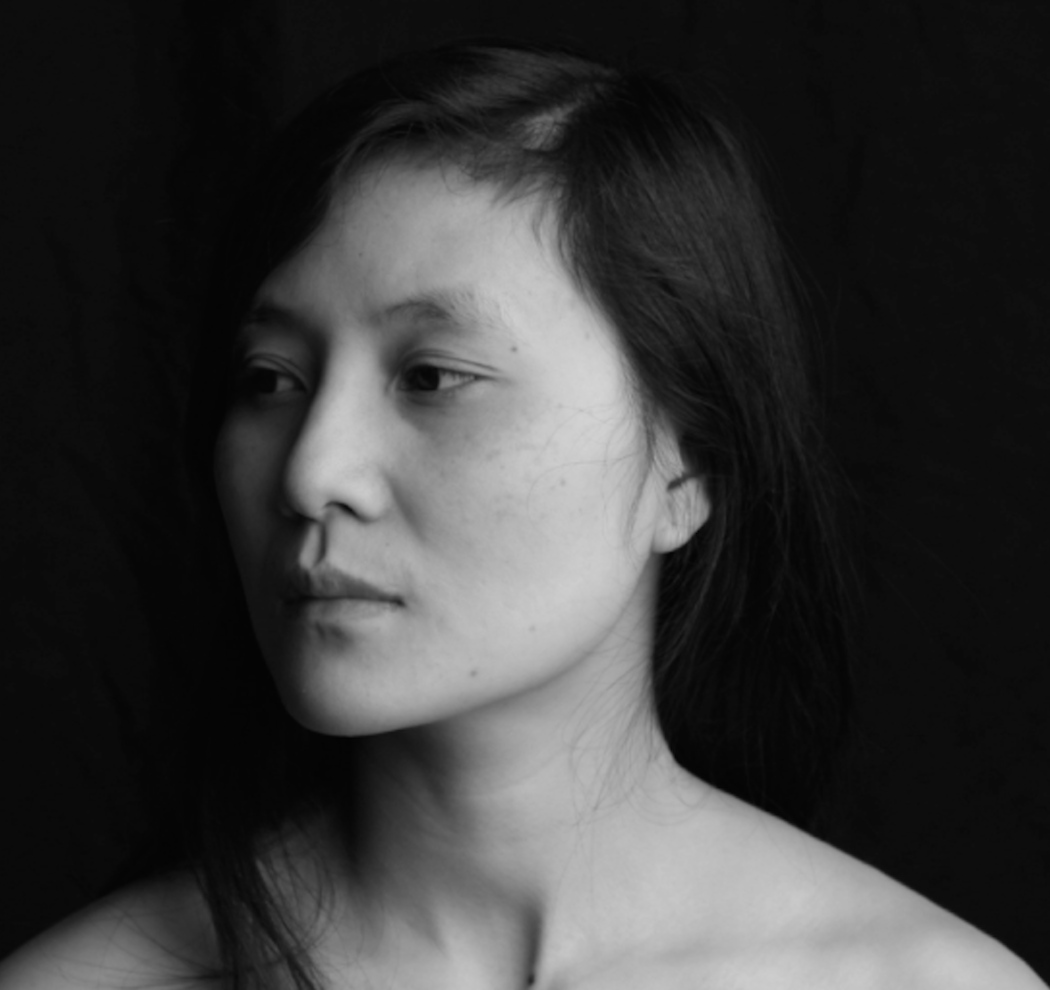
vi khi nao

VI KHI NAO is the author of Sheep Machine (Black Sun Lit, 2018) and Umbilical Hospital (Press 1913, 2017), and of the short stories collection, A Brief Alphabet of Torture, which won FC2’s Ronald Sukenick Innovative Fiction Prize in 2016, the novel, Fish in Exile (Coffee House Press, 2016), and the poetry collection, The Old Philosopher, which won the Nightboat Books Prize for Poetry in 2014.  Her work includes poetry, fiction, film and cross-genre collaboration. Her stories, poems, and drawings have appeared in NOON, Ploughshares, Black Warrior Review and BOMB, among others. She holds an MFA in fiction from Brown University.

DIANA HAMILTON is the author of three books—God Was Right (Ugly Duckling Presse), The Awful Truth(Golias Books), and Okay, Okay(Truck Books)—and four chapbooks, including Universe (UDP). She writes poetry, fiction, and criticism about style, crying, shit, kisses, dreams, fainting, writing, and re-reading. You can walk through audio recordings of her dreams in the first-person shooter by Alejandro Miguel Justino Crawford in Diana Hamilton's Dreams (Gauss PDF). Her poetry and critical writing have appeared (or are forthcoming) in BOMB, Lambda Literary, and Social Text Journal among others. She received her PhD in Comparative Literature from Cornell University, and she currently works as the Director of Baruch College’s Writing Center.

In Poetry & Prose Tags reviews, book reviews, god was right, vi khi nao, diana hamilton, poetry, ugly duckling presse
Comment

Poetry Weekly: Omotara James, John Murillo, E. Kristin Anderson

January 25, 2019

Joanna C. Valente is a human who lives in Brooklyn, New York. They are the author of Sirs & Madams, The Gods Are Dead, Marys of the Sea, Sexting Ghosts, Xenos, No(body) (forthcoming, Madhouse Press, 2019), and is the editor of A Shadow Map: Writing by Survivors of Sexual Assault. They received their MFA in writing at Sarah Lawrence College. Joanna is the founder of Yes Poetry and the senior managing editor for Luna Luna Magazine. Some of their writing has appeared in The Rumpus, Them, Brooklyn Magazine, BUST, and elsewhere. Joanna also leads workshops at Brooklyn Poets. joannavalente.com / Twitter: @joannasaid / IG: joannacvalente / FB: joannacvalente


Read More
In Poetry & Prose Tags poetry, roundup, Omotara James, John Murillo, E. Kristin Anderson
Comment
33897384_802796366579997_8270420988324216832_o.jpg

Brandon Amico on Why He Doesn't Want to Be Unreachable

January 24, 2019

Brandon Amico is a writer whose debut collection of poems, DISAPPEARING, INC., is forthcoming in March 2019 from Gold Wake Press.

Read More
In Interviews Tags brandon amico, interview, poetry
Comment
← Newer Posts Older Posts →
Featured
‘in the glitter-open black' — poetry by Fox Henry Frazier
'poet as tarantula,  poem as waste' — poetry by  Ewen Glass
'poet as tarantula, poem as waste' — poetry by Ewen Glass
'Hours rot away in regalia' — poetry by Stephanie Chang
'down down down the hall of mirrors' — poetry by Ronnie K. Stephens
'Grew appendages, clawed towards light' — poetry by Lucie Brooks
'do not be afraid' — poetry by Maia Decker
'The darkened bedroom' — poetry by Jessica Purdy
'I am the body that I am under' — poetry by Jennifer MacBain-Stephens
instagram

COPYRIGHT LUNA LUNA MAGAZINE 2025