BY LISA MARIE BASILE
Long before I knew I had a chronic, degenerative illness (Ankylosing Spondylitis, a disease that fuses your vertebrae and joints together), I lived with fatigue and widespread pain and chronic eye inflammation (which, of course, led to reduced vision on top of cataracts from steroid treatment).
It took a decade (with on and off insurance) to convince doctors that I wasn't inventing an illness, that my eyes weren't red from "contact irritation," that my pain wasn't from getting older, that my tiredness wasn't from binge-drinking or staying out late dancing. (To be fair, I did all of those things, but the heaviness in my bones was its own strange animal, an animal that I lugged along with me while all of my friends bounced back after a night out).
Many people with chronic illness (especially with autoimmune diseases) have ventured down the same winding path--medical neglect or disbelief, lack of resources, lack of knowledge in the medical community, lack of diagnoses, and a lack of support.
If you are the only person you know with an autoimmune disease or a chronic illness (or, really, any type of lasting body trauma), you know how isolating and fear-inducing it can be. Do you really know your body if your body is betraying you? Do you have a handle on your own future? Are you somehow no longer the same? Can you get the help you need?
My body was two people. A young girl, and a bag of blood, going on a bender, following no directions, attacking herself. I was lost to my selves.
When I finally convinced doctors to test me (for HLA-B27 antigen, plus an MRI to detect fusion), the diagnosis was an existential blow. I suspected the disease, of course--as my father has it--but knowing that I'd never, ever be cured felt like a sentence to me. For a year, I wallowed. I felt self-pity, I felt out of control, and I was on the edge of constant sadness. I felt lame. I felt silly. Here I was in my early thirties being told I might be fused together later on, my body a prison, my body no longer mine, but a shackle keeping some version of me tucked down deep inside.
I had always turned to ritual throughout life, especially when times got rough. Ritual is there for these times. It establishes a sense of order, it makes space specifically for the self, and it encourages focus, intention, and growth.
I used ritual to help me escape those constant thoughts of worry, anxiety, self-doubt, exhaustion, and fear. I used ritual to establish routine and self-care and self-empowerment. Through lighting candles each week night as a way to make rest time to decorating an altar in honor of myself and my body, I became an advocate for myself. There were many: bathing in lavender to intentionally create a sense of fluidity, journaling nightly through pain (using that painful energy to focus and transmit change and manifestation). If it all sounds woo-woo, consider this: anything you do for yourself is a ritual already. Anything you put your mind to is more likely to happen. Any time you carve out for yourself is sacred. It's an act of warfare against chaos and self-loss. It's a reclamation, a creation, a magical hour.
Ritual helped me back to myself: I felt stronger, more determined to make time for myself, more connected to the simple things that made life fulfilling and beautiful (rest, a walk in nature, time to write, creativity). The disease no longer controlled me; instead, it was a part of me, as a sad friend in need of love and time and cooperation. I was a vessel for opportunity, not despair.
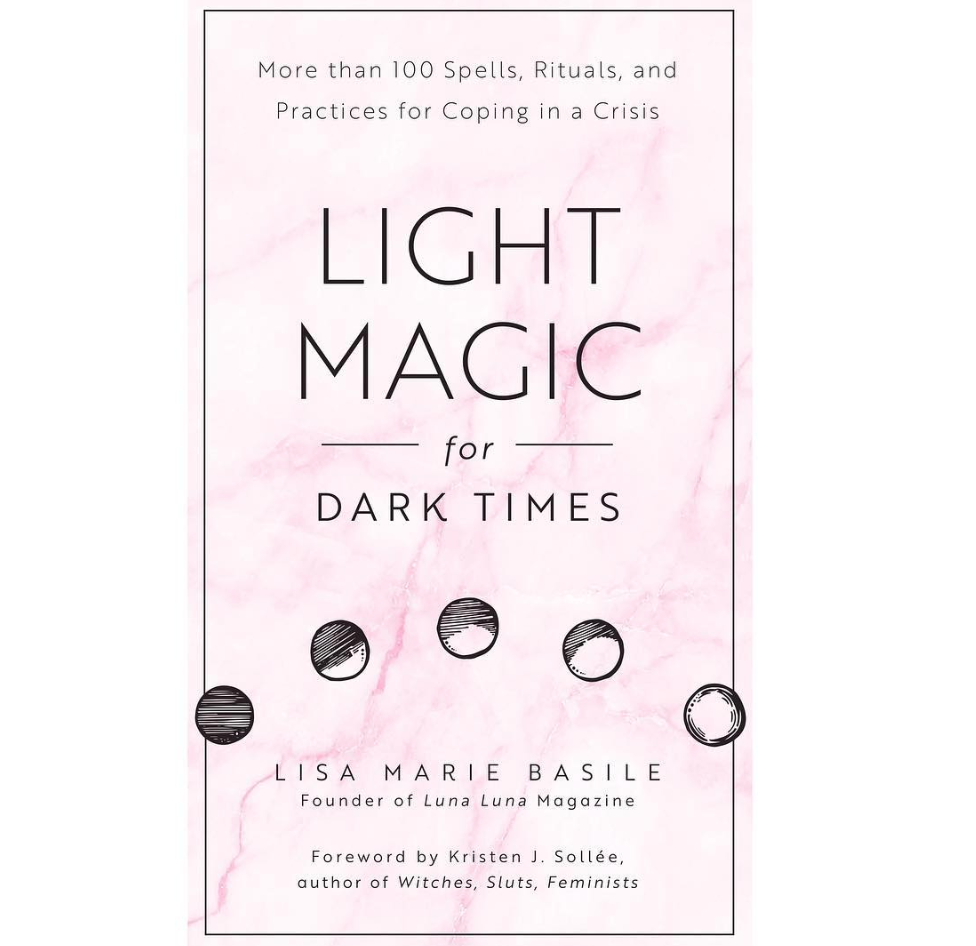
A year after my diagnosis, I also went on to write a book, Light Magic for Dark Times--which is a collection of rituals and practices for hard times. I even included a portion on body and identity, and chronic illness.
I will be leading a workshop on chronic illness and ritual at MNDFL Meditation in NYC on July 21. I hope you will come, as it will be an open, safe space. We will discuss chronic illness, meditate, and map strategies for self-care and self-empowerment. All are welcome!
You can RSVP here.