• Home
  • indulge
  • new poetry
    • About Luna Luna
    • resources
    • search
  • editor
  • dark hour
  • submit
Menu

luna luna magazine

  • Home
  • indulge
  • new poetry
  • About
    • About Luna Luna
    • resources
    • search
  • editor
  • dark hour
  • submit
delicious new poetry
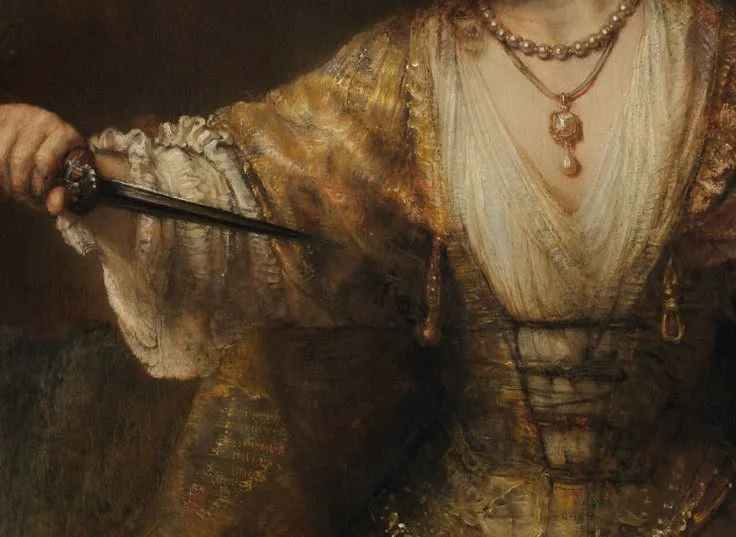
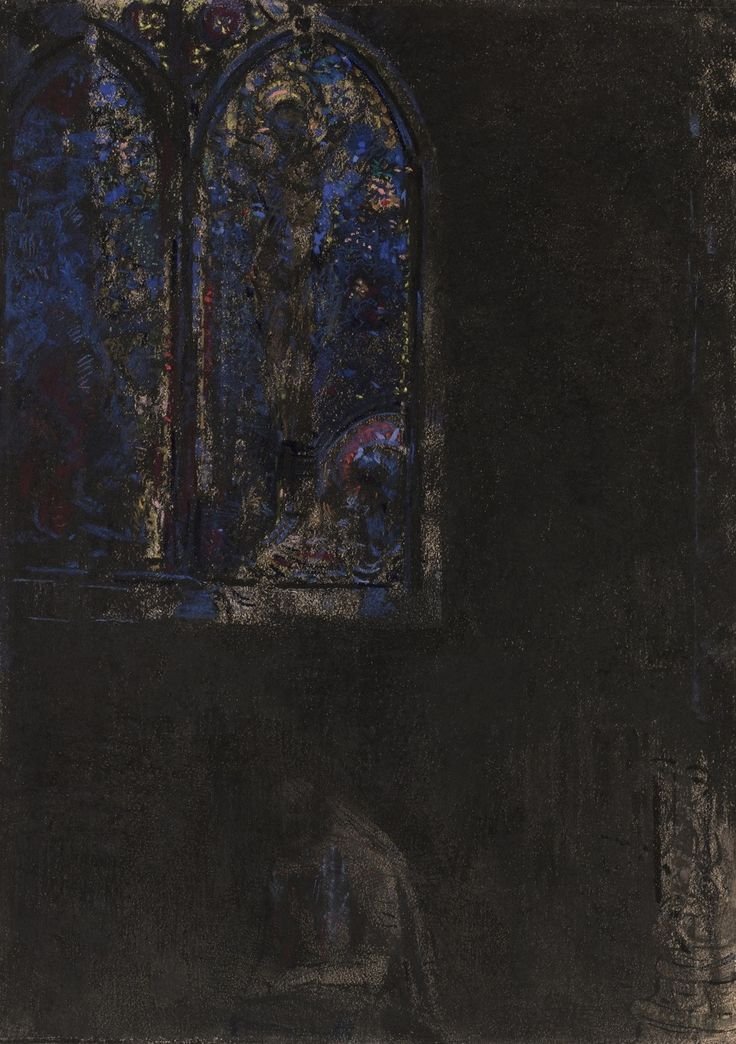
'to anoint the robes' — poetry by Timothy Otte
Dec 19, 2025
'to anoint the robes' — poetry by Timothy Otte
Dec 19, 2025
Dec 19, 2025
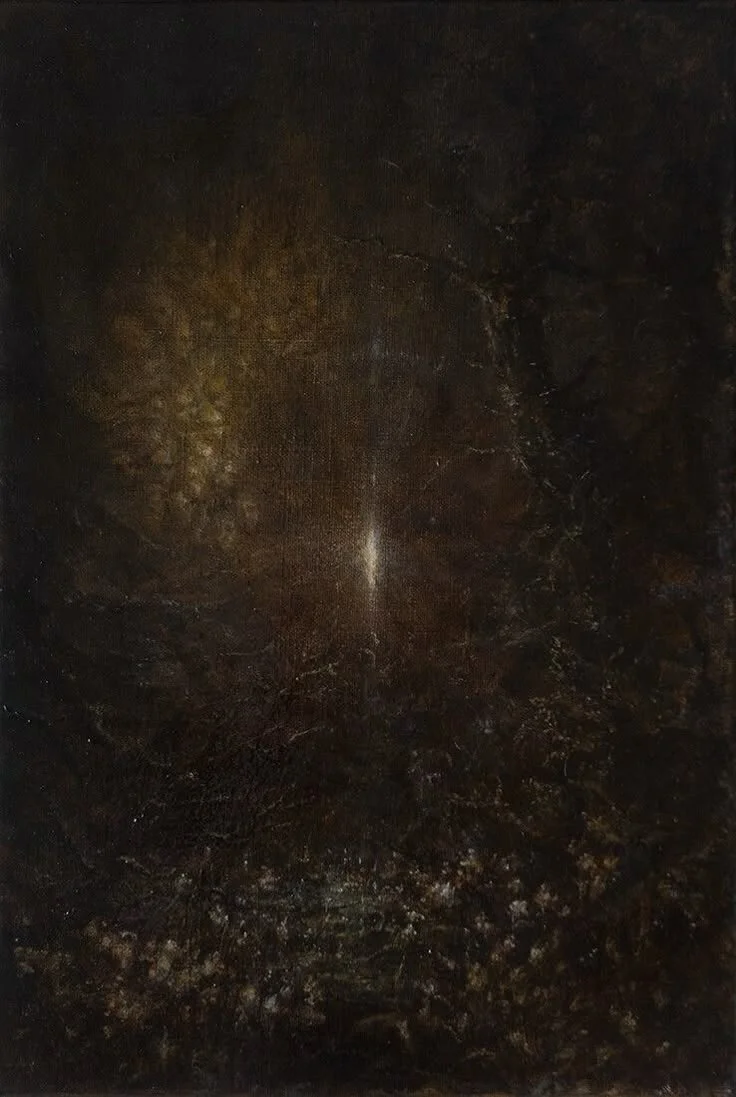
'a stone portal in the woods' — RJ Equality Ingram
Dec 19, 2025
'a stone portal in the woods' — RJ Equality Ingram
Dec 19, 2025
Dec 19, 2025
'crooked castle wanting' — poetry by Lindsay D’Andrea
Dec 19, 2025
'crooked castle wanting' — poetry by Lindsay D’Andrea
Dec 19, 2025
Dec 19, 2025
'silent, Sunday morning' — poetry by Nathalie Spaans
Dec 19, 2025
'silent, Sunday morning' — poetry by Nathalie Spaans
Dec 19, 2025
Dec 19, 2025
'Time's metronome blank' — poetry by Rehan Qayoom
Dec 19, 2025
'Time's metronome blank' — poetry by Rehan Qayoom
Dec 19, 2025
Dec 19, 2025
'this strikes me as a Rorschach' — poetry by John Amen
Dec 19, 2025
'this strikes me as a Rorschach' — poetry by John Amen
Dec 19, 2025
Dec 19, 2025
'Love is a necessary duty' — poetry by Tabitha Dial
Dec 19, 2025
'Love is a necessary duty' — poetry by Tabitha Dial
Dec 19, 2025
Dec 19, 2025
'O, to bloom, to arch open' — poetry by Karen L. George
Dec 19, 2025
'O, to bloom, to arch open' — poetry by Karen L. George
Dec 19, 2025
Dec 19, 2025
'the sky violent' — poetry by Robert Warf
Dec 19, 2025
'the sky violent' — poetry by Robert Warf
Dec 19, 2025
Dec 19, 2025
'the doors of the night open' — poetry by Juan Armando Rojas (translated by Paula J. Lambert)
Nov 29, 2025
'the doors of the night open' — poetry by Juan Armando Rojas (translated by Paula J. Lambert)
Nov 29, 2025
Nov 29, 2025
'we can be forlorn women' — poetry by Stevie Belchak
Nov 29, 2025
'we can be forlorn women' — poetry by Stevie Belchak
Nov 29, 2025
Nov 29, 2025
'I do whatever the light tells me to' — poetry by Catherine Bai
Nov 29, 2025
'I do whatever the light tells me to' — poetry by Catherine Bai
Nov 29, 2025
Nov 29, 2025
‘to kill bodice and give sacrament’ — poetry By Kale Hensley
Nov 29, 2025
‘to kill bodice and give sacrament’ — poetry By Kale Hensley
Nov 29, 2025
Nov 29, 2025
'Venetian draped in goatskin' — poetry by Natalie Mariko
Nov 29, 2025
'Venetian draped in goatskin' — poetry by Natalie Mariko
Nov 29, 2025
Nov 29, 2025
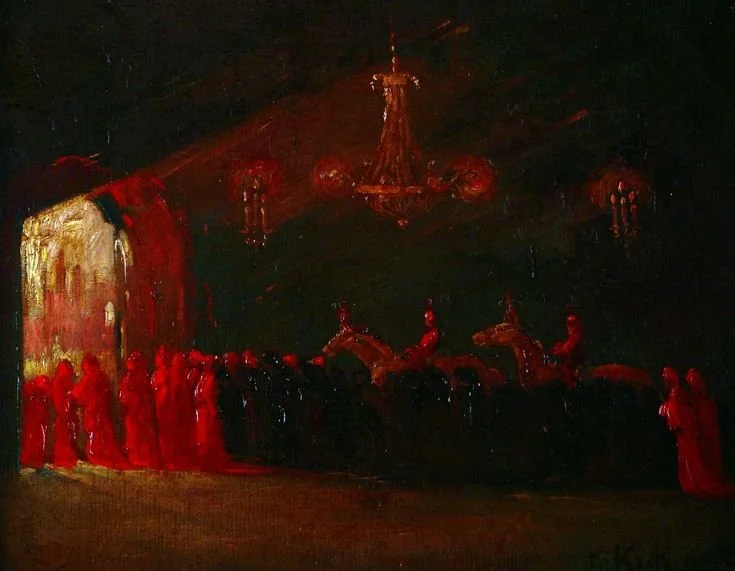
'the long sorrow of the color red' — centos by Patrice Boyer Claeys
Nov 28, 2025
'the long sorrow of the color red' — centos by Patrice Boyer Claeys
Nov 28, 2025
Nov 28, 2025
'Flowers are the offspring of longing' — poetry by Ellen Kombiyil
Nov 28, 2025
'Flowers are the offspring of longing' — poetry by Ellen Kombiyil
Nov 28, 2025
Nov 28, 2025
'punish or repent' — poetry by Chris McCreary
Nov 28, 2025
'punish or repent' — poetry by Chris McCreary
Nov 28, 2025
Nov 28, 2025
'long, dangerous grasses' — poetry by Jessica Purdy
Nov 28, 2025
'long, dangerous grasses' — poetry by Jessica Purdy
Nov 28, 2025
Nov 28, 2025
'gifting nighttime honey' — poetry by Nathan Hassall
Nov 28, 2025
'gifting nighttime honey' — poetry by Nathan Hassall
Nov 28, 2025
Nov 28, 2025
'A theory of pauses' — poetry by Jeanne Morel and Anthony Warnke
Nov 28, 2025
'A theory of pauses' — poetry by Jeanne Morel and Anthony Warnke
Nov 28, 2025
Nov 28, 2025
'into the voluminous abyss' — poetry by D.J. Huppatz
Nov 28, 2025
'into the voluminous abyss' — poetry by D.J. Huppatz
Nov 28, 2025
Nov 28, 2025
'an animal within an animal' — a poem by Carolee Bennett
Nov 28, 2025
'an animal within an animal' — a poem by Carolee Bennett
Nov 28, 2025
Nov 28, 2025
‘in the glitter-open black' — poetry by Fox Henry Frazier
Oct 31, 2025
‘in the glitter-open black' — poetry by Fox Henry Frazier
Oct 31, 2025
Oct 31, 2025
'poet as tarantula,  poem as waste' — poetry by  Ewen Glass
Oct 31, 2025
'poet as tarantula, poem as waste' — poetry by Ewen Glass
Oct 31, 2025
Oct 31, 2025
'my god wearing a body' — poetry by Tom Nutting
Oct 31, 2025
'my god wearing a body' — poetry by Tom Nutting
Oct 31, 2025
Oct 31, 2025
'Hours rot away in regalia' — poetry by Stephanie Chang
Oct 31, 2025
'Hours rot away in regalia' — poetry by Stephanie Chang
Oct 31, 2025
Oct 31, 2025
'down down down the hall of mirrors' — poetry by Ronnie K. Stephens
Oct 31, 2025
'down down down the hall of mirrors' — poetry by Ronnie K. Stephens
Oct 31, 2025
Oct 31, 2025
'Grew appendages, clawed towards light' — poetry by Lucie Brooks
Oct 31, 2025
'Grew appendages, clawed towards light' — poetry by Lucie Brooks
Oct 31, 2025
Oct 31, 2025
'do not be afraid' — poetry by Maia Decker
Oct 31, 2025
'do not be afraid' — poetry by Maia Decker
Oct 31, 2025
Oct 31, 2025
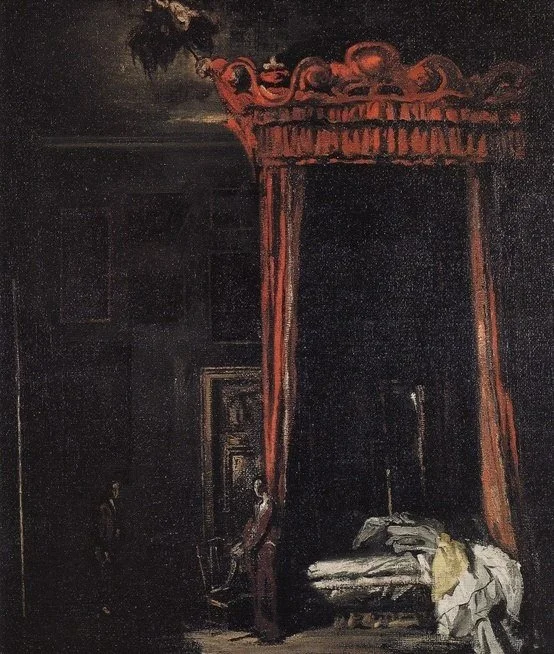
'The darkened bedroom' — poetry by Jessica Purdy
Oct 31, 2025
'The darkened bedroom' — poetry by Jessica Purdy
Oct 31, 2025
Oct 31, 2025
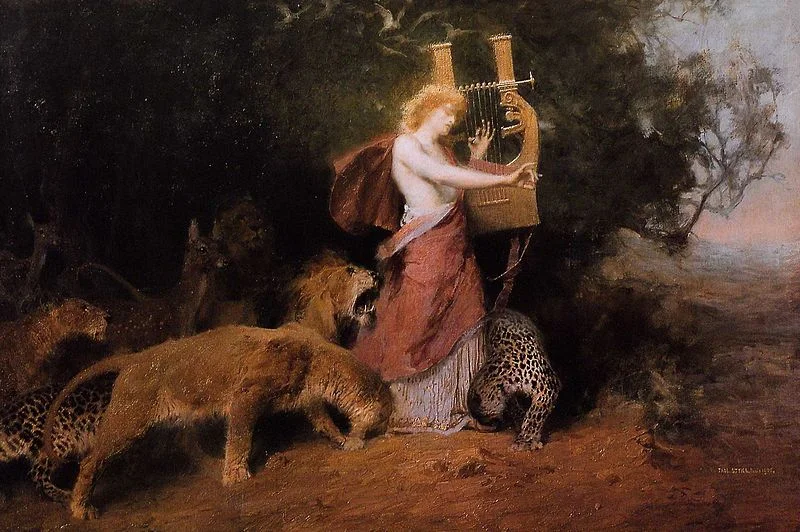
Tadeusz Styka

Tadeusz Styka

Flash Fiction by Romey Petite

April 27, 2018

According to the ancient myth, the pale phantom king of the underworld had a frozen heart—unmoved even by Orpheus’ twinkling music. The poet would have to rely on charming the king's wife, kindly Persephone in her flower crown, instead. With lyre and honey-colored falsetto, he applied himself to his art.

Charm her, the poet did.

Read More
In Poetry & Prose Tags Romey Petite, Flash Fiction, Greek Mythology, Mythology, Orpheus, Underworld
Comment
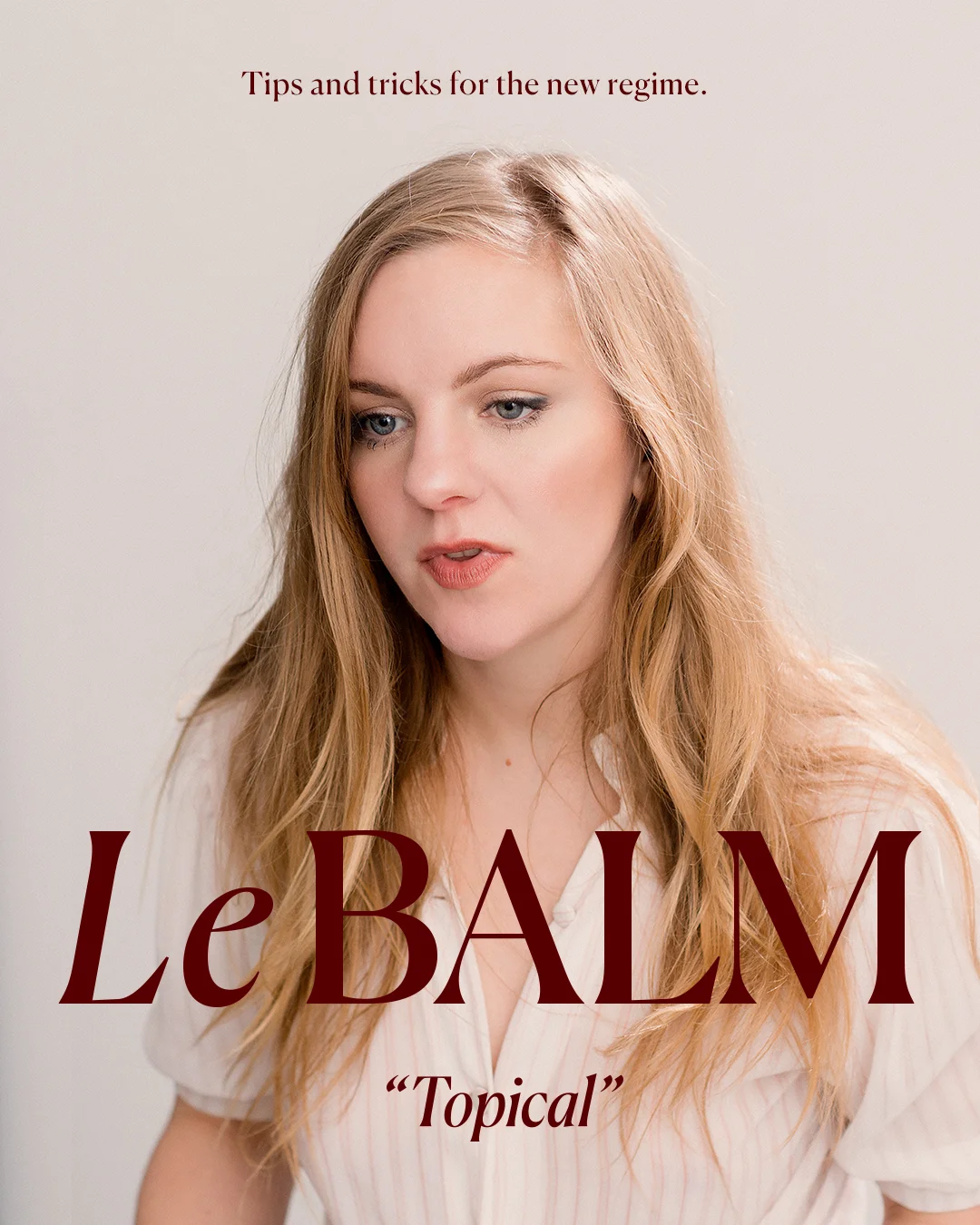
le balm

An Interview with Le Balm’s Cecilia Corrigan & Monica Nelson

April 25, 2018

BY DEIRDRE COYLE

When I watched the first episode of Le Balm—the new web series by Cecilia Corrigan and Monica Nelson—I cackled, then anxiously touched my face to check the quality of my skin, then cackled some more. Le Balm follows a makeup vlogger named Madeleine who decides, after the 2016 presidential election, to convert her many followers into radical activists by smuggling coded messages about overthrowing the regime into her beauty product reviews and tutorials.

In the past year, women's media has been full of articles on self-care as both coping mechanism and radical act. Le Balm questions the validity of this rhetoric with dark humor and compassion. As Corrigan wrote to me in an email, "Dealing with questions about complicity, beauty standards, and the privilege of self-care in a time of political disruption, the series brings together the worlds of our current political climate of anxiety and the messages of women's beauty culture."

Despite a shaky connection between New York and Los Angeles, I video chatted with Cecilia and Monica in the hours before their West Coast launch party.

So I first wanted to ask how you came together to work on this project, and where you’re both coming from?

Cecilia: I met Monica when we were both working on another short film, Crush, which was another piece that played with dark comedy to critique a certain sector of culture—in that case, the art world. We have pretty different backgrounds—my background is academic, and I started out in poetry, now I write and perform weird comedy, and Monica has been working in branding and advertising for years.

Monica: Different backgrounds, for sure. But we share an interest in using narrative and humor to make a cultural critique, that’s sort of the space where every idea we tossed around landed. Cecilia is amazing at creating these intuitive comedic characters that mirror back a very honest reality.

Cecilia: One of the things I like about this character is that she’s almost uncomfortably familiar, like she’s just taking the idea that self-care can be a radical political act to its natural conclusion. So even though it’s parody, it also feels uncanny. I think we were interested in that discomfort.

Monica: Yeah, and there is truth to it as well. The idea for Le Balm started at a women’s group that was organized the week after the election. Everyone was trying to figure out how to respond. Then Cecilia was kind of joking about doing a beauty guru character who’s having a political awakening after the election, and I was like "we should actually do that." That’s how Le Balm got started.

Cecilia: Yeah, that group was cool; I know a few similar groups cropped up that winter. This one was called Feminists Against Fascism—it was all women, a lot of them worked in media, many of them were activists. I found myself thinking about the beauty industry and "women’s media" a lot at that time, and about the idea of a coastal elite. The election brought so much misogyny to the surface, but also revealed so many of the limitations of a feminist politics that isn’t intersectional.

In a way, is this character in Le Balm also grappling with these questions?

Monica: Yeah, in her own way. She’s just taking it very, very literally.

Cecilia: It definitely comes from a relatable place. I first got the idea in a moment of recognizing my own ridiculousness, when I caught myself deeply stressing out about whether I should switch my moisturizer with the changing climate, and simultaneously freaking out about the terrifying political changes that seemed to be already affecting vulnerable people in a really immediate way. I was like, "wow I’m the worst." And you know, I think one of the things that saves me from going crazy is laughing at myself.

Monica: The idea of using what we know, and our own personal experiences seemed really important. I was shaken by the way that women were receiving information, and how it was being framed. All of a sudden all women’s media outlets turned to women’s causes, and you would literally read an article about a social justice cause and a moisturizer in the same typeface and tone. I still have screenshots from that time period that we would send back and forth. Literally posting these headlines that were like, "Are you bleary eyed because of the news? Here are some eye brightener tips."

RELATED: Interview with Sarah Forbes, the Curator of Sex

I did want to ask about the character. We don’t actually learn much about her background in the show, her story before she deleted all of her social media and then restarted it. But clearly she’s a privileged character: a young, attractive white woman able to make her living vlogging (she talks about her sponsorships in the first episode). Could you talk a little about how this character’s conception of "radical activism" is informed by these advantages?

Monica: This girl is earnest. That’s something that’s really important to us. This character did kind of exist in this bubble before the election. She was very sheltered and was able to create this whole ecosystem that was just hers. Her aesthetic was probably a little more decadent, or kitsch. But then her world was sort of blown. When we were briefing the team for the shoot, I would say "Imagine a girl that discovered politics and Garance Doré in the same day."

Cecilia: Yeah. She was definitely in a bubble before. I think a lot of people with a certain kind of privileged complacency felt like they had to become political, become "woke," right after the election. I imagined that whatever was going on with her in the lead-up to this moment, like whatever happened between the election and her new videos, was probably pretty messy. I think this is more than just a re-brand for her: I think she imagines that she’s going to be a real activist now. And in these videos we’re just watching her struggle to make makeup tutorials into political statements, about causes she just found out about and barely understands.

But I also find that struggle endearing: she’s striving to be better, she’s trying to use her influence for good, with, I think it’s called "cringe-worthy results?" She’s been in the business of selling self-improvement for a while, but now she wants to do a make-over on her soul, like Cher in Clueless (who, incidentally, is also a privileged white woman). It’s easy to make fun of people like her, but we decided not to make it a total mockery. It’s a complex situation, right? She’s trying to get involved, but she doesn’t know what she’s doing. And in the last episode I think we see her realizing that she might not actually be offering any useful advice, or helping anyone, by telling them that if they have self-confidence and look good it’s going to protect them from real political and legislative threats to their safety.

Monica: She’s just like, "the show must go on!" And, just like everyone, she’s trying to find new meaning and purpose in what she’s doing. She’s thinking, "I have this audience I could educate about these things."

Cecilia: Monica’s direction really helped bring that out, for me, when I was trying to find the character in the performance. At first I was doing her in a really over-the-top, you know, like, "Hiiii Guys!", like, vocal fry, totally kind of bug-eyed and scary, which is actually—you do see a lot of that. But Monica was like, "This person should be someone that you like. You have sympathy for her, she’s really different, and she has all these different interests, but she’s basically someone that you might know, or meet at a party, that you have empathy for." I do feel empathy for her.

Monica: I thought it was really important that she have depth, and that those things came through. That it felt like she was an actual woman struggling with these things.

Cecilia: Basically what I’m saying is that Monica was like, "Try doing good acting. Like that, except with acting."

Are you worried about the NSA watching the series?

Cecilia: Um. No.

Monica: It’s more like what if the beauty industry NSA sees it. But, actually it’s been funny having interviews with beauty brands. I show them a few episodes and they are laughing and fully understanding what we are doing, but then they say, "This is so funny, it’s amazing, we could never do anything like this."

Cecilia: And we knew that. The reason that we didn’t really pursue doing this like for a brand or even a magazine per se, is because we wanted it to exist on its own in a modular way, which adds an uncanny tone. It looks and feels like a beauty vlog. But at the same time it’s dark, character-based comedy. And the intersection of those things is unusual: it’s just its own thing. Hopefully in an enticing way.

Did you want people to initially view it as a real beauty vlog?

Cecilia: I think that the primary way to read it is as comedy, at least that's our intention. But it's presented in a coy way. But if people read it as a beauty vlog, that’s awesome.

In an email, you’d mentioned wanting to work in a "venn diagram of beauty journalism, political commentary, and unhinged comedy." Could you talk more about how those ideas overlap in Le Balm?

Monica: We had so many conversations about how we wanted to put it out. And at the end of the day, we just said, "This is original content." It’s scripted, but it’s playing with meta-reality. There are heightened moments, but it could be real, on some level. Nothing we’re talking about is fantasy. And I think that realism is something both of us are interested in exploring, that essayistic quality. We’re both interested in creative work as a critical practice. But then again, this piece goes back to some of the things we know best. Performance for Cecilia, and for me, creating "content." Le Balm uses those two things to write an essay about this very specific sector of our culture.

Cecilia: Absolutely: the performance of branded content creation. Le Balm is an imitation of vlogger culture, and a tribute to it. It’s comedy about beauty content and it also is actual beauty content, in a way. It’s an expression of this weird moment we’re living through, rendered through this really simple and clear concept. It feels very conceptual to me in that way.

Monica: I think it asks its viewer to imply the depth, and to read into it. I think that’s the type of content that I’m most excited about.

Cecilia: Yeah. I’ve always really loved stuff that lives in a certain frame but does something different inside of that frame. The work that excites me the most lives in a certain context but plays with people’s expectations. A lot of the ideas in Le Balm are everywhere right now, and there’s been some amazing journalism recently about the strange relationship between contemporary politics and beauty culture. Of course, Le Balm isn’t journalism, even if it is kind of essayistic.

Monica: I think it is rooted in documenting a real phenomenon. Now, beauty is a really powerful category, much more powerful than fashion, because of its ability to create such personal change. Historically, beauty industries have always boomed during political turmoil because beauty is something you can control. Like Elizabeth Arden and all these brands being like, "Red lipstick is empowering!" We have an episode about that. Maybe there is an innate truth to it, because you feel better. It’s a real feeling.

Cecilia: It does seem like there’s so much emotion attached to that space now, so much public feeling around beauty, skincare, makeup. It’s like the final market where people believe buying the right products could actually make them better people. So the character represents something I think is a huge part of life in America and the developed world right now. The new form of aspirational luxury is self-improvement: you want your skin to look better, you want to spiritually be better, politically be better. I think this character wants to believe what we all want to believe, to some extent, that we can have control over our lives and that we can prevent chaos from enfolding us by focusing on self-improvement.

Monica: Beauty is definitely an exercise in control.

Will there be more Le Balm, either in this form or another, in the future?

Cecilia: I’m working on a pilot that’s an expansion of this world.

Monica: I think we also like the idea of using it as a discussion piece. That’s the thing I’m the most excited about, is seeing what people get out of it. It’s been really fun to hear the reactions of people from different backgrounds. There are these funny signifiers that trigger things for people.

Cecilia: Yeah, one of the things I’ve noticed in comedy is that people, when things hit too close to home, tend to be kind of repulsed, they’re like, "Ugh, I hate that character," if they identify too much. Whereas if you’re more distant from the character, you just laugh.
Deirdre Coyle is a writer and goth living in Brooklyn. Her work has appeared in Electric Literature, Lit Hub, The New Republic, Hobart, Joyland, and elsewhere. Find her on Twitter at @DeirdreKoala.

In Beauty, Pop Culture, Social Issues Tags Le Balm, deirdre coyle, Monica Nelson, Cecilia Corrigan
Comment
image.png

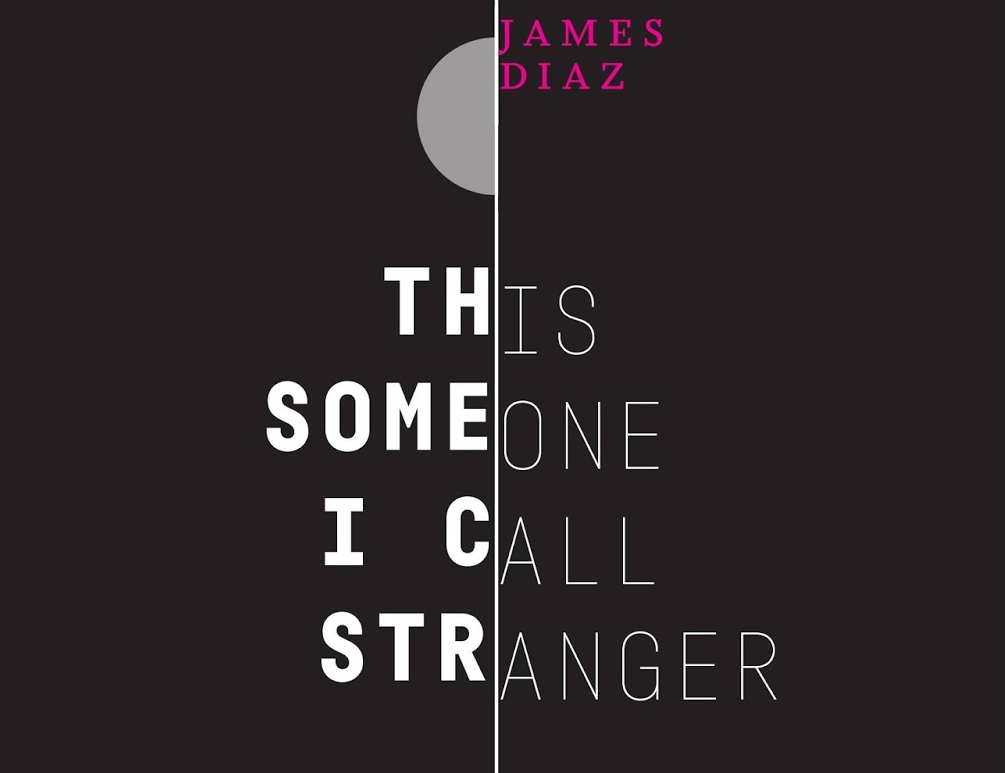
Review of James Diaz's "This Someone I Call Stranger" by Devon Balwit

April 24, 2018

While voicing anguish, Diaz’ narrators are never pitiable, nor does he allow the suffering self to wallow.

Read More
In Poetry & Prose Tags Review, Book Review, Chapbook, Poetry, Poems, James Diaz, This Someone I Call Stranger, Devon Balwit, Indolent Books
Comment
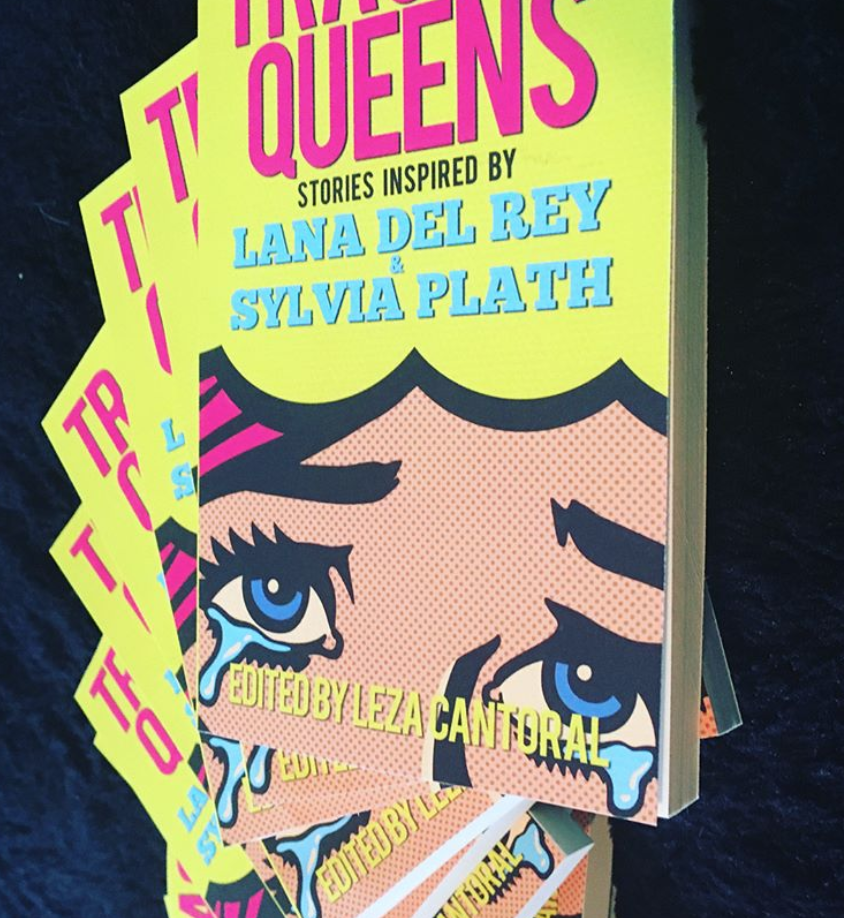
Via Leza Cantoral

Via Leza Cantoral

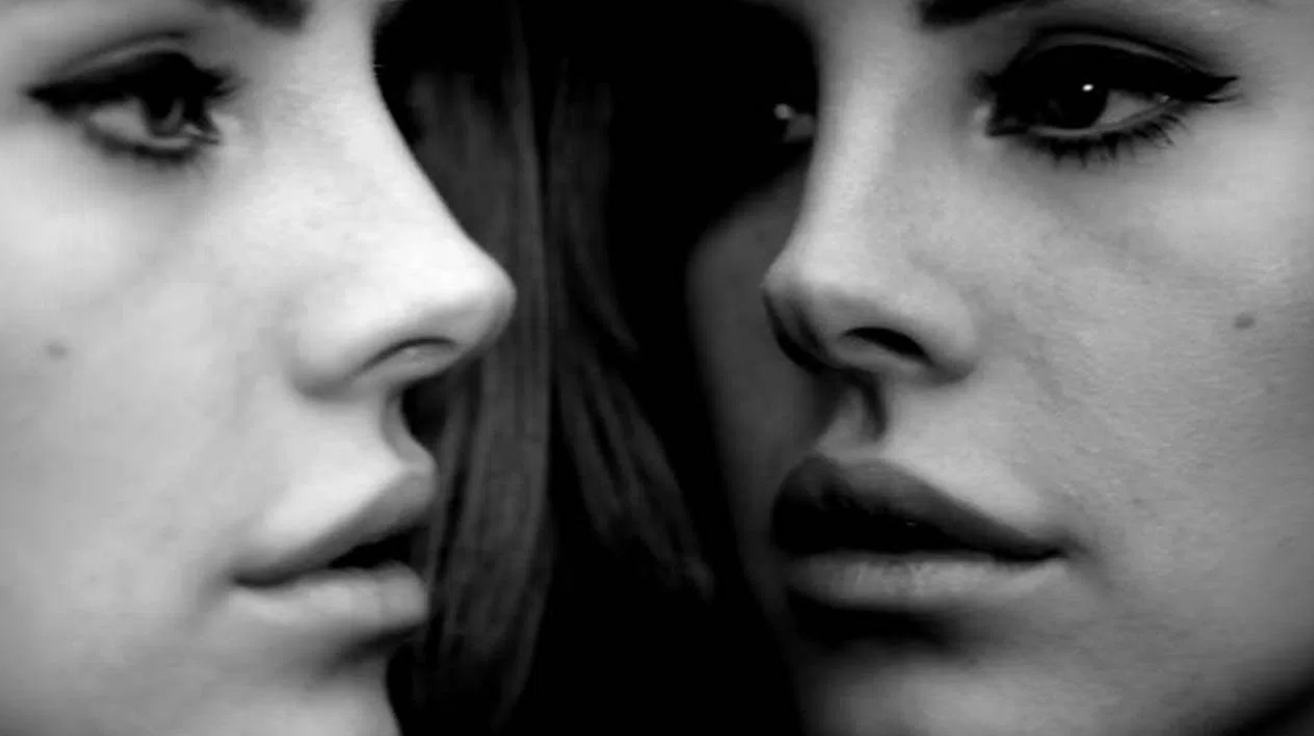
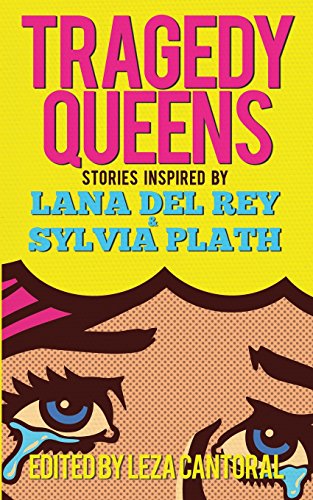
Tragedy Queens: Writers on Lana Del Rey & Sylvia Plath

April 23, 2018

BY LISA MARIE BASILE

When visionary editor Leza Cantoral asked me to contribute to the Tragedy Queens anthology (you can also order from the publisher, Clash Books) she said something to the affect of, "you are literally perfect for this," which probably means I'm a very, very Sad Girl. More seriously, though, I felt drawn toward it because of Plath's impact on my own poetry career and my not-so-secret Lana Del Rey fascination.

There's Plath wrangling with the shadow, full of beautiful, unique language, and then there's this singer-starlet who aestheticizes her own sadness. Sorrow was the language and the vein of this anthology, and I wanted to explore that. I wanted to investigate my own relationship to sorrow—and the ways in which these Tragedy Queens informed my creativity. I ended up writing an exceptionally melodramatic piece called Girls In The Garden of Holy Suffering, both a true testament of my youth and psycho-sexual development, and a nod toward Lana's exaggerations of sadness and sadness aesthetic. Both of these women have inspired me to explore the authentic and inauthentic—and how they both sort of meld into one.

In this mini interview series, I chatted with the editor, Leza Cantoral, along with a few of the other stellar contributors, and got their story on why the anthology felt so right for them.
— Lisa Marie Basile

RELATED: On Sylvia Plath, The Tarot And Bad College Writing

Leza Cantoral, Editor:

"Tragedy Queens is the culmination of my obsession with Sylvia Plath. When I read Ariel, it changed my life. I read everything I could find about her. I am drawn to tragic figures. I relate to them. But I am getting sick of the tragic narrative. When I sent out the submissions call I did not specify a genre. What I cared about was character arcs. People making choices. I especially wanted the female perspective.
Lana Del Rey came into my life a few years ago and I became obsessed with everything about her: her voice, her music, her hair, her eyeliner, her lips, her past, her glamour, her sadness, her passion. Her songs resonated deep within me. I loved her openness. The confessional quality of her music reminded me of Sylvia Plath, so it made sense to join two of my favorite muses together. They both inspire my own writing. I wanted to share that and was so excited to see what people came up with. I was not disappointed. Everyone knocked my socks off. I was sobbing, laughing, and gasping, as I read through the stories that made it into Tragedy Queens. People think of pop music as low art and poetry as high art and I think that’s bullshit. Lana Del Rey is a poet of the highest order and she deserves that recognition for her craft."

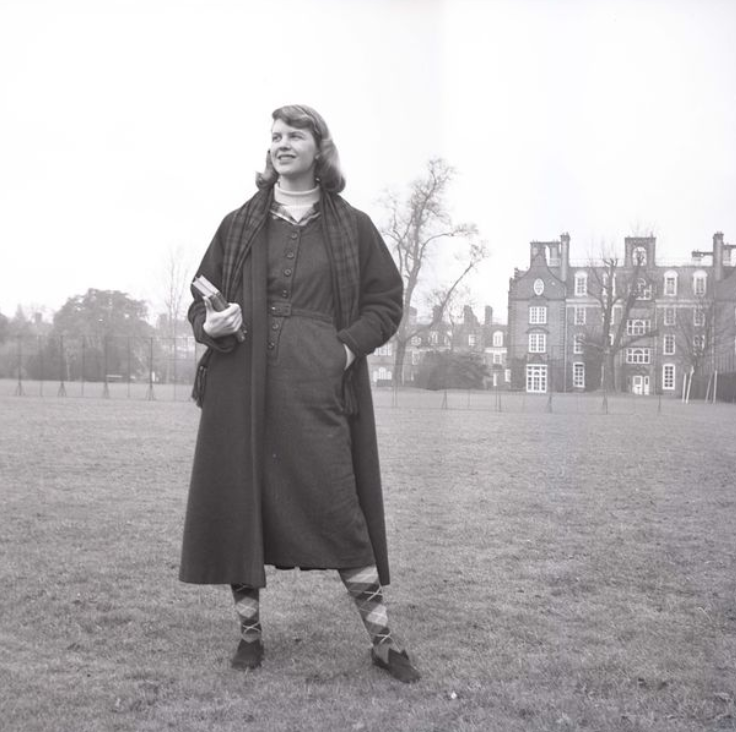
SYLVIA PLATH

Gabino Iglesias:

"For me, Plath embodies mental health struggles. She was incredibly talented, but the demons in her heart, soul, and mind ended up winning. That she was able to focus all of that and express it in words is something that deserves to be celebrated. LDR, on the other hand, is a modern anomaly that somehow became a sensation thanks to am atmosphere of strong women taking over and a massive push to obliterate patriarchy, and she does it all while being bizarre and having her own aesthetic. I knew many women would be getting involved in this, and that made me want to be a part of it. Strong brujas all around celebrating two unique ladies with their words. Who wouldn't want to be a part of that magic?"

Monique Quintana:

"Sylvia Plath and Lana Del Rey get at death, beauty, and the grotesque in artful and unnerving ways. As a writer and mother, I’ve always felt that womanhood and motherhood should not be sanitized, but rather, stripped down to its visceral core, so that blood and bone and tissue are exposed. My story was inspired by the trash glam aesthetic of Lana Del Rey’s song, 'Sad Girl' and Plath’s dark mythos of mother and father figures. It’s about a teenage Xicana’s doomed love affair in a 1997 dystopian central California that results in the conception of a brujo baby."

RELATED: 9 Lust for Life Observations from the Ultimate Lana Del Rey Fan

Christine Stoddard:

"I wrote a short story inspired by Lana Del Rey's captivating song, 'Summertime Sadness.' Throughout her work, Lana eerily and beautifully captures the nature of tragic love. I don't think she glorifies domestic violence or other forms of abuse. She's simply telling stories. Love is complicated and even the healthiest relationships have their tragedies. Those stories need to be told because, even when they are fictitious, they are very real. I saw this anthology as a chance to tell yet another story about love's complexities."

lana del rey

Jerry Drake:

"Sylvia Plath and Lana Del Rey represent an inspirational arc covering the course of my life. As a teenager struggling with OCD and depression I found in Plath a comforting fellow traveler, someone who had a shared voice. As a man in my 40's I find in Del Rey the echoes of my own wild youth—hot nights, too much beer, and the dangerous fun of mischief and trouble. I had toyed with writing a story but didn't like my original idea. I found myself standing in my kitchen chatting with Leza Cantoral, the anthology's editor, during the 2017 AWP. I gave her my original idea and she said, 'No, I want you to tell the story that clearly draws from your real life and your real inspirations, don't make anything up.' It came together and I sat down that night and wrote my story. I am pleased to have it accepted. I feel like I caught a night of my youth in a bottle for others to experience."

Trish Grisafi:

"Plath has inspired me since I was twelve years old and picked up The Bell Jar. It spoke to me so much as a floundering adolescent—and it was incredibly funny. I could really relate to Plath’s sardonic wit and her cut-throat observations about the world. She’s smart, heartbreaking, and culturally astute about her historical moment. I wanted to create a story that, like The Bell Jar, deconstructed typically idealized experiences and put forth commentary on mental health care. Growing up, I suffered from depression, anxiety, and OCD. I wasn’t able to get help until I ended up in a psychiatric hospital in my mid-twenties. I wanted to create a character who is clearly suffering but also ignored—like Esther was in The Bell Jar. It was very important for me to get that voice down."

PURCHASE IT HERE!


Tragedy Queens: Stories Inspired by Lana del Rey & Sylvia Plath
By Lisa Basile, Gabino Iglesias
Buy on Amazon

Lisa Marie Basile is a poet-witch and founding creative director of Luna Luna Magazine—a digital diary of literature, magical living and idea. She is the author of "Light Magic for Dark Times," a modern grimoire of inspired rituals and daily practices. She's also the author of a few poetry collections, including the forthcoming "Nympholepsy."

Her work encounters the intersection of ritual and wellness, chronic illness, magic, overcoming trauma, and creativity, and she has written for The New York Times, Narratively, Grimoire Magazine, Venefica, The Establishment, Refinery 29, Bust, Hello Giggles, and more. 

Lisa Marie earned a Masters degree in Writing from The New School and studied literature and psychology as an undergraduate at Pace University.

Leza Cantoral is a Xicana writer & editor who lives on the internet. She is the Editor in Chief of CLASH Books & host of the Get Lit With Leza podcast where she talks to cool ass writers. Tragedy Queens: Stories Inspired by Lana Del Rey & Sylvia Plath is a CLASH Books anthology of stories that she edited as a result of being a Lana Del Rey & Sylvia Plath megafan. You can find her on YouTube at Trash Panda Poetry & everywhere else as herself. She blogs at lezacantoral.com

In Poetry & Prose, Art Tags tragedy queens, Leza Cantoral, Lisa Marie Basile, jerry drake, Gabino Iglesias, christine stoddard, larissa glasser
1 Comment
joanna-kosinska-627636-unsplash.jpg

Poetry by Savannah Slone

April 23, 2018

I will touch you
with my subconscious,
my mermaid,
snakes entwined

Read More
In Poetry & Prose Tags Poetry, Poet, Savannah Slone, Witchy
Comment
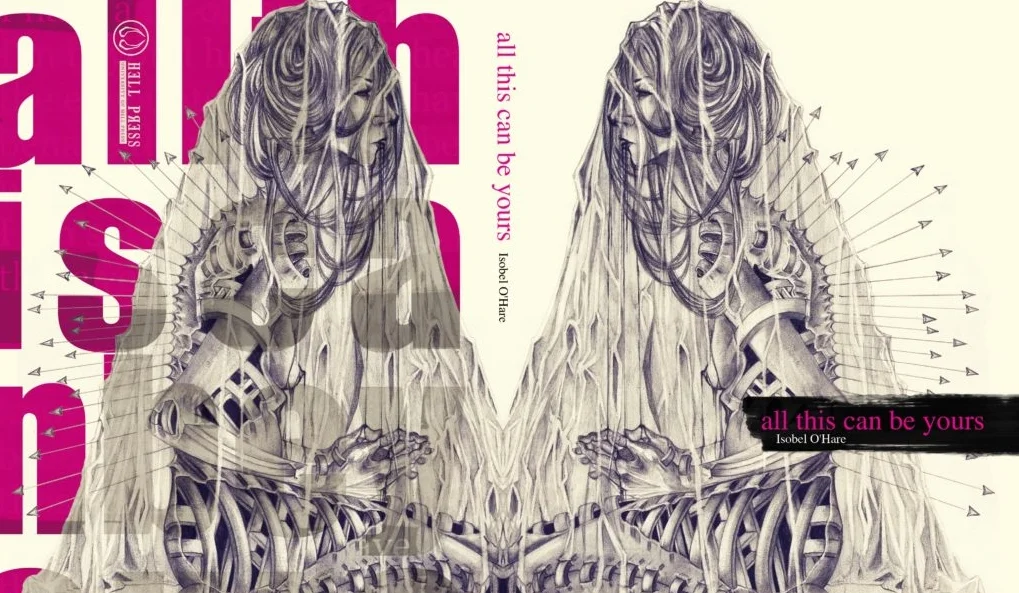
Poet and essayist Isobel O’Hare is saying more with less in the recently released all this can be yours.

Poet and essayist Isobel O’Hare is saying more with less in the recently released all this can be yours.

The Text Is My Enemy: Erasing The Patriarchy With Isobel O'Hare

April 20, 2018

"The erasures are transformational, I think, in that they mutate the original messages of the statements into my own vision of the truth behind them. It’s sort of like wetting a sheet of paper covered in invisible ink and seeing the message hidden there."

Read More
In Interviews, Social Issues Tags Poetry, #MeToo, Patriarchy, Books, Isobel O'Hare, Caitlin Pryor, all this can be yours, #TimesUp, Erasures
Comment
Flickr

Flickr

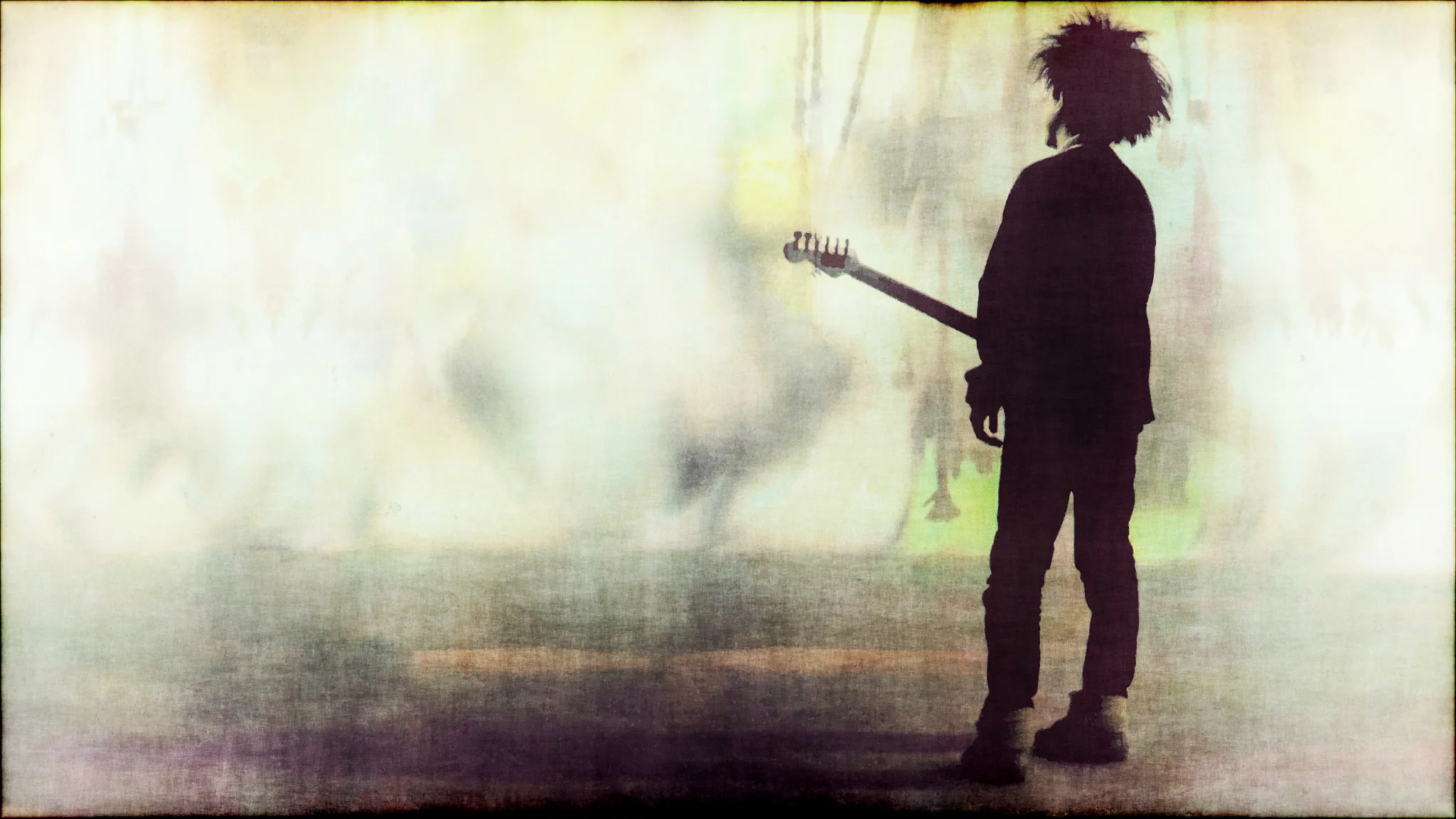
How the Cure Helped this Cambodian Refugee Survive America

April 19, 2018

Bunkong Tuon is the author of Gruel (2015) and And So I Was Blessed (2017), both poetry collections published by NYQ Books, and a regular contributor to Cultural Weekly He is also an associate professor of English and Asian Studies at Union College, in Schenectady, NY.

Read More
In Music Tags music, the cure
1 Comment
via Emory

via Emory

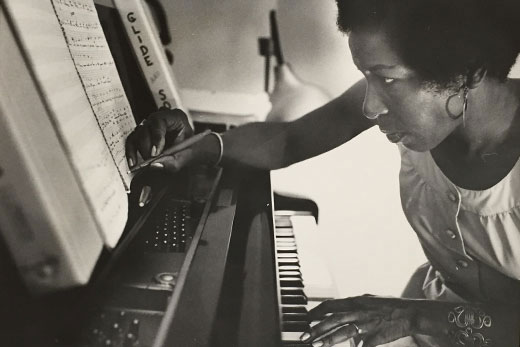
A Poet I’ve Never Heard Of: Mari Evans

April 18, 2018

are you aware that
with you
went the sun
all light
and what few stars
there were?

Read More
In Poetry & Prose Tags Poetry, Poet, Poem, Poems, Mari Evans, Tiffany Sciacca
Comment
nikola-jovanovic-495472-unsplash.jpg

Sonnets by Kristin Garth

April 13, 2018

A southern snowflake in blizzard descends.
The winter you’re born beach town’s snowed in. 
An alabaster tourist never blends.
You’re not like your parents. You don’t pretend.

Read More
In Poetry & Prose Tags Poetry, Poems, Poet, Sonnets, Kristin Garth
Comment
#MayDayMagic

#MayDayMagic

Interview with Magda Knight of Mookychick About May Day Magic

April 12, 2018

Every May 1st, one can perform the May Day Magic ritual to spiritually crown another and receive a crown in return in three steps. One simply creates a magical space, symbolically crowns another, and closes the space.

Read More
In Interviews Tags Magda Knight, Mookychick, May Day Magic, Witch, Witches, Crowning, Crowning Ritual, Anointing, Anointing Ritual, Dolores and the Cave
Comment
DSC_0545.jpg

This Is Why I Don’t Call Myself A Woman Anymore

April 10, 2018

Joanna C. Valente is a ghost who lives in Brooklyn, New York, and is the author of Sirs & Madams (Aldrich Press, 2014), The Gods Are Dead (Deadly Chaps Press, 2015), Marys of the Sea (The Operating System, 2017), Xenos (Agape Editions, 2016), and Sexting Ghosts (Unknown Press, 2018). They are the editor of A Shadow Map: An Anthology by Survivors of Sexual Assault (CCM, 2017), and received a MFA in writing at Sarah Lawrence College. Joanna is also the founder of Yes, Poetry, a managing editor for Luna Luna Magazine and CCM, as well as an instructor at Brooklyn Poets. Some of their writing has appeared in Brooklyn Magazine, BUST, Them, Prelude, Apogee, Spork, The Feminist Wire, and elsewhere. 

Read More
In Lifestyle Tags non-binary, queer, LGBTQIA
Comment
gold

Selections from Omotara James: 2 Poems by C. Bain

April 6, 2018

BY C. BAIN
SELECTIONS BY OMOTARA JAMES

What is it that survives trauma? Or rather, outlasts it? Bain’s evocative poems offer elusive tenderness for those who traverse this liminal space. Through haunting portraits, the poet daringly reimagines the dailiness of these tortured mythological figures. Their relatable frailties leave us to ponder our own lusts. Though vastly different, the protagonists of both poems are generously afforded an agency unavailable in the original myths. What they do with it is another matter. Through the perspective of the speakers, Bain acknowledges transfiguration as restoration. These poems bridge the distance between hamartia and humanity. No sins left unsung, Bain leaves us to marvel at the creeping nature of human compassion as it ebbs…


(Persephone’s Husband Is Not Important And He Says)

She’s sitting on the bed
with her long legs folded under her.
Her eyes sliding away from me
as they like to do, like I’m a figure in smoke
like there’s a river of information
that only she sees. I want to ask her why
but I don’t. When the man took her
(the witnesses said chased, dragged)
trapped her under the earth
then she did what she did. It’s strange
when you think about it
that fruits are seeds and we
eat them, sugar fertile and harping
at the tongue. It bothers me
that that is what she took
not the utility of bread, but tart, crystalline
the skin red and transparent inside its covering
of outer, rougher skin. And now
she isn’t mine. I was never yours. It isn’t
ownership
, she says, because since she’s come back
she reads my thoughts
and sleeps six inches above the bed,
moaning. I know this happened because
she does not believe I love her. Now I ask permission
to kiss her, air hissing past
my seedling teeth. I ask her why
she comes back and she puts her hell-hand,
her death hand, gilded immortal
against my cheek. I come back
because you need me. You would die
without the rain
. Sucks at my tongue
until it bleeds sugar, a seed. Her nipple,
the crest of her ribs, the cells
of my body and the devices in the cells
and the space in between them. Whatever
life is. Electrical,
animate. Please.
Please give it back.
 

After the Curse Was Lifted, Midas

fell & wept, the grass
emerald blades bent
at his kissing mouth.
It lasted weeks
tender humility
his trembling hands tracing
rumpled bedsheets, ribs of living oxen
enough gratitude for any god.
He avoided his treasure-room
had the metal stripped off the cornices
cherished the wood’s raw bones.

But in some small span of human time
the truth; he wanted that power again
even if he’d starve, heartstiller, shitgleamer,
weeping alchemy out every pore.
He dreamt of it and woke and cursed.
And when his daughter disobeyed him
tell me he didn’t remember her small visage
frozen into metal. Tell me he didn’t wonder
if there had been some secret work around –
a gloved slave to feed him

and the question of women
if he could take them sudden enough to force
dilation before the metal took hold,
or if he’d have been forever
at a closed, golden gate.

He blamed the god
for giving him a wish that went too far.
Isn’t it god’s task to save you
from yourself? Wouldn’t a kind deity
have found some way to truly provide,
not this lawyer’s trick
food turned rock in the mouth

but no, here’s Midas
is thirst grown back.
His daughter alive.
His coffers howling.


c. bain

C. Bain is a gender liminal writer, performer, and teaching artist, based in Brooklyn. He is a former member and coach of multiple national-level poetry slam teams. His work appears in anthologies and journals including PANK, theRumpus.net, A Face to Meet the Faces, and the Everyman’s Library book Villanelles. He has shared stages with Jim Carroll, Patricia Smith, Dorothy Allison, and Saul Williams. His plays have been produced in summer festivals at the Tank and at the Kraine in New York City. His full-length poetry collection, Debridement, was a finalist for the 2016 Publishing Triangle Awards. He is a book reviewer at Muzzle Magazine. He works extensively with movement, embodiment, trauma and sexuality.  But he'd rather just dance with you. Visit.

B&W (1).jpg

Omotara James is a poet and essayist.  Her poetry chapbook, Daughter Tongue, was selected by African Poetry Book Fund, in collaboration with Akashic Books, for the 2018 New Generation African Poets Box Set. Her debut full length collection, Mama Wata, is forthcoming in the Fall of 2018 from Siren Songs, of CCM press. She has been award fellowships from Cave Canem and Lambda Literary. Currently, she is an MFA candidate in poetry at NYU. For further information, please visit her website: www.omotarajames.com

In Poetry & Prose Tags poetry, Omotara James, Daughter Tongue, C. Bain, Brooklyn, New York, Curation
Comment
freestocks-org-153858-unsplash.jpg

Poetry by ryn weil

April 4, 2018

We do not colonize
We pillage and remove.

Read More
In Poetry & Prose Tags ryn weil, Poet, Poetry, Poems
Comment
namroud-gorguis-253765-unsplash.jpg

A Playlist for the Strange & Unusual

April 3, 2018

Joanna C. Valente is the author of Sirs & Madams, The Gods Are Dead, Marys of the Sea, Xenos, and the editor of A Shadow Map: An Anthology by Survivors of Sexual Assault.  

Read More
In Music Tags music, playlist
1 Comment
brownorient.png

Interview with the Founder of The Brown Orient — Elizabeth Ruth Deyro

April 2, 2018

The Brown Orient's mission is to publish and amplify marginalized voices of women, members of the LGBTQIA+ community, and non binary folks, especially Brown Asians who are sorely underrepresented, misrepresented, and silenced in the literary and arts communities, in the media, and the global narrative altogether.

Read More
In Interviews Tags Elizabeth Ruth Deyro, The Brown Orient, Literary Community, Literary Magazine, Brown Asians, LGBTQIA, Non Binary
Comment
← Newer Posts Older Posts →
Featured
‘in the glitter-open black' — poetry by Fox Henry Frazier
'poet as tarantula,  poem as waste' — poetry by  Ewen Glass
'poet as tarantula, poem as waste' — poetry by Ewen Glass
'Hours rot away in regalia' — poetry by Stephanie Chang
'down down down the hall of mirrors' — poetry by Ronnie K. Stephens
'Grew appendages, clawed towards light' — poetry by Lucie Brooks
'do not be afraid' — poetry by Maia Decker
'The darkened bedroom' — poetry by Jessica Purdy
'I am the body that I am under' — poetry by Jennifer MacBain-Stephens
instagram

COPYRIGHT LUNA LUNA MAGAZINE 2025