
• Home
  • indulge
  • new poetry
    • About Luna Luna
    • resources
    • search
  • editor
  • dark hour
  • submit
Menu

luna luna magazine

  • Home
  • indulge
  • new poetry
  • About
    • About Luna Luna
    • resources
    • search
  • editor
  • dark hour
  • submit
delicious new poetry
'the doors of the night open' — poetry by Juan Armando Rojas (translated by Paula J. Lambert)
Nov 29, 2025
'the doors of the night open' — poetry by Juan Armando Rojas (translated by Paula J. Lambert)
Nov 29, 2025
Nov 29, 2025
'we can be forlorn women' — poetry by Stevie Belchak
Nov 29, 2025
'we can be forlorn women' — poetry by Stevie Belchak
Nov 29, 2025
Nov 29, 2025
'I do whatever the light tells me to' — poetry by Catherine Bai
Nov 29, 2025
'I do whatever the light tells me to' — poetry by Catherine Bai
Nov 29, 2025
Nov 29, 2025
‘to kill bodice and give sacrament’ — poetry By Kale Hensley
Nov 29, 2025
‘to kill bodice and give sacrament’ — poetry By Kale Hensley
Nov 29, 2025
Nov 29, 2025
'Venetian draped in goatskin' — poetry by Natalie Mariko
Nov 29, 2025
'Venetian draped in goatskin' — poetry by Natalie Mariko
Nov 29, 2025
Nov 29, 2025
'the long sorrow of the color red' — centos by Patrice Boyer Claeys
Nov 28, 2025
'the long sorrow of the color red' — centos by Patrice Boyer Claeys
Nov 28, 2025
Nov 28, 2025
'Flowers are the offspring of longing' — poetry by Ellen Kombiyil
Nov 28, 2025
'Flowers are the offspring of longing' — poetry by Ellen Kombiyil
Nov 28, 2025
Nov 28, 2025
'punish or repent' — poetry by Chris McCreary
Nov 28, 2025
'punish or repent' — poetry by Chris McCreary
Nov 28, 2025
Nov 28, 2025
'long, dangerous grasses' — poetry by Jessica Purdy
Nov 28, 2025
'long, dangerous grasses' — poetry by Jessica Purdy
Nov 28, 2025
Nov 28, 2025
'gifting nighttime honey' — poetry by Nathan Hassall
Nov 28, 2025
'gifting nighttime honey' — poetry by Nathan Hassall
Nov 28, 2025
Nov 28, 2025
'A theory of pauses' — poetry by Jeanne Morel and Anthony Warnke
Nov 28, 2025
'A theory of pauses' — poetry by Jeanne Morel and Anthony Warnke
Nov 28, 2025
Nov 28, 2025
'into the voluminous abyss' — poetry by D.J. Huppatz
Nov 28, 2025
'into the voluminous abyss' — poetry by D.J. Huppatz
Nov 28, 2025
Nov 28, 2025
'an animal within an animal' — a poem by Carolee Bennett
Nov 28, 2025
'an animal within an animal' — a poem by Carolee Bennett
Nov 28, 2025
Nov 28, 2025
‘in the glitter-open black' — poetry by Fox Henry Frazier
Oct 31, 2025
‘in the glitter-open black' — poetry by Fox Henry Frazier
Oct 31, 2025
Oct 31, 2025
'poet as tarantula,  poem as waste' — poetry by  Ewen Glass
Oct 31, 2025
'poet as tarantula, poem as waste' — poetry by Ewen Glass
Oct 31, 2025
Oct 31, 2025
'my god wearing a body' — poetry by Tom Nutting
Oct 31, 2025
'my god wearing a body' — poetry by Tom Nutting
Oct 31, 2025
Oct 31, 2025
'Hours rot away in regalia' — poetry by Stephanie Chang
Oct 31, 2025
'Hours rot away in regalia' — poetry by Stephanie Chang
Oct 31, 2025
Oct 31, 2025
'down down down the hall of mirrors' — poetry by Ronnie K. Stephens
Oct 31, 2025
'down down down the hall of mirrors' — poetry by Ronnie K. Stephens
Oct 31, 2025
Oct 31, 2025
'Grew appendages, clawed towards light' — poetry by Lucie Brooks
Oct 31, 2025
'Grew appendages, clawed towards light' — poetry by Lucie Brooks
Oct 31, 2025
Oct 31, 2025
'do not be afraid' — poetry by Maia Decker
Oct 31, 2025
'do not be afraid' — poetry by Maia Decker
Oct 31, 2025
Oct 31, 2025
'The darkened bedroom' — poetry by Jessica Purdy
Oct 31, 2025
'The darkened bedroom' — poetry by Jessica Purdy
Oct 31, 2025
Oct 31, 2025
'I am the body that I am under' — poetry by Jennifer MacBain-Stephens
Oct 31, 2025
'I am the body that I am under' — poetry by Jennifer MacBain-Stephens
Oct 31, 2025
Oct 31, 2025
goddess energy.jpg
Oct 26, 2025
'Hotter than gluttony' — poetry by Anne-Adele Wight
Oct 26, 2025
Oct 26, 2025
'As though from Babel' — poetry by Fox Henry Frazier
Oct 26, 2025
'As though from Babel' — poetry by Fox Henry Frazier
Oct 26, 2025
Oct 26, 2025
'See my wants' — poetry by Aaliyah Anderson
Oct 26, 2025
'See my wants' — poetry by Aaliyah Anderson
Oct 26, 2025
Oct 26, 2025
'black viper dangling a golden fruit' — poetry by Nova Glyn
Oct 26, 2025
'black viper dangling a golden fruit' — poetry by Nova Glyn
Oct 26, 2025
Oct 26, 2025
'It would be unfair to touch you' — poetry by grace (ge) gilbert
Oct 26, 2025
'It would be unfair to touch you' — poetry by grace (ge) gilbert
Oct 26, 2025
Oct 26, 2025
'Praying in retrograde' — poetry by Courtney Leigh
Oct 26, 2025
'Praying in retrograde' — poetry by Courtney Leigh
Oct 26, 2025
Oct 26, 2025
'To not want is death' — poetry by Letitia Trent
Oct 26, 2025
'To not want is death' — poetry by Letitia Trent
Oct 26, 2025
Oct 26, 2025
'Our wildness the eternal now' — poetry by Hannah Levy
Oct 26, 2025
'Our wildness the eternal now' — poetry by Hannah Levy
Oct 26, 2025
Oct 26, 2025

Why You and I Still Need Feminism: A Partial List of Reasons

November 18, 2016

BY CESCA WATERFIELD

Those who speak loudest against feminism usually offer an opinion festering in ignorance and oozing misinformation. Feminism does not demand special rights. Feminism demands equal political, economic, and social rights. 

1. You and I need feminism because women still earn 79 cents for each dollar men earn, even taking into account education level, even when they’re in the same job, and across industries. In pink collar jobs traditionally dominated by women, women earn less than men. In jobs traditionally held by men, women earn less there too. That is a pay gap of 21 percent. Considering that women are more likely to be single parents, it’s clear that implications of such a pay gap are exponentially harmful to society and especially to the poor and working classes. Equal employment opportunities are meaningless if women can’t fairly earn for their labor. The pay gap is an injustice that hits women in daily, practical, hand-to-mouth ways, and because of the pay gap, you and I need feminism.
 
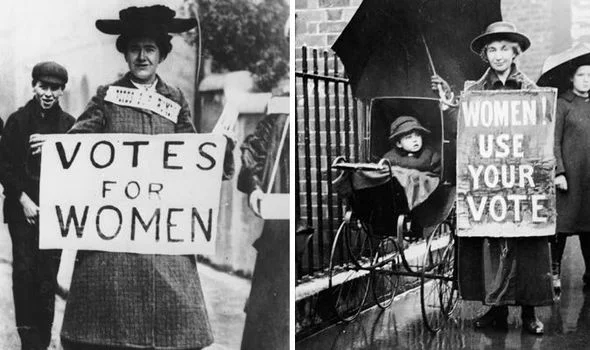
2. In Britain in 1918, women were granted the right to vote, but many stipulations were placed on them to ensure that women voters never outnumbered male voters.
In that country, it took a decade longer for equitable voting rights. In the U.S., women were granted the vote in 1920. Currently, women comprise more than half the population, and in all demographics, women vote at higher rates than men. We need feminism because in spite of these facts, women still hold fewer than 20 percent of seats in Congress. Not surprisingly, then …  

3. We need feminism because women’s bodies are still legislated and controlled. From long before the force-feeding of suffragettes; to the ease with which we pass judgment on or confront a pregnant woman drinking coffee or smoking a cigarette; to 2012 when Virginia Republican leaders sought a law that required a “transvaginal” ultrasound in abortion procedures; to Donald Trump’s avowal to “punish” women seeking abortion; to sweeping closures of health clinics in wide swaths of the country that already rank as the poorest and least educated, women do not have bodily autonomy, or equitable access to reasonable health care. President-elect Trump plans to appoint activist judges to the Supreme Court, and said last year, “I’m pro-life, the judges will be pro-life.” This plan defies the Constitutionally endowed “right to privacy” protected by the 14th Amendment on which Roe v. Wade was decided 44 years ago. It also invokes a strategy that conservatives have long decried as wrong, that of appointing judges who will bring their politics to the bench instead of interpreting the Constitution with traditional intent and public value. Growing obstacles to reasonable care impact all women, but most perniciously, the poor and working classes. And it follows … 

4. You and I need feminism because the frequency of assault and murder of women in this nation alone does not elicit an equivocal movement to address it. In the United States since 9/11, more women have been murdered by domestic partners than all the Americans who were killed on 9/11, and Afghanistan and Iraq combined. That statistic has been analyzed, accounted for, and shown as statistically sound. Where is the outrage? There is more controversy over a football player who chooses to sit during the national anthem than there is interest in why the cultural trend of the murder of female American citizens is acceptable. Moreover, when women are assaulted, they are often blamed. In sexual assault, it often results in “slut shaming.” Anecdotal evidence: In 2005, when the man from whom I briefly rented a room in Richmond murdered a teen girl and dumped her body in rural Virginia, people approached me repeatedly to ask, “Why was she there with him? What was wrong with her?” In related news … 

5. We still need feminism because our culture places the onus of blame on women who are attacked, raped, catcalled, etc., instead of brokering discussions about such ingrained aggression and the objectification inherent in these behaviors. Indifference to these behaviors exists on a continuum of violent acts and we need feminism. Need evidence? Here are a few examples.

6. We need feminism because Female Genital Mutilation is practiced in 29 countries. More than 200,000 million women now living in 30 countries have survived FGM, which is the barbaric act of cutting off a girl’s external genitals. It has no health benefits to her, it has numerous dangers, it complicates childbirth, and it is done solely to control her sexuality. Specifically, it is done to deny her any sexual pleasure in her life. It is practiced on girls as young as five months old.  

7. We need feminism because heterosexual male pleasure is still presented pervasively across media as “universal sexuality.” Mainstream film ratings can receive a higher explicit rating simply for a scene that depicts a woman taking “excessive pleasure” in sex. Women are generally placed in an impossible role that demands she enjoy this limited and exclusionary “universal sexuality,” but not too much, lest she be shamed outright and in pernicious and insidious judgment. We need feminism to empower women to create their own sexual identity and make their own discoveries.

8. We need feminism because more than 120 countries have not passed laws against spousal rape. As of 2014, the most recent data I found, eight states in the U.S. offer exemptions in certain cases of spousal rape. 

9. We need feminism because child marriage is still practiced in many countries. Even in countries that outlaw child marriage in their civic code, when the state recognizes Sharia law, it overrides civic law, and those nations comprise the world’s top five practitioners of child marriage. Child brides are not likely to receive education and they are at greater risk of partner violence and sexual abuse. The leading cause worldwide of deaths of girls 15-19 is pregnancy complications and childbirth. Child brides are at greater risk of contracting HIV. In sub-saharan Africa, girls ages 15 - 19 are 2 to 6 times more likely to contract HIV than boys their age. 

10. We need feminism because in several countries, including but not limited to Bangladesh, Afghanistan, Cambodia, Iran, Pakistan, and Colombia, acid attacks are on the rise resulting in a woman’s permanent disfigurement, usually for “crimes” like going to college or seeking divorce. We need feminism because female infanticide is still practiced in some countries worldwide because of the “low status” of females, and it results in millions of fewer girls than males. (You must have a strong constitution to view these images. If you have a strong constitution, Google “breast ironing,” “honor killing,” “dowry death,” and more.). 

11. This is only a partial list. We need feminism because women’s rights are human rights. Anyone who professes to caring about human rights should have clear understanding of the need for feminism, regardless of whether he has a sister, wife, daughter, etc. to relate the cause to him. Women are human. 
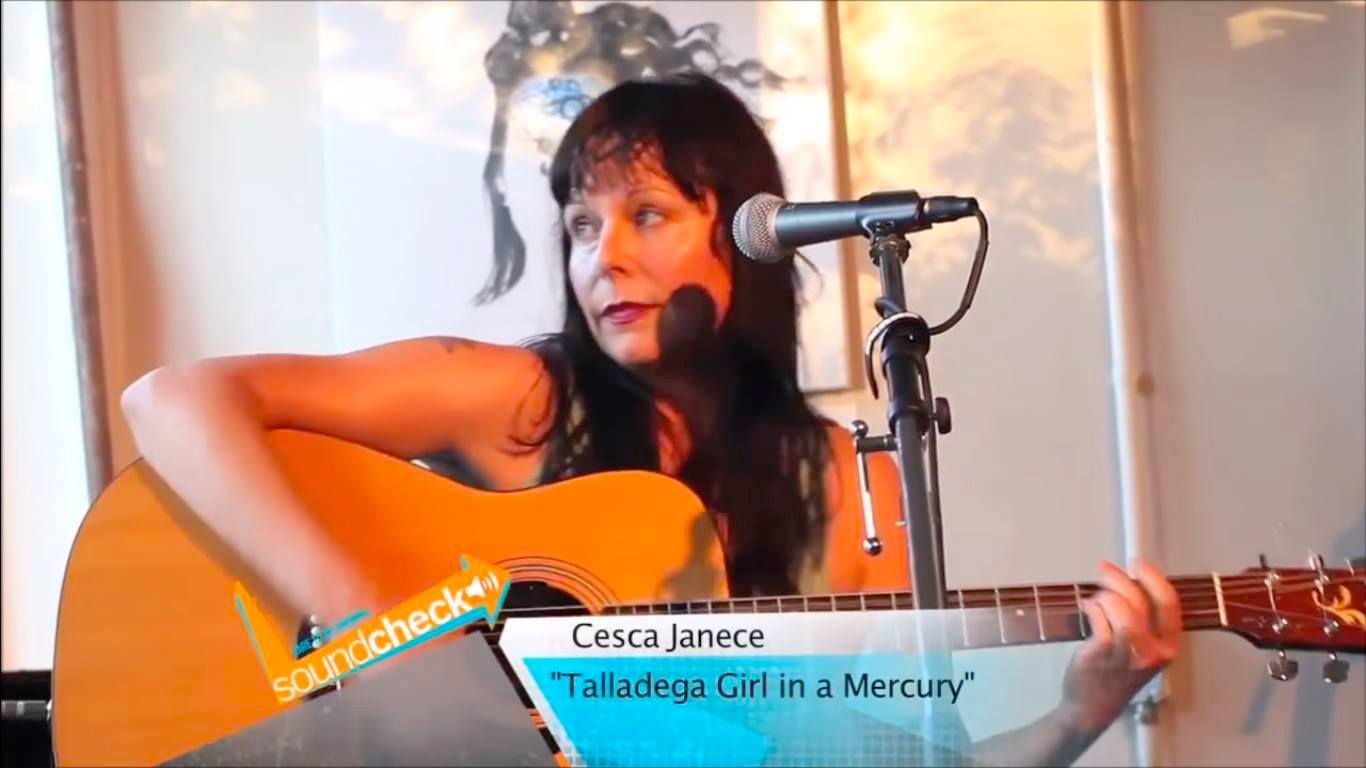

Cesca Waterfield is a third-year candidate in the MFA/MA program at McNeese State University. She is a vocalist and songwriter with two EPs and one full length recording available on iTunes. Her graphic memoir, “The First Time She Strayed” is forthcoming in the spring of 2017 from Vulgar Marsala Press. She loves classical ballet and the Radical Brownies. 
 

In Social Issues Tags Feminism, women
Comment
via ToonBarn

via ToonBarn

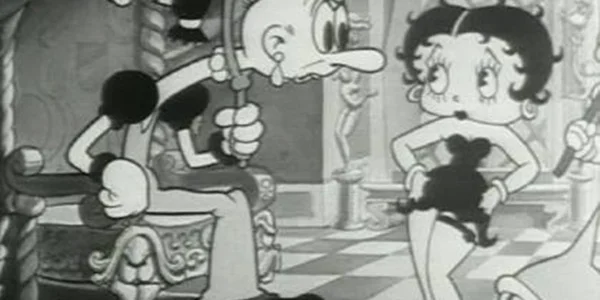
Betty Boop: Vintage Animation For Your Inner Goth-Child

November 18, 2016

Halloween may be over, but who says the eerie, the spooky, and the outright weird must be seasonal? This compilation of vintage cartoons is all of those things and watchable all year round. Cartoons have not always been immediately associated with bright colors and light, child-friendly themes. In the early years of cinema, from the silent era and into the talkies, animated shorts were a constant accompaniment to feature films shown in cinemas. During this time, animated shorts were a vehicle for whimsical musical entertainment, but at the same time, they were not always the twee flights of fancy that became the overwhelming norm when the Hays Code came into strict enforcement. In pre-Code Hollywood, the animated short was an opportunity for artists to let their strangest aesthetic whims come to life. The shorts produced by Max and Dave Fleischer are particularly distinguishable by their surreal aesthetics and distinct German Expressionist influence. The following four cartoons exemplify the Fleischers' signature brand of the bizarre, fitting fare for anyone with a taste for creepy, vintage curiosities. 

Read More
In Art Tags Betty Boop, Vintage, Animation, Cinema, Art, Bimbo
Comment

Sarah Bridgins in Conversation with Wren Hanks

November 17, 2016

BY SARAH BRIDGINS

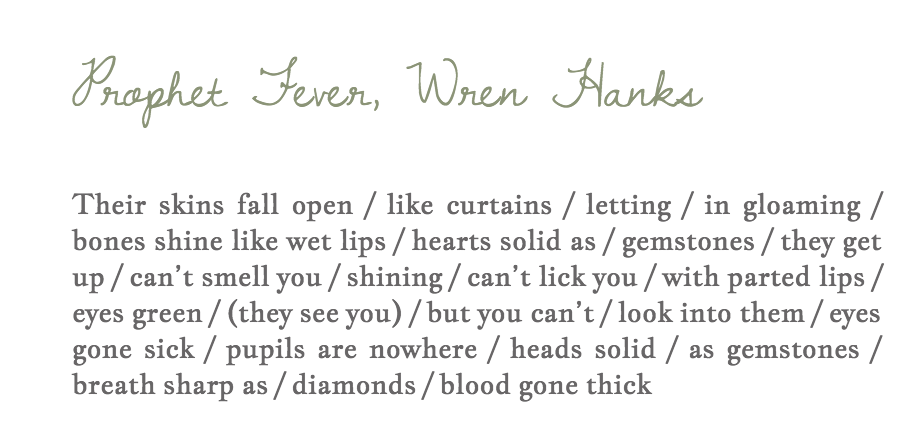
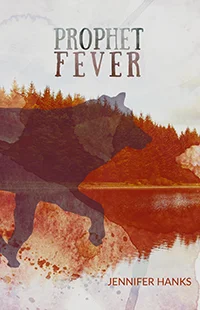
I was so excited to sit down and talk to Wren Hanks about their chapbook Prophet Fever, recently published by Hyacinth Girl Press.  Prophet Fever is only 16 pages long, but i it Hanks uses the story of the cis gay teenager Wren and his relationships with his destructive mother, a sinister Virgin Mary, and a wolf to explore issues of gender, religion, sexuality, and environmental destruction in ways that are beautiful and complex. 

S: First off, how did you come up with the title? I’m just wondering because I love it and I am very bad at titles.

WJ: I’m also really bad at titles and I worked really hard to become better at them. Originally I titled all the poems because there were many poems of varying quality and when I went to put it together, Prophet Fever was the title of one of the more successful poems. It’s section 6. So that’s where the title came from and the reason they’re no longer titles is because the rest of the titles were pretty rote. They were “Becoming” or “What Home Was.” They were pretty plain. When I started putting it together, it felt more like one long poem or sections of one long poem.

S: So when you first started. Did you conceive of this as a chapbook or have you been thinking about it as a larger project?

W: I’ve been thinking about it as a larger project. but I was an MFA and working on other things and it felt like and it still feels like a thing that will take a very long time.

S: Okay, because it works as a distinct piece. It feels finished.

W: Right. It feels like at a certain point I decided not only did I want to have something out in the world but I wanted to see how these poems worked on their own and I felt like I'd reached a certain point in the arc of the story. I could see this character starting off. I could see this kind of anointing and then [my protagonist] goes off to preach and then, it’s like obviously the end of world is coming so you know what’s going to happen—or you can imagine it—and sort of see it spooling out in your mind. My brother is a filmmaker, and I was also thinking in cinematic terms where a lot of times directors who want to make a feature film make a short as a teaser:  i.e. if you like this thing I did…there’s more!

S: So when you first started working on Prophet Fever were you thinking of it in terms of a narrative or more thematically because there are all of these recurring images? Did the narrative come out of the theme and the images or what it the other way around?

W: When I first started working on this project, it was very different. It came out of a southern radio broadcast. Mary was the primary character, so it was narrative and I did have a narrative outline that I was working with. It was weird and formal and I feel like it was derivative of a lot of stuff that has been done before. There are a lot of good books that have come out about Mary—Mary Szybist’s Incarnadine and Tracy Brimhall’s Our Lady of the Ruins to name two of my favorites. There has been a lot written about a subversive Mary figure. So I had narrative in mind, but Wren’s character was a lot more minor and peripheral. 

S: Wait, so why were you listening to Christian radio?

W: Jeanne, my fiancée, and I do this all the time when we go on long drives. She didn’t grow up religious so it’s something she seems genuinely fascinated by. It’s this alien thing and it doesn’t really upset her because in a way it doesn’t seem real. It’s like reading old misogynist fiction or something. For me it’s harder because although my parents weren’t Catholic I grew up in a place [southeast Texas] where there was a lot of Evangelicalism. I get really prickly about it, but at the same time I have this morbid fascination with the Book of Revelation because Catholics don’t believe in it literally, which I think is interesting. They literally believe that we’re drinking Christ’s blood, but the Book of Revelation is the only book they read figuratively. So we’re driving in this U-Haul from Austin to New Orleans and the whole time we’re listening to these ridiculous stations and there was one of those call-in shows where you donate for prayers. They made $25,000 in ten minutes. The callers were saying, “I’m calling in because I need help because I’m dying of cancer—here’s $100. Or I’m calling in because my son is a homosexual.” Then this incredible man came on talking about how there’s the feast of birds and about how, I don't know the specifics because I haven’t Read revelations in a long time, the people who have been sacrificed and eaten by the beasts are also going to be eaten by birds and the righteous are going to have this supper over their dead bodies. That’s kind of how this book started.

Via Hyacinth Girl Press

Via Hyacinth Girl Press

S: Did the idea of using all of this as material help you not get as upset by it? Because then you’re approaching it as an anthropologist.

W: It becomes raw material. And I don’t know how much this registers for people who weren’t raised Catholic at all. I’m happy if people just seeit as this weird vaguely religious horror show.

S: You published this chapbook under the name Jennifer Hanks. What is your relationship to “Wren” the character and the speaker and your relationship to”Wren” as the name you later adopted as your own?

W: I’ll start by saying that I’m not the only trans person who has done this which is very comforting because I thought I was and I thought it was very strange. The poet Sara June Woods is someone who has talked about doing this. I know a couple other poets have said they fell into their name by writing letters to this other person. At the same time I don’t feel like Wren is me. I still feel like that Wren is a character. That said, I felt really comfortable in his voice from the get-go, and I kept having these conversations in workshop where people were telling me “That’s not a convincing male character, that sounds too much like you.” and I’m like “What does a male character sound like? And also what assumptions are you making about me that you think I can’t write a convincing male character.” 

And this wasn’t my whole workshop experience with this book, but it came up sometimes. But then the chapbook came out and I realized I had been thinking of myself as this name for a long time. I tried to make as little deal of coming out as possible which you know, always goes really well. I didn’t know when I was going to tell my family so I didn’t want to do the name change. The thing about coming out in any way I think is that people want you to make the changes really quickly, or they want to know exactly what changes you’re going to make. 

S: Right. And they want to be “good” about it and they don’t want to fuck it up.

W: And a lot of the time you don’t have any idea what the answer is for a really long time. And it hasn’t been a really long time. It’s been like four months. I told a friend, a really close friend who was far away and gende queer that I thought I might do this so they were calling me Wren before anyone else was. I’m still pretty self-conscious about it,  and I don’t know how to explain people who don’t know me well. It’s difficult to explain that I feel very separate from the character “Wren,”, but I also don’t think I would have come out if I hadn’t written this or let myself write this. 

S: Because then you’re going through the experience of having this other voice in your head, while at the same time it’s still you. 

W: It’s a way to ease into being you. And I feel like when you write you do that no matter what you’re easing into. My chapbook that’s just out from Porkbelly is about my grandmother’s suicide and that’s about easing into grief, gender, and all the parts of myself I didn’t get to tell her about. 

S: I wanted to talk about the wolf as a recurring figure in these poems. I don’t know if this is a connection, but I feel like the book has all of these sinister maternal figures, and I think of the wolf as a kind of sinister maternal figure just because of Romulus and Remus and that whole connection.

W: That’s there. And I do think of her as a maternal figure. But she becomes the only one who doesn’t have really bad ulterior motives because she’s not human and I don’t know if she’s capable of them.

S: But that’s interesting because she’s the one who is the most outwardly frightening.

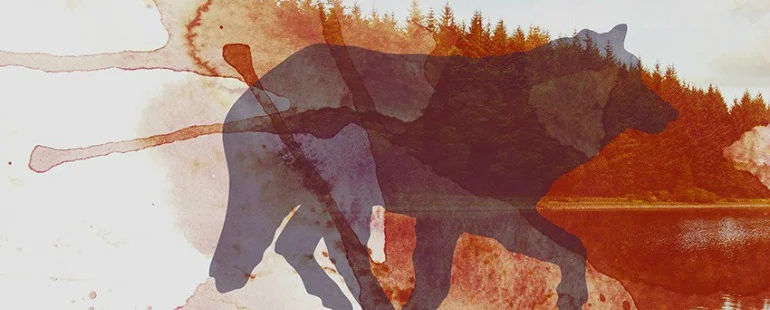
W: Exactly. She’s very scary. In the cover image she’s on fire. She’s horrifying.

S: But it turns out she’s the least threatening.

W: Some of that has to do with the initial focus of this chapbook that isn’t as visible now that it it’s character-driven. In the beginning it was more about environmental apocalypse so it was important to me that most of the main characters seemed sinister and it was important that whoever the main protagonist was, they were rejecting the human world in some way. So there’s some of that, but also I think it’s important for Wren to have someone to rely on. He’s rejecting one mother who obviously has a lot of issues so he’s very vulnerable and his new mother figure is not any better at all. I mean, I love her, but she’s a terrible person. 

S: Why do you see her as being terrible? 

W: I think it’s the same way that the Greek gods’ aims are not focused toward mortals so they can’t really see these people as people. For her the mechanisms she’s working with are so much larger than these individual people involved. So maybe in that sphere she’s moral, but if you’re a person she’s totally manipulative.  She totally consumes his whole life.

And it seems like she thinks this is what’s best for him because he’s chosen, he’s going to survive. No one else is, presumably. And you wonder about the reasons why his real mother is deteriorating at that rate and how much that has to do with her. 

S: It’s just interesting trading in one dark maternal figure for another one.

W: I feel like there’s this specific queer vulnerability because I feel like a lot of queer kids are growing up through trauma so I’m interested in their ideas of what a family is or what a family might be.  I have another chapbook coming out, gar childthat’s about a similar kind of violence, only through generations of queer women. I feel like for Wren maybe this seems like a healthier structure because she [Mary] is strong ,right? And she can actually provide, he’s protected. 

S: Another thing I thought was really interesting was the relationship between sweetness and spoil and sweetness and rot. Like with the skinning the hand and the honey, and the meat spoiling, and the bread mold.

W: Well, I’m a vegetarian who is really afraid of rotting meat.  I think there’s some sense for me that the natural world encroaching on us is dangerous. For instance, zombie apocalypses are about the breakdown of the civilized (human) world. Zombies are literally decomposing meat bags. Rot is this healthy, functional part of nature that we have a really hard time with. Prophet Fever is also just saturated with the…grossness of teendom. The candy and quick sex.

S: You lived in New Orleans for the last three years. Did you feel like the city influenced the way that you wrote or the subjects that you wrote about?

W: I think it influenced the way I wrote about queerness. I think being back in the south was interesting because when I left the south I was “straight.” And when I came back I was in this very visible queer/ trans relationship. There are many queer couples who are not visible in quite the same way as my partner and I are.—like for instance we got seated in the very back of a fancy restaurant once, and no one there (except one nice waitress who gave us a free bread pudding to go) wanted to serve us.. And it’s New Orleans. It’s not like there aren’t lots of queer friendly people in New Orleans. 

S: It’s just weird though because it’s still Louisiana which you forget.

W: It’s still Louisiana. And I feel like that’s a thing you’re not supposed to say—but it’s true sometimes. So that apprehension was in the air, and that’s why I wanted to write about a character who had zero worry or fear about being gay.  

S: When I think of New Orleans I think of it as being decadent but also haunted at the same time.  
W: It is! I didn’t believe in ghosts and then the first place that I lived there seemed very haunted. The first night Jeanne [my partner] and I slept there we had identical dreams where the ghost told us that we seemed fine so it was okay for us to live in the house.

S: That’s terrifying.

W: It’s the only place I’ve ever lived that felt weird. I think the mindset of paranoia and uncanniness is easier to conjure up in New Orleans than in a very “realist” city like New York.. New Yorkers do not want to hear about my ghost chorus. In New Orleans I would tell people about my house being haunted and they would be like “yep.” Also I feel like, Prophet Fever’s not set in a swamp, but the sweetness and decay, a lot of that comes from being in this very tropical place. And New Orleans is beautiful, but everything is also falling in on itself all the time. I felt more capable of letting my work shape itself while I was living there. I was able to cede control a bit which is hard for me, but New Orleans is not a city that runs on time or lets you keep your original plans. 

S: So what are some of your other influences as it relates specifically to this project?

W: In the book the wolf is named Lyra, like in the Golden Compass.

S: I was going to bring up the Golden Compass! But the idea of a sinister maternal figure one of the first things I think of is the Golden Compass. 

W: Margaret Atwood’s MaddAddam trilogy is pretty influential to this project. Jeff Van der Meer is a huge influence. Mostly because he doesn’t feel the need to privilege humanity over other species in his writing. He’s also a straight white man who does a really good job with queer characters and characters of color (in genre fiction no less!) which is something I really admire. Feng Sun Chen’s poetry , in particular her collection The Eighth House, is fantastic . I love how she inhabits a multitude of voices. The way Richard Siken’s Crush deals with violence in queer relationships—that book has really informed how I write and examine power dynamics. 

Zombie movies—on some level, I do want this project to be a poet’s Dawn of the Dead. My fantastic D&D group, who I dedicated this chapbook to. David Bowie., in particular his album 1984 and “oh you pretty things.” Femme boyhood, as it relates to my own experience of transness or the experience I might have had if I’d come out sooner, is something I want to dig into more with Wren’s love interest, B, in the larger story.  


Sarah Bridgins lives in Brooklyn. Her work has appeared in Tin House, Buzzfeed, Bustle, Luna Luna, Sink Review, and Big Lucks among other journals. You can read more of her work at sbridgins.tumblr.com.

Wren Hanks is the author of the forthcoming chapbooks gar child (Tree Light Books) and Ghost Skin (Porkbelly Press). They were a finalist for Heavy Feather Review’s Double Take Poetry Prize, judged by Dorothea Lasky. Their recent work can be found in Arcadia, Bone Bouquet, Hermeneutic Chaos, and The Boiler, among other journals. An associate editor for Sundress Publications, they live in New Orleans with their girlfriend, two cats, and a collection of sea ephemera.


In Poetry & Prose Tags Books, poetry, Wren Hanks, Sarah Bridgins, Hyacinth Girl Press
Comment

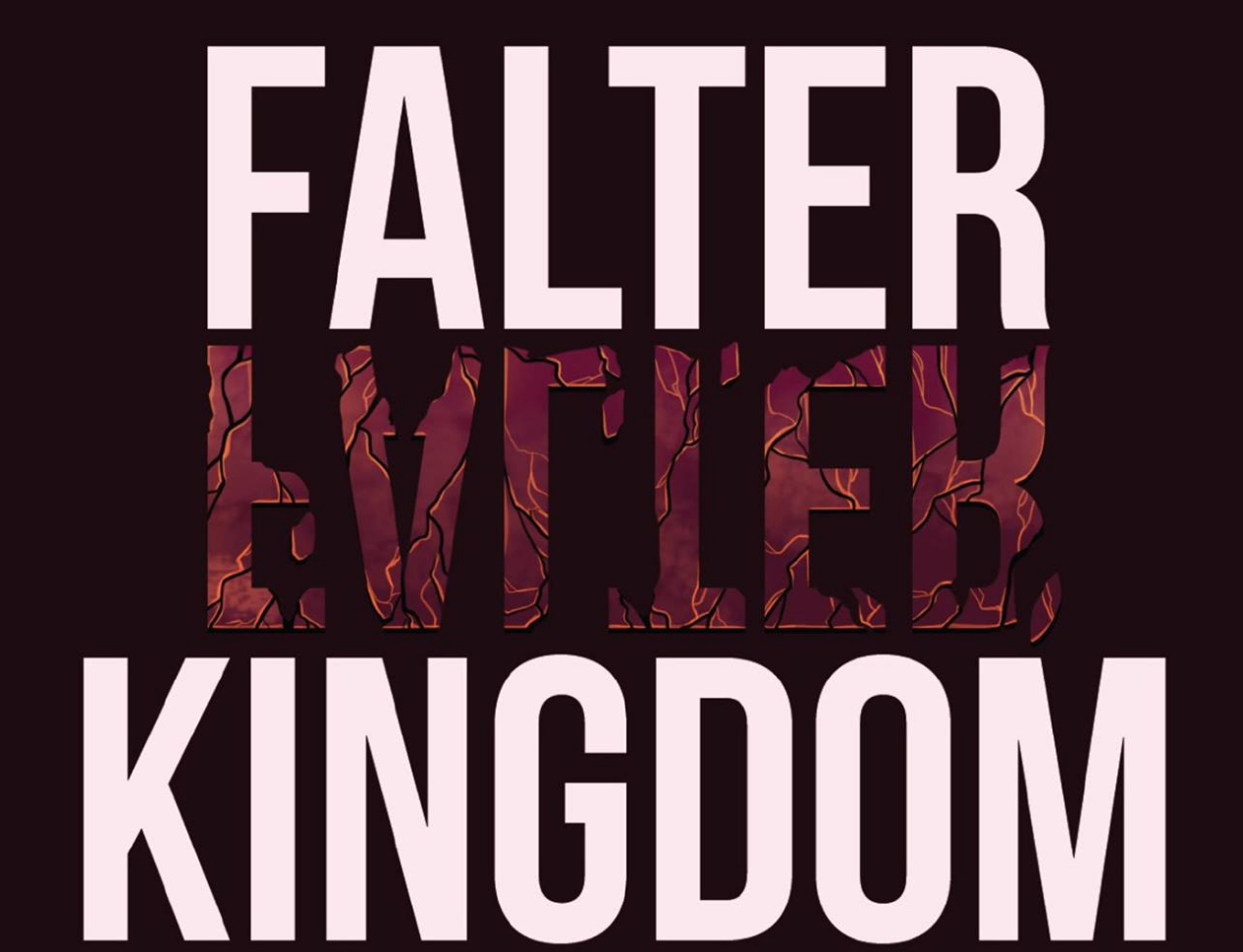
Excerpt from Michael J Seidlinger's Spooky Novel 'Falter Kingdom'

November 17, 2016

BY MICHAEL J SEIDLINGER

This is an except from  "Falter Kingdom."

I read somewhere that symptoms shouldn’t start until nightfall. I call bullshit on that because it’s one p.m. and I’m hungry and locked in my room. The doorknob won’t turn and, yes, it’s unlocked.

It’s messing with me and getting stronger and bolder and meaner every day. I send everything above as a text message to Becca, who immediately replies with this exclamation point, three of them actually, and then:

“I heard! That’s like such bullshit!”

Duh. I text back, “I’m home with it.”

“Are you okay?”

“See previous message.”

“Wait, like, you’re stuck in your room?”

“Yeah,” and I add, “It’s cold in here.”

Becca texts back, “We need you to meet someone today.”

“Ditch school and help me. I’m clueless with this shit.”

It’s true. I can’t believe it, but yeah, I really do need Becca’s help. But everything I just said feels so fake, and wrong, and nothing at all sincere. But it’s there, so that’s something.

“I’ll leave at lunch period.”

Good. I want to text back, “I’ll be stuck in a room haunted by some demon, waiting for you,” but instead I text, “Thanks.” And again with the “Love you.”

We both text the same two words to each other.

It feels as strange as ever.

But Becca doesn’t ask about the party the other night. She doesn’t even act suspicious. Maybe she’s caught wind of the Nikki thing but she won’t say anything about it. I think it has a lot to do with how she’s reacted to what’s been happening. For being someone so close to me, she shouldn’t have done that, keeping her distance and stuff. But then she’s also skipping school and she never skips school, so . . .

I’m confused. What else is new?

I know you’re there, yeah.

I can sense it nearby, but it’s weird because I can’t get a make on where it’s standing. It feels like it’s everywhere around me. But it’s also not doing anything. It just wants to keep me here, in this room.

Like if I left the room I’d do something stupid.

I look up from my phone and shout, “Are you protecting me or some shit?”

I hear a creaking coming from the floorboards, kind of like how the floorboards creak when I shift my weight from one leg to the other. A low creak, and then there’s nothing.

I get a text from Brad. I don’t read it.

It’s probably just a bunch of “Bro, you got suspended?! That’s fucking wild! You the man!” kind of stuff.

I try the door, still not budging.

I sit on my bed, laptop open, and I start scrolling through blog posts and other stuff. Just wasting time.

Blaire texts me, “Halverson’s a douche.”

I text back, “Yup. Douching it up.”

Blaire replies, “You’ll be okay.”

“Yeah, I think so.”

“Talked to Becca. She’s on her way.”

I read that text again and again. Something about it . . . how it makes me picture everyone I know soaking in the drama that’s probably happening, and they’re all running around, exaggerating their concern, so that they also get some attention. That’s probably happening. And then I think of Nikki, picture her sitting at a table in the cafeteria, watching as Becca and Blaire make a scene. Everyone knows what’s going on.

And here I am, freezing and stuck in my room.

I get a call. When I look, it’s a number I don’t recognize.

Well then, ignore.

But the number keeps calling. I put my phone on silent. I go online and focus on something else.

This is all getting so overwhelming.

Becca messages me online, telling me that I’m not answering her texts.

“Yeah, getting overwhelmed by things.”

“Gotcha,” she types, “on my way. Father James is cutting us like a huge break. I think he’s going to be the one that sees you.”

“Great,” and then I add, “Yeah, that’s really great.”

Becca asks, “Still locked in?”

“Yup,” I type back. Then I add, “Might have to leave via the window.”

“That’s like so fucked up,” she says.

“It is, yeah. I don’t understand what’s going on.”

“But we do know what’s going on though.”

I try to make sense of it, put it in words that would make sense to her: “No, I know, I mean . . . well, it’s just like everything people said about being haunted but it’s also very different.”

Becca doesn’t type anything.

“Let me try to explain.” But the explanation doesn’t come. I type out something that doesn’t make sense so I delete it. I’m at a loss. Then I ask, “Who’s driving you?”

Her reply: “Jon-Jon.”

I should have known. I mean, it’s not a bad thing, I guess.

I type back, “Cool.”

She knows me well enough to know that when I reply “Cool” it means the opposite of cool. She knows my mannerisms but she doesn’t know how I’m really feeling. And that’s what makes me think of Nikki as the real reason I’m going to keep doing this. I’ll break up with Becca when this is all over and Nikki and I are together.

Becca types back, “We’re heading out now. Be there soon, like ten minutes.”

“Okay,” I reply.

I lean back in bed, laptop on my stomach, hands in my pockets to keep them sort of warm.

I wait—wait for something to happen.

I look at my phone next to me; the screen’s lit up, people reacting. People are always reacting.

If anyone’s confused by this, just think of how confusing it is for me. I’m full of mixed emotions. I want it gone but I also know that none of the attention would be there if it weren’t for the demon.

I think, “You are the reason I’ll be remembered.”

I expect something to happen, but nothing does.

I stare at the screen, watching the social media feed scroll with the latest from hundreds of people I follow.

Nothing happens.

I start to count each breath I see.

Then there’s the sound of someone messaging me.

I blink, realizing I hadn’t blinked in a good minute. Hands out of the pockets, I lean forward and read the message.

“They are outside.”

I look at the name of the sender but the name is mine. It’s my name.

I don’t know what to say, so I say, “Thanks.”

“The door is open.”

I read the message and then look at the door, wander over and give the doorknob a tap, then a slight jostle.

It’s open.

I look over at the laptop, breathing out a sigh that I see as a little plume, a cloud in front of my face.

When I look back the sender appears as “offline.”

I don’t have time to react though because whatever that was, it was right. They are outside. Jon-Jon’s car parked behind mine, Becca looking up at my bedroom window, waving.

I look at the phone and see a few missed calls.

Oh yeah, it’s on silent.

I switch the ringer back on, notice over two dozen missed calls and more than a handful of text messages. I run downstairs, taking along my laptop and the power cord too, because, well, I’ve learned my lesson.

At the front door, I shove the laptop in my book bag and I leave the house without looking. I don’t get a real chance to think about what happened until I’m sitting in one of the back pews of the church, waiting to be seen.

I put all the pieces together. And then it sort of makes sense, but not really. I was messaging myself?

Was that you?

RELATED: Interview with Michael J. Seidlinger on Gifs, Gender & the Apocalypse


Michael J. Seidlinger is an Asian American author of a number of novels including The Fun We’ve Had and The Strangest. He serves as director of publicity at Dzanc Books, book reviews editor at Electric Literature, and publisher in chief of Civil Coping Mechanisms, an indie press specializing in innovative fiction, nonfiction, and poetry. He lives in Brooklyn, New York, where he never sleeps and is forever searching for the next best cup of coffee. You can find him online at michaeljseidlinger.com, on Facebook, and on Twitter (@mjseidlinger).

In Poetry & Prose Tags Michael J. Seidlinger, fiction, spooky, possession
Comment
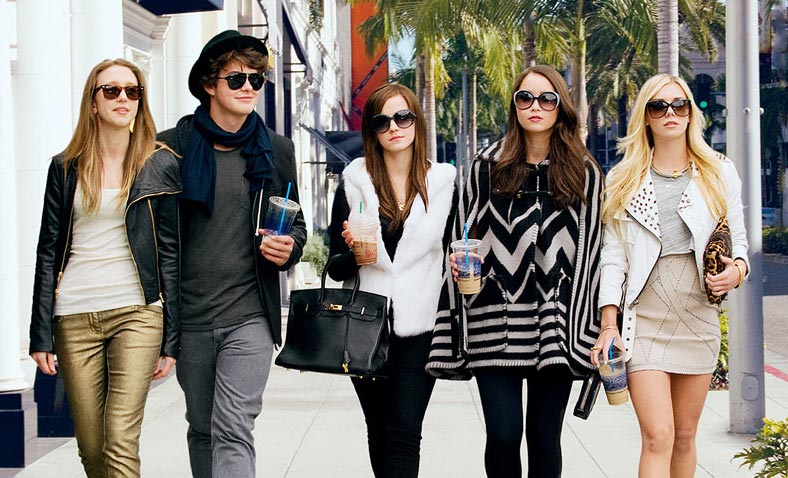
The Bling Ring (2013)

The Bling Ring (2013)

Cult of Ego: What We Can Learn From Sofia Coppola's The Bling Ring

November 16, 2016

The irreality of their reality is chilling. Illusion upon illusion makes for a dangerous perceptual blur in the minds of teenagers who grow up in a culture that worships fame and fortune above all else. And that is the sadness of all this. When you feel the palpable loneliness of these kid who, despite being well-off and provided for, really don’t feel like they matter.

Read More
In Art Tags Shades Of Noir, Leza Cantoral, Sofia Coppola, The Bling Ring, Cinema, Movies
Comment
Playbuzz

Playbuzz

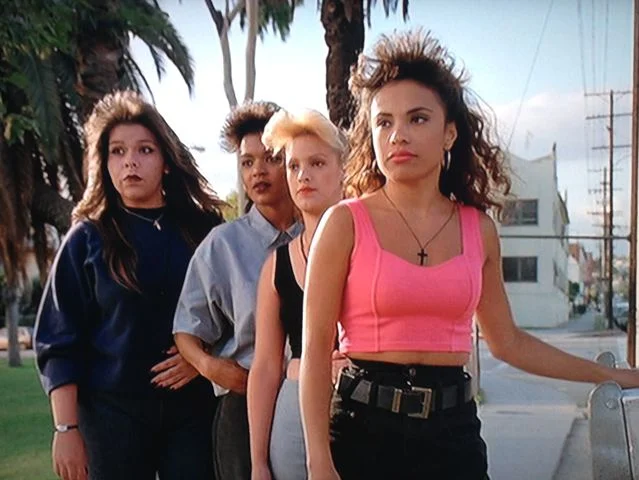
Whisper, with Blonde Hair: Mi Vida Loca's New Gangster Queen

November 15, 2016

...The gangster girl at the turn of the century. 

Read More
In Art Tags fashion, makeup, feminism, Women
1 Comment

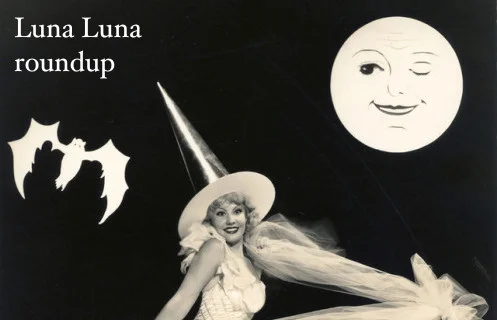
Witchy World Roundup - November 2016

November 15, 2016

Our monthly round up. 

Read More
In Art Tags danez smith, tobias carroll, sean doyle, leonard cohen, poetry, Donald Trump, lauren levin, trump watch, janice lee
Comment

Post-Election Mixtape For Those Who Need More Time to Grieve

November 14, 2016

The pain we feel is indescribable, but at least we feel it together.

Read More
Tags Music, Depression, sadness, election, mixtape
Comment
Naomi August

Naomi August

How Have I Survived this Long on Planet Earth?

November 14, 2016

You’re gone, which is fine. After I dropped you at the airport on Sunday I went home. I felt pretty proud of myself for hanging up all of those fancy prints and artwork we’ve collected over the past few years. It sorta felt like I was my mom up there, standing on your recliner with a hammer. I had chicken in the crockpot. It was nice.

Read More
In Lifestyle Tags surviving, love, marriage
Comment
Darkmoon

Darkmoon

Making Mermaids: The Beautiful Politics of Bath Time

November 10, 2016

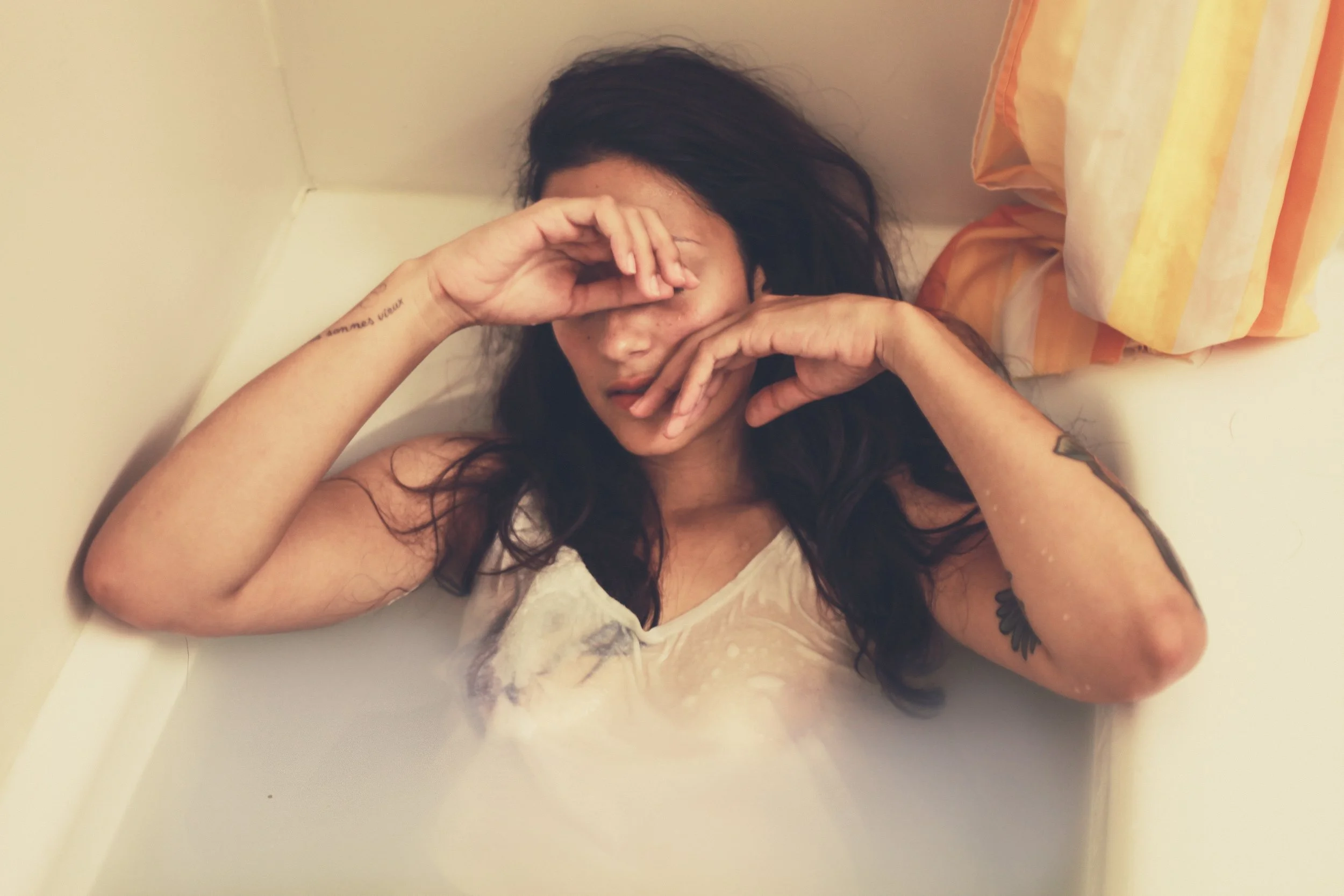
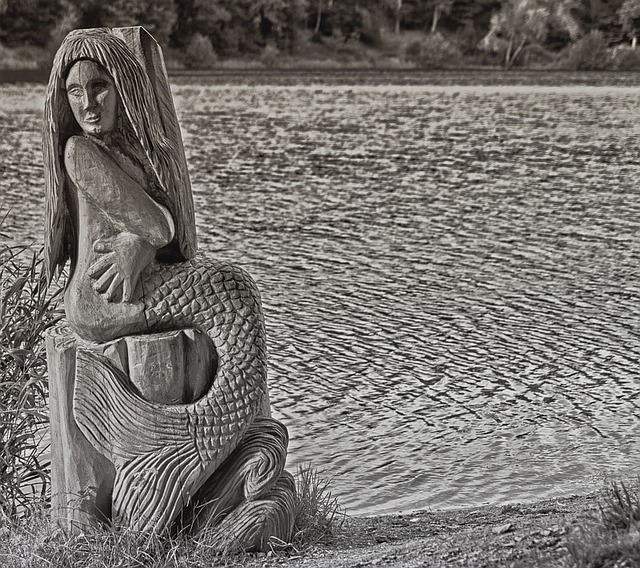
Taking a bath is something that most women don’t do often enough. I’m not talking about getting clean, I’m talking about taking the time to draw yourself a bath. As little girls, we’re always taking baths, but when we get older, we start to see bathing as a superfluous thing.


Read More
In Lifestyle Tags Beauty, Feminism, self care
Comment
Stagedoor

Stagedoor

See Which Depeche Mode Song Fits Your Zodiac

November 9, 2016

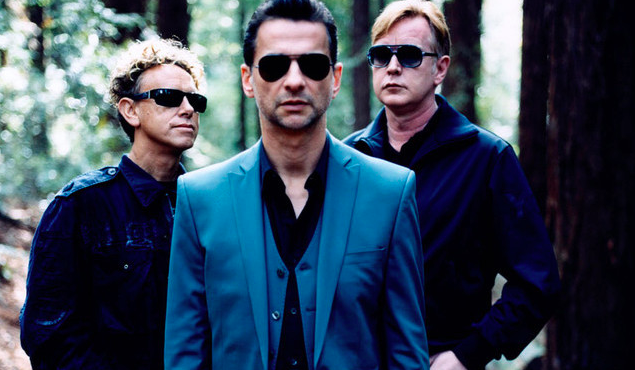
Joanna C. Valente is a human who lives in Brooklyn, New York. She is the author of Sirs & Madams (Aldrich Press, 2014), The Gods Are Dead (Deadly Chaps Press, 2015), Marys of the Sea (2016, ELJ Publications) & Xenos (2016, Agape Editions). She received her MFA in writing at Sarah Lawrence College. She is also the founder of Yes, Poetry, as well as the managing editor for Luna Luna Magazine. Some of her writing has appeared in Prelude, The Atlas Review, The Huffington Post, Columbia Journal, and elsewhere. She has lead workshops at Brooklyn Poets. joannavalente.com / Twitter: @joannasaid / IG: joannacvalente


Read More
In Art Tags music, depeche mode
Comment

An Election-Day Reminder That You Are *Literally* Making History Right Now

November 8, 2016

BY LISA MARIE BASILE

When my grandmother was young, she emigrated to the United States from Sicily, where she was surrounded by the squadristi, or Blackshirts. She came from a place where beautiful lemon trees pocked the land but poverty was real and oppressive. Speaking no English, she made her way to America's East Coast and eventually joined the Women's Army Corp as an X-Ray technician. I can't imagine how difficult that may have been, but I do know that my grandmother had a choice. And she chose to come to America. And she took advantage of it. 

Likely because of the extreme prejudice Sicilians faced at the time, she felt it pertinent to change her name - from Concetta Maria to Mary, to adjust to American customs, to become part of the whole, to be less...Sicilian. But despite all of this, she was after opportunity, a new life, freedom. It's the sentimental story we hear time and again about America and its open arms. 

I think of the many today who would like to come here but cannot. And the many who, as law-abiding, good people, come here to face struggle and assimilation shame and prejudice and deportation. I think of how we could, tonight, potentially see a man in power who would truly further thwart that opportunity and shirk the very idea of unity and acceptance. Who could even further destroy what America was supposed to stand for. 

As an American with a great deal of family and friends from different countries, I have had the pleasure to travel and experience many other cultures. I have always been welcomed and embraced. But when I think on the way we treat certain foreigners — and the way we treat our own people — it is a devastating blow. It is appalling. And today — literally today, November 8 — we are living in a time in which many people think it's perfectly okay to say we should ban peaceful Muslim individuals from entering, to say we should build a wall against Mexico, that it's okay to behave as if women are objects, where it's reasonable to be embraced by the KKK. 

Thinking back on my grandmother's life (and the lives of millions of others), I am certain that what this country wants to stand for, is, at the very least, opportunity and diversity. This, I think, is the real American dream. But it doesn't seem to be a reality. From colonialism to Donald Trump, hatred has been on tap since the get-go. It seems we really are divided. It seems the American Dream is only available to the privileged, to the predisposed, to the hard workers who were born in the right skin color, with the right sexuality or religion. It feels like an illusion. And for many, it seems that this is the right way to function. 

In one day, we vacillate back and forth — we go from feeling nauseated by reality to existentially energized by hope for the future. We have been on a roller coaster for almost a year. And it's not stopping anytime soon. 

But I want to remind people that today we came together and voted for our future in one of the most important elections in modern American history.

Supporters of Hillary and protesters against Trump: We worked hard, didn't we? We really, really tried. We rallied. We shared our stories and created million+ member Facebook groups and took sticker selfies and asked our family to register and vote. We made it known that bigotry and hatred is not okay. We are a wild engine of hard work and resilience, despite being objectified and hurt via media and Donald Trump. Lots of us tried. We had opposition — from Trump supporters, from our own kind, from third-party supporters, from our own families and our own cognitive dissonance. Many of us didn't like our choices. But we still fought for the future and for what is decent. Conviction was not in short supply.

And while we know that no candidate is perfect, today we got to do what we have never ever done before: we voted for a woman — for President of the United States. We got to say no to the man who wants to build physical and metaphorical borders. We did that. 

Through all of the madness and frustration and endless, grating, painful Facebook debates — and through all of the traumatizing rhetoric we've heard coming from a presidential nominee — we have still managed to get to an important place. It should seem like just another day, because in other parts of the world, women are already leaders. It should seem like no big deal. But it is a big deal. It's a big deal and we are witnessing it. 

96 years ago, women got the right to vote. That means it took 96 years to see a woman on a Presidential ballot. And that's why taking a moment to appreciate this day is so important — to remember that, even though change occurs at a sloth's horrible pace, it is happening. It is a fight that will continue years and years after Hillary Clinton (assuming she wins) leaves office. And many of you pushed for it.  

But we know the racism, sexism and division in this country isn't over. We know it all so well by now. It's loud and clear and in the streets and you can taste it. We know it's not stopping tomorrow. Which is why we're going to keep pushing for change. Like we did during this election season.

Take a moment to remember how hard you worked to support your values and beliefs, even if you don't support Hillary. And especially if you do. 


Lisa Marie Basile is a NYC-based poet, editor, and writer. She's the founding editor-in-chief of Luna Luna Magazine, and her work has appeared in The Establishment, Bustle, Bust, Hello Giggles, The Gloss, xoJane, Good Housekeeping and The Huffington Post, among other sites. She is the author of Apocryphal (Noctuary Press). Visit her at www.twitter.com/lisamariebasile.


In Social Issues Tags hillary clinton, election, vote
Comment
Lindy Baker

Lindy Baker

Becoming A Caretaker: An Imperfect (But Not Entirely Terrible) Guide

November 8, 2016

Jeri Kopet can be found at her Twitter.

Read More
In Lifestyle Tags caretaker, self care, self love
Comment

"Off-Halloween" Recommendations: David Lynch's 'Inland Empire'

November 5, 2016

A love affair may or may not be taking place. A subplot involving prostitutes may or may not be crossing through sepia-tinted 1930s Poland to materialize on a harsh Hollywood street in the 21st century.

Read More
Tags Lisa A. Flowers, lisa flowers, David Lynch, Inland Empire, Arthouse Film
Comment
Photo credit: The Reykjavik Grapevine

Photo credit: The Reykjavik Grapevine

Listen to Iceland's Sensual Mystery Band, Gangly

November 4, 2016

One Icelandic band, however, has been haunting me for months. I cannot get them out of my head. I listen to them while I write, cook, take a bath, apply lipstick, daydream. I listen to them while I burn candles and lie in bed staring at the ceiling.

They make me feel sexy and sad. Adventurous. Alive with possibilities. 

Read More
In Art Tags music, playlist, Iceland, Bjork, Creepy
Comment
← Newer Posts Older Posts →
Featured
‘in the glitter-open black' — poetry by Fox Henry Frazier
'poet as tarantula,  poem as waste' — poetry by  Ewen Glass
'poet as tarantula, poem as waste' — poetry by Ewen Glass
'Hours rot away in regalia' — poetry by Stephanie Chang
'down down down the hall of mirrors' — poetry by Ronnie K. Stephens
'Grew appendages, clawed towards light' — poetry by Lucie Brooks
'do not be afraid' — poetry by Maia Decker
'The darkened bedroom' — poetry by Jessica Purdy
'I am the body that I am under' — poetry by Jennifer MacBain-Stephens
instagram

COPYRIGHT LUNA LUNA MAGAZINE 2025