



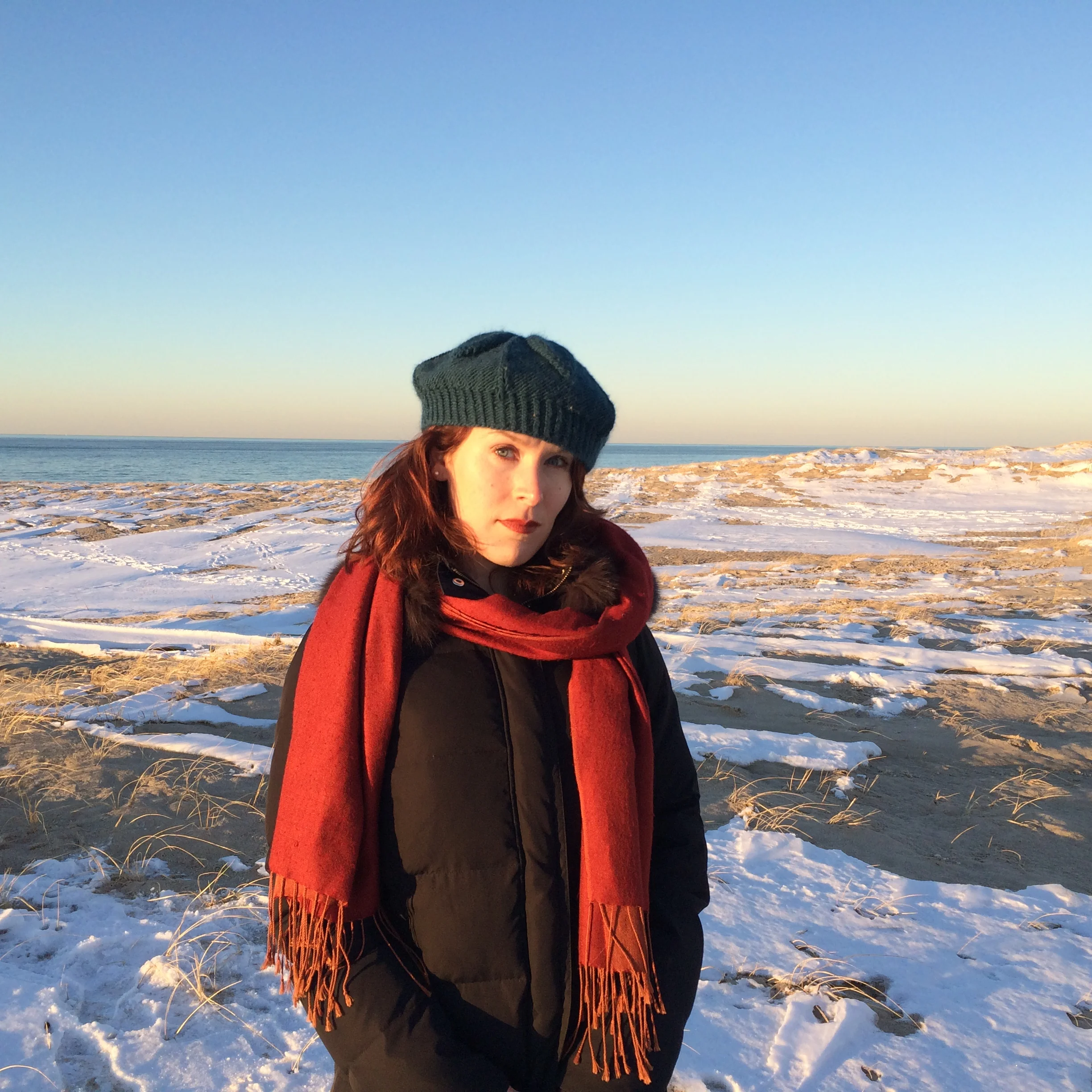
Sophia Starmack’s debut poetry chapbook THE WILD RABBIT was released by Deadly Chaps Press in June 2015. Her poems are magical, ethereal and bold: she traverses the world of sexuality and identity, often asking the hard questions that we all want answers to.
Read MoreDigital Death: On Essena O'Neill And Life As A Lie
BY LISA MARIE BASILE
It's so easy to turn to social media for validation. We've learned to measure our life in likes and follows, hoping to fill the black hole caused by, ironically, choosing to digitally project rather than connect with actual, real-life human beings. I know I do, sometimes. And it makes me feel cheap. I go to bed numb, wondering why I even posted that, and if the shamers are somehow right, if the #selfie is actually the mark of Satan, and if I've given in, like a weakling, absorbing the millisecond of approval gained from bored click-click-clickers who don't know a thing about me.
The Internet is a scary place.
An Instagram star can quit social media (and getting paid $2000 to post a picture of a dress) and then cry into a video about how she's found the light - only to be told she's fucking histrionic and doing it for attention.
“This is what I like to call a perfectly contrived candid shot. Nothing is candid about this. While yes going for a morning jog and ocean swim before school was fun, I felt the strong desire to pose with my thighs just apart #thighgap boobs pushed up #vsdoublepaddingtop and face away because obviously my body is my most likeable asset. Like this photo for my efforts to convince you that I’m really really hot #celebrityconstruct”
Regardless, seeing this Insta-star-turned crusader-for-truth is important.
What we see: two glasses of red wine on a table, maybe there's a little white votive there. And you read: dinner with friends xo (glass emoji).
What you don't hear is that the two of you sat trying to figure out why your libido is basically gone, why your grief is taking too fucking long already, how you're struggling to pay your health insurance, how you don't know if you're living in the right city or if you're just crazy, ungrateful or spoiled.
The fact is that sometimes social media can help us understand each other, connect, inspire each other and to dialogue - shout, reverberate and demand - about the injustice and wounds of this world.

Me. What do you see? What don't you know?
But the #SwipeGeneration is both the root and the cause of its own sadness. It's not naive to say we've learned how to amplify our own dissociation and discontent. Life is hard, thought, right? It was hard before iPhones and emojis and trending discussions. It was probably harder. But right now, for anyone with a smart phone, life consists of something deeper than ennui, disappointment and disillusionment. That something, undefinable.
But the quiet pain gets worse, because the broadcast of falseness and glamour is constant; it's the friend by your side, constantly by your side, looking gorgeous and perfect and skinny and smart and on vacation and with other friends who are probably prettier and richer and more interesting than little old you. And they went to Ibiza. And they wear things by designers you've never heard of.
You, who are trying to just make it through a day at work, through 3 hour commutes, through the phone call with your sick mother. You, who posts a selfie at the end of it all in your new green glittering dress because for a moment you feel really alive, and what the hell, you look good, and sometimes it's all just for a memory - a moment, and not a lie.
But no one knows the difference.
And when we are caught in the web of sparkly stories, we start to wonder if life itself in an illusion, thus causing that sadness to fester not only because we don't have Instagram-worthy lives or bodies, but because - what the fuck? - we can't even determine if we're in a real world anymore. We might even know it's not the truth, but isn't that worse? It's like saying, "hello robot!" to your neighbor, and then stepping back to think for second: "wait, where is your flesh?" It never dawned on you. It never meant much. But you miss it. The fragrance of livelihood.
In photos - that girl, and that guy, and that family - where are your cracks? Are you sad about your cracks? Why don't you show them? Are you ok?
I don't have an answer. But this conversation is necessary and, likely, the first of many for the next few years.
Because since the advent of digital community, we're only now slipping into the post-novelty era, when we look down at the blood on our hands and think, "it was fun while it lasted, but what or who did I kill?"
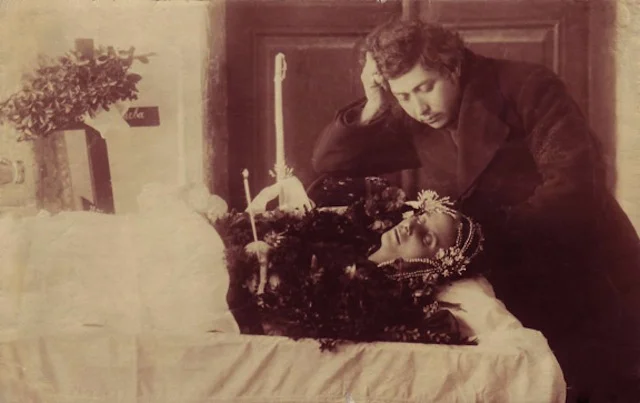
Hair Jewelry, Post Mortem Photographs and iPhones - A Lineage Of Haunting & Desire
BY LIZ VON KLEMPERER
To love someone is to want to give them your body. To love someone is to want to be given their body.
No one illustrates this point more grotesquely and tenderly than The Victorians, who bundled the hair of their lovers and wove it into jewelry. Men, for example, often braided their lovers’ hair to secure watches to their wrists. Women adorned themselves with coiled wisps in glass lockets. These would be worn on low hanging chains, allowing them to rest right over the heart. Hair jewelry, as it is commonly called, was a display of affection and devotion to both living and deceased lovers. Mourners incorporated these strands of the dead into black material such as jet, or more inexpensively, vulcanite (a hardened rubber) and bog oak.
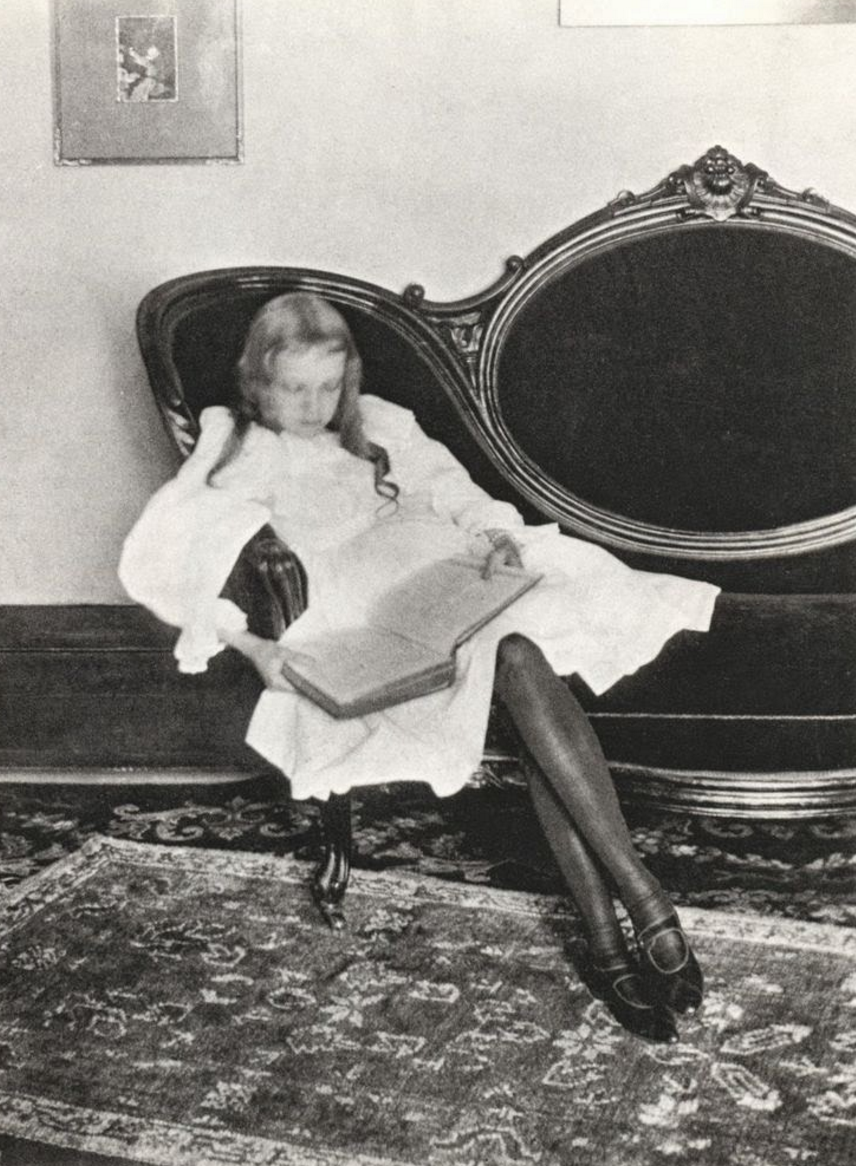
This practice offers a variant spin on our current conception of the phrase “to have” someone. The Victorians claimed ownership over the bodies of their beloveds by transforming them into ornament. Not only was this ownership asserted very visually and concretely to others, it also symbolized a triumph over the inevitable: estrangement, death. Everyone knows that hair is dead from the moment it becomes visible on the scalp, but even so, The Victorians so delicately curated these lustrous and dead clumps to symbolize vivacity, sexuality, and the eternal.
Soon after the invention of the daguerreotype in 1839, however, hair jewelry became less trendy. People could now carry flattened, shrunken images of their loved ones. By the mid 1840’s, the middle of The Victorian era, the daguerreotype was made relatively accessible and affordable to the public.
The slow shudder speed, however, forced subjects to sit still for uncomfortably long periods of time. Thus, the daguerreotype was initially used to memorialize the dead, who had no qualms sitting without blinking for over a minute. Photographers concocted methods of propping up corpses or shrouding them in blankets to make it appear that they were leaning on a sofa or merely resting. Mothers could carry the black and white image of their deceased children with healthy rouge superimposed on their cheeks. In this way we got closer to our ultimate desire to possess the people we love, to own them in a constant, albeit fabricated, state, to lessen the sting of death and departure. Desire shape-shifted into a new era.
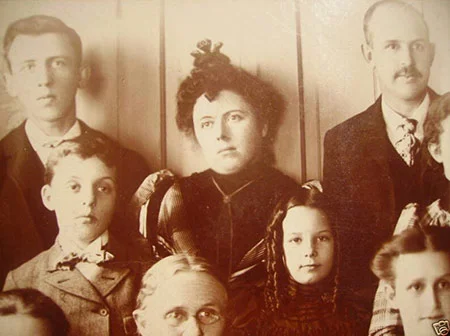
A century goes by. Our preoccupations morph but never evolve. Tonight, I fall asleep cradling my phone, which contains thousands of images of my former lovers. Now they are ghosts, swirling under a blackened glass frame. Sometimes the ghosts talk to me. Not to me, exactly, but at me. Your ex lover is 5 miles away from you now, my machine chirps. There she is now, for 6 seconds only, an apparition, a puff of smoke. Tonight, I am fed this video: she is smiling garishly against the flash before tilting her device upwards to capture the sea of revelers behind her. The scene ends abruptly as someone utters her name, and I am in the dark again. I know that my machine gains nutrients from the outlet it is plugged into, and that comforts me.
We’ve worked for centuries to keep the dead alive, and now they are, almost. The frame updates. Mechanisms work silently inside, allowing us to see those who have departed us laugh, drink, and stare with an agonizing adoration at a face that is not our own.
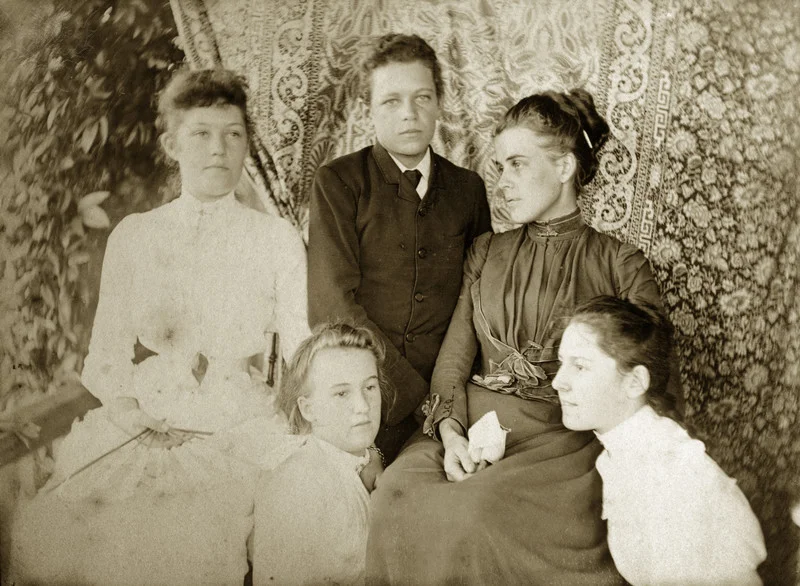
In the continuing lineage of desire, we have become the designers and facilitators of our own haunting. And everyone knows the secret to a good haunting is to make the mind play tricks on itself. Now instead of the illusion of eternal life, we have fabricated the illusion of eternal closeness. Death is not solely the passing of the body but also a severance of ties. We are haunted by the living dead, by the people who have vanished from our daily lives but not from our consciousness. In my desire to possess my beloved, I know where she drank coffee this morning. I have read the article she skimmed on her lunch break.
I try to put away this vehicle of my own haunting. I try not to carry it to bed. Still, it feels as though I am relishing the image of a corpse as I go to refresh my newsfeed on some park bench during my lunch break. It is noon, and I am drowsy, hungry, and seeking the comfort of a screen that contains all my bright and illuminated dead behind it.
Liz Von Klemperer is the author of the unpublished novel "Human Eclipse." She also writes for Art Report, and has work forthcoming in Autostraddle. When she's not writing or tweeting at @lvonklemp, she coordinates events at The Powerhouse Arena in Dumbo, Brooklyn.
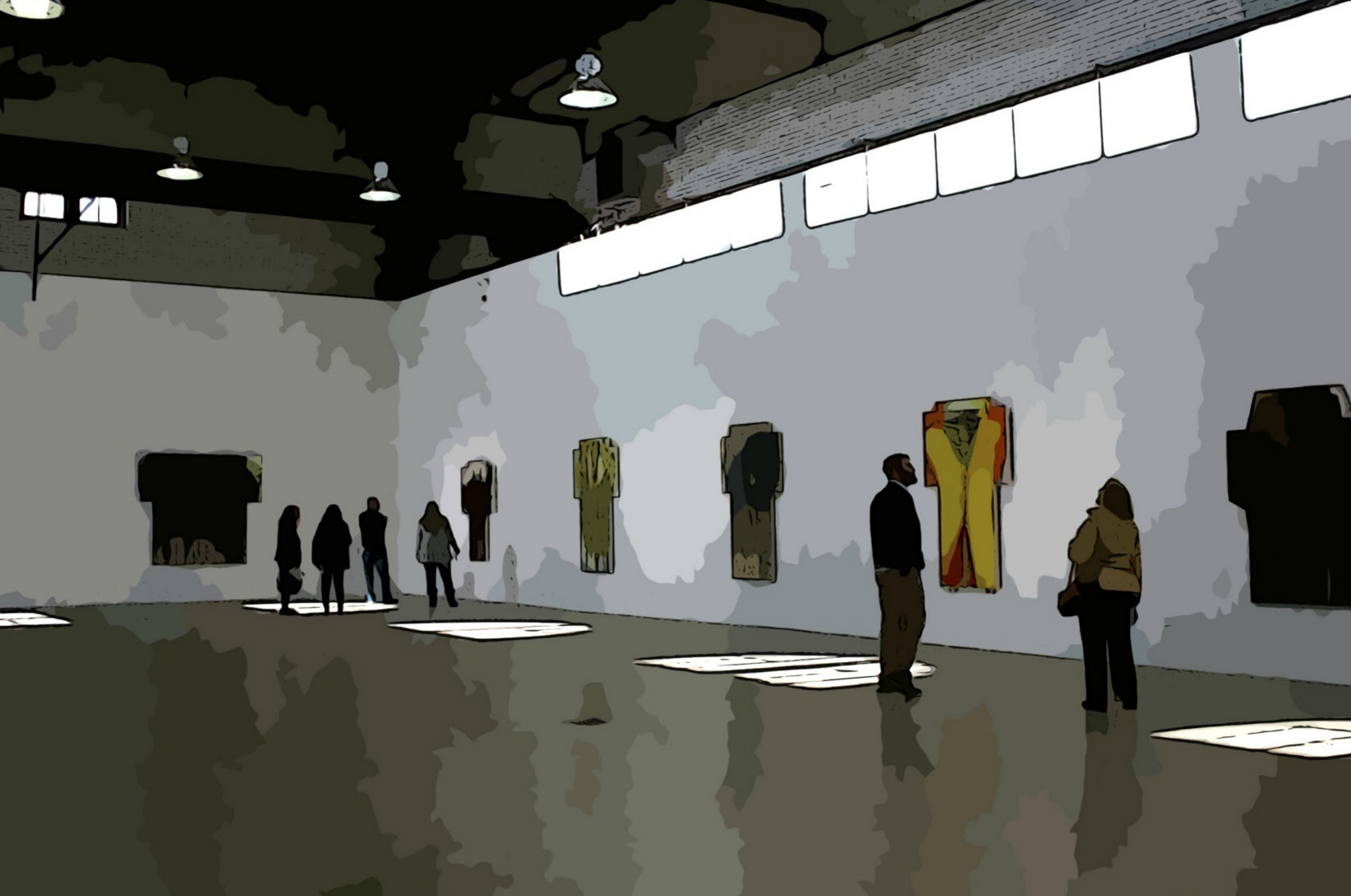
6 Incredible Pieces of Art We Saw at Mana Contemporary’s Open House
BY DALLAS ATHENT
On Sunday, October 18th Mana Contemporary hosted one of their quarterly open houses. The Jersey City art establishment boasts studios, galleries and performance spaces in a former tobacco factory. While we didn't get to see everything during this event, we chose some of our favorite things that were on display.
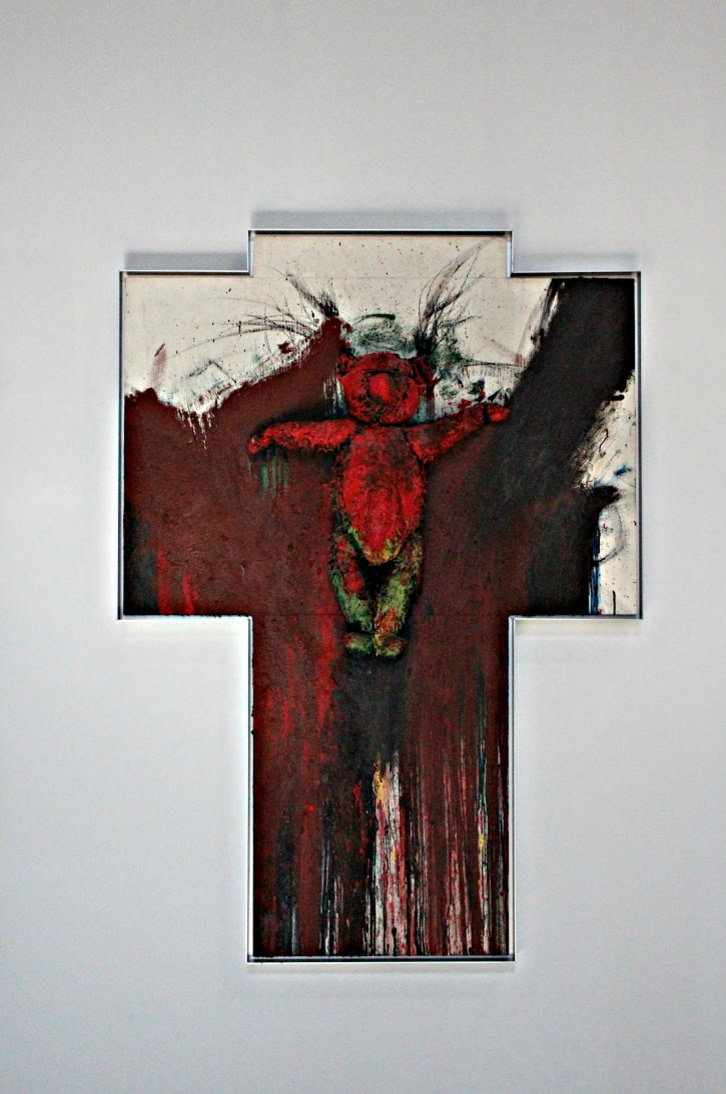
Painting by Arnulf Rainer, exhibit presented by Ayn Foundation
Rainer's versions of the cross are lined up in a vast, open space. Each one has its own truth and reality. In this painting, we see the innocence of a teddy bear plastered in aggressive smears of red. The teddy bear--a symbol of American childhood and innocence is questioned and re-examined along with religious imagery.
Aluminum Sculpture by Seung Mo Park
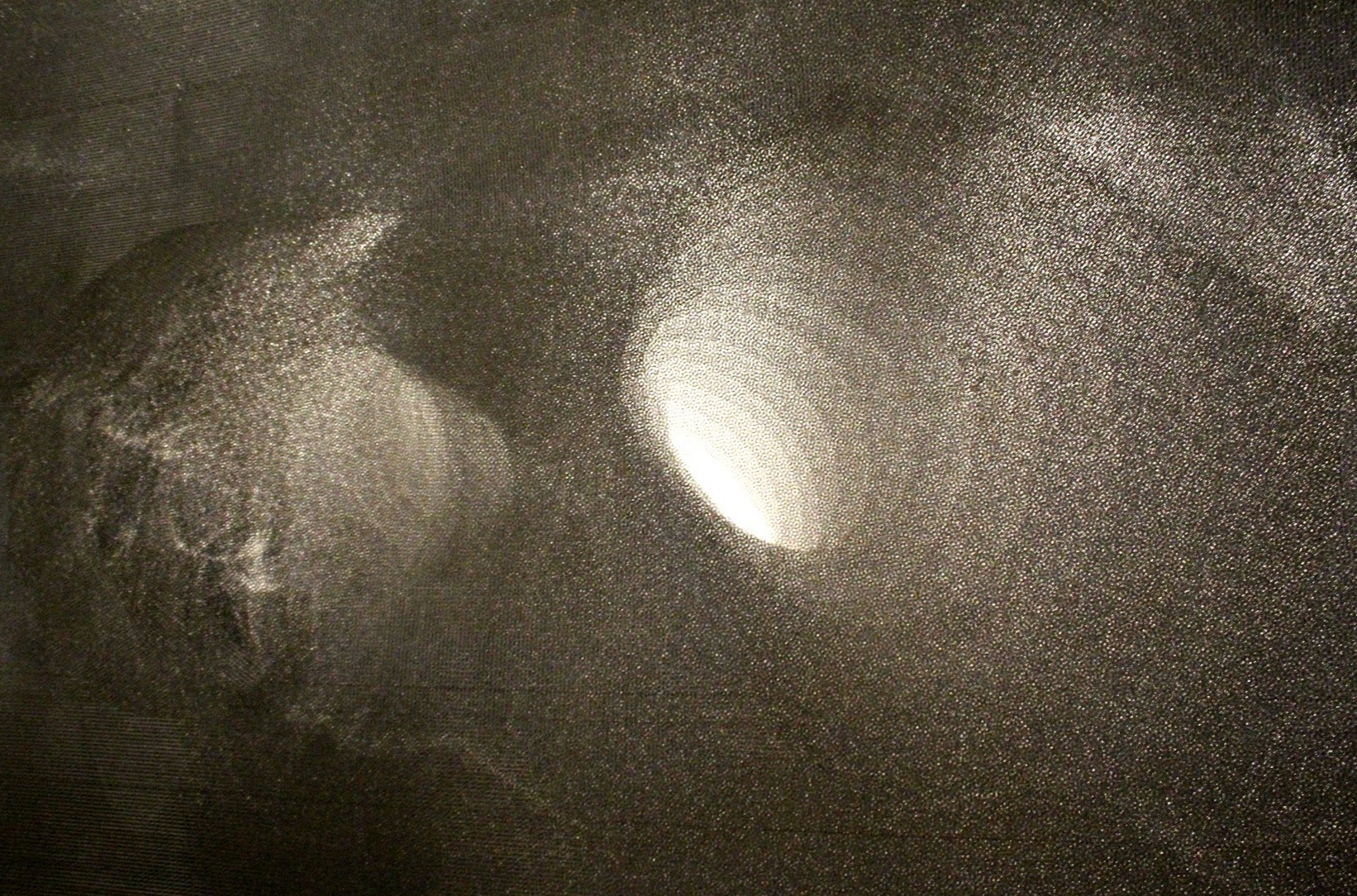
This artists' work uses metals to distort landscapes and reality. What you see above is not digital art or a painting, but actually layers of wire mesh with different sized holes cut out in front of a light fixture. The effect is ethereal— softening the harshness of the metal and using its spindly texture to create a new reality.
Tick Talk by Ziv Yonatan and Lily Rattok
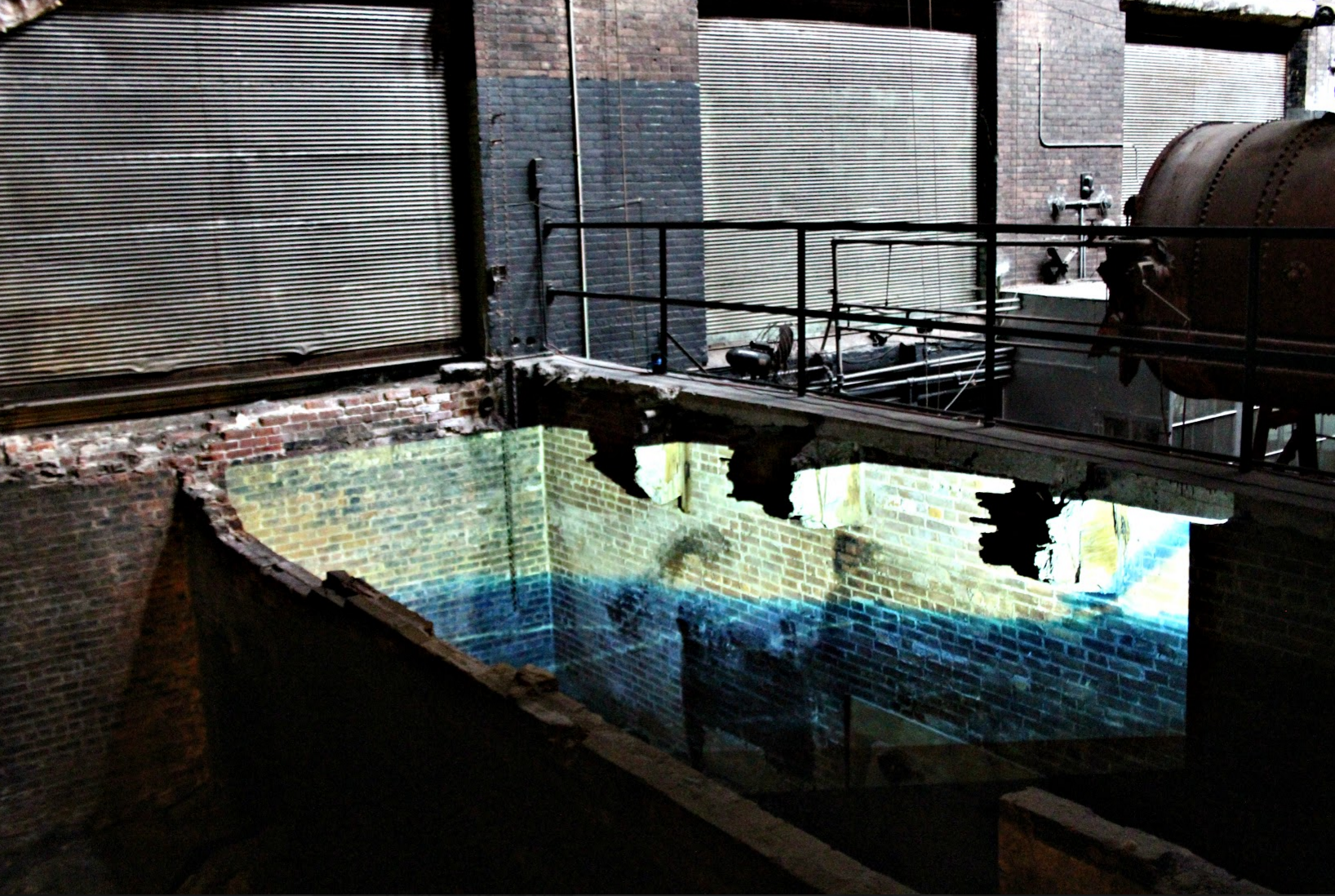
These artists transformed Mana's early 20th century boiler room into an avant- garde, explorative installation. One of the films projected showed details of a spider web, belonging to a spider who actually lives in the boiler room. This small creature's life, displayed in such a vast space was re-purposed and examined in a same parallel universe, causing us to re-examine our own world and what is truly paramount.
Series by Maria Pavlovska
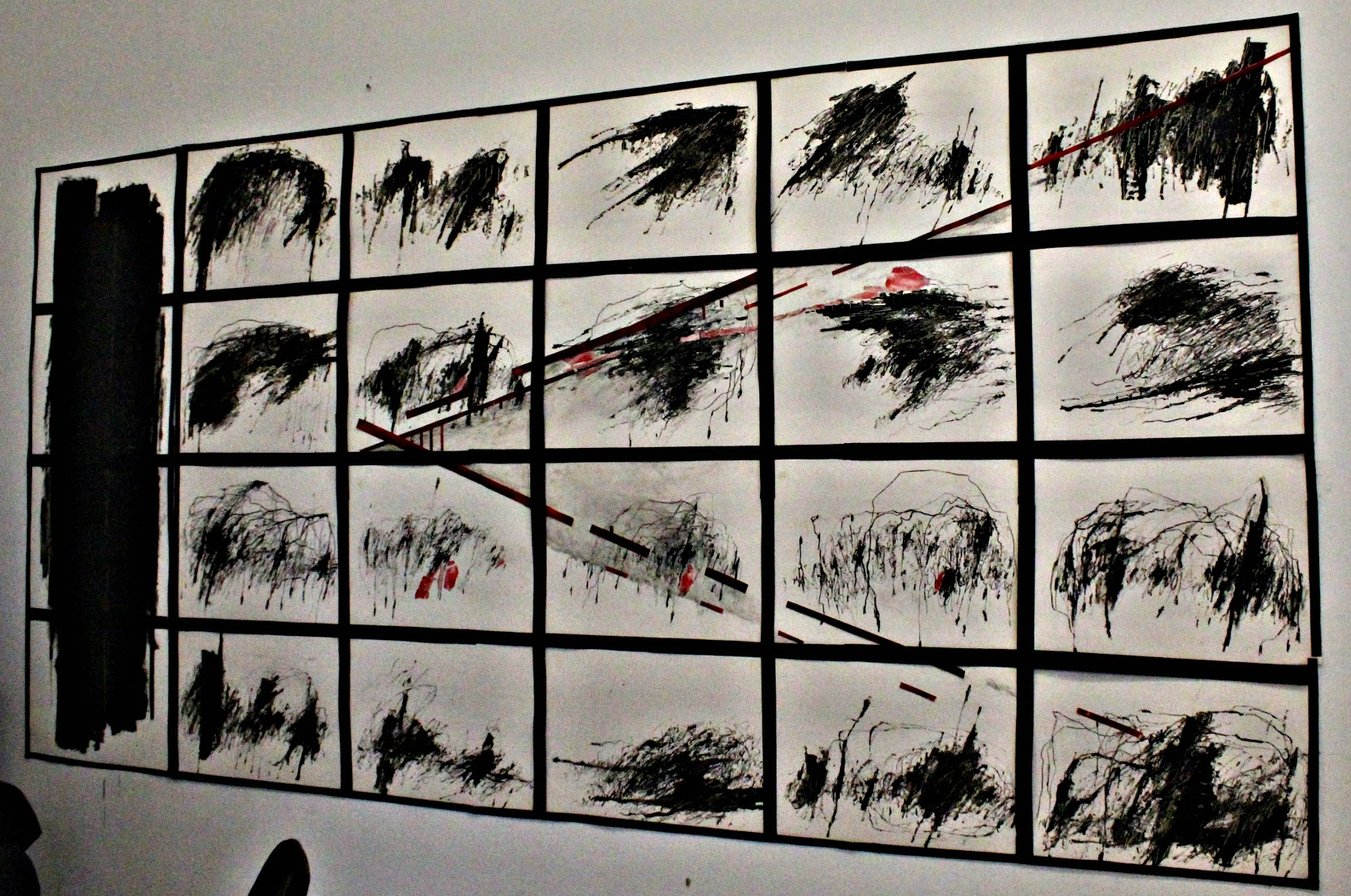
Maria Pavlovska's work is no stranger to drama. In her latest series, hung at her studio, she represents both disorder and science through wild gestures, overlapped by geometric lines. Behind both of these juxtaposing views, we see her method, and the process the goes into making work that describes the polar opposites of life.
Painting by Antonio Murado
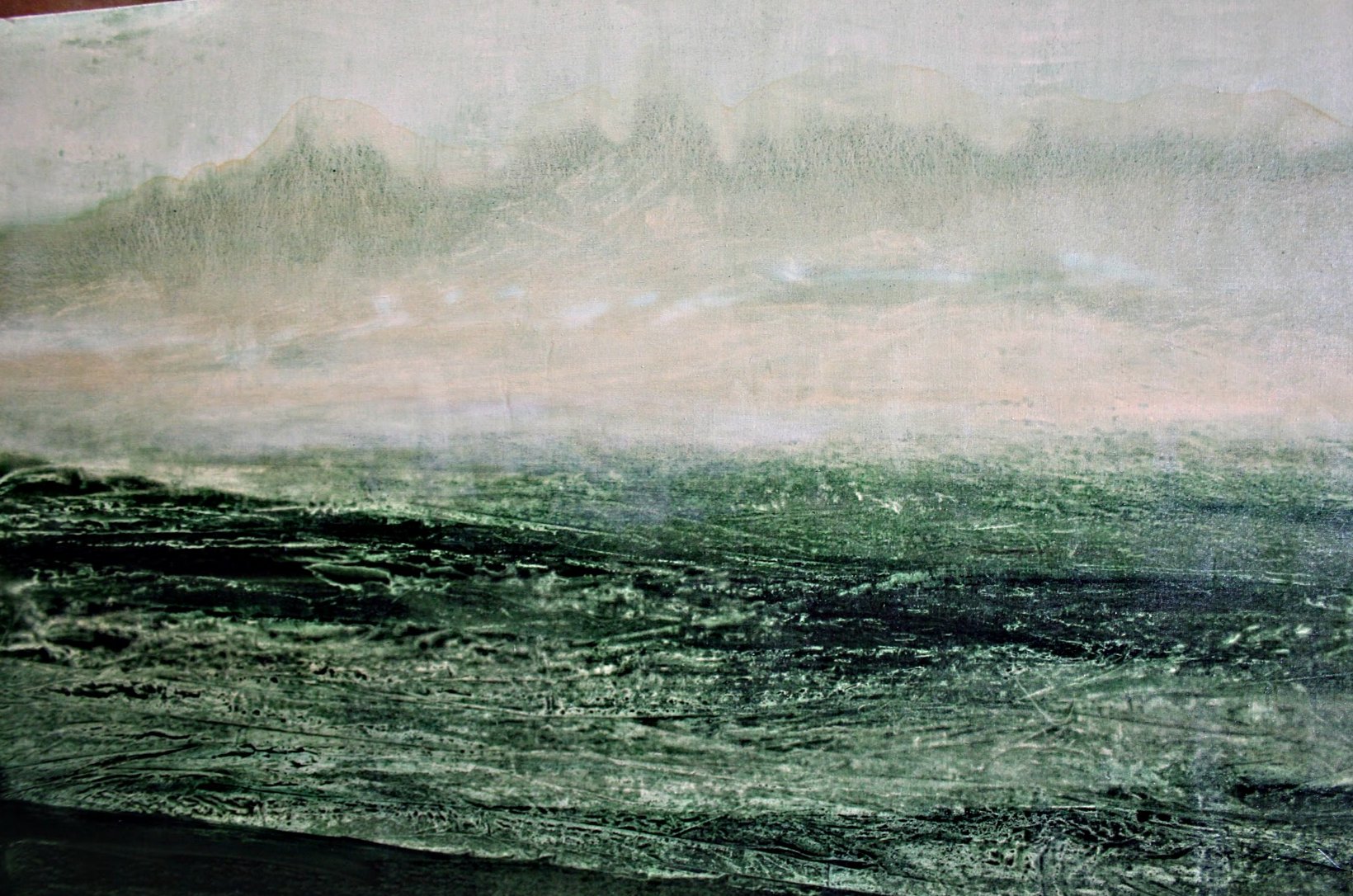
Chemicals and water are used to dilute paint and provide it with its own, organic, natural order. Murado pours the paint over the canvas, and the results are stunning. By treating the paint as its own matter, as something of the earth, the artist finds that it mimics life naturally.
Performance by Jon Tsoi
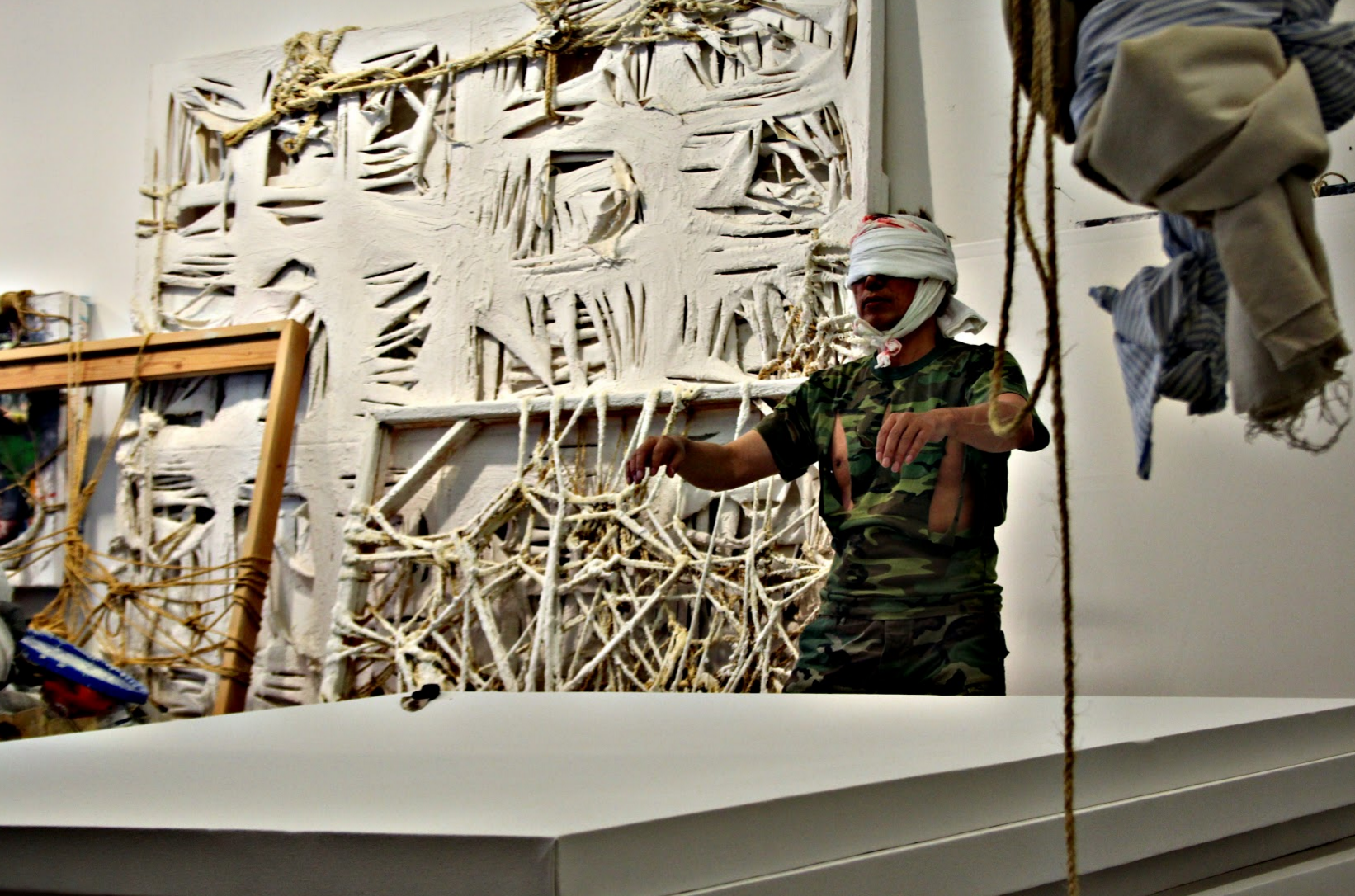
Jon Tsoi gets in his zone in front of a eager watchers for this performance piece. We sit in anticipation, waiting to see what this blindfolded man will do with blank canvasses and a knife. But before he does anything, Tsoi takes deep breaths, centering himself in the space. The crowd is forced to enter a calming state with him, before he meets the canvasses to a knife, destroying the object that's meant for creating. In the destruction, he creates something new.
Photographs by Dallas Athent.

Interview with Poet Denver Butson
About Denver Butson, Billy Collins wrote “Here is a poet who is wild, frenzied, and refreshingly mad. His imagination unlocks for us the cells of reason and sets us loose in a world of dizzying possibilities.”
Read More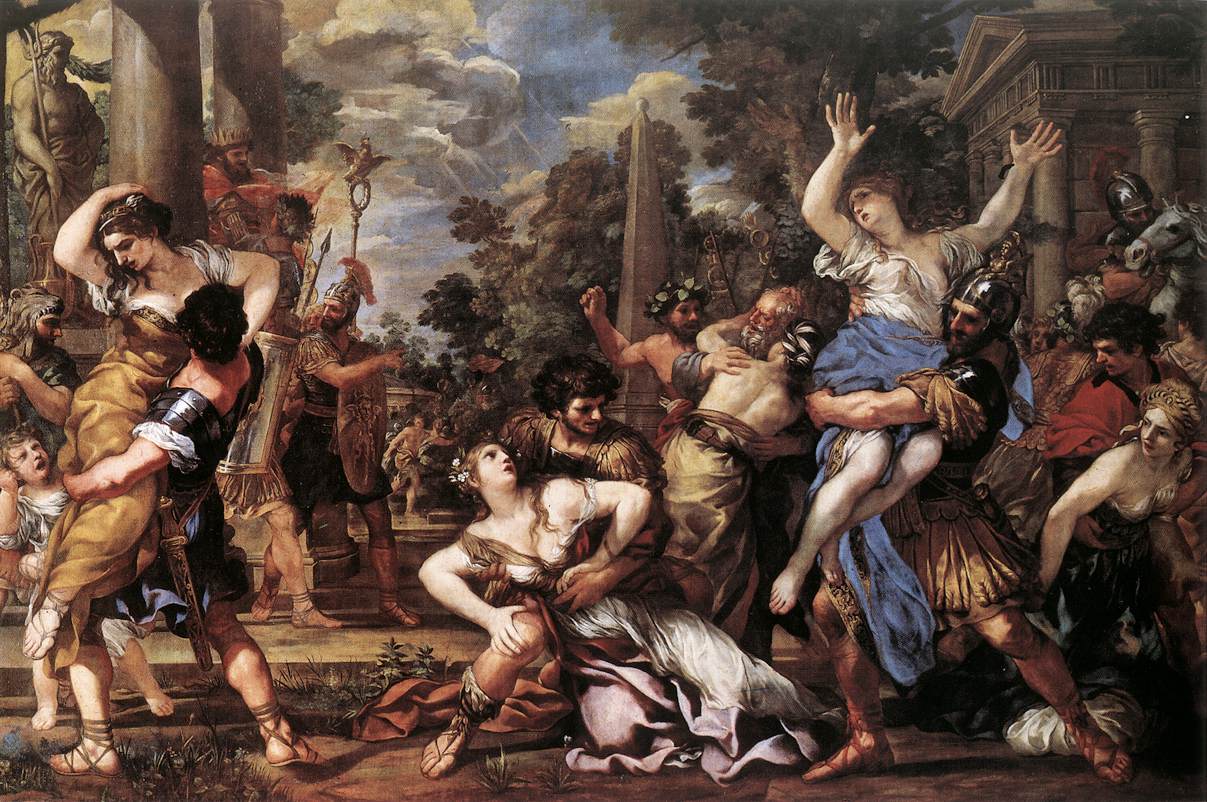
The Mystique & Taboo of the Nude Body in Art
There was a noticeable size difference from what I assume a proportionately sized penis would be on an eighteen-foot tall man. But for David’s purposes, bigger was better.
Read MoreTuesday Playlist Of Gloomy Vintage Spook Songs
Is is too depressing to even think of it being only Tuesday? Fear not, beauty. These vintage spooky, gloomy, dark Tuesday songs are here for you; bring your magic back.
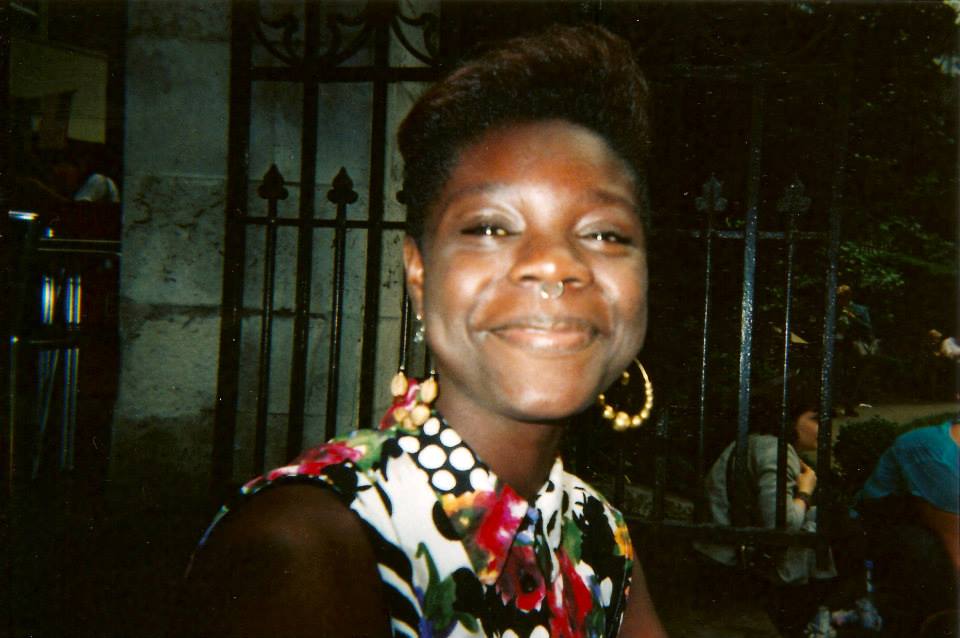
Am I Queen? Beauty Privilege and Its Discontents
“You know, I can just tell you are a true African Queen.”
Read More
Review of Joe Pan’s HICCUPS
There’s a lot to be said about short forms, but we as writers often don’t praise them.
Read More
Two Poems by Sara Borjas
Ars Poetica
1. Go to the window with pink carnations in your hands
2. Put on Al Green’s How Can You Mend a Broken Heart & listen to that
3. Step over each flowerhead flattened on the sidewalk
4. Whisper your mother’s name nine times
5. Listen to the hole in that voice
6. Listen to the hole in your mother's name
7. Heart broken, listen to Al Green
8. Mend the hole in her voice
9. Lift each flattened flowerhead
10. Open the window with her head in your hands
Singularity
i.
In a poem my sister writes, she says finally I am a better version of you. My chest bones crinkle like corpuscles; call her in this moment, waterstone blue, love with a million glinted pearls for a face.
i.
My brother says the branch took the side of the skull off as we pass the embankment where the young soldier had crashed. It is afternoon; he apologizes, crying in his camo with his boots on.
i.
We cannot know the remarkable velocity at which we are being pulled towards each other, with beer in our hands, life striking blue in our faces so slowly we don't notice and it is almost like killing each other.
i.
If you slice space-time up like an apple, each slice is still a three-dimensional single instant of time.
i.
Event horizons capture us in hallways, or during cartoons, and disrupt fantasy like a small galactic authority. I have become exceptional in talking desire away in words like not true, not possible, you'll see, from my sister's big, big mind.
i.
If you slice up space-time like love between siblings, each slice is still a three-dimensional instant in a house.
i.
When my brother slaps his four-year old son behind the Jeep in the Chuck E Cheese parking lot, remitting a force he has always had, he is slapping me.
i.
It's not that I don't love my sister. It's that I can't tell her about secrets Mom told me about needing love, cannot give her the oakmoss Dad came home smelling like certain nights— or the night I spent with two boys, unable to move in a trailer. When I say don't be a pussy, stop crying, I mean I can't believe this is somehow not my fault. I don't mean to speak in red.
i.
If we understand love is a singularity at which point its function takes on infinite value, there are no limits to what it can do to us.
i.
Don't drink beer with Mom. Don't drink beer with your friends or with anyone unless you want to whisper pitifully your love to the beloveds your whole life, saying always what you shouldn't, moving away always and red, over and over and over, years.
i.
We leave parts of ourselves everywhere we go. Anything less than breaking is completely unacceptable.
Sara Borjas is a poet, bartender, and writing instructor from Fresno, California. Her interests include space and time, memory, aromatics, modern classic cocktails, tiny prints and oldiez. She currently lectures in the Department of Creative Writing at UC Riverside and lives in Los Angeles and likes it there.
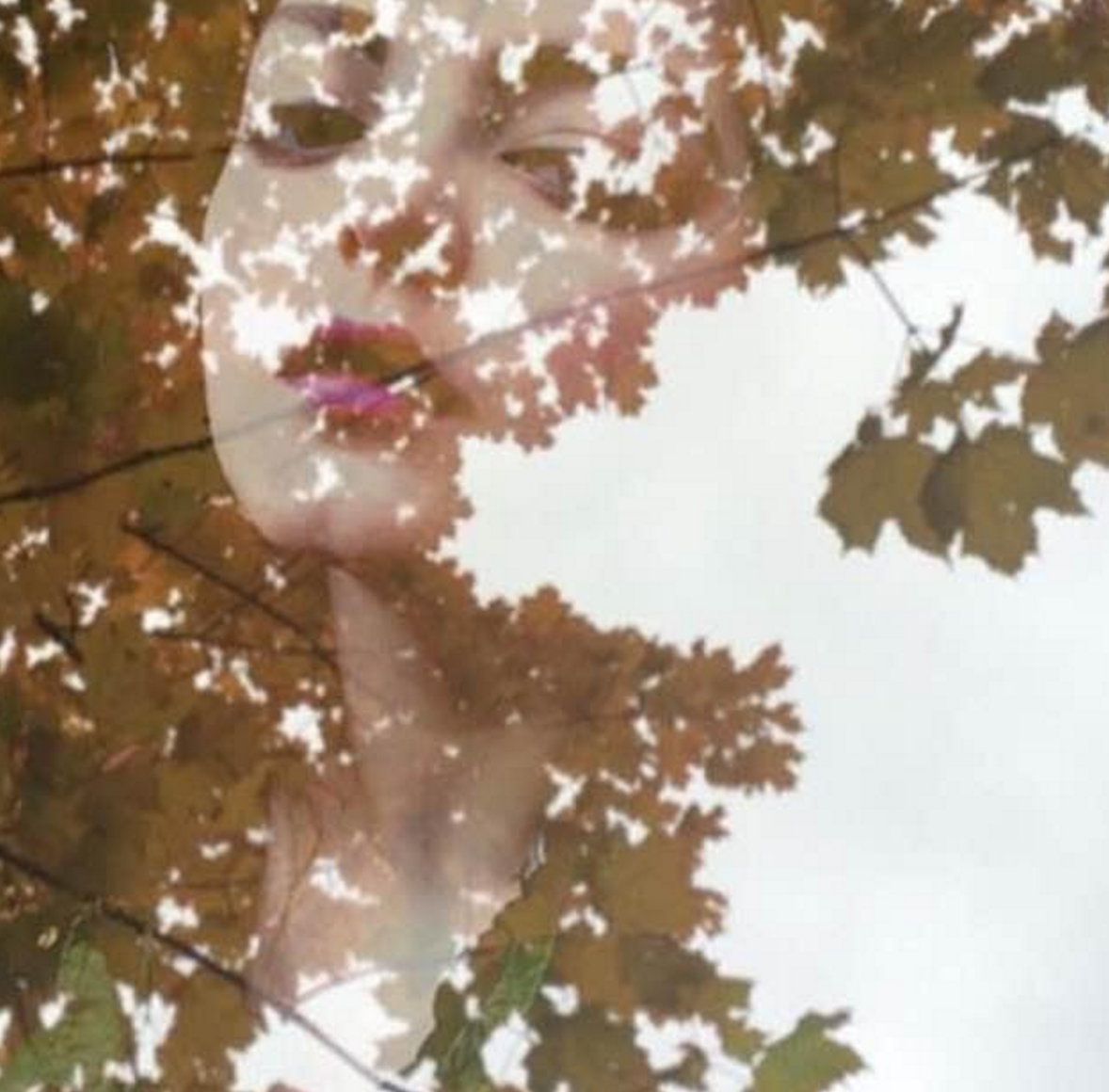
Tribute To Keats' Halloween Birthday
BY RENA MEDOW
In this excerpt of “Ode to a Nightingale,” Keats takes us to a moonless paradise where the narrator muses on death, and the nightingale’s melodious and ominous song.
"Darkling I listen; and, for many a time
I have been half in love with easeful Death,
Call'd him soft names in many a mused rhyme,
To take into the air my quiet breath;
Now more than ever seems it rich to die,
To cease upon the midnight with no pain,
While thou art pouring forth thy soul abroad
In such an ecstasy!
Still wouldst thou sing, and I have ears in vain—
To thy high requiem become a sod."
In ‘Ode to a Grecian Urn‘ Keats captures the bittersweet isolation of the perfection of an ancient urn. His ability to sympathize with a museum exhibit is awesomely strange and tragic.
“O Attic shape! Fair attitude! with brede
Of marble men and maidens overwrought,
With forest branches and the trodden weed;
Thou, silent form, dost tease us out of thought
As doth eternity: Cold Pastoral!
When old age shall this generation waste,
Thou shalt remain, in midst of other woe
Than ours, a friend to man, to whom thou say'st,
"Beauty is truth, truth beauty,—that is all
Ye know on earth, and all ye need to know."
I love the first stanza of “Ode on Melancholy” for its witchy imagery of nature and the underworld. It’s a super love poem about the relationship between melancholy and beauty.
"No, no, go not to Lethe, neither twist
Wolf's-bane, tight-rooted, for its poisonous wine;
Nor suffer thy pale forehead to be kiss'd
By nightshade, ruby grape of Proserpine;
Make not your rosary of yew-berries,
Nor let the beetle, nor the death-moth be
Your mournful Psyche, nor the downy owl
A partner in your sorrow's mysteries;
For shade to shade will come too drowsily,
And drown the wakeful anguish of the soul."
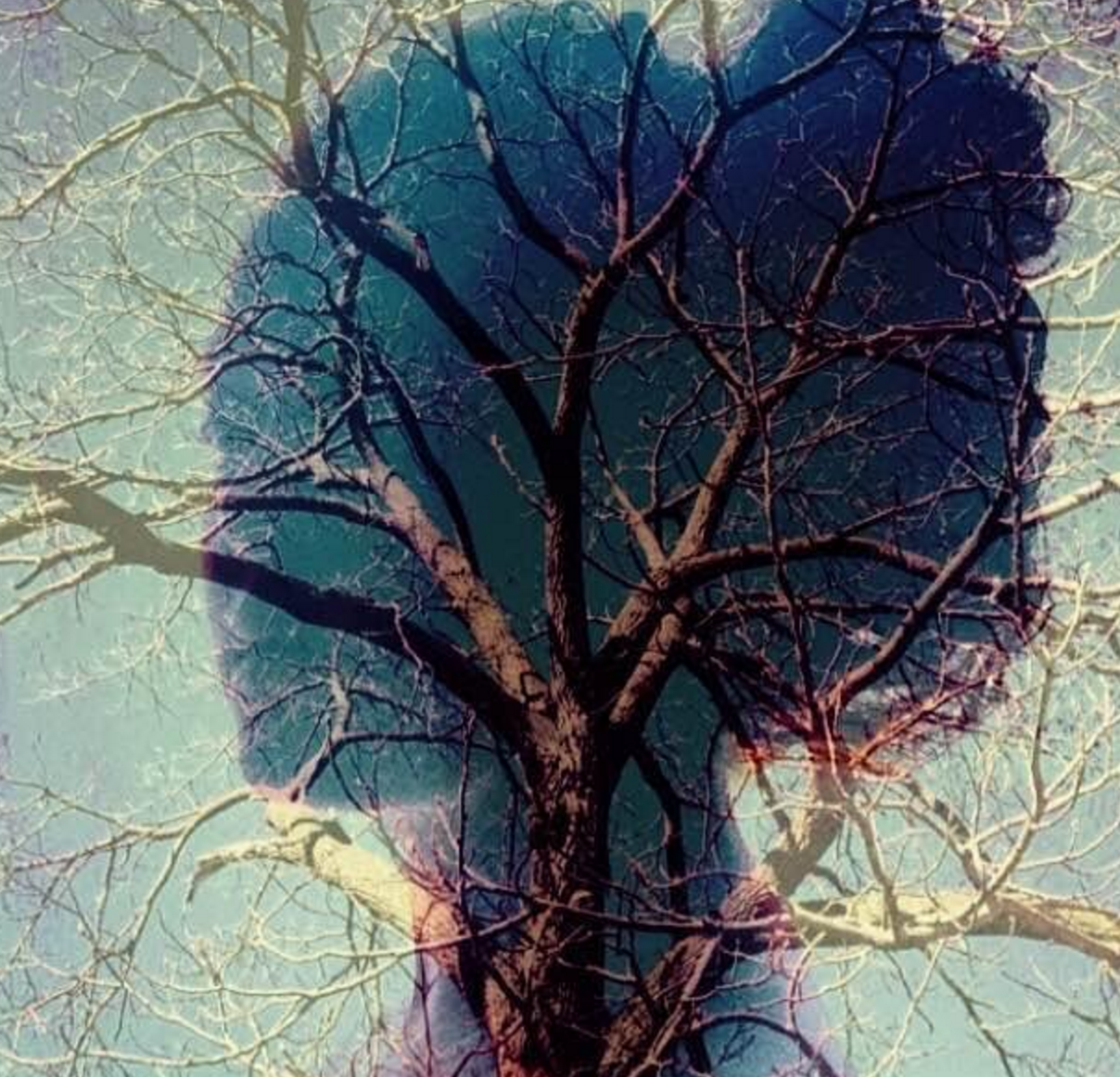
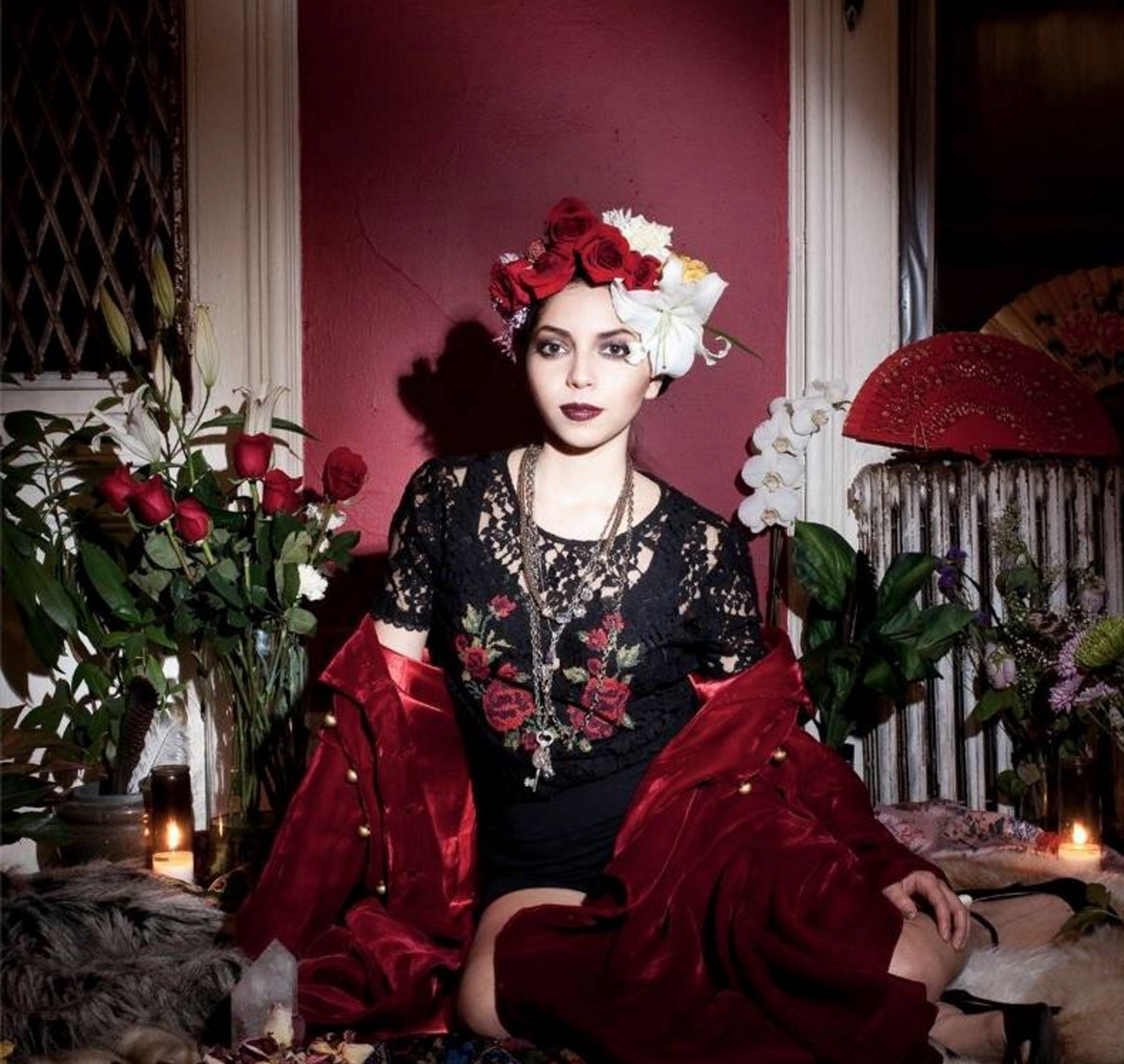
Interview With The Magical Andrea Diaz Of Superhuman Happiness
BY LISA MARIE BASILE
Lovely, talented, gorgeous Andrea Diaz, who are you?
I am a brujita living and working in Brooklyn with my two little parakeets, Sol and Luna. I'm a vocalist, songwriter, and visual artist. Dancing and reading keep me sane. I recently got a new black bicycle, which I promptly named Nightrider. For those of you who are astrologically inclined, I'm a triple Gemini--( sun, rising, and moon). So far, my life revolves around learning to accept ( or at least try to manage) all the whims, desires, and paradoxes within myself and to channel them into something worthwhile. Because of this, I took on the name DIA LUNA to help me empower myself in my creative projects.
Being around you is magical and powerful. I remember when we did a spell together on your roof. It worked. You've got such an aura. How do you approach infusing your life and music with magic?
Thank you! I could write forever about this so please forgive me if I go full Gemini now. I've been called a romantic on more than one occasion. While I'm not particularly sentimental, but I do believe that romance is a crucial part of life and music, and that it comes from being sensitive and childlike in our relationship to the world. Truly, a lot of magic comes from appreciating and engaging with the beauty in the people and things that surround you. Those are the things that end up being my inspiration and my motivation to create. The element of play is also hugely important.
Recently, I was at St. Dympha's on St. Mark's for my bandmate's birthday party on a sunny Sunday afternoon. There were two guys playing soccer on the sidewalk, kicking the ball to passerbies. Some people ignored them, but others did not. It was amazing to see an unassuming stranger do a trick and kick the ball back to them! Right away I knew what the guys were doing: they were creating a moment, they were creating community with one tiny, silly gesture. Obviously I couldn't resist and I joined them right away. By the end of the night we had a circle of more than ten people having the time of their lives just kicking a ball around! It was simple, but exhilarating. That's how it works. I feel the best when I give myself to the moment, relish whatever joy I can, and don't take myself too seriously.
Tell us about Superhuman Happiness, your band.
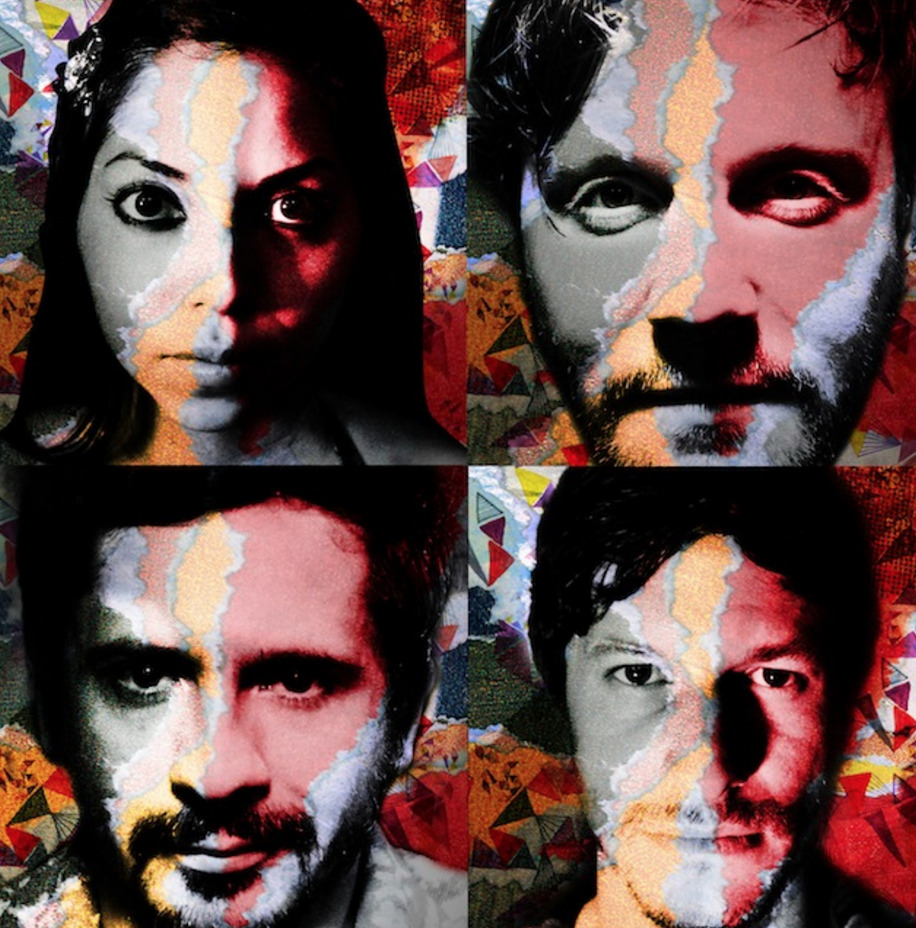
I became the lead vocalist for Superhuman Happiness a year and a half ago. My bandmate, Stuart Bogie likes to say it's dance music for the emotionally complicated, which I find both hilarious and accurate. We're releasing a record in September and all of the tracks are pretty intense conceptually.
There are lots of questions about our relationships to technology and our relationships to one another, all set against the backdrop of day to day life in NYC. It's called Escape Velocity, which in scientific terms, is the amount of force that it takes for an object to supercede the gravitational pull of the earth and blast off into space. There's definitely a lot of intensity and the feeling of wanting to break free--it's a very introspective record in a lot of ways. We don't let anyone get too bummed out though, because the tracks are super danceable and they got the funk!
What other projects are you working on?
I have another project called The Duchess and the Fox, with my friend, and downtown music legend, Joe McGinty. We like to call it nouveau cabaret music since it's minimal in instrumentation--just piano and voice. It's very lyrical and a lot of the songs revolve around hanging out in bars, dreaming of old flames, and walking around cities at night. We will be releasing an EP at the beginning of next year! I'm also planning on finally unveiling a solo project called DIA LUNA, an electronic pop project I've been working on under the radar. So yeah, lots of things happening in their cycles, always!
What are your inspirations?
Oh lord! So many! The paintings of Frida Kahlo have always inspired me because of their vibrancy. She crafted a whole universe and mythology in her work. The diary of Anais Nin was hugely influential for me as well. She's so breathtakingly precise in her description of the creative process, and in her portrayal of what it is like to live as an emotionally aware woman. Both her and Frida lived the magic and both were way ahead of their time. In terms of music, Nina Simone's recordings have been one of my pillars of inspiration since I first heard them in high school. There's one recording in particular that I found recently, which totally blew me away. She's performing "Sinnerman" live. At the end, all the backing instruments fall away and there's just her playing this crazy piano tag and singing, "Power, Lord! Don't you know I need you lord?" I mean, holy shit. It gives me shivers every time I hear it, because you hear the truth in it, and you can really feel on a visceral level, her desperation and her power at the same time.
Where can we catch you next?
We're also doing an East Coast tour to promote Escape Velocity, so if you're not in NYC, you might be able to catch us there! Check out the dates here. The next Superhuman Happiness show in NYC is in November.
Superhuman Happiness is playing on November 11th with Antibalas and Santigold at Brooklyn Bowl. Tickets can be purchased here. Check out more about the Duchess and the Fox here.
"Super 8" Performed by Superhuman Happiness Directed by Tatiana McCabe music written by E. Biondo and S. Bogie from the album, Escape Velocity out now on Royal Potato Family
An Introvert’s Halloween with Kiki du Montparnasse et la Bête!
BY STEPHANIE SPIRO
If you’re like me, you probably cringe at the thought of dressing up only to freeze your butt off at a party or a parade, dodging monster masks and ducking spilled cocktails. Parties exhaust me, but Halloween is wonderful. And you can celebrate in your skivvies, in the warmth of your own home.
This post is for to the pathological introvert who secretly loves the quiet and still wants to dress up in kinky clothes, sip cocktails, and bask in the magic of All Hallow’s Eve.
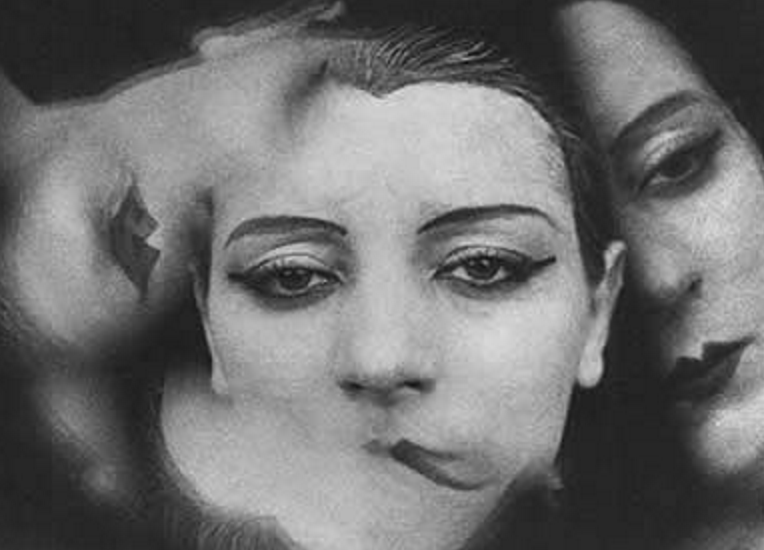
First, a perfect last minute costume idea: 1920 French muse, Kiki du Montparnasse. She was a model for artist Man Ray and many others who made up the Dadaist movement in Paris. There’s a lingerie shop [http://kikidm.com] called Kiki du Montparnasse in New York, dedicated to selling chic and chichi undergarments inspired by the knickers Kiki made famous in the cafes of Paris. I have visited many of these legendary cafes, and Kiki’s spirit still lingers.
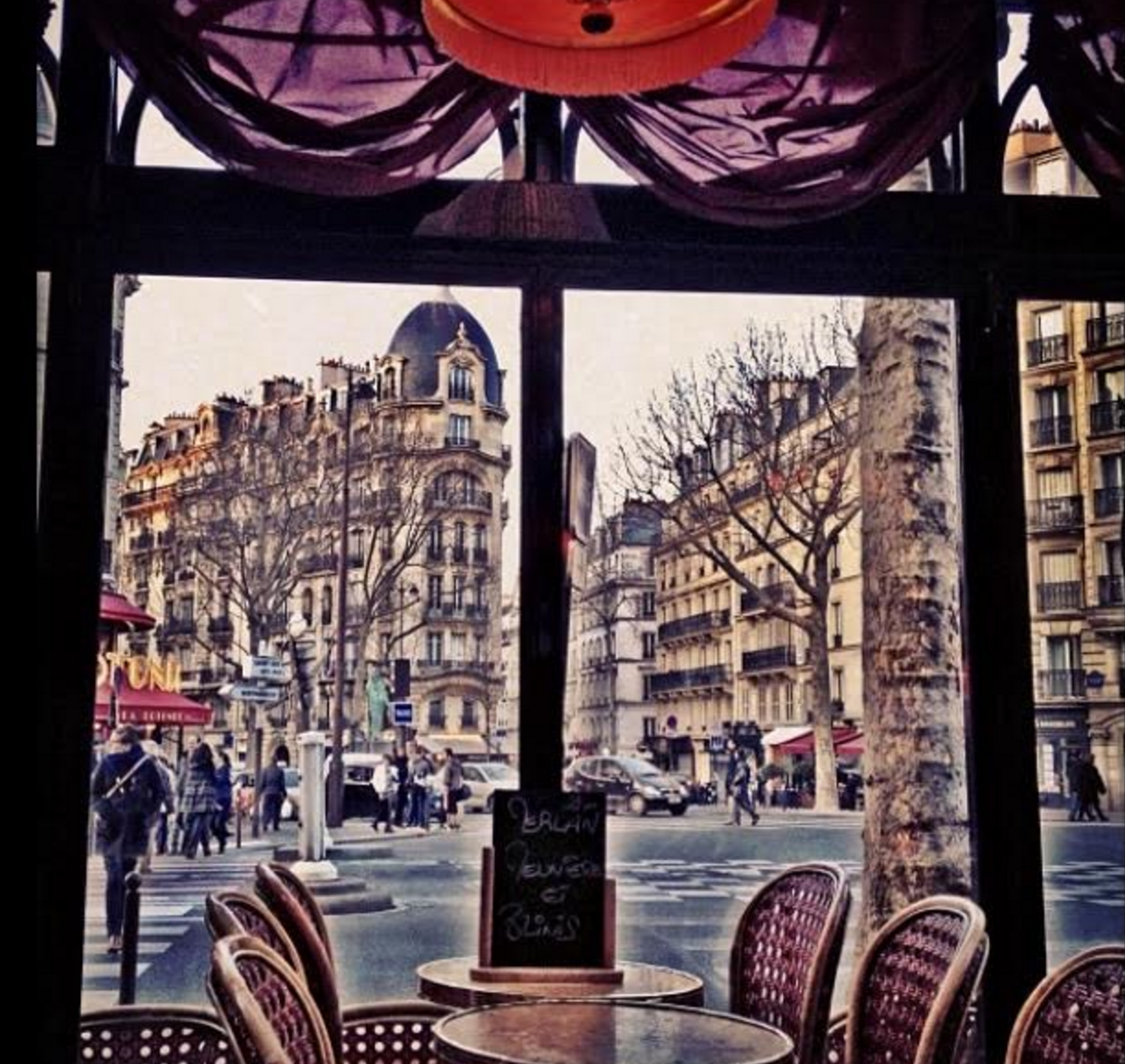
Think of this: Drinking champagne at La Coupole or guzzling coffee at Le Dôme Café… you can feel the ghostly spirit of a girl with bobbed hair, fan-kicking on tabletops, the light from the windows making lace patterns along the bodice of her dress.
If you don’t have time to visit Kiki’s in New York, your “costume” can be lingerie, anything you have. Step into some fishnet, snap on the garter, and recline in your favorite chair with your new favorite book. This year you won’t be cold because you’ll be sipping warm red wine (Kiki’s favorite “tonic”).
The book I recommend is Catel and Bocquet’s graphic novel Kiki du Montparnasse, a wonderfully risqué recounting of Kiki’s exciting and tragic life.
Kiki was born Alice Prin, and unlike the famous Alice, Kiki never found Wonderland. Instead she became wonderland. Kiki inspired many a collective hallucination as a vision in surreal photos and paintings. She was “the Muse of Montparnasse.” Dancing cabaret at the Jockey, she used her body to seduce and inspire so many. She had a lifelong partnership with Man Ray, but she mostly lived in squalor, jumping from one love affair to the next, an alcoholic and drug addict, constantly tearing off her clothes and singing for her supper.
One of the many men Kiki inspired was the poet and surrealist filmmaker, Jean Cocteau. Kiki recalled that: “Cocteau and I had the same passion for all that comes from the sea…" The fluidity and grace of Kiki’s ghostly existence made her seem like the dark side of Venus. She was an apparition of the goddess of love, rising from the sea mermaid-like on a half-shell, but never fully realizing her place as a mortal here on earth. Instead she shimmered in the shadows, dangling out of clothing, submerged in a surreal fantasy on canvas or in flickering light and shadow.
In the following, Kiki’s watery, translucent torso is immortalized in Man Ray’s short film, Le Retour a la Raison (1923), 2 Dadaist minutes of glitter and nails:
Le retour à la raison [Return to reason]. Short film editing, produced and directed by Man Ray in 1923. With model Kiki de Montparnasse.
Cocteau’s classic film, Beauty and the Beast (1946) perfectly complements the Kiki graphic novel.
www.criterionco.com / www.criteriondungeon.com - This is the trailer from the criterion release of Jean Cocteau's Beauty and the Beast. The trailer is Narrated by Cocteau himself.
La Belle et la Bête is romantic and gorgeous and twisted. You can stream it as a part of the Criterion Collection on Hulu or you can watch the full film with an intoxicating accompanying opera by Philip Glass for free on YouTube.
In Cocteau’s version of the classic fairy tale, the beast was born gory and smokin’ hot (literally). He gorged on deer in the forest and came home covered in blood like a real, rugged mountain man. He had the face of an animal and he lived in isolation in a perfectly gruesome mansion that also happened to be the ultimate bachelor-pad. This was truly a curse.
Beast’s walls were lined with human-arm candelabras and statues with human faces and spooky moving eyes. Beast was the pearl-whisperer. Jewels collected in his palm to form gaudy and delectable treasures. Mind-powered magic doors opened on a whim and a white horse with a dazzlingly bedazzled mane did the Beast’s bidding.
When Belle went to live with Beast inside his magic world, she was transported on an enchanted conveyer belt to a bedroom with a furry-live duvet that slithered to the floor. She had a magic mirror to see beyond the bachelor pad. She cried diamonds. The beast gave her a golden key to carry in her cleavage.
We all know the story, and this rendition is glorious. It’s easily accessible online and perfect for any magical lady in a lace robe who wants to immerse herself in an eerie Halloween romance from another era.
With Kiki et la Bête in your goodie bag this year, you’ll only need to put on your highest heels and your most scandalous lingerie. You won’t be walking in the cold, introverts, so toss the candy and buy an extra bottle of warm red wine. Intoxicate yourself this Halloween, in more ways than one.
Let Your Zodiac Sign Help You Choose A Contemporary Poetry Book
Is your book right?
Read More
An Interview With Francesca Lia Block About Magick, Obsession & Being A Woman
How much of your writing is inspired by your actual life? Does your life entwine with the worlds you create?
Almost everything is at least partly autobiographical. Even if the characters and situations are different I try to find and apply the emotional truth inside of myself to the story.
What is your writing process like? Do you need to be in a specific headspace or place?
I have two teenagers, teach four classes and am starting a business so I have very limited time and write whenever I can. I don’t have the luxury of being in a certain headspace.
In most (if not all) of your books, love is the main focus or obsession--many of the characters are on a journey to discover love (within themselves and others), and often tend to manifest it, whether successfully or not, through sex and food. Why those focuses? Does the way you interact with these focuses change over your career?
I’ve never heard anyone put it that way! That’s very interesting as I’m about to publish a Weetzie cookbook written by/with Carmen Staton and Rough Magick, an anthology of romantic and often erotic stories co-edited by Jessa Marie Mendez.
I think that for me love is not only expressed/manifested through sex and food but also through other things like magic, spirituality, poetry, music, visual art and fashion. Love is the thing I think about most often and what I live for. It’s a theme in all my books.
A lot of people have said your work reminds them of David Lynch and Lana Del Rey. What do you think of those comparisons?
Well I love them both, so that’s awesome. My work has been getting darker lately so it makes sense. I like the tension of combining magic and reality, dark and light.
If you could pick one character in all of literature that you most identify with, who would it be?
Anne Frank. And Jane Eyre. i.e.: creative, romantic, strong, sensitive females. Can I pick Emily Dickinson?
(Yes, you can pick Emily Dickinson).
When I read Weetzie Bat, I thought about how hard it is to balance goodness and darkness. How do you balance light and dark as a person, a writer?
They are both part of us. You have to embrace both of them, give voice to both of them. You can’t have one without the other. I rely on the healing guides in my life and the creative process to help me process the darkness so I can stand more fully in the light. But you can’t repress the darkness or pretend it isn’t there.
How hard is it to be a woman? Does it get easier?
This is also an interesting question. I haven’t really thought about it. I love being a woman. I love being a mother. I love being an artist. I think it’s hard to be a person, in general. in some ways it gets harder (aging, disease, death) and in some ways it gets easier (self-awareness, self-confidence, caring less about what others think, finding your soul circle, finding your voice).
How does the occult influence your life? I know you did an amazing, magical workshop with Amanda Yates Garcia.
I used to read tarot but now I go to Amanda for readings. She and I see magic and writing/art as being the same things, really. They are both about having a vision and manifesting it, expressing it out into the world.
Tell us all about Rough Magick. We can't wait to read it.
Thank you! It’s a collection of stories and poetry by my co-editor Jessa Marie Mendez, Amanda Yates Garcia, Denise Hamilton, Laura Lee Bahr, Mary Pauline Lowry, me and a group of other amazing writers, all dealing with the darker aspects of love and sex. There is magical realism, lyrical realism, romanticism and even horror. It gives me chills when I read it!
Photos by Nicholas Sage.