• Home
  • indulge
  • new poetry
    • About Luna Luna
    • resources
    • search
  • editor
  • dark hour
  • submit
Menu

luna luna magazine

  • Home
  • indulge
  • new poetry
  • About
    • About Luna Luna
    • resources
    • search
  • editor
  • dark hour
  • submit
delicious new poetry
'the doors of the night open' — poetry by Juan Armando Rojas (translated by Paula J. Lambert)
Nov 29, 2025
'the doors of the night open' — poetry by Juan Armando Rojas (translated by Paula J. Lambert)
Nov 29, 2025
Nov 29, 2025
'we can be forlorn women' — poetry by Stevie Belchak
Nov 29, 2025
'we can be forlorn women' — poetry by Stevie Belchak
Nov 29, 2025
Nov 29, 2025
'I do whatever the light tells me to' — poetry by Catherine Bai
Nov 29, 2025
'I do whatever the light tells me to' — poetry by Catherine Bai
Nov 29, 2025
Nov 29, 2025
‘to kill bodice and give sacrament’ — poetry By Kale Hensley
Nov 29, 2025
‘to kill bodice and give sacrament’ — poetry By Kale Hensley
Nov 29, 2025
Nov 29, 2025
'Venetian draped in goatskin' — poetry by Natalie Mariko
Nov 29, 2025
'Venetian draped in goatskin' — poetry by Natalie Mariko
Nov 29, 2025
Nov 29, 2025
'the long sorrow of the color red' — centos by Patrice Boyer Claeys
Nov 28, 2025
'the long sorrow of the color red' — centos by Patrice Boyer Claeys
Nov 28, 2025
Nov 28, 2025
'Flowers are the offspring of longing' — poetry by Ellen Kombiyil
Nov 28, 2025
'Flowers are the offspring of longing' — poetry by Ellen Kombiyil
Nov 28, 2025
Nov 28, 2025
'punish or repent' — poetry by Chris McCreary
Nov 28, 2025
'punish or repent' — poetry by Chris McCreary
Nov 28, 2025
Nov 28, 2025
'long, dangerous grasses' — poetry by Jessica Purdy
Nov 28, 2025
'long, dangerous grasses' — poetry by Jessica Purdy
Nov 28, 2025
Nov 28, 2025
'gifting nighttime honey' — poetry by Nathan Hassall
Nov 28, 2025
'gifting nighttime honey' — poetry by Nathan Hassall
Nov 28, 2025
Nov 28, 2025
'A theory of pauses' — poetry by Jeanne Morel and Anthony Warnke
Nov 28, 2025
'A theory of pauses' — poetry by Jeanne Morel and Anthony Warnke
Nov 28, 2025
Nov 28, 2025
'into the voluminous abyss' — poetry by D.J. Huppatz
Nov 28, 2025
'into the voluminous abyss' — poetry by D.J. Huppatz
Nov 28, 2025
Nov 28, 2025
'an animal within an animal' — a poem by Carolee Bennett
Nov 28, 2025
'an animal within an animal' — a poem by Carolee Bennett
Nov 28, 2025
Nov 28, 2025
‘in the glitter-open black' — poetry by Fox Henry Frazier
Oct 31, 2025
‘in the glitter-open black' — poetry by Fox Henry Frazier
Oct 31, 2025
Oct 31, 2025
'poet as tarantula,  poem as waste' — poetry by  Ewen Glass
Oct 31, 2025
'poet as tarantula, poem as waste' — poetry by Ewen Glass
Oct 31, 2025
Oct 31, 2025
'my god wearing a body' — poetry by Tom Nutting
Oct 31, 2025
'my god wearing a body' — poetry by Tom Nutting
Oct 31, 2025
Oct 31, 2025
'Hours rot away in regalia' — poetry by Stephanie Chang
Oct 31, 2025
'Hours rot away in regalia' — poetry by Stephanie Chang
Oct 31, 2025
Oct 31, 2025
'down down down the hall of mirrors' — poetry by Ronnie K. Stephens
Oct 31, 2025
'down down down the hall of mirrors' — poetry by Ronnie K. Stephens
Oct 31, 2025
Oct 31, 2025
'Grew appendages, clawed towards light' — poetry by Lucie Brooks
Oct 31, 2025
'Grew appendages, clawed towards light' — poetry by Lucie Brooks
Oct 31, 2025
Oct 31, 2025
'do not be afraid' — poetry by Maia Decker
Oct 31, 2025
'do not be afraid' — poetry by Maia Decker
Oct 31, 2025
Oct 31, 2025
'The darkened bedroom' — poetry by Jessica Purdy
Oct 31, 2025
'The darkened bedroom' — poetry by Jessica Purdy
Oct 31, 2025
Oct 31, 2025
'I am the body that I am under' — poetry by Jennifer MacBain-Stephens
Oct 31, 2025
'I am the body that I am under' — poetry by Jennifer MacBain-Stephens
Oct 31, 2025
Oct 31, 2025
goddess energy.jpg
Oct 26, 2025
'Hotter than gluttony' — poetry by Anne-Adele Wight
Oct 26, 2025
Oct 26, 2025
'As though from Babel' — poetry by Fox Henry Frazier
Oct 26, 2025
'As though from Babel' — poetry by Fox Henry Frazier
Oct 26, 2025
Oct 26, 2025
'See my wants' — poetry by Aaliyah Anderson
Oct 26, 2025
'See my wants' — poetry by Aaliyah Anderson
Oct 26, 2025
Oct 26, 2025
'black viper dangling a golden fruit' — poetry by Nova Glyn
Oct 26, 2025
'black viper dangling a golden fruit' — poetry by Nova Glyn
Oct 26, 2025
Oct 26, 2025
'It would be unfair to touch you' — poetry by grace (ge) gilbert
Oct 26, 2025
'It would be unfair to touch you' — poetry by grace (ge) gilbert
Oct 26, 2025
Oct 26, 2025
'Praying in retrograde' — poetry by Courtney Leigh
Oct 26, 2025
'Praying in retrograde' — poetry by Courtney Leigh
Oct 26, 2025
Oct 26, 2025
'To not want is death' — poetry by Letitia Trent
Oct 26, 2025
'To not want is death' — poetry by Letitia Trent
Oct 26, 2025
Oct 26, 2025
'Our wildness the eternal now' — poetry by Hannah Levy
Oct 26, 2025
'Our wildness the eternal now' — poetry by Hannah Levy
Oct 26, 2025
Oct 26, 2025
jules-marchioni-HnX-JyF8cx8-unsplash.jpg

Poetry by Mandy May

February 6, 2021

BY MANDY MAY

I want people to think

I want people to think that I said what I meant and I
meant what I said because I did.

I want people to think that I bled dry for those I love
even though my tone was flat.

When my breath vacates my chest and my skin
settles into the earth, I want the world to take my
exhale as champagne in a plastic magenta chalice
from Target clearance.

I want people to think of pigeons—and doves. I want
people to think of pigeons as doves because pigeons
are doves. I want people to think of perception.

I want people to think of the moon: a chunk of lemon
glued to a punch-drunk sky moon; a spooky moon;
suede grey sky and marbled clouds with orb-light
clipped and blooming moon; harvest moon, bronzed
pregnant belly of the sky moon; blood moon spilling out your mouth moon.

I want people to think of cats and majestic
and whiskers.

I want people to think of the body’s resilient failure,
rising from bedspreads of fire and ash screaming “I
eat men like air” and then I did.

I want people to think of the warmth of sugar in the
blood; how humans can be sweet with disposition
soured with its exhaustion; the slow death of fatty
tissue; blushed shins.

I want people to think of the rigidity of backbone,
softened by nothing, clenched
knuckles like clenched teeth, perfect in its twisted flex.

I want people to believe that I got at least one thing right.

Let’s talk about the moon

Let’s talk about the moon: to be aware of your body
is to be in pain is the cracking
of a petrified spine is my back
flowering with spidering blossoms
of wrecked muscle flushed.

Let’s talk about the moon
no, let’s talk about menstruation
let’s talk about ebb & flow
let’s talk about iron
let's talk about shedding
let’s talk about the pooling
of aches leaking
dripping between the knees
let’s talk about wreckage.

Let’s talk about the moon —
barefoot, skin exposed,
breathing all the night sounds
night smells:
A/C hum and honey suckle.

Let’s talk to the moon
let’s talk to the moon
let’s talk to the tune of dial tone
let’s talk to the tome of uterine ache
let’s talk to the moon of my pain,
to the rune against shame, to the sigil
for relief burned into the blood bright night.

Sick Girl

Blood sick girl

Sugar sick girl

Womb sick girl

Spine sick girl

Curve sick girl

Gland sick girl

Sad sick girl

Can’t sit still sick girl

Get mad sick girl

Flip a table sick girl

Make you want to weep sick girl

Fly in the air sick girl

Still strong sick girl

Bi sick girl

What kinda bi sick girl

Yes sick girl

No sick girl

Inflammatory sick girl

Endometria sick girl

Rotting organ sick girl

Solitary sick girl

Basement carpet cry crawl sick girl

Clutching crystal sick girl

Sweet rose magic sick girl

Patient sick girl

Spine curl sick girl

Sleep forever sick girl

Forever ever sick girl

Make it halfway up the stairs sick girl

Psychosis sick girl

Ghost music in the room sick girl

Teeth grind sick girl

Needles in the skin sick girl

Deck sitting sick girl

Fluid sick girl

Pant suit sick girl

Thicker than liquor sick girl

Make love to yourself sick girl

Bedridden sick girl

Bed pearl sick girl

Nervous tick sick girl

Gonna be alright sick girl

Just wanna die sick girl

Make the same mistakes sick girl

Don’t want to be called sick girl

Over analytical sick girl

May magic sick girl

Felt tip pen sick girl

CBD sick girl

Sick of your shit sick girl

Shoulder check you into traffic sick girl

Abandoned sick girl

Clarifying sick girl

Horror movie sick girl

Diabetic sick girl

Type one sick girl

Carrot curl of ginger sick girl

Want to live in your palm sick girl

Balance seeking sick girl

Flesh curve sick girl

Thunder ocean sick girl

Cradled in the moon sick girl

Double twisted mermaid sick girl

Bloated belly sick girl

But you don’t look sick sick girl

Manhattan cherry sick girl

The expensive insurance sick girl

Coven 1207 sick girl

Serial single sick girl

Oak tree sick girl

Magnolia bloom sick girl

Sob sick girl

Cat peppered deck sick girl

Difficult kid sick girl

Middle child sick girl

Libra sick girl

Aries moon sick girl

October sick girl

Say what I mean sick girl

Mean what I say sick girl

Amethyst lipped sick girl

Magic sick girl

Witch sick girl

Mad sick girl

Guilt sick girl

Manic twitch sick girl

Dumpster fire sick girl

Pharmaceutical sick girl

Sick girl sick girl

Epic of a love sick girl

Not faint of heart sick girl

Not for the faint of heart sick girl

Carried by my legs sick girl

Flushed sick girl

Fall out sick girl

Fall risk sick girl

Hospital bracelet sick girl

Puritanical work ethic sick girl

Bohemian sick girl

Black shadow throat sick girl

Couch sink sick girl

Tea tincture sick girl

Sigil in my bra sick girl

Magic throat sick girl

Scream into the void sick girl

Standard transmission sick girl

Sick is a brand sick girl

Sick in chapters sick girl

Episodic sick girl

Stuck in liminal sick girl

Ghost skin sick girl

Moonsick sick girl

New moon ovulate sick girl

Get lit quit sick girl

Break onto the roof sick girl

Write this forever sick girl

Outside in the light sick girl

Wet feet on creek rocks sick girl

Open river soak sick girl

Soak sick girl

Wade out to the island sick girl

Out bathing in the lightening sick girl

Moonlight hour sick girl

Thunderstorm chest sick girl

Does what she wants sick girl

Worth the work sick girl

Let the storm roll in sick girl

Ready for your shit sick girl

Take up space sick girl

Waste away sick girl

Mandy May is a Baltimore MD based writer and designer. She earned her MFA in Creative Writing & Publishing Arts from the University of Baltimore. She is the author of the poetry chapbook Magic: Moon Tides Sing Violet Petals (Babe Press) and co-curated Nasty: an anthology celebrating dark spirits (Babe Press). Her work can be found in Journal Nine, Yes, Poetry; Ghost City Review; Moonchild Magazine; Breadcrumbs Magazine; The Light Ekphrastic; Baltimore Fishbowl; and elsewhere. She believes in ghosts, magic, and the splendor of a body failing. She has three cats. Follow her on Twitter @mayqueenofbees and Instagram @mandiesel.


In Poetry & Prose Tags mandy may
Comment
eberhard-grossgasteiger-S-2Ukb_VqpA-unsplash.jpg

Poetry by Sarah Cavar

February 5, 2021

Here is the river the sum
mer I seek to swim through, white light to sole.

Read More
In Poetry & Prose Tags sarah cavar, poetry
Comment
Blue Water Color Ornament Blog Banner.png

A Writing Workshop For Nurturing Writers

January 22, 2021

BY LISA MARIE BASILE

The new year often brings with it a need to deeply replenish our stores, to crack open the surface of the winter-frozen lake of self, and peer in our at our watery reflection.

Who is in there this year? What ideas, shifts, transformations, and creations await birth?

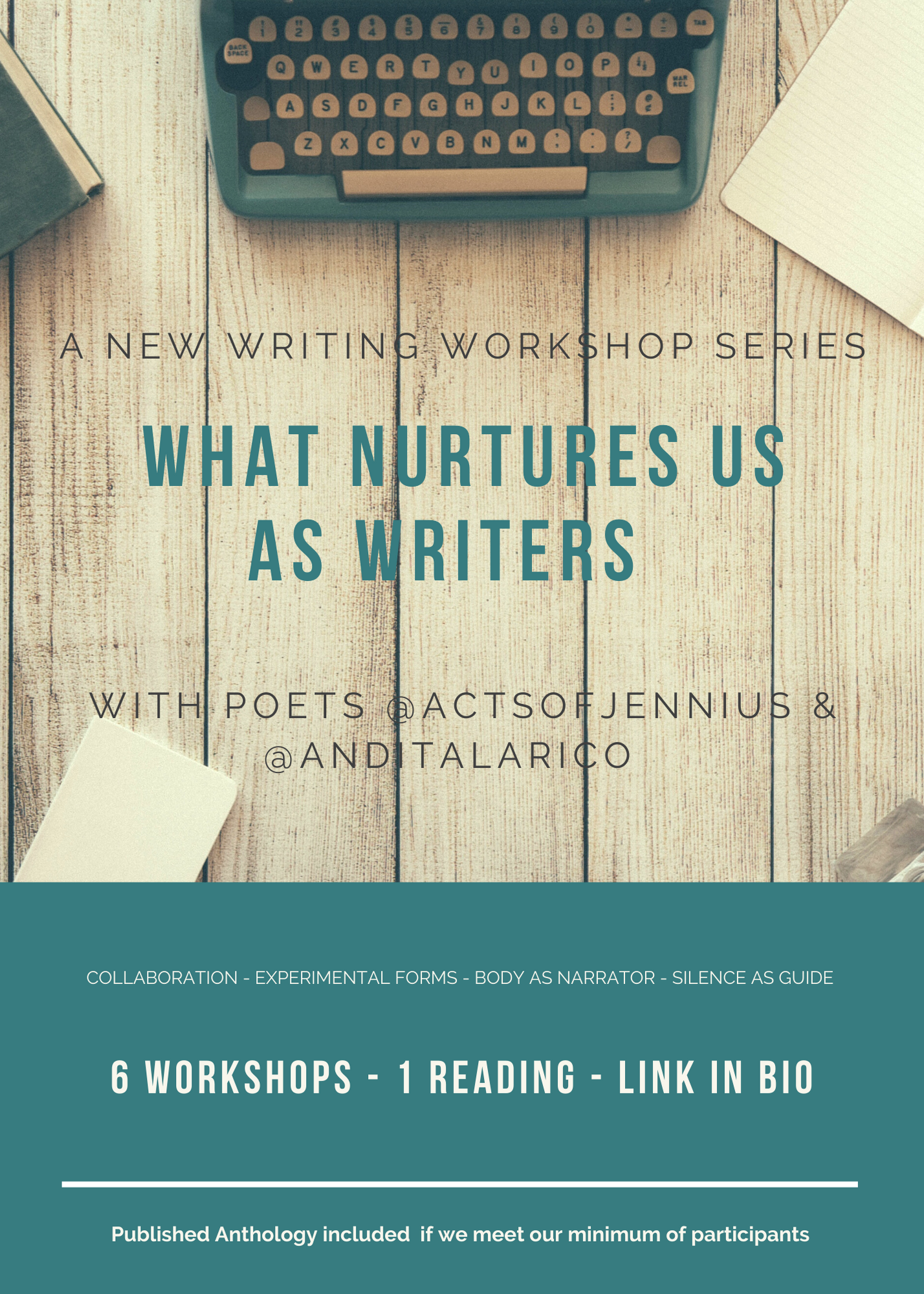
A brand new SIX-MONTH writing workshop (one class per month) — WHAT NURTURES US AS WRITERS — is tapping into that creativity and curiosity by pulling back the proverbial curtains. I chatted with the workshop guides Andi Talarico (AT) and Jenny Hill (JH) about the class, writing, inspiration, and the beauty of feeling alive again through unknowing, play, and magic. (And for anyone interested in their astrological big three, scroll down!).

The workshop runs Jan 23-June, and each session is 2 hours. It’s $150.00 for the whole workshop. Register now.

What inspired you to create this workshop? From what place, as a writer or creator, did this idea emerge?

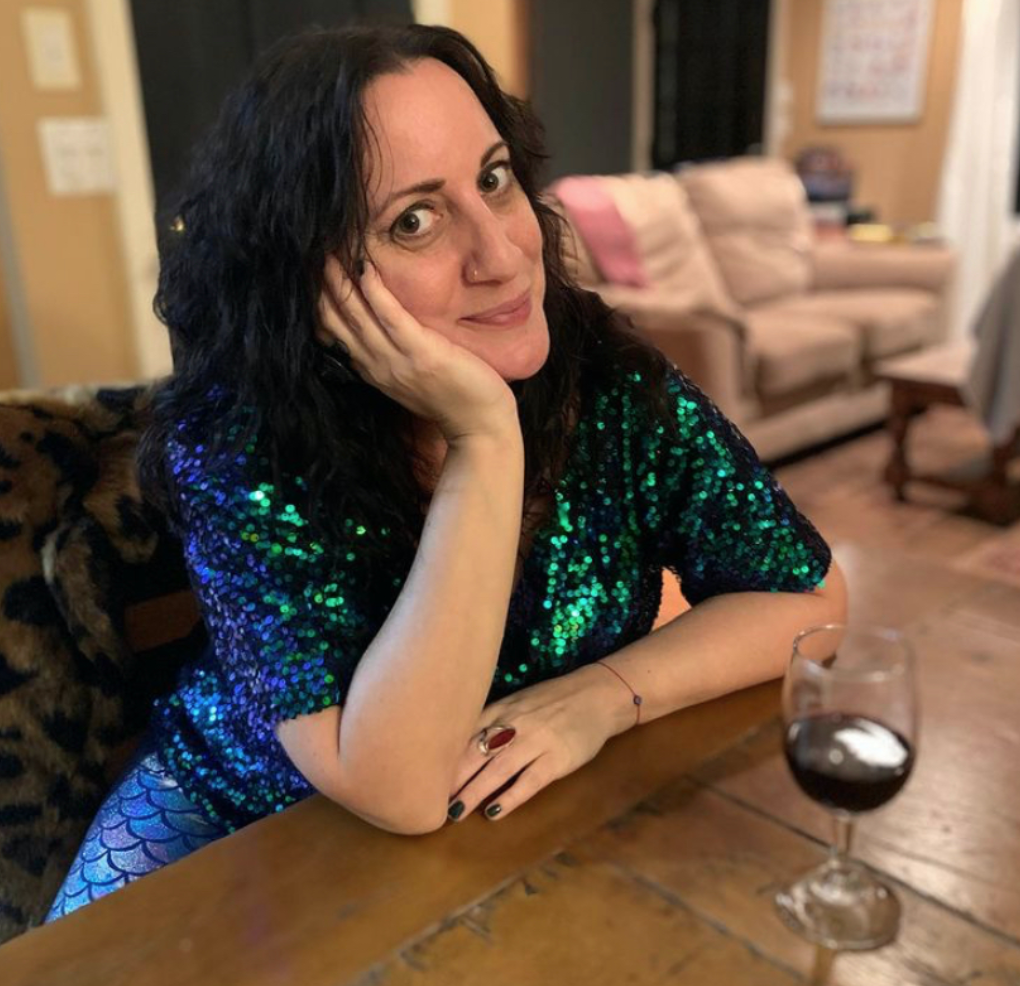
Workshop co-guide Andi Talarico

Workshop co-guide Andi Talarico

AT: Jenny approached me with the idea of running a workshop series. We both come from a background of hosting reading series, attending and teaching workshops, writing groups, of being community-based writers, really. We've both owned and operated indie bookstores in the past that we used as dedicated spaces for writers and artists to make and show their work.

The Coronavirus has taken so much from us, including, I think, a true sense of community. I know when Jenny approached me with her ideas for the workshop it was with the idea of growing something together, hence the longer form 6-month workshop series, long enough to grow and learn and change and perhaps even write or polish a manuscript. Writing is a solitary endeavor for the most part, but this year has been about keeping us apart. The workshop series is hopefully a way for writers to feel re-engaged and part of something larger.

JH: A desire to collaborate with the collective, imaginative world, and to share some of the experiences that have helped shaped my writing with others. I see it as an esteemed responsibility to share what I've learned. Otherwise, I'm hoarding all the good stuff for myself, and not honoring the mentors who gave of themselves so generously. I'm a circus artist, poet, playwright, arts educator, and have had many incredible teachers in my lifetime. I'm a very fortunate human, who has had opportunities to share, and to learn.

Co-creating a workshop with Andi was something I knew would make me feel alive, and there's hope in that spark of co-creation lighting fires in others. I've known her for 22 years (gasp!). She's a metaphoric reader of the world and a person of deep vision. Even at 17 her poems intimidated me. I remember thinking, "Who IS this kid? How did she get this voice? Where did she come from?" Who wouldn't want to work with someone like that?

What are some of the things (poems, approaches, personal goals and motivations, the spiritual or emotional) that inspire each of you most as poets and writers, collaborators and workshop guides?

AT: One of the biggest lessons that I've taken away from this past year is to honor my body, by being present in it, by using it to exercise, walk, do yoga, stretch, rest, all of it. As a writer, I have a habit of shutting off communication from my body so I can focus on capturing the words rattling around in my skull, but you need all systems working in order to create, or at least I do. Poets are pleasure-lovers, sensualists, ooh- and aah'ers. So part of what we're doing in these classes is to evoke the sensation that makes us feel alive again; a squeeze of lemon, a breathing exercise—they're all working toward the same place, which for me, I like to call a small or gentle epiphany. Part of the work here is to seek that.

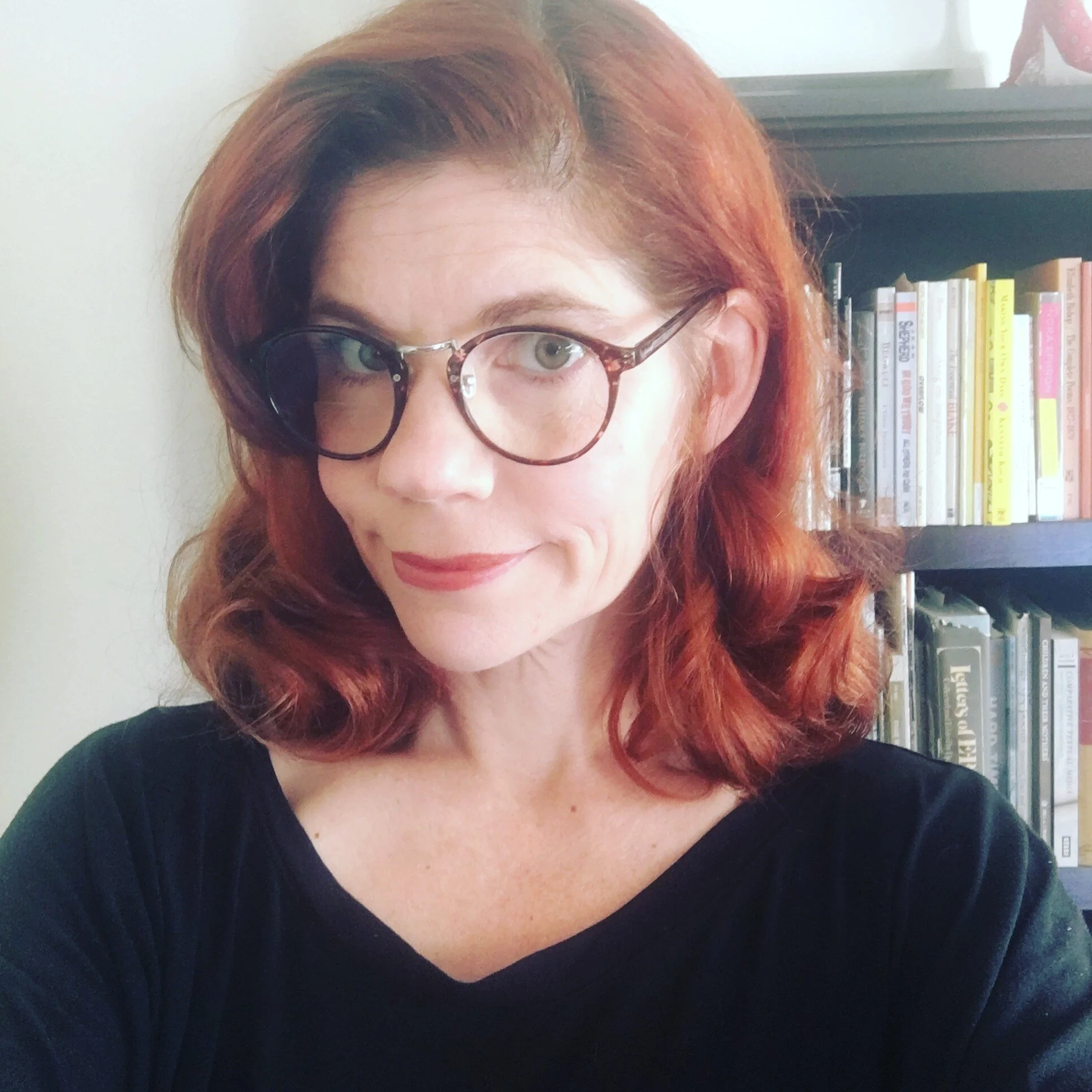
Workshop co-guide Jenny Hill

Workshop co-guide Jenny Hill

JH: Hearing and honoring the stories of others, dream logic, appreciation for minutiae, a sense of curiosity of path in creation, the interconnectedness of life, being changed by words, movement and how the body is a voice, the hope that exists inside you when you watch a snail, all the people who created before me and inspired me to create, the deep map of human emotion, play, play, and more play until you forget who you are and there is just the moment. Questions. Lots of questions. The place of not knowing.

How can participants come into the workshop space with little writing experience? And what about poets with experience (who may be stuck or working through new ideas or shifts?)

AT: You can come to this space with a project that you're trying to work through or you can come to this space new to writing and looking for ideas to get started. We'll all be doing the same work of writing. The exercises we'll be practicing are generative and open as we're hoping to create a space of trust and sharing.

What Nurtures IG Story.png

JH: In each session we play, which can release inhibitions a person might have about having little writing experience. I can say from my place of a beginner in many areas in life that it is a delicious mindset to be in, because it is a very open place. The field is vast, the sky is open (not a cloud in sight!), and what's that on the horizon? Ah, look! Possibility. Woo hoo! Let's run toward it!

I think the same idea is true for those who have experience with writing, and are working through new ideas, finding themselves in a transitional phase with their writing, or just feeling stuck. The "le jeu" in the workshop sessions is there to shake us up, and make us see things from a fresh perspective. And to laugh! Goodness, we take ourselves way too seriously.

With the new year (and all of the change) ahead of us, why is this a great time to take this workshop?

AT: I know I needed a creative reset after 2020. Maybe some of you do, too. It's a new year, and now, a new era of American history to step into, and it's one of progress, compassion, and building back. You saw Amanda Gorman at the inauguration, right? The best speaker of the day, hands down. The speeches were excellent and important, don't get me wrong, but the speaker that stayed with you was Amanda. Her work moved people and THAT'S what poetry has the power to do. There are moments in our life so profound, so big, that they defy regular speech - they need something more potent, distilled, powerful: poetry.

JH: It's a good time to add some beauty to the world, to meet new people, and to share your ideas, hopes, dreams, visions. The light is early in the day, and sticking around later and later, and that is an opening. The curtain is lifting! It's your stage, and there's your cue. Get out there. You have something to say that is worthwhile and others need to hear it.

What are your favorite poems, books, or stories (oral or written or folkloric) that inspire YOU?

AT: Maggie Nelson, Ocean Vuong, Anne Carson, Dorianna Laux, Sharon Olds, Tracy K. Smith, Danez Smith, Diane Ackerman, Morgan Parker, Layli Long Soldier, Ilya Kaminsky, Kahlil GIbran, Rebecca Solnit, Frank O'Hara, to name a few. Folk tales, magical realism, mysticism, tarot. I love when poets write essays, that might be my favorite genre in existence, haha. Who else but a poet's description could do?

JH: Ack! So many, and always changing, but currently and off the top of my morning head are: In Pieces: An Anthology of Fragmentary Writing, Pablo Neruda's Book of Questions, Serious Play by Louise Peacock, Twyla Tharp: The Creative Habit, The Brewer's Dictionary of Phrase and Fable, A Book of Luminous Things, 3 Sections by Vijay Seshadri, the music of Yann Tiersen, Little Red Riding Hood, Thurber, EB White, William Steig's The Lonely Ones, all of the dreams I have while sleeping, Talking to my Body by Anna Swir, and all of the little typewriter visual poems my grandfather created. I think he instilled the idea in me that letters are malleable, machines are meant for tinkering, and the value of "little" entertainments.

Bonus: Tell us about your big three (Sun, Moon, Rising sign)! How does astrology play into your creative/writing life?

AT: I'm a very emotional mix, with my Cancer Sun, Pisces Moon, and Sagittarius Rising placements. Cancer and Pisces are water signs, two of the most sensitive in the zodiac, known for intuitive and empathetic skills, while Sag is the fiery philosopher, life student, and explorer. Each one of those aspects helps feed my writing life, the Big Feelings as well as the constant need to keep learning. I like to think that poets need to be both archeologists and astronaut, trafficking in the past as well as the future.

JH: Sun in Aries, Rising Gemini, Moon in Leo. I wake up every morning, write, move, then ask myself over and over again throughout the day, "Who am I?" "What can I do?"

REGISTER HERE.

In Poetry & Prose Tags andi talarico, jenny hill, workshops, writing, 2021
Comment

For the Love of “Umph”: A Review of 'Affect' by Charlene Elsby

January 22, 2021

BY LAUREN MALLETT

Erin, Ontario: The Porcupine’s Quill, 2020. 147 pages. $18.95. Order here.

A couple days ago I was in a Zoom after party celebrating the round-robin solo performances of three musician pals.

The conversation lulled at one point and another participant, a stranger to me, said, “I don’t know a thing about music. I don’t know where I’d start.”

 “That’s the best place to be,” the most generous among us (not I) jumped in. “You know what sounds good to you, and that’s all you really need.”

In the parallel Zoomosphere of contemporary fiction, Canadian and philosophy scholar Charlene Elsby is not that stranger.

Elsby wasn’t rooting around for the plot slices and word cornucopias that simply looked, felt, or sounded best when she wrote Affect.

For one, Affect is her second rodeo. Hexis, her debut published in February 2020 by Clash Books, is Gone Girl meets Groundhog Day meets Nymphomaniac. The resulting concoction is spellbinding and disturbing as hell.

If Hexis is a cold-blooded, sadist verspertine, then Affect is a mammalian rom com attended by corpses and epistemological flights of worry.

Pick the medicine for what ails you.

Should you choose the latter, you are in for an endearing roman à clef in which the weirdo unnamed narrator, a philosophy graduate student, stalks and then pairs up with the just-as-weird Logan.

“‘It’s hard to want anything in this garbage existence,’” she comments to him early on. Such truth serum is heightened by her imagined bleedings-to-death and an epic bonfire.

The protagonist calls Logan “the best accident”, a cliché which is earned by her continual, existential qualification:

It might be true that anyone you come to know is magical. That might be the nature of the human. It’s hard to imagine that all of the others of them go on leading full inner and outer lives. In my experience, only I do. In my experience, I’m the one who experiences. This is why it’s so enamouring to learn that someone else does too.

Weirdos unite en amour! And soon thereafter hit and run from maybe corpses.

The pair’s discursive sparring is the first-and-foremost treat of the book. I would happily read a hundred more pages of their dialogue alone. They poke fun at one another, challenge each other’s foibles, and display care when it counts. Like when it’s time to escape a zombie bar takeover. After being separated at said bar, the two reunite:

‘Are you ready to go?’ he asked me.

‘Yes, let’s go.’

‘I bought us some sandwiches.’

‘That was a great idea.’

‘I know,’ said Logan.

‘You should never go anywhere else again, except maybe for sandwiches,’ I told him.

‘Sounds good.’

Affect reminds readers who have found their person of the miracle that they exist.

“Umph” is the protagonist’s miraculous refrain to this end, and it slaps.

Those readers who do not have—or have no interest in—such a yes-I-get-you-and-love-you-for-you partnership will also find moments to treasure.

The few secondary characters aren’t nearly as interesting as the protagonist and Logan. When the pair runs into her ex, Nick, on the way to a coffee shop, the dialogue slackens with snippets like “‘You hurt me’” and “‘You found me after I’d been broken.”’ Womp womp.

In contrast, Affect’s narrator speaks and thinks with wit and discernment: “One of the most horrid things I have had to come to terms with is that every moment of my life is one that I have had to live through.” I dare write that Affect (in effect) holds a candle to Phoebe Waller-Bridge’s Fleabag.

So why—hinted at by my ignorance-as-bliss anecdotal hook—do I anticipate some readers may overlook Affect?

Is it because Elsby is relatively new to the game and brings a cerebral approach distinct from the current trends of polyphony and nonlinearity? Yes.

Is it because the rom com is tired, and illustrating how Affect both cozies up to and bites its thumb at the genre feels reductive and moot? Probably.

Is it because this is the first review I’ve volunteered to write and actually written, and I feel like the ignoramus, nosing around for the grubby jewels that best preview this misfits’ love story? Most definitely. 

I cheered on the inside at the landing of “Logan and I have chosen to direct ourselves toward the same universe.” Weirdos unite!

I finished Affect emboldened to love harder my absolutely-right-for-me partner and stand taller in my scuzzy, floral rain boots.

Oh, and an honest-to-god Nick Cave sticker adorns one chapter opening. A jewel, indeed.


Lauren Mallett’s (she/her/hers) poems appear or are forthcoming in Poetry Northwest, Salamander, Passages North, Fugue, RHINO, and other journals. She lives on Oregon’s north coast, on the traditional homelands of the Clatsop people. Find her at www.laurenmallett.com.

In Poetry & Prose Tags Lauren Mallett, Book Review, Review, Charlene Elsby
Comment
jules-marchioni-HnX-JyF8cx8-unsplash.jpg

my mother is a doctor by Jessica Valdez

November 20, 2020

BY JESSICA VALDEZ


my mother is a doctor


my mother is a doctor
my mother was born
of mexican dirt
clutching only her name
a fierceness
a softness
and a dream

“do you have any other doctors in your family?”
a question that you hear a lot within medical training
yes, i say. my mother.
not the kind you are thinking of.

you see,
my mother never graduated from medical school
family never had enough money or desire to put a woman through elementary school
so mama took matters into her own hands
got caught twice by immigration
before they let her in
to her home in california

my mother is a doctor

her voice sings stories
of the time when she was my age
of how much she loves her job
working as a house keeper
a home keeper
home healer
home doctor
doctor

my mother is a doctor

and i’ll tell you why
because a house is a home
and a home is a body
it is a place
not only physical
that houses
organs
a belly or a kitchen
a bedroom or a brain
a living room or a heart
what difference does it make?

my mother knows houses like the inside of her heart
she knows that clutter
disorganization
uncleanliness
and dysregulation
are disease
to this house, body
and knows exactly how to clean it
how to heal it

my mother is a doctor

that when disease actually hit my father’s body
my mother knew
before any doctor did
she knew
how to heal his soul
how to let him go
when his body
could not hold on
even a house
does not live forever
but the energy
the vibrance
can be felt

now at age 66
she still cleans
every body, home
still in awe of the breaking
of the healing
of the rising
of the human spirit
and the precious life that connects us all

this is the physician i aspire to be


Jessica Valdez is a Mexican-American poet and medical student living in San Francisco, CA.

In Poetry & Prose Tags Jessica Valdez, poetry
Comment
Photo by Maya Washington

Photo by Maya Washington

'Time is emotional for me': An Interview with Poet Sara Borjas

November 17, 2020

BY MONIQUE QUINTANA, IN INTERVIEW WITH SARA BORJAS

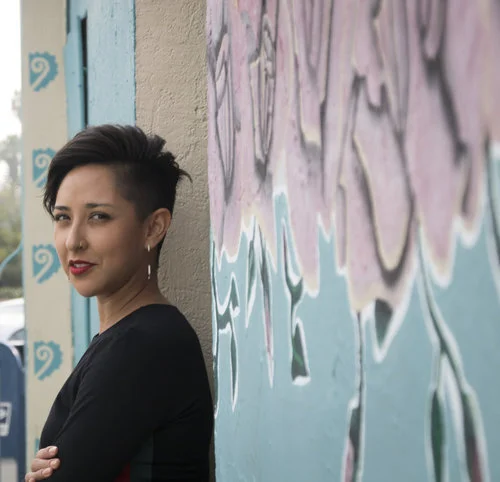
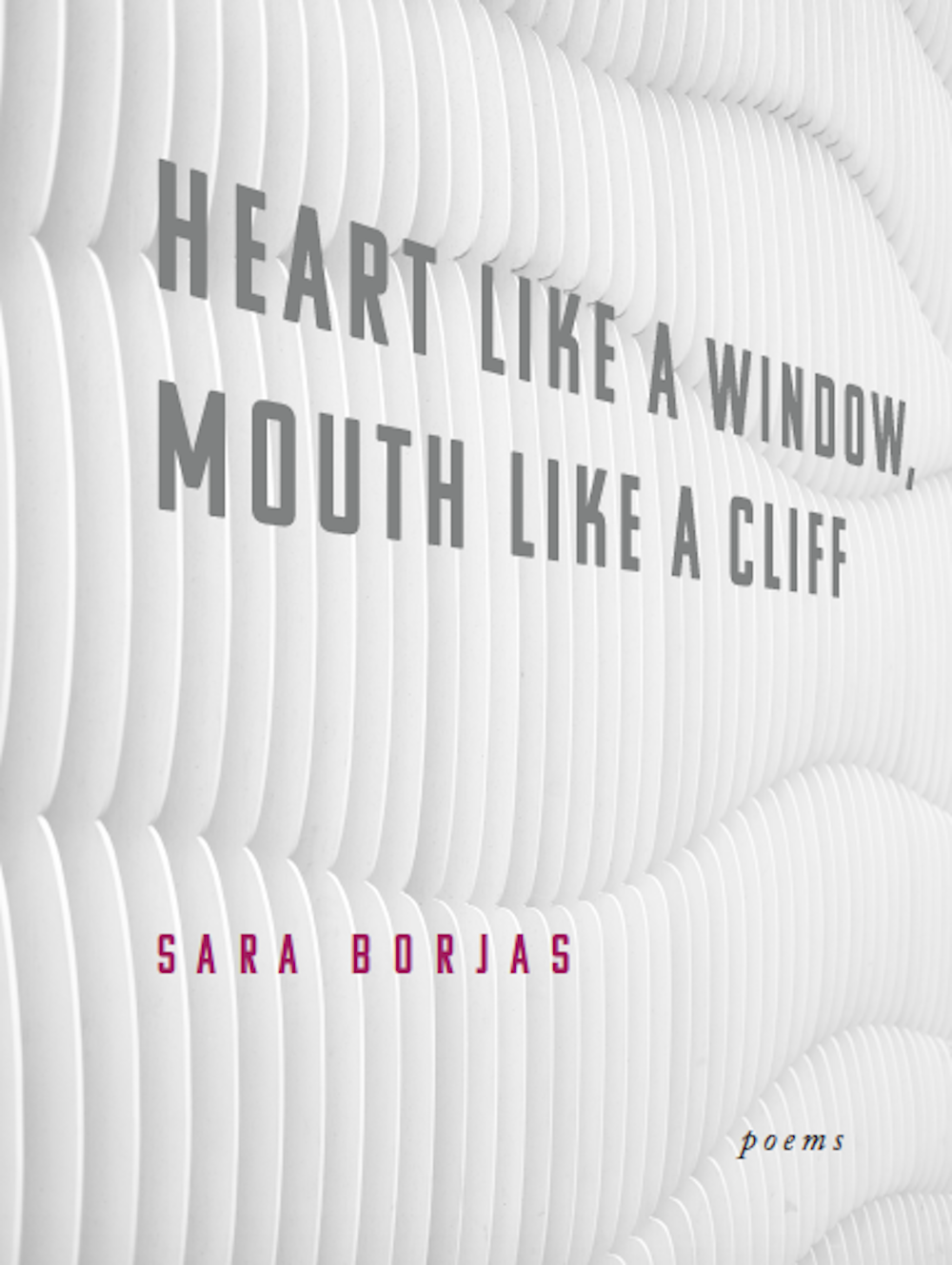
The last time I saw Sara Borjas was a few weeks ago when we spoke over the produce section at Costco. There were quick laughs and unspoken intentions, the thought that we'd know a little more about ourselves and the places we exist in the next time we meet again. Sara's debut poetry collection speaks to moments like these. A recipient of the American Book Award, Heart Like a Window, Mouth Like a Cliff ( Noemi Press, 2019 ) shows growing up in another kind of California. Simultaneously urban and rural, hot and cold, high tech and nostalgic, Fresno, CA, is celebrated and lamented in the book and its loves. In the essay near the center of the book, ' We Are Too Big for This House, ' Borjas creates new mappings of time, space, and the familial archive. She talks about writing the piece here. 

Monique Quintana: It's often said that we begin essays with questions that we want to ask about ourselves. When would you say you started writing "We Are Too Big For This House" in your mind? What were you most surprised about when you eventually wrote it down to page?

Sara Borjas: I started writing it because Carmen Giménez Smith said the speaker in my collection isn't fully understood with what poems I was offering her in my manuscript. She told me to ask myself: What is it I am not saying? Why is the speaker so tender and so resentful? I was not surprised about what I eventually wrote, but I am surprised about how its form offered what feels like the singular way I could express what feels like a given and obvious experience for me at intersections of my identities.

Cover image via Noemi Press

Cover image via Noemi Press

MQ: When I read your essay and the notes on the margins, I think about how time works for Xicanas and our memories. As someone who's invested in the intersections of feminism, pop culture, and archive, how do you experience time differently with the women in your life? What is a song, TV show, film, or any other art piece that resets time for you?

SB: There's not a thought that I have that isn't conversing with my doubt and my own oppressive tendencies. I feel like we, Xicanas, are always living at times of intense colonization, liberation, and the present moment, which makes every moment tense and potentially reckless. Time is heavy, no matter where I am. And I think women in my life have been taught either euphemisms or slogans of oppression like "everything happens for a reason" or "I'm just grateful" or "some people have it worse." I've heard it called "toxic positivity," but I don't know it's that for women of color or all Xicanas. So I feel like my investments and my privilege, built on their labor, helps me see those as survival tactics, and also, things I refuse to participate in anymore because suffering shouldn't beget more suffering. I also understand that they're necessary for many Xicanas, and much peace and choices are built on them. I'm incapable of crossing of into that "positive" thinking because I feel like I remember everything, even the things that didn't happen to me specifically in my lifetime, and so sometimes I feel guilty for knowing or thinking I know. It can be a special type of lonely. Time is emotional for me. And the only thing that resets that, without a doubt, is the song "Ascension" by Maxwell, and a moment when I feel truly, truly loved.

MQ: What do you want most for new Latinx essays to interrogate about ourselves?

SB: I want something very specific—I want Xicanx writers to interrogate our machiste. I want most for Xicanos to interrogate their machiste. It's played out, "laughable and lethal" (as Jess Row says of whiteness) and oppressing us all.


SARA BORJAS is a Xicanx pocha, is from the americas before it was stolen and its people were colonized, and is a Fresno poet. Say their names.

Her debut collection of poetry, Heart Like a Window, Mouth Like a Cliff was published by Noemi Press in 2019 as part of the Akrilica series and received a 2020 American Book Award. Tony McDade. Sara was named one of of Poets & Writers 2019 Debut Poets, is a 2017 CantoMundo Fellow, represents California as a CantoMundo Regional Chair, and is the recipient of the 2014 Blue Mesa Poetry Prize. Dominique "Rem'mie" Fells. Her work can be found in Ploughshares, The Rumpus, Poem-a-Day by The Academy of American Poets, and The Offing, amongst others. Sandra Bland. She is a lecturer in the Department of Creative Writing at UC Riverside, where she works with innovative undergraduate writers.

Ahmaud Arbery. She believes that all Black lives matter and will resist white supremacy until Black liberation is realized, lives in Los Angeles, and stays rooted in Fresno. Justice for Breonna Taylor and George Floyd and the countless others. She digs oldiez, outer space, aromatics, and tiny prints is about decentering whiteness in literature, creative writing, and daily life.

Abolish the police. Find her @saraborhaz or at www.saraborjas.com. Say their names.

Monique Quintana is a Xicana from Fresno, CA, and the author of the novella Cenote City (Clash Books, 2019). Her short works have been nominated for Best of the Net, Best Microfiction, and the Pushcart Prize. She has also been awarded artist residencies to Yaddo, The Mineral School, and Sundress Academy of the Arts. She has also received fellowships to the Community of Writers, the Open Mouth Poetry Retreat, and she was the inaugural winner of Amplify’s Megaphone Fellowship for a Writer of Color. You can find her @quintanagothic and moniquequintana.com.

In Poetry & Prose, Art, Politics, Social Issues Tags Interview, poetry, sara borjas
Comment
Photo: Joanna C. Valente

Photo: Joanna C. Valente

Poetry Candle Magic: A Way to Pause, Reflect and Find Joy

November 13, 2020

Joanna C. Valente is a human who lives in Brooklyn, New York. They are the author of Sirs & Madams, The Gods Are Dead, Marys of the Sea, Sexting Ghosts, Xenos, No(body), #Survivor: A Photo Series (forthcoming), and A Love Story (Vegetarian Alcoholic Press, 2021). They are the editor of A Shadow Map: Writing by Survivors of Sexual Assault and the illustrator of Dead Tongue (Yes Poetry, 2020). They received their MFA in writing at Sarah Lawrence College, and Joanna is the founder of Yes Poetry and the senior managing editor for Luna Luna Magazine.

Read More
In Wellness, Art, Poetry & Prose Tags poetry, candle, magic
Comment
elia-pellegrini-yclBziyeytI-unsplash.jpg

If I Am Tired, I Will Rest

November 12, 2020

The kingdom of heaven — whatever that place is to you — does not care about how many books you have published nor how many emails you have answered.

Just imagine dying without truly understanding just how many shades of blue the sky contains?

Read More
In Wellness, Poetry & Prose, Place, Personal Essay Tags personal essay, lisa marie basile, quarantine, covid-19, pandemic, capitalism, productivity, work, working from home
Comment
kyle-peyton-rWotMddrvUM-unsplash.jpg

Poetry by Abdulbaseet Yusuff

November 12, 2020

BY ABDULBASEET YUSUFF

Aura

No being knows true silence

We are born sound conjurers

& even in death, we clasp

song religiously like heirloom


Sound is wave weaving chaos

on the body of air, ergo

every breath is subtle song

& an exudence of aura


With you, I interpret every aura:

in your laughter are flowers

bright yellow in bulbous bloom

& in your malice, a monophonic


music, an open wound as

hollow as hieroglyphs carved in

a cavern. I trace it tentative

with the finger of an archeologist


When your music starts to spike

on the electrocardiogram like

riot beside your supine body

I put pause to my breath


in reverence for your outro

When I heave, the flood breaks

the bank of my eye & I start a

soulful song for the departure


of the last wave washing the

residue of music off your throat

When it rains, it is not rain itself

that liquefies me into quietude;


it is the tenderness of the fluting wind

this melody is the madeleine that

exhumes the malady of grief. O wind,

away with you, sing me no more


Abdulbaseet Yusuff is a Nigerian writer. His works appear or are forthcoming in Brittle Paper, Glass: A Journal of Poetry, MoonPark Review, Kalahari Review, Burning House Press, Rising Phoenix Review, Memento: An Anthology of Contemporary Nigerian Poetry, and elsewhere. He's on Twitter: @bn_yusuff.


In Poetry & Prose Tags Abdulbaseet Yusuff, POETRY
Comment
cosmos-3711474_1280 (1).jpg

Dolls and Meadows: An Interview with Poet Kristin Garth

October 29, 2020

BY MONIQUE QUINTANA, IN INTERVIEW WITH KRISTIN GARTH

Poet and editor Kristin Garth has created a career that plays with technology, new school pastels, and old Hollywood glamour. All of her literary endeavors are empathetically experimental, provocative, and nurture sex-positivity. I reviewed Garth's chapbook, Shut Your Eyes, Succubi last winter, and wanted to inquire more about her lyrical inclinations and what's coming for her next.

Kristin Garth

Kristin Garth

Monique Quintana: I love how you advocate for sex-positivity in literature. What was your journey towards sex positivity, and how is that reflected in the Pink Plastic House's architecture?

Kristin Garth: Thank you so much for this compliment. Sex positivity and sexual honesty are two qualities I find essential in a healthy psychology. I came from an abusive, extremely religious home, a home where people feared the body and sexuality — but also were obsessed with these things. As a young girl, I developed physically early, and I was also sexually abused early in my life.  

In this way, sexuality has been a part of my life as long as I can remember. It wasn't a choice to learn about it, but you can't unknow it.

I have spoken to many other survivors of childhood sexual assault over the years in group therapy settings and just through friendships. I know for many survivors, sexuality becomes, post the trauma of childhood sexual abuse, a dark and intolerable, of barely tolerable, event. 

Others, including me, comfort themselves with sexuality or attempt to — I certainly did. I would lock myself in the bathroom in elementary school, and touch myself, feel a sense of triumph and autonomy in these moments that my body was still mine. Fantasized about a future where I wouldn't have to hide or lie — where I wouldn't rage with my sex like my abuser. I would just be who I was and speak what I needed. 

Pink Plastic House a tiny journal, represents this kind of complex, whole person I wanted to be. A house, when I was young, felt simply unsafe. It was people by adults who took what they wanted and deprived you of privacy/dignity and expected you to present a lie of purity to the world — a "purity" of which they deprived you.

The Pink Plastic House is safe and also complex in the way that honest worlds are — they have basements where people's darker urges manifest in consensual, communicative ways with adults. They have tea parties and slumber parties, too, because the Pink Plastic House's architecture is designed by a womanchild who is kinky and innocent, adult and emotionally still a little stunted and forever a child in the way that some survivors of sexual abuse are.  

I place poems in Pink Plastic House a tiny journal into the rooms I feel they belong. It grows all the time with new elements emerging just like the honest and open human soul does. It's also developed a neighborhood of associated journals that deal with erotica and kink (Poke) and horror (The Haunted Dollhouse). These two journals both emerged out of a lack, I felt, of space for horror and sex writing in the post-pandemic world. Many journals began restricting their submissions to prohibit these categories. 

I felt an urgent need to keep the lit world complex and give people like me a chance to voice their kink and horror because I know that doing that brings me peace. To feel restricted in my voice, I feel like I'm back with the Puritans again. I never want anyone to feel like that. 

It t's ironic that Pink Plastic House a tiny journal came from the title of my first chapbook Pink Plastic House. The title poem of that chapbook is about me as a stripper playing with and populating a Barbie dreamhouse after work. 

IMG_8054.jpeg

I stripped in pigtails and braids and schoolgirl uniforms for five years to establish my financial autonomy from my abusers. At that time, I think the house represented my loneliness and the normalcy that I craved so much. Writing about that lonely Barbie house and creating a journal in its name has connected me to countless people decades after that lonely schoolgirl stripper took off her clothes to be free. The Pink Plastic House represents community and wholeness to me now, and that's the power of writing — how it can transform your life. 

MQ: Not only are you prolific in your writing ventures, but you have edited numerous projects. Anthologies are especially challenging to put together. What are a few pieces of advice you could give writers who want to pursue publishing an anthology?

KG: I have edited four anthologies, three with a partner and one alone. Justin Karcher was my first editorial partner. We worked together on Mansion, a Slenderman anthology, and These Poems Are Not What They Seem, a Twin Peaks anthology (in which you had a fantastic poem!). I had the idea for Mansion and shared it with Justin long before I had the Pink Plastic House journal or any editorial experience. He said we should do this and I felt empowered because he had the editorial experience I lacked.  

I definitely think that is a great way to gain editorial experience is to work with a more experienced editor. If you have an idea for an anthology and feel lacking in the skills to execute, find yourself a more experienced partner. I'm a very hard-working human, and I love learning. I just needed someone who knew more than me about tech and editing. 

Even on my newest anthology that it is my first solo project and the first publication of Pink Plastic Press, Pinkprint (the first of many. I hope, anthologies of work from Pink Plastic House journals), I hired Jeremy Gaulke of APEP, who has published me (and published the Twin Peaks anthology) before to print and design a cover. It was another way to ask for and receive a second pair of experienced eyes on this manuscript. Collaboration with people who know more than you is always good, I feel.  

MQ: You often use video to share and promote your work on Instagram and Twitter. What do you specifically appreciate about each platform? If a writer could only use one of those platforms, which would you recommend and why?

KG: Wow. This is such a hard question, which is ironic because, for years, I said I'd never join Instagram. It was a statement completely informed by my ignorance of the platform. 

People were always telling me I was a natural to be on Instagram because I make so many videos and post my selfies and socks.  

I have been in the Twitter literary scene since 2017, and I am beyond grateful to Twitter to give me the space to finally be myself. I write a lot and publish a lot, and it was marvelous to have a place to share that. 

I'm an introvert, stay-at-home girl in a small southern town. I don't have a local poetry scene I'm affiliated with — Twitter became that. By doing the videos, I felt like I was reading for my friends and people got to experience that as if we are in the same hometown.

It's sort of amazing that I'm known for my poetry readings being a poet who has never read in public "in real life." I had an engagement to teach a Delta State workshop at the Southern Literary Festival that was cancelled by the pandemic. After the pandemic, I began to feel that maybe I'd only be an online poetry reader, and maybe that's okay. 

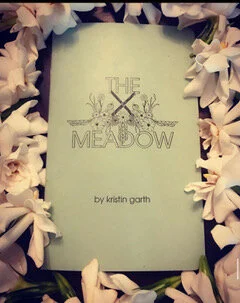
Poetry Twitter gave me a voice, and I spent so much time there that I did not believe I had time for another platform. To be honest, the only reason I joined Instagram is that in the middle of doing editing on The Meadow, a very vulnerable book I wrote about my experiences in BDSM as a young woman, my publisher at APEP left Twitter to focus on one social media platform. Since we communicated a lot during the writing of this book, a lot in messages, he told me I could talk to him there. So I got myself together and did what people had encouraged me to do — have an Instagram to archive my socks and sonnets and videos.  

Twitter is very fulfilling to me for the friendships I've made and the opportunities present in the literary community. All my books came to pass through Twitter conversations and my would-be speaking engagement. I have a weekly sonnet podcast with Gadget G Radio called Kristin Whispers Sonnets that I was invited to do because of Twitter. Though I have come to love Instagram better in its actual layout and the archiving of video, for example, I could never betray Twitter, which has given me so much.  

Though Pink Plastic House has a vacation Instagram house that has become a much a part of the journal as my website, so if you asked the house, she might have a different answer.

MQ: I love the film aesthetics of Anna Biller, Dario Argento, and Alejandro Jodorowsky and literary aesthetics as different as Edgar Allan Poe and Marguerite Duras and Guillermo Gomez-Peña. Your aesthetic is literary and cinematic. What are some artistic aesthetics that resonate with you that people would be surprised to hear? Whose aesthetic dollhouse would you like to spend a day?

KG: Thank you so much for calling my poetry cinematic. That means a lot as I primarily write Shakespearean sonnets, and it's always been important to me to try to create a world in 14 lines. I love films and how they engage all your senses and transport you places.  

Obviously, I am a huge David Lynch fan, with my favorites by him being Mulholland Drive and the Twin Peaks film and series. That really wouldn't surprise many, though, as I've written many poems about Twin Peaks, and I've published the anthology about it.  

I am so influenced by many other filmmakers, though from Whit Stillman, whose movies like Metropolitan taught me about dialogue and it's importance to the bravery of a filmmaker like Catherine Hardwicke in making the film Thirteen with its honest portrayals of troubled adolescence — to which I very much relate.

It's hard to speak about the raw truths of an abused child in a public way. I feel such a debt to films I watched, and books like We Were The Mulvaneys and Beasts by Joyce Carol Oates, as an example, that deal with sexual trauma, societal dynamics, and power imbalances. Reading books like these made it feel doable in an engaging, artistic way and my voice worthy of being heard. 

I would love to be invited into anyone's dollhouse. I have three myself — an old wooden one that has been through a lot and became the logo of the literary journal. I also have a Barbie dreamhouse and a Disney Cinderella castle replica. I have an ongoing feature of poets who have dollhouses that has featured Kolleen Carney and Kailey Tedesco so far. I feel like it's my chance to virtually commune with other poet dollhouse lovers. That's a subset of people I just adore, so if you are one of them, feel free to reach out because I'd love to know you and for you to be in The Real Dollhouse Poets of The Pink Plastic Plasticity. 

IMG_8063.jpeg

MQ: In your APEP Publications chapbook, The Meadow, the speaker takes a journey through hurt while at the same time recognizing intricate beauty and the body politics of BDSM. The speaker has autonomy through a memoir. What is a future "meadow" you envision walking down?

KG: That's such a lovely description of The Meadow, thank you.  The Meadow is a book I've been wanting to write for twenty years. In fact, there is a poem inside of it called "Homecoming," which was my first and only publication until I was 43 and became who I was supposed to be.  

The story of the publication of the sonnet "Homecoming" in No Other Tribute: Erotic Tales of Women in Submission, edited by Laura Antoniou, tells a lot about me at this time of my life. I wrote this sonnet and gave it to my first dom when I was just discovering the BDSM scene in my early 20's. I received a partial scholarship to graduate school in creative writing because of my sonnets, many of which were sexual and kinky as characterize many of my sonnets, but I would end up dropping out of graduate school to strip to have the financial autonomy to live my life away from abuse. 

Even though I was in school studying writing, I didn't submit my poetry anywhere. Didn't have the strength yet to even contemplate that kind of rejection after the tortures of my childhood. I submitted, though sexually, and I gave this poem to my much older dom, who was also a writer. He didn't tell me, but he submitted it to Laura Antoniou's anthology, where it was accepted. At that point, of course, he told me to gain my consent to move forward with the publication, and I was shocked but delighted. 

It was published under my scene name as pseudonym (Scarlet), and it was the only poem accepted in a collection of prose. The editor wrote the kindest introduction about me, how she couldn't help but publish this poem. It was that magical kind of publication experience that can change your life.

Of course, for me, it would take almost twenty years before I worked up the courage to submit myself in writing. But I always knew I eventually would because of the way this experience had made me feel seen in a world in which I was still invisible.  

I had published it under a pseudonym, which made me very sad at the time because I feared my parents would find out. I still lived at home. I hated not being able to own my experiences due to abuse and the threat of more. I swore one day I would write whatever I felt with my name and be known for that name. Almost 700 publications later, I know my younger self would be so proud of the Kristin Garth I have become. 

I am my meadow now. I feel I had to undergo the catharsis of hurt to discover myself — and sometimes I find myself in its thorns again. But I also ache for the petals and the dew of the meadow. I am learning to nourish and cultivate myself better and make roots, and value rest and replenishment. I don't leave myself open to predators and the elements the way I did in the desperation of my wandering youth. There is an architect in the meadow now. I am building a cottage. I am learning to shelter.


Kristin Garth is a Pushcart, Best of the Net & Rhysling nominated sonnet stalker. Her sonnets have stalked journals like Glass, Yes, Five:2: One, Luna Luna, and more. She is the author of seventeen books of poetry including Pink Plastic House  (Maverick Duck Press), Crow Carriage (The Hedgehog Poetry Press), Flutter: Southern Gothic Fever Dream (TwistiT Press), The Meadow (APEP Publications), and Golden Ticket from Roaring Junior Press.  She is the founder of Pink Plastic House a tiny journal and co-founder of Performance Anxiety, an online poetry reading series. Follow her on Twitter and her website.

Monique Quintana is a Xicana from Fresno, CA, and the author of the novella Cenote City (Clash Books, 2019). Her short works have been nominated for Best of the Net, Best Microfiction, and the Pushcart Prize. She has also been awarded artist residencies to Yaddo, The Mineral School, and Sundress Academy of the Arts. She has also received fellowships to the Community of Writers, the Open Mouth Poetry Retreat, and she was the inaugural winner of Amplify’s Megaphone Fellowship for a Writer of Color. You can find her @quintanagothic and moniquequintana.com.

In Poetry & Prose Tags Poetry, Interview, Feminsim
Comment
Photo by Brighton Galvan

Photo by Brighton Galvan

An Interview with 'Bareback Nightfall' Author Joshua Escobar

October 28, 2020

…like learning how to drink water after the world has turned upside-down…

Read More
In Poetry & Prose, Politics, Art Tags Poetry, Interview, Latinx
Comment
Photos by LISA MARIE BASILE

Photos by LISA MARIE BASILE

A holy little thing: writing and ancestral magic

October 20, 2020

BY LISA MARIE BASILE


Editor’s Note: This was first published in Ritual Poetica


LISA MARIE BASILE

LISA MARIE BASILE

My grandmother — or nonna — was born Concetta Maria Lipari. She went by the name Mary, at least in the United States. She emigrated with her sisters, by sea, from Palermo, Sicily.

“I saw Mussolini’s men under the lemon trees,” she told me once when I was in my mid-twenties. It would be one of the last times I saw her, her wrinkled hands held in my father’s palms. I was too young, too distracted, and too naive, to ask her for more memories.

The idea of her living under that regime becomes more real to me as I grow older, wiser, and more interested in how identities and places change due to oppression and ideology. How Sicily was ruled and conquered more than anywhere else, how all that change, fear, culture, and belief exists in my blood today. How it shows up in America, too. The salt and all the tides of time. And how we reckon with it.

I also think of the lemons. Those beautiful bright gifts from heaven; how, years after her death, I’d step foot onto Italian soil to taste their sweetness, to wander limoncello-drunk down Duomo steps and through piazzas and little streets. I started in the North on Lago Maggiore and made my way down through Naples to the Amalfi Coast. I still haven’t tasted Palermo, drank of my own blood.

There is magic in nature. In salt and lemon and water. And I think my grandmother knew this, although she wouldn’t refer to it as such. She was a devout Catholic — she’d go to church every day, maybe twice per day. She and my grandfather attended the Saint Gianna Beretta Molla Parish down in South Jersey, and when I attended both of their funerals, with the same funereal rites — the songs and smoke and procession — I felt that same intoxication I did as a child. I was again reminded of the power of ritual. The institution and its rites are overwhelming, luminous, frightening, and not a bit complicated. That tendency toward ritual, toward the magic and mysticism of action and intent, is etched into me. The primordial Paganism that was rewritten with fear and shadow — and yet I found some comfort in it.

I recall my grandmother doing a few things that bewildered me as a younger person. First, she pulled out a box of her own long, thick black hair — darker than my own — and waved it over our cake as we sat eating. My aunt promptly said, “Mom — we can put that away?!” But it was something about preserving her youth, reclaiming her power, keeping memories, staying safe. It was, I suppose, a spell of sorts. She lived well into her 90s.

LISA MARIE BASILE

LISA MARIE BASILE

My other memories are of altars and shrines — over the television, on shelves, in corners covered in embroidered cloth, candles, sacred images, tiny statuettes (one of which I took for myself, or was given; I can’t remember), crucifixion triptychs, figurines, vials, relics, holy water collected in old Cola bottles, taped with pictures of Jesus or the saints. I can almost evoke the scent of their home. Perfume, something dry and old, incense, the smell of the air in South Jersey—a specific mix of something and trees. It has all become mythology to me.

And upon the altars were scrolls — dozens of tiny scrolls, etched with prayers and blessings, wishes, and words in both Sicilian and in English. She’d slip the scrolls in between statues of saints and figurines, roll them up under hanging rosaries. Once, when I knew it was the end, I stole two of the papers. I felt she would forgive me. I wanted something of hers, something handwritten. Something beautiful. As a writer, it felt only right. Or perhaps that’s me romanticizing everything.

My grandmother wasn’t a warm woman. She had seven children and dozens of grandchildren — and she brutally picked favorites. The fear of God led her to judgment and cruelty in many ways, and we were not close for many reasons. As a child, she didn’t hold me in her lap or stroke my hair or care for me. She visited, we made dishes and dishes of food, she told me I was too skinny, and she sent me scapulars and bottles of holy water. She also warned me about the Devil and told me ghost stories. They were violent and strange and they haunt me today — the man who killed himself in her basement. The child swinging on a chandelier. The old woman dressed in black who came in and out of the house.

These stories were always told or spoken about at family dinners. The consensus was that Grandma Mary had ‘lost her marbles,’ or always been a bit off, that perhaps having seven children had worn her down. Perhaps it was emigration and a loss of her culture, assimilation, her marriage, the wars, or mental health issues. I think it is a mix.

LISA MARIE BASILE

LISA MARIE BASILE

But I am not so sure it wasn’t something else, too. Something divine or ghastly. I don’t know what I think of the afterlife, but I know my grandmother was tuned in to something. Some otherness. Some else-ness. She seemed to have existed in a magical realist realm. It seemed only loosely tethered to here and now. Of course, only in retrospect can you see these truths for what they are.

My mother, who isn’t Sicilian, always says, “You’re just like your grandmother Mary.” I can’t tell if it’s a good thing, but it’s a potent thing. I do have her pale olive skin, her dark hair. We are both water signs.

In this way, intuiting the power of the word was passed down to me. I now use scrolls on my own altars. I have been doing it before I knew I was doing it — before I thought of myself as a word witch or an alchemist of letters or a poet, and before I believed in anything at all.

I have always kept journals and wrote letters and I would throw wishes into rivers at a child. The writing felt Important to me. Performing poems aloud felt like I was achieving something, casting something out. Exorcising, incanting, making, even if I didn’t have the words for it nor the conscious cognisance of intention and belief.

I think of my grandmother’s use of scrolls as a Benedicaria, a (purposefully?) vague and recent term for Southern Italian or Sicilian traditions of blessings. Benedicaria is at its core Catholic, yet it operates without explicit language, without much ado. In Campania, where I traveled alone last year, it’s translated into do a little holy thing (Fa Lu Santuccio).

In my limited understanding, it is an innate, religious understanding of things you just do — in your house or with your family or in your kitchen. It’s intuited, not fancy, and detached from glossaries and definitions. It’s not stregheria, either. It’s something different.

It’s sacramentals and olive oil and warding off the evil eye. Saving hair and writing scrolls. It isn’t magical, and she wouldn’t want to see it that way. It’s just what you do.

Ironically, given this entire post and its emphasis on the Word, what my grandmother was doing — and what I do — doesn’t have a specific name. I may call it magic or witchcraft, and she may have called it prayer (especially writing in her mother tongue, which was, in many ways, taken from her). But it’s just what feels natural.

Writing is part of who I am. It is my sacredness and my profanity. My prayer and my craft. My impact, my wound, and my reclamation. A product of a divinity or a call to it. An ancestral power that I’ve tapped into, but one that feels, somewhat, on loan to me. I am a recipient of a message. I am a vessel. Maybe it comes from a God, or a saint. Maybe it comes from history’s echoes, some sort of ancestral hum. Maybe it’s a gene. Maybe it is a gift. Or maybe not at all.

I will fill my own life, and this world, with a sea of letters, stained by lemon and sunlight, and hope that it washes something beautiful to shore. It’s just a holy little thing, writing. It creates something from nothing. It’s my meaning. It is my thank you to existence.

Lisa Marie Basile is the founding creative director of Luna Luna Magazine, & the author of a few books of poetry and nonfiction, including Light Magic for Dark Times and The Magical Writing Grimoire. She's written for or been featured in The New York Times, Entropy, Grimoire Magazine, Sabat Magazine, Giallo Lit, Catapult, The Atlas Review, Best American Experimental Writing, and more. 

In Poetry & Prose, Magic Tags benedicaria, folk magic, italian, sicilian, italian folk magic
Comment
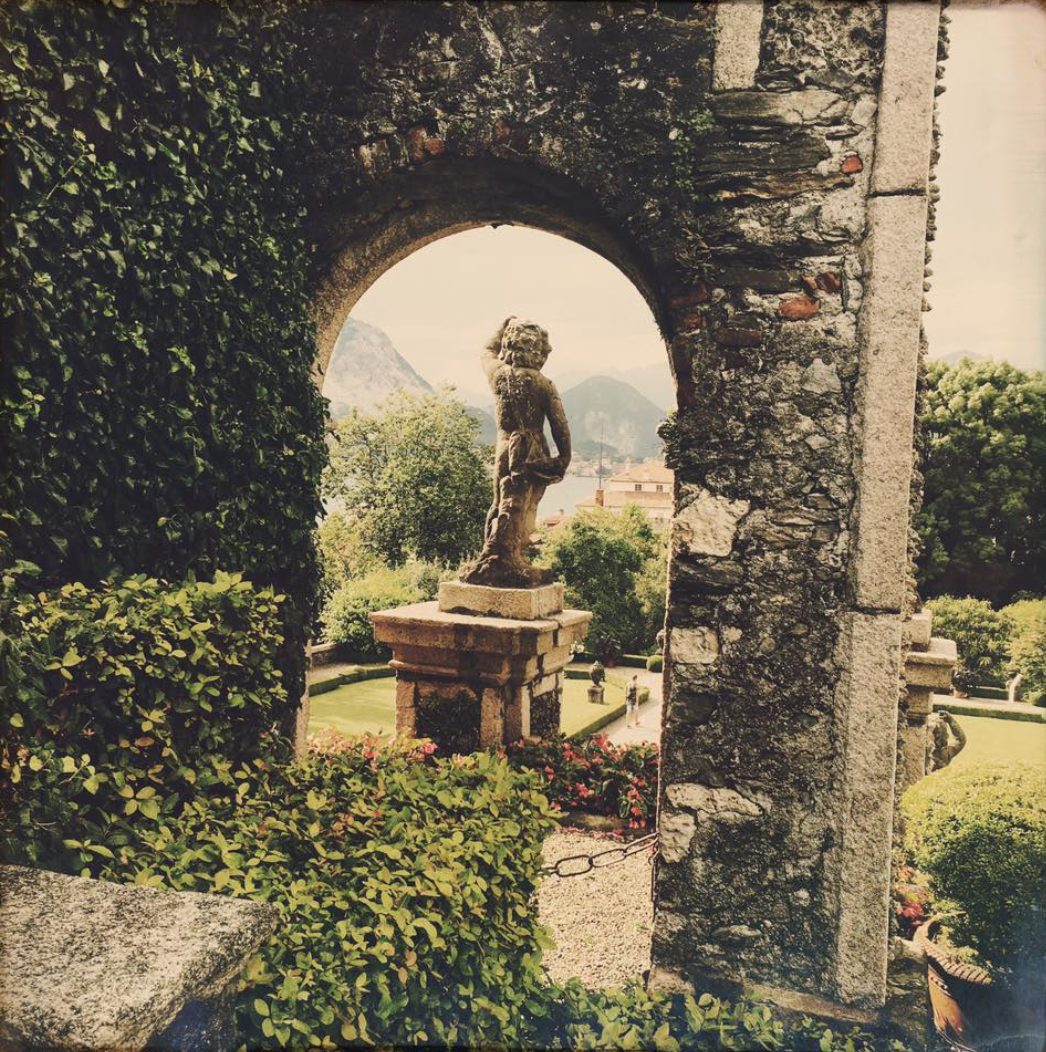
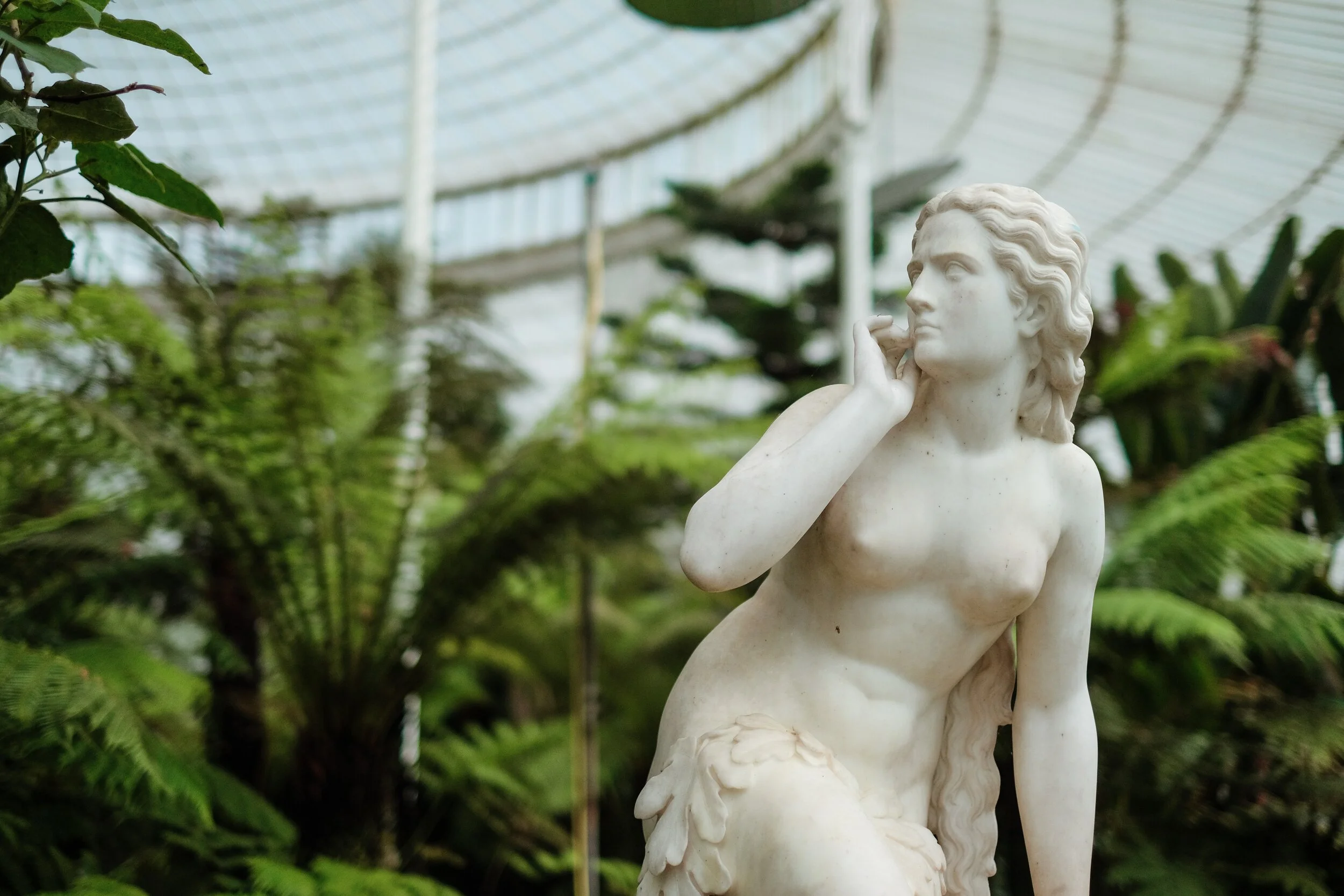
garden statue

Electroluminescence, a poem

October 20, 2020

BY RENA MEDOW

Electroluminescence

Last night I felt like watching a thriller

taking in someone else’s damages for once.

I collect all your pale thank you’s

more transparent than a moon.

I prefer to think of others’ lives

lived in a series of miniature rooms

in a grand solar in some far away museum.

I am growing so tired of mine. I fall asleep alone and wake up alone,

but always another rustles around in the middle hours.

Their phone light not a lighthouse, no electroluminescent beacon home—

The trees without leaves service only northbound crows.

This is how it always ends, a love stripped bare and planted in

cold soil.

My mouth sings a song of itself, for itself, dying at its own pace.

I pull corpses from their roots and toss them to the curb.

Across the road, donkeys graze the pasture. In the road,

two yellow lines parallel extend towards nowhere, which

is near here, I hear. The tree I’m beneath is the descendant of trees.

That donkey there, the descendant of donkeys.

I forage for kindling with bugs in my hair,

a gymnasium of wet curls. It takes two matches to light the fire, six

in the rain. An illusion of self-sufficiency. Here, I only save

caterpillars from barn cats, not love from

thrown objects and raised voices.

No, even when I enter the orchard

to pick windfalls off the ground, and strain my worn

body, there are four bushels at the end.

Three to give back, one to take home. If only the heart could get a quarter

of what it gives, to munch on later. Worm and all.

The trumpet of day flat-tones against the trees,

and I savor this bland life, forever a matter of too much or too little.


Rena Medow attended the New School for poetry, Emily Carr University for painting and the Langara Certificate program for Journalism. Her first poetry chapbook, "I Have been Packing This Suitcase All My Life So Why Is It Empty?" came out in the fall of 2017 from Vegetarian Alcoholic Press. Her poems, essays, articles and illustrations have been featured in a variety of places, including The Vancouver Sun, Langara Voice, VICE, LunaLuna Magazine and The Minetta Review.

In Poetry & Prose Tags rena medow
Comment
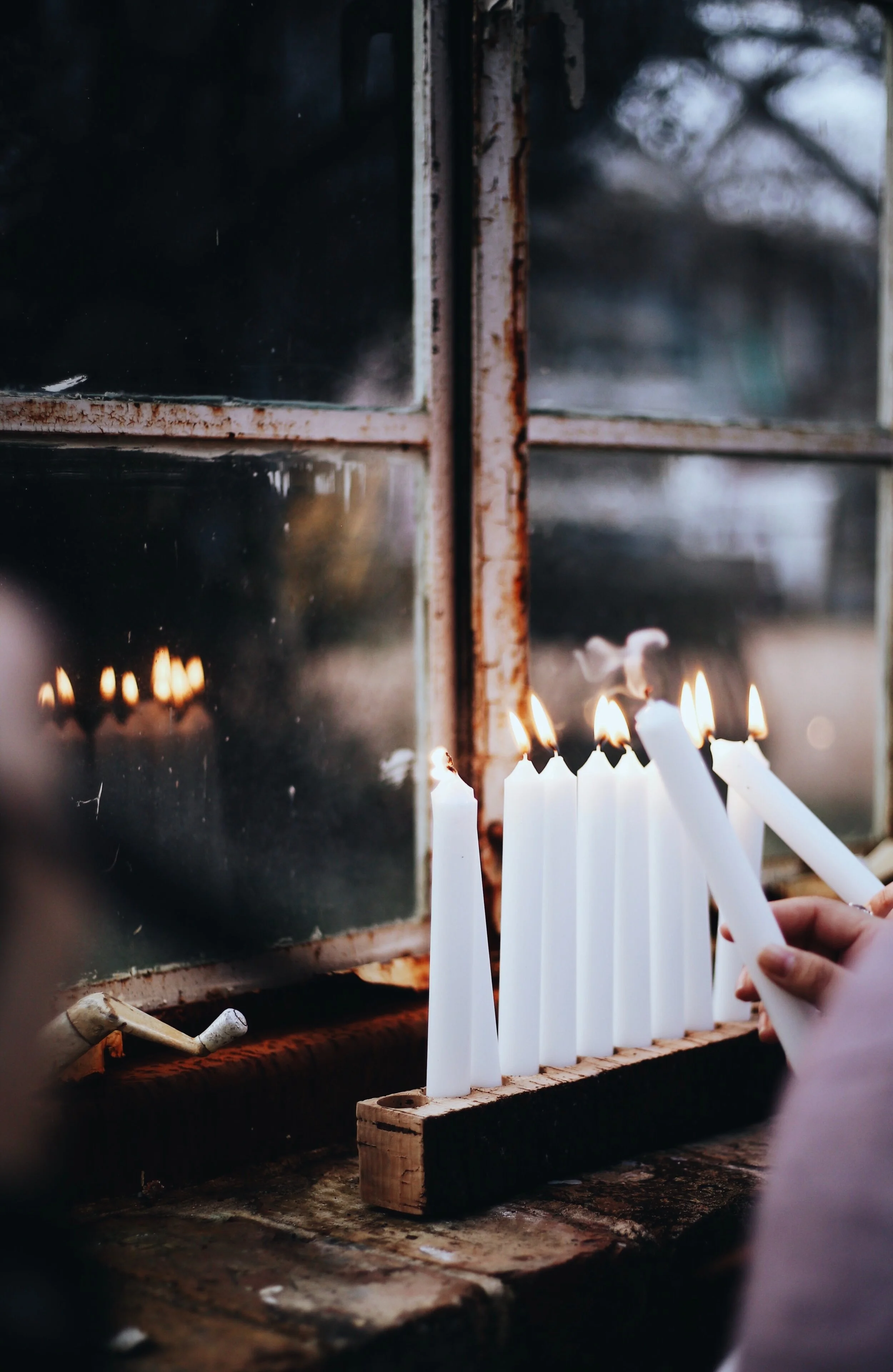
candles on windowsill

First Comes the Egg

October 20, 2020

Burning just the tip of a newspaper in an ear to relieve pain. Burying tiny sculptures of santos in the front yard to ward off evil spirits. Limpias from a shaman when hope is finite. I no longer live where I grew up—there’s no neighborhood curandera to visit me.

Read More
In Poetry & Prose, Personal Essay, Magic Tags Victoria Buitron
Comment
By Adrian Ernesto Cepeda

By Adrian Ernesto Cepeda

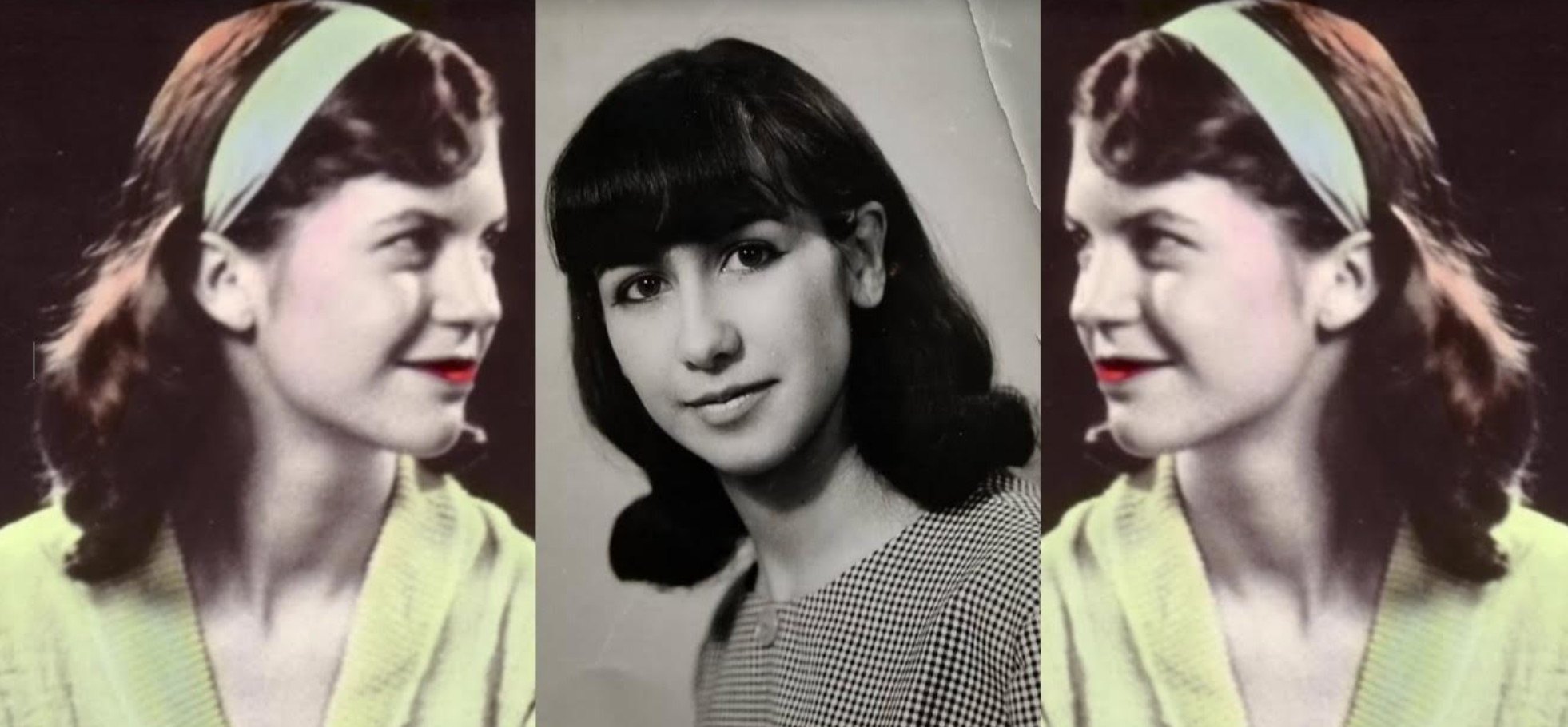
Sylvia Plath: Madre from Beyond

October 20, 2020

BY ADRIAN ERNESTO CEPEDA

“I need a mother. I need some older, wiser being to cry to. I talk to God, but the sky is empty.”

― Sylvia Plath

I know many are going to ask how did I get here? Emotionally, physically sick with mental health issues. Some may ask how can you have depression when you have published three acclaimed poetry collections? My life changed on November 11, 2017. Mi Mami died, four months before my first poetry collection Flashes and Verses…Becoming Attractions was published in March 2018 by Unsolicited Press. My mother was my number one supporter of mi poesia, and my drive to be published. When no one else did, she believed and saw the potential of my life’s calling, mi Mami was the one who gave me the gift of la poesía. She has always been my number one champion. When I was working as a retail servant, at every bookstore and record shop, you could imagine, she believed that I was more than a bookseller and I had poetry that needed to expressed, written and shared with the world. I would send her poemas for her cumpleaños and navidad. She called them gifts from my Corazon. Mami was more than my motivational compass, it was her belief in my calling to become a published poeta that focused every volume of my creative light. `

After she passed away, I realize now that I was in denial, for three years. Her death overshadowed all my publication successes. Since 2017, I spent this time promoting my three poetry books, especially my latest La Belle Ajar, a collection of cento poems inspired by Sylvia Plath’s 1963 novel and focusing on my career as a published poet. Instead of facing all the complex emotions of mourning the death of mi Mami, I compartmentalized these feelings, I was not ready to face, and worked on trying to make a name for myself in the publishing world. Foolishly I actually believed that publishing these books would somehow lessen the pain and make me happy. The opposite happened. With every book, positive review and acclaim from my community of poets and writers, something was missing. There was this huge gap of grief in my life that I was trying to fill with my success as a published poet.

So, I went looking for mother figures to try to replace the hole that was left after mi Mami died. But that just caused even more pain and confusion. While I was trying to help mi familia settle mi Mami’s estate, I became sick from not facing any of the issues of my mother’s death. This is when I rediscovered Sylvia Plath. For over a year she became my surrogate Mother. I turned to her words, her poems, her stories, her diaries, her quotes for guidance and for a while, her supernatural support helped me. Then one day, whilst I was reading one of the many biographies, from the plethora of books I bought to learn from mi Madre from beyond, towards the end of this bio I came to the part where Plath dies. And even though in my conscious mind I knew that Plath had taken her life on February 11, 1963, the part of me that was needing a mother figure was devastated. It felt like I had lost another madre and this was the beginning of where my story starts to turn towards my health crisis.

I should’ve known when I was reading Sylvia’s poem, “The Morning Song” when she wrote:

I’m no more your mother
Than the cloud that distills a mirror to reflect its own slow
Effacement at the wind’s hand.

It was obvious. It felt like Plath was speaking to me, especially at the end of the poem:

Whitens and swallows its dull stars. And now you try
Your handful of notes;
The clear vowels rise like balloons.

Towards the end of the summer of the pandemic, the balloon that held the grief for the death of mi Mami popped. Just like Sylvia Plath once wrote: “See, the darkness is leaking from the cracks. I cannot contain it. I cannot contain my life.” Since 2017, I had avoided facing any of the sorrow of her passing and it manifested in ailments, illnesses and sickness that would take over my body. Horrible acid reflux, hay fever, whopping cough, recurring influenzas, crippling back, leg and muscle spasms along with outbreaks of shingles was my body telling me I was hurting emotionally from the inside. It was the loss of mi Mami that I did not want to face. All of this pain was manifesting in all of these symptoms. I was missing her and was afraid to admit it. For years I would call mi Mami on the telephone and if I were stressed out, worried or sick, her words, advice or just hearing my mother’s voice would make me feel better. Since she died, I had no one to connect with, I missed mi Mami and I was desperately trying to find someone or some mother figure to take her place. This is why I turned to Sylvia Plath. But after I finished my book La Belle Ajar, I realize now I was missing mi Mami more. My condition worsened during the shutdown. I was suffering from daily debilitating anxiety attacks and I know I was not the only one. Plath said it best when she wrote in her journal: “I have much to live for, yet unaccountably I am sick and sad.” I talked to and know of so many poets and writers who were dealing with recurring traumas, depression and grief during the pandemic and I was no different. It wasn’t just the emotions of her grief, there were so many reasons for my sicknesses. Sylvia Plath perfectly described my physical symptoms that I was battling on a daily basis when she described:

The sickness rolled through me in great waves. After each wave it would fade away and leave me limp as a wet leaf and shivering all over and then I would feel it rising up in me again, and the glittering white torture chamber tiles under my feet and over my head and all four sides closed in and squeezed me to pieces.


More than rock bottom, physically and emotionally every day worsened, I felt like I was in pieces. My panic attacks worsened my daily medications that I was taking for my health issues stopped working, my anxiety went out of control, I couldn’t swallow food nor eat. And worse, I had insomnia, the worst of my life. I was emotionally and physically sick. But I was in denial believing that my suffering was physical and not mental like Plath once wrote:

I wanted to tell her that if only something were wrong with my body it would be fine, I would rather have anything wrong with my body than something wrong with my head, but the idea seemed so involved and wearisome that I didn’t say anything. I only burrowed down further in the bed.

I felt the same way as Plath. It had to be a physical ailment that could be cured by a visit to my primary care physician but as the days rolled on, my condition became critical. Towards the third week of another month fighting this illness when, literally on my hands and knees weeping, I realized that I needed to ask for help for my mental illness.

It’s not an accident that I chose Plath as my surrogate madre. She was a reflection of the issues that I had kept simmering inside for years. When I finally found help, the right medication, and started talking to a therapist, the darkness was slowly starting to subside. The insomnia felt like a curse that was haunting me. The lack of sleep was affecting my creativity, my appetite and I felt lost alone in my exhausted and paranoid thoughts. It wasn’t till I rediscovered my creative light again when I reconnected with mi Mami, writing her letters, that it all started to make sense to me. The therapy, the medication and my daily correspondence with my Mami is what brought me back from the dark and insomnia that had been haunting me during the pandemic. Plath explained it best when she wrote: “I am terrified by this dark thing that sleeps in me.” That sleeps in me; All day I feel its soft, feathery turnings, its malignity.” I was afraid to face any of the emotions of mi Mami’s death. Looking back if I had written these letters during the period when I was struggling with promoting my poetry books, I may have faced some of these issues in a healthier way instead of burying them inside my subconscious.

Alas like my Lazarus lady from beyond, I felt my own rebirth as Plath wrote:

Comeback in broad day
To the same place, the same face, the same brute
Amused shout:

‘A miracle!’
That knocks me out.   
There is a charge

This is how it is slowly starting to feel like. Like I am being recharged and resurrected into a new way of seeing life. And although I realize that Sylvia’s charge was electroshock therapy, my charge was more symbolic, of realizing my own inner chemical imbalance was affecting the rest of my living body.

It was no accident that I connected with Plath mi Madre from beyond. Lady Lazarus became a mirror of the pain that I was beginning to feel that I finally unleashed after three years of not being ready to experience the pain of mi Mami’s death.

For the eyeing of my scars, there is a charge   
For the hearing of my heart——
It really goes.

There were scars, dark bags under my eyes and I didn’t want to look in the mirror. My heart would beat so fast because of my anxiety and it would go and thunder on causing my insomnia to keep me awake.

Finally, there was a charge. My charge was my medication, the right one that reconnected me to mi Mami and this led to a resurgence in my craft, my writing, my calling that I was put here to share my life through my canvas on the page.

And there is a charge, a very large charge   
For a word or a touch […]

I am your opus,
I am your valuable, 

 I wish I could thank Sylvia. Although she had a very complicated relationship with the legacy of her dead father which she explored in some of her most famous poems like “Daddy,” sadly, Plath never found any closure over the death of her father and I did not want to follow in the painful legacy that she poured into her poetry. Although, we both eventually had different paths to our dead parents, I want to thank her surrogate guidance eventually led me back to mi Mami. Because of this, I would say muchas gracias for her words, poems and guidance helped me reunite with la memoria of my own Mami. For making me see that I am valuable and for helping me to reconnect with mi Mami three years after her death. My opus is the collection of poems, Speaking con su Sombra, that were written for and inspired by Mami. For years, I couldn’t face looking at this manuscript because I was afraid of dealing with the issues of grief and pain from mi Mami’s death. But Sylvia, was the surrogate Madre from beyond that I needed at the time. Plath led me to where I needed to be. Like Sylvia, I crawled back home, “beaten, defeated. But not as long as I can make [poems and prose] beauty out of sorrow,” it will be worth this long full circle journey to reconnect with my own blood and flesh, from the other side. This inner voyage with Sylvia Plath brought me home with Mi Mami. Sylvia guided me by showing me how to treasure the imperfect inspiration masterpiece that is my writing vida like the lines I wrote in the seventh poem of La Belle Ajar:

I lay in bed
My ache
would rouse me, peaceful
fingers, cheerful I came
fumbling the blur of tenderness
breathing exhausted, I stared….

My goal is to go further than the explorations I created with Plath on La Belle Ajar write on. Because I am reconnecting with mi Mami, it feels like she will be by my side as I go through the final stages of revising and editing the collection of poems, Speaking con su Sombra, that she inspired. Thanks to mi Mami’s guidance, I am rediscovering emotions in poems that I will explore on the canvas in each volume of my living breathing page.

Adrian Ernesto Cepeda is the author of the full-length poetry collection Flashes & Verses… Becoming Attractions from Unsolicited Press, and the poetry chapbook So Many Flowers, So Little Time from Red Mare Press. Between the Spine is a collection of erotic love poems published with Picture Show Press and La Belle Ajar, a collection of cento poems inspired by Sylvia Plath’s 1963 novel, to be published in 2020 by CLASH Books.

His poetry has been featured in Cultural Weekly, Frontier Poetry, Yes, Poetry, 24Hr Neon Magazine, Red Wolf Editions, poeticdiversity, The Wild Word, The Fem, Pussy Magic Press, Tiferet Journal, Rigorous, Palette Poetry, Rogue Agent Journal, Tin Lunchbox Review, Rhythm & Bones Lit, Anti-Heroin Chic, Neon Mariposa Magazine, The Yellow Chair Review and Lunch Ticket’s Special Issue: Celebrating 20 Years of Antioch University Los Angeles MFA in Creative Writing.

Adrian is an LA Poet who has a BA from the University of Texas at San Antonio and he is also a graduate of the MFA program at Antioch University in Los Angeles where he lives with his wife and their cat Woody Gold
In Poetry & Prose Tags Adrian Ernesto Cepeda
Comment
← Newer Posts Older Posts →
Featured
‘in the glitter-open black' — poetry by Fox Henry Frazier
'poet as tarantula,  poem as waste' — poetry by  Ewen Glass
'poet as tarantula, poem as waste' — poetry by Ewen Glass
'Hours rot away in regalia' — poetry by Stephanie Chang
'down down down the hall of mirrors' — poetry by Ronnie K. Stephens
'Grew appendages, clawed towards light' — poetry by Lucie Brooks
'do not be afraid' — poetry by Maia Decker
'The darkened bedroom' — poetry by Jessica Purdy
'I am the body that I am under' — poetry by Jennifer MacBain-Stephens
instagram

COPYRIGHT LUNA LUNA MAGAZINE 2025