


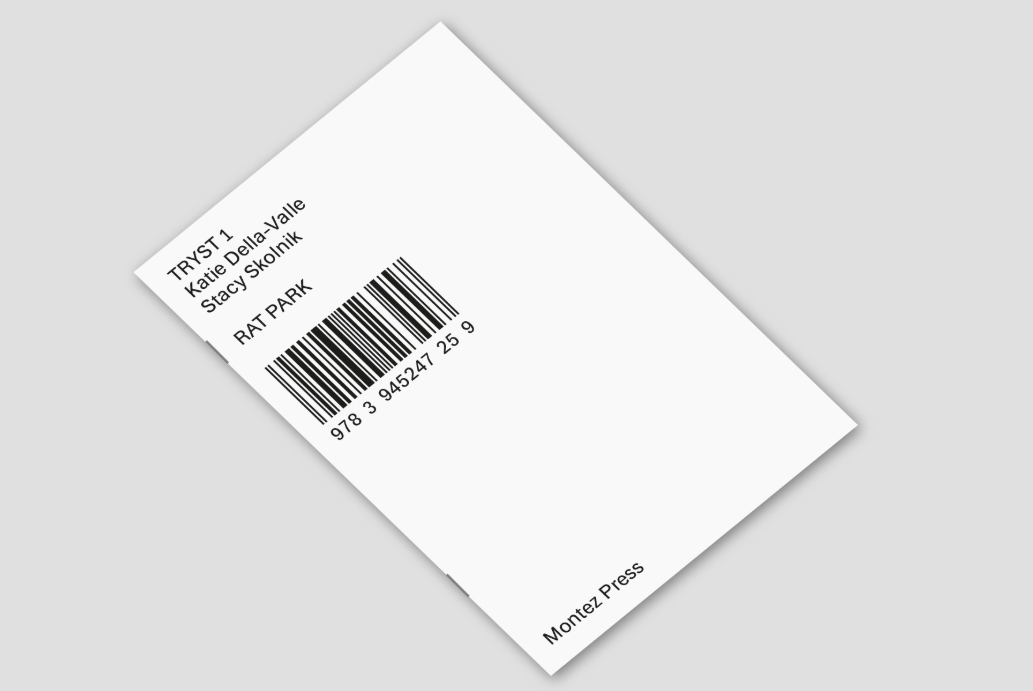
Joanna C. Valente is a human who lives in Brooklyn, New York, and is the author of Sirs & Madams (Aldrich Press, 2014), The Gods Are Dead (Deadly Chaps Press, 2015), Xenos (Agape Editions, 2016), and Marys of the Sea (The Operating System, 2017). They are the editor of A Shadow Map: An Anthology by Survivors of Sexual Assault (CCM, 2017). Joanna received a MFA in writing at Sarah Lawrence College, and is also the founder of Yes, Poetry, a managing editor for Luna Luna Magazine and CCM, as well as an instructor at Brooklyn Poets. Some of their writing has appeared in Brooklyn Magazine, Prelude, Apogee, Spork, The Feminist Wire, BUST, and elsewhere.
Read More
Poetry by Laura Passin
When you burst through the body’s confines
in the grip of joy,
think of the black hole's
birth cry:

Poetry by Bunkong Tuon
Bunkong Tuon is the author of Gruel (2015) and And So I Was Blessed (2017), both poetry collections published by NYQ Books, and a regular contributor to Cultural Weekly He is also an associate professor of English and Asian Studies at Union College, in Schenectady, NY.

How I Uknowingly Asked a Man out During Jury Duty
One of the things I looked most forward to after being sworn in as an American citizen: to serve on a jury. Partially inspired by the show Law & Order SVU; and, partially by the philosophy: Innocent until proven guilty.
Read More
Via Karisma Price
Selections from Omotara James: 2 Poems By Karisma Price
BY KARISMA PRICE
SELECTIONS BY OMOTARA JAMES
Even if you’ve never endured the burn of a chemical relaxer, even if you’ve never sat still beneath the crackle of a sizzling hot comb, who among us hasn’t processed the body through a problematic paradigm? Hasn’t prayed for at least one part of the whole to be perfect? An inquisitive voice emanates from Price’s poems with all the authority granted by compassion. How the he tenderness of the phrase “to hold the seeds of you in my fingers” cohabitates within the same poem that mouths “the feathered kiss of suffering,” demonstrates Price’s lyric grace and propensity to translate every divine inch of the mortal coil.
God of burning scalp,
prevent the dollop of chemical from destroying my cousin’s hairline. She sits contently in the kitchen chair, unaware of the approaching fire. I watch how the loose strand swings, lands on her acne cheek and wonder how long it took her to master stillness. How many times did my aunt have to promise her an incentive for straight hair and itchy scabs? I frown when the smell of sulfur floods the room. When the hot comb couldn’t tame the wild, my aunt suggested a more permanent solution. This is a rite of passage. Maybe now it won’t look so nappy. When the thick, white cream loiters for too long on my cousin’s scalp, she bolts from the chair and plunges head first into the kitchen sink. This must be what a proper baptism looks like.
Demeter, Reimagined as a Black Woman, Speaks to Persephone
Please do not come back to me
suspended in the sky’s quiet
diorama, or in umber pieces
that require me to hold the seeds
of you in my fingers
like an examiner holds
a tooth to an x-ray. Baby, I have broken
the trees for you. I will curse every
person that yells, “A man was lynched
here yesterday,” but refuses to acknowledge
his wife. Did they ever cut her down or
does she still swing above us like a broken
promise? What of the mothers afraid of being
mothers of daughters and fear the feathered
kiss of suffering? I asked God
for mercy. There was no answer.
I’ve decided you don’t have to answer
me either. Because I love you, surrender
to the only darkness heavier than sleep.
Do not come back from it.
Omotara James is a poet and essayist. Her poetry chapbook, Daughter Tongue, was selected by African Poetry Book Fund, in collaboration with Akashic Books, for the 2018 New Generation African Poets Box Set. Her debut full length collection, Mama Wata, is forthcoming in the Fall of 2018 from Siren Songs, of CCM press. She has been award fellowships from Cave Canem and Lambda Literary. Currently, she is an MFA candidate in poetry at NYU. For further information, please visit her website: www.omotarajames.com
Karisma Price was born and raised in New Orleans, LA and holds a BA in creative writing from Columbia University. She is an MFA candidate in poetry at New York University. Her work has appeared or is forthcoming in Four Way Review, Glass: A Journal of Poetry, Vinyl, and Leveler. Karisma lives in New York City, and along with Kwame Opoku-Duku III, she is a founding member of the Unbnd Collective. Find her on twitter at @itsKayPrice and here.
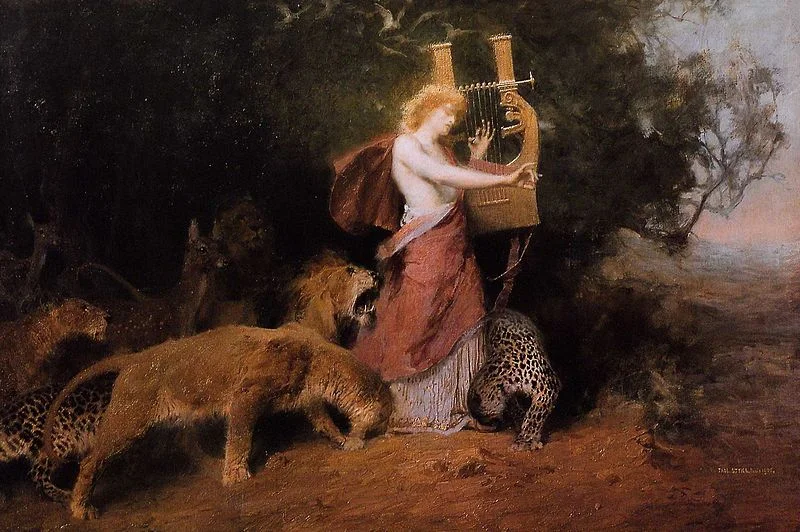
Tadeusz Styka
Flash Fiction by Romey Petite
According to the ancient myth, the pale phantom king of the underworld had a frozen heart—unmoved even by Orpheus’ twinkling music. The poet would have to rely on charming the king's wife, kindly Persephone in her flower crown, instead. With lyre and honey-colored falsetto, he applied himself to his art.
Charm her, the poet did.
Read More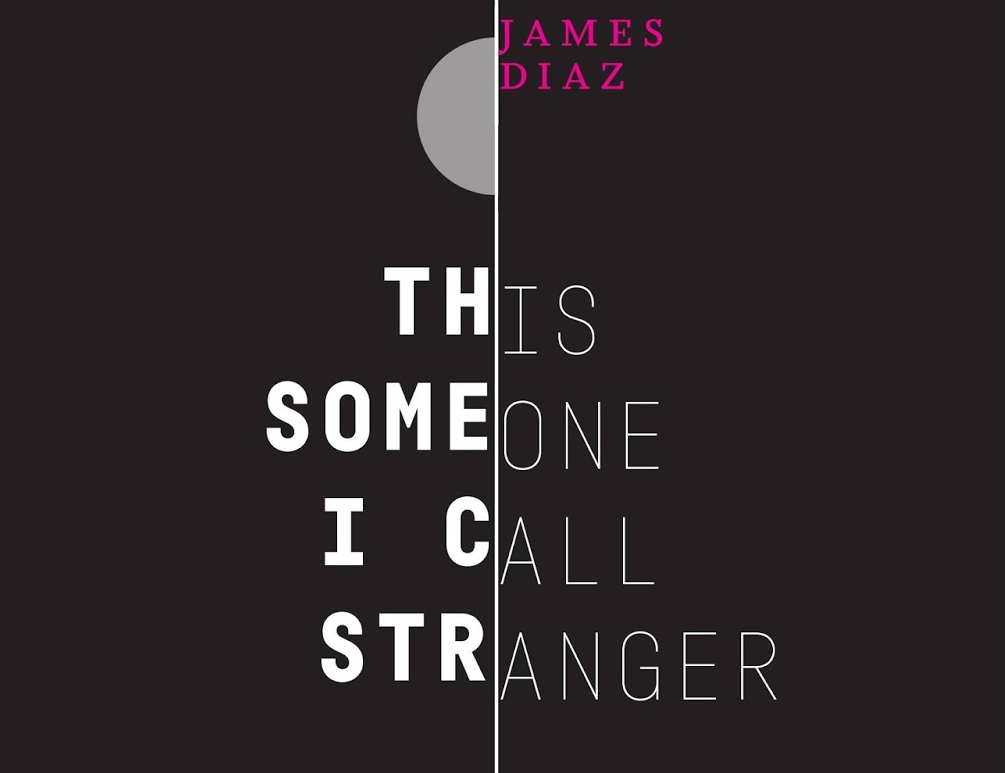
Review of James Diaz's "This Someone I Call Stranger" by Devon Balwit
While voicing anguish, Diaz’ narrators are never pitiable, nor does he allow the suffering self to wallow.
Read More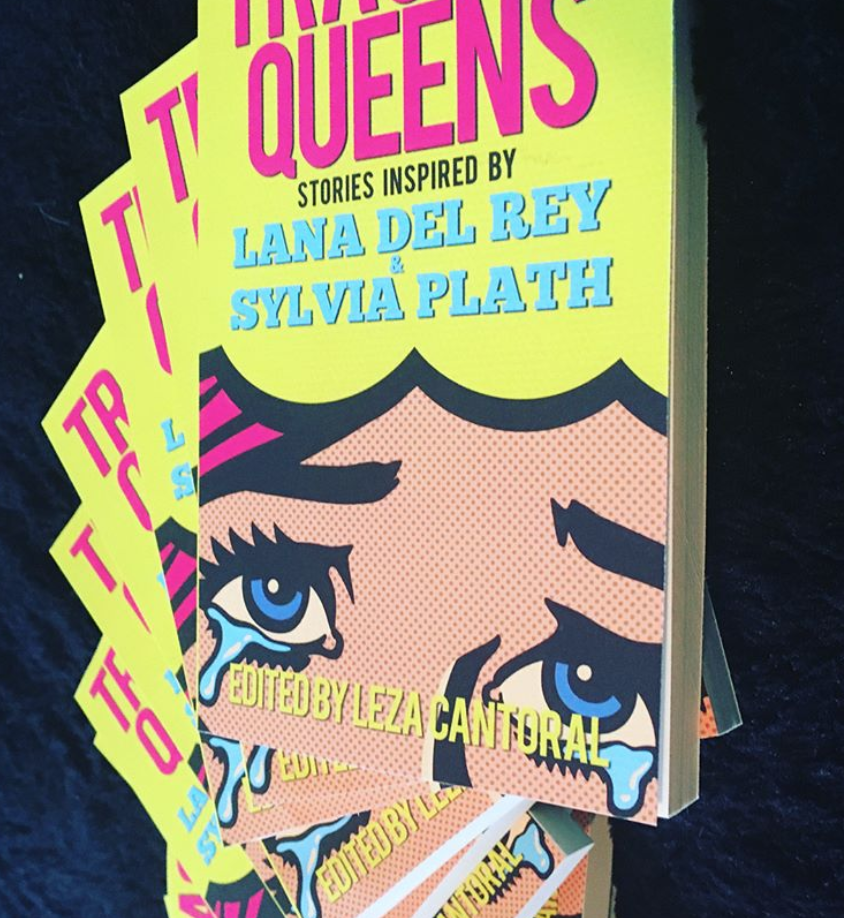
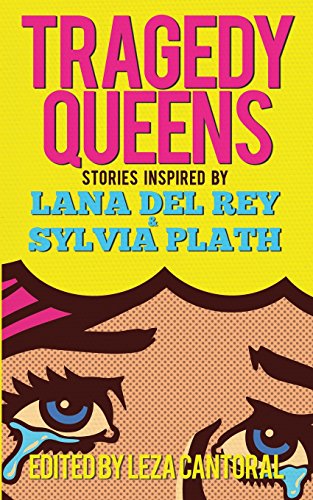
Tragedy Queens: Writers on Lana Del Rey & Sylvia Plath
BY LISA MARIE BASILE
When visionary editor Leza Cantoral asked me to contribute to the Tragedy Queens anthology (you can also order from the publisher, Clash Books) she said something to the affect of, "you are literally perfect for this," which probably means I'm a very, very Sad Girl. More seriously, though, I felt drawn toward it because of Plath's impact on my own poetry career and my not-so-secret Lana Del Rey fascination.
There's Plath wrangling with the shadow, full of beautiful, unique language, and then there's this singer-starlet who aestheticizes her own sadness. Sorrow was the language and the vein of this anthology, and I wanted to explore that. I wanted to investigate my own relationship to sorrow—and the ways in which these Tragedy Queens informed my creativity. I ended up writing an exceptionally melodramatic piece called Girls In The Garden of Holy Suffering, both a true testament of my youth and psycho-sexual development, and a nod toward Lana's exaggerations of sadness and sadness aesthetic. Both of these women have inspired me to explore the authentic and inauthentic—and how they both sort of meld into one.
In this mini interview series, I chatted with the editor, Leza Cantoral, along with a few of the other stellar contributors, and got their story on why the anthology felt so right for them.
— Lisa Marie Basile
RELATED: On Sylvia Plath, The Tarot And Bad College Writing
Leza Cantoral, Editor:
"Tragedy Queens is the culmination of my obsession with Sylvia Plath. When I read Ariel, it changed my life. I read everything I could find about her. I am drawn to tragic figures. I relate to them. But I am getting sick of the tragic narrative. When I sent out the submissions call I did not specify a genre. What I cared about was character arcs. People making choices. I especially wanted the female perspective.
Lana Del Rey came into my life a few years ago and I became obsessed with everything about her: her voice, her music, her hair, her eyeliner, her lips, her past, her glamour, her sadness, her passion. Her songs resonated deep within me. I loved her openness. The confessional quality of her music reminded me of Sylvia Plath, so it made sense to join two of my favorite muses together. They both inspire my own writing. I wanted to share that and was so excited to see what people came up with. I was not disappointed. Everyone knocked my socks off. I was sobbing, laughing, and gasping, as I read through the stories that made it into Tragedy Queens. People think of pop music as low art and poetry as high art and I think that’s bullshit. Lana Del Rey is a poet of the highest order and she deserves that recognition for her craft."
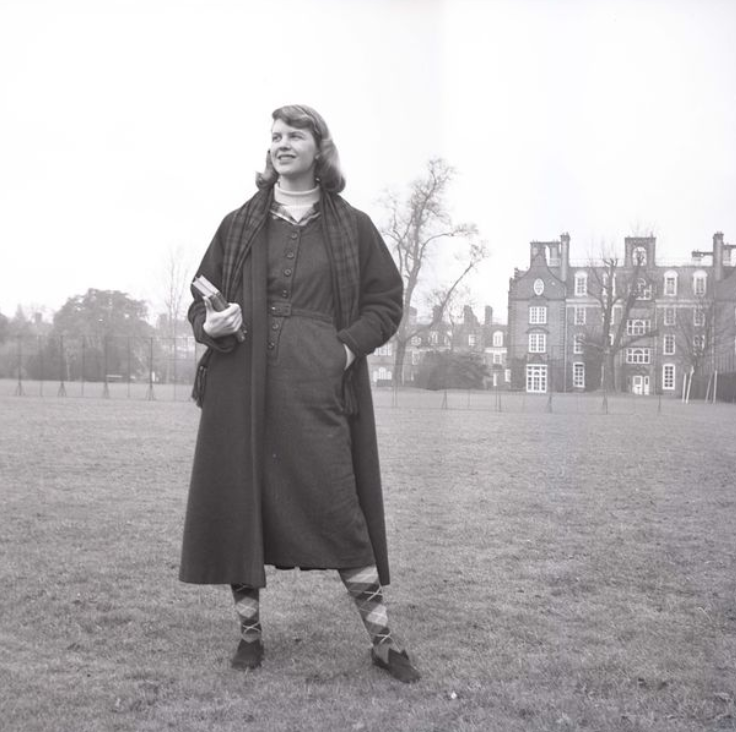
Gabino Iglesias:
"For me, Plath embodies mental health struggles. She was incredibly talented, but the demons in her heart, soul, and mind ended up winning. That she was able to focus all of that and express it in words is something that deserves to be celebrated. LDR, on the other hand, is a modern anomaly that somehow became a sensation thanks to am atmosphere of strong women taking over and a massive push to obliterate patriarchy, and she does it all while being bizarre and having her own aesthetic. I knew many women would be getting involved in this, and that made me want to be a part of it. Strong brujas all around celebrating two unique ladies with their words. Who wouldn't want to be a part of that magic?"
Monique Quintana:
"Sylvia Plath and Lana Del Rey get at death, beauty, and the grotesque in artful and unnerving ways. As a writer and mother, I’ve always felt that womanhood and motherhood should not be sanitized, but rather, stripped down to its visceral core, so that blood and bone and tissue are exposed. My story was inspired by the trash glam aesthetic of Lana Del Rey’s song, 'Sad Girl' and Plath’s dark mythos of mother and father figures. It’s about a teenage Xicana’s doomed love affair in a 1997 dystopian central California that results in the conception of a brujo baby."
RELATED: 9 Lust for Life Observations from the Ultimate Lana Del Rey Fan
Christine Stoddard:
"I wrote a short story inspired by Lana Del Rey's captivating song, 'Summertime Sadness.' Throughout her work, Lana eerily and beautifully captures the nature of tragic love. I don't think she glorifies domestic violence or other forms of abuse. She's simply telling stories. Love is complicated and even the healthiest relationships have their tragedies. Those stories need to be told because, even when they are fictitious, they are very real. I saw this anthology as a chance to tell yet another story about love's complexities."
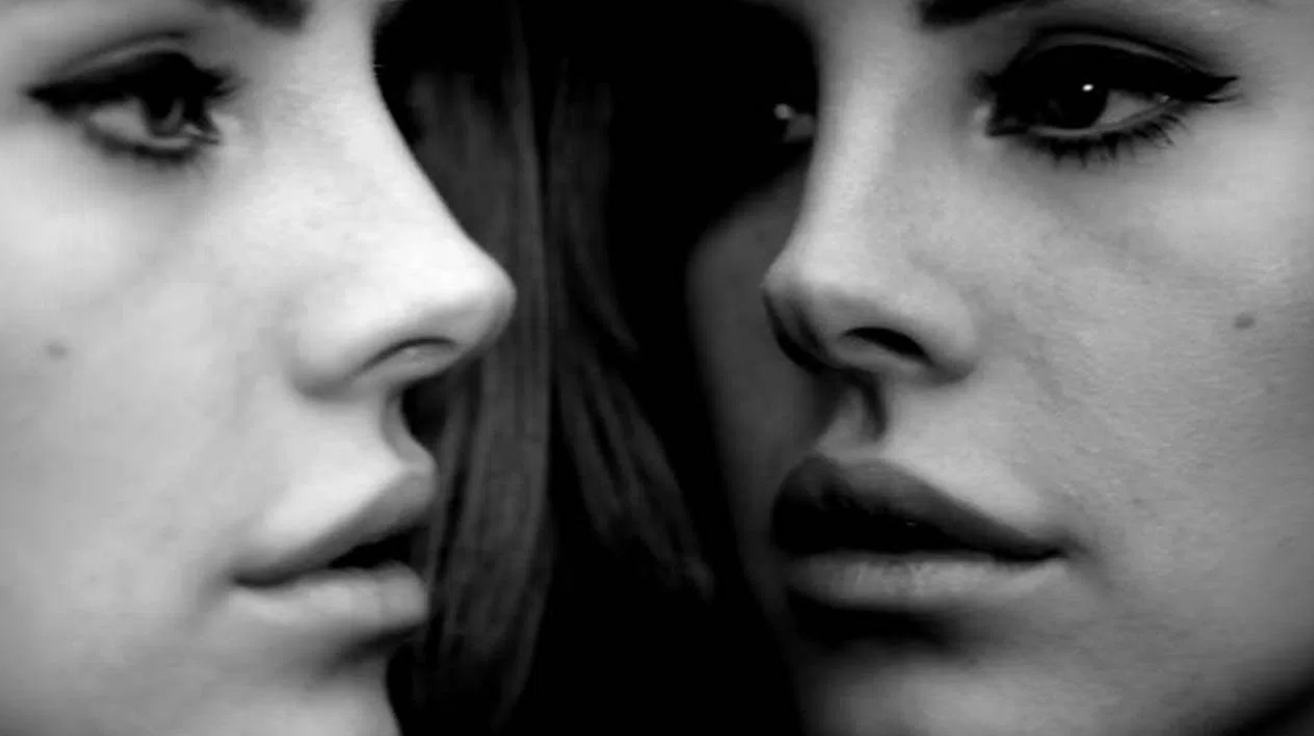
Jerry Drake:
"Sylvia Plath and Lana Del Rey represent an inspirational arc covering the course of my life. As a teenager struggling with OCD and depression I found in Plath a comforting fellow traveler, someone who had a shared voice. As a man in my 40's I find in Del Rey the echoes of my own wild youth—hot nights, too much beer, and the dangerous fun of mischief and trouble. I had toyed with writing a story but didn't like my original idea. I found myself standing in my kitchen chatting with Leza Cantoral, the anthology's editor, during the 2017 AWP. I gave her my original idea and she said, 'No, I want you to tell the story that clearly draws from your real life and your real inspirations, don't make anything up.' It came together and I sat down that night and wrote my story. I am pleased to have it accepted. I feel like I caught a night of my youth in a bottle for others to experience."
Trish Grisafi:
"Plath has inspired me since I was twelve years old and picked up The Bell Jar. It spoke to me so much as a floundering adolescent—and it was incredibly funny. I could really relate to Plath’s sardonic wit and her cut-throat observations about the world. She’s smart, heartbreaking, and culturally astute about her historical moment. I wanted to create a story that, like The Bell Jar, deconstructed typically idealized experiences and put forth commentary on mental health care. Growing up, I suffered from depression, anxiety, and OCD. I wasn’t able to get help until I ended up in a psychiatric hospital in my mid-twenties. I wanted to create a character who is clearly suffering but also ignored—like Esther was in The Bell Jar. It was very important for me to get that voice down."
Lisa Marie Basile is a poet-witch and founding creative director of Luna Luna Magazine—a digital diary of literature, magical living and idea. She is the author of "Light Magic for Dark Times," a modern grimoire of inspired rituals and daily practices. She's also the author of a few poetry collections, including the forthcoming "Nympholepsy."
Her work encounters the intersection of ritual and wellness, chronic illness, magic, overcoming trauma, and creativity, and she has written for The New York Times, Narratively, Grimoire Magazine, Venefica, The Establishment, Refinery 29, Bust, Hello Giggles, and more.
Lisa Marie earned a Masters degree in Writing from The New School and studied literature and psychology as an undergraduate at Pace University.
Leza Cantoral is a Xicana writer & editor who lives on the internet. She is the Editor in Chief of CLASH Books & host of the Get Lit With Leza podcast where she talks to cool ass writers. Tragedy Queens: Stories Inspired by Lana Del Rey & Sylvia Plath is a CLASH Books anthology of stories that she edited as a result of being a Lana Del Rey & Sylvia Plath megafan. You can find her on YouTube at Trash Panda Poetry & everywhere else as herself. She blogs at lezacantoral.com
Poetry by Savannah Slone
I will touch you
with my subconscious,
my mermaid,
snakes entwined
via Emory
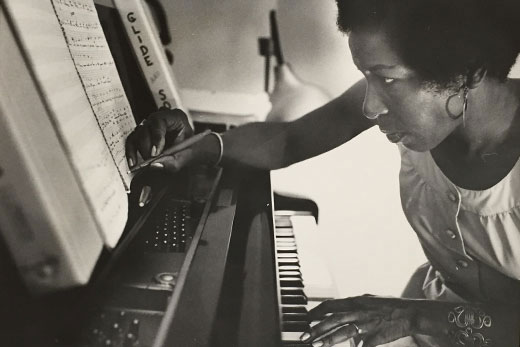
A Poet I’ve Never Heard Of: Mari Evans
are you aware that
with you
went the sun
all light
and what few stars
there were?

Sonnets by Kristin Garth
A southern snowflake in blizzard descends.
The winter you’re born beach town’s snowed in.
An alabaster tourist never blends.
You’re not like your parents. You don’t pretend.

Selections from Omotara James: 2 Poems by C. Bain
BY C. BAIN
SELECTIONS BY OMOTARA JAMES
What is it that survives trauma? Or rather, outlasts it? Bain’s evocative poems offer elusive tenderness for those who traverse this liminal space. Through haunting portraits, the poet daringly reimagines the dailiness of these tortured mythological figures. Their relatable frailties leave us to ponder our own lusts. Though vastly different, the protagonists of both poems are generously afforded an agency unavailable in the original myths. What they do with it is another matter. Through the perspective of the speakers, Bain acknowledges transfiguration as restoration. These poems bridge the distance between hamartia and humanity. No sins left unsung, Bain leaves us to marvel at the creeping nature of human compassion as it ebbs…
(Persephone’s Husband Is Not Important And He Says)
She’s sitting on the bed
with her long legs folded under her.
Her eyes sliding away from me
as they like to do, like I’m a figure in smoke
like there’s a river of information
that only she sees. I want to ask her why
but I don’t. When the man took her
(the witnesses said chased, dragged)
trapped her under the earth
then she did what she did. It’s strange
when you think about it
that fruits are seeds and we
eat them, sugar fertile and harping
at the tongue. It bothers me
that that is what she took
not the utility of bread, but tart, crystalline
the skin red and transparent inside its covering
of outer, rougher skin. And now
she isn’t mine. I was never yours. It isn’t
ownership, she says, because since she’s come back
she reads my thoughts
and sleeps six inches above the bed,
moaning. I know this happened because
she does not believe I love her. Now I ask permission
to kiss her, air hissing past
my seedling teeth. I ask her why
she comes back and she puts her hell-hand,
her death hand, gilded immortal
against my cheek. I come back
because you need me. You would die
without the rain. Sucks at my tongue
until it bleeds sugar, a seed. Her nipple,
the crest of her ribs, the cells
of my body and the devices in the cells
and the space in between them. Whatever
life is. Electrical,
animate. Please.
Please give it back.
After the Curse Was Lifted, Midas
fell & wept, the grass
emerald blades bent
at his kissing mouth.
It lasted weeks
tender humility
his trembling hands tracing
rumpled bedsheets, ribs of living oxen
enough gratitude for any god.
He avoided his treasure-room
had the metal stripped off the cornices
cherished the wood’s raw bones.
But in some small span of human time
the truth; he wanted that power again
even if he’d starve, heartstiller, shitgleamer,
weeping alchemy out every pore.
He dreamt of it and woke and cursed.
And when his daughter disobeyed him
tell me he didn’t remember her small visage
frozen into metal. Tell me he didn’t wonder
if there had been some secret work around –
a gloved slave to feed him
and the question of women
if he could take them sudden enough to force
dilation before the metal took hold,
or if he’d have been forever
at a closed, golden gate.
He blamed the god
for giving him a wish that went too far.
Isn’t it god’s task to save you
from yourself? Wouldn’t a kind deity
have found some way to truly provide,
not this lawyer’s trick
food turned rock in the mouth
but no, here’s Midas
is thirst grown back.
His daughter alive.
His coffers howling.
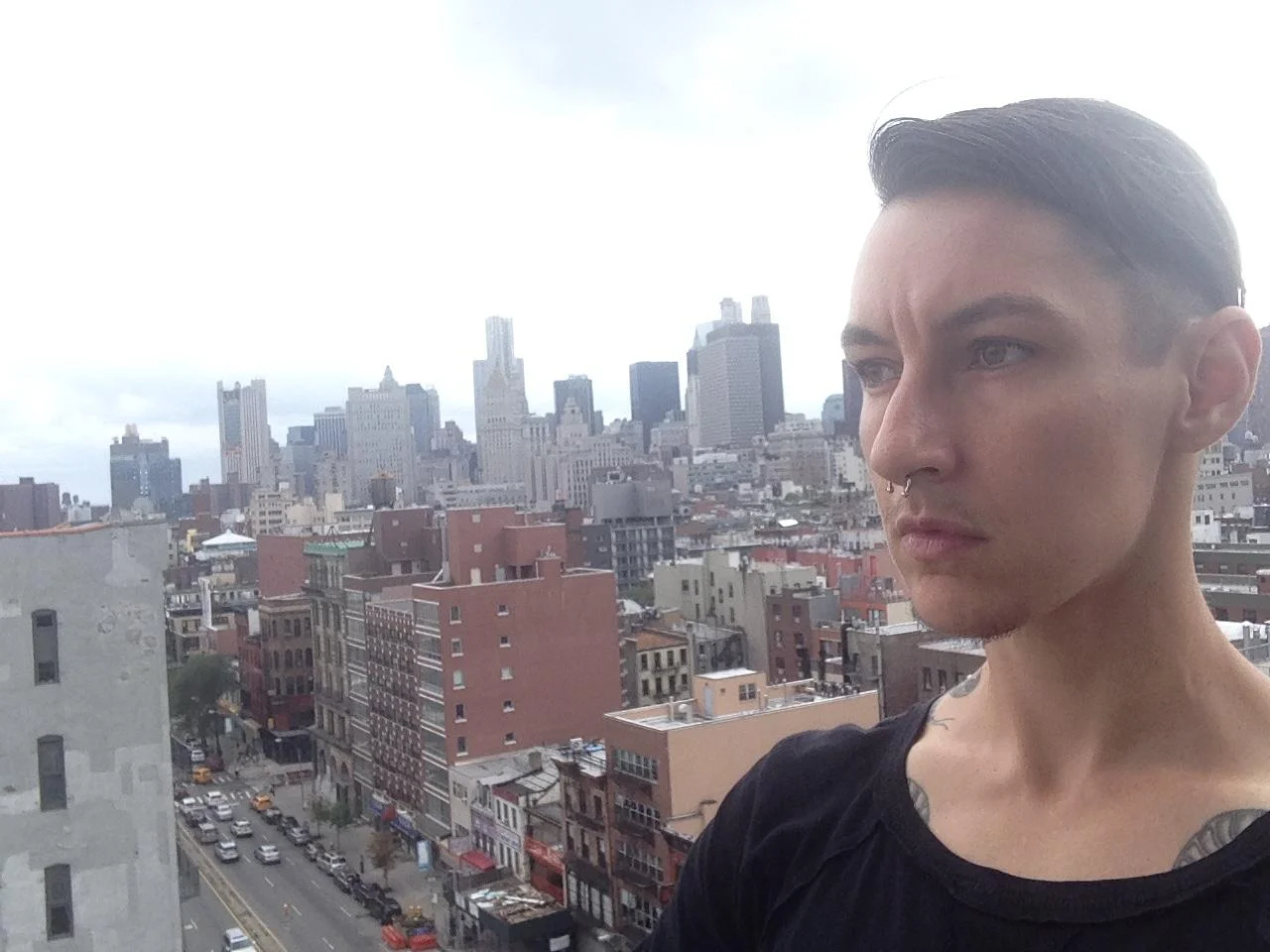
C. Bain is a gender liminal writer, performer, and teaching artist, based in Brooklyn. He is a former member and coach of multiple national-level poetry slam teams. His work appears in anthologies and journals including PANK, theRumpus.net, A Face to Meet the Faces, and the Everyman’s Library book Villanelles. He has shared stages with Jim Carroll, Patricia Smith, Dorothy Allison, and Saul Williams. His plays have been produced in summer festivals at the Tank and at the Kraine in New York City. His full-length poetry collection, Debridement, was a finalist for the 2016 Publishing Triangle Awards. He is a book reviewer at Muzzle Magazine. He works extensively with movement, embodiment, trauma and sexuality. But he'd rather just dance with you. Visit.
Omotara James is a poet and essayist. Her poetry chapbook, Daughter Tongue, was selected by African Poetry Book Fund, in collaboration with Akashic Books, for the 2018 New Generation African Poets Box Set. Her debut full length collection, Mama Wata, is forthcoming in the Fall of 2018 from Siren Songs, of CCM press. She has been award fellowships from Cave Canem and Lambda Literary. Currently, she is an MFA candidate in poetry at NYU. For further information, please visit her website: www.omotarajames.com
Poetry by ryn weil
We do not colonize
We pillage and remove.
Poetry by Julia Laxer
Sea anemones grow every year. She remembers. She’s not the hunter
but knows provocation. I sing to the bees and make honeycakes.
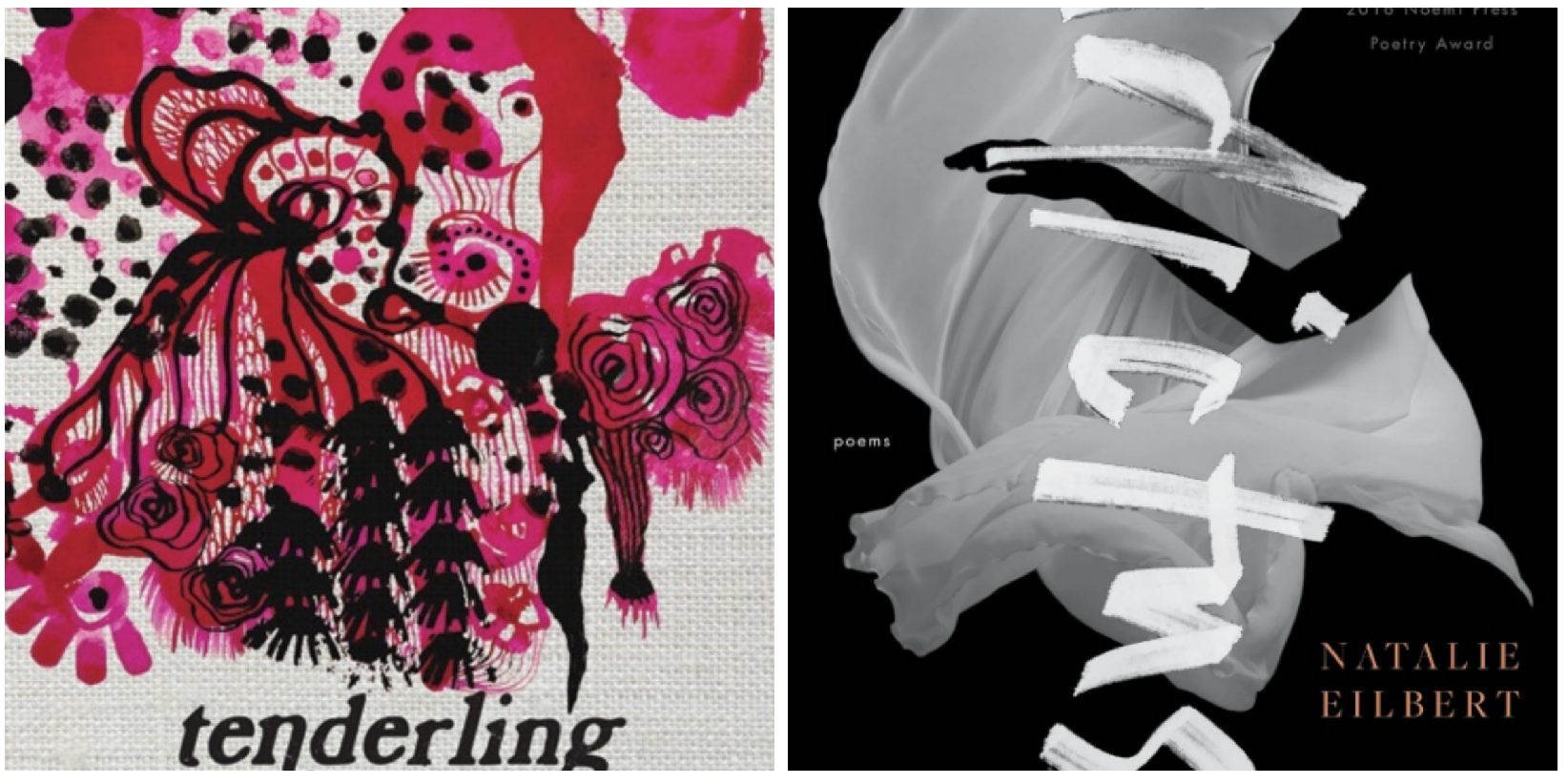
2 Poetry Collections That Will Change Your World
Joanna C. Valente is a ghost who lives in Brooklyn, New York, and is the author of Sirs & Madams (Aldrich Press, 2014), The Gods Are Dead (Deadly Chaps Press, 2015), Marys of the Sea (The Operating System, 2017), Xenos (Agape Editions, 2016), and Sexting Ghosts (Unknown Press, 2018). They are the editor of A Shadow Map: An Anthology by Survivors of Sexual Assault (CCM, 2017), and received a MFA in writing at Sarah Lawrence College. Joanna is also the founder of Yes, Poetry, a managing editor for Luna Luna Magazine and CCM, as well as an instructor at Brooklyn Poets. Some of their writing has appeared in Brooklyn Magazine, BUST, Them, Prelude, Apogee, Spork, The Feminist Wire, and elsewhere.
Read More