

Paris was blue – tired, sleepy dawn mushed into
slow sunset folded over a city that is laying itself open yet
hiding every part of it under bricks and light.
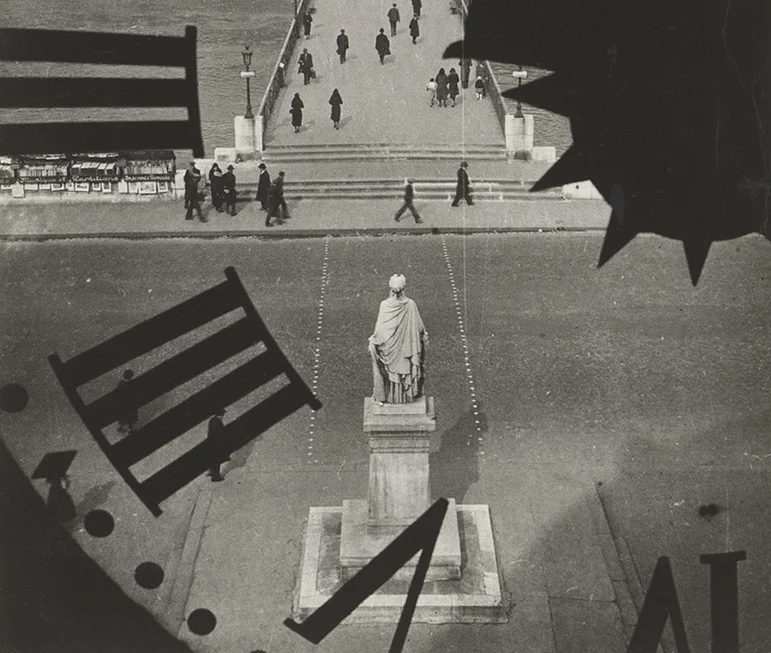
André Kertész
André Kertész
Paris was blue – tired, sleepy dawn mushed into
slow sunset folded over a city that is laying itself open yet
hiding every part of it under bricks and light.
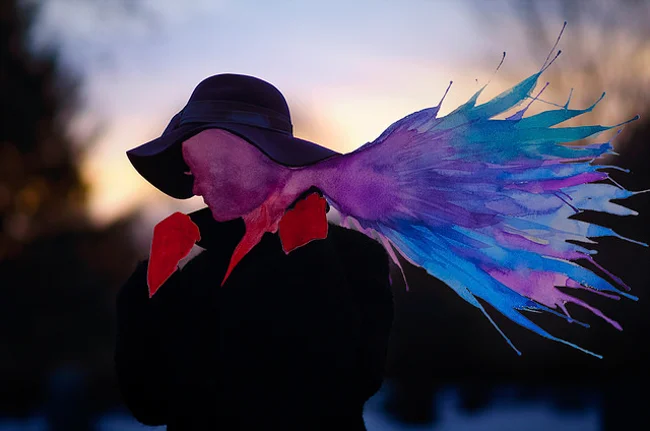
Aliza Razell
From my bedroom window, I watch the ferries. Like counting sheep, see them float across my window, light up against the darkness, and reflect in the water. I can't sleep, and the languid pace lulls me.
Read More
Mark Lamoureux lives in New Haven, CT. He is the author of four full-length collections of poetry: It’ll Never Be Over For Me (Black Radish Books, 2016), 29 Cheeseburgers / 39 Years (Pressed Wafer, 2013), Spectre (Black Radish Books 2010), and Astrometry Orgonon (BlazeVOX Books 2008),. His work has been published in print and online in Elderly, Denver Quarterly, Jacket, Fourteen Hills and many others. In 2014 he received the 2nd annual Ping Pong Poetry award, selected by David Shapiro, for his poem “Summerhenge/Winterhenge.” He teaches at Housatonic Community College in Bridgeport, CT. His chapbook, Maris McLamoureary's DICTIONNAIRE INFERNAL, co-authored with Chris McCreary, was published by Empty Set Press on Halloween 2017.
Chris McCreary is the author of four books: [neüro / mäntic], undone : a fakebook, Dismembers, and The Effacements. His review of Arrive On Wave, the Collected Poems of Gil Ott, is forthcoming in Tripwire. His chapbook, Maris McLamoureary's DICTIONNAIRE INFERNAL, co-authored with Mark Lamoureux, was published by Empty Set Press on Halloween 2017.
Read More
Tim Lynch has poems forthcoming or published with tenderness, yea, Connotation Press, Mead & more. He has directed workshops for young writers through Rutgers University in Camden, NJ & conducts interviews for Tell Tell Poetry.
Read More
Joanna C. Valente is a human who lives in Brooklyn, New York, and is the author of Sirs & Madams (Aldrich Press, 2014), The Gods Are Dead (Deadly Chaps Press, 2015), Marys of the Sea (The Operating System, 2017), Xenos (Agape Editions, 2016) and the editor of A Shadow Map: An Anthology by Survivors of Sexual Assault (CCM, 2017). Joanna received a MFA in writing at Sarah Lawrence College, and is also the founder of Yes, Poetry, a managing editor for Luna Luna Magazine and CCM, as well as an instructor at Brooklyn Poets. Some of their writing has appeared, or is forthcoming, in Brooklyn Magazine, Prelude, Apogee, Spork, The Feminist Wire, BUST, and elsewhere.
Read More
All the petty energies expended on downtalking the nominations or defending your own excitement is better spent, I promise. Like on resistance. Or supporting people. Or writing more
Read More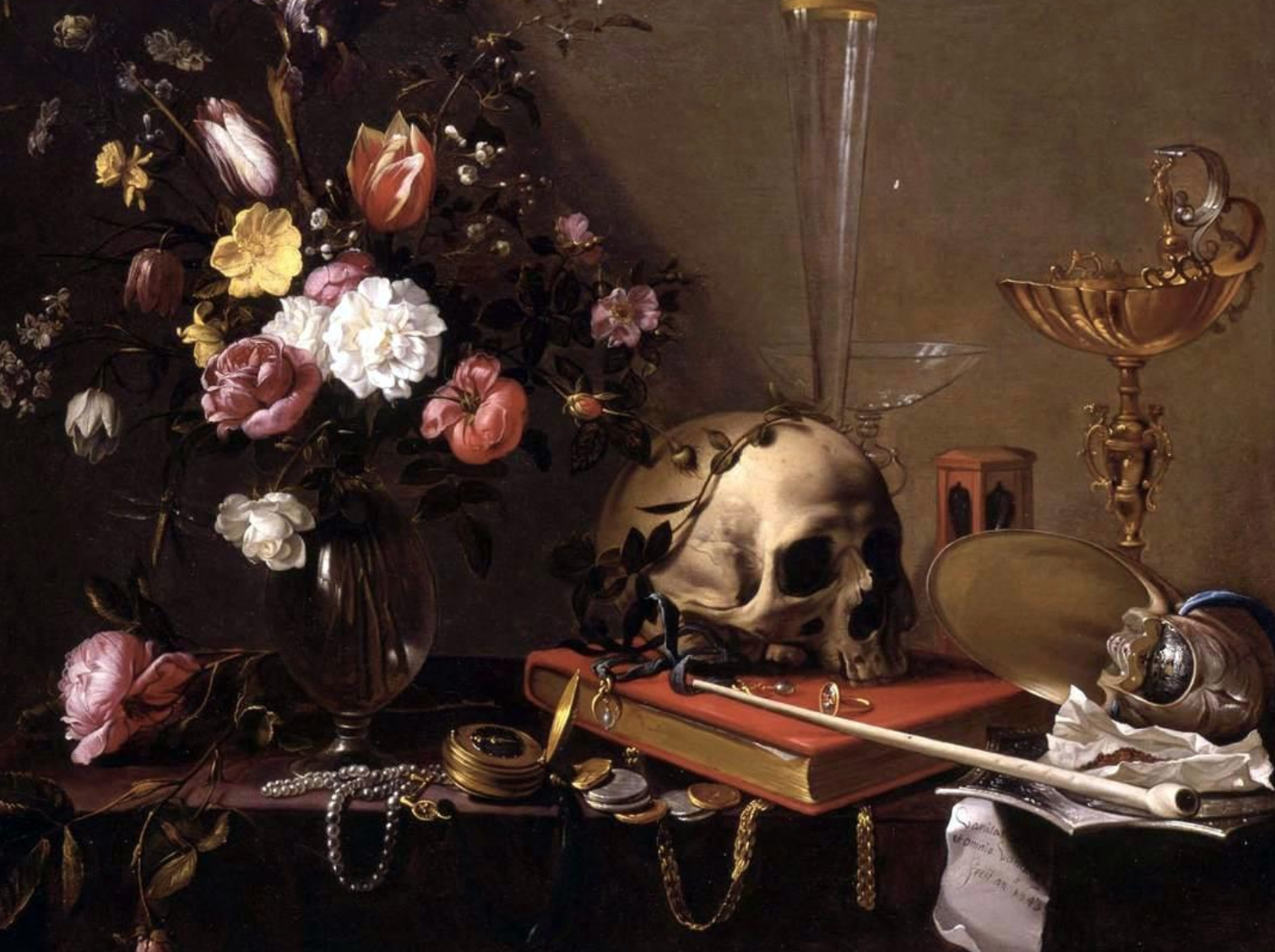
Adriaen van Utrecht
I know what it sounds like, but it’s true: you broke the spine of my life. You used to hand me scraps of kindness, and I would gnaw on them for days.
Read More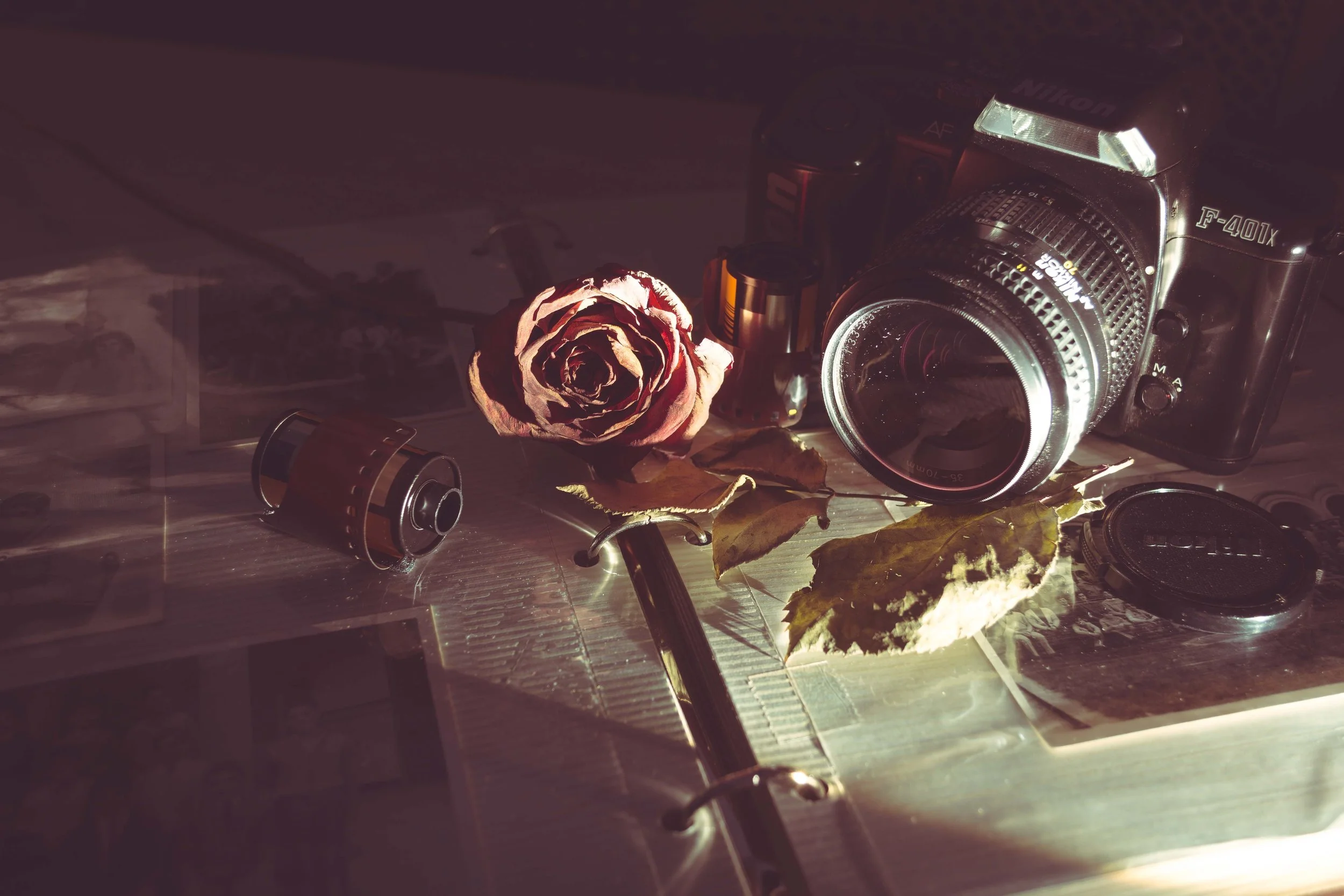
John Maher is an award-winning journalist and poet living in Brooklyn, NY. He is digital editor and associate news editor at Publishers Weekly and co-editor of The Dot and Line. He has written for such publications as Esquire.com, Thrillist, Kirkus Reviews, Electric Literature, Hyperallergic, and The Rumpus, among others. His poems have been acclaimed by Mark Wunderlich as “sharp, short, and striking, notable for their control and their certainty. I admire the endings of the poems in particular, with their modest flourishes, their brandished daggers."
Read More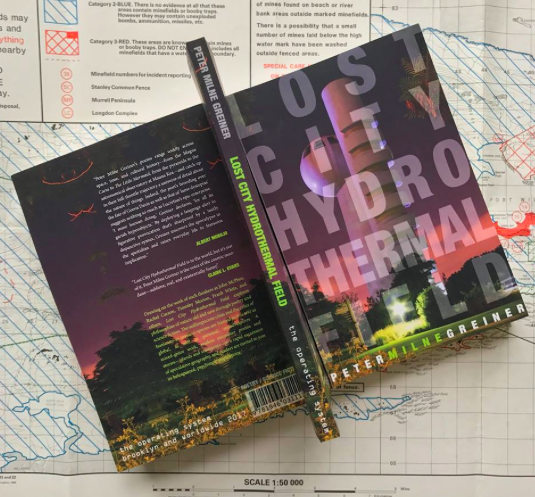
Peter Milne Greiner
Peter Milne Greiner's work has been featured in Motherboard, Dark Mountain, Fence, SciArt Magazine, and elsewhere, and has been lauded by the likes of Jeff VanderMeer and Claire L. Evans. He studied poetry at The New School under Sekou Sundiata, and is a scholar of the history of the Roaring Forties. In July of 2013 he sent a poem into space through the Jamesburg Earth Station in Carmel Valley, California. He is the author of the chapbook Executive Producer Chris Carter. LOST CITY HYDROTHERMAL Field is his first full length collection.
Read MoreBuried under the snow, a hand. It crawled with fingertips as black as the hidden pavement. The man arising. The sun glaring on his home in the snow, turning it back into water. A car and then a crowd pass by and the man sits naked with his hand outstretched. Scars spiral up the muscles of his blue veined forearm--a tale he’d rather not tell and no one asks him anyway. There was a woman once, passing by she dropped a red kopeck in his hand and he thanked her. Such a strange piercing stare in her ice blue eyes bloodshot with last night’s memories still playing like a video tape across her retinas. Was he there? No, he was buried deep where no one could find him, and now his house was gone. He’d make another when the weather turned. Until then, he would sit with his hand outstretched and waiting. Maybe someone would take it.
Read More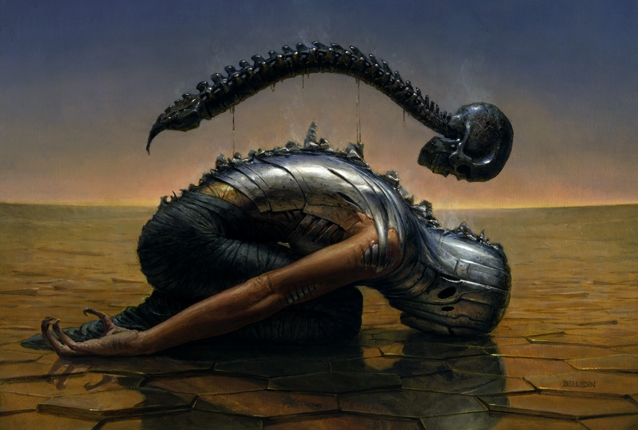
Steven Belledin
Can he see? Can he see this helpless thing that I have become? I lay my arm on the table between us. I know what he wants. Not amputation but extraction. The table is cold. My arm burns hot where it swells under the light. Silently he leans forward, feeling, prodding. I scream with pain. "Oh God!" I have forgotten. The blade flashes in the light as it plunges deep into my skin. Shocked white, the walls raise up from inside my flesh. Droplets mark the paths of capillaries where they flow into the well he has created. He is searching for it. His grey bristle eyebrows cast a shadow over the pits of his eyes and I see through to his skull, to the bones we all share. I feel him tugging. Then just like a knife slicing through soft butter, it slides out. He holds it glinting in the light. A razor blade, the tiny letters etched upon its side read "drink me". He casts it back into a jar, and when I raise my eyes I see a thousand more lining the wall, filled to overflowing with extracted pasts. I meet his stare, and for once he smiles.
Read More
INTERVIEW WITH MARISA CRAWFORD BY LISA MARIE BASILE
In your book, REVERSIBLE, there's a lot of water—swimming pools, or the absence of water. Tell me about your relationship to water. (For the record, I think water is god).
Hi Lisa! I didn’t consciously realize that water is so present in these poems, but now that I’m looking for it of course you’re right. Water was a big part of my childhood—I spent a lot of time in pools, and still find pools really comforting, freeing, a space where I can be outside of my head and weightless and in a sort of realm outside of the regular space we inhabit in our everyday lives. I used to go to the pool with my mom a lot in the summer when I was little, starting from when I was a baby, and I started swimming before I started talking.
Later, I had a pool in my backyard where I spent a lot of time by myself, pretending to be an Olympic diver, or a mermaid, or a movie star, doing somersaults and floating. It was a magic place where I could escape from my feelings. In high school, I tried being on the swim team but I had a hard time keeping the commitment because I preferred hanging out with boys and smoking cigarettes with my friends after school. I have a poem about this in my book called "Girl Band," about how I never saw my body as connected to my mind when I was younger so even though exercise probably would have helped me to feel less depressed and anxious as a teenager, I chose other things. My relationship to being in a pool is similar to my relationship to writing, I think. It’s floating on a feeling, trusting your instinct. It feels very free and very pure.
In your poem, "Janie and I picture ourselves when we’re grown up…" you mention drinking champagne and jumping on an enormous trampoline. Did your life turn out as you thought it would?
That poem "Dark Star" is about two female BFFs in the suburbs in high school who are being raised by single moms, and all the weird mythologies of being a teen girl and learning how to be a woman. They imagine themselves in the future as single moms pushing baby strollers together; they can't imagine lives for themselves that include caring partnerships with men. This poem is based a lot on me and my high school best friend—as a teenager, I was really invested in finding models for adulthood that didn't look like my parents, and sometimes found them in musical icons.
The poem talks a lot about Janis Joplin, and sort of imagines her as an alternate model of adult womanhood that was unconventional and wild and artistic and draped in feather boas and pearls—which is sad because Janis Joplin didn't even live to be as old as I am now, but she seemed so grown up to me in high school. I guess being an adult is never how you picture it when you're a kid, because you can’t understand how many responsibilities you’ll have and how soul-crushing capitalism is and how many compromises you will find yourself making, but I’ve managed to have a life that’s pretty filled with art and creativity and poetry and feminism. So I think that’s pretty good.
I was so fascinated when you wrote this:
"Girls are dying out. Girls are dying off. All these people yelling
at girls in their bodies. All these lyrics about dying young like it’s
gonna turn your life into a song. But it’s just a trick to get girls to
die off."
I would love to hear more about this—this generation if disappearing girls.Have we become obsessed with transcending our summers of youth and curiosity, only to become that skipped forward too soon?
That's a really interesting reading of those lines—the idea that we move too fast through girlhood. When I wrote this poem and these lines in particular, I was thinking about growing up, and aging, and the endemic of violence against women—what Rebecca Solnit calls the U.S.’s "longest war," and all the media around us that glamorizes youth, in particular for women. The poem references lines from songs like Ke$ha’s "Die Young" and others that talk about dying young like it’s a fun thing, like it means your life will be a never-ending party. There’s so much fear in our culture around what it means for women to get older. But when you think about it, the alternative of dying young is often so violent, and in particular when you consider that idea in relationship to the fact that domestic violence is a lead cause of death for women in the U.S . So I wanted to juxtapose those two ideas. (Sidenote: shout-out to the amazing artist Mary Anne Carter, who included these very lines on a giant Taco Bell fire sauce packet pillow as part of her installation Women in the Style of Taco Bell.)
I caught your Pumpkins reference and it made me seriously smile. I LOVE how this book is a snapshot in time—the 90s, mostly, although there are earlier decades in here. I’m curious; what do you think it is about the 90s that somehow STAYS mythological to us?
Thanks so much! I’m not sure if the 90s lend themselves particularly well to nostalgia or mythology in comparison to earlier decades, or if it’s the fact that we grew up then that makes that era feel particularly poignant to us. I think there is something to be said though about how much our culture’s relationship to technology has changed so much, and so quickly, during the past 20 or so years, and how we—people in our 30s and maybe our late 20s in particular—experienced that change in such a specific way. I have a poem in Reversible called "Sisterhood Isn’t Powerful" where I talk about my generation’s very unique relationship to the Internet. I didn’t have the Internet in high school.
I grew up talking to my friends on landlines in the kitchen, was elated when I finally got a cordless phone installed in my room. There was no social media, and I didn't even have my first AIM (RIP) screenname until college. I grew up listening to music obsessively and was obsessed with song lyrics in particular. I’ve always focused a lot on the words to songs, and when I wanted to know the lyrics to a song that I heard on the radio I had only my ears and my imagination as a resource. Or I could buy the CD and hope they were included in the liner notes.
Now I have access to any information, any song, any person, any answer to any question I might have right in my pocket, and unlike older people who may tend to resist it more or not be as fluent in using it, the Internet is, of course, such a seamless and integral part of my life. What other generation has this relationship to such a giant change in technology? I think that particular experience of technology changing so fast that our culture barely resembles the culture we grew up in just 20 years ago or even less really lends itself to mythologizing the culture of our youths. Maybe I partially feel called to do that in my writing as an act of preservation, archiving, remembering.
RELATED: Interview with Samantha Duncan on Poetry & Pregnancy in 'The Birth Creatures'
As you write in the book, you snapped a lock of your friend's hair and kept it. You painted your nails to symbolize things, to invoke memories. What do you think it is about ritualizing that we learn early on as young girls? Why is it so intrinsic to us?
As a girl, I was always obsessed with relationships and with friendships, and I think I still am to an extent. I wanted to carve out spaces with my friends where I felt safe and seen and understood. I think that as women we are certainly taught to see ourselves in relation to others, to value connection over individualism, and I see that playing out in these poems in how female friendship sort of buoys the young woman speaker.
It still does that for me too—there’s nothing quite as healing, as gratifying as the spaces created by female friendship. I’m not sure if I think ritualizing is intrinsic to girls, but I think that rituals can create a space of strength and confidence in a world where girls are taught to doubt and hate themselves, even for participating in the girly, feminine cultures that they’re taught to participate in in the first place. Seeing your nail polish as a kind of spell or prayer is a small act of defiance.
Your work transcends genre and form. I love that. This book to me feels like a photograph, a whisper, a scent stuck to a borrowed sweater. It’s insanely comforting. How did you approach writing this? Did you intend it to be an exploration of memory, or did it all sort of fall out as a series of memories? Are these memories all true?
With these poems and most of my poetry, I wrote from an intuitive place rather than starting with a sense of intention for what I want them to be. I started writing and then looked at what all the poems had in common or what kinds of ideas they’re engaging in—memory, nostalgia, girlhood, the passage of time, how we form our identities and learn about the world through cultural artifacts like clothing and music.
Some of the memories in the book are real things that happened to me, or things that happened to people I know or knew, or things I read about, or some amalgamation of all of these things. I think I’m a hoarder of memories, and of objects that elicit those memories. There’s a poem in Reversible about how I have shoe boxes filled with photos and letters and other ephemera from high school like a Gap Scents perfume bottle that used to instantly remind me of 9th grade when I smelled it, but now I think the smell has faded. I think I’ve always been sort of obsessed with preserving memories.
What are some books you’re loving right now?
Right now I’m reading Jenny Zhang’s short story collection Sour Heart, which is so amazing, speaking of rituals of girlhood. I also just started the new essay collection Nasty Women: Feminism, Resistance & Revolution in Trump’s America, edited by Samhita Mukhopadhyay and Kate Harding.
How is WEIRD SISTER going? You know Luna Luna crushes on you babes. <3
Weird Sister crushes you back! <3 It’s going good! It’s been three years since we launched, and we’ve been steadily publishing feminist commentary on literature and pop culture, and have organized and hosted a bunch of great readings, talks, and other events. I’m proud of all the work we’ve done and in awe of all the amazing, brilliant people who have been part of it! At the moment, we’re slowing down a bit to reorganize, reassess, and figure out a way to make running the blog and organization more sustainable.
YOU CAN BUY REVERSIBLE HERE.
Marisa Crawford is the author of the poetry collections Reversible (2017) and The Haunted House (2010) from Switchback Books, and the chapbooks 8th Grade Hippie Chic (Immaculate Disciples, 2013) and Big Brown Bag (Gazing Grain, 2015). Her poems, essays, and interviews have appeared in BUST, Broadly, Hyperallergic, Bitch, Fanzine, and other publications, and are forthcoming in Electric Gurlesque (Saturnalia, 2016). Marisa is the founder and editor-in-chief of the feminist literary/pop culture website WEIRD SISTER. She lives in Brooklyn, NY.
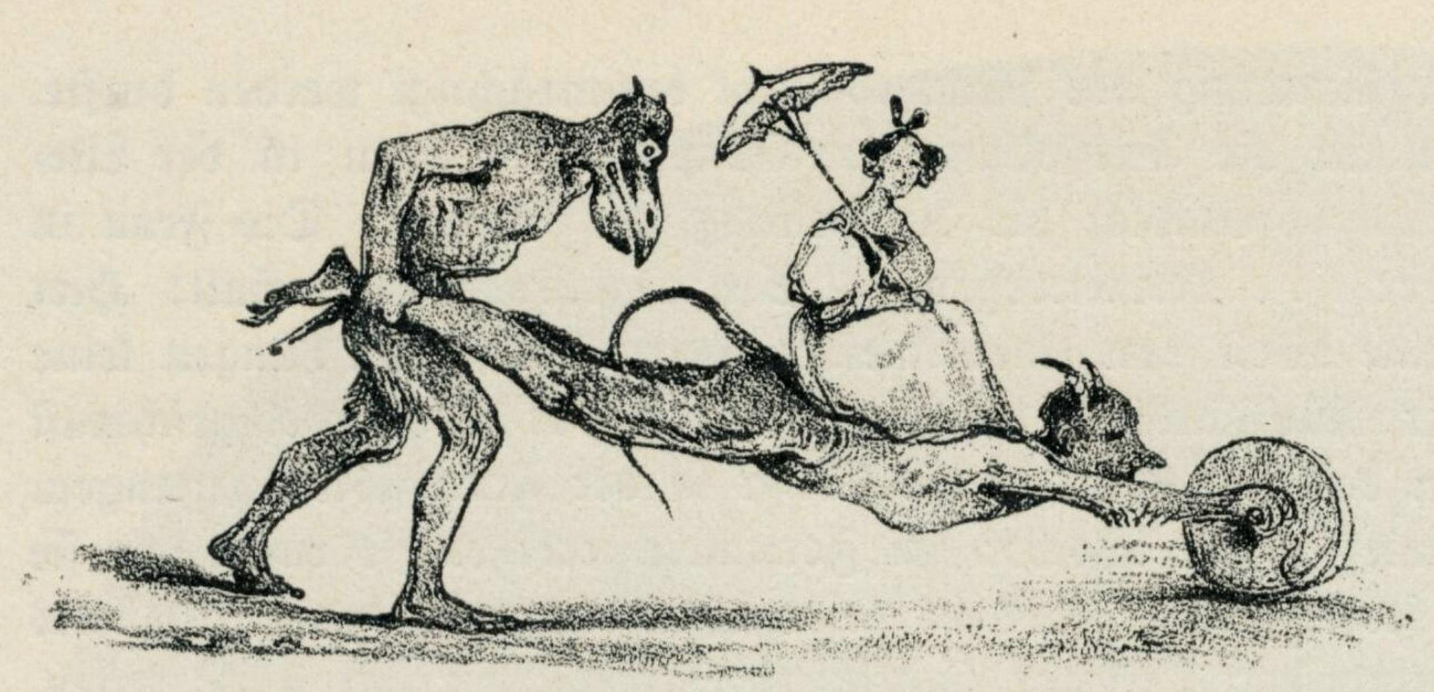
janwillemsen flickr
Joanna C. Valente is a human who lives in Brooklyn, New York, and is the author of Sirs & Madams (Aldrich Press, 2014), The Gods Are Dead (Deadly Chaps Press, 2015), Marys of the Sea (The Operating System, 2017), Xenos (Agape Editions, 2016) and the editor of A Shadow Map: An Anthology by Survivors of Sexual Assault (CCM, 2017). Joanna received a MFA in writing at Sarah Lawrence College, and is also the founder of Yes, Poetry, a managing editor for Luna Luna Magazine and CCM, as well as an instructor at Brooklyn Poets. Some of their writing has appeared, or is forthcoming, in Brooklyn Magazine, Prelude, Apogee, Spork, The Feminist Wire, BUST, and elsewhere.
Read More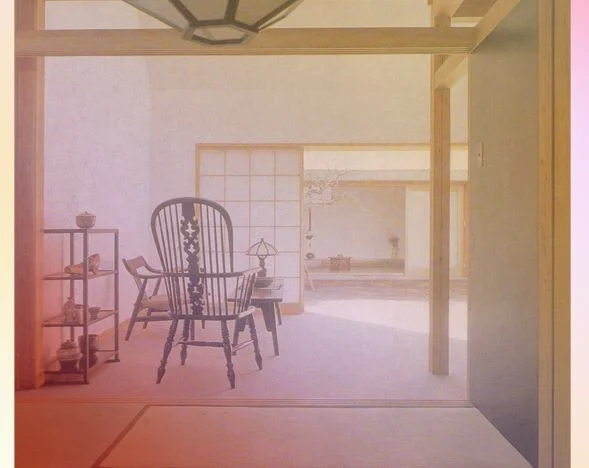
Yume No Ire via The Ardorous
Because Pauline? She was dead. And it couldn’t have been her daughter because she had stopped by the day before she left and dropped off the secret recipe to Pauline’s strawberry rhubarb jam. That jam had been our family’s favorite for years, but until now, the only way we could have any was when she brought it to us in the summertime herself.
Read More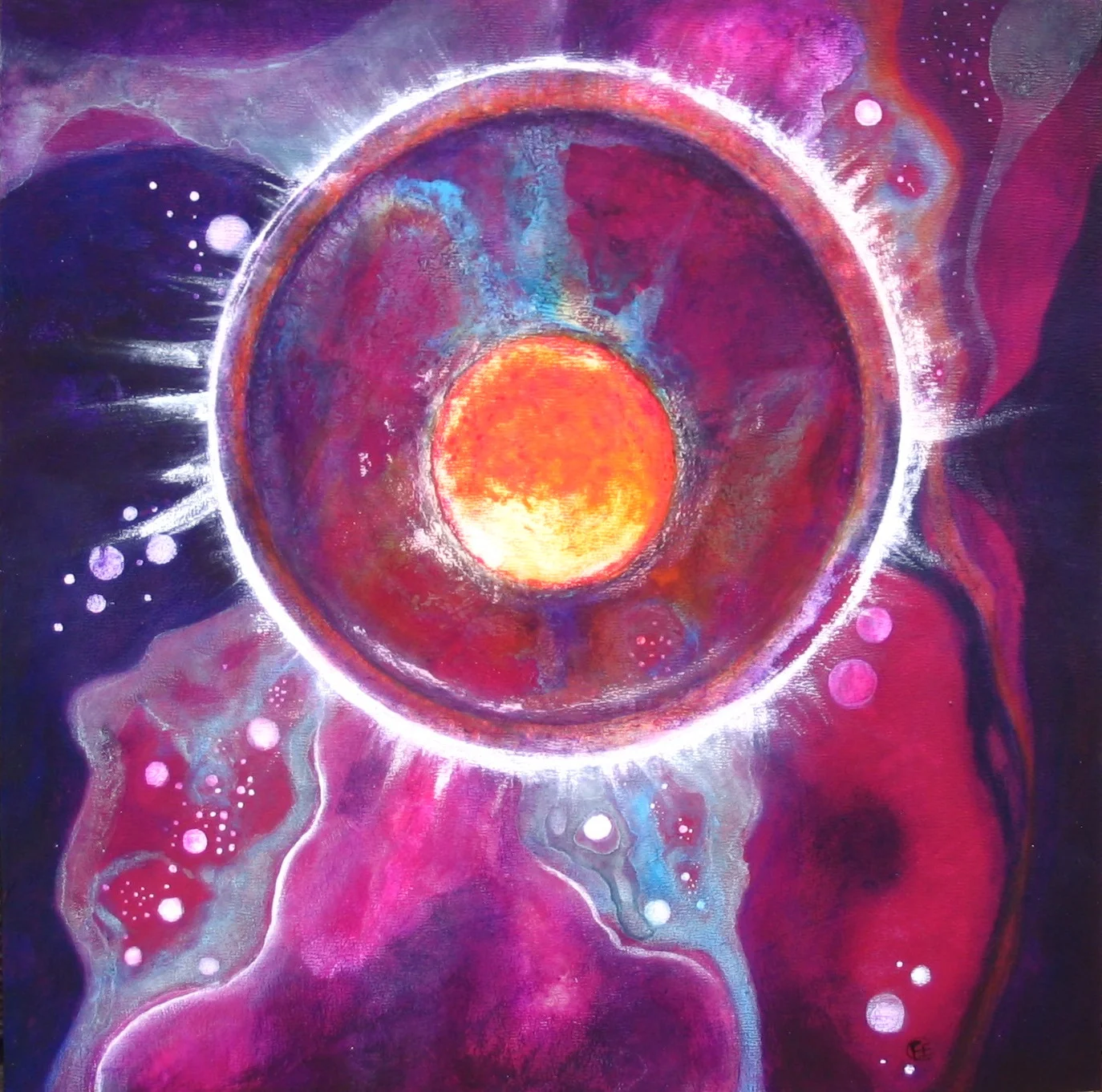
'Through Foxglove Nebula' - acrylic on board, 2016, by F. E. Clark
The second time she drifted in magenta her blood flowed dark and the purple-blue mist rose before her eyes. It was then, there on the ground beneath him, grit grinding into her shoulder blades, that she remembered that the magenta have visited her once before.
Read More