






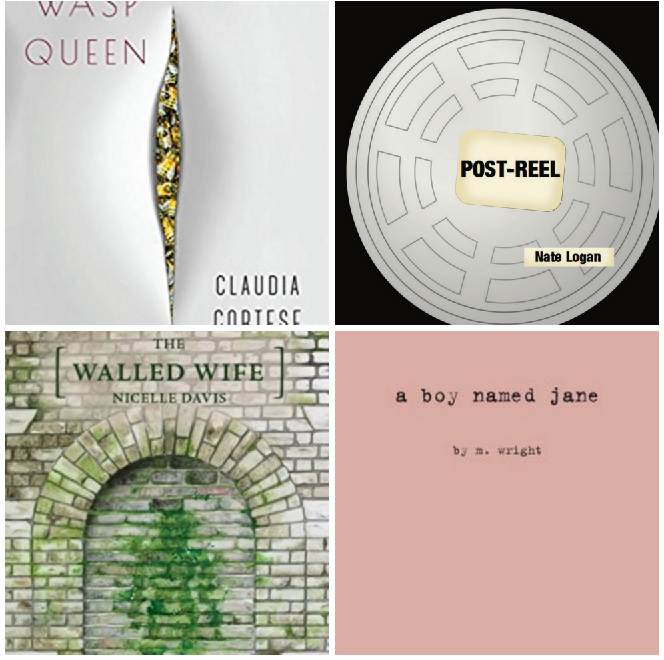
Joanna C. Valente is a human who lives in Brooklyn, New York, and is the author of Sirs & Madams (Aldrich Press, 2014), The Gods Are Dead (Deadly Chaps Press, 2015), Marys of the Sea (ELJ Publications, 2016), Xenos (Agape Editions, 2016) and the editor of A Shadow Map: An Anthology by Survivors of Sexual Assault (CCM, 2017). Joanna received a MFA in writing at Sarah Lawrence College, and is also the founder of Yes, Poetry, a managing editor for Luna Luna Magazine and CCM, as well as an instructor at Brooklyn Poets. Some of Joanna's writing has appeared in Prelude, Apogee, Spork, The Feminist Wire, BUST, and elsewhere.
Read More
Poetry by Kristin Chang
Kristin Chang lives in NY. Her work has been published or is forthcoming in VINYL, The Shade Journal, Nightblock, Cosmonauts Avenue, the Asian American Writers Workshop, and elsewhere. She is currently on staff at Winter Tangerine and writes for Teen Vogue.
Read More
Bianca Serena Truzzi
Se llamaba José: Poetry by Zelene Pineda Suchilt
BY ZELENE PINEDA SUCHILT
CURATED BY CECILIA LLOMPART
Se llamaba José
Se llamaba José,
nombre tan común
Mi padre se llama
igual
Se llamaba José
Hombre tan común
Como el padre de Jesús
igual
Digo su nombre en alto
escribo su nombre,
esperanza permanente,
porque fue un héroe.
Se llamaba José,
nombre tan común
Mi padre se llama
igual
Se llamaba José
Hombre tan común
Como el padre de Jesús
igual
Mientras escribo su nombre
cristiano en lengua española,
lo quiero Quetzalcóatl
lo quiero Oró pulido
lo quiero inmortal
por ser tan común
por ser padre
que vivió por los vivos
sus hijos
su amor
tan eterno
lo quiero Turquesa
lo quiero Jade
lo quiero en las calles
que lo vea José en la cantina
que lo vea José en la taquería
que lo vea el muralista
que conmemora a los muertos de lejos
y no va al entierro del común
porque lo común lo enterró.
que lo vea Jesús el mesero
que lo vea Jesús en la escuela
que lo vea María
que lo vea María magdalena
las que cuidan l@s hij@s
que lo vea la que pinta en casa
la que conmemora las vivas
las que recogen tras los vivos
las que se pintan de rojo
porque la sangre importa.
Más viva que muerta,
me llamo Zelene y recuerdo a José.
Fui a su sepulto,
vi la bandera de sangre serpiente y pasto,
tomé su mano fría y abrase su sangre caliente
corriente sin paro
rio de su amor, su amor viva.
Cuando salgo, salgo corriendo
nombra, nombres de hombres
que murieron en contra de la muerte
y vivieron por amor.
Se llamaba José,
un hombre no común,
un hombre en paz.
Zelene Pineda Suchilt is a CHí-CHí (CHilanga-CHicana) poet and storyteller living in The Bronx. Her work juxtaposes indigenous concepts and urban culture using a range of media, including poetry, painting, live performance and film making. Her literary work has been published on Huizache: The Magazine of Latino Literature, Free Press Houston, Quiet Lunch Magazine, The Panhandler Quarterly and MANGO Publications. In 2009, Zelene received the Sor Juana Ines de la Cruz Young Visionary Award from The National Museum of Mexican Art in Chicago.
Cecilia Llompart is the Spanish Poetry Editor for Luna Luna Magazine.
Hillary Waters Fayle
4 Poems by Jennifer Dane Clements
BY JENNIFER DANE CLEMENTS
the needle/work variations
drawn from the stitchings of Nelly Custis Lewis
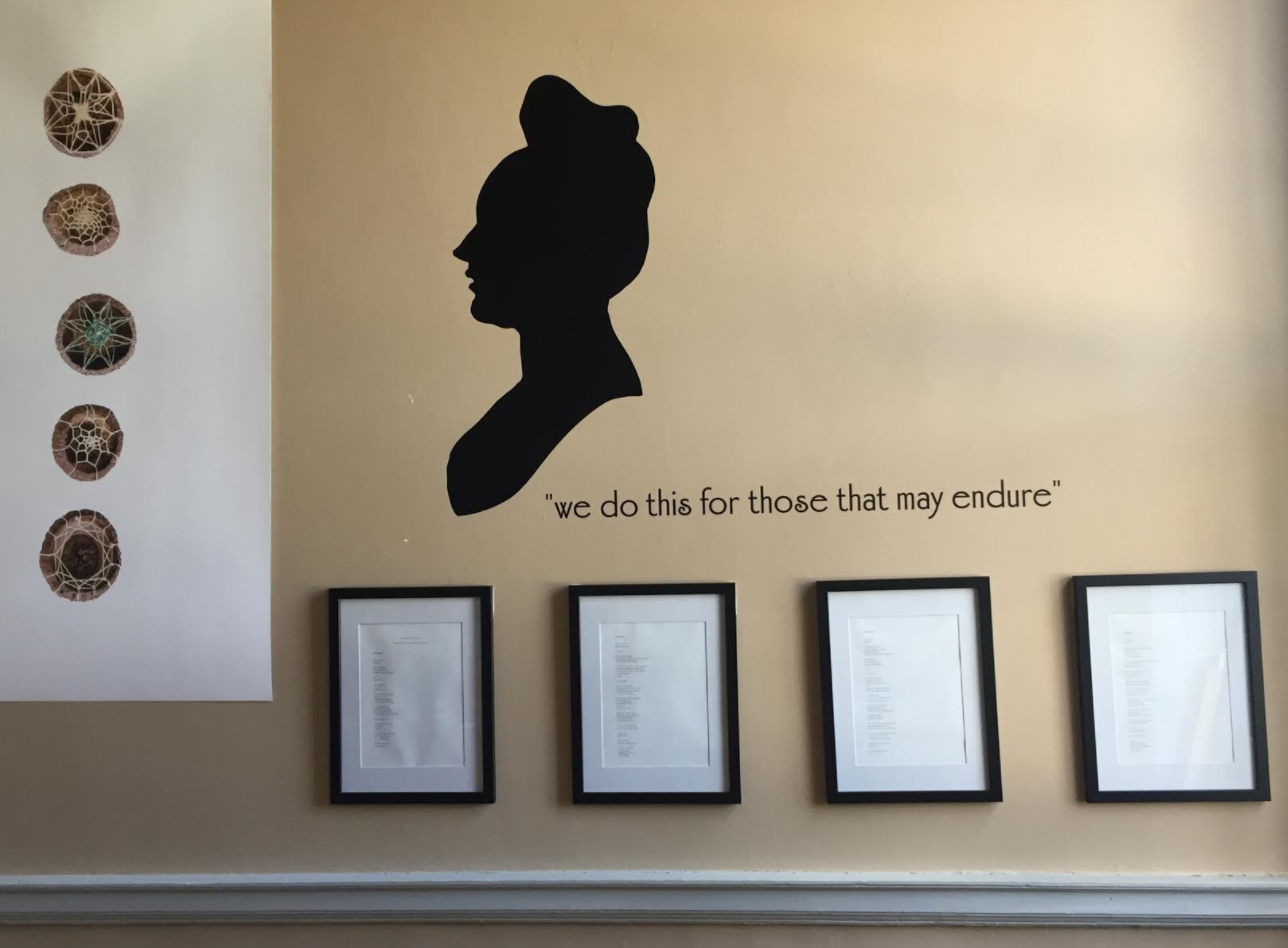
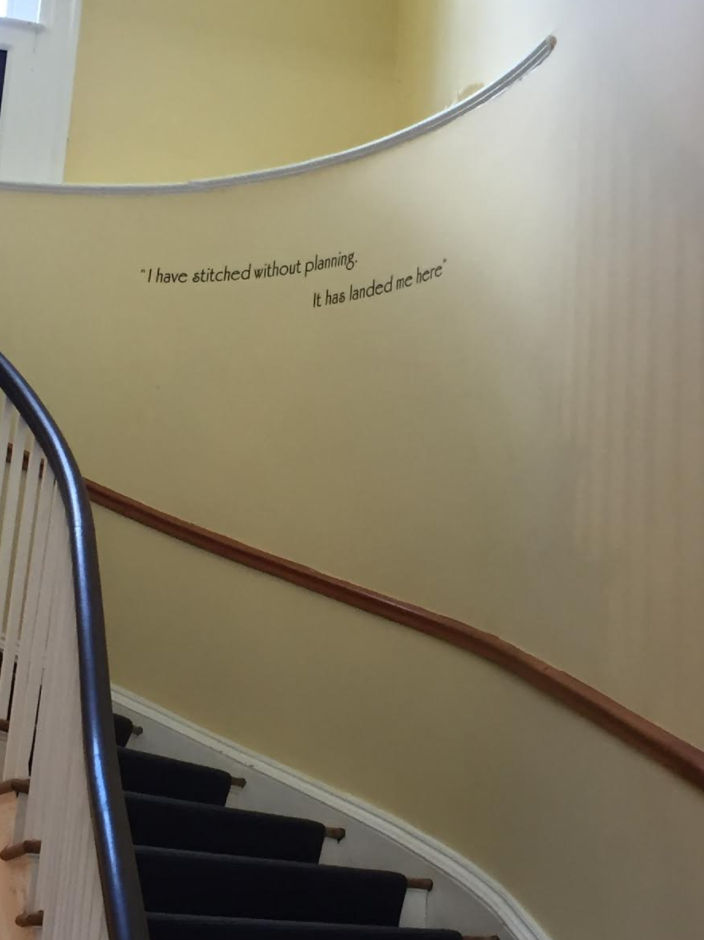
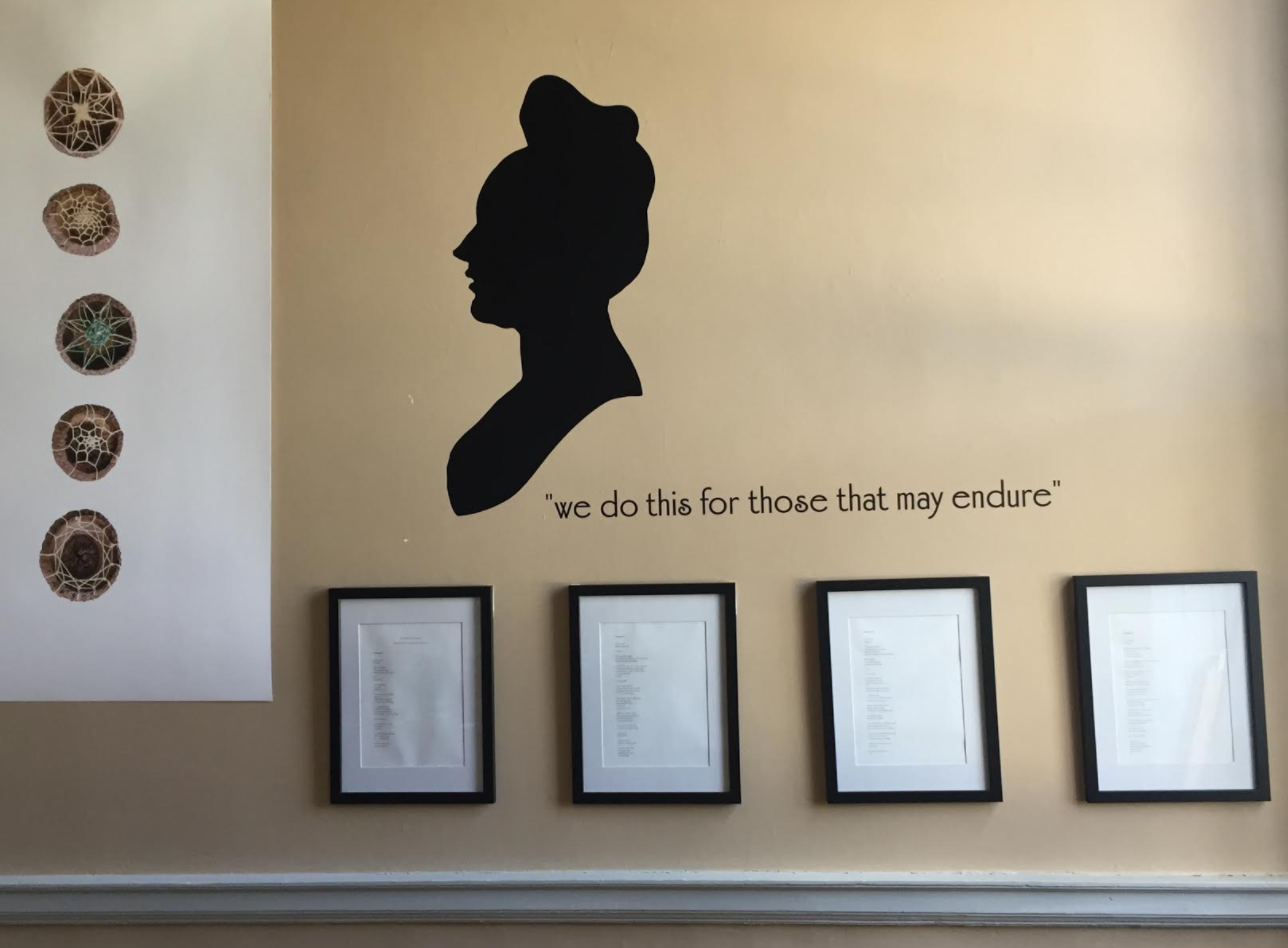
Note: These are currently displayed as a part of an exhibition at the Woodlawn Mansion in Virginia (also known as the house George Washington gifted his granddaughter). The show runs through march 31.
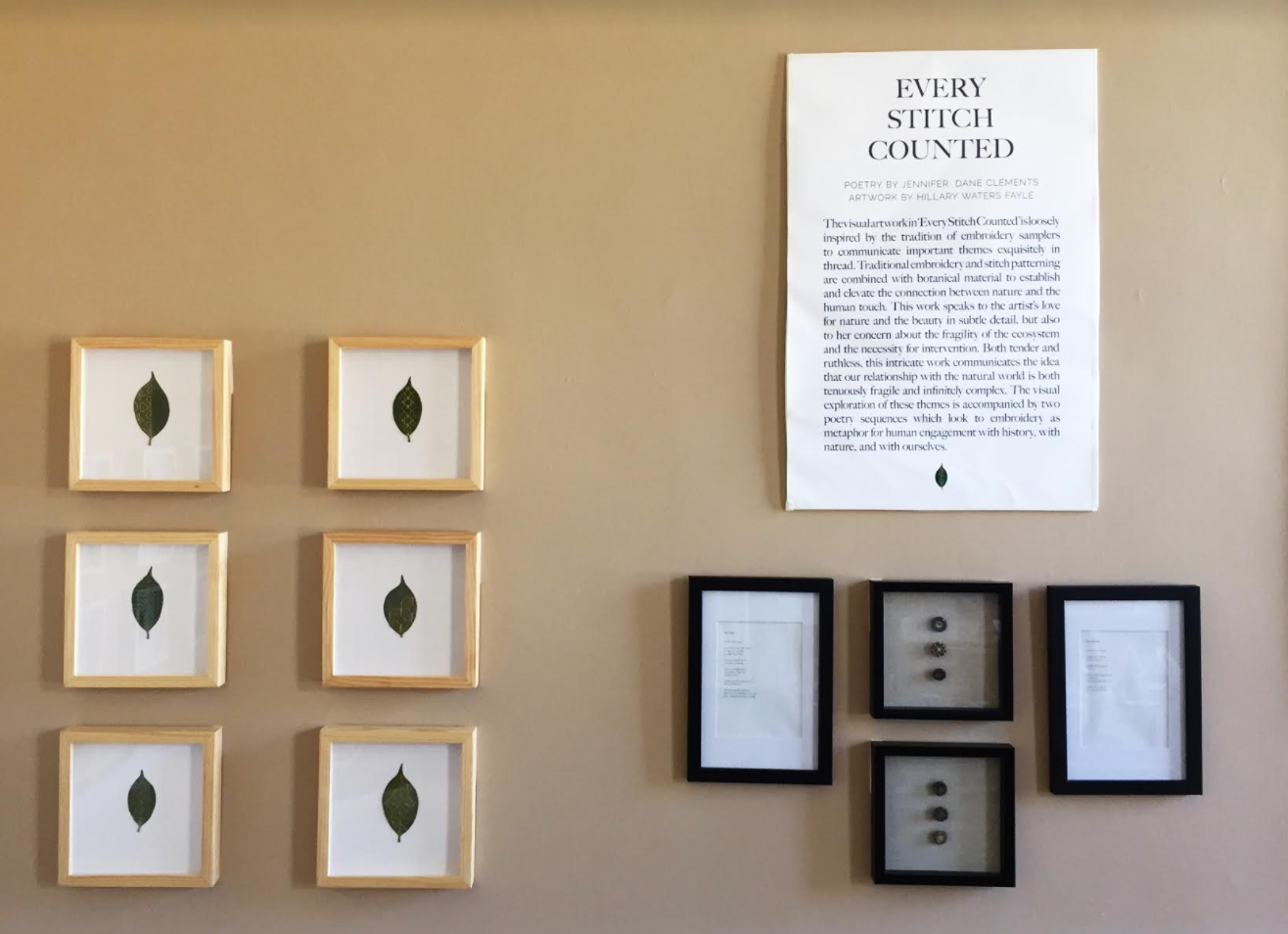
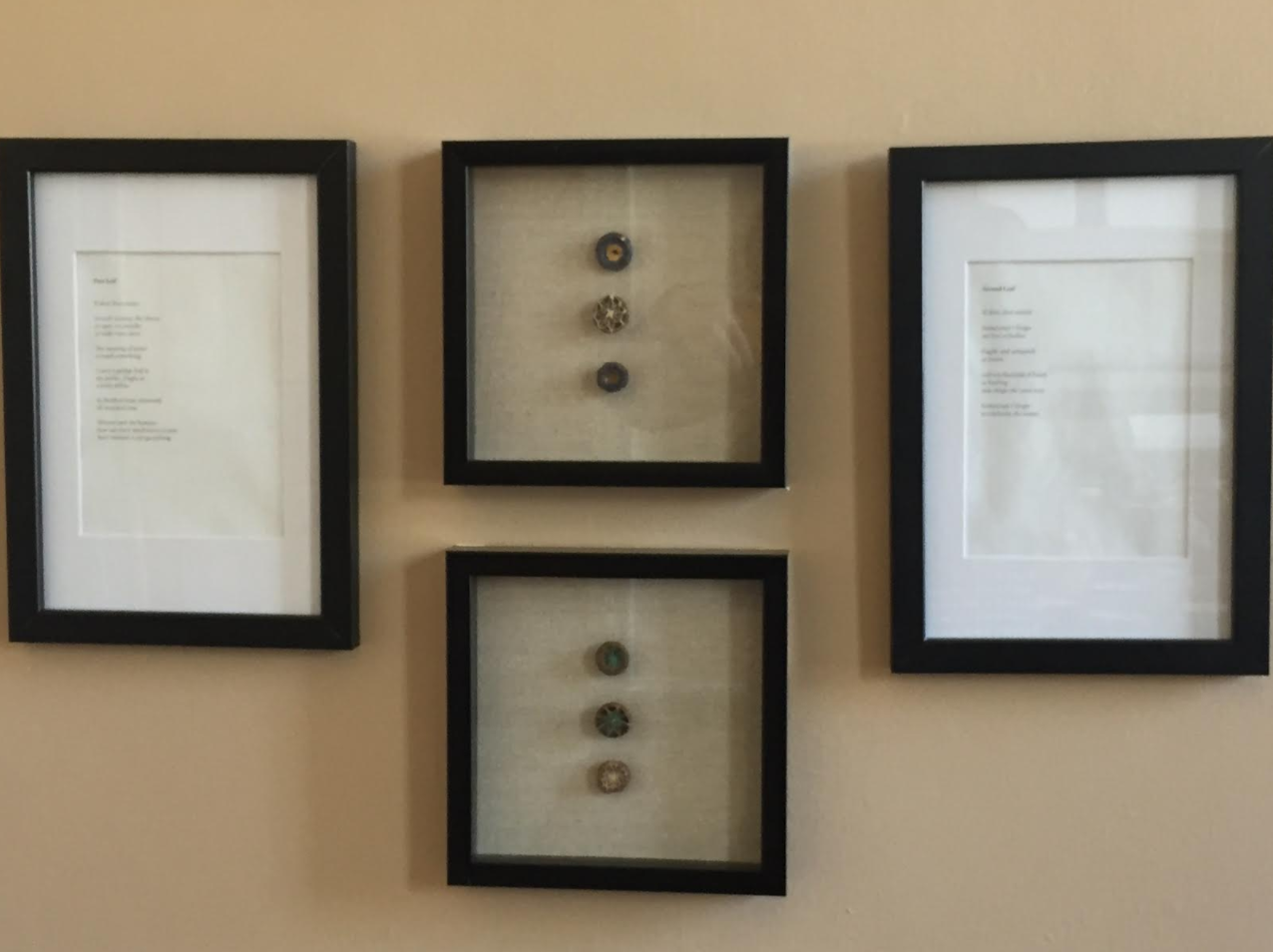
Variation I
every stitch
counted
woven histories
like petticoat folds
beneath your muslin gown
we are meant
for making.
spill your words.
a sampler
a grammar
a craftsmanship of letters
cousin to
embroidery or filigree
or plainwork or painting.
is it a feminine trait
to absorb and reshape,
to ornament the world
not in beauty but in meaning
and constraint
to dispatch parts of self
enveloped
to others
and like colonial children
three of every seven
fail to thrive
we do this for those
that may endure.
Variation II
every stitch
shall be counted.
so obsess.
it is a woman’s work
arranging like daffodils or constellations
filaceous shade and shadow
what forms a thread but fiber and care
what forms a fiber but proof of life:
a cotton bud, a lamb’s mottled fleece
or wormspun silk
or you.
so embroider.
it is a woman’s work
to layer new life upon the old,
a woman’s body constructed
for its own remaking.
everything cloaks its meaning
in something else
(we call this beauty
or symbol
or preservation)
and what forms a word
but a thread spun of letters
what forms a letter
but proof of a hand
are these words threads
or are these threads words
pigmented
pin-pricked
I have remade
and sent myself to you.
look now, Elizabeth:
your fingertips
smeared thick with
ink and blood.
Variation III
every stitch
counted
thread-made things
in female-governed spaces:
harpsichord, piano
bracelets beaded in seed-small glass.
these hands
intractable makers
conductors of string.
look:
a firescreen.
its basket of flowers
tactile and scentless
save the memory of berries
bacciferous pigment dreams,
stitches the age of a nation.
it was blue once
the way a song tethers memory
the thread’s song is blue
yellows deepened to ochre
whites dusted to gray
still blue is most willing to fade
as though a lesson
on age, or sunlight
each thread traces a different path
counting only its own rows
they may take years to complete.
I have stitched without planning
it has landed me here
yet always there is a design.
thread will not ask its reason
its pattern
but like a good skeptic
I do.
Variation IV
every stitch
counted
we have worked by candlelight
for hours now
or do I mean days,
or do I mean decades
let us not suggest the process is delicate
a pierce repeated
through and through
tell me where creation occurs
without rupture
I dare you.
thimbles and revolution
obsessions of different scale
the fall and the falciform
the carmine of cochineal
your dye a siren acid.
let us not suppose women are delicate
a puncture repeated
through and through.
tell me where creation occurs
without rupture
even counted, even planned.
let us not suppose we do this
only to pass the hours
I am this thread
and tapestry needle
the wounded fabric
the loveliest
and most colorful
carnations and daffodils
tattooed on me
as on canvas.
Jennifer Dane Clements is a writer and editor based in Washington, DC. Her work has been featured in publications including Barrelhouse, Hippocampus, WordRiot, Psychopomp, and The Intentional. She holds an MFA in creative writing from George Mason University, and is currently working on a collection of creative nonfiction. Jennifer has received fellowships from the Fulbright Commission and the DC Commission on the Arts and Humanities, as well as nominations for the Pushcart Prize, the Larry Neal Writer's Award, and the Best of the Net Award, among other honors. She serves as a judge for the Helen Hayes Awards and volunteers as a teaching artist at the Sitar Arts Center.
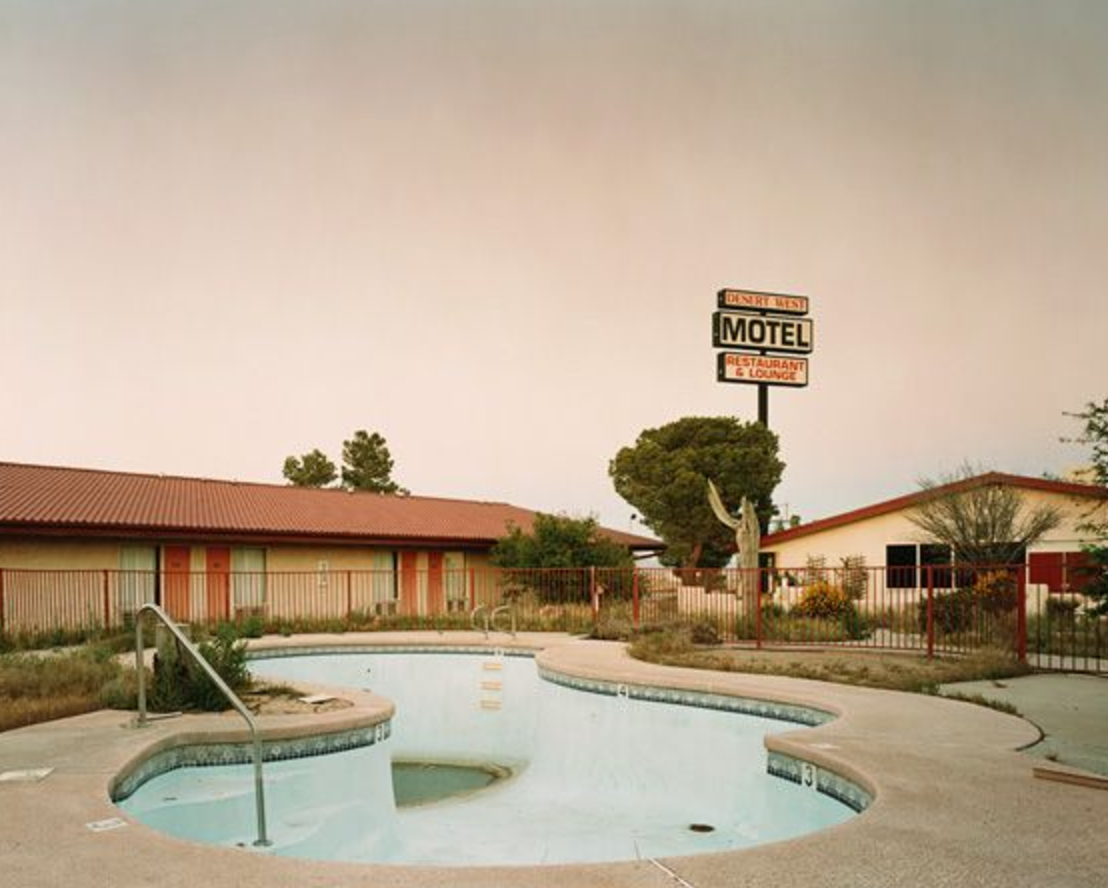
Photograph by J Bennett Fitts
2 Poems by Stephanie Kaylor
UNIDENTIFIED WOMAN RECOVERS STOLEN ASHES OF DARIEN EHORN, 23 YEAR OLD WOMAN WHO RODE IN THE PASSENGER SEAT OF AN SUV THAT CRASHED IN PARADISE, CALIFORNIA
Unidentified Woman is not the woman
of this story. Unidentified Woman
simply went to Paradise, brought
the dead back to life. Unidentified
Woman had a daughter, had done
this all before, had dreamt of
pomegranate trees, the cracked
fruits on the ground below giving
way to a thousand ruby-skinned
fragments left unscathed, had
dreamt of traveling the continent
and translating every echo from
here to there but she only made
it from paradise back to damned.
Unidentified Woman does not ask
why a man would steal a woman’s
ashes only to reject them, throwing
them out of his Chevy window on
Route 70, half an hour south of
Paradise, does not ask for are
reward, does not tell her daughter
it will be ok.
UNIDENTIFIED WOMAN ROBS 66 YEAR OLD MAN AT A BURGER KING IN THE BRONX
It’s knowing you’ll be asked
if you’d like anything else when
you need everything else
but only have a loose cigarette, a couple dollars
worth of quarters for the laundry
you’ll wash by hand instead because
even though it never turns out as soft
that way at first, a half an hour later
the day has already beaten out the
folds and warned them there’s no
coming back. Unidentified Woman
would have starched and ironed her
dress nonetheless but she knew their
documents would only say:
female, middle-aged, wearing a
black durag like an appendix.
telling you all you need to know in
the chapter that comes before.
It’s knowing you’ll be called
by an order number not a name, a
correspondence between value and
claim, its every letter a shareholder
negotiated through the tongues that
refuse to learn to speak you.
Unidentified Woman has already
told you how to pronounce her name.
Her old gold locket is gone
melted down at $135, 4 grams.
The faces of her parents, antiquated
and fading twenty years
were first scratched out with a hairpin.
In dreams she faces them shouting Mine.
How they shake with laughter,
silver fillings catching the sun.
Stephanie Kaylor is a writer from upstate New York. She holds a MA in Women’s, Gender, and Sexuality Studies from the University at Albany and is currently finishing a MA in Philosophy at the European Graduate School. Stephanie is Reviews Editor for Glass: A Journal of Poetry and her poetry has appeared in a number of journals including BlazeVOX, The Willow Review, and altpoetics.
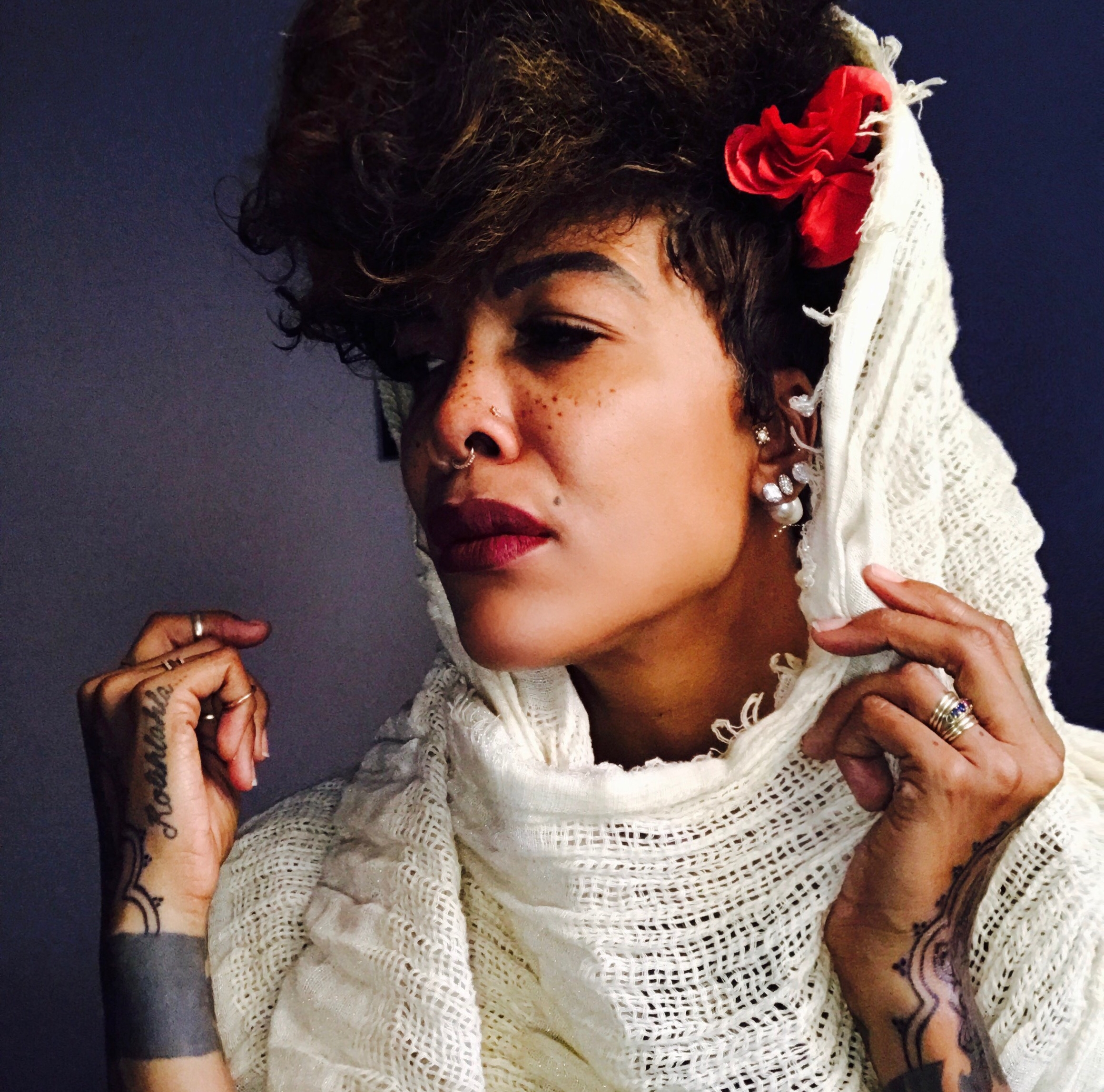
Poetry By Dominique Christina
Your daughters will teach you
What all men must one day come to know,
That women, made of moonlight, magic, and macabre,
Will make you know the blood.
We'll get it all over the sheets and cars seats.

Come See Luna Luna at KGB Bar in NYC March 8 for The Body As Object
12 poets, KGB Bar.
Read More
via Medium
Bay To Break My Mind: On the 50th Anniversary Celebration of the Summer of Love Being Shut Down
All I could feel for certain was that it certainly wasn’t "a happening" as the very un-groovy bellows got closer and louder still. So close now I could no longer ignore whatever the impending invasion was. I crept back up to the road’s edge, still remaining hidden behind the thick brush. As the ever-increasing loudness grew, other noises were revealed and morphed into a swirling soundscape mixing into 500.1 3-D audio channeling into the mixing board of my mind with all knobs twiddling. Rising low rumbles of many drums banging out of sync with high pitched whistles clattering atop like hard rain on a hot tin hangar roof.
Read More
Chris Herath
Poetry by Peter Milne Greiner
Peter Milne Greiner is the author of the chapbook Executive Producer Chris Carter (The Operating System 2014). His poems, science fiction, and other writings have appeared in Fence, Omni Reboot, H_NGM_N, Diner Journal, InDigest, Coldfront, and elsewhere. He lives in Brooklyn.
Read More
Matt Jones
Poetry by Maria Pinto
Maria Pinto was born in Jamaica and grew up in South Florida. Her work has appeared or will appear in FriGG, Necessary Fiction, Word Riot, Pinball, and The Butter, among others. She was an Ivan Gold Fellow at the Writers' Room of Boston, in the city where she reads for FLAPPERHOUSE and does karaoke. Her debut novel is in search of a home. She's working on the next.
Read More
Ryler Calabrese
Liebre en el ejido: Poetry by José Antonio Rodríguez
BY JOSÉ ANTONIO RODRÍGUEZ
CURATED BY CECILIA LLOMPART
Liebre en el ejido
Por fin sale de su pozo
y su cuerpo acurrucado
se tisna con el humo desganado
de la basura que mis padres queman
por la húmeda tarde,
ante la vista de los vecinos.
Olfatea el plástico de la botella
que se retuerse entre las llamas
como chicharrones de cerdo
y cierra los ojos. Empieza
a caminar como una anciana.
No sé de sus años en el pozo.
Las parcelas se achican
ante las anchas carreteras.
La acequia se hace chorro
y el panteón se cree rey
con tantas coronas.
Ni siquiera voltea a ver
los trosos de papa
que tengo en mi mano.
Se va porque no quiere probar
las escarchas rosadas de mi casa.
¿Debo también celebrar su partida?
Aquí no se celebran los cumpleaños
porque llaman al recuerdo del nacimiento
que es la prueba de la concepción
que jamás se piensa —
como el sabor del terrón desmoronado
entre los dientes. Las velas se encienden
sólo para la iglesia.
La liebre se va
y el panteón se burla de mí.
José Antonio Rodríguez's books include The Shallow End of Sleep, Backlit Hour, and House Built on Ashes: A Memoir. His work has appeared widely in Poetry, The New Republic, Huizache, and elsewhere. He teaches in the MFA in Creative Writing program at UT-Rio Grande Valley. Learn more at www.JARodriguez.org
Cecilia Llompart is the Spanish Poetry Editor for Luna Luna Magazine.

Marcin Drabek
Poetry by Danielle Susi
Danielle Susi is the author of the chapbook The Month in Which We Are Born (dancing girl press, 2015). Her writing has appeared or is forthcoming in Knee-Jerk Magazine, Hobart, and The Rumpus, among many other publications. She received her MFA in writing from The School of the Art Institute of Chicago and Newcity has named her among the Top 5 Emerging Chicago Poets. Find her online at daniellesusi.com
Read More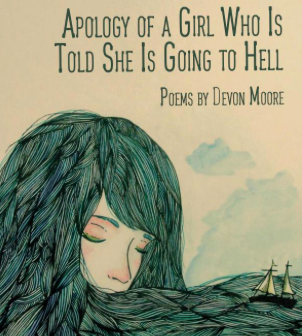
Interview with Devon Moore, Author of 'Apology of a Girl Who Is Told She Is Going to Hell'
I’ve known Devon since grad school, and I was overjoyed to see how her work—which has always been fantastic—has grown. This book is visceral and dynamic, rife with rich images and strange settings, “spaces that are theaters for the soul” (Bruce Smith): oceans and dreamscapes full of chucacabras, attics and deathbeds. There’s a wine-dark, pensive intricacy in Devon’s poems that left the tang of metal at the back of my tongue. There’s an unflinching eye, a resolute grittiness that plumbs longing, shame, and girlhood in America.
Read More
Alvaro Serrano
Debunking the Writer’s Block Myth: Create Content Every Day
The biggest secret to writing well is that there aren’t any secrets. Maintaining a blog or writing a book takes the same type of skill, and that’s organization. That means, creating a schedule, an environment, and taking the time to research. When we talk about writer’s block, we are really talking about disorganization and waiting for those “idea” moments to happen. Like lightning, inspiration does strike—just not often and fades before our very eyes.
Read More
Jamie Street
Poetry by Steven Cordova
Steven Cordova is the 2012 first-place winner of the International Reginald Shepherd Memorial Poetry Prize. His first full-length poetry collection, Long Distance, appeared in 2010 from Bilingual University Press. He lives in Brooklyn, New York.
Read More